Insurance and Historic Places

“I’d like to see my house designated as a Municipal Historic Resource, but would that not make insuring it really expensive?” This is a common concern. Many believe that once a place is designated as a Municipal Historic Resources (or a Provincial Historic Resource) insurance premiums go up, but this is uncommon. If you are a homeowner with replacement-cost insurance, your current policy should cover the conservation work needed if something should happen.

Homeowners normally insure their property for its replacement cost. This means that your insurer is responsible to pay for repairing, or if necessary replacing, your home if it is damaged or destroyed in a way covered by the policy. Most home insurance policies cover replacement cost, making the insurance company responsible for repairing (or if necessary replacing) the insured property in “like kind and quality”.
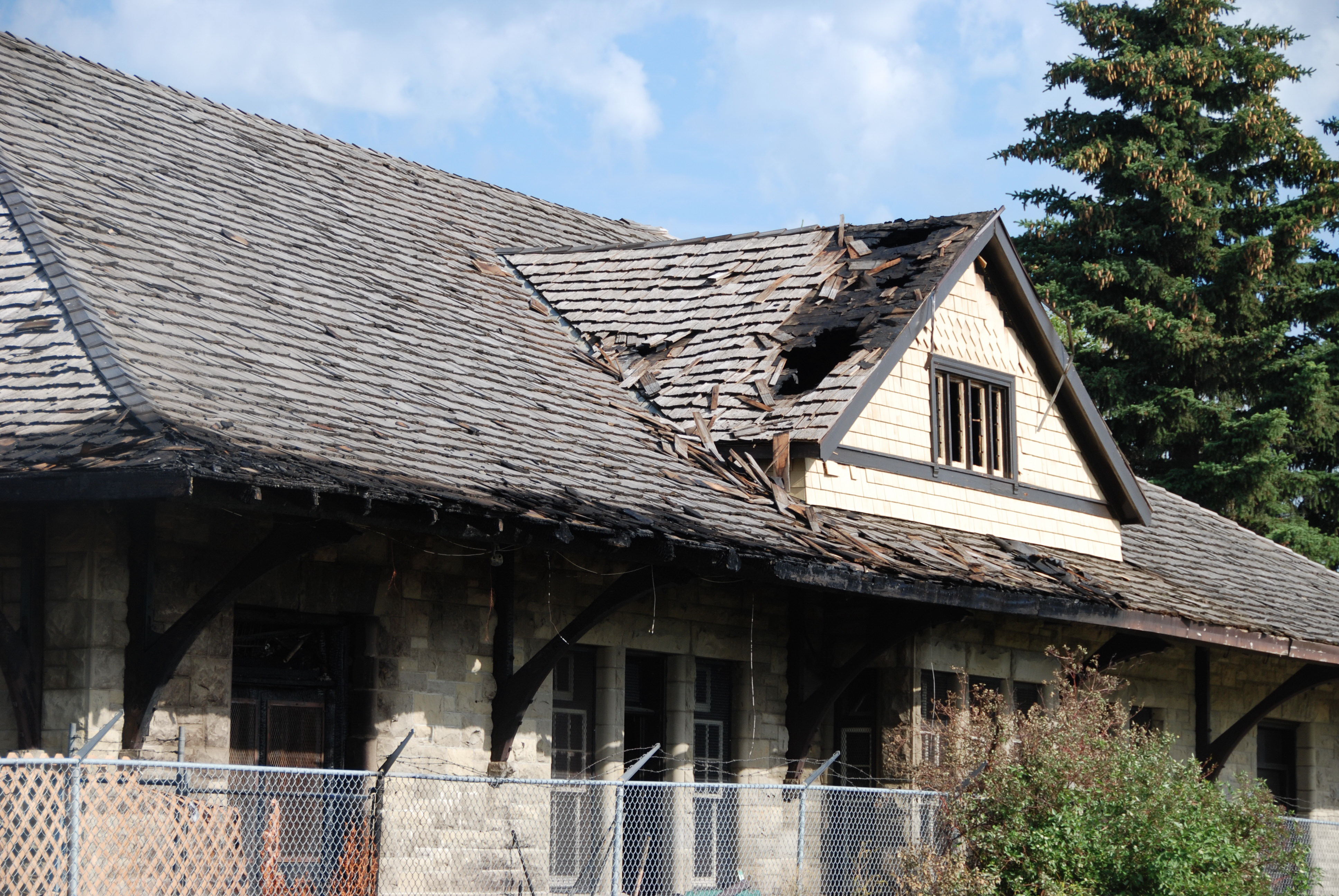
Designated as a Provincial Historic Resource, the Museum of the Highwood in High River was damaged by a fire in July 2010.

Insuring a historic place for its replacement value is important. Features that were once common can now be difficult and expensive to re-produce. Some once-common skills (like working with plaster) are now rare; many once ordinary and inexpensive materials (like hardwood) are now uncommon or expensive. Repairs to character-defining elements should match materials and design details. If you carry insurance that covers replacement in “like kind and quality” you likely have all the coverage needed. If a home is only partially destroyed, then ideally as much historic material as possible should be saved; unsalvageable elements should be reinstated as much as possible.

Your insurance premiums should not increase simply because your home is designated a Provincial or Municipal Historic Resource. Remember, when you originally purchased your policy and your insurance provider asked questions about the age of the home and the quality of the workmanship? The company was gathering information to assess what exactly they might have to repair or replace should a disaster occur. In fact, some companies now make visits to your home to note its features so there are no discrepancies at the time of a claim.

As always, reviewing the Statement of Significance for a designated site will help you understand why it is valued and what about it must be conserved. If you have specific questions, you can discuss the matter of insurance coverage with a Heritage Conservation Adviser.

Written by: Michael Thome, Municipal Heritage Services Officer
Welcome Forestburg!

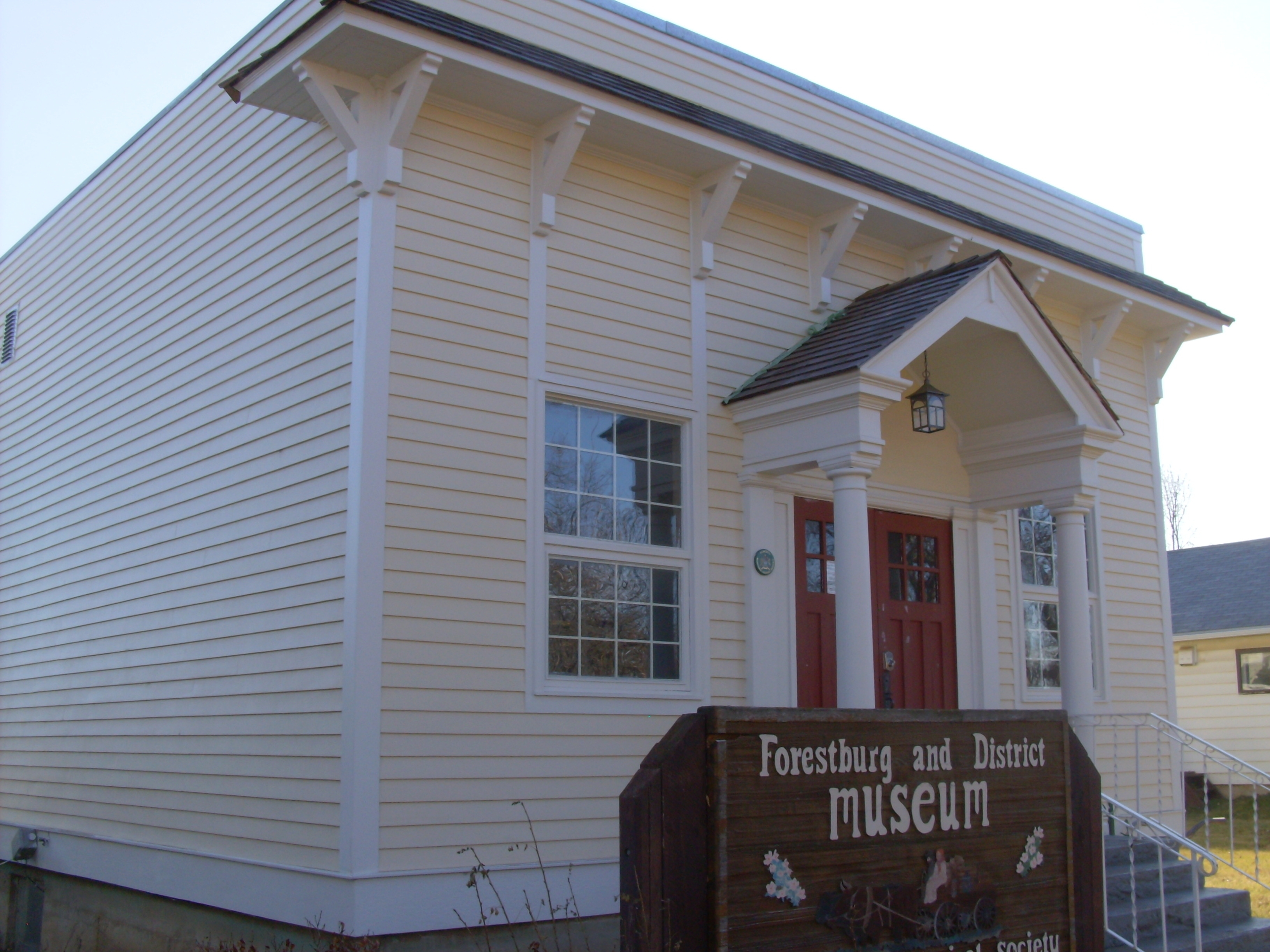
The Forestburg Masonic Temple is the newest Municipal Historic Resource listed on the Alberta Register of Historic Places. Constructed in 1921, the Village of Forestburg values this place for its historic use as the meeting place for the Masonic Order and as a community hall. The hall is the Village of Forestburg’s first Municipal Historic Resource.

This listing contains an example of a Statement of Significance for a site that is valued as for its historic use.

Written by: Micheal Thome, Municipal Heritage Services Officer

Special Places in the Special Areas

The three most recent Municipal Historic Resources listed on the Alberta Register of Historic Places are in the Special Areas. The three Special Areas form a unique municipality. Located in southeastern Alberta, the 2.1 million hectare municipality is administered by a provincially appointed board. The sites are:

  • The St. Laurence Anglican Church, which was built in the Hamlet of Monitor in 1915. This wood-framed church is valued for its use as an Anglican Church and its association with the foundation and development of the local community.
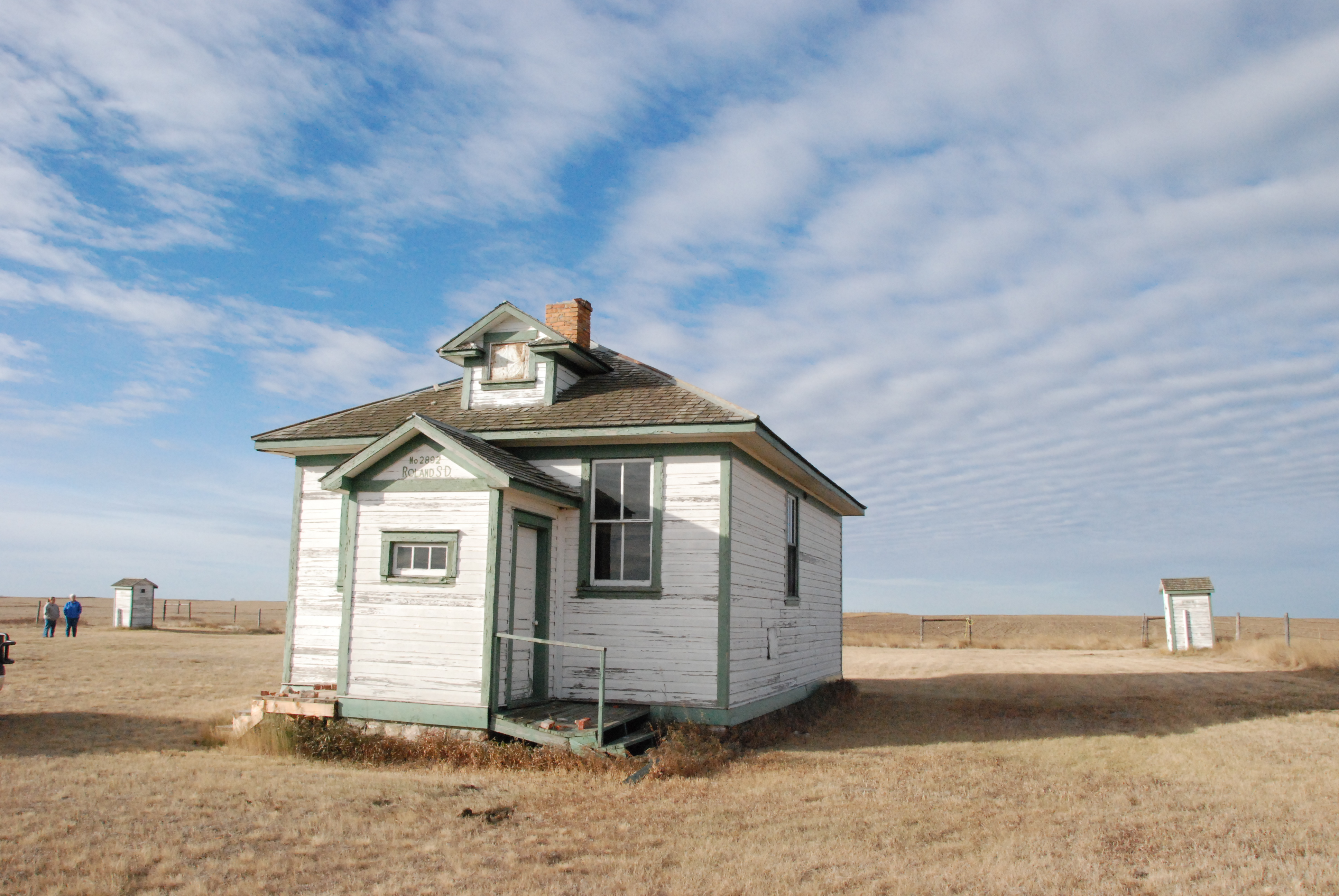
  • The Roland School, a one room school located south of the Village of Consort. The community values it for its use, first as a public school between 1913 and 1933 and subsequently as a community hall.
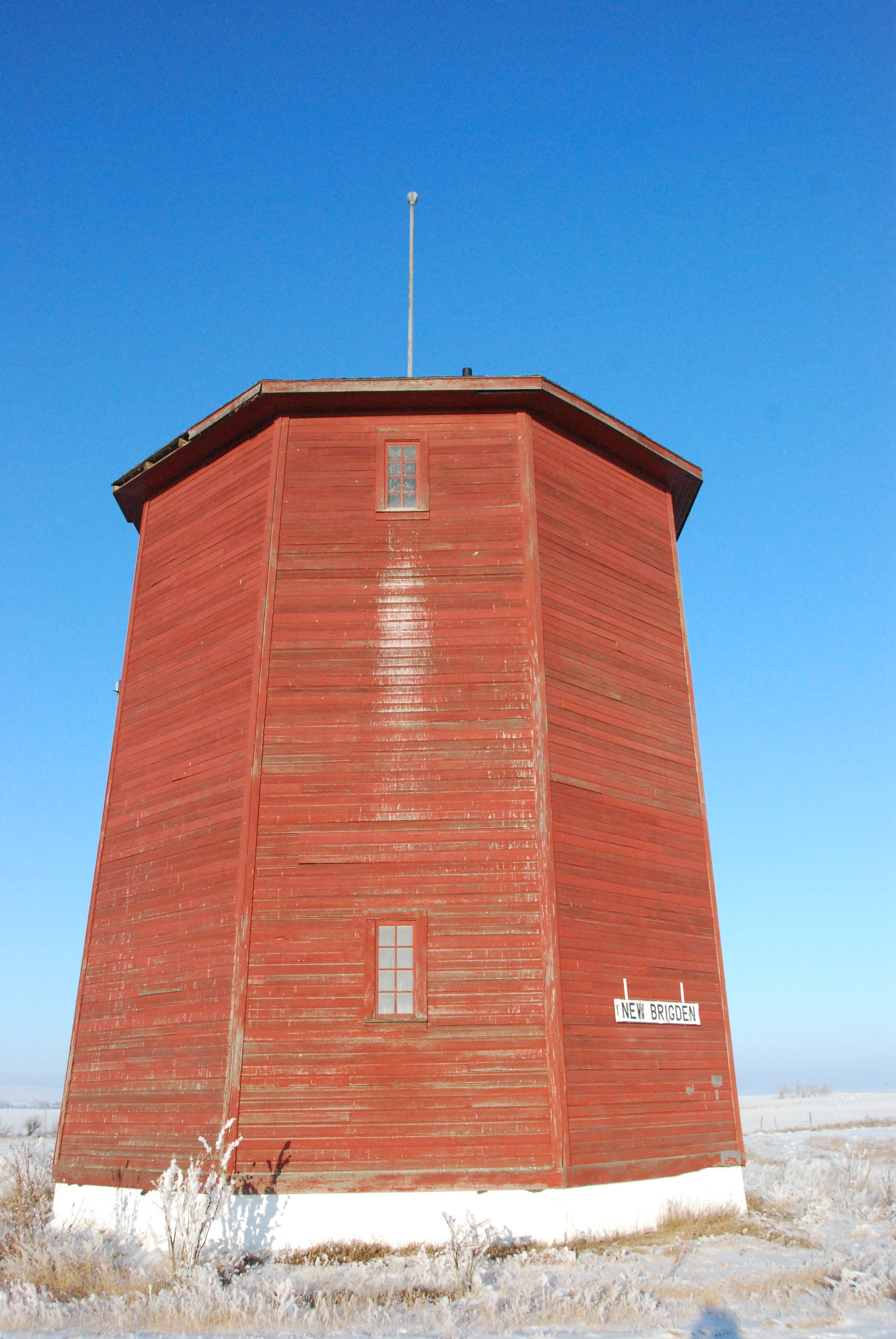
  • The New Brigden Water Tower, which was constructed by the Canadian National Railway in 1925 as the company installed a branch line through the area. The tower is valued for being a landmark in the Hamlet of New Brigden.

The Historical Resources Act enables Alberta’s municipalities to conserve their significant places. By designating a site a Municipal Historic Resource, municipalities can protect their special places from unsympathetic alterations. Since 2006, when the Municipal Heritage Partnership Program was established, Alberta’s municipalities have designated almost a hundred Municipal Historic Resources. The variety of historic places that our communities are preserving illustrates the variety of ways Albertans have lived their lives.

The above three sites are just a small sample of the 165 Municipal Historic Resources currently listed on the Alberta Register of Historic Places. We encourage you to explore the register to learn more about Alberta’s provincially and municipally designated historic places. Perhaps one of the listings will inspire you to look at a place in your community in a new way.

Written by: Micheal Thome, Municipal Heritage Services Officer
Need help understanding your historic place? Develop a SoS

Many municipalities are busily writing Statements of Significance (SoS) for their historic places. Listing Municipal Historic Resources and Provincial Historic Resources on the Alberta Register of Historic Places requires a SoS, but that’s hardly the best reason to write one. Statements of Significance are not online plaques, histories or even calls for help.

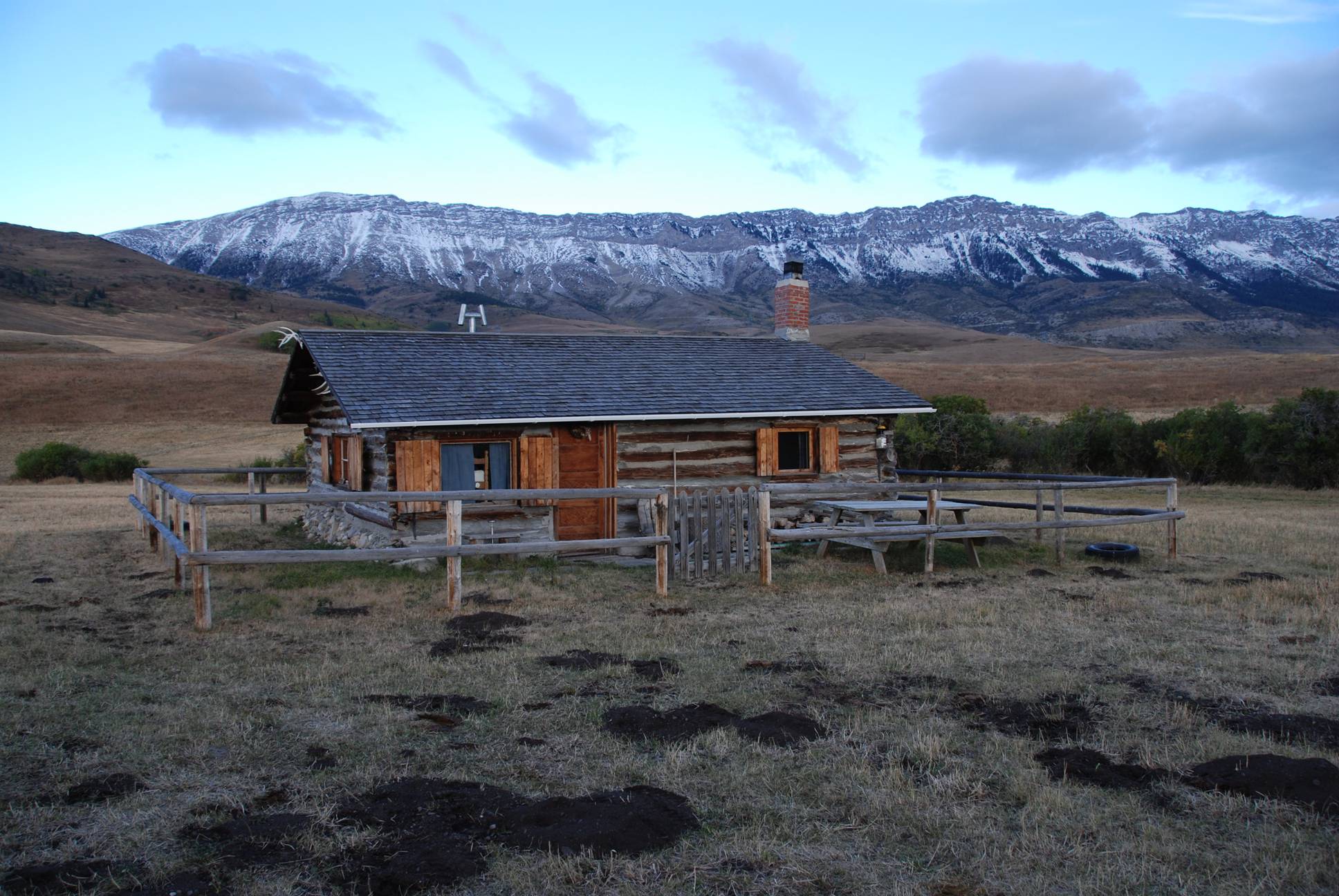
A properly written SoS explains why we value a particular historic place, linking these values to physical, character-defining elements that manifest those values. If you would like to see an example of a SoS just look at the entry for any Municipal Historic Resource or Provincial Historic Resource listed on the Alberta Register of Historic Places, such as the SoS for the D.U. Ranchlands Cabin.

A Statement of Significance explains where a historic place is located (a quarter section in the M.D. of Pincher Creek), what you will find at the site (a one-room log cabin) and the reasons why the community feels the place is significant. A SoS does not describe a place’s history (such as who built it), it explains why the community values the place (as an example of an early 1900 homesteader’s cabin). A SoS relates these values to physical elements that must be conserved (wood log construction). Removing these character-defining elements would undermine the place’s significance; without these elements, the site would no longer be a historic place.

Without understanding historic places–why each is valued and how each exhibits its values–nobody can objectively determine how proposed alterations will affect a historic place. Many historic places have been scarred by well intentioned “repairs” that didn’t take into account why it was significant. A Statement of Significance may not be a call for help, but these documents do help in planning for and managing the effective conservation of historic places. 

Written by: Michael Thome, Municipal Heritage Services Officer
MHPP comes to Drumheller

  
The Town of Drumheller spans the banks of the Red Deer River north-east of Calgary in the Canadian Badlands. You probably know Drumheller as the home of the Royal Tyrrell Museum, but it should be famous for more than fossils. Like all of Alberta’s communities, places throughout Drumheller reflect its unique history. In Drumheller these places show us Drumheller’s evolution from a ranching town to a regional service centre and as the site of over 130 coal mines. 

The Municipal Heritage Partnership Program (MHPP) recently trained the Drumheller Heritage Steering Committee appointed by Town Council. This is the first step MHPP takes when helping a municipality evaluate local historic places.    

Over the next several months, the committee will develop a context paper defining the people, groups and events that Drumheller feels contributed to its development. The next step will be to identify sites in Drumheller that reflect these influences. Hopefully, many of these sites will have “heritage integrity”—that is, the sites must have enough historic material to reflect the reasons why they are important to Drumheller. If they do, a Statement of Significance will be written for each site.

The Statement of Significance explains why the site is valued and what about it must be conserved for it to remain historic. The statements will help Drumheller decide how best to preserve locally significant historic places.   
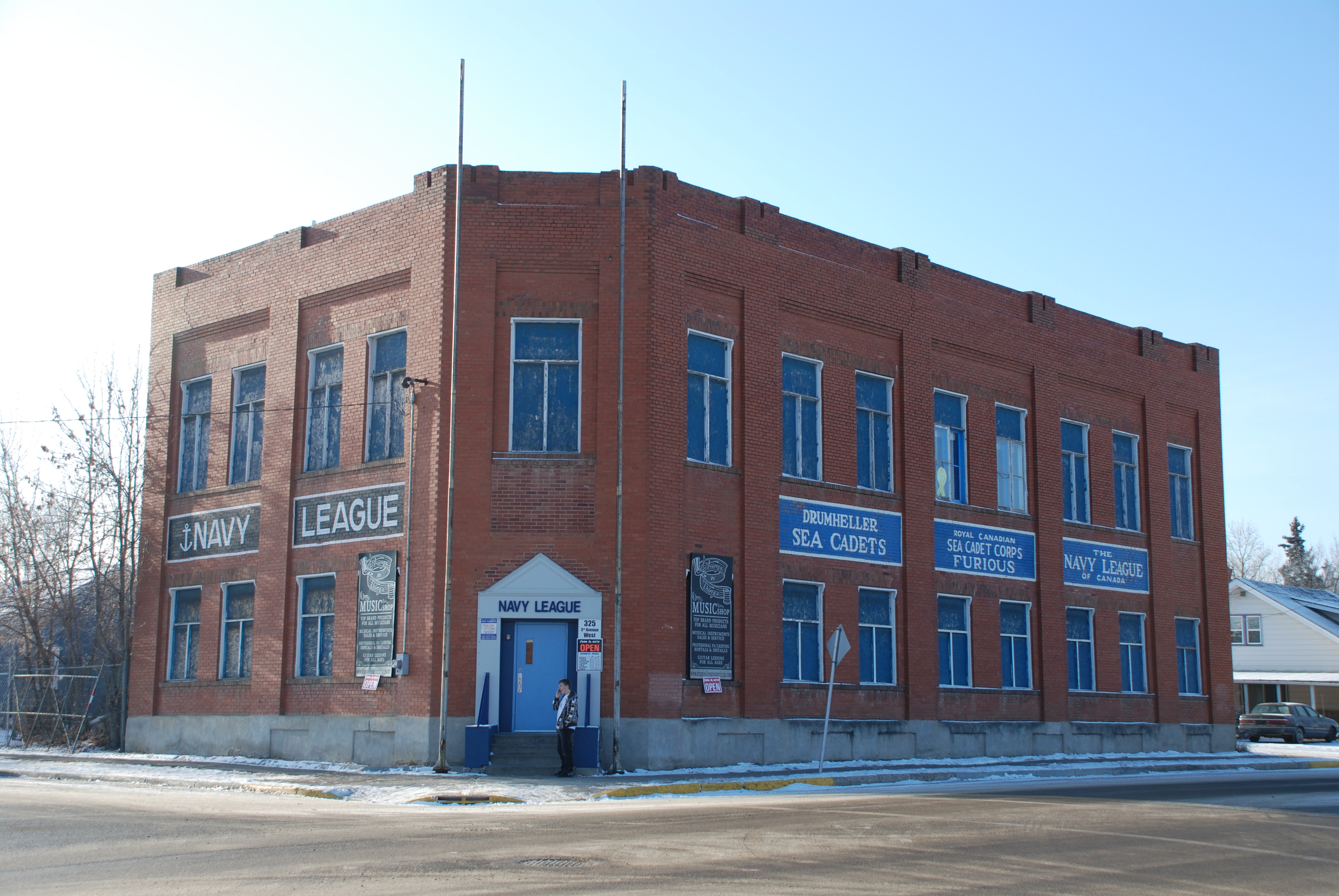
The Navy League building may be one of the sites evaluated in the Town of Drumheller's Municipal Heritage Inventory project.

If you would like to learn more about conducting a Municipal Heritage Inventory, please read the Evaluating Historic Places manual found on the MHPP website. If you would like to discuss options please contact MHPP staff.

  
Written by: Michael Thome, Municipal Heritage Services Officer  
 

Municipalities: To Conserve and Protect

In every city, town, village and county you find special places illustrating each community’s heritage. Have you ever wondered how locally significant historic places are recognized and protected?

In Alberta, municipalities can designate these places as Municipal Historic Resources. Each Council decides what deserves to be designated. A designated site remains private property—the only difference is that the owner needs to have the municipality’s permission before altering it.

Sites like the D.U. Ranchlands Cabin gives us a glimpse of how homesteaders lived in the southern foothills around 1900, while the Trapper’s Shack shows us how fur traders lived in Fort Vermilion around the same time. The Acadia Block has been part of downtown Lethbridge’s business district since 1909. The Mill Creek Trestle Bridge reveals how we traveled before cars were affordable. The Nativity of the Blessed Virgin Mary Ukrainian Greek Catholic Church north of Lamont is full of beautiful artwork painted by famed iconographer Peter Lipinski.

You can find 154 Municipal Historic Resources (including the ones mentioned above) on the Alberta Register of Historic Places with more added all the time. Check out the Register to learn more about some of the special places that can show us how Albertans have lived. 

Written by: Michael Thome, Municipal Heritage Services Officer