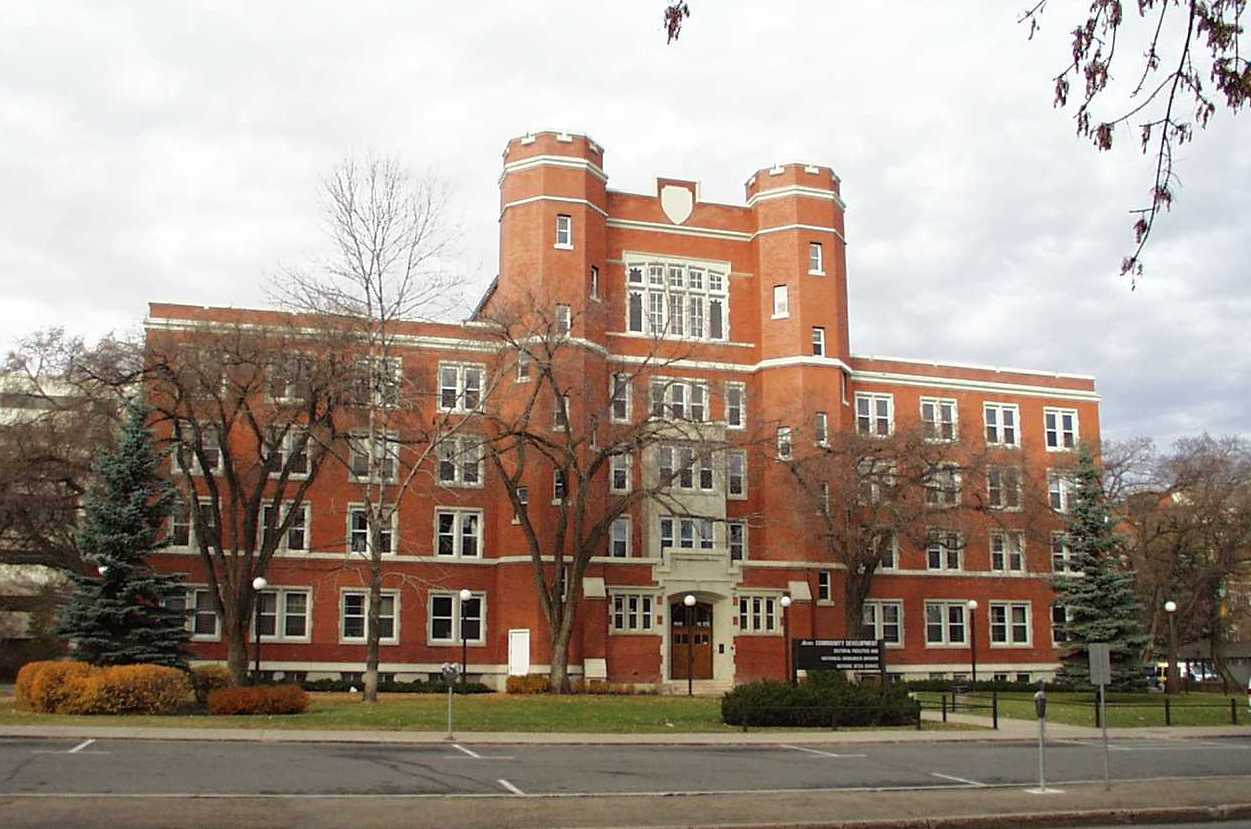
Old St. Stephen’s College, Edmonton, home to most of the offices of the Historic Resources Management Branch
This is a meaningful career opportunity where you can put your education and passion for heritage to work in a meaningful way. The Historic Resources Management Branch is seeking an energetic individual to provide a full suite of heritage advisory services to municipalities and communities. You will be joining a dynamic team working to conserve designated historic places in Alberta. The Municipal Heritage Services Officerconnects stakeholders with the services of the Municipal Heritage Partnership Program and the Alberta Main Street Program. If you are a heritage professional, an effective communicator, highly organized and a collaborative problem-solver, this opportunity is for you.
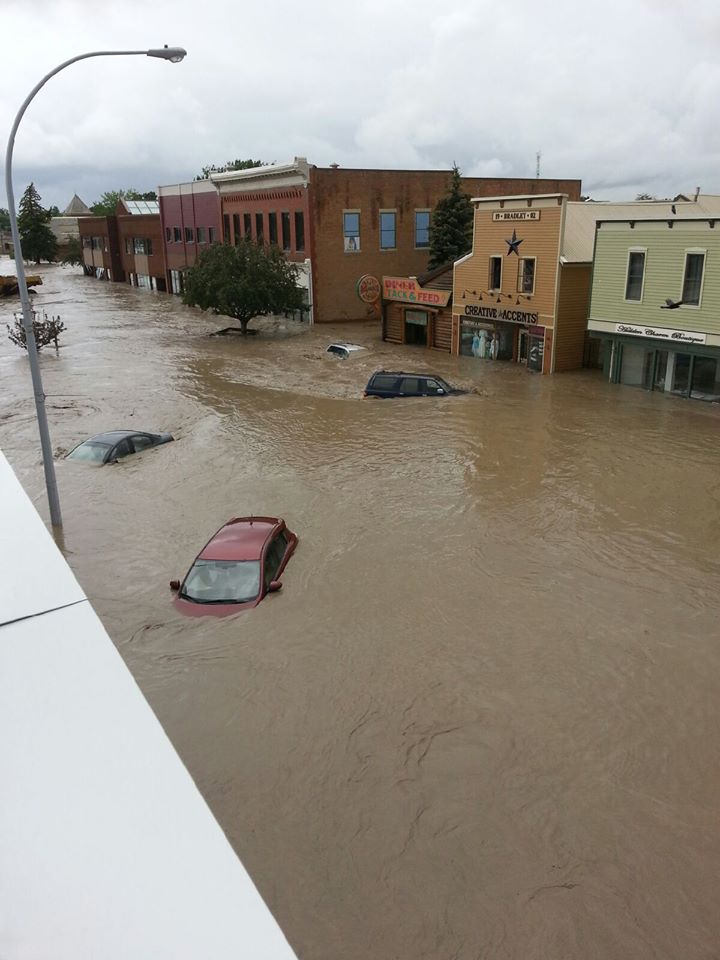
We know from receiving calls from many people that several historic places have been affected by the catastrophic flooding in southern Alberta. Historically, communities in Alberta were often built close to rivers – sources of water to accommodate trade and travel. Needless to say, these low-lying areas where our communities grew up in the late 19th and early 20th centuries are also floodplains. We know that there are a total of 75 Provincial and Municipal Historic Resources within the evacuated areas of the City of Calgary alone.
The Town of High River is one of the communities that has been devastated, and is still in a state of emergency evacuation. Over the past year, the Municipal Heritage Partnership Program has been working together with the Town on the second phase of an Inventory Project to evaluate the community’s significant historic places. It will remain to be seen how many of these places will survive the floods, and the extent of the damage. Other communities are in similar situations.
At this point, still early on the recovery efforts, there are still more questions than answers. Some owners of designated historic places that have been flooded are wondering what they should do. Once the emergency needs for safety and the basics of life are provide for – what are the first steps in safeguarding and stewarding these historic places?
The Historic Resources Management Branch has staff that are available to talk with owners of historic places, and to provide technical advice and support. We know that a major clean-up and conservation effort is now only beginning. We encourage owners of designated Provincial Historic Resources and Municipal Historic Resources to contact the Heritage Conservation Adviser for their region. Let us know how you are doing, and the current state of your historic property. We can help you to prioritize steps and make plans to help conserve your historic place for the future.
Calgary Region: Eileen Fletcher, her office number is (403) 297-4074 and her cell number is (403) 618-4180.
Southern Region: Fraser Shaw, his office number is (403) 297-4088 and his cell number is (403) 921-8139.
Municipal and community officials can contact Matthew Francis, Manager of Municipal Heritage Services at (780) 438-8502. Their office numbers are toll-free by first dialing 310-0000.
Above all, we hope everyone stays safe as we work together to create a future for Alberta’s historic places.
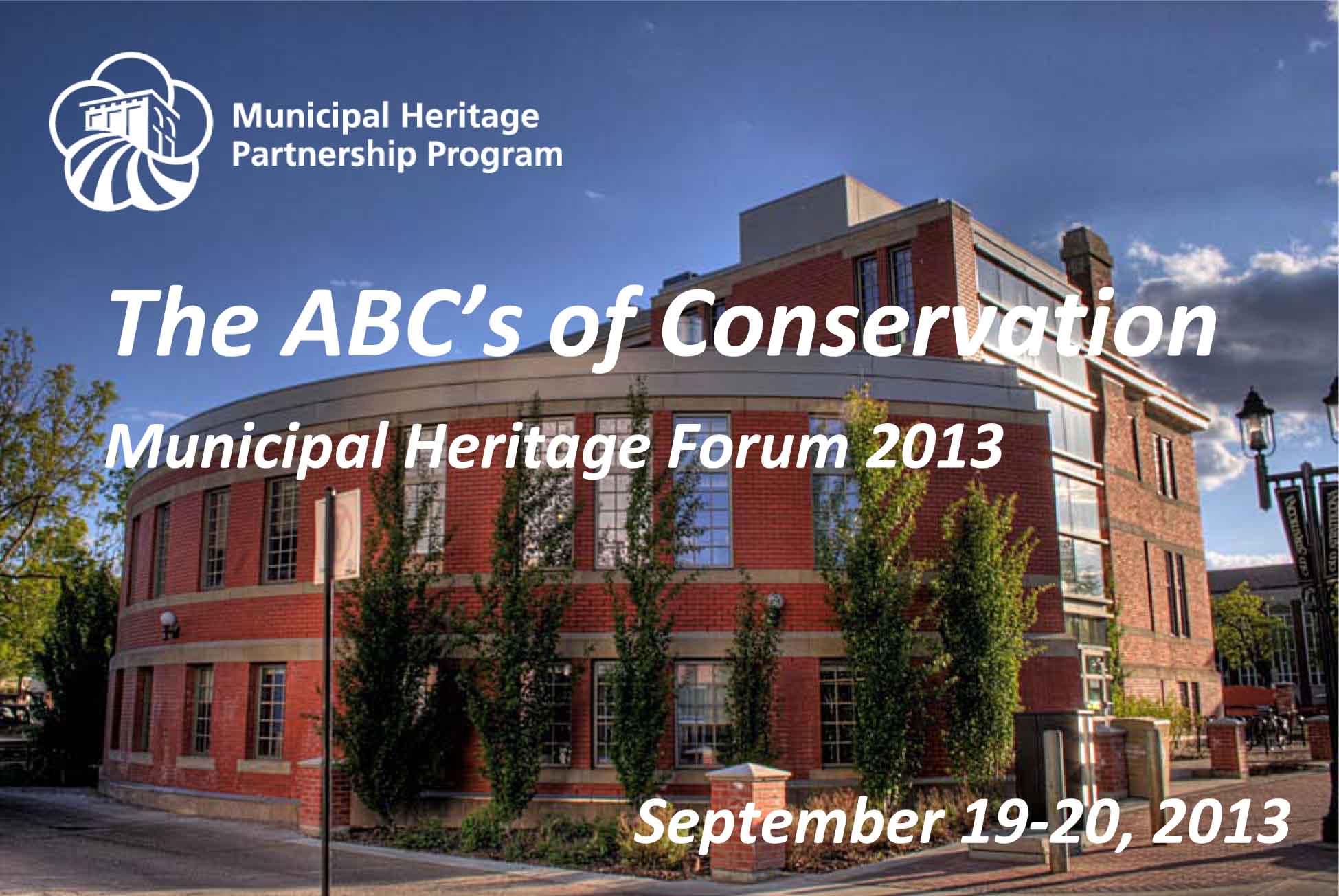
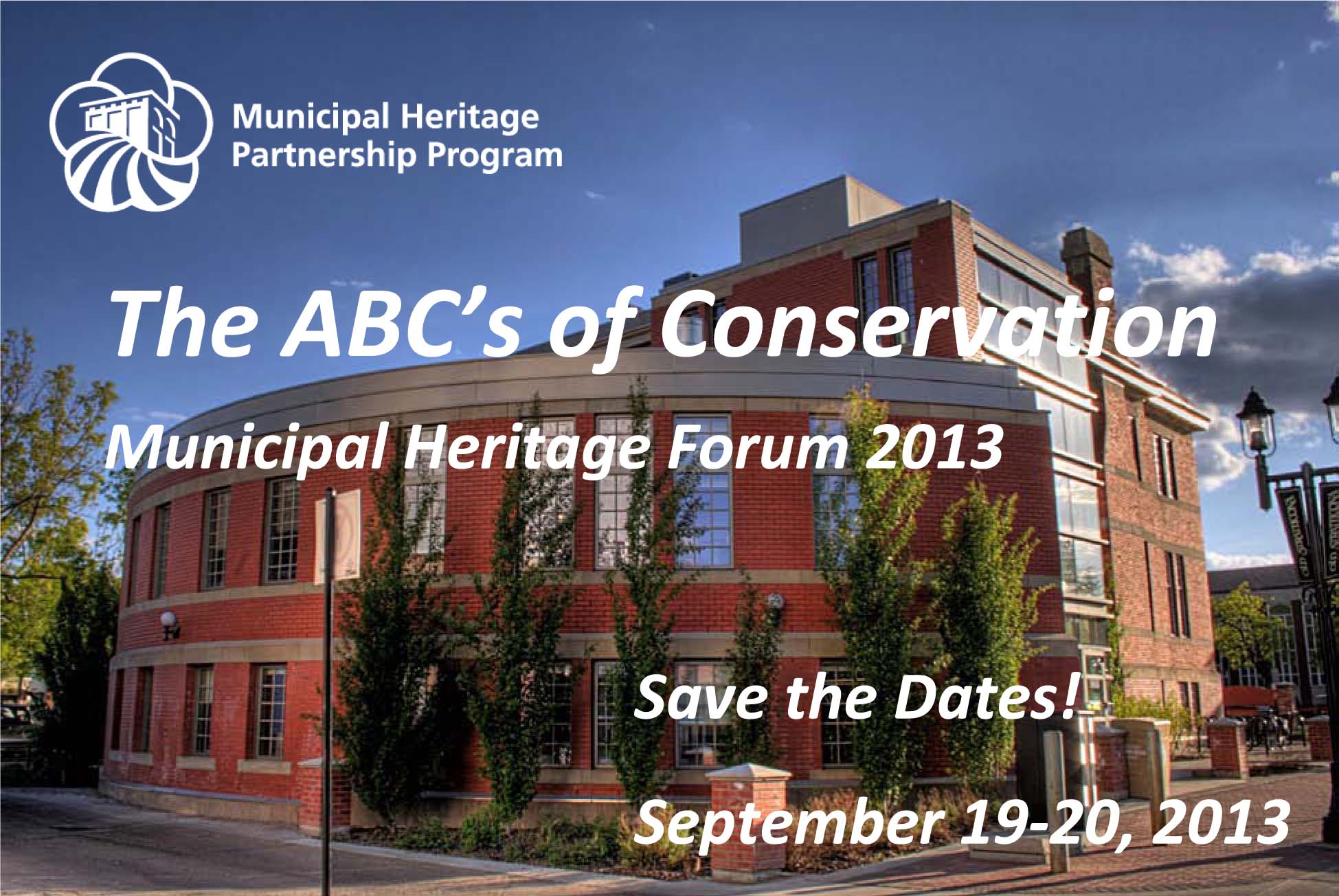
Registration is now open for the 2013 Municipal Heritage Forum: The ABC’s of Conservation.
You are invited to attend the Forum, September 19-20th, 2013, taking place at the Ukrainian Cultural Heritage Village and at Knox Church in the Old Strathcona Provincial Historic Area in Edmonton. The agenda and information package is available below:
This year will feature not only informative and inspiring keynote presentations from Bernard Flaman and Todd Babiak, but also hands-on demonstrations of conservation practices. RETROactive will keep you informed about Forum workshops, schedule, and details.
WHEN: Thursday September 19th at the Ukrainian Village & Friday September 20th in Old Strathcona
WHY: To help create a future for Alberta’s historic places.
While each year we try to carefully minimize scheduling conflicts with other important happenings on the heritage scene, sometimes overlaps occur. Some RETROactive readers will want to know that this year’s Forum is taking place at the same time and in the same fair city (Edmonton) as our friends from theAlberta Museums Association are hosting their Annual Conference. Please keep in mind that both the AMA Conference and our Municipal Heritage Forum allow for single-day registrations. This may allow some attendees to maximize their trip to Edmonton to take in the best of both great events. We will also be co-hosting a reception with the AMA on Thursday evening, Friday 19th.
Full information on Forum 2013, schedules, and registration materials will be available soon! Stay tuned to RETROactive for details.
A few weeks ago, I was live-blogging from the the U.S. National Trust for Historic Preservation’s Annual Main Street Conference. The conference is attended by leaders from hundreds of historic main street communities across North America. Here are some final thoughts, after returning home to Alberta.
Culinary Revival in Historic Places
The final session of the Main Street Conference in New Orleans featured Robert St. John , a celebrity chef and authority on southern culture and food, as speaker. His humorous presentation focused on his hometown of Hattiesburg, Mississippi. There is a lot of focus these days—and not only in New Orleans—on how culinary excellence works hand-in-hand with revitalizing historic main streets. The food scene—in all its dimensions—is major player in today’s “cultural economy.”
Robert’s presentation reminded me how a number of our historic Alberta Main Street communities are great places to enjoy good food in authentic, fun environments. In particular, his presentation reminded me of Downtown Lethbridge, where an exciting food and coffee culture has emerged over the past several years. Other places in Alberta are seeing great new restaurants, coffee-houses, artisan bakeries, micro-breweries, and fantastic food trucks enrich and enliven neighbourhoods, and jump-start uses for historic buildings. There are some tremendous entrepreneurial opportunities out there. The historic vibe, feel, and values in our traditional commercial districts only adds to the appeal.
Next Year in Detroit –Works in Progress!
Detroit will host the 2013 Main Street Conference.
The wrap-up session concluded with a presentation by next-year’s host city: Detroit, Michigan. Now, much ink has been spilt describing Detroit’s catastrophic urban decline over the past few decades. Hundreds of blocks of blighted houses and commercial buildings have been bulldozed due to the severity of the situation. But that is all changing. Detroit is using Main Street’s Four-Point Approach® to bring its downtown back from the ashes. Jane Jacobs said that “new ideas need old buildings,” and that is definitely part of what is happening in Detroit.
It’s inspiring to see what is happening around the world, but it’s even more exciting to see what’s happening across Alberta, in our own backyard. Stay tuned to RETROactive for updates on historic main street news from across the province.
Written by: Matthew Francis, Manager of Municipal Heritage Services
Matthew Francis, Manager of Municipal Heritage Services with Alberta Culture’s Historic Resources Management Branch, is live-blogging from the U.S. National Trust for Historic Preservation’s Annual Main Street Conference.The conference is attended by leaders from hundreds of historic main street communities across North America.
Tuesday was the last full day of the formal conference, while Wednesday features a number of post-conference tours to various Main Street communities. I, however, will be travelling back to Edmonton on Wednesday, via Houston and Calgary. Seeing as I would miss the extended tours, I signed up to participate in a mobile workshop called “The Rebirth of Upper Canal Street,” which showcased the renewal of this 18th and 19th century neighbourhood which had endured decades of decline. Now, two distinct districts are emerging along Upper Canal, one with historic theatres, focusing on entertainment, and another focused on biomedical research and development.
New Orleans Civil Rights Heritage: Can it be Conserved?
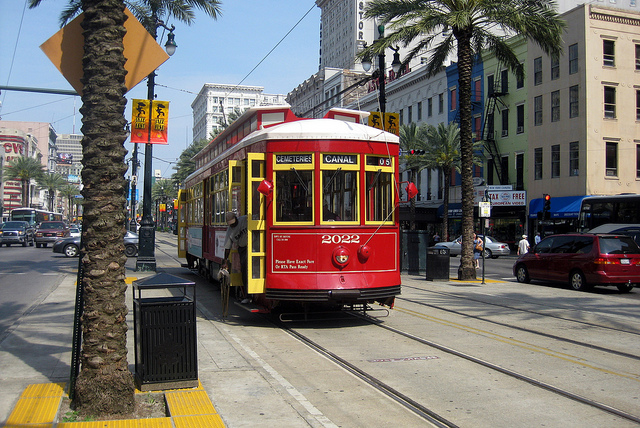
Canal Street Streetcar
A group of about 20 of us hopped on one of the great streetcars that continually traverse Canal Street, the major thoroughfare through downtown New Orleans. Our guide, the Director of the Downtown Development District of New Orleans, pointed out numerous places of interest within this complex environment. One such building was a now-empty Woolworth’s store, which we learned had been the epicentre of the early Civil Rights movement in Louisiana; this Woolworth’s lunch counter was one of the first to be de-segregated in the 1950s. Now, however, the building lays vacant, and is currently slated for demolition.
A Historic Entertainment District – Renaissance
Across LaSalle Street from Woolworth’s stands the early 20th century Saenger Theater. Damaged extensively during Katrina, but also ailing for some time before that, the theatre was in urgent need of a multi-million dollar rehabilitation if it was to have a future. Through application of historic tax-credit support, in addition to a comprehensive business plan for sustainability, that project is now well under way. I took a picture of the sign to indicate the number of partners – both public and private sector – involved in this massive endeavour. In approximately two years time, this once-great movie palace will again become a centre for performing arts in New Orleans, and will anchor future development on Upper Canal.
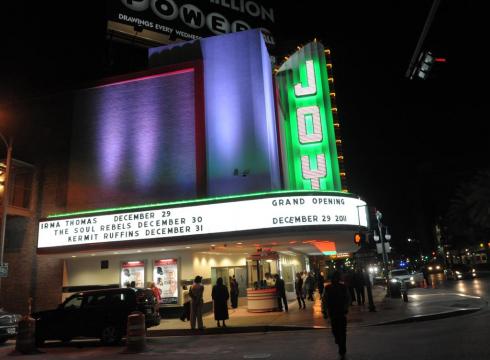
Joy Theatre, Upper Canal Street, New Orleans
Across the Street from the Saenger Theatre is the Joy Theater, a 1940s Art Deco gem, now restored to its period of significance. The Joy has already become a popular centre for performing arts and is driving the district as an entertainment hot spot. To my eye, it also bears some resemblance to Alberta’s Garneau Theatre , a Municipal Historic Resource, located in Edmonton.
New Technologies and Bio-Innovation
On the next block up from the theatres, several older buildings have been re-purposed for use as medical and scientific research facilities, and new infill, including a multimillion dollar, highly advance centre for “Bio-Innovation,” has been developed. The Upper Canal area will also become home to a new Veteran’s Administration hospital, a 2 billion dollar initiative, replacing an existing hospital devastated by Katrina.
The tour concluded with discussion about the ingenuity and collaboration required to facilitate these projects. It was intriguing to see an area like Upper Canal – very much a work in progress – and to anticipated the future results of the work being undertaken today.
I’ll conclude my live-blogging from the Conference with one more post on the final plenary session. Stay tuned!
Matthew Francis, Manager of Municipal Heritage Services with Alberta Culture’s Historic Resources Management Branch, is live-blogging from the U.S. National Trust for Historic Preservation’s Annual Main Street Conference.The conference is attended by leaders from hundreds of historic main street communities across North America.
Monday’s conference sessions offered rich content from professionals seasoned in Main Street leadership in various contexts. I attended three:
“Creative Collaboration Efforts Between Main Streets and Municipalities”
“Font of Information: Successful Graphic Communication for Main Streets”
“Authenticity as Economic Catalyst”
Each presentation inspired my enthusiasm and got me thinking on a deeper level. While I could write a lot about each of them (and did take copious notes – it was good stuff!), for this post, please allow me to just summarize a few of my ‘take-aways,” from the first session.
The focus was on collaboration between Main Street Organizations and local governments, which is 100% applicable to the kind of work we do in Alberta, with MHPP and our Alberta Main Street Program. The presenters, which included the Mayor of Washington, Missouri, a city manager, and a State Main Street Program administrator with over 20 years experience, provided some really practical case studies from their work in Missouri.
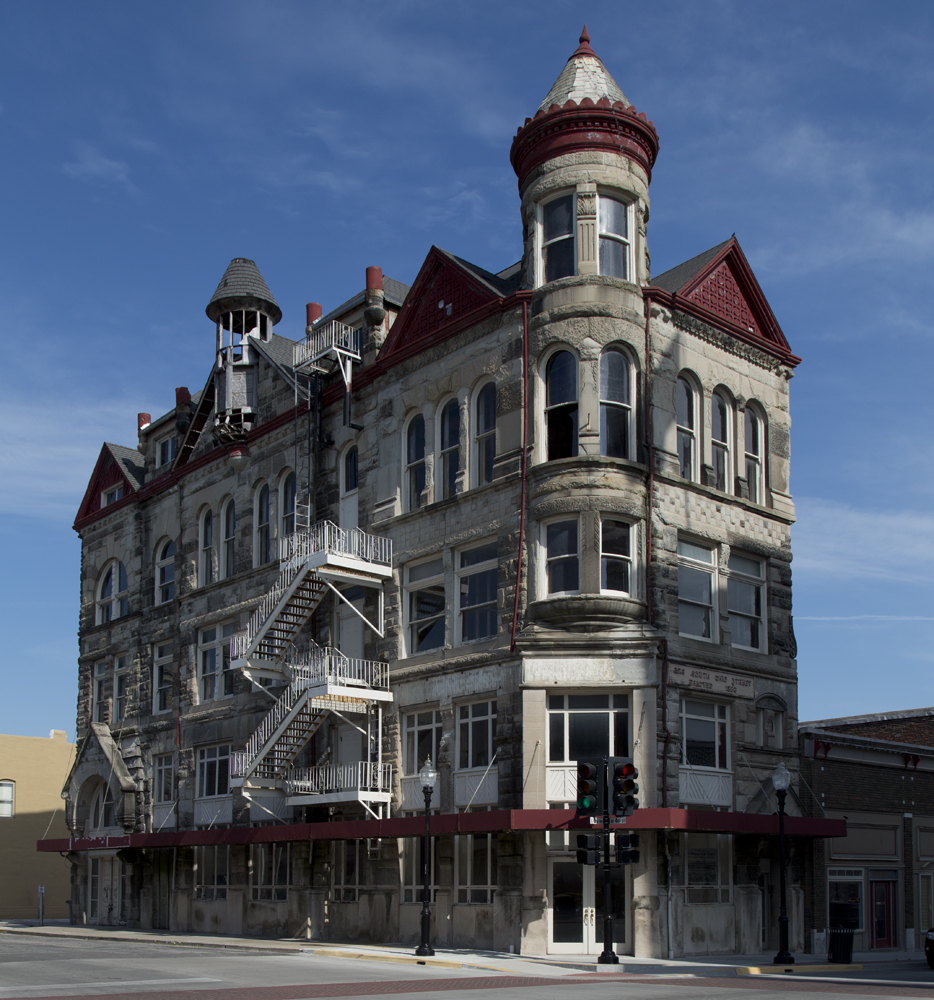
John Simmons described the 16 year process he went through to conserve a “Richardsonian Romanesque” bank building in downtown Sedalia, Missouri. Built in 1888, the building had changed hands numerous times, and had suffered a major fire in the 1990s, leaving it roofless for two years.
Missouri Trust Building in Sedalia, Missouri
John candidly described the efforts – including some failed partnerships in the past – that took place before the timing was right to make the conservation achievable. Even now, while considerable work has been done, the actual project is only beginning. John promised an update in two years on the “Missouri Trust Building.” Even though the story is still unfolding, it was a testimony to the tenacity required, sometimes over many years, for a community to achieve its goals of revitalization and heritage conservation. We’ve seen similar challenges with significant historic places in Alberta, and I can think of a few other major projects that may involve these same ingredients – partnerships, creativity, and commitment – if they are to garner both conservation and business success. Not all heritage conservation projects become success stories, but the key message from this session was that greater viability and sustainability is often achieved through partnerships.
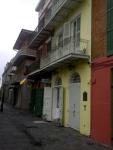
After Monday afternoon’s two other excellent sessions, we had the evening free to explore the city a little. Here is a lagniappe of my photos from the remarkable French Quarter, steeped in history with a deep connection to Canada (well, pre-Confederation New France). Enjoy!
Cafe du Monde, founded in 1862, is located in the French Market, and still serves the same menu of beignets and cafe au lait.
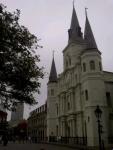
West End of St. Louis Cathedral
Plaque at Faulker House.
Faulkner House, where the great southern novelist William Faulkner lived.
Henriette Delille was the founder of an order of African-American Catholic nuns in New Orleans.
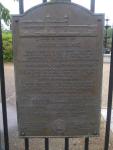
Plaque at Jackson Square
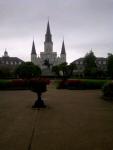
Jackson Square with St. Louis Cathedral.
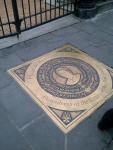
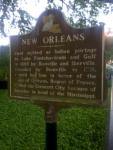
New Orleans “heritage marker.”
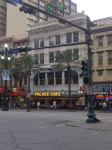
The Palace Cafe on Canal Street – the illuminated marquis reminds me of the Palace Theatre sign in Calgary.
Preservation Hall on St. Peter Street, which some consider to be the birthplace of jazz music.
Matthew Francis, Manager of Municipal Heritage Services with Alberta Culture’s Historic Resources Management Branch, is live-blogging from the U.S. National Trust for Historic Preservation’s Annual Main Street Conference.The conference is attended by leaders from hundreds of historic main street communities across North America.
Sunday Afternoon / Evening
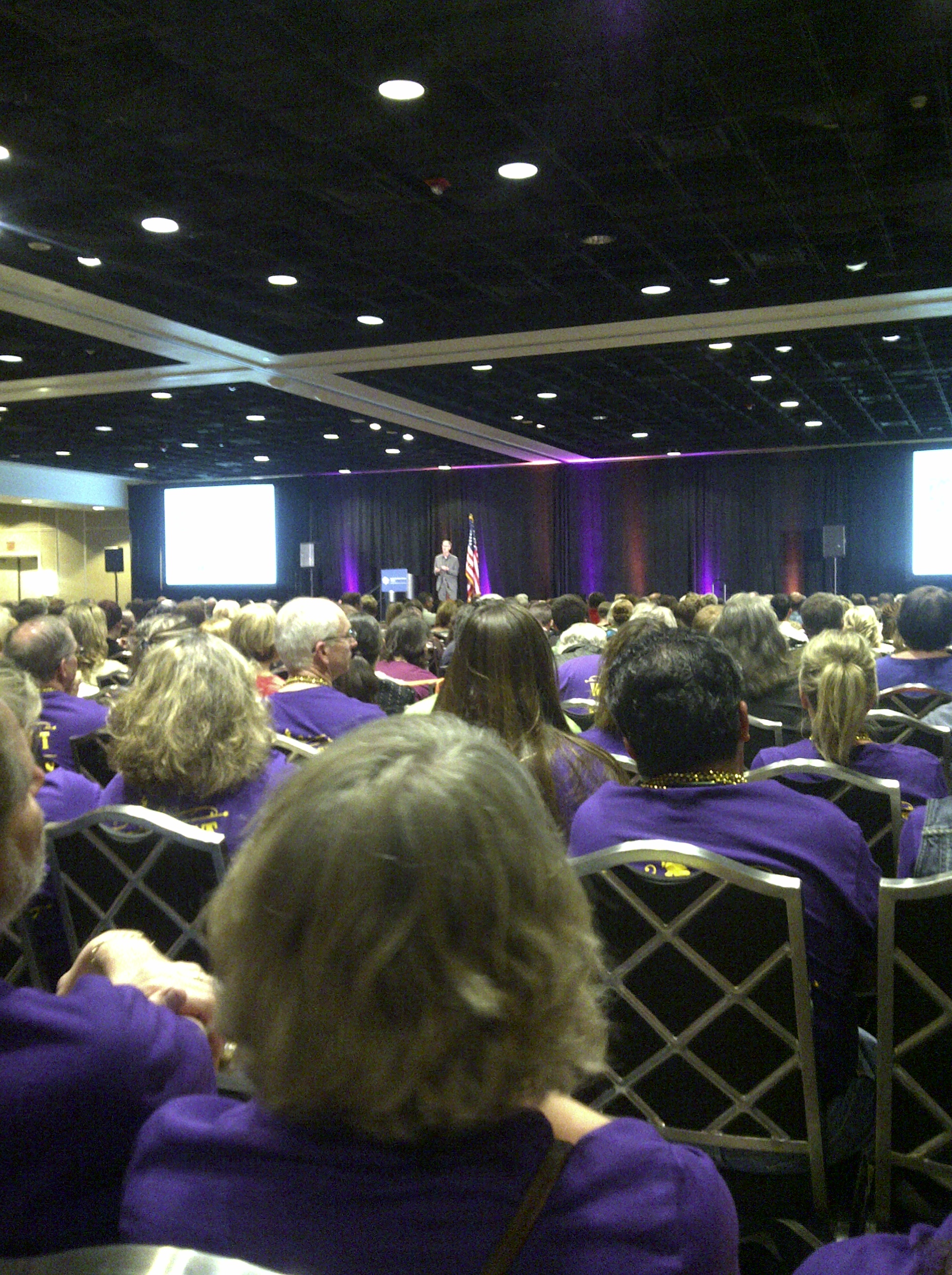
After a flight delay in Denver, I arrived in New Orleans just in time to arrive at the Conference’s opening plenary session. This event is always an enthusiastic kick-off to the conference, which (in addition to being educational) has the feel of a mega pep-rally. Each coordinating program brings in its delegation and waves placards announcing the place they are from. For instance, the delegation of Main Street communities from Wyoming was almost a hundred strong on its own! Clad in matching purple T-shirts, the Wyomingians proudly announce that they represent “the Wild West” in New Orleans.
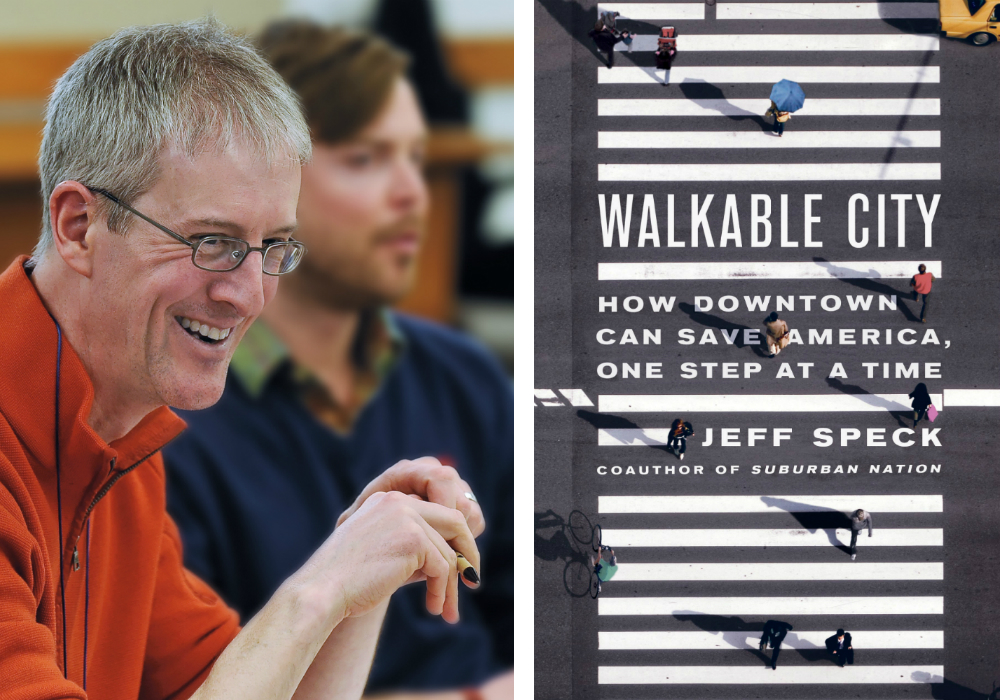
Some purple-shirted Wyoming Main Street leaders, listening to the keynote presentation.Jeff Speck, keynote speaker for opening plenary
The opening keynote presentation was given by Jeff Speck, author of Walkable City: How Downtown Can Save America, and described some of the benefits of looking at revitalization of downtown areas from a pedestrian perspective. (I’m pretty sure these princiles apply in Canada too). Walking is healthy, sociable, and environmentally friendly. It was an enlightening presentation. To increase walkability in our cities and towns, Jeff described how there needs to be:
A reason to walk
A safe walk
A comfortable walk
An interesting walk
So many factors go into increasing the walkability of our communities, but it is definitely worth taking a good look at becoming more walkable.
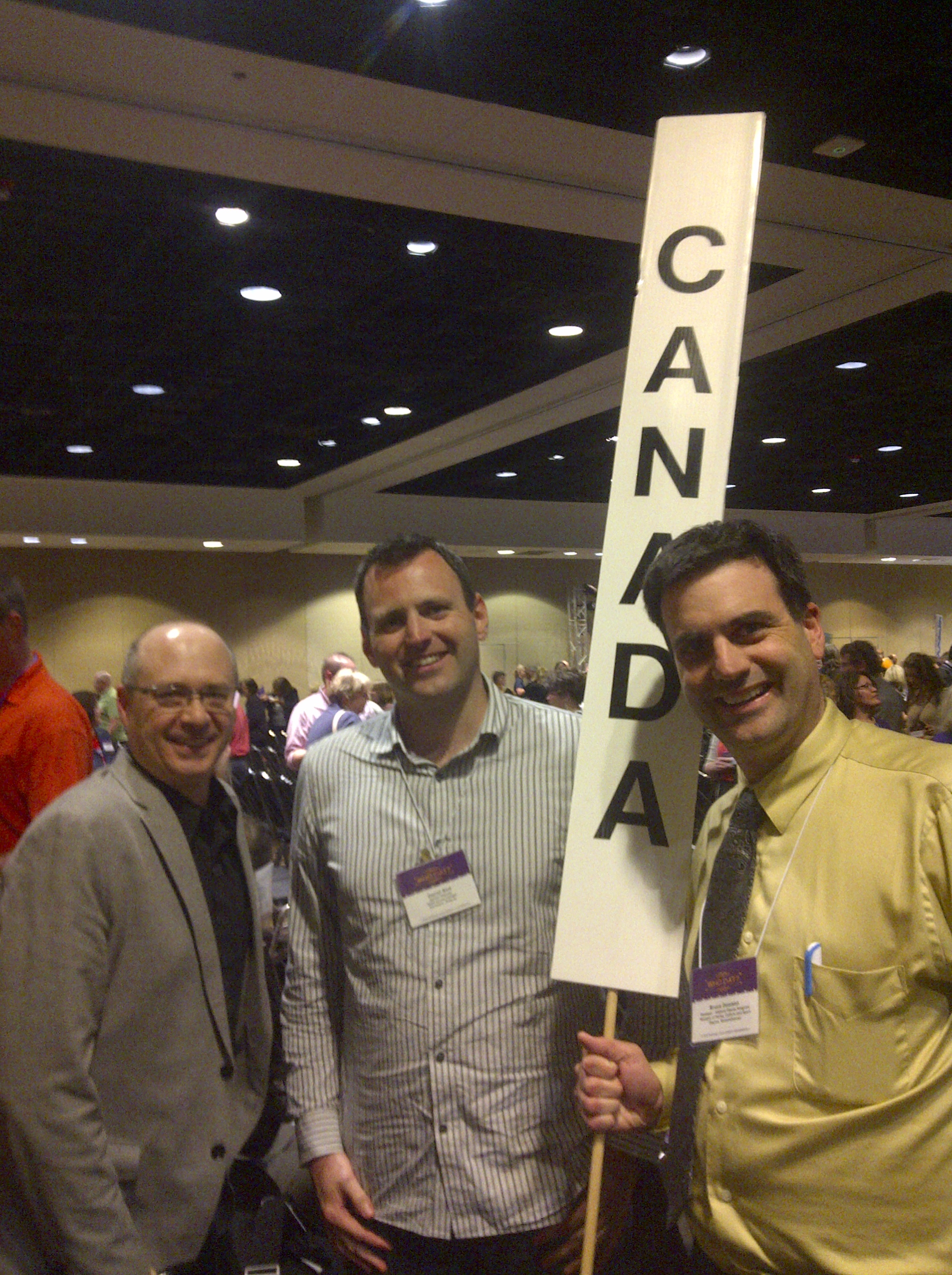
I will devote another post to saying more about these unique communities, and what we in Alberta could perhaps learn from them. In the meantime, here is a photo of some of our fellow Canadians at the Conference in New Orleans.
Some members of the “Canada” delegation – from Ontario and Saskatchewan – at the U.S. National Trust for Historic Preservation’s National Main Street Conference
For the next few days, RETROactive (well, me, Matthew Francis) will be down in New Orleans representing Alberta at the U.S. National Trust Main Street Conference. This annual gathering brings together leaders from hundreds of historic communities from across North America, as well as representatives from State and Provincial coordinating programs. In addition to Alberta, Canadians from Ontario, Quebec and Saskatchewan will also be in attendance. This is an incredible opportunity to learn from the stories of revitalization through heritage conservation. In particular, we’ll be seeing first-hand how New Orleans’ cultural economy has contributed to the city’s post-Katrina recovery. In between sessions, I’ll try to provide some real-time highlights from this excellent learning event. This knowledge will then be brought back to Alberta, to benefit the communities in our Alberta Main Street Program. Current members of the program’s network are:
Since the Fall, I’ve been talking with some folks from Mountain View County about Alberta’s historic places programs. The Municipal Heritage Partnership Program has worked with many of Mountain View’s neighbours – Red Deer County, the M.D. of Bighorn, and Clearwater County – and now they too are exploring opportunities to conserve their historic places. They’re also looking for innovative ways to connect the unique places their communities have to offer with cultural tourism.
Greg Campkin, a member of the County’s Economic Development Committee, invited me (Matthew Francis) down to Mountain View to speak at a great event on Tuesday evening, March 19th. County Council chambers served as the venue, and were filled with a capacity crowd.
At the meeting, I shared a little bit about the basics of heritage conservation, our Alberta approach, and also described some of the ways community can both showcase their historic places, and become more “visitor friendly.” I got to meet some great people from Water Valley, Sundre, and others from around the County. I’m looking forward to keeping the conversation going and seeing how we can work together to create a bright future for Mountain View’s historic places.
Things are happening in Mountain View County!
Written by: Matthew Francis, Manager of Municipal Heritage Services



 RETROactive