Take our Survey; Win a Prize.*

Heritage Canada The National Trust’s annual conference will be in Calgary in 2015, at the Fairmont Palliser Hotel from October 22-24. Our annual Municipal Heritage Forum takes place in the fall as well. This convergence offers a unique opportunity: we are exploring the possibility of offering the Municipal Forum in conjunction with the Heritage Canada Conference that year.

HC_logo_e_2013x2

For those of you who don’t know what Heritage Canada is and what they do, I’ll provide a little background. Heritage Canada The National Trust (formerly known as the Heritage Canada Foundation) is “a national charity that inspires and leads action to save historic places, and promotes the care and wise use of our historic environment.” For the past 40 years, Heritage Canada has organised the only major annual conference for Canada’s heritage conservationists.

Heritage Canada’s annual conference provides an opportunity to network with others working to conserve historic places, and to learn what innovative things are happening in other provinces and territories. In the 1980s and early 1990s, the Government of Alberta partnered with Heritage Canada to help develop the Main Street model for revitalizing historic commercial districts in Canada. Our Alberta Main Street Program was created as part of this partnership.
AMSP Logo

I had the pleasure of attending this year’s conference in Ottawa. It was titled Regeneration: Heritage Leads the Way. Khalil Shariff delivered the opening keynote and his talk set the tone of the conference. Mr. Shariff is the C.E.O. of the Aga Khan Foundation Canada. He spoke of how historic places were an important part of the foundation’s strategy to improve economic prospects and social cohesion in cities in Asia and Africa. The individual sessions explored ideas of how heritage conservation builds community and fosters economic growth. There were sessions on how heritage enabled community development, and that provided examples of how to finance and organise conservation projects. You can see a complete list of the conference presenters (with links to their presentations) on the Heritage Canada conferences page.

Before making firm plans for our 2015 forum, we would like to know what you think. Please take a look at the programs from Heritage Canada’s 2012 and 2013 conferences to get a sense of the presentations, and then take our survey. If you complete our survey before January 15, 2014 your name will be entered in a draw to win a 2014 Family Annual Pass to visit Alberta’s Provincial Historic Sites, interpretive centres and museums.
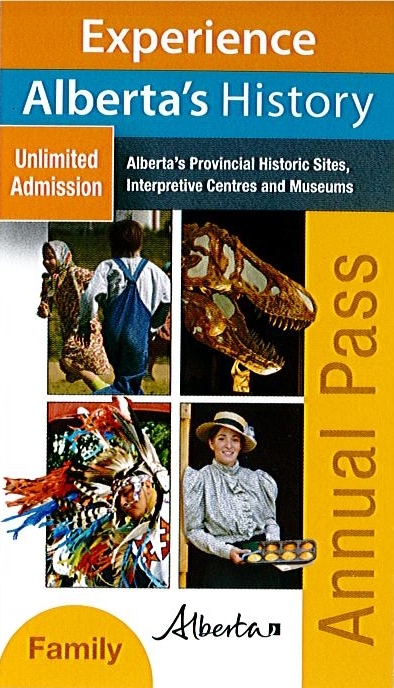
Family Annual Pass, Alberta

If you have further comments or questions, feel free to email us at albertahistoricplaces [at] gov [dot] ab [dot] ca .

TAKE OUR SURVEY –>

Written by: Michael Thome, Municipal Heritage Services Officer

* By “Win a Prize”, we mean that your name will be entered into a draw for the prize if you complete the survey.
Lacombe wins the Great Places in Canada competition!

Lacombe’s Historic Main Street named Best Street in Canada.

The City of Lacombe’s historic main street was just named Best Street by the Great Places in Canada competition. The Great Places in Canada competition is sponsored by the Canadian Institute of Planners, annually. Lacombe’s Historic Main Street was shortlisted in the Best Street category by popular vote. It was then selected as the winner by a panel of experts from the Canadian Institute of Planners. We’re thrilled that one of Alberta’s historic main streets has received national recognition.

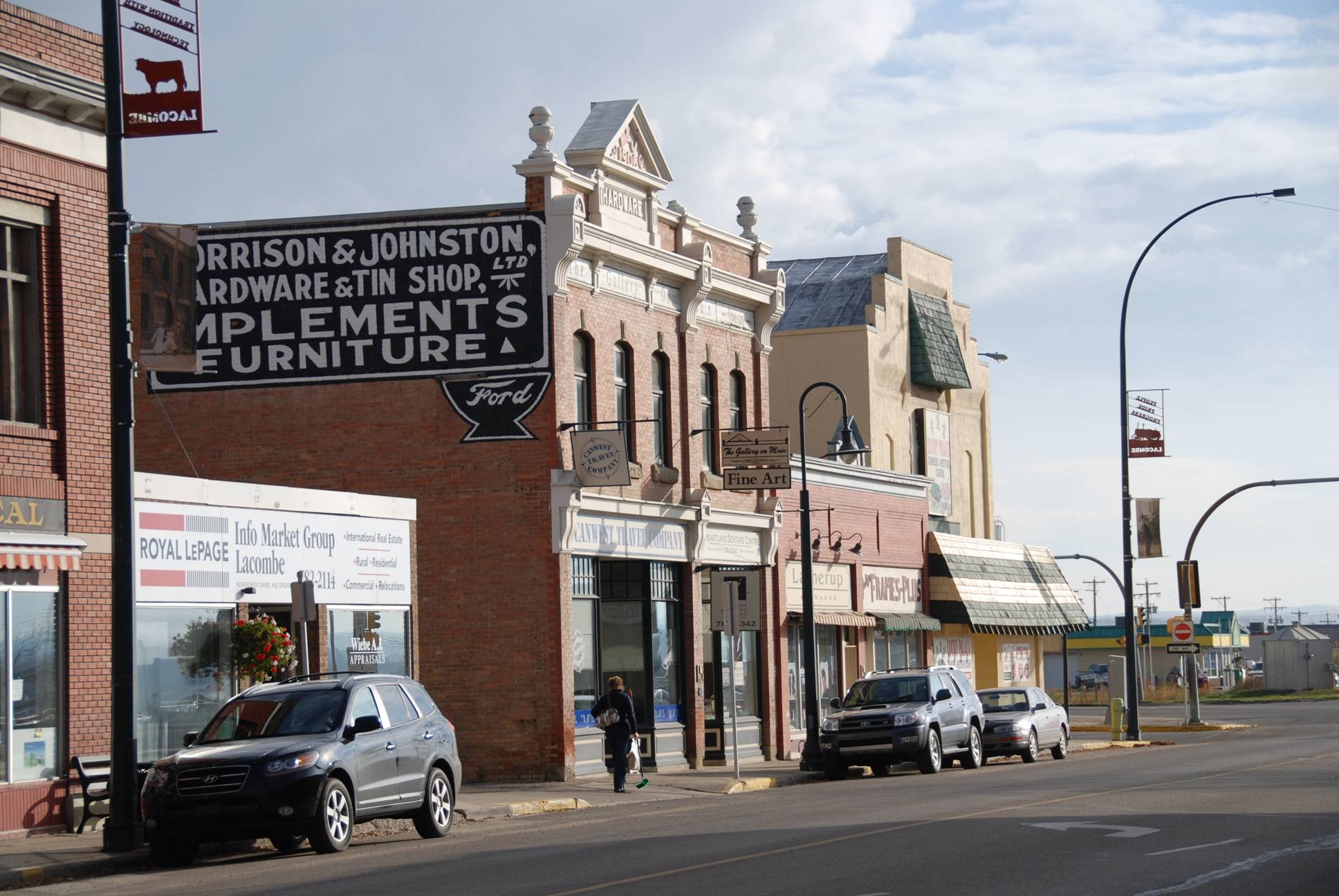
A photo showing a block of 50th Avenue in Lacombe.
a block of 50th Avenue in Lacombe (2009)

You may recognise Lacombe’s main street—50th Avenue in Lacombe is one of Alberta’s iconic streetscapes. Most buildings in downtown Lacombe were constructed in the decade before the First World War. A building bylaw, aimed at limiting the destruction that a fire could bring, required that anything built in the downtown be constructed of brick. Many of the Edwardian-styled commercial buildings—such as the Flat Iron Building—are Alberta icons. Several of the buildings, such as the Flat Iron Building, the M & J Hardware Building and the Campbell Block are Provincial Historic Resources.

These landmarks would most likely have been lost if not for the foresight and dedication of Lacombe’s citizens. The owners of these gems took a great deal of pride undertaking the conservation work often needed. Lacombe’s forward-looking business community was an early participant in the Main Street Program (from 1987 to 1993). The rehabilitation work undertaken during this time is an important reason why so many of these buildings remain standing.

The city has since developed policies to ensure that conservation of its historic commercial district is an important part of its’ development process. The city recently completed both a Downtown Area Redevelopment and Urban Design Plan—which features detailed plans for maintaining the streetscape. The city also recently adopted a Heritage Management Plan (with the help of the Municipal Heritage Partnership Program) ensuring that locally significant historic places are inventoried and can be designated as Municipal Historic Resources.

What is really fitting about this award is how it recognises the community’s involvement in these special places. 50th Avenue is not a museum piece, but a destination people go to meet friends, shop and celebrate. This is a lively area with many restaurants and businesses. The Lacombe and District Historical Society operate a museum on the main floor of the Flat Iron Building. Social service agencies and the provincial government have offices on the street or nearby. Popular annual events—the Light Up the Night Festival, the Lacombe Culture and Harvest Festival, and Lacombe days, among others—draw large crowds downtown annually.

Recent development has reinforced 50th avenue’s central place in this community. Lest We Forget Park, where the annual Remembrance Day ceremony is held, is just at the end of the commercial area. The Lacombe Memorial Centre, a (relatively) new development, contains the public library, meeting rooms and a hall, reinforce 50th avenue’s centre place in Lacombe’s daily life.

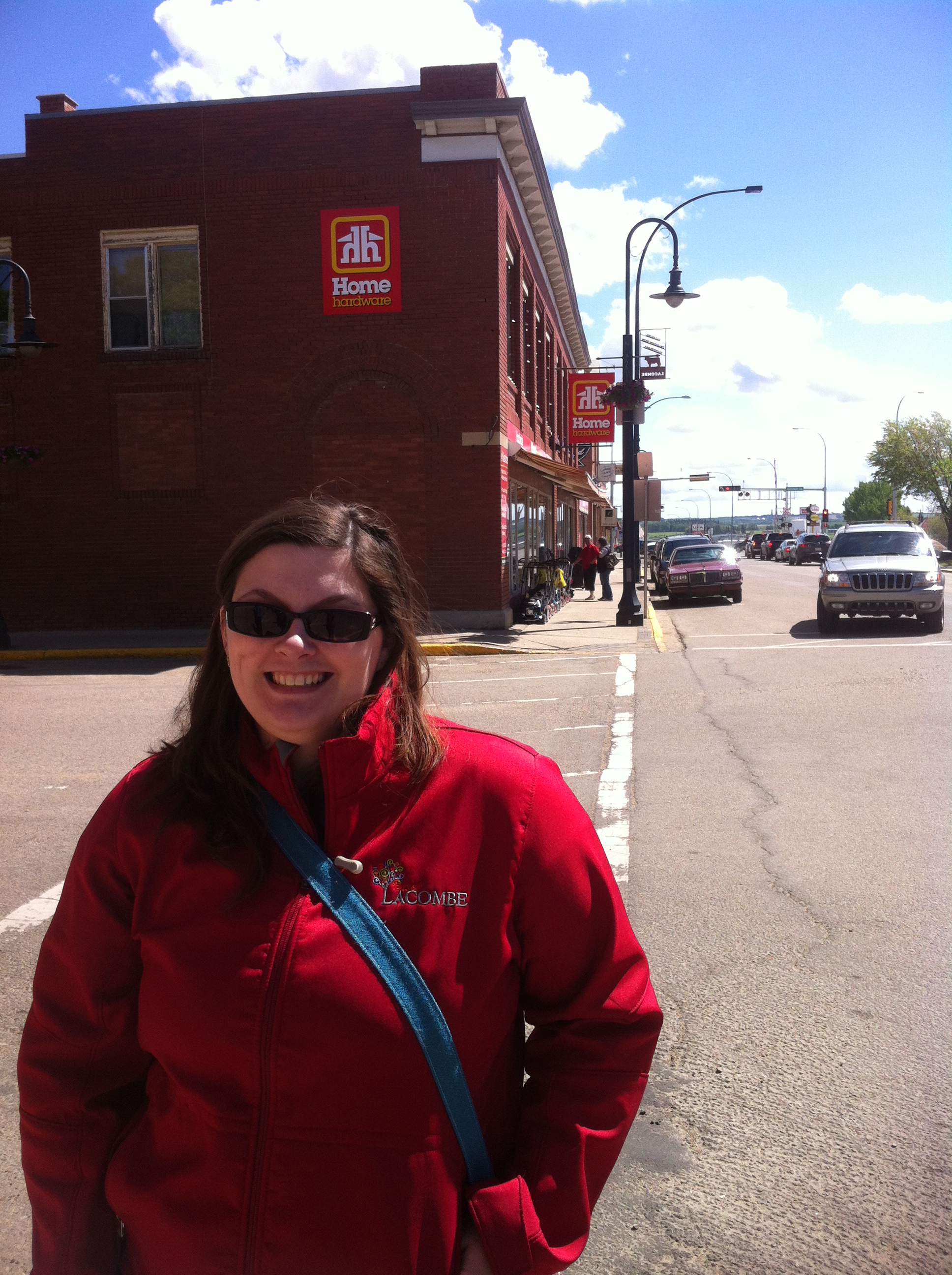
Jennifer Kirchner, Planner with the City of Lacombe, showed us around main street.

Jennifer Kircher, Lacombe’s Planner, told me about how important individual community members were in winning this award. “The Community got really excited about it”, she said. During the voting period people she hadn’t yet met came up to Jennifer to tell her they voted.

I’m sure this is just the beginning of our work with Lacombe. The re-launch of the Alberta Main Street Program brings a great opportunity to again work with Lacombe on conserving one of Alberta’s pre-eminent main streets.

Written by: Michael Thome, Municipal Heritage Services Officer.

Municipal Heritage Partnership Program Grants

Helping Alberta’s municipalities identify, evaluate and manage locally significant historic places.

Alberta’s municipalities are now working on plans and budgets for 2014. I’d like to remind municipal stakeholders responsible for heritage about the grant programs offered through the Municipal Heritage Partnership Program (funded by the Alberta Historical Resources Foundation).

The Municipal Heritage Partnership Program offers three types of grants to help municipalities conserve locally significance historic places.

A municipality can apply for funding to complete a heritage survey. A survey gathers basic information about a municipality’s potential historic places. There are many articles on RETROactive describing survey projects municipalities have undertaken using these grants.

A municipality can also apply for funding to inventory historic resources. An inventory lists places that are locally significant, evaluates them to decide exactly why they are significant and creates the documentation needed to designate these as Municipal Historic Resources. You can also peruse RETROactive posts on municipal inventory projects that our partner municipalities have worked on.

A municipality can also apply for funding to develop a heritage management plan. A management plan helps the municipality conserve significant historic places, the highlight of which is policy on the designation of Municipal Historic Resources. You can read about different municipal heritage management plans on RETORactive as well.

The grant application consists of a written project proposal, which must include a budget. The foundation may award a grant that can cover up to half the cost of the project, up to certain maximum amounts.

M.D. or County City Town Village
Survey $30 000 $30 000 $20 000 $10 000
Inventory $30 000 $30 000 $20 000 $10 000
Management Plan $20 000 $20 000 $15 000 $7 500

The next grant deadline will be early in 2014, but it’s never too early to begin planning a project. You can learn more about the Municipal Heritage Partnership Program grant program by visiting the cost sharing page on the website.

If you’re thinking of undertaking a heritage conservation project, please contact us. We’d be happy to help you plan your next project.

Written by: Michael Thome, Municipal Heritage Services Officer.

Summer Idyll, Winter Wonderland

The Sturgeon River defines the St. Albert landscape

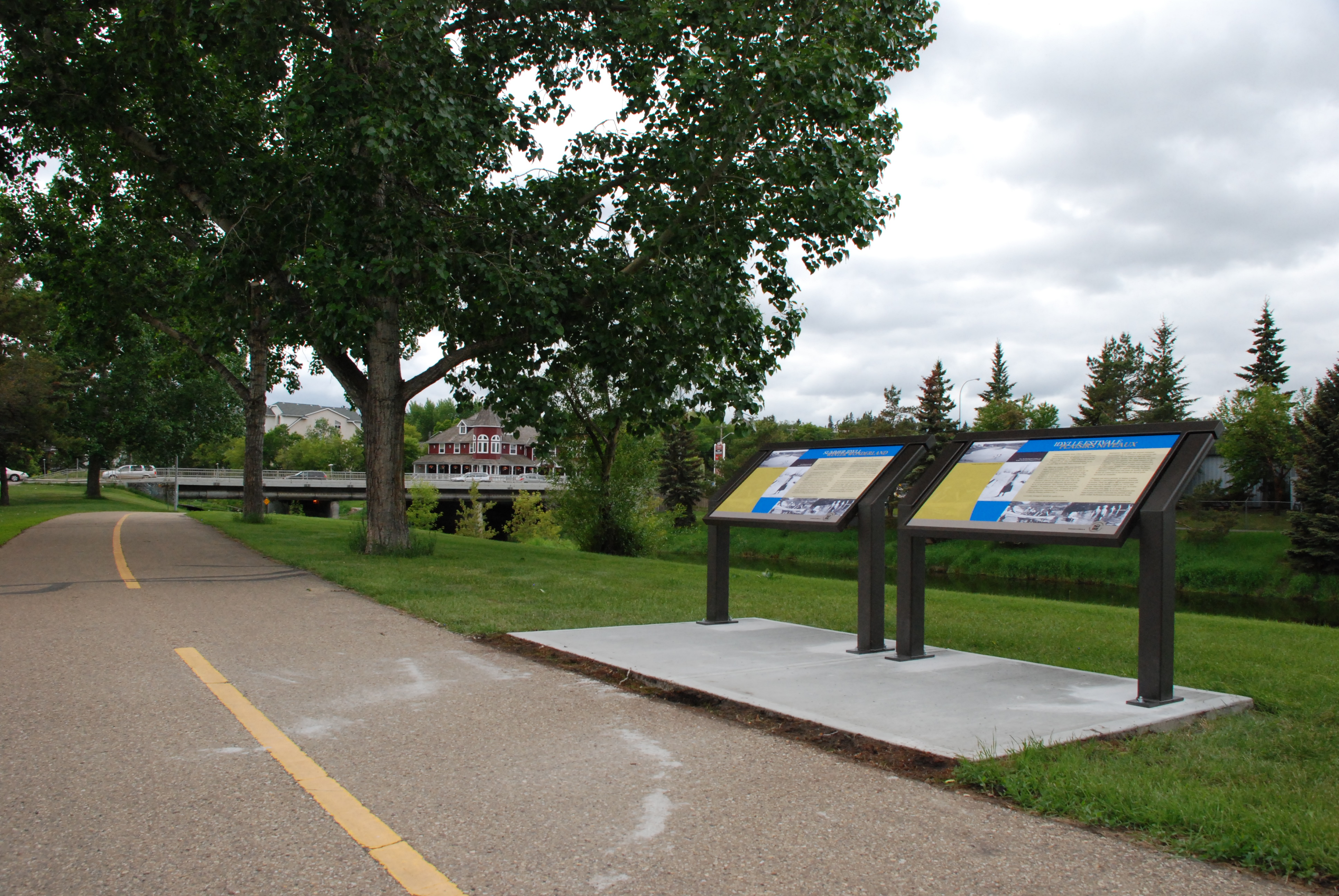
Earlier this year, the Alberta Heritage Markers Program installed a marker on the banks of the Sturgeon River in St. Albert. Our heritage markers can be found along walking trails and roadside pull-offs throughout Alberta, offering glimpses into the past.

This marker tells us how the people of St. Albert related to the Sturgeon River, which winds through their community.

An image of the new heritage marker along the Sturgeon River.
a new heritage marker along the Sturgeon River.

Summer Idyll, Winter Wonderland

Before it reaches St. Albert the Sturgeon River has meandered about 180 kilometres from its beginnings in Hoople Lake west of Isle Lake. After it leaves St. Albert the Sturgeon continues flowing eastwards to Fort Saskatchewan, and empties into the North Saskatchewan River.

For the people of St. Albert in the early 1900s the river was much more than an obstacle requiring bridges, much more than a method of winter transportation when snow blocked the roads. It became a place of wonder where small children watched tadpoles darting just beneath the surface and dragonflies glinting in the sun above it. It helped create memories not linked to the hard work of daily life. “Young men who were studying for the priesthood,” Jane Ternon Sherwood recalled, “paddled up and down the river … their Gregorian chanting drifting over the water on a warm summer evening was beautiful to hear.”

The Sturgeon River became landmark and destination, the passing of time measured by seasonal opportunities to have fun and build community. On its banks and in its refreshing summer waters families played, groups held picnics and went boating, and young people paddled Sunday afternoons away. “In the winter, it was our skating rink and landing spot when we slid down the bank on our sleds,” recalled Dorothy Bellerose Chartrand. It was a hockey rink too where tin cans and frozen horse manure stood in for pucks.

For a brief time a steamer, La Thérèse, chugged lazily up and down the river. “I believe the river was much bigger then,” Jane Ternan Sherwood reminisced in the 1980s, remembering riding in the steamer in 1912. Memory had made the Sturgeon wider and more exciting, rekindling the joy of a small child splashing happily at its edge.

If you’d like to visit the marker, it can be found here:

Prepared by: Michael Thome, Municipal Heritage Services Officer.

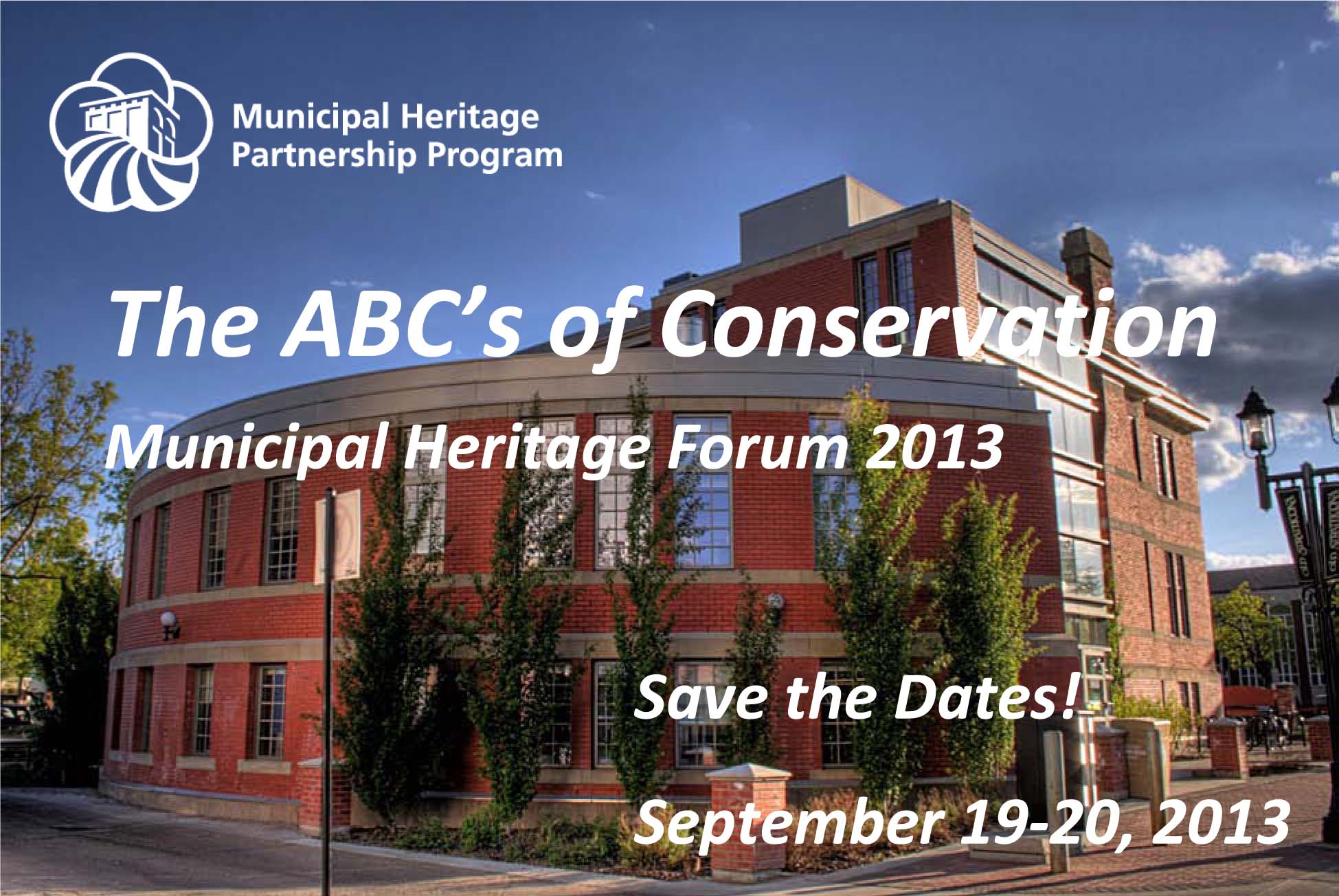
Agenda for the Municipal Heritage Forum

Forum 2013 - Header Image

The Municipal Heritage Forum 2013 begins in a few days!

We just finalized the agenda. Here, hot off the (electronic) press, is the event program and a list of the breakout sessions offered. Please be green and don’t print these documents if you’re attending the forum. We’ll provide you with copies of each when you register.

Matthew, Val and I look forward to seeing many of you on Thursday and Friday.

And, if you can’t attend, don’t fret, We’ll recap the highlights on the blog over the next several weeks.

Written by: Michael Thome, Municipal Heritage Services Officer

Vulcan goes where few municipalities have gone before

Vulcan has developed a plan

Vulcan County, the Town of Vulcan and the Village of Champion are once again working together (you might even say they’ve federated) to conserve their shared heritage. With the aid of a Municipal Heritage Partnership Program grant, they will create a heritage management plan over the next year.

Dedicated readers may recall that these three communities (along with the Villages of Carmangay and Milo) surveyed and inventoried several historic resources last year. They identified several places of interest—sites that warrant further evaluation due to their probable historical or architectural significance. Vulcan’s HAB has already confirmed that many of are significance—that is, they somehow physically embody some aspect of Vulcan’s history.

Knowing that they have several sites that are significance and have integrity, the Vulcanites have turned their attention to figuring out how to protect their locally significant historic resources. That is why they have chosen to develop a heritage management plan. During the next year, they will develop a policy and process to designate locally significant historic resources. Many locally significant sites will be designated as Municipal Historic Resources.

The management plan will lay out the application process and how each municipality will decide what to designate. This will include determining what types of sites they will designate, how the consent of the owner (to designation) will be obtained how the public will be consulted. It will ensure that each proposed designation will be evaluated for historical or architectural significance. This significance will be written down as a statement of significance.

The management plan will also lay out how permits to alter a Municipal Historic Resources will be processed. This involves creating an application process. A proposal to alter a site should describe what is being proposed and why. The municipality then needs to evaluate the proposed change using the Standards and Guidelines for the Conservation of Historic Places in Canada. The plan will identify who will process these permits and propose a means of training these agents in the use of the Standards and Guidelines.

The final step will involve exploring what incentives each municipality could offer to encourage the owners of Municipal Historic Resources to conserve them. A successful municipal heritage conservation programs recognizes the need to assist the owner of historic places with the cost of their conservation. The incentive could be grants or tax credits. Any program or service that defrays the cost of operating a property work as incentives too. (You can read Managing Historic Places: Protection and Stewardship of Your Local Heritage for more on heritage management planning).

I’m looking forward to working with Vulcan on this project. When it is done, they will join a select few communities that have completed a survey, inventory and management plan with our assistance. The Vulcans will soon be well poised to protect and conserve their historic places and we’ll all be richer for it.

Written by: Michael Thome, Municipal Heritage Services Officer

After the Flood: rehabilitating damaged artifacts

What to do when your artifact collection gets wet

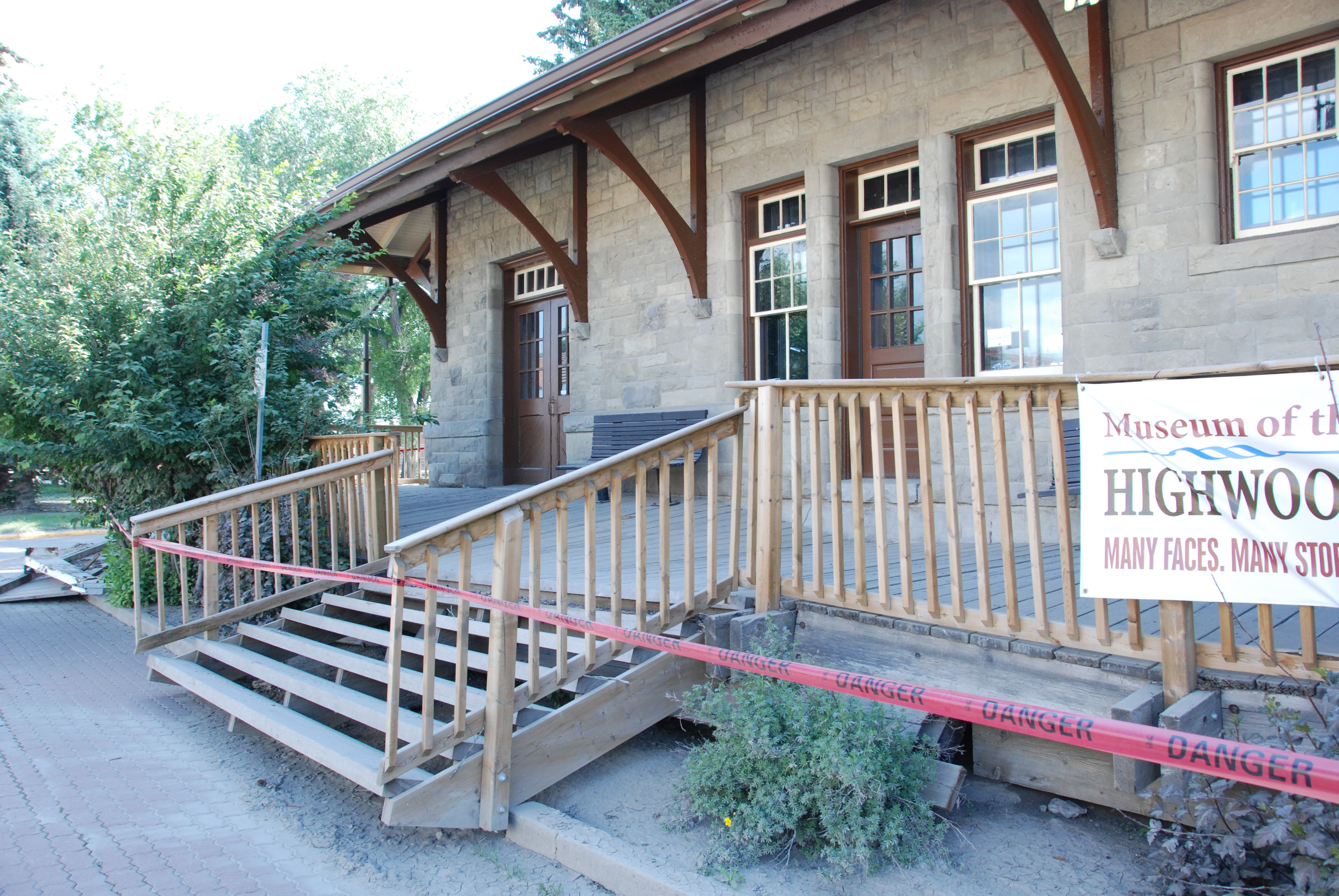
Museum of the Highwood (July 3, 2013)

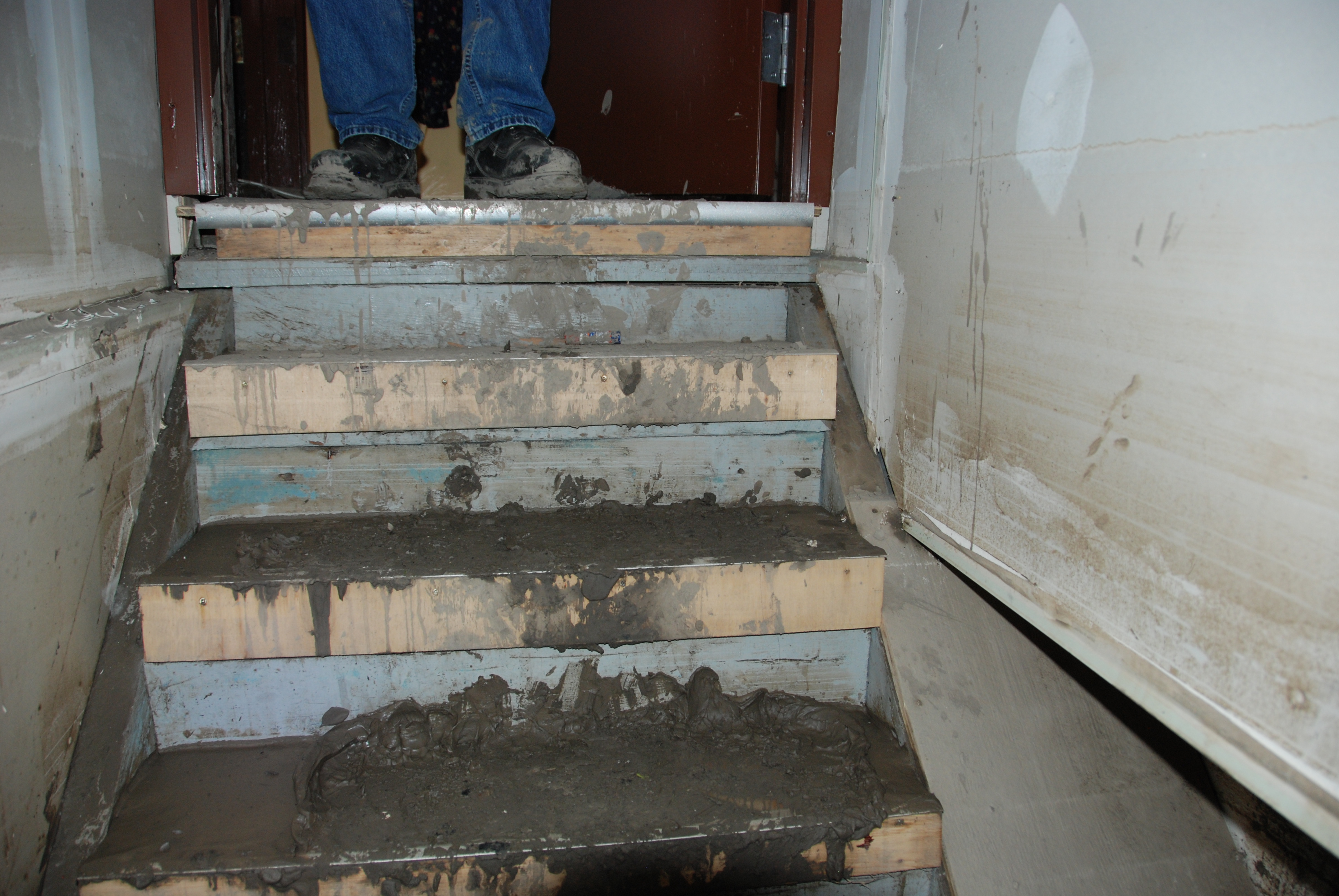
The recent flooding in Alberta damaged many historic resources. The damage was not limited to historic buildings—sadly museums and archives have also been affected. We know that the Museum of the Highwood in High River was hit quite hard. The museum occupies the Canadian Pacific Railway Station, a Provincial Historic Resource. While the full extent of the damage to both the building and the collection is still being assessed, much of the collection was submerged in river water for several days.

going downstairs in the museum (July 3, 2013)

There is no doubt that many more artifacts in both private collections and recognized museums have been damaged by the flooding. Flooding can be catastrophic for any historic resource, but it is possible to mitigate the damage. Our friends at the Alberta Museums Association have assembled documents on how to deal with flood damaged artifacts (see Flood Relief Resources on their webpage). I encourage you to consult these as a first step.

If you have questions regarding flood recovery or emergency planning you can contact the Alberta Museums Association at advisory@museums.ab.ca .

Also, the Canadian Conservation Institute offers emergency advice to Canada’s heritage community in the aftermath of a fire, flood, earthquake or other catastrophe to help with the salvage and recovery of their collections.

Written by: Michael Thome, Municipal Heritage Services Officer

M.D. seizes an Opportunity to Survey its heritage

The M.D. of Opportunity contributes to the Alberta Heritage Survey

St. Leon Le Grande church
St. Leon Le Grande church in the Hamlet of Calling Lake

The Municipal District of Opportunity is a large rural municipality located north of the Athabasca River. I don’t get the opportunity chance to travel to north-eastern Alberta very often, so I was excited to visit the Hamlet of Calling Lake in May. I found that yes, there are indeed trees and lakes outside of our Rocky Mountains.

I was in Calling Lake to facilitate a daylong workshop for local volunteers preparing to survey the M.D.’s potential historic resources. The Municipal Heritage Partnership Program granted funds to help the M.D. add a few hundred sites to the Alberta Heritage Survey Program. Like so many municipalities before it, Opportunity will use the information to learn more about some of the potential historic resources within its boundaries.

What’s a survey? Essentially, a community identifies properties over a certain age or ones that appear to have historical or architectural interest. A volunteer from the survey team visits each site, taking photos and noting the design and construction of any buildings or structures. Information collected during the site visit is supplemented through historical or architectural research. The results is recorded on a Site Form (one form per site) and recorded in the Alberta Heritage Survey Program’s database. (You can learn a great deal about the survey program by reading Identifying Historic Places, Part 1–Conducting a Municipal Heritage Survey.)

The survey of the M.D. of Opportunity is quite interesting because it will focus on buildings, structures and trails from the settlement period around the Hamlets of Wabasca, Calling Lake, Red Earth Creek and Sandy Lake. This area has a rich aboriginal and Metis heritage and was an important fur trapping and trading area. It is also the first municipal survey to focus on sites related to aboriginal people.

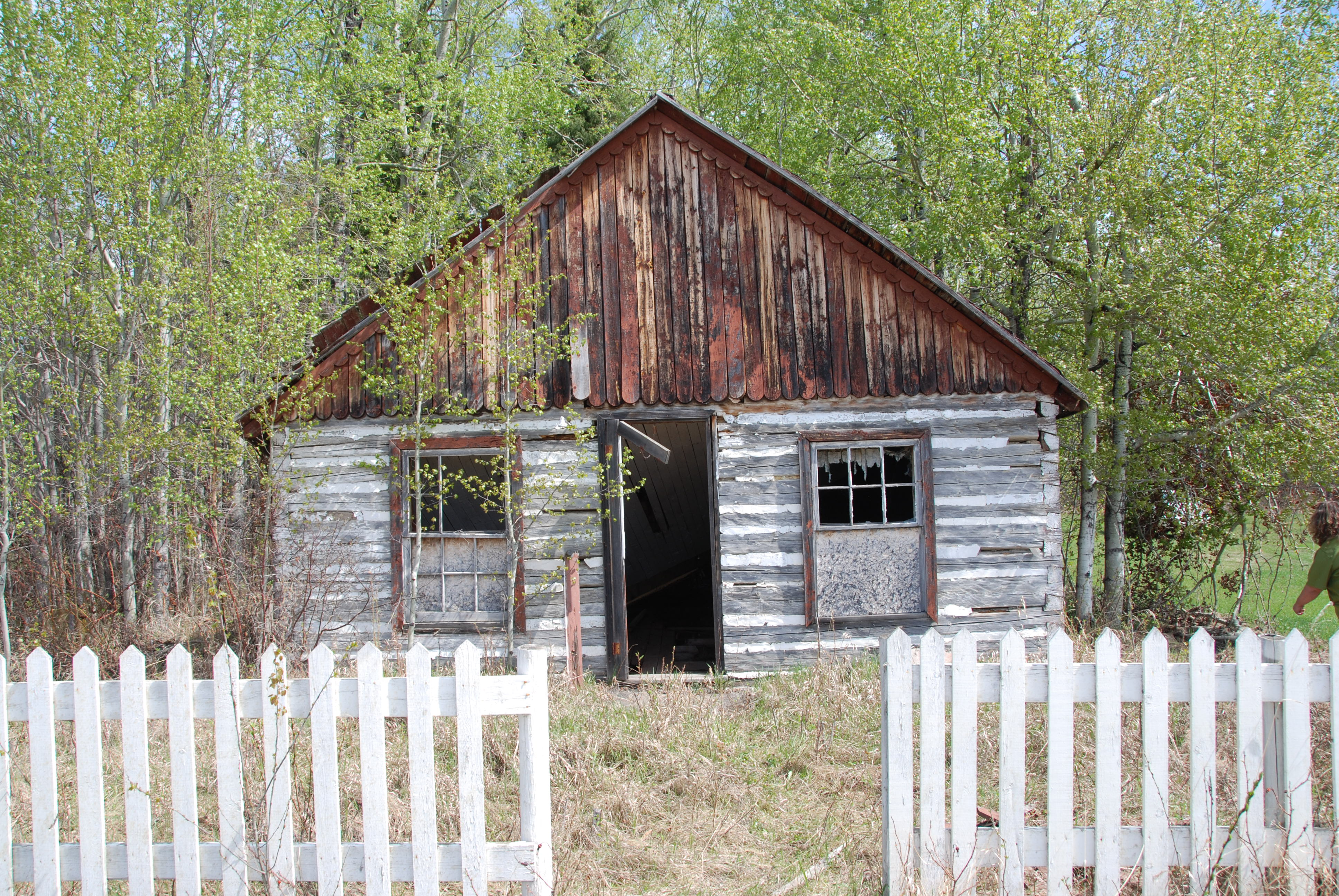
During the training, we actually went to one of these sites: the St. Leon Le Grande Roman Catholic Church. It was built by the Oblates. Unfortunately the roof collapsed last winter. The survey will allow for it to be recorded for posterity—and perhaps provide the information necessary to designate it as a Municipal Historic Resource and to rehabilitate it in the near future.

Stay tuned, I will keep you updated on this project as it develops.

Written by: Michael Thome, Municipal Heritage Services Officer

Help us put on a great forum!

Strathcona Branch, Edomonton Public Library

The 7th annual municipal heritage forum is coming up fast. We strive to present relevant and useful information for the municipalities we work with. Here in Old St. Stephen’s College, Matthew and I are busy planning two intensive, information-filled days.

The forum is the Municipal Heritage Partnership Program’s signature event. Many past participants have used what they’ve learned to improve their own municipal heritage conservation programs. We hope to build on that success.

We were wondering if you could help us? We’d like to hear a little about what you hope to learn at this year’s forum. Please take a few minutes to participate in our online survey. The information you provide will help us organise the best forum yet.

Take Our Survey.

Written by: Michael Thome, Municipal Heritage Services Officer

Managing Lacombe’s Heritage

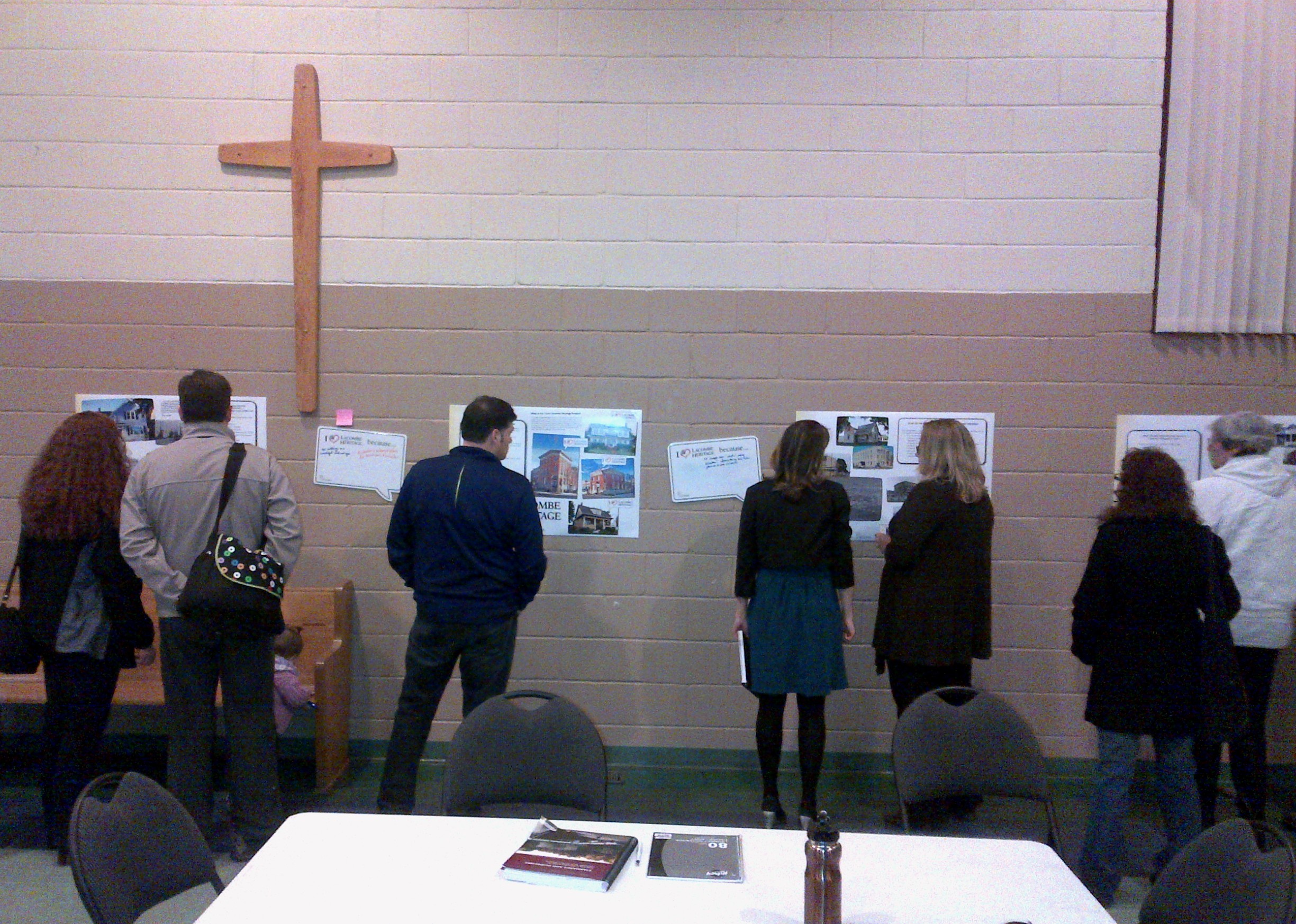
I had the pleasure of attending the City of Lacombe’s Heritage Open House on February 28th. The city presented a draft of their heritage management plan for community perusal and input. The event was hosted by Lacombe’s Heritage Preservation Program at the beautiful St. Andrew’s United Church hall. People started arriving from the moment the doors opened and kept coming until the end, asking great questions about Lacombe’s Heritage Preservation Program. The turnout was wonderful. You can read a bit more about the event itself at the City of Lacombe’s blog.

City of Lacombe, Heritage Management Plan Open House - 20130228-00010Lacombe’s Heritage Management Plan will ensure that locally significant historic resources are identified, protected and systematically conserved. Under the plan, the Lacombe Heritage Steering Committee will continue to revise and update the municipal heritage inventory begun in spring of 2011. The city will soon be able to protect locally significant historic places using new policies governing the designation of Municipal Historic Resources. The final elements will be the plan to evaluate changes to designated resources to insure they retain their heritage value.

The plan will be complete and finalized in the coming months. We’ll bring you more information on the plan when it’s complete. The City of Lacombe can soon begin designating its first Municipal Historic Resources. Stay tuned.

For those who are interested in Lacombe’s heritage, you may wish to check out their facebook page: I ♥ Lacombe Heritage.

Written by: Michael Thome, Municipal Heritage Services Officer