Visit a place you haven’t seen in a while: Alberta’s past

Experience Alberta's History

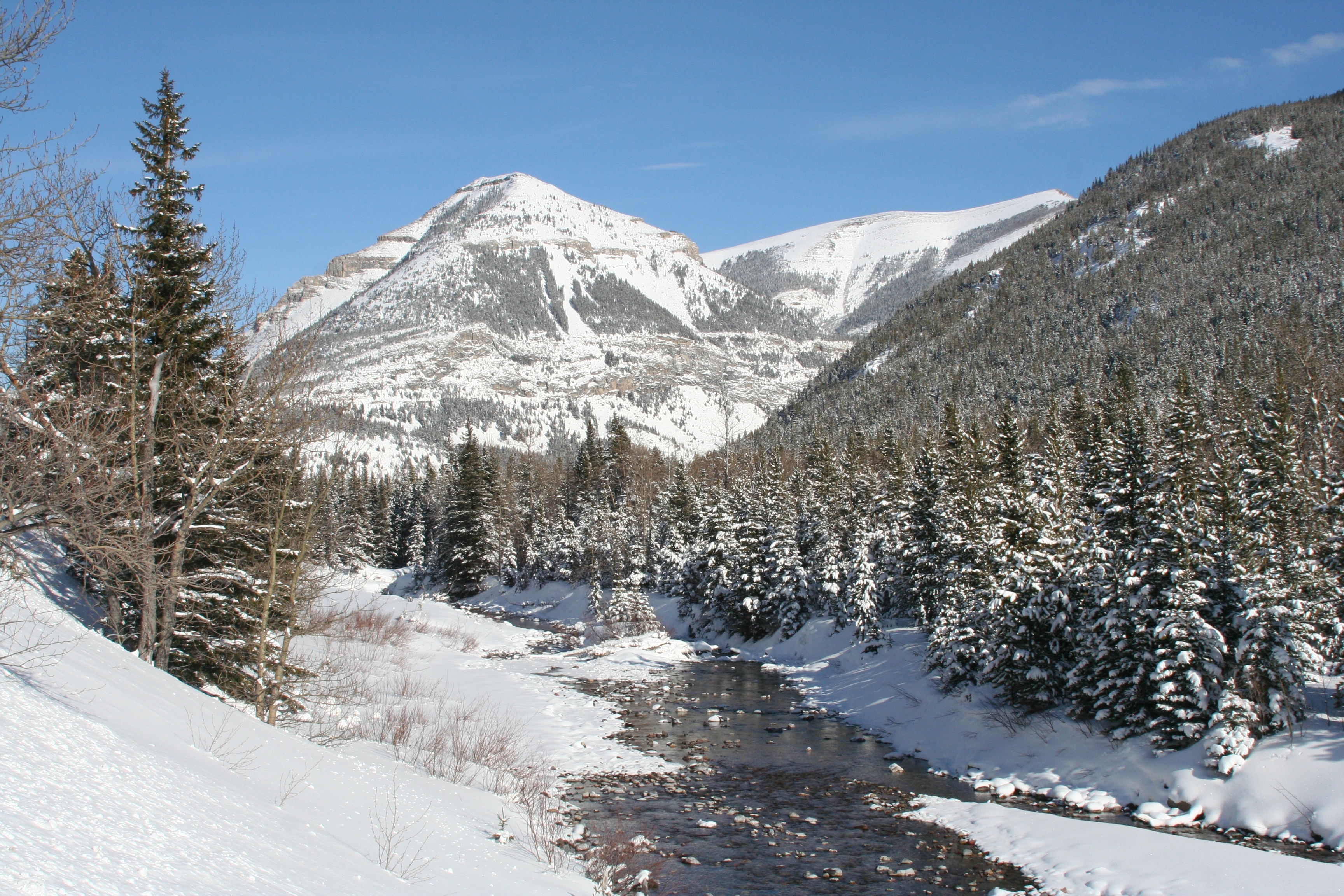
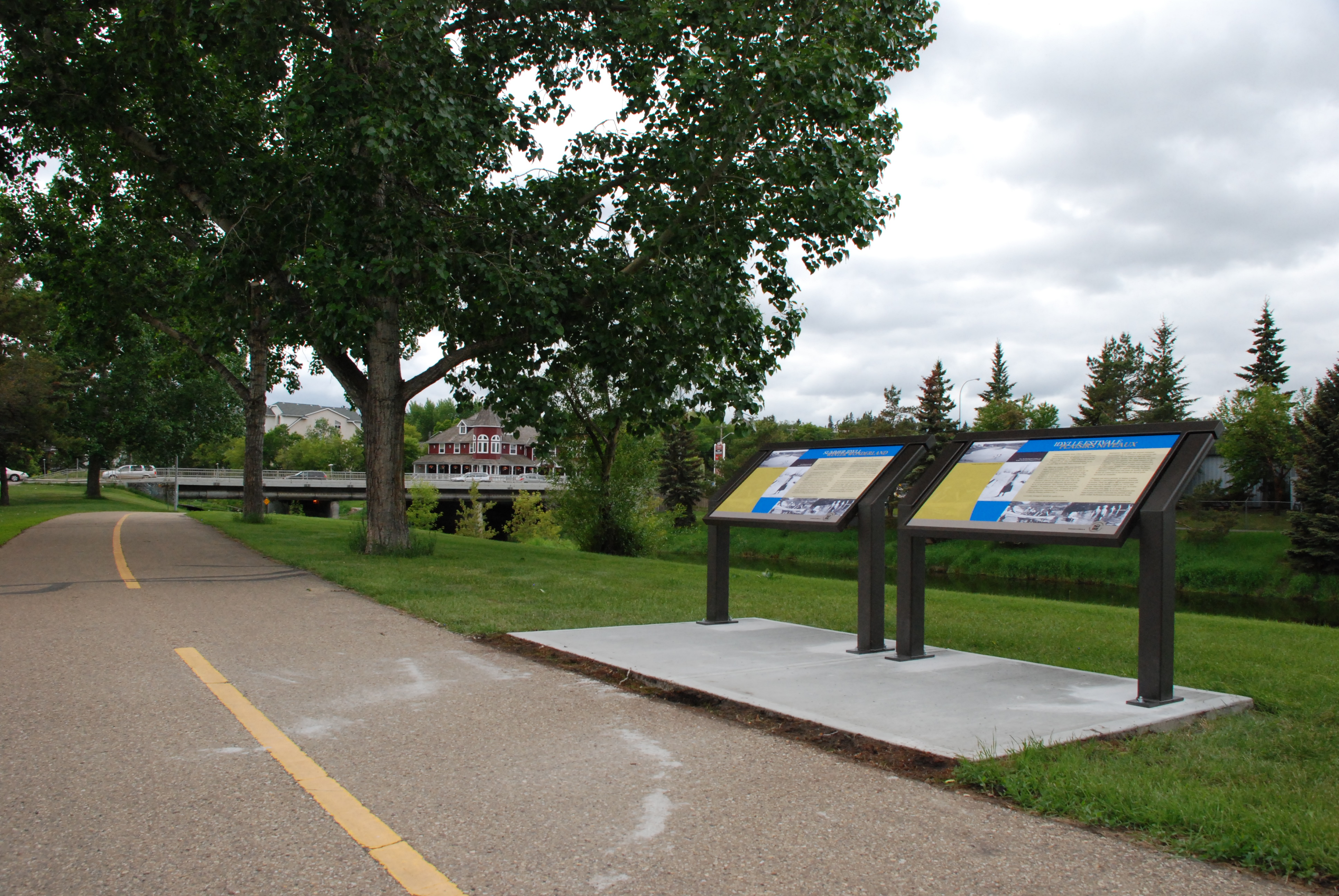
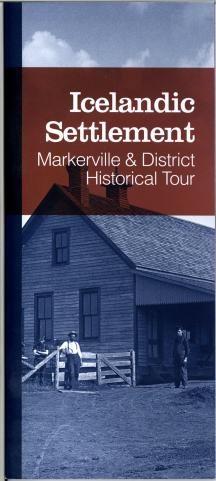
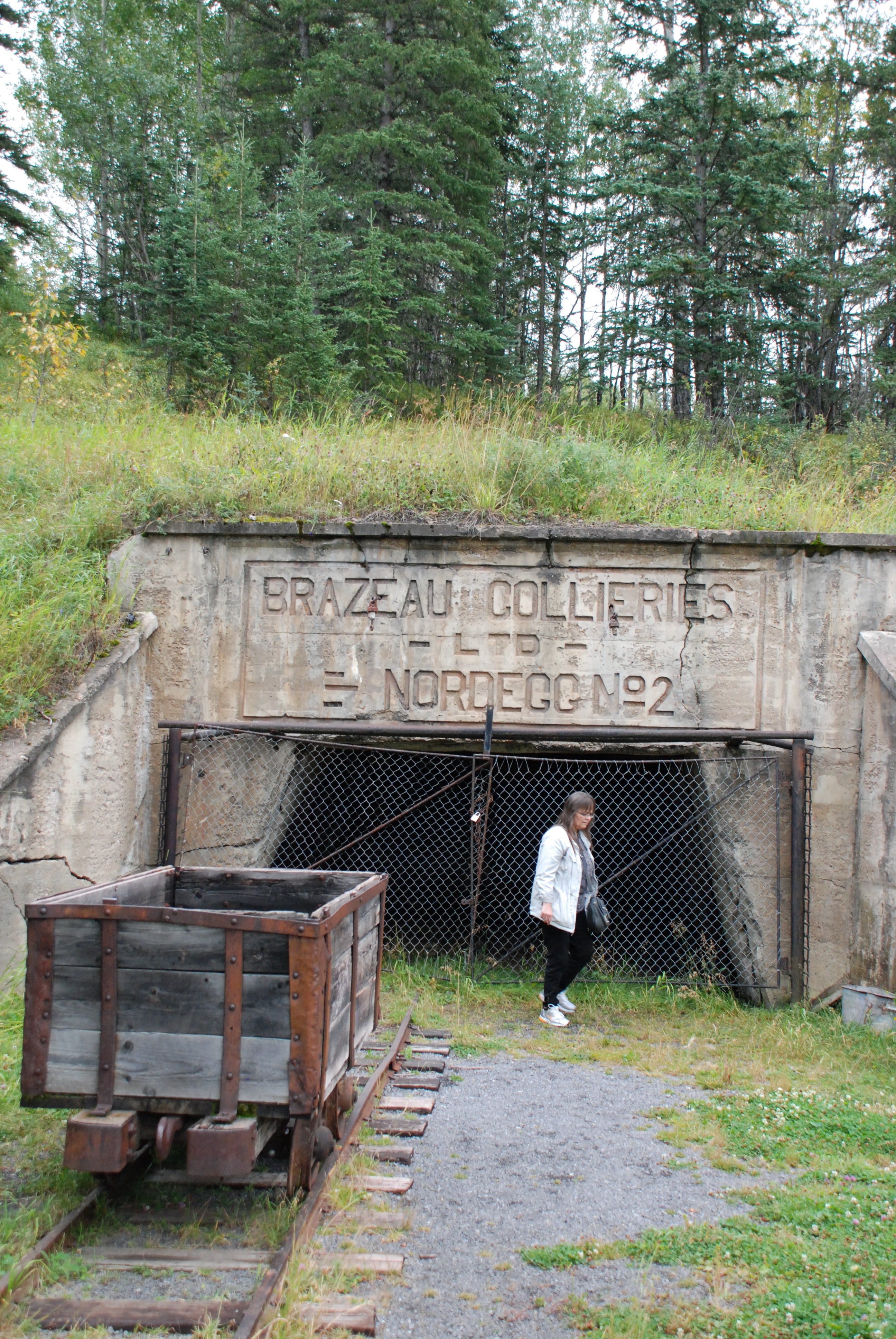
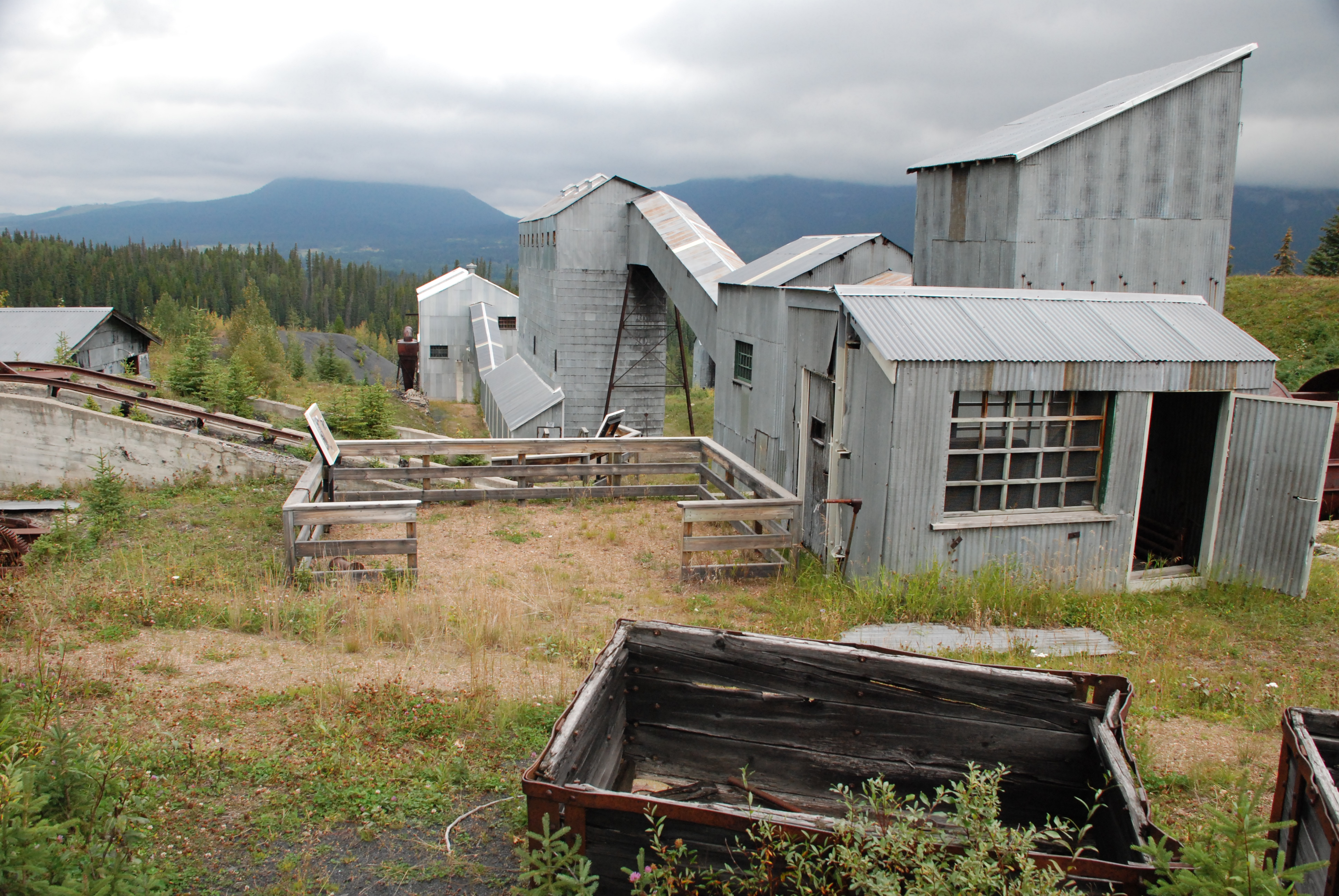
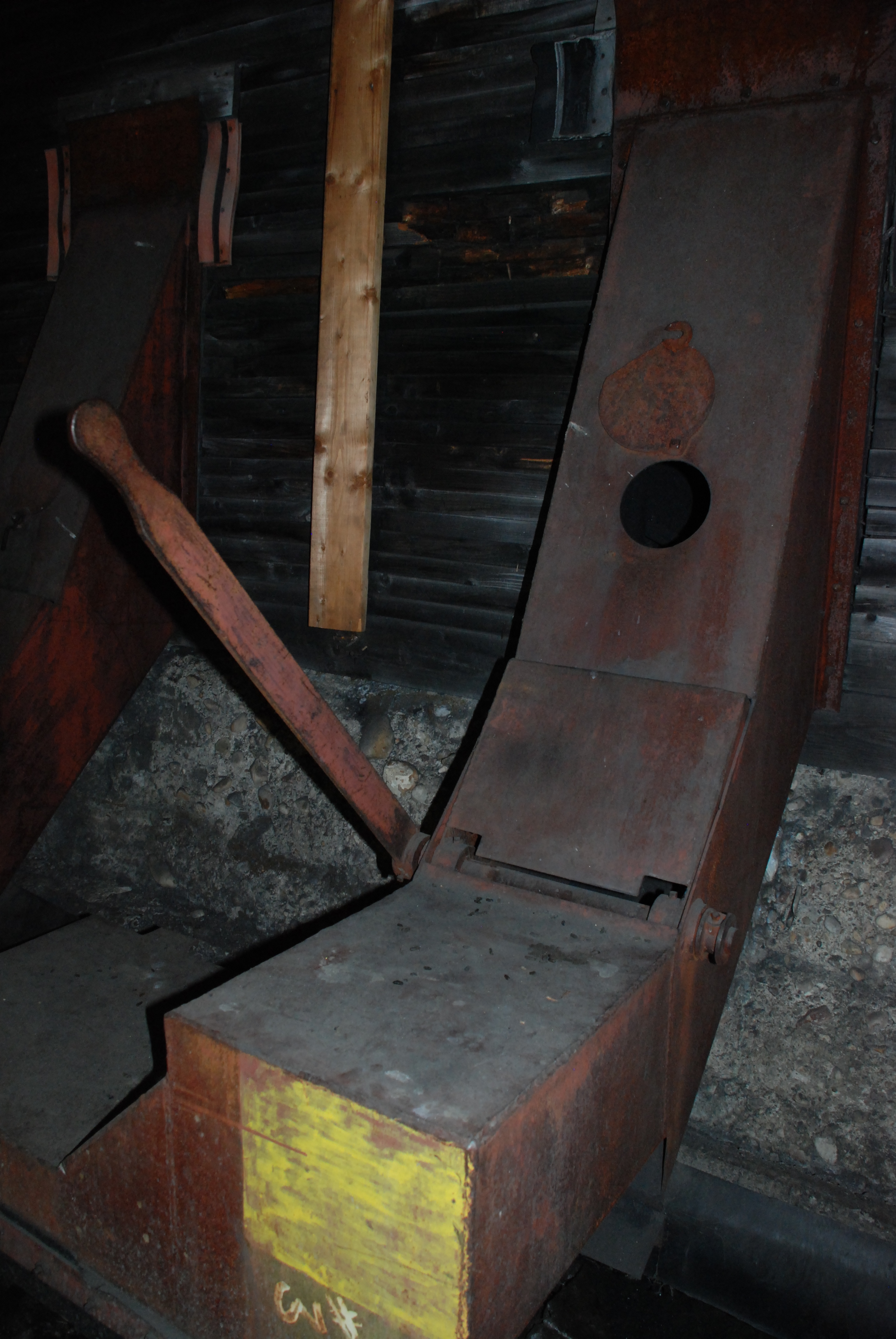
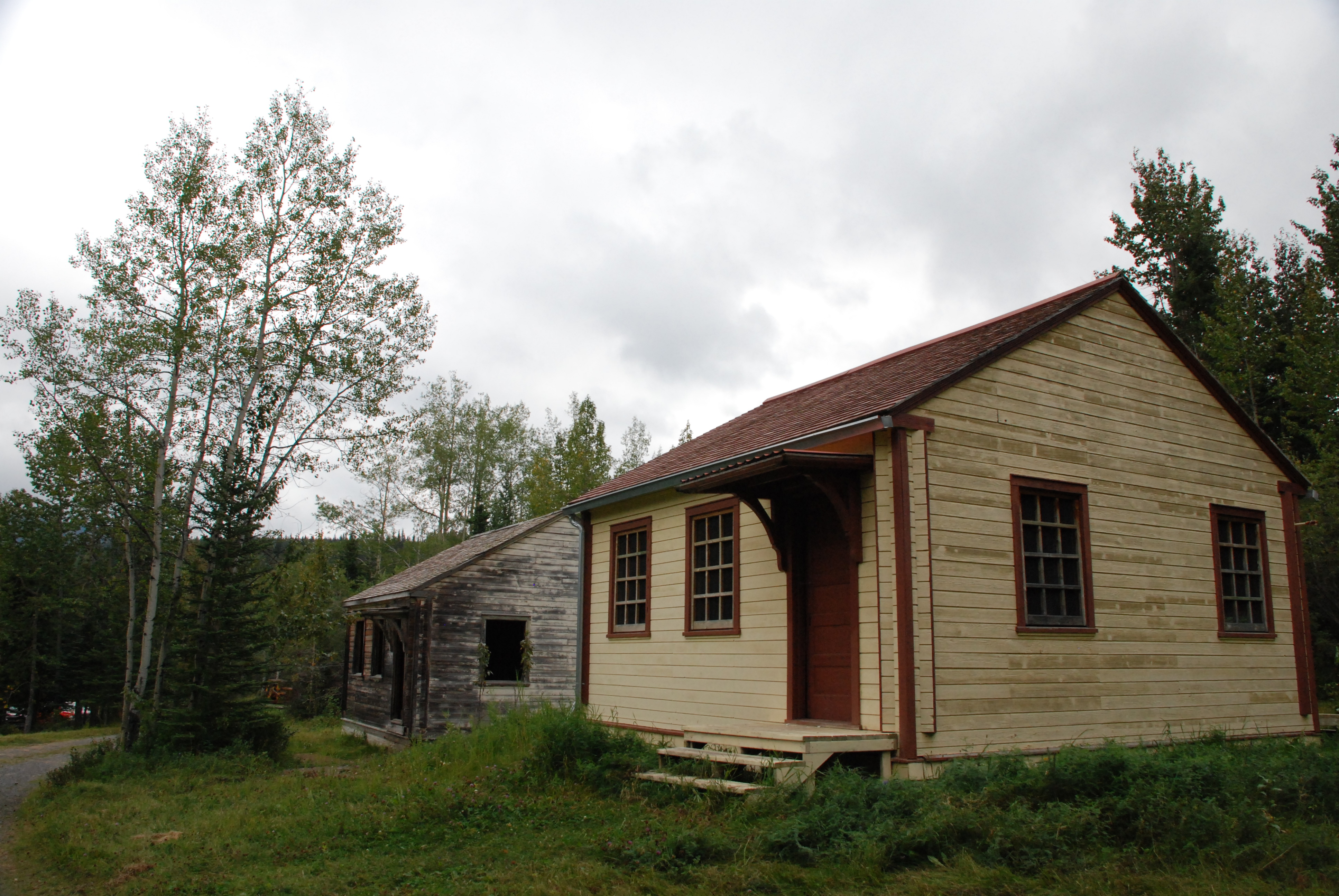
Where but Alberta can you experience an Icelandic homestead, a glacial erratic, a fur trade post and a buffalo jump? What other province operates a network of museums and interpretive centres, where you can see dinosaur fossils, historic automobiles, Canada’s deadliest rock-slide or a Ukrainian-Canadian settlement?

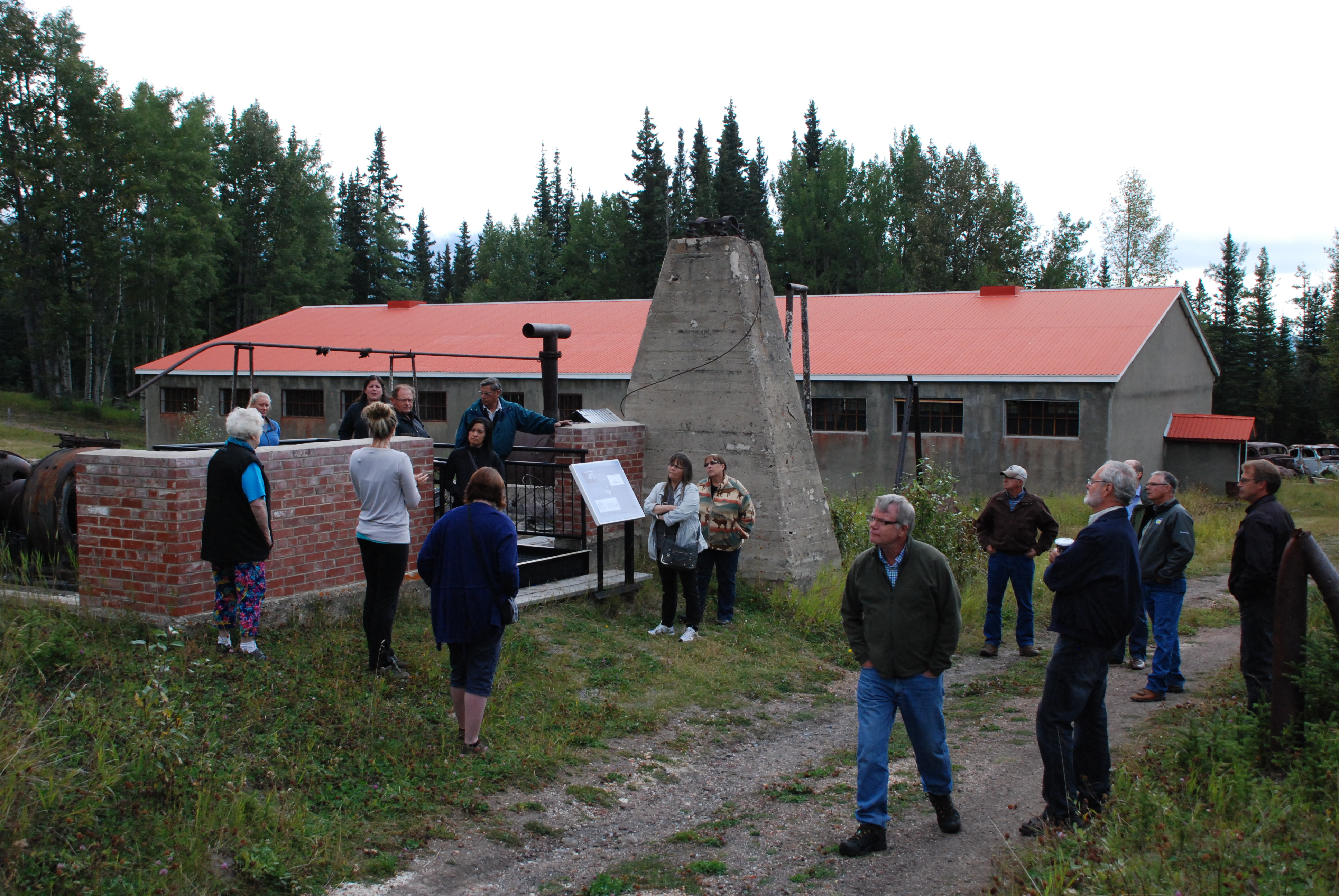
The Government of Alberta doesn’t just protect significant historic resources—we proudly interpret and display Alberta’s heritage. The Ministry of Culture operates historic sites, interpretive centres, museums and archives. To find out more, click here.

Would you like to know what’s happening at some of our historic sites and museums during the next few weeks? Here’s some information for southern Alberta and for northern Alberta.

Why Architects?

To help in planning of course!

In an earlier post, I talked about the importance of proper planning before undertaking work on a designated historic resource. Throughout my career, I have discussed, planned and observed many different types of projects involving modern and historic buildings. I have worked on simple maintenance projects, such as roof replacements or re-painting, and more elaborate ones, such as restorations and additions.

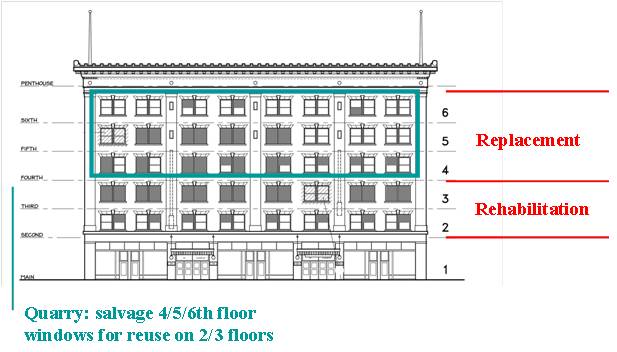
Providing advice to heritage building owners is the most enjoyable part of my work as a conservation adviser. Nevertheless, the size and scope of some projects are quite large. Buildings are made of a variety of materials, like stone, brick and wood. Skilled tradespeople, such as masons, carpenters and electricians know how to care for each material (or building system). Historic building conservation usually draws on the expertise of an exceptionally wide variety of skilled tradespeople. Making a plan to address problems with any major component requires a group of skills that only architects possess. This is why architects can be so helpful.

A project’s size or complexity should not discourage you. I recommend hiring an architect to help identify, prioritise, and cost the required conservation work on any large project. The architect’s report, often called a “conservation plan,” is invaluable. The plan will explain the problem, propose possible solutions and is a useful reference should the work need to be phased out over time.

Hiring an architect is just like hiring any other professional: just as some contractors are not familiar with the principles of heritage conservation (described in The Standards and Guidelines for the Conservation of Historic Places in Canada), some architects are not skilled in this area either. Fortunately, my fellow Heritage Conservation Advisers and I can help you plan a heritage conservation project (call us), which can include advice on how to hire the right architect.

Although hiring architects cost money, the benefits make it worthwhile. Architects know how to analyse a building for problems, they can propose creative solutions and help you select and supervise the right tradespeople. This is why architectural and engineering services have their own grant category within the Alberta Historical Resources Foundation’s Historic Resource Conservation program.

Not all projects or interventions require the services of an architect, but having the planning and scope of work established by contractors alone on large projects can lead to a bad outcome. Having a uniform and properly outlined conservation plan developed by an architect (or engineer, depending on the problem) makes it easier for conservation advisers to approve projects and for contractors to provide accurate cost estimates.

Don’t feel overwhelmed by large conservation projects. It’s true what Steve Smith said at the end of every episode of his Red Green Show.

Written by: Carlo Laforge, Heritage Conservation Adviser.

Flood impacted owners get extension for heritage grant applications

Alberta Historical Resources FoundationRegular readers of RETROactive will know that owners of designated historic resources listed on the Alberta Register of Historic Places are eligible to apply for matching grants for approved conservation work.

The regular deadlines for owners of designated properties to apply for these grants are February 1st and September 1st. That means that the next grant application deadline is fast approaching!

But this year, for many Albertans, has been very different.

We know that many historic places have been seriously affected by flooding. In addition, some municipalities which have been severely impacted have had to push back scheduled processes, which, under normal conditions, would have already seen new Municipal Historic Resources designated.

As a result, the Alberta Historical Resources Foundation has extended its upcoming deadline for applications for Historic Resource Conservation grants, for flood-impacted applicants only. Applications from owners of flood-affected, designated historic properties will be received until September 30, 2013. In addition, flood-impacted properties that have been formally evaluated and are currently in the process of being considered for Municipal Historic Resource designation, but may not have completed the process, will be deemed as eligible, and are also encouraged to apply.

So, the application deadline has been extended for properties that:

  • have been directly impacted by flooding
  • are included on a formally adopted Municipal Heritage Inventory, with a Statement of Significance
  • have been issued a Notice of Intention to designate as a Municipal Historic Resource by the applicable municipality

The regular funding deadline of September 1, 2013 still applies to all non-flood-affected properties.

“Owners of historic buildings and sites that have been impacted by the severe flooding in northern and southern Alberta are still in the midst of recovery,” said Alberta Culture Minister Heather Klimchuk. “With the many challenges they are facing, extending the application deadline will ensure they will still have the opportunity to apply for grants to assist in their conservation efforts while allowing municipalities to complete their designation processes.”

If you have any questions relating to the Alberta Historical Resources Foundation’s grant programs, and the upcoming grant deadline, please contact Carina Naranjilla, Grants Program Coordinator at (780) 431-2305 or by email: Carina.Naranjilla@gov.ab.ca.

If you have any questions relating to the Municipal Historic Resource designation process, please feel free to contact Matthew Francis, Manager of Municipal Heritage Services, at (780) 438-8502 or by email at Matthew.Francis@gov.ab.ca.

These numbers are toll-free by first dialing 310-0000.

Vulcan goes where few municipalities have gone before

Vulcan has developed a plan

Vulcan County, the Town of Vulcan and the Village of Champion are once again working together (you might even say they’ve federated) to conserve their shared heritage. With the aid of a Municipal Heritage Partnership Program grant, they will create a heritage management plan over the next year.

Dedicated readers may recall that these three communities (along with the Villages of Carmangay and Milo) surveyed and inventoried several historic resources last year. They identified several places of interest—sites that warrant further evaluation due to their probable historical or architectural significance. Vulcan’s HAB has already confirmed that many of are significance—that is, they somehow physically embody some aspect of Vulcan’s history.

Knowing that they have several sites that are significance and have integrity, the Vulcanites have turned their attention to figuring out how to protect their locally significant historic resources. That is why they have chosen to develop a heritage management plan. During the next year, they will develop a policy and process to designate locally significant historic resources. Many locally significant sites will be designated as Municipal Historic Resources.

The management plan will lay out the application process and how each municipality will decide what to designate. This will include determining what types of sites they will designate, how the consent of the owner (to designation) will be obtained how the public will be consulted. It will ensure that each proposed designation will be evaluated for historical or architectural significance. This significance will be written down as a statement of significance.

The management plan will also lay out how permits to alter a Municipal Historic Resources will be processed. This involves creating an application process. A proposal to alter a site should describe what is being proposed and why. The municipality then needs to evaluate the proposed change using the Standards and Guidelines for the Conservation of Historic Places in Canada. The plan will identify who will process these permits and propose a means of training these agents in the use of the Standards and Guidelines.

The final step will involve exploring what incentives each municipality could offer to encourage the owners of Municipal Historic Resources to conserve them. A successful municipal heritage conservation programs recognizes the need to assist the owner of historic places with the cost of their conservation. The incentive could be grants or tax credits. Any program or service that defrays the cost of operating a property work as incentives too. (You can read Managing Historic Places: Protection and Stewardship of Your Local Heritage for more on heritage management planning).

I’m looking forward to working with Vulcan on this project. When it is done, they will join a select few communities that have completed a survey, inventory and management plan with our assistance. The Vulcans will soon be well poised to protect and conserve their historic places and we’ll all be richer for it.

Written by: Michael Thome, Municipal Heritage Services Officer

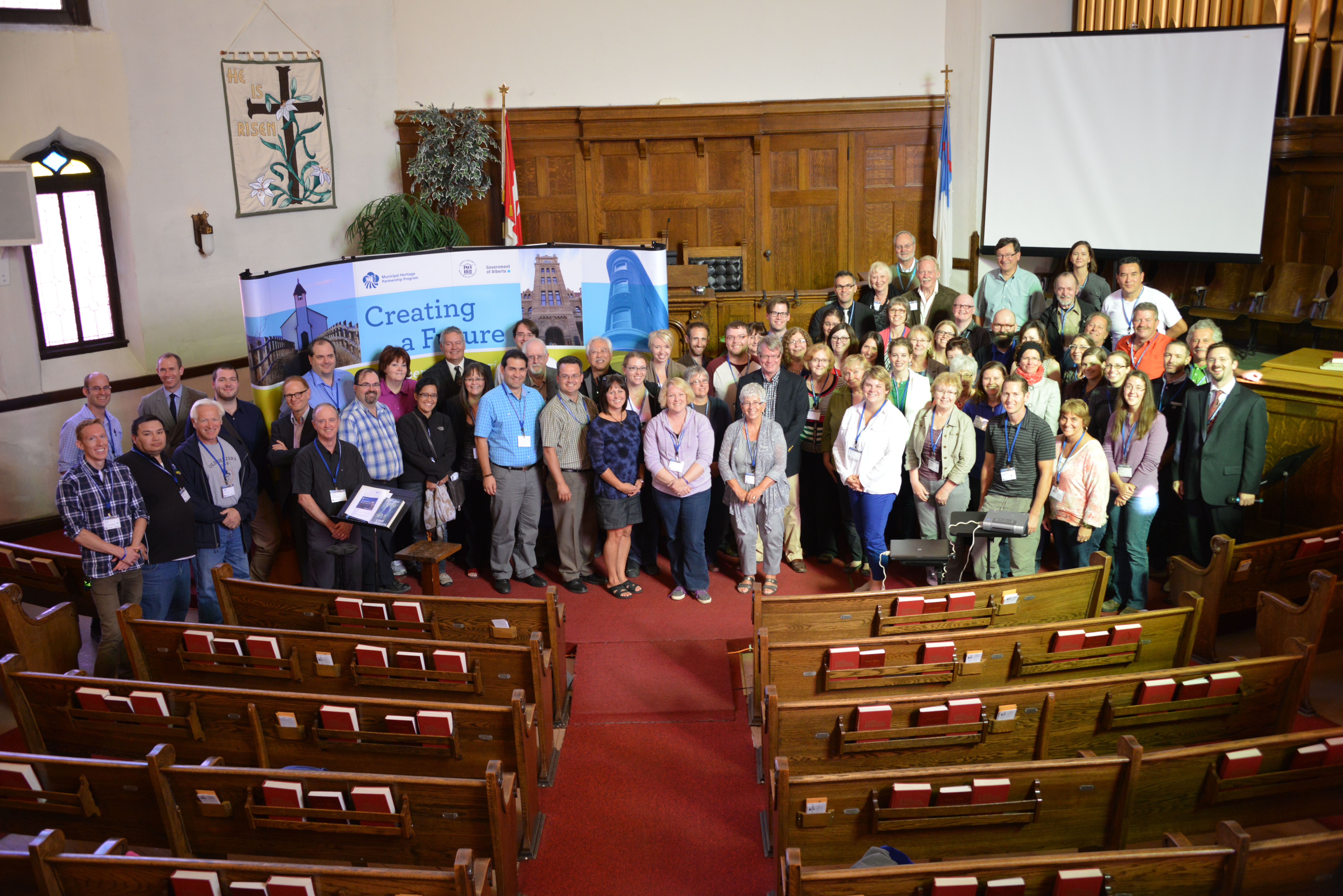
Come work with us – help create a future for Alberta’s historic places!

Do you have a keen interest in conserving historic places? Do you enjoy travelling across Alberta, and meeting new people?

We are looking for a new Municipal Heritage Services Officer to join our team.

Old St. Stephen's College, home to the Historic Resources Management Branch
Old St. Stephen’s College, Edmonton, home to most of the offices of the Historic Resources Management Branch

This is a meaningful career opportunity where you can put your education and passion for heritage to work in a meaningful way. The Historic Resources Management Branch is seeking an energetic individual to provide a full suite of heritage advisory services to municipalities and communities. You will be joining a dynamic team working to conserve designated historic places in Alberta. The Municipal Heritage Services Officer connects stakeholders with the services of the Municipal Heritage Partnership Program and the Alberta Main Street Program. If you are a heritage professional, an effective communicator, highly organized and a collaborative problem-solver, this opportunity is for you.

Online applications are preferred. To apply online, please visit https://www.jobs.alberta.ca/.

For more information, please contact ctpr.jobpostings@gov.ab.ca.

Alberta Historical Resources Foundation board steps out

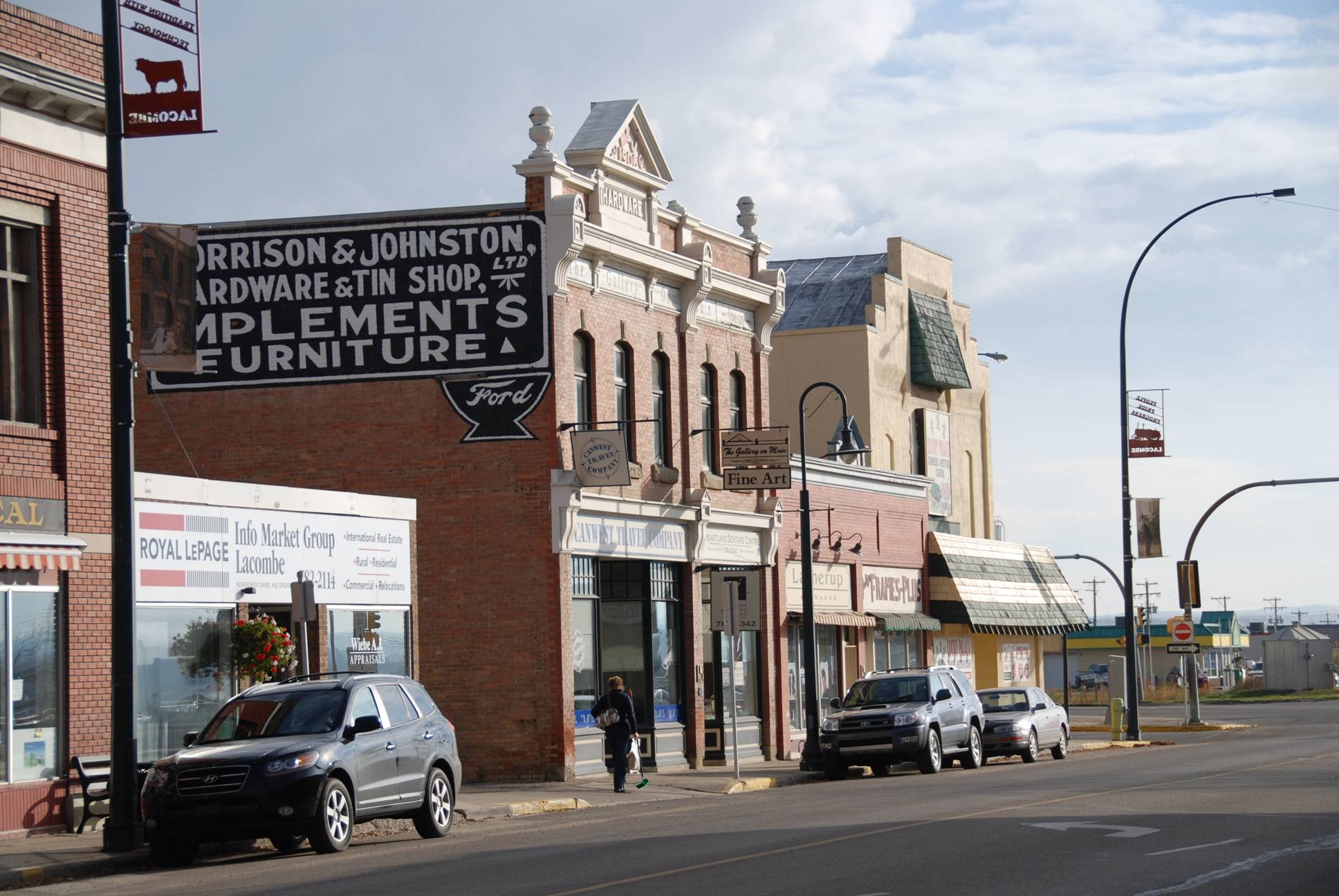
Lacombe's main street from the alleyway
Lacombe’s main street from the alleyway

Foundation board tours the streets of Lacombe before heading back to the boardroom

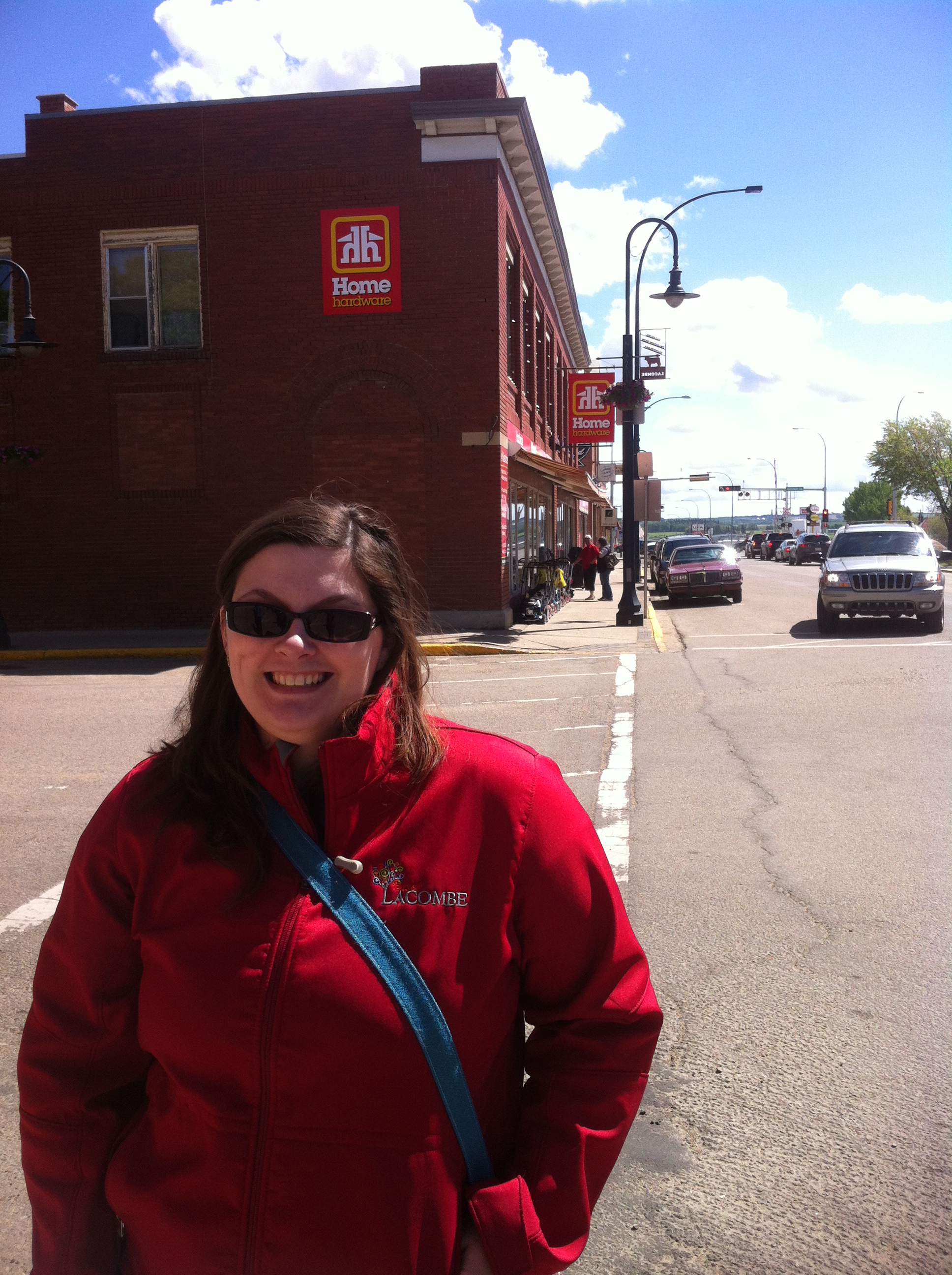
The board of the Alberta Historical Resources Foundation held their spring meeting in Lacombe. Before heading to the boardroom, the members enjoyed a guided walking tour of Lacombe’s main street, seeing some beautiful Provincial Historic Resources : the Flatiron Building, the Roland Michener House and the Lacombe Blacksmith Shop. (Incidentally, all three properties are currently managed and interpreted by the Lacombe and District Historical Society.)

Matthew Wangler, the foundation's Executive Director, tired his hand at blacksmithing.
Matthew Wangler, the foundation’s Executive Director, tired his hand at blacksmithing.

Board members and staff enjoyed the unique opportunity to watch a blacksmithing demonstration (similar to this one) and experience “branding” at the Blacksmith Shop, and view the public murals that artistically captured the city’s rich heritage.

In its continuing efforts to reach out to its heritage stakeholders, the board also held an informal roundtable discussion with the talented members of Lacombe’s Heritage Steering Committee and the Lacombe and District Historical Society. The insights shared during the discussion revealed the strong commitment of this active community in meeting the many challenges and opportunities in preserving and promoting their local heritage.

The board would like to thank the Lacombe and District Historical Society for the tour. Our Kudos goes to the Lacombe community for all their hard work. The board definitely felt refreshed before heading to the boardroom to adjudicate grants.

Written by: Carina Naranjilla, Grants Program Administration, Alberta Historical Resources Foundation

Todd Babiak talk about how historic places embody our stories

Municipal Heritage Forum 2013–meet one of our keynote speakers

A photograph of Todd Babiak.
Todd Babiak

Todd Babiak is a Canadian writer and entrepreneur living in Edmonton. Todd understands the important place stories hold in our lives and the power of historic places to help us understand the stories that make up our identity as individuals and as a community.

Todd is co-founder of Story Engine, and has published three bestselling novels. His first novel, Choke Hold, was a finalist for the Rogers Writers’ Trust Fiction Prize and the winner of the Henry Kreisel Award for Best First Book. His second novel, The Garneau Block, was shortlisted for the Scotiabank Giller Prize and the Alberta Book Award and itwon the City of Edmonton Book Prize. His third novel, The Book of Stanley is in development as a television series. His screenplay The Great One, co-authored with Jason Margolis, won a Praxis Screenwriting Fellowship. Todd Babiak’s fourth novel, Toby: A Man, was published by HarperCollins in January 2010. It was shortlisted for the Stephen Leacock Memorial Medal for Humour and won the Georges Bugnet Award for best work of fiction by an Alberta author. He was, for 10 years, a columnist at the Edmonton Journal.

Have you registered for the 2013 municipal heritage forum yet? Space is limited. Space is limited, so please register online today.

Bernard Flaman talk about the ABCs of conservation

Municipal Heritage Forum 2013–meet one of our keynote speakers

a photograph of Bernard Flaman.
Bernard Flaman (Don Hall, 2013).

Bernard Flaman will deliver a keynote address at the 2013 Municipal Heritage Forum: The ABC’s of Conservation. He is a registered architect with a great deal of experience in heritage conservation. He will talk about some of the projects he’s worked on to illustrate how the Standards and Guidelines for the Conservation of Historic Places in Canada are used to make timely and wise conservation decisions.

Bernard’s primary research area focuses on modernist architecture, and he has publications about the Saskatchewan Power Corporation Headquarters in Regina and the design of Canadian airports in the 1960’s. He has participated in the development of UNESCO’s policy on the inclusion of modern heritage into the World Heritage Sites program. His book Architecture of Saskatchewan: A Visual Journey, 1930-2011 was published in 2013.

Bernard’s advocacy for appropriate heritage conservation extends beyond the professional and academic. The renovation of his 450 sq. ft. condo in a designated Municipal Heritage Property (Saskatchewan’s version of a Municipal Historic Resource) in Regina was published in the September 2009 issue of Canadian Architect magazine and has received both a Saskatchewan Lieutenant Governors Heritage award and a Prairie Design Award.

Have you registered for the 2013 municipal heritage forum yet? Space is limited. Space is limited, so please register online today.

After the Flood: rehabilitating damaged artifacts

What to do when your artifact collection gets wet

Museum of the Highwood (July 3, 2013)

The recent flooding in Alberta damaged many historic resources. The damage was not limited to historic buildings—sadly museums and archives have also been affected. We know that the Museum of the Highwood in High River was hit quite hard. The museum occupies the Canadian Pacific Railway Station, a Provincial Historic Resource. While the full extent of the damage to both the building and the collection is still being assessed, much of the collection was submerged in river water for several days.

going downstairs in the museum (July 3, 2013)

There is no doubt that many more artifacts in both private collections and recognized museums have been damaged by the flooding. Flooding can be catastrophic for any historic resource, but it is possible to mitigate the damage. Our friends at the Alberta Museums Association have assembled documents on how to deal with flood damaged artifacts (see Flood Relief Resources on their webpage). I encourage you to consult these as a first step.

If you have questions regarding flood recovery or emergency planning you can contact the Alberta Museums Association at advisory@museums.ab.ca .

Also, the Canadian Conservation Institute offers emergency advice to Canada’s heritage community in the aftermath of a fire, flood, earthquake or other catastrophe to help with the salvage and recovery of their collections.

Written by: Michael Thome, Municipal Heritage Services Officer

The Alberta Historical Resources Foundation gives a financial boost to Alberta’s heritage

Nearly $1.3 million in funding awarded to help Albertans conserving and interpreting our heritage.

Alberta Historical Resources FoundationThe Alberta Historical Resources Foundation awarded nearly $1.3 million in support of 71 heritage projects through two grant programs. A scholarship was also awarded. This funding will be directed at applications submitted in February 2013 for the spring adjudication cycle.

Sixty-six projects will receive funding through the Heritage Preservation Partnership Program. This program provides financial assistance to individuals, municipalities and organizations working on projects that preserve or interpret Alberta’s heritage through conservation, heritage awareness, publications and research grants and scholarships.

Five municipalities will receive funding through the Municipal Heritage Partnership Program. These funds assist municipalities in identifying, evaluating, protecting and conserving locally significant historic places.

For a complete list of the projects funded please take a look at this Government of Alberta Information Bulletin. You can also find a complete list of grant recipients here.

It’s always interesting to see the range of projects Albertans are working on. This grant cycle brought forward a range of projects from all over Alberta. I look forward to seeing the applications submitted on September 1, 2013 for the next evaluation cycle.

Written By: Carina Naranjilla, Grant Program Coordinator, Alberta Historical Resources Foundation