Rutherford House is 100 Years Old!

…and you are invited to help celebrate!

On Sunday, June 5, 2011 (12:00pm to 4:00pm) staff of Rutherford House Provincial Historic Site will host a celebration to mark this milestone. All are welcome to attend – a traditional Founder’s Day Tea Party along with parlour music, a family craft, a history display and tours of the home will surely entertain.

For more information about this event, click here.

Rutherford House, located in Edmonton on the grounds of the University of Alberta, was built in 1911 as the home of Alberta’s first premier, Dr. Alexander Cameron Rutherford. The house was designated as a Provincial Historic Resource in 1979 by the Government of Alberta and currently operates as an interpreted Provincial Historic Site.

To learn more about Rutherford House Provincial Historic Site, click here.

To read about the heritage significance of Rutherford House and why it was designated a Provincial Historic Resource, click here.

Written by: Brenda Manweiler, Municipal Heritage Services Officer

Sesquicentennial Celebration?


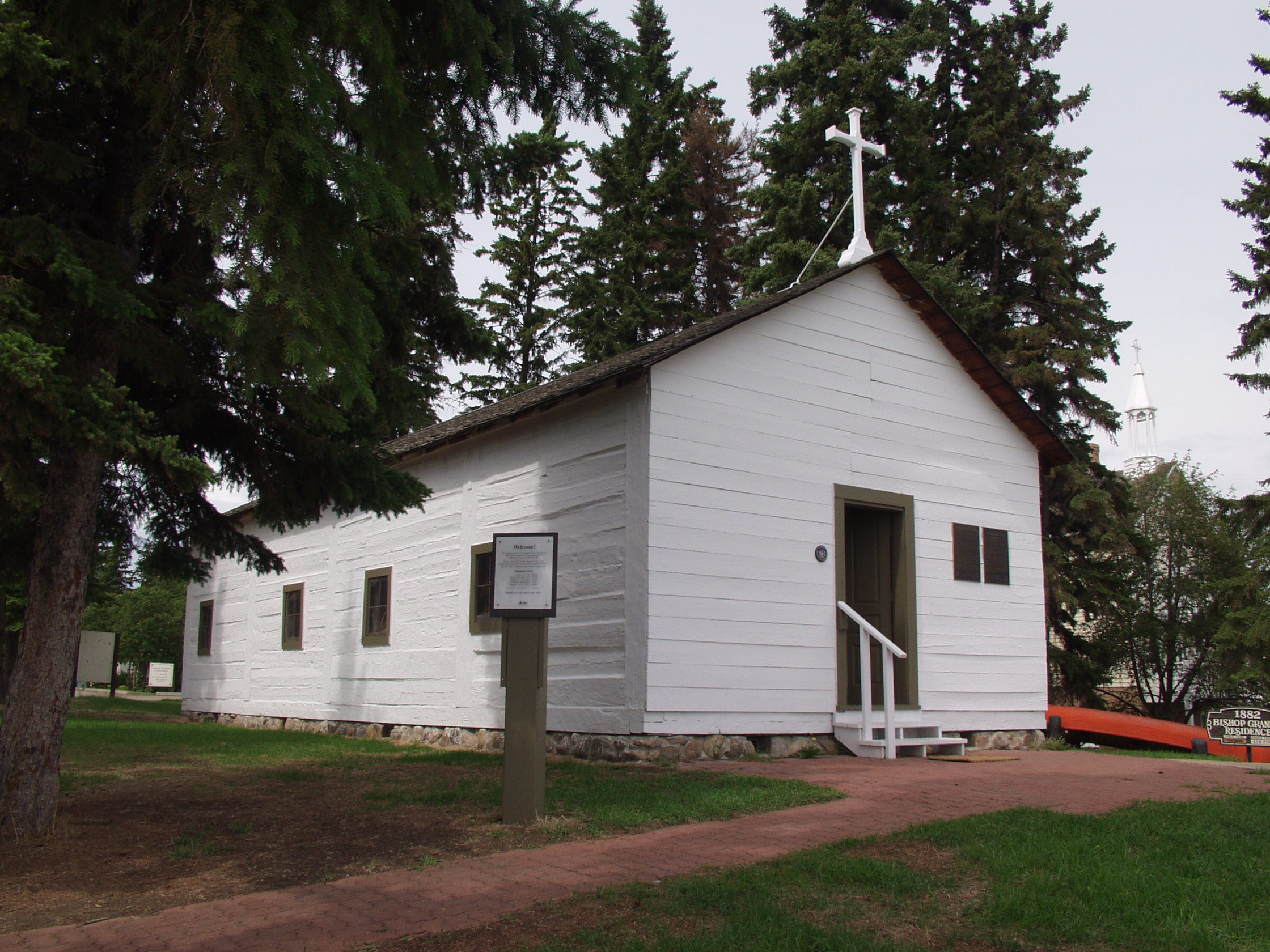
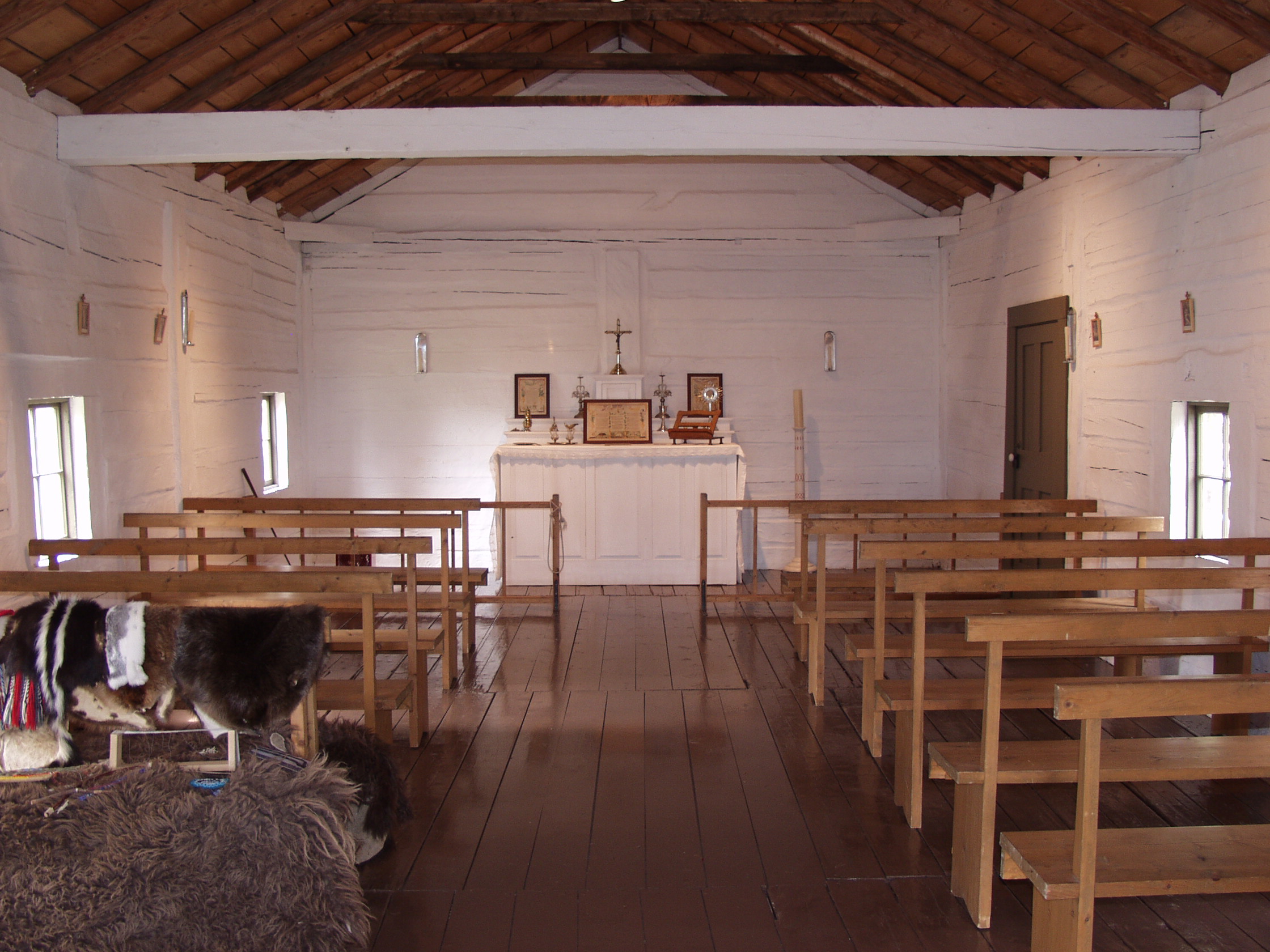
Did you know that a special Alberta community is celebrating its sesquicentennial this year?  For that matter, do you know what a sesquicentennial is?  It’s a 150 year anniversary and the City of St. Albert is marking that major milestone in 2011.  At the heart of the celebrations is the Father Lacombe Church situated on Mission Hill.  Erected in 1861, the church is the oldest extant building in Alberta and embodies the community’s early history as a Roman Catholic mission.  From those humble beginnings, St. Albert developed into one of the largest settlements between Red River and Vancouver.  Today, it’s a vibrant, prosperous city.  Learn more about this site and other historic places in St. Albert by visiting the Alberta Register of Historic Places and searching for “St. Albert” under the Municipality advanced search option.

Written by: Matthew Wangler, Manager of Alberta’s Historic Places Research and Designation Program

Paradise Valley Grain Elevator


The Alberta Wheat Pool Grain Elevator in Paradise Valley was designated a Provincial Historic Resource in 2008. In order for a site to be designated a Provincial Historic Resource, it must possess province-wide significance for either its history or architecture. To properly assess the historic importance of a resource, a historian crafts a context document that situates a resource within its time and place and compares it to similar resources in other parts of the province. This allows staff to determine the importance of a resource to a particular theme, time, and place. Below is some of the historical information used in the evaluation of the Alberta Wheat Pool Grain Elevator. 

When members of the Barr Colony settled in what would become the Lloydminster district at the turn of the 20th century, they were soon served by the Canadian Northern Railway, which arrived in 1904.  With this, the farming district quickly expanded.  One of the areas to be flooded with homesteaders was located just southwest of Lake Bricker, in a district to be named Paradise Valley by a promoter with the California Land Company named Frank Henton.  The first settlers began to take up land in 1906, and in 1910 a store and post office was opened by Kenneth Gunn on SE30 TP46 R2 W4.  Schools and churches soon followed in the district, although the main commercial centers remained Kitscoty and Lloydminster, some 20 km to the north and northeast.  Like much of rural Alberta, the Paradise Valley district prospered during the World War I years but suffered a recession at war’s end, with the overproduction of grain causing international prices to fall.  Then, with the Locarno Pacts opening up markets in Europe, the demand for western Canadian grain began to rise.  When coupled with high yields, this brought prosperity to the district during the late 1920s.

It was no doubt the high yields and growing demand for grain that encouraged the Canadian Pacific Railway to extend a branch line from Marsden, Saskatchewan through to Paradise Valley in 1929.  The track was built through to LSD 13 of NW6 TP47 R2 W4, where the CPR subdivided a townsite and erected a small station.  The post office was brought in and a community called Paradise Valley quickly evolved, although it was never large and would not be incorporated as a village until 1964.  The district was prosperous however, and the farmers were happy not to have to haul their farm produce all the way to Kitscoty, for, almost immediately after the railway arrived, several grain elevators dotted the skyline.  These were owned by the United Grain Growers, Searle, the western Grain Company, and the Alberta Wheat Pool.  In time, these elevators were joined by structures owned by the McCabe Brothers and the Federal Grain Company. Read more

McNaught Homestead


The McNaught Homestead near Beaverlodge was designated a Provincial Historic Resource in 2003. In order for a site to be designated a Provincial Historic Resource, it must possess province-wide significance for either its history or architecture. To properly assess the historic importance of a resource, a historian crafts a context document that situates a resource within its time and place and compares it to similar resources in other parts of the province. This allows staff to determine the importance of a resource to a particular theme, time, and place. Below is some of the historical information used in the evaluation of the McNaught Homestead.

In the spring of 1909, a group of excommunicated Methodists from Ontario known as the Christian Association (or Burnsites after their leader, Nelson Burns) made their way in convoy to the western edge of the Grande Prairie in northwestern Alberta and began to carve out homesteads.  The district along the lower Beaverlodge River was just being surveyed, and this group of 31 settlers came to constitute what would become the first successful attempt at group settlement in the Peace River Country.  They were soon joined by other settlers from Ontario, some of them Christian Association members, some not.  Among the latter was Charles McNaught who, with his wife Eliza, arrived in the district in June, 1911 to visit his brother, Sam, who had settled in the area two years earlier. 

Taken by the country, Charles and Eliza also decided to try establishing a farm there, taking two quarter-sections of land off the Beaverlodge River on NE15 and SE22 TP71 R10 W6 with half-breed scrip, and one on NE25 TP70 R11 off the Red Willow River by homesteading.  They decided to reside on NE15, and so they constructed a log dwelling, a barn, and other structures, and proceeded to work the land.  In 1914, they received title to both NE15 and SE22.

Being at some distance from the more heavily settled areas of the south Peace River Country, the settlers around the Beaverlodge constituted a tightly knit group, most of whom were members of the Christian Association.  Many non-members participated in Association activities.  Though the Association itself would eventually go into decline, due partly to the lack of any formal church structure, the community remained closely connected, with many families inter-marrying.  The children of Charles and Eliza McNaught would remain on the family homestead for years, becoming strong pillars of the community.  Indeed, three of them came to serve as local schoolteachers. Read more

St. Ambrose Anglican Church


The St. Ambrose Anglican Church in Redcliff was designated a Provincial Historic Resource in 2008. In order for a site to be designated a Provincial Historic Resource, it must possess province-wide significance for either its history or architecture. To properly assess the historic importance of a resource, a historian crafts a context document that situates a resource within its time and place and compares it to similar resources in other parts of the province. This allows staff to determine the importance of a resource to a particular theme, time, and place. Below is some of the historical information used in the evaluation of the St. Ambrose Anglican Church.

When the Canadian Pacific Railway was extending its survey grade across the southern prairies during 1881-82, a point was made to identify places suitable for the erection of stations and the subdivision of townsites.  One such spot was where the railway was earmarked to cross the South Saskatchewan River at present dayMedicine Hat.  Among the established industries in the area was that of clay products.  Common clay and shale were readily available along the river flats, while ball clay, fire clay, and stonewear clay were to be found in the outlying areas.


In 1906, with the population ofMedicine Hatgrowing, the Stoner Land Company, which owned land along the South Saskatchewan River northwest of town, incorporated the Redcliff Brick Company and began to make bricks for the many buildings going up inMedicine Hatand elsewhere along the CPR line.  In 1907, a townsite was subdivided and a water & sewer system was installed near the plant.  With people arriving to engage in the brick industry, and its related service industries, Redcliff was soon incorporated as a village.  With the demand for brick growing, and the red clay off theSouth Saskatchewanproviding an excellent product, Redcliff also continued to grow.  The plentiful supply of natural gas was another inducement for industry as well as people, and Redcliff was referred to as a “Smokeless Pittsburgh.”  In 1912, with its population listed at 3,000, Redcliff was incorporated as a town.  By this time, three major brick plants were in business, along with an iron works, a truck-manufacturing plant, and the Dominion Glass Company.  Read more

What is the Alberta Register of Historic Places?


The Alberta Register of Historic Places is a database listing most historic places designated under the Historical Resources Act. If a site is designated a Provincial Historic Resource, a Registered Historic Resource or a Municipal Historic Resource it is likely included in the Register.  

Approximately 700 sites are listed in the Register. The Register contains sites from all over Alberta and includes all aspects of Alberta’s rich heritage. To learn about the designated sites in your region simply visit the site and start exploring. You can search the Register by: 

  • historic function (i.e. Bank, School, Residence)
  • current function (i.e. Fire Station, Grain Elevator)
  • ownership type (i.e. Municipal, Private, Not For Profit)
  • formal recognition type (i.e. Municipal Historic Resource, Provincial Historic Resource)
  • municipality (i.e. Brooks, Mackenzie County)
  • constituency (i.e. Wetaskiwin-Camrose riding)
  • site name (i.e. Zephyr Creek Pictographs)
  • community/nearest community (ie. Fort Vermilion, Cherry Point)
  • location (i.e. ATS-LSD Location, PBL Location)
  • map (i.e. enter a location and see which sites are in the area) 

The Alberta Register of Historic Places is administered through Alberta’s Historic Places Designation Program.  This program is responsible for identifying, evaluating and designating Provincial Historic Resources, updating and maintaining the Alberta Register of Historic Places, and submitting eligible sites to the Canadian Register of Historic Places.   

Sites listed on the Alberta Register of Historic Places are eligible for listing on the Canadian Register of Historic Places; a national database listing formally recognized historic places from all across Canada. Visit the Canadian Register and explore from “coast to coast to coast” the varied historic places of local, provincial, territorial and national significance.

Written by: Brenda Manweiler, Municipal Heritage Services Officer

The ABC’s of Heritage Conservation (Part 3 of 3)


 The final segment of this series ends with the middle – the letter ‘M’. 

‘M’ is the most important letter in the heritage conservationist’s alphabet. Maintenance is the best (and cheapest) way to maintain a historic place, and minimal intervention is always the desire when completing an intervention. 

  • Maintenance:  Routine, cyclical, nondestructive actions necessary to slow the deterioration of an historic place. It entails periodic inspection; routine, cyclical, non-destructive cleaning; minor repair and refinishing operations; replacement of damaged or deteriorated materials that are impractical to save. 
  • Minimal intervention:  The approach that allows functional goals to be met with the least physical intervention. 
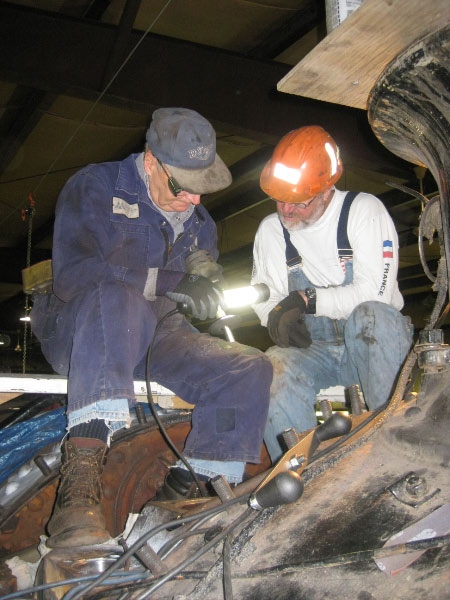
L to R: Larry G. Potter and Don Totten

In the above photo Larry G. Potter and Don Totten conduct routine maintenance on the Canadian National Railways Steam Locomotive 6060 Provincial Historic Resource. Click here to read the Locamotive’s Statement of Significance on the Alberta Register of Historic Places.

To learn more about the above terms or to read about additional conservation terms, please review the Standards and Guidelines for the Conservation of Historic Places in Canada. The Glossary section of the Municipal Heritage Partnership Program website is also a great resource. 

Did we miss something? Would you like us to discuss a term not mentioned in this series? Do you want more information on one of the terms we have defined? Submit a comment to this blog post and we will prepare a response. 

Written by: Brenda Manweiler, Municipal Heritage Services Officer (with definitions from the Standards and Guidelines).

Heritage Markers tell Alberta’s History

You have all probably seen them – large blue heritage markers located at highway rest areas or points of interest throughout Alberta. These interpretive signs tell of Alberta’s rich heritage. Come, travel Alberta and read a featured heritage marker:

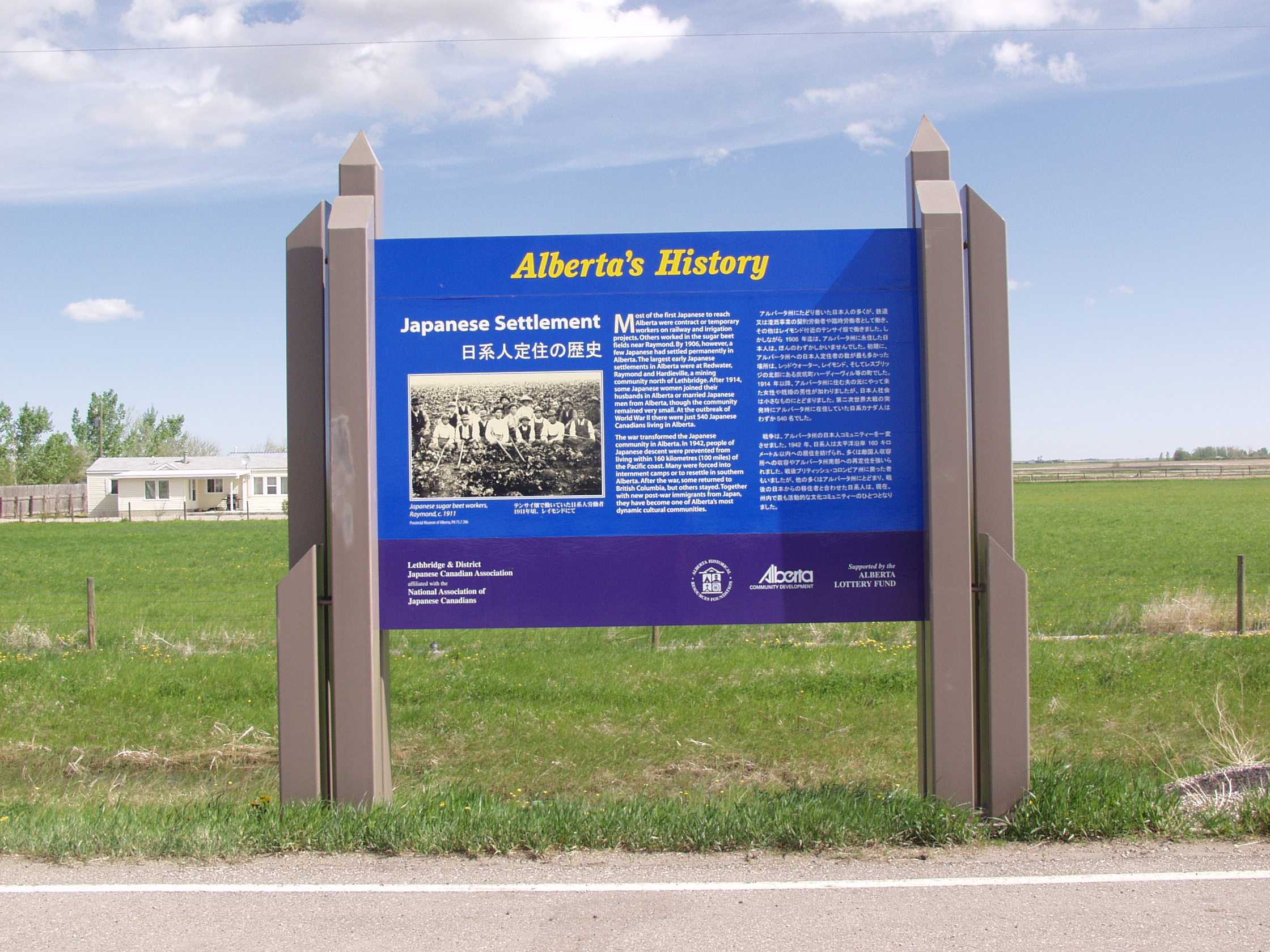
Japanese Settlement

Most of the first Japanese to reach Alberta were contract or temporary workers on railway and irrigation projects. Others worked in the sugar beet fields near Raymond. By 1906, however, a few Japanese had settled permanently in Alberta. The largest early Japanese settlements in Alberta were at Redwater, Raymond and Hardieville, a mining community north of Lethbridge. After 1914, some Japanese women joined their husbands in Alberta, though the community remained very small. At the outbreak of World War II there were just 540 Japanese Canadians living in Alberta.

The war transformed the Japanese community in Alberta. In 1942, people of Japanese descent were prevented from living within 160 kilometers (100 miles) of the Pacific coast. Many were forced into internment camps or to resettle in southern Alberta. After the war, some returned to British Columbia, but others stayed. Together with new post-war immigrants from Japan, they have become one of Alberta’s most dynamic cultural communities.

This heritage marker is located west of Raymond on the north side of Highway 52, 1.1km west of Highway 844.

If visiting Raymond you might like to also check out the Raymond Buddhist Church. It is a Provincial Historic Resource listed on the Alberta Register of Historic Places.

The ABC’s of Heritage Conservation (Part 2 of 3)


If Part 1 left you confused but less bemused hopefully the terms below will continue to explain the difference between some of our key terms. 

The Standards and Guidelines for the Conservation of Historic Places in Canada provides direction on how to conserve historic places. But what exactly is conservation and how does it differ from all the other “–tion” words related to historic places?  

  • Intervention:  Any action, other than demolition or destruction, that results in a physical change to an element of a historic place. 
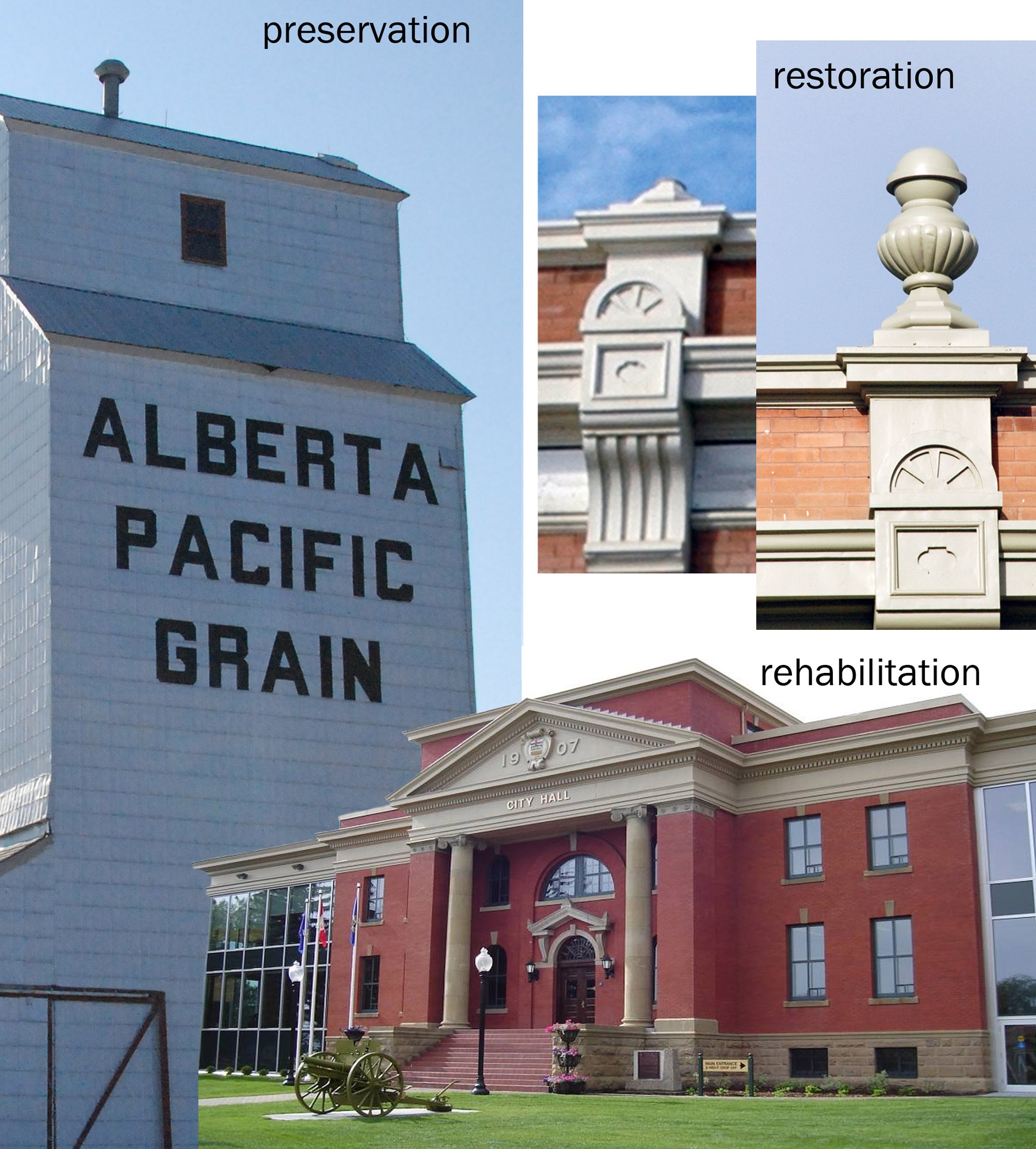
  • Conservation:  All actions or processes that are aimed at safeguarding the character-defining elements of a historic place so as to retain its heritage value and extend its physical life. This may involve “Preservation,” “Rehabilitation,” “Restoration,” or a combination of these actions or processes. 
  • Preservation:  The action or process of protecting, maintaining, and/or stabilizing the existing materials, form, and integrity of a historic place or of an individual component, while protecting its heritage value. 
  • Rehabilitation:  The action or process of making possible a continuing or compatible contemporary use of a historic place or an individual component, while protecting its heritage value. 
  • Restoration:  The action or process of accurately revealing, recovering or representing the state of a historic place or of an individual component, as it appeared at a particular period in its history, while protecting its heritage value. 

To learn more about the above terms or to read about additional conservation terms, please review the Standards and Guidelines for the Conservation of Historic Places in Canada. The Glossary section of the Municipal Heritage Partnership Program website is also a great resource. 

Written by: Brenda Manweiler, Municipal Heritage Services Officer (with definitions from the Standards and Guidelines).

The ABC’s of Heritage Conservation (Part 1 of 3)


The words of our trade can confuse and bemuse – below is a brief glossary of key terms designed to clarify and inform. 

Statements of Significance are used to understand how historic places should be conserved after a designating authority (i.e., a municipality – City, Town, Village or Municipal District, or the Government of Alberta) designates a place as a Municipal Historic Resource or a Provincial Historic Resource. 

  • Historic place:  A structure, building, group of buildings, district, landscape, archaeological site or other place that has been formally recognized for its heritage value. 
  • Statement of Significance (SoS):  A statement that briefly describes the historic place, identifies the heritage value or values associated with the place and lists the corresponding character-defining elements that must be conserved. 
  • Heritage value:  The aesthetic, historic, scientific, cultural, social or spiritual importance or significance for past, present or future generations. The heritage value of an historic place is embodied in its character-defining elements. 
  • Character-defining elements:  The materials, forms, location, spatial configurations and cultural associations or meanings that contribute to the heritage value of an historic place, which must be retained in order to preserve its heritage value. 

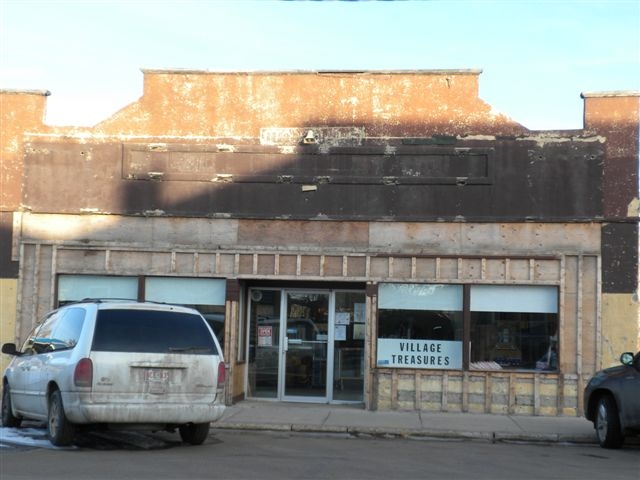
Village Treasures, in the Village of Mannville, is an example of a historic place. In January 2010 the Village designated it a Municipal Historic Resource. To read the Statement of Significance click here.

To learn more about the above terms or to read about additional conservation terms, please review the Standards and Guidelines for the Conservation of Historic Places in Canada. The Glossary section of the Municipal Heritage Partnership Program website is also a great resource. 

Written by: Brenda Manweiler, Municipal Heritage Services Officer (with definitions from the Standards and Guidelines).