The staff of the Historic Resources Management Branch wishes you a safe and happy holiday season.
We’ve worked hard to identify, protect and conserve Alberta’s historic resources this past year. We’d like to thank the countless people throughout Alberta for helping us to do that. Without your support, conserving our historic places would be impossible.
RETROactive will be taking a break over the holidays — we will resume publishing on January 6th, 2016. We look forward to seeing you all in the New Year!
It’s hard to believe the Christmas holidays are just around the corner. Along with all the regular festivities, several traditional foods are due to make their annual appearances. One of the quintessential desserts of the season is the fruit cake. Described as either a rich, moist and flavorful cake filled with holiday cheer or a dried out, tasteless leaden brick chockfull of bitter candied fruit. We seem to have a love-hate relationship with this fruit-filled, spirit-soaked cake garnished with sugar-coated nuts. But why was it invented? How did this tradition start?
It turns out that fruit cake has staying power. Its origins may be linked back to the ancient Egyptians who made rich fruit- and nut-laden funerary cakes for their departed loved ones, meant to sustain the dead on their journey to the afterlife. Others trace its early roots back to the ancient Romans’ references to a type of energy loaf, which combined barley mash, pomegranate seeds, pine nuts and raisins. A more modern version of fruit cake became popular in the Middle Ages in Western Europe as dried fruits, honey and Read more →
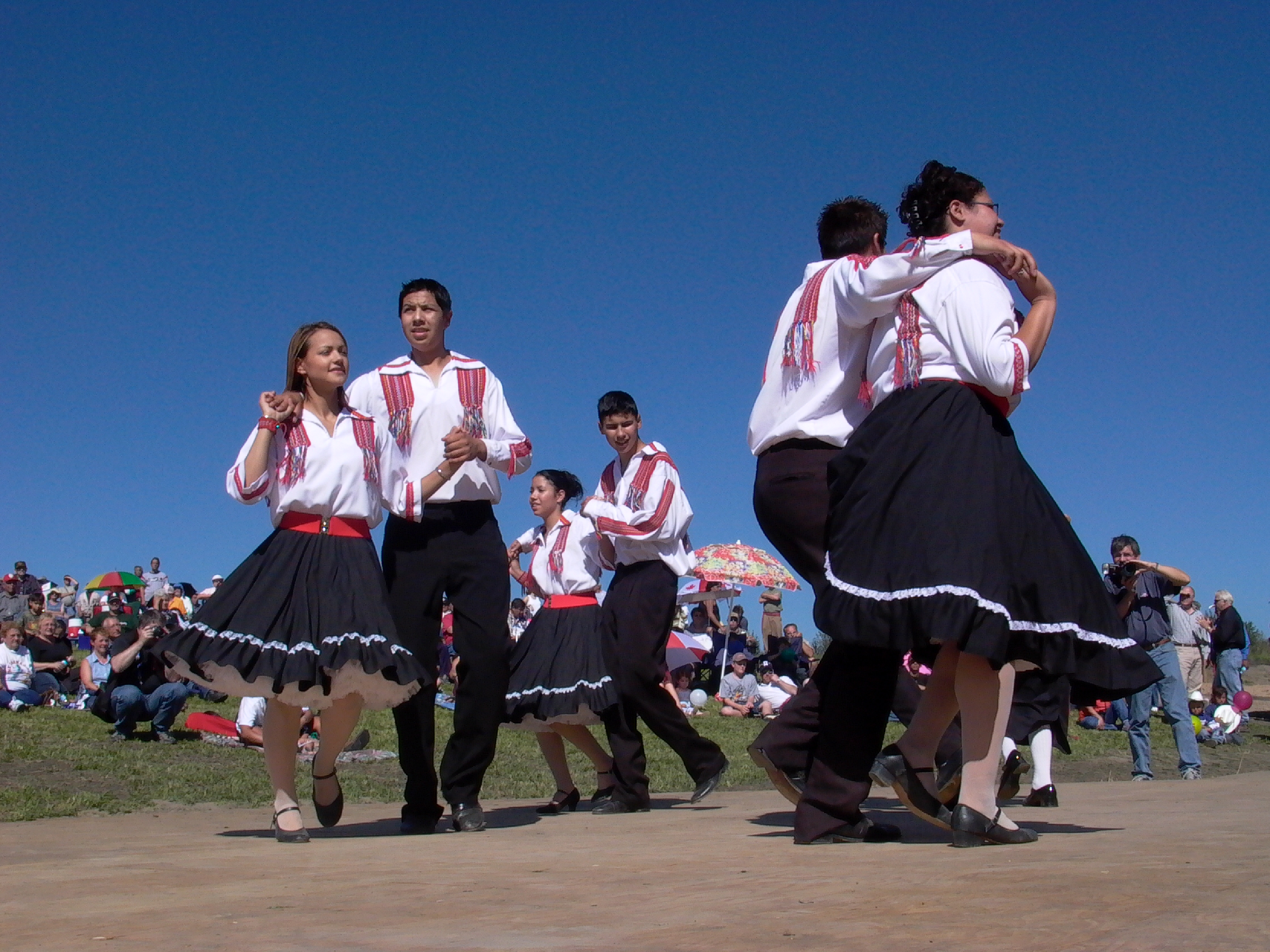
Events are taking place across the province this week in honour of Metis Week, from November 15-21, 2015. This week provides an opportunity to celebrate Metis people, their culture and their contributions.
Louis Riel Day was celebrated on November 16th, the date that marks the anniversary of Riel’s death in 1885. Riel was a Metis leader who fought for the recognition of Metis people and their rights. He is also credited as the founder of the province of Manitoba. Commemorations and events took place in both the Edmonton and Calgary areas.
Many other events are taking place across the province to celebrate Metis week and it’s not too late to take part! For a full listing of events, click here.
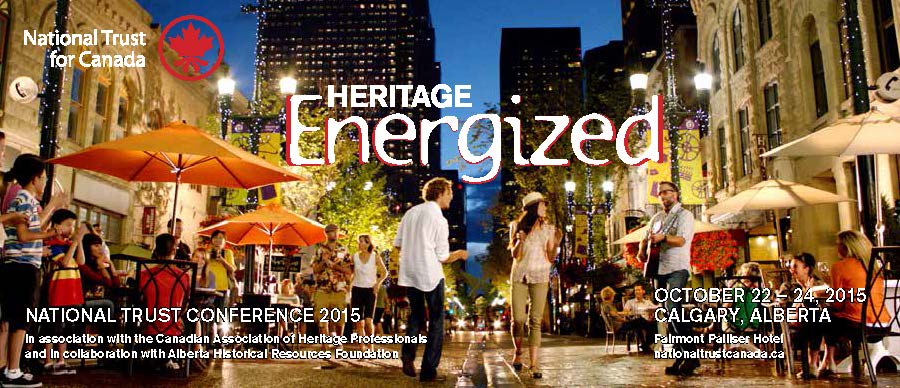
Calgary, Alberta – Fairmont Palliser Hotel, October 22 – 24, 2015
In association with the Canadian Association of Heritage Professionals and in collaboration with the Alberta Historical Resources Foundation
Be part of Canada’s largest heritage conservation learning and networking event.
The annual National Trust Conference is Canada’s largest event for professionals, practitioners, academics, and volunteers engaged in regenerating and saving our heritage places. This is your opportunity to meet and be inspired by the 400-plus participants from across Canada.
Heritage is an energy producer that infuses Canadian communities with cultural and economic vitality, sparks new investment, and ensures their long-term sustainability. The 2015 National Trust Conference will explore how heritage energy can turn places around, empower people, and create opportunities.
This year, we are pleased to announce the broadest range of workshops we’ve ever mounted: from fundraising and organizational governance, to brick masonry conservation, heritage real estate development, and the digital documentation of heritage buildings. We’ve also assembled a slate of inspiring keynote speakers that will introduce you to cutting-edge heritage from around Alberta and the globe: from heritage thinkers and developers to internationally acclaimed fiction writers.
Indigenous cultural heritage will have a strong presence throughout the conference, particularly at the ground-breaking pre-conference event, MOH-KINS-TSIS │ Calgary Indigenous Heritage Roundtable. Calgary has a rich Indigenous heritage with many places of sacred and cultural significance – from Nose Hill to Paskapoo Slopes. And yet, these important places are rarely protected by provincial legislation or recognized by municipal bylaws and polices. MOH-KINS-TSIS │Calgary Indigenous Heritage Roundtable aims to open a dialogue and to find solutions to this gap in knowledge and protection.
The Historic Resources Management Branch of Alberta Culture and Tourism is responsible for managing impacts to historic resources in the province, including archaeological sites, fossil localities, heritage buildings, and historic places of cultural significance to Indigenous communities. In addition to ensuring the careful management of Alberta’s embodied heritage, the branch also engages in a number of outreach activities to promote greater appreciation for the remarkable depth and richness of the province’s past and will be participating in the National Trust Conference. Speakers in the session will explore a range of topics, including: how the branch’s regulatory processes uncovered the Quarry of the Ancestors, a remarkable archaeological site that illuminates one of the most intensive ancient uses of the boreal forest yet identified in Canada; how the visual arts can be used to create compelling and dynamic evocations of Alberta’s history; and how the branch engages with Indigenous communities to record and preserve historic places of cultural significance.
The National Trust for Canada is a national charity created in 1973 that inspires and leads action to save historic places, and promotes the care and wise use of our historic environment.
If you’re looking for some family fun this Labour Day weekend, consider visiting one of Alberta’s Provincial Historic Sites, Interpretive Centres or Museums. There is a lot of great programming that offers something for everyone – from strolling through gardens and learning about 1920s fashion, to carriage rides, guided hikes and tours, and getting your hands dirty and bellies full at the Reynolds-Alberta Museum Harvest Festival! Many of our sites, centres and museums are open year round but several others will be closing for the season after Labour Day. Don’t miss your opportunity to visit these sites before they close for the year!
This post was originally published on RETROactive on March 6th, 2012. Farmers across the province will soon be busy with harvest so we thought it appropriate to highlight a previous post associated with Alberta’s agricultural past. Please note that these statistics are from 2012.
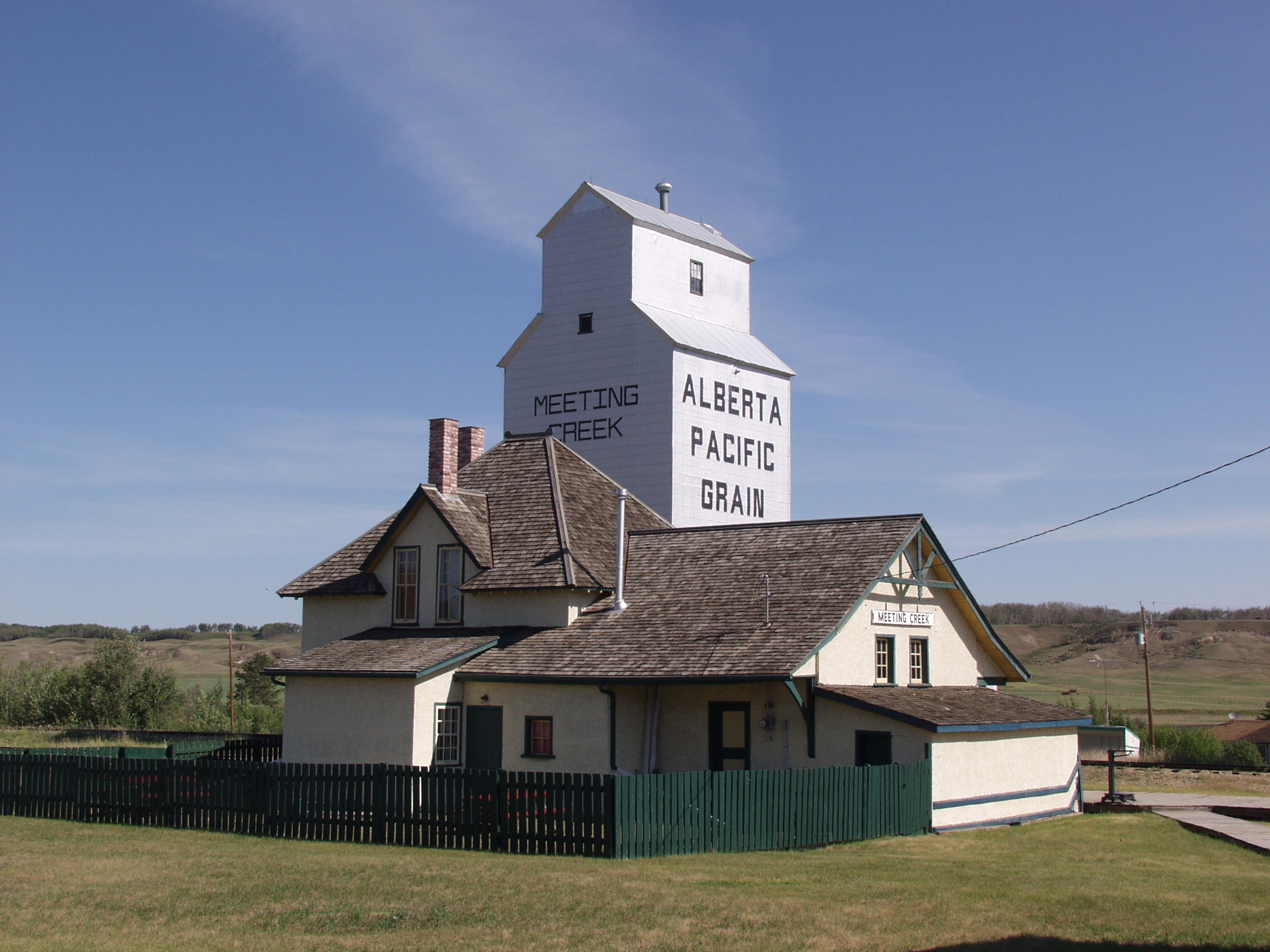
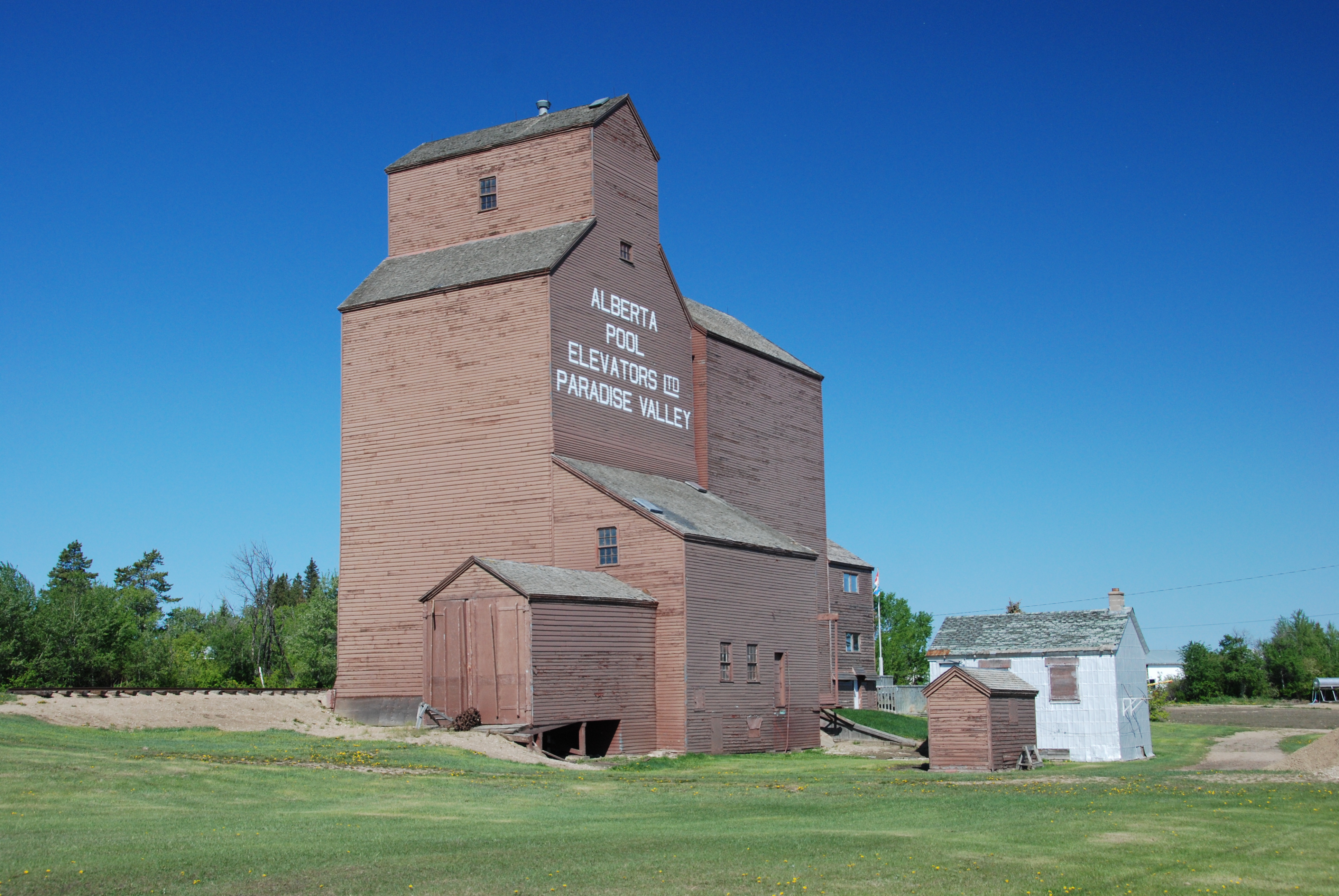
The twentieth century saw the rise and fall – literally – of the wooden country grain elevator in Alberta. As rail lines spread across the province, grain elevators sprouted like mushrooms after a spring rain. The high water mark for wooden country grain elevators was in 1934. New elevators were added in every decade, but this has been exceeded by the rate of demolition or closure ever since. Check out the following “index” of Alberta’s wooden country elevators, called “elevators” for short in this list.
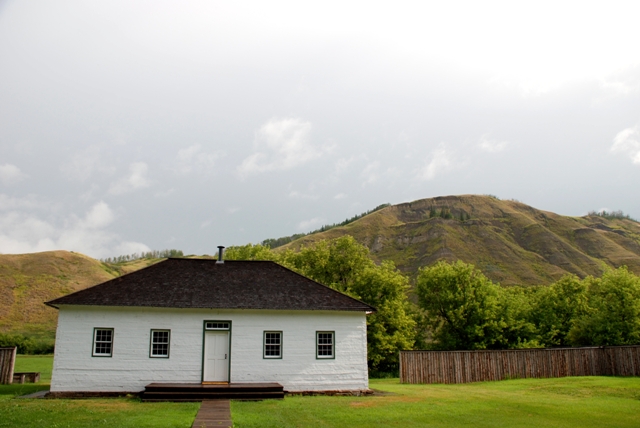
Last fall (2012), I had meetings with the Municipal District of Spirit River and also had the opportunity to visit Historic Dunvegan Provincial Park. What a beautiful place to explore! Located approximately one hour north of Grande Prairie and fifteen minutes south of Fairview, this park offers camping, a walking trail that meanders along the Peace River, a Provincial Historic Site and stunning views of the Dunvegan Bridge. With a Visitor Centre acting as a gateway to the Provincial Historic Site portion of the park (of which, portions are also designated as a Provincial Historic Resource) interpretive staff provide guided tours of the historic buildings. If you time your visit carefully, you might even get to experience one of their special events. See below for more information.
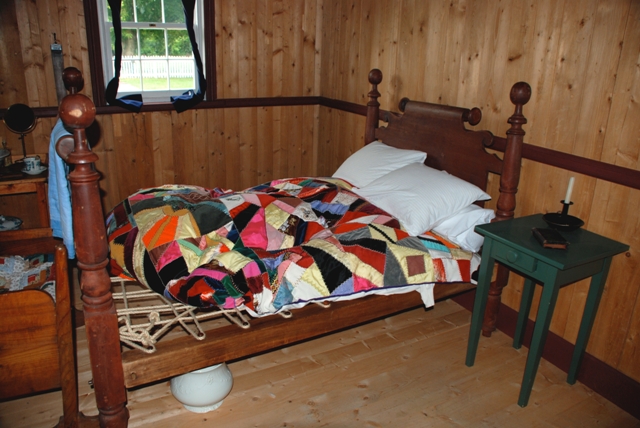
Factor’s House, Historic Dunvegan (Interior) Do you remember hearing the saying “sleep tight” when you were a child? While it’s not known for sure, many believe that the saying originated with the use of rope beds such as this. A person would have to tighten the ropes of the bed every so often, otherwise the ropes might loosen and cause the person to fall through to the floor in the middle of the night. Possibly as a reminder to tighten the ropes, the saying: “Good night, sleep tight” came into being.
Historic Dunvegan is a significant part of Alberta’s heritage because of its connection to the operations of the North West Company and Hudson’s Bay Company in the Peace River District, for being an example of early architecture in Alberta and for the archaeological resources located at the site. To learn more about the significance of Historic Dunvegan and its history, read its listing on the Alberta Register of Historic Places.
Historic buildings that you could tour when at Historic Dunvegan Provincial Park, include:
St. Charles Mission – The Rectory
St. Charles Mission – St. Charles Church
Factor’s House
Revillon Frères Store (opening July 1st)
Tours of these fully restored buildings are offered daily.
Open Hours: May 15-September 2, 2013 from 10am-5pm.
Regular admission prices: $3.00 for Adults; $2.00 for Seniors; $1.50 for Youth; Free for children 6 and under.
Attention educators and youth group leaders! Educational programs or tours can be booked anytime during the summer.
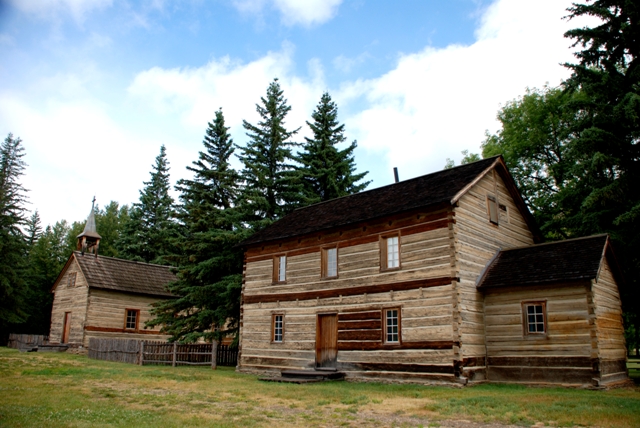
St. Charles Mission, Church and Rectory
SPECIAL EVENTS
Canada Day – Monday, July 1st, 11am-4pm. Celebrate a historical milestone at Historic Dunvegan by being part of the grand opening of a building originally constructed by the Revillon Frères free traders in 1909. Discover this significant chapter of Dunvegan’s story by exploring the building and hearing from many of the people who have helped bring it to life. The day’s festivities will also include a performance by Juno-nominated family entertainer Mary Lambert, tours of all historic buildings, games, cake and crafts.
Admission is half price!
Annual Fresh Air Market – Sunday, August 4th, 11am-5pm. Experience the time-honoured tradition of trading and gathering at Historic Dunvegan’s Fresh Air Market. Shop for jewellery, gifts, and other treats – all handcrafted by artisans from the Peace Country. Costumed interpreters will be offering tours of Historic Dunvegan’s three fully restored historic buildings. Activities for the kids will be provided. Regular fees apply.
St. Charles Mission, Church (Interior)
LONG WEEKENDS
Amphitheatre Entertainment –Saturdays (May 18, June 29, August 3) at 2:00pm. Join the staff of Historic Dunvegan for a humorous and often interactive dramatic presentation. Participation by donation.
Sunday Funday – Sundays (May 19, June 30, September 1) at 2:00pm. Have some fun with our historical interpreters as they host games and activities. Participation by donation.
JULY AND AUGUST
Day Camps – Most Wednesdays in July and August, 11am-4pm. For kids aged 4-10. Have some fun in the sun, learn a new craft, play a fun game, watch movies and more! Fee: $10/child. Bring a bag lunch.
Tea Leaves & Bannock Sticks – Most Saturdays in July and August, 2pm-4pm. Learn to bake bannock (traditional Scottish/Aboriginal bread) and enjoy a cup of tea while visiting with friends, family and historic staff. Participation by donation.
Written by: Brenda Manweiler, Municipal Heritage Services Officer
(Special thanks goes out to Stephanie McLachlan, Program Coordinator at Historic Dunvegan Provincial Park, who supplied all the summer event information.)
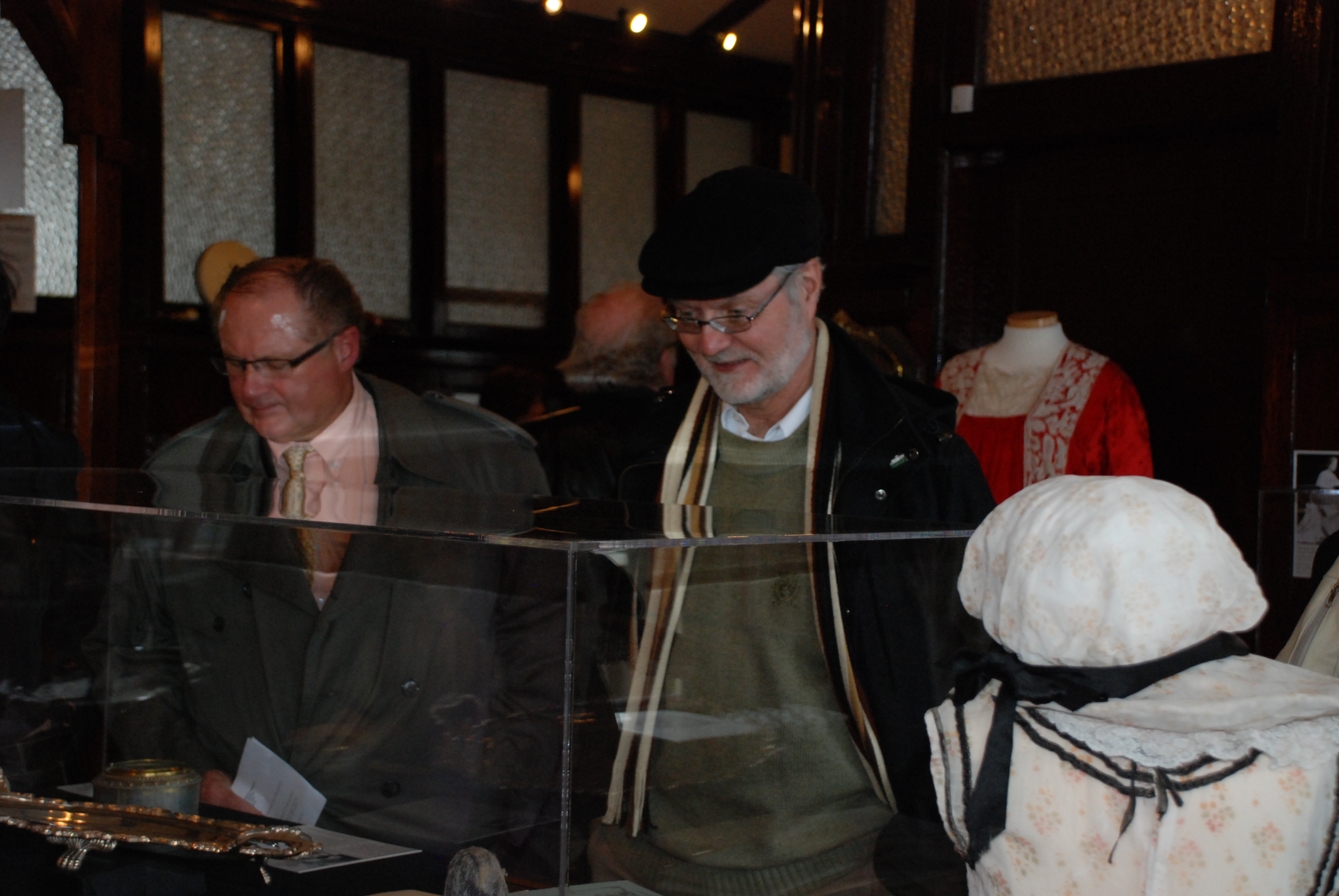
L-R: Bob Gaetz (AHRF board member) and Fred Bradley (AHRF Chair) check out a display at the Museum of the Highwood.
Four times a year the Alberta Historical Resources Foundation (AHRF) board meets in different municipalities throughout Alberta and takes the opportunity to experience aspects of that community’s history and heritage. On February 22nd and 23rd the board had its first 2013 meeting in the Town of High River. Visits to two different museums highlighted different aspects of High River’s local heritage.
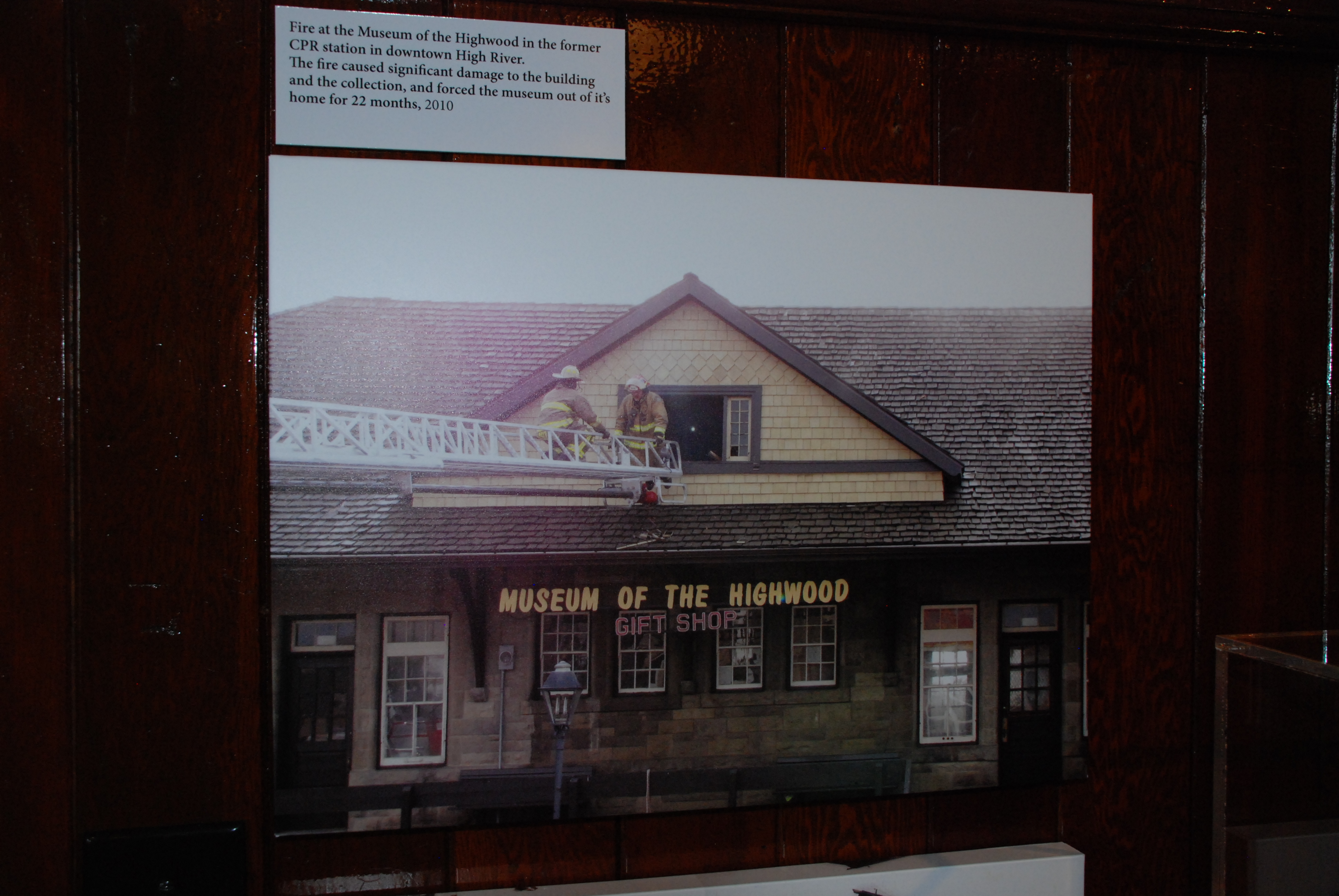
A display at the Museum of the Highwood showcases the fire that caused significant damage.
At the Canadian Pacific Railway Station, a Provincial Historic Resource and home of the Museum of the Highwood, board members received a tour by Pat Markley and visited with members of the Museum’s board and also Town of High River staff and Heritage Advisory Board members. In 2010 a fire caused significant damage to the building. With Historic Resource Conservation funding assistance from the Heritage Preservation Partnership Program the railway station is now better than ever! At the 2012 AHRF Heritage Awards the Town of High River was celebrated for its successful conservation of the fire ravaged building.
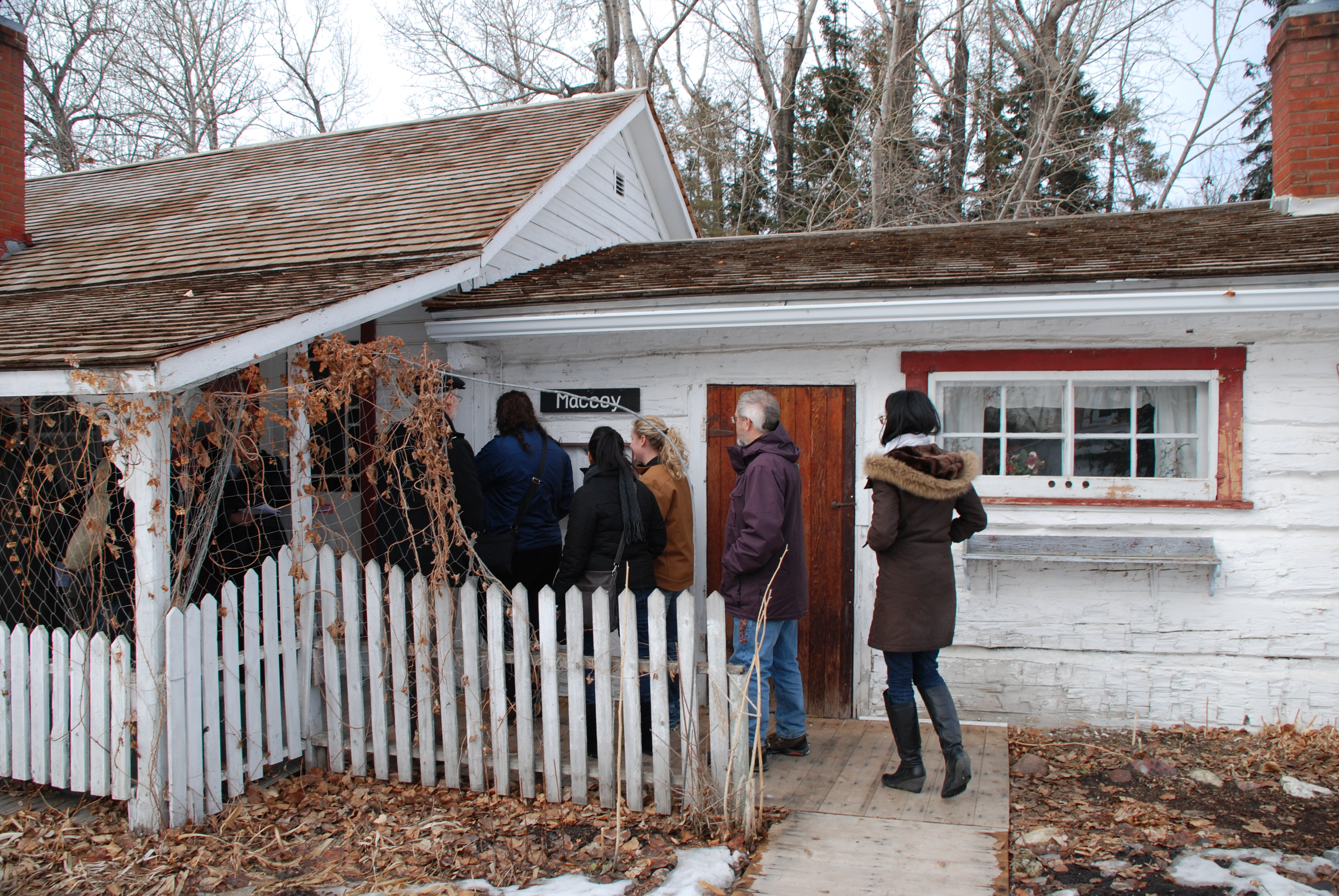
AHRF board members and Town staff entering the Sheppard/Maccoy House
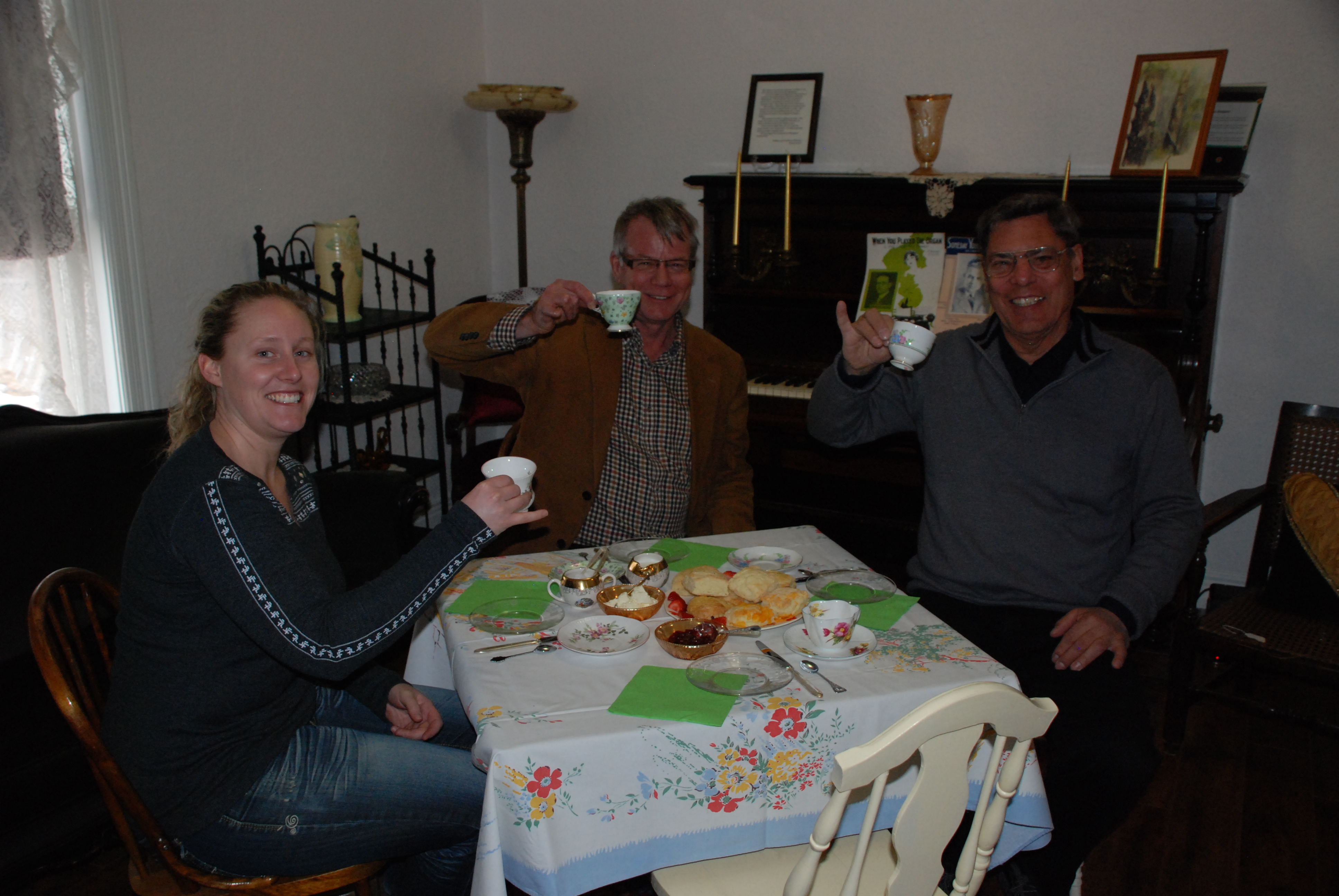
AHRF board members also visited the Sheppard/Maccoy House, a one-storey, white-washed log house that was formally protected as a Municipal Historic Resource by the Town of High River in 2009, and is a central component of the Sheppard Family Park. The house is valued for its association with early settlement in the area and for its association with Ruth Maccoy, a resident of the house for seventy years whose, “baking and hospitality were renowned – the front steps of the cabin [are] worn with the footprints of the countless people who entered.” While at the Sheppard Family Park AHRF board members were treated to tea and scones at the MacDougall House – a tasty treat enjoyed by all!
Enjoying tea and scones! (L-R: Leah Millar, AHRF board member; Larry Pearson, Director of Historic Places Stewardship Section; and Tom Clark, AHRF board member)
A big thank you to both sites for hosting the board and for sharing aspects of High River’s heritage; the board appreciated the opportunity.
Future 2013 AHRF meetings will include visits to the City of Lacombe, the hamlet of Nordegg (in Clearwater County), and the City of St. Albert.
Written by: Brenda Manweiler, Municipal Heritage Services Officer
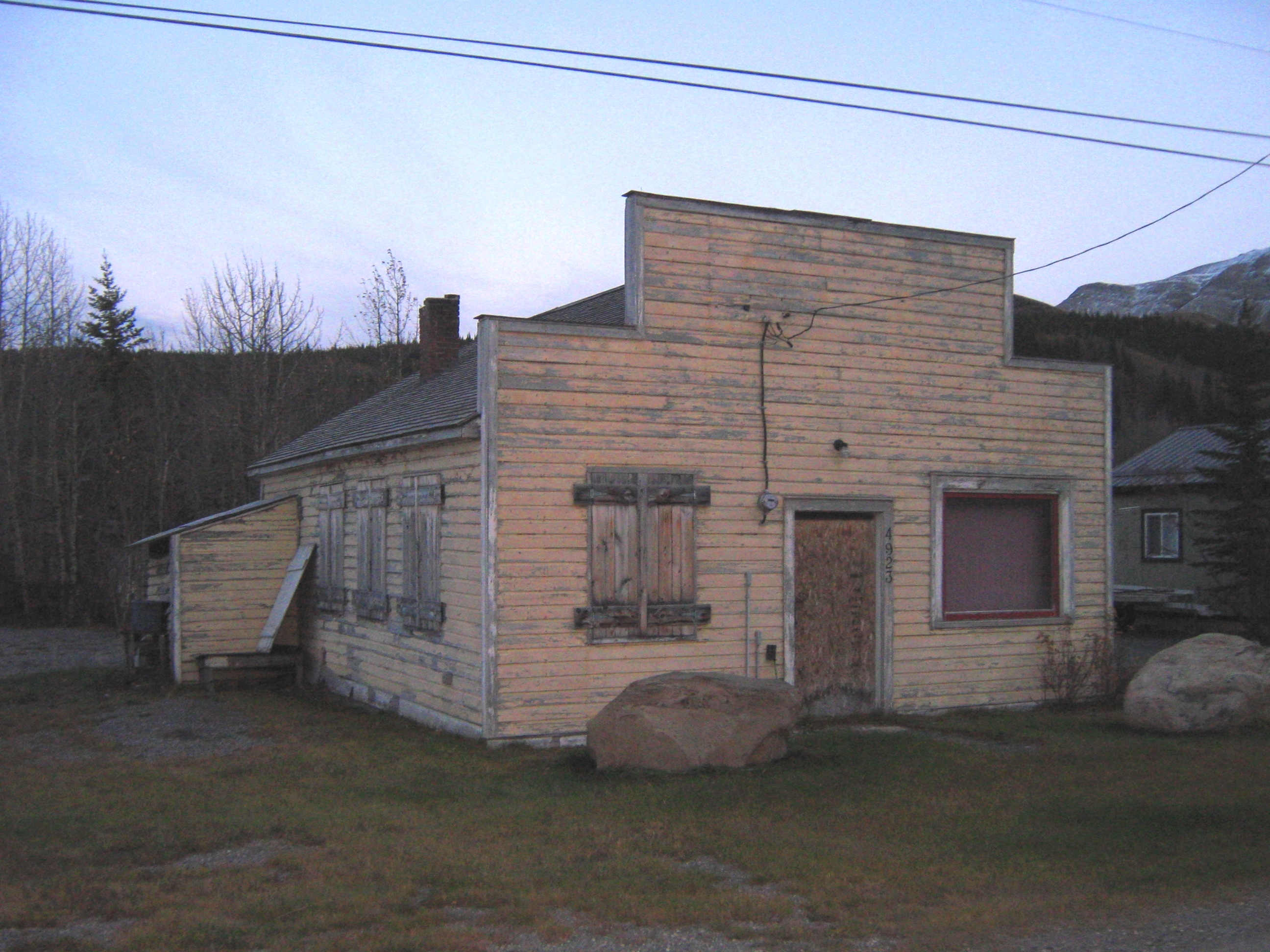
Marlboro Plant, Marlboro (evaluated as part of the the Yellowhead County Municipal Heritage inventory project).
Marlboro? Wildwood?
Earlier this week I travelled to both Marlboro and Wildwood to attend municipal heritage inventory open houses. You might be scratching your head in confusion asking, “Where in Alberta are those communities located?” Both are located west of Edmonton along the Yellowhead Highway, in Yellowhead County. Marlboro is 26 kilometres west of Edson and Wildwood is approximately an hour’s drive west of Edmonton. Still not feeling overly familiar with Yellowhead County? A previous RETROactive blog post described the County and aspects of its history:
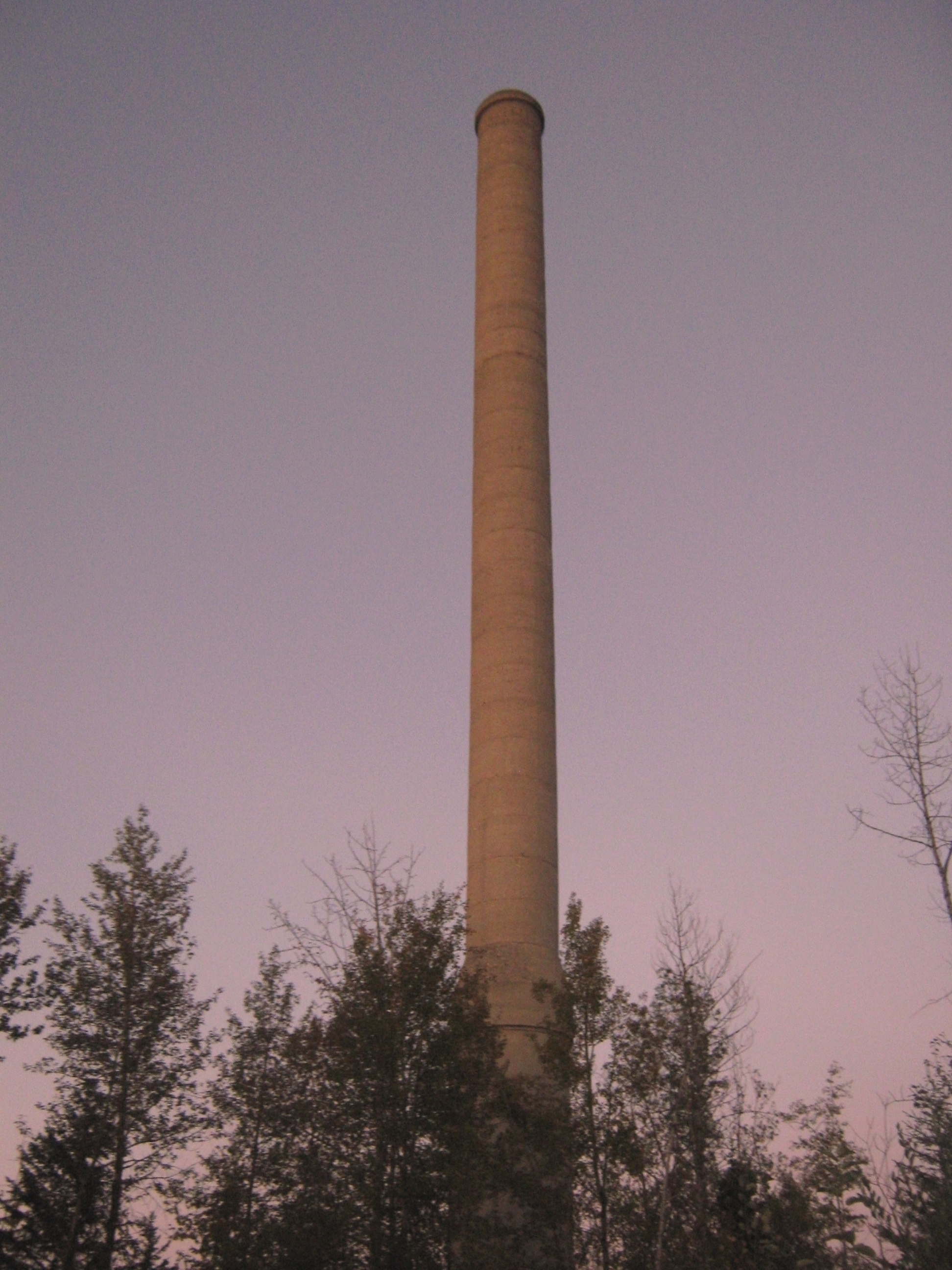
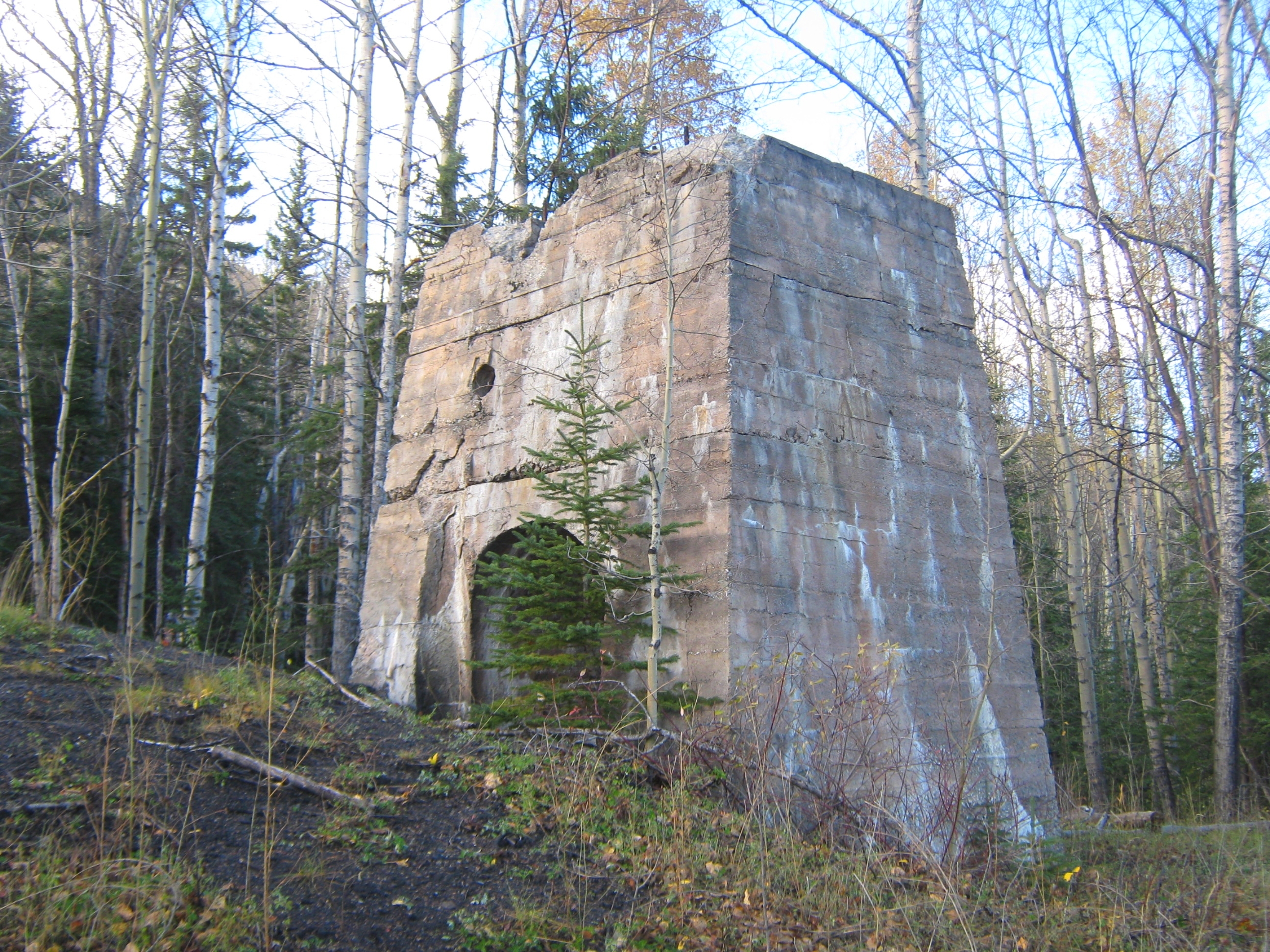
West of Edmonton, Yellowhead County is located along Yellowhead Highway 16. It encompasses 7,012,000 acres stretching from the Pembina River in the east to the Jasper National Park gates in the west. Travellers that frequent this section of the Yellowhead Highway are likely familiar with the Towns of Edson and Hinton and, of course, the iconic Rocky Mountains. What might be less familiar is that alongside these Highway 16 destinations and nestled off into the north and south of this transportation corridor are reminders of a long and varied history. Trapping, logging, farming, coal mining and more recently oil, gas and tourism have all impacted the development of what is now Yellowhead County. Various structures, cultural landscapes and buildings located in the hamlets of Evansburg, Wildwood, Robb, Cadomin and Brule (amongst others) retain glimpses of this diverse history. Miners cabins, ranches, hotels, industrial remains, barns, schools, churches, a pool hall and a water tower exemplify the range of potential historic places.
Brule Mine Landscape, Brule (evaluated as part of the the Yellowhead County Municipal Heritage inventory project).
The Marlboro and Wildwood open houses were opportunities for community residents to learn about the County’s inventory project. Twenty three different sites were featured (some of the sites are shown in this blog post). Their architectural, social, cultural, historical and/or landmark value was discussed. Attendees responded with enthusiasm and were full of questions about possible Municipal Historic Resource designation, the implications of designation and opportunities for conservation funding assistance. I responded to many of these questions by discussing “designation myths”. (Hmmm … perhaps a great topic for a future blog post?)
Over the coming months, this project will be concluded. To learn more about Yellowhead County’s heritage program, click here.
Written by: Brenda Manweiler, Municipal Heritage Services Officer
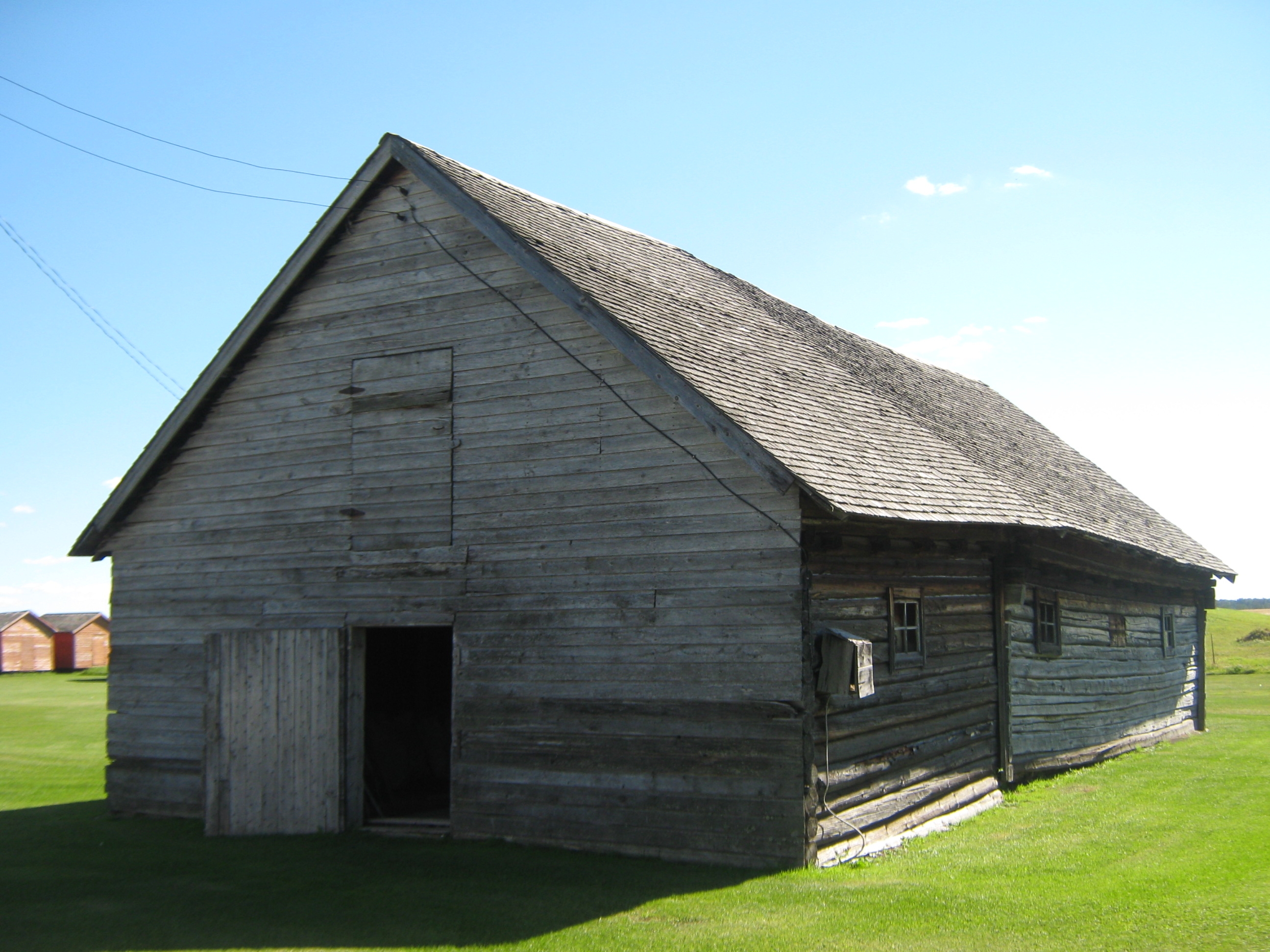
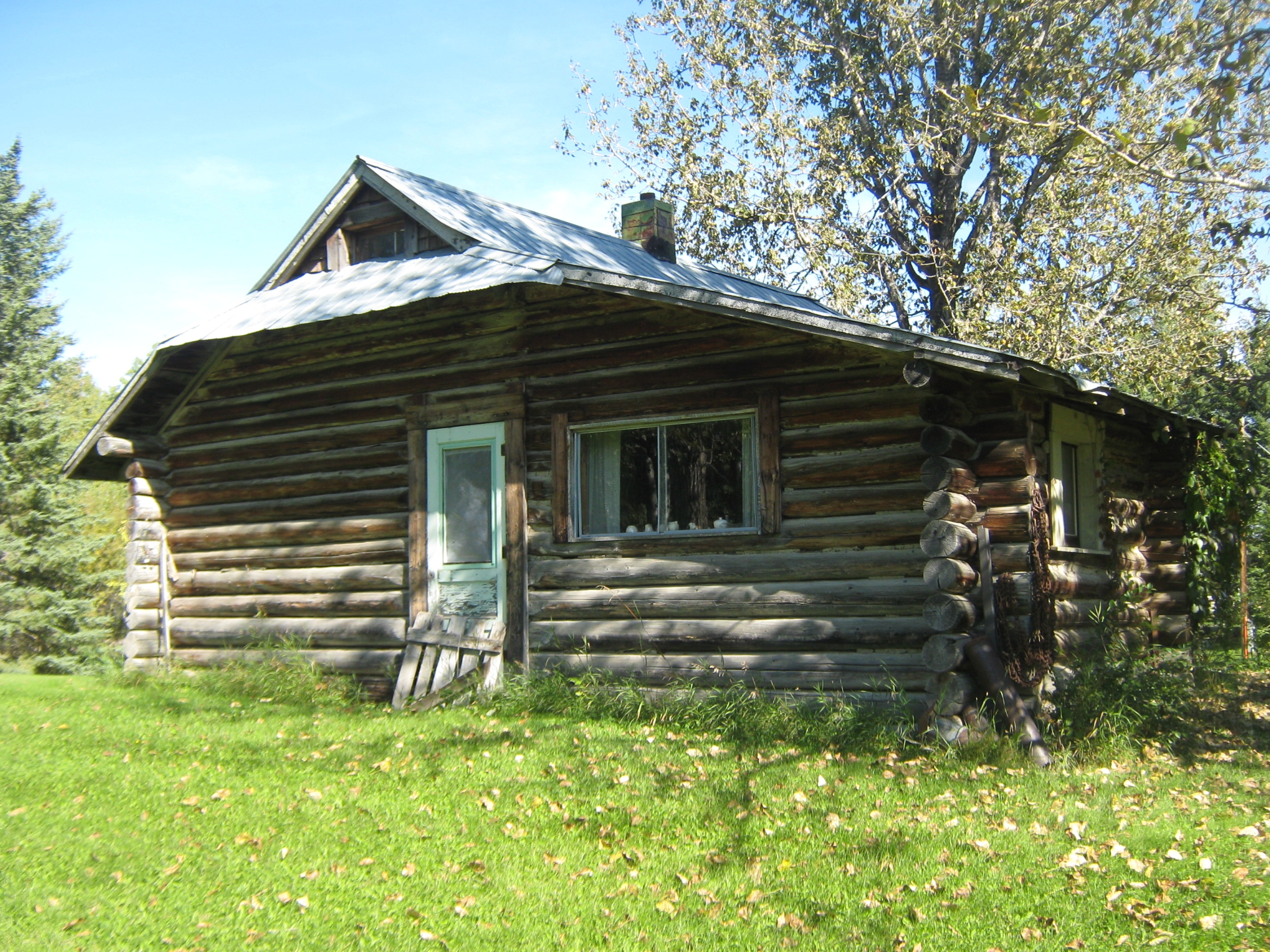
Myschuk Barn, near Wildwood (evaluated as part of the the Yellowhead County Municipal Heritage inventory project).Cadomin Photo Studio, Cadomin (evaluated as part of the the Yellowhead County Municipal Heritage inventory project).Shinning Bank Farm (evaluated as part of the the Yellowhead County Municipal Heritage inventory project).
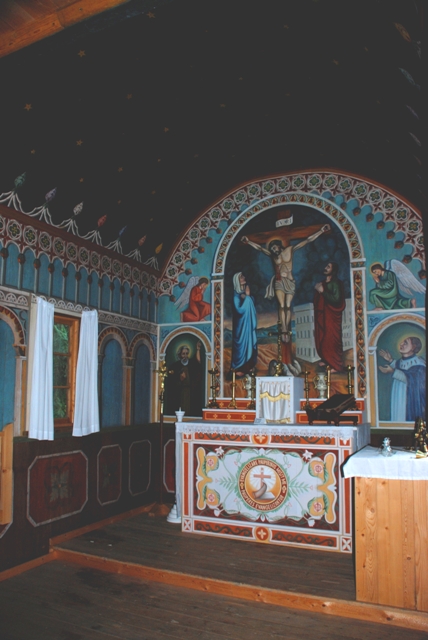
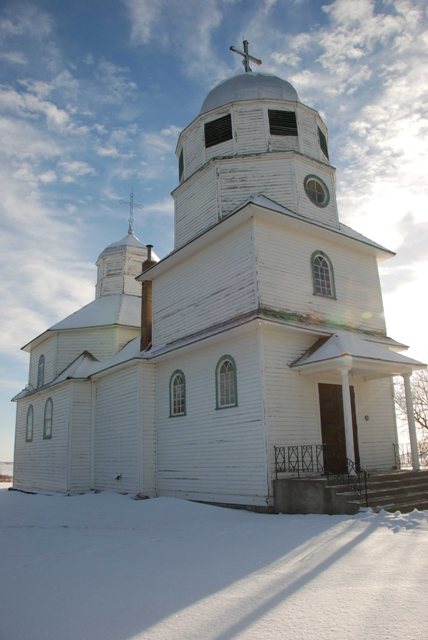
In 2012, the County of Two Hills passed a bylaw to designate the Russo Greek Catholic Orthodox Parish of St. Mary at Shandro, also known simply as the “Shandro Church,” as a Municipal Historic Resource. It is principally significant for its association to pioneers from Bukovyna, its connection with Bishop Tikhon, and its unique design and construction. The construction of St. Mary’s Church began and was supervised by members of the Shandro clan, who arrived in the Willingdon area in 1899 during one of the great waves of Ukrainian immigration into Alberta. The Shandro family came to play a prominent role in the Ukrainian community in Alberta.




 RETROactive