Did you know… ?

Did you know that the discovery of oil near Turner Valley, in 1914, resulted in the first major oil boom in western Canada? When returning from a business trip in southern Alberta I stopped at the Turner Valley Oil Field heritage marker and learned about the birth of Alberta’s oil industry.

To learn more, check out the video below or scroll down to read the heritage marker text.


Heritage marker location: on the west side of Highway 22, north of the Town of Turner Valley.

Learn about other aspects of Alberta’s heritage in the Turner Valley area – explore the Alberta Register of Historic Places and read about various Provincial Historic Resources:

Written by: Brenda Manweiler, Municipal Heritage Services Officer


Heritage marker text:

Alberta’s History: Turner Valley Oil Field 

In the nearby town of Turner Valley is the discovery well of the first major oil and gas field in Alberta, drilled by Calgary Petroleum Products. Dingman No. 1, named after a major stockholder, blew in on May 14, 1914. The well produced large quantities of gas and light oil and began Alberta’s first oil boom. With the boom came a flood of stock speculation, but by late that summer the boom had collapsed. Many new oil companies had proven fraudulent, other wells were disappointing, and soon the investment capital that was needed for more development was focused on the war effort instead. 

The second boom began in 1924 with the Royalite No. 4 well owned by Imperial Oil. Royalite No. 4 produced even more of the light-gravity oil called naptha than the discovery well, but was not deep enough to reach the crude oil below. In June 1936, a new well discovered extensive oil deposits at 2,081 metres. This well, called Royalties No. 1, produced almost 1,000 barrels of oil a day, reviving interest in oil exploration in the field. By late 1936 the whole Turner Valley field was producing about 10,000 barrels per day. 

From 1914 to 1947, Turner Valley produced nearly all of Alberta’s petroleum, and it remained Canada’s most important oil field from 1925 until the discovery of oil south of Edmonton, near Leduc, in 1947.
Video Debut!

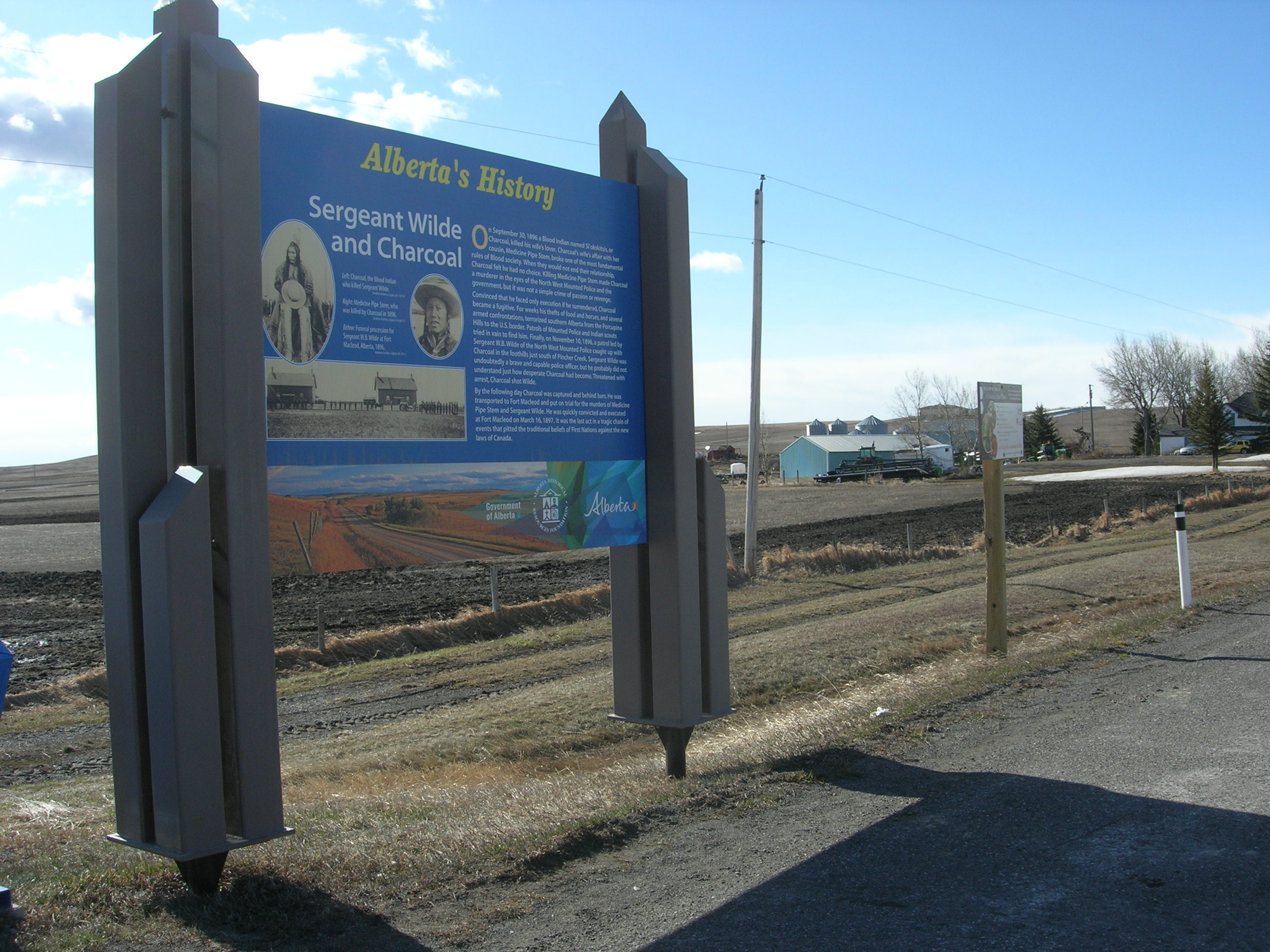
You have all probably seen them – large blue heritage markers located at highway rest areas or points of interest throughout Alberta. These interpretive signs tell of Alberta’s rich heritage. Have you ever stopped to read one? At the end of April I was attending meetings in the Town of Pincher Creek and came across a heritage marker telling the story of Sergeant Wilde and Charcoal. I stopped, curious to learn about an aspect of Alberta’s history. With camera in hand, I decided to also produce an impromptu video blog post. Please watch and enjoy (but bare in mind that my videography skills require some fine tuning).


Heritage marker location: east side of Highway 6, four kilometers south of the Town of Pincher Creek.

Learn more about Alberta’s heritage in the Pincher Creek area: explore the Alberta Register of Historic Places

Written by: Brenda Manweiler, Municipal Heritage Services Officer Click here to read the Sergeant Wilde and Charcoal heritage marker text

Camaraderie and Commitment:

Volunteers are key to the Town of Pincher Creek’s Municipal Heritage Survey Project

Throughout the next twelve months the Town of Pincher Creek will be completing a Municipal Heritage Survey. Approximately 300 sites (older than the 1940s) ranging from houses, commercial buildings and industrial sites will be documented through photography and by recording geographical, architectural and historical information. Diane Burt Stuckey, Director of Community Services, will serve as the Municipal Coordinator and Farley Wuth, Curator of the Kootenai Brown Pioneer Village, will be the Heritage Consultant.

Diane Burt Stuckey and Farley Wuth

Working together, Diane and Farley will coordinate the volunteer efforts of community residents interested in contributing to this project. These volunteers will photograph each site, conduct historical research, upload information to the Alberta Heritage Survey Program database and most importantly, gain a greater understanding and appreciation for the unique history that provides Pincher Creek with its strong community identity and sense of place.

On April 27, 2011, a public information meeting was held for area residents interested in learning about the project. Attendees exhibited an interest in the project and a passion for their community. On May 14, 2011, Brenda Manweiler, Municipal Heritage Services Officer, and Dorothy Field, Heritage Survey Program Coordinator, provided a detailed training session so that volunteers would understand their roles and responsibilities. With camaraderie and commitment, the attendees were excited to begin work.

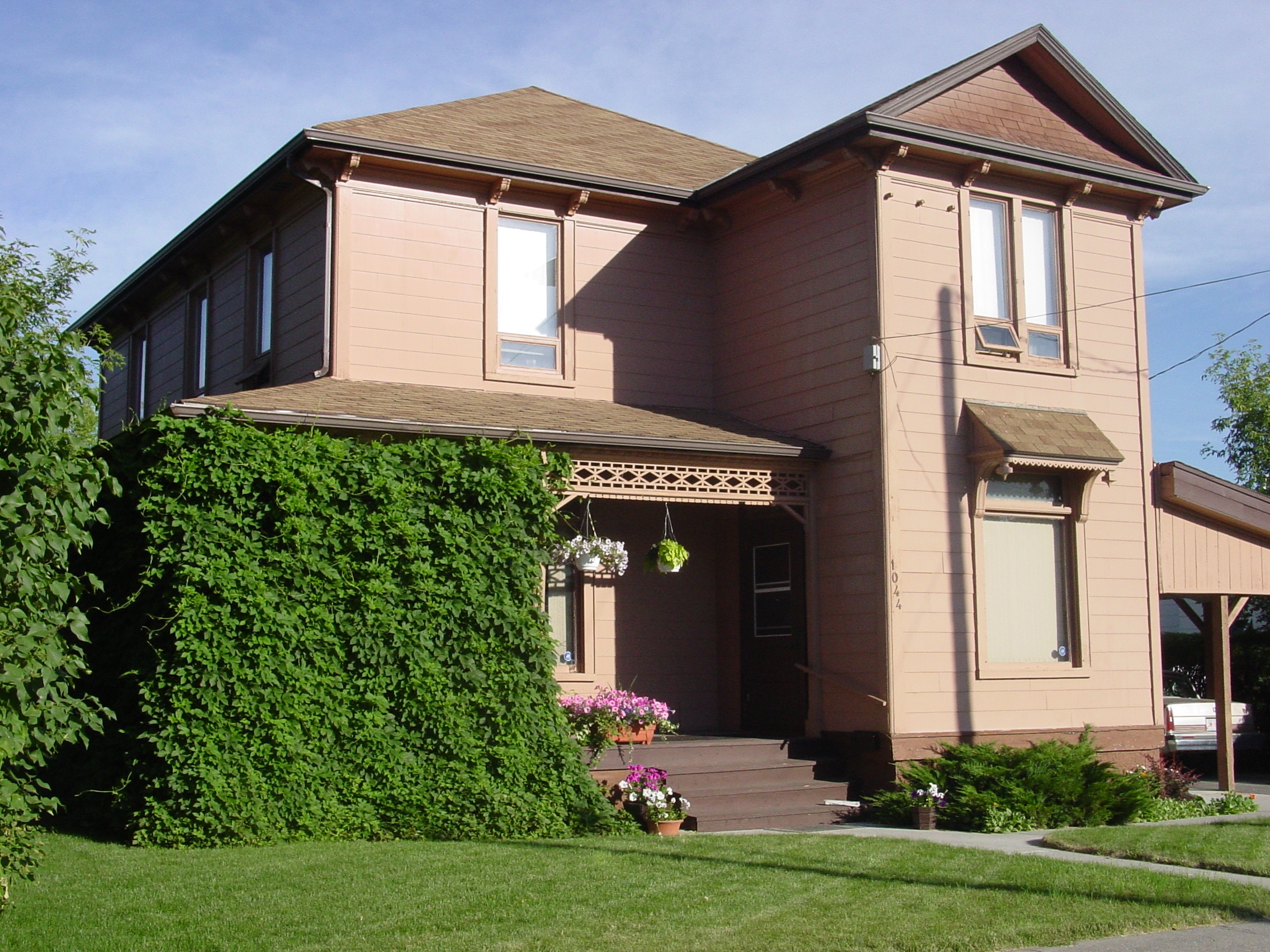
The Philips House will likely be documented in the Town of Pincher Creek Municipal Heritage Survey.

To offset costs associated with the Municipal Heritage Survey, cost-shared funding assistance was provided by the Alberta Historical Resources Foundation via the Municipal Heritage Partnership Program.

Written by: Brenda Manweiler, Municipal Heritage Services Officer

“How is Yellowhead County going to accomplish this?”

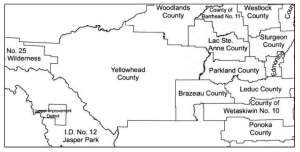
Yellowhead County, a large rural municipality west of Edmonton that stretches between the Pembina River in the east all the way to the Jasper National Park gates in the west, is currently embarking upon a Municipal Heritage Survey.

Over the coming months the County will identify and document a broad range of potential historic places within the County’s boundaries. With Yellowhead County spanning an area of 7,012,000 acres you might be asking, “How is the County going to accomplish this?”

1) Under the Municipal Heritage Partnership Program (MHPP) Yellowhead County has received cost-shared funding. All municipalities in Alberta are eligible to apply for cost-shared funding to assist in the completion of a Municipal Heritage Survey, Municipal Heritage Inventory and/or a Municipal Heritage Management Plan. These projects are designed to assist with the identification, evaluation and management of historic places. Municipalities throughout Alberta have participated in MHPP and learned about the rich historic resources that make their communities unique and livable.

2) Yellowhead County staff, combined with the services of a heritage consultant and the participation of area residents, will complete the Municipal Heritage Survey. The survey will systematically document resources through photographs and record geographical information, design features and construction and historical information.

3) Perhaps most importantly, the County’s Heritage Advisory Board will provide advisory assistance to staff and the consultant throughout the completion of the survey. In September 2010, Yellowhead County Council passed a bylaw establishing a Heritage Advisory Board. This Board, comprised of area residents, has been tasked with the job of advising Council on matters pertaining to the development and maintenance of a heritage program. For instance, the Board will be able to:

  • assist in the implementation of heritage initiatives (i.e. the Municipal Heritage Survey);
  • facilitate community heritage awareness through partnerships and educational initiatives; and
  • advise Council on proposed Municipal Historic Resource designations.

This committed group of volunteers has the important job of providing public input and expertise to Council so that informed decisions about Yellowhead County’s heritage can impact current residents and future generations.

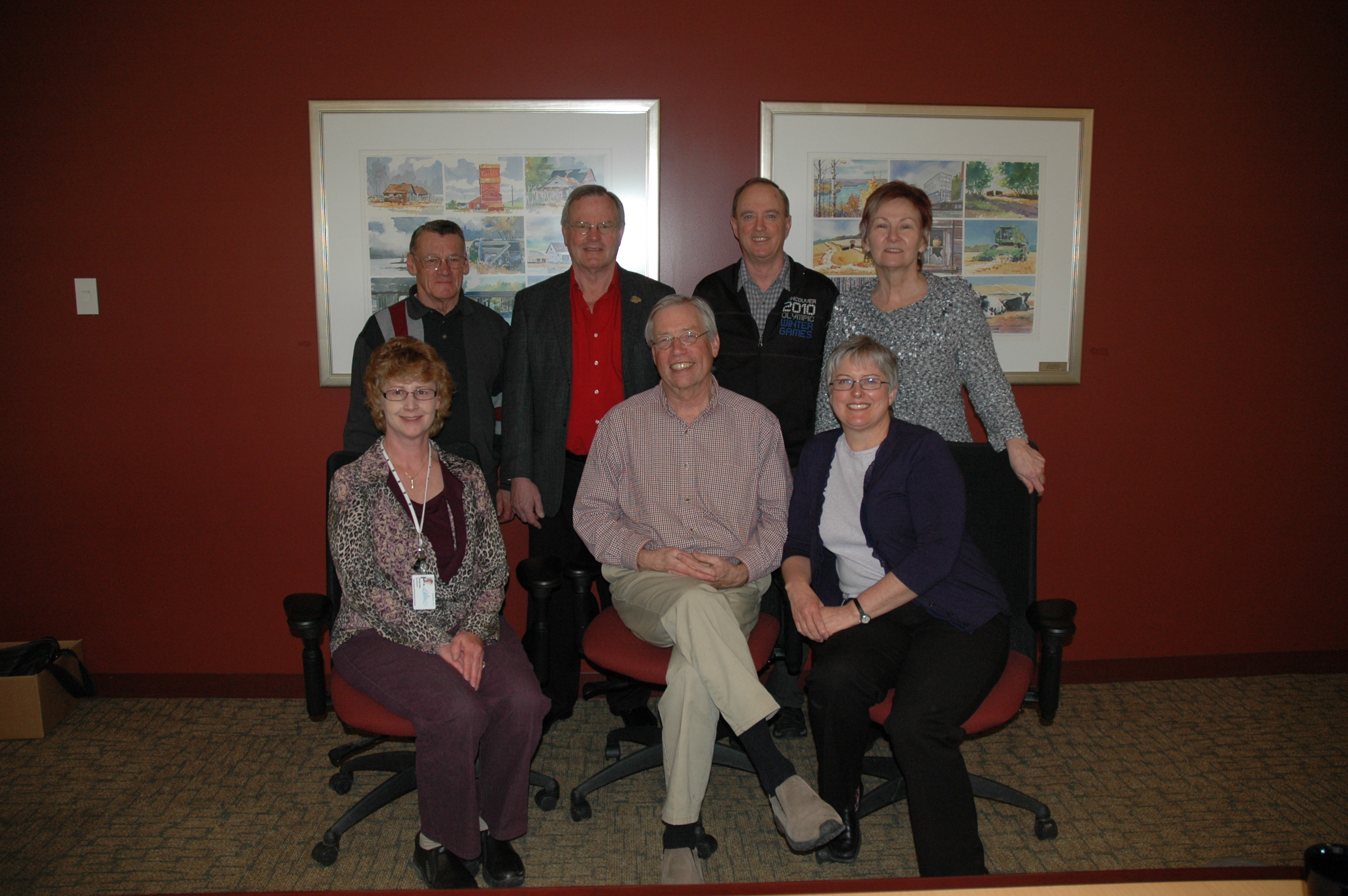
Back L-R: Gary Conger, Shawn Berry, Brian Broughton, Pat DiMarcello. Front L-R: Cheryl May (Heritage Coordinator), Marshall Hoke (Chair), Debbie Charest (Director of Community and Protective Services).

Do you have questions about how your municipality can participate in the Municipal Heritage Partnership Program? Contact program staff to learn more.

Written by: Brenda Manweiler, Municipal Heritage Services Officer

The ABC’s of Heritage Conservation (Part 3 of 3)


 The final segment of this series ends with the middle – the letter ‘M’. 

‘M’ is the most important letter in the heritage conservationist’s alphabet. Maintenance is the best (and cheapest) way to maintain a historic place, and minimal intervention is always the desire when completing an intervention. 

  • Maintenance:  Routine, cyclical, nondestructive actions necessary to slow the deterioration of an historic place. It entails periodic inspection; routine, cyclical, non-destructive cleaning; minor repair and refinishing operations; replacement of damaged or deteriorated materials that are impractical to save. 
  • Minimal intervention:  The approach that allows functional goals to be met with the least physical intervention. 
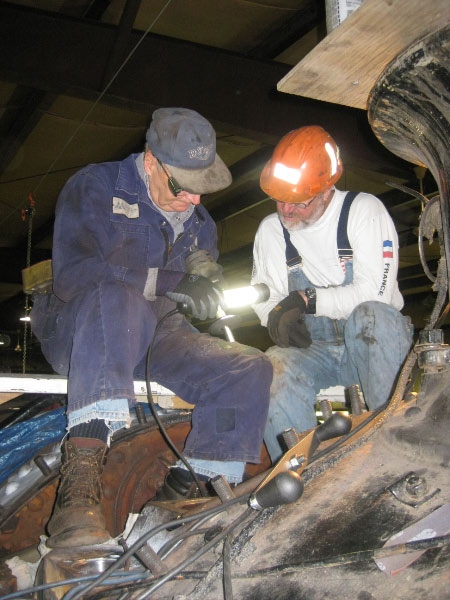
L to R: Larry G. Potter and Don Totten

In the above photo Larry G. Potter and Don Totten conduct routine maintenance on the Canadian National Railways Steam Locomotive 6060 Provincial Historic Resource. Click here to read the Locamotive’s Statement of Significance on the Alberta Register of Historic Places.

To learn more about the above terms or to read about additional conservation terms, please review the Standards and Guidelines for the Conservation of Historic Places in Canada. The Glossary section of the Municipal Heritage Partnership Program website is also a great resource. 

Did we miss something? Would you like us to discuss a term not mentioned in this series? Do you want more information on one of the terms we have defined? Submit a comment to this blog post and we will prepare a response. 

Written by: Brenda Manweiler, Municipal Heritage Services Officer (with definitions from the Standards and Guidelines).

The ABC’s of Heritage Conservation (Part 2 of 3)


If Part 1 left you confused but less bemused hopefully the terms below will continue to explain the difference between some of our key terms. 

The Standards and Guidelines for the Conservation of Historic Places in Canada provides direction on how to conserve historic places. But what exactly is conservation and how does it differ from all the other “–tion” words related to historic places?  

  • Intervention:  Any action, other than demolition or destruction, that results in a physical change to an element of a historic place. 
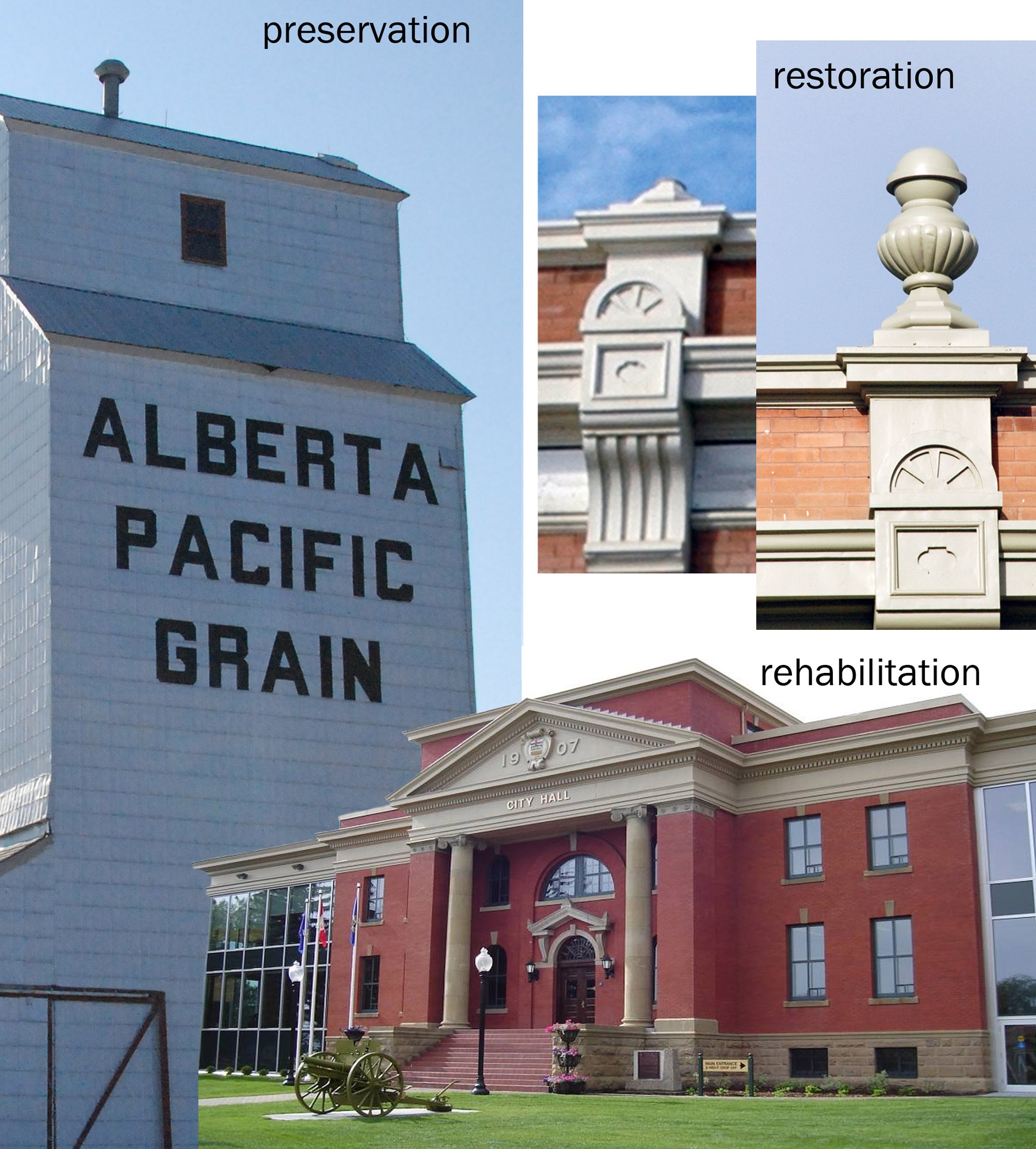
  • Conservation:  All actions or processes that are aimed at safeguarding the character-defining elements of a historic place so as to retain its heritage value and extend its physical life. This may involve “Preservation,” “Rehabilitation,” “Restoration,” or a combination of these actions or processes. 
  • Preservation:  The action or process of protecting, maintaining, and/or stabilizing the existing materials, form, and integrity of a historic place or of an individual component, while protecting its heritage value. 
  • Rehabilitation:  The action or process of making possible a continuing or compatible contemporary use of a historic place or an individual component, while protecting its heritage value. 
  • Restoration:  The action or process of accurately revealing, recovering or representing the state of a historic place or of an individual component, as it appeared at a particular period in its history, while protecting its heritage value. 

To learn more about the above terms or to read about additional conservation terms, please review the Standards and Guidelines for the Conservation of Historic Places in Canada. The Glossary section of the Municipal Heritage Partnership Program website is also a great resource. 

Written by: Brenda Manweiler, Municipal Heritage Services Officer (with definitions from the Standards and Guidelines).

The ABC’s of Heritage Conservation (Part 1 of 3)


The words of our trade can confuse and bemuse – below is a brief glossary of key terms designed to clarify and inform. 

Statements of Significance are used to understand how historic places should be conserved after a designating authority (i.e., a municipality – City, Town, Village or Municipal District, or the Government of Alberta) designates a place as a Municipal Historic Resource or a Provincial Historic Resource. 

  • Historic place:  A structure, building, group of buildings, district, landscape, archaeological site or other place that has been formally recognized for its heritage value. 
  • Statement of Significance (SoS):  A statement that briefly describes the historic place, identifies the heritage value or values associated with the place and lists the corresponding character-defining elements that must be conserved. 
  • Heritage value:  The aesthetic, historic, scientific, cultural, social or spiritual importance or significance for past, present or future generations. The heritage value of an historic place is embodied in its character-defining elements. 
  • Character-defining elements:  The materials, forms, location, spatial configurations and cultural associations or meanings that contribute to the heritage value of an historic place, which must be retained in order to preserve its heritage value. 

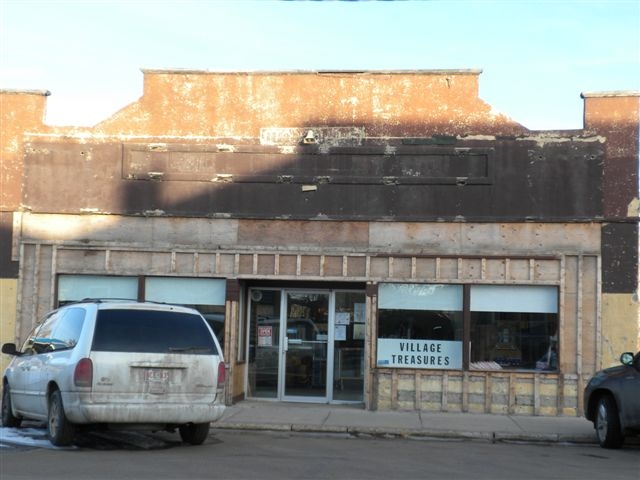
Village Treasures, in the Village of Mannville, is an example of a historic place. In January 2010 the Village designated it a Municipal Historic Resource. To read the Statement of Significance click here.

To learn more about the above terms or to read about additional conservation terms, please review the Standards and Guidelines for the Conservation of Historic Places in Canada. The Glossary section of the Municipal Heritage Partnership Program website is also a great resource. 

Written by: Brenda Manweiler, Municipal Heritage Services Officer (with definitions from the Standards and Guidelines).


Village of Holden: Holdin’ their Heritage!

 
The Village of Holden, a community of 398 residents in east-central Alberta, is currently completing a Municipal Heritage Survey and Inventory project with funding assistance from the Municipal Heritage Partnership Program (Alberta Historical Resources Foundation). Approximately 60 sites within Holden have been documented through the survey phase of the project and 24 sites have been evaluated for historical significance as part of the inventory. Completing this project has allowed the Village to get a better hold on their heritage.
 
At an information session held in January 2011 owners of evaluated properties were able to learn more about the project and discuss the possibility of Municipal Historic Resource designation. 
 
Written by: Brenda Manweiler, Municipal Heritage Services Officer
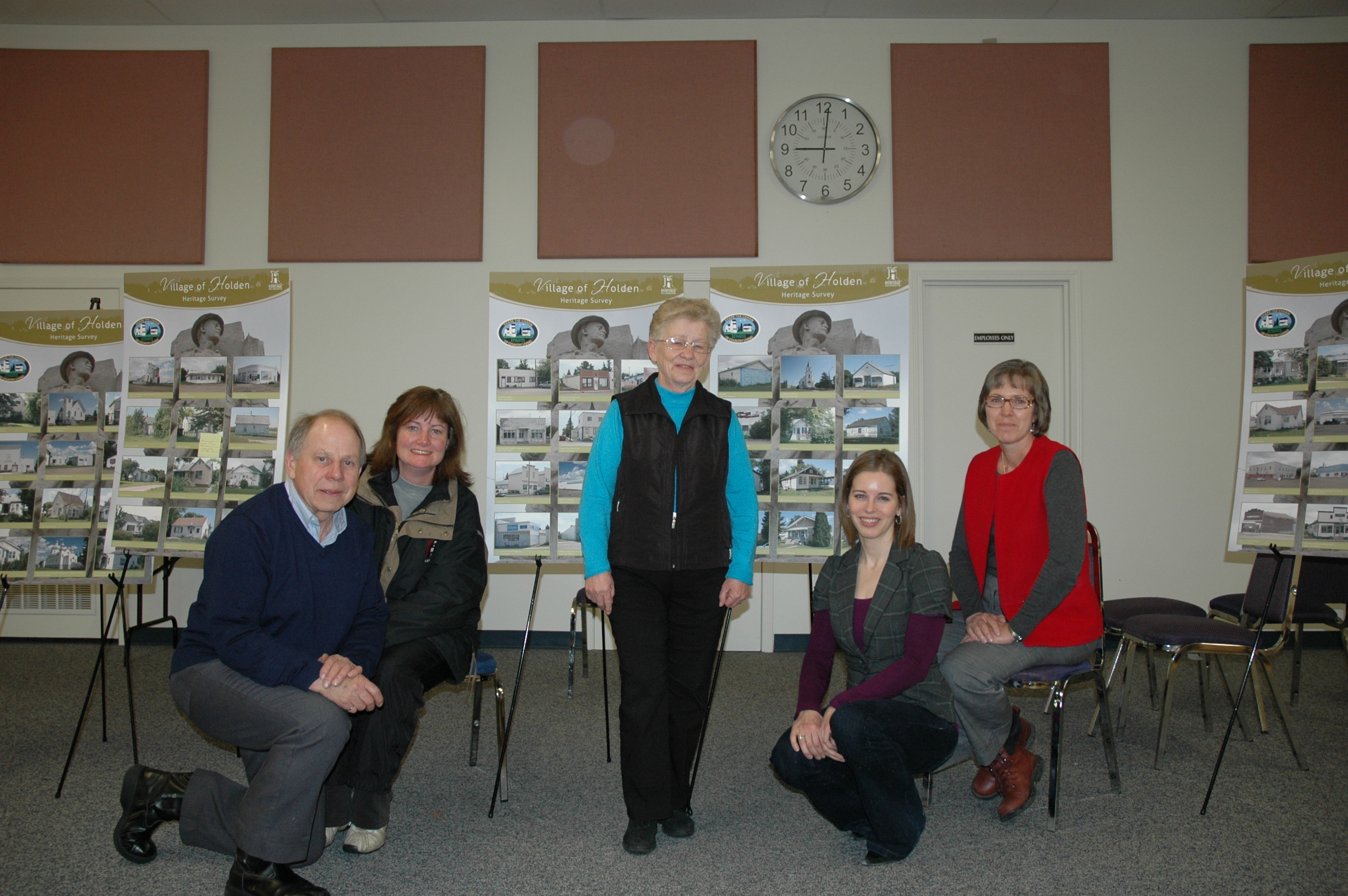
Village of Holden, Heritage Committee (Left to Right: D. Maruszeczka, K. Stokowski, P. Nahirniak, B. Manweiler (MHPP), K. Whiteside)


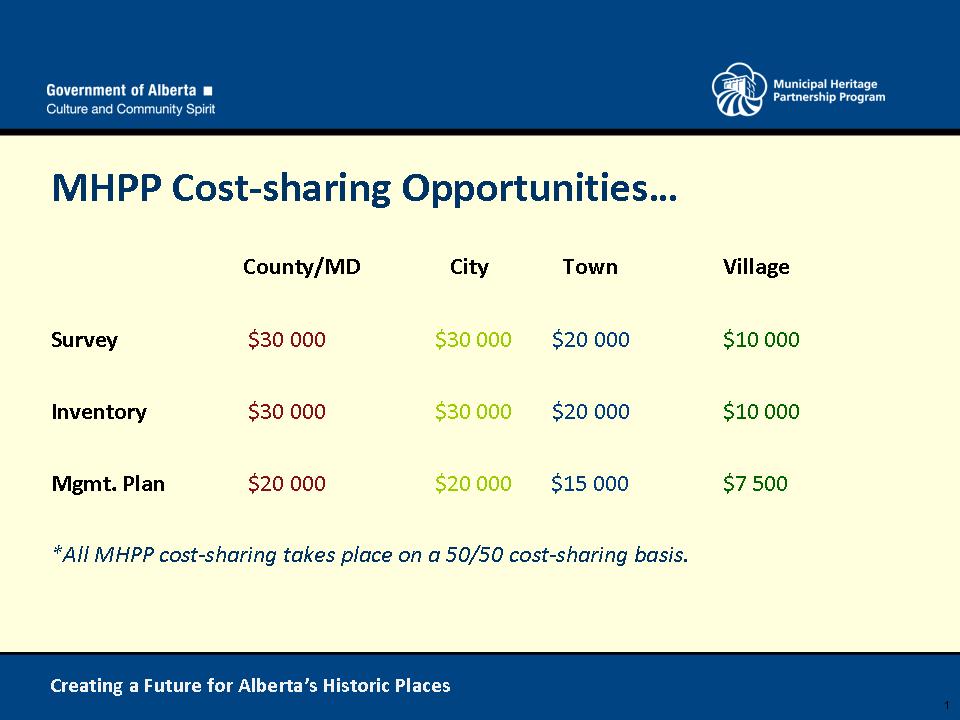
Dollars and Sense: MHPP Funding


Commercial buildings, recreation facilities, houses, churches, industrial structures and all the fascinating places in between – does your municipality want to learn more about its older buildings, structures and landmarks? The Municipal Heritage Partnership Program (MHPP) provides cost-shared funding opportunities to Alberta municipalities for the identification, evaluation and management of local historic places. MHPP also offers guidance and training to Alberta municipalities to enable the identification and conservation of local historic places.

Funding proposals from municipalities are accepted on an on-going basis. These proposals are then reviewed by the board of the Alberta Historical Resources Foundation. Funding proposals received:

  • by April 8, 2011 will be reviewed at the May 2011 Board meeting
  • by August 12, 2011 will be reviewed at the September 2011 Board meeting
  • by October 28, 2011 will be reviewed at the December 2011 Board meeting

If you would like to learn more about MHPP funding opportunities, or discuss project ideas please contact MHPP staff.

The Alberta Historical Resources Foundation also supports a range of community and individual heritage initiatives through the Heritage Preservation Partnership Program.

Written by: Brenda Manweiler, Municipal Heritage Services Officer