Not Just a Pane: Historic Windows


Windows are an integral part of a building system. They transmit light, control heat flow, are a means of egress, frame exterior views, and are significant elements that contribute to the design of the building. Windows are complex units and are made up of many different components that can be decorative, functional or both. 

Why are historic windows important? 

Historic windows are often character-defining elements. Character-defining elements are the materials, form, location, spatial configurations, uses and cultural associations or meanings that contribute to the heritage value of a historic place and must be retained in order to preserve its heritage value. Furthermore, historic windows are elements that directly reflect a site’s craftsmanship and design and are usually constructed out of particular materials. They are usually quite detailed and in some instances retain original glazing units.
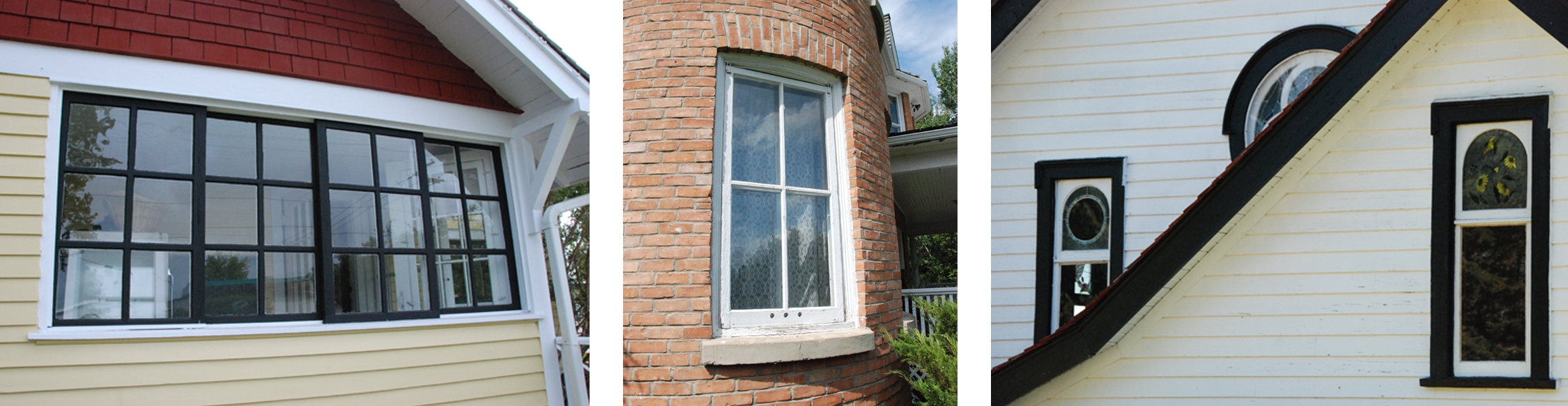
Left to Right: Beatty House, Rimbey; Cronquist House, Red Deer; Pine Lake Holy Trinity Church, Pine Lake

Common misconceptions about historic wood windows 

On a daily basis I field questions about the replacement of historic wood windows. A typical case is a historic site with historic windows that have not been looked at in some time and have deteriorated to some extent due to weathering. A common misconception is that replacement of these historic windows with a modern unit is cheaper and will increase the thermal efficiency of the building through higher R values. 

Research in performance standards for timber sash and case windows in Scotland has taught us that estimated costs including painting of window components, repairing damaged putty and re-caulking where necessary within a regular maintenance program eliminated the cost of a major restoration project every five years. Another thing to consider is that modern sealed units, when they fail are not maintainable and must be replaced outright. 

It is also interesting to learn that a single glazed window in conjunction with an exterior or interior storm window is comparable to a modern sealed unit. A single glazed window has an R value of 0.6 while a single glazed window with wood storm has an R value of 2.0. The top of the line triple glazed window with low E coating and argon has an R value of 3.5. Overall windows in general are thermally inefficient in comparison to a typical wall with 4” batt insulation that has an R value of 12. 

Planning for historic wood window conservation work 

When planning for any conservation work we always take the approach of minimal intervention. Preserving historic material and maintaining historic material is the first step and outright replacement, if necessary, is the last option. 

In most cases simple epoxy repairs to wood, adequate prepping of the wood surface (manual scraping), the application of an appropriate primer and brushed on layers of exterior paint is all that is needed to repair historic windows and to prevent deterioration.

For more severe cases, putty replacement, replacement of broken or damaged glazing, and dutchman (splicing in of new wood) may be required. 

Conclusion 

  • Historic windows have heritage value.
  • Historic windows have demonstrated good durability and maintainability.
  • Always assess and document each window before proceeding with conservation work.
  • Compile historic photographs and refer to the Statement of Significance in your planning process.
  • Minimal intervention should be the first approach.

Remember, you can save on costs and achieve the same thermal efficiency through conservation.
Written by: Ophelia Liew, Heritage Conservation Advisor 
 

Municipalities: To Conserve and Protect

In every city, town, village and county you find special places illustrating each community’s heritage. Have you ever wondered how locally significant historic places are recognized and protected?

In Alberta, municipalities can designate these places as Municipal Historic Resources. Each Council decides what deserves to be designated. A designated site remains private property—the only difference is that the owner needs to have the municipality’s permission before altering it.

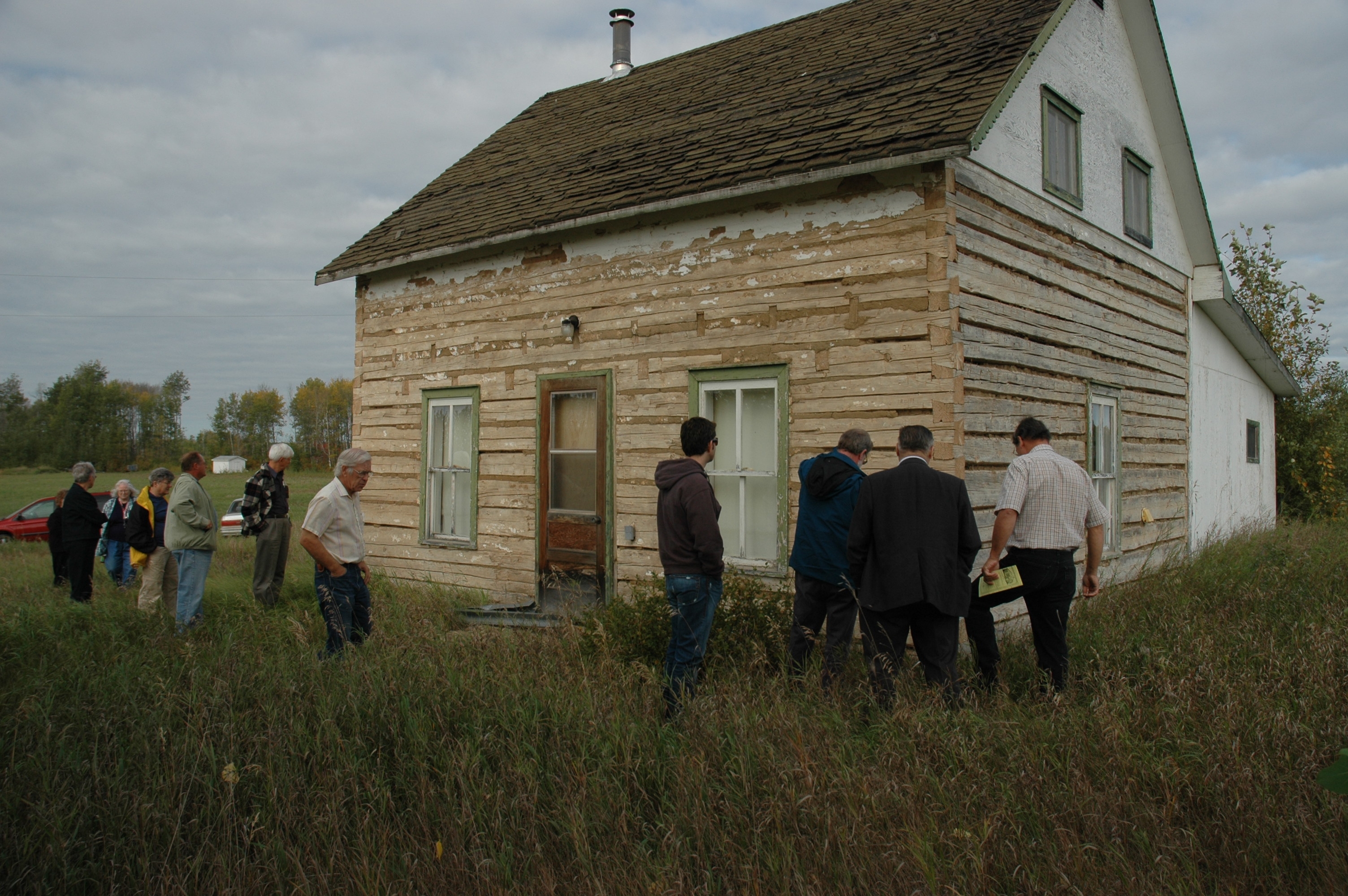
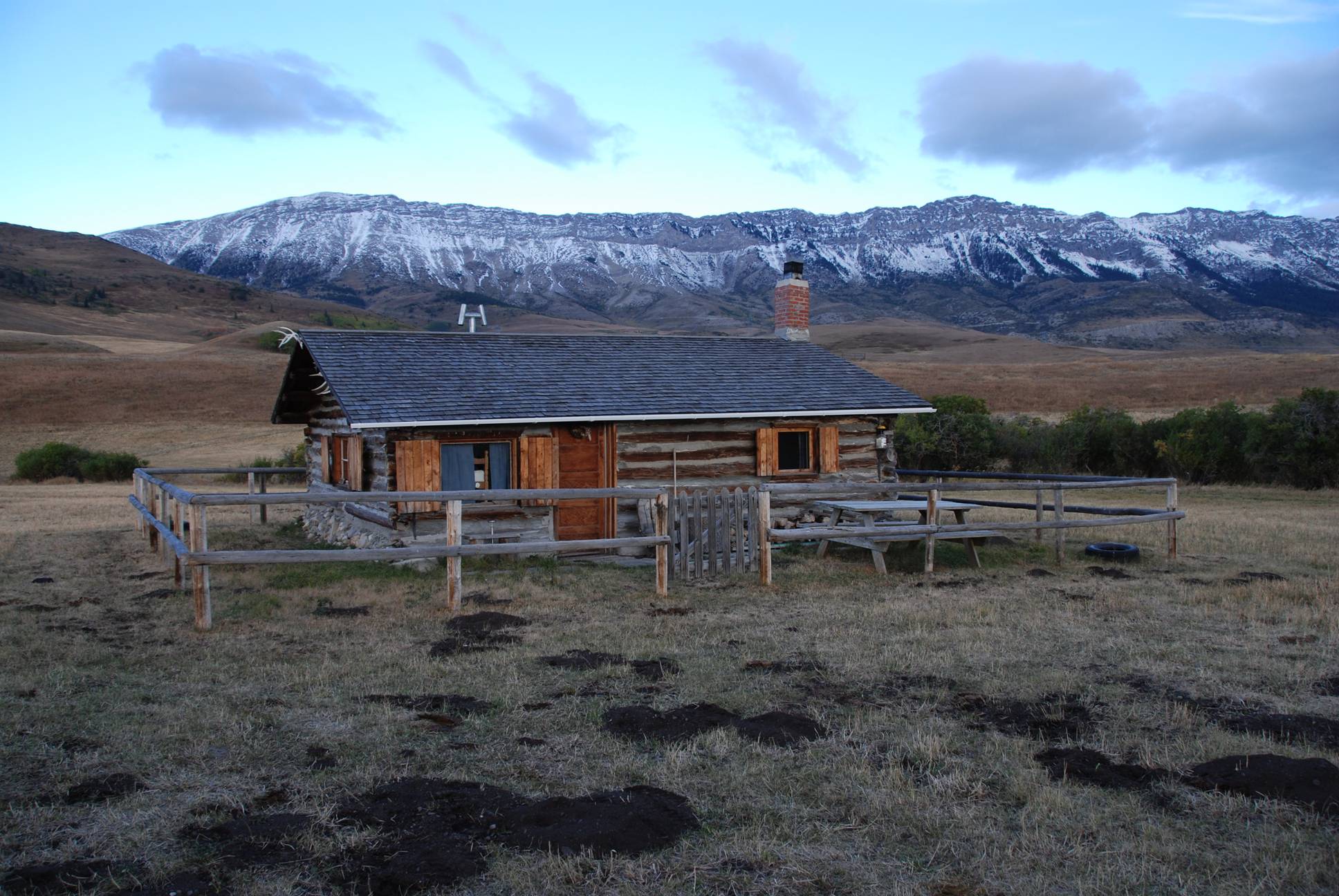
Sites like the D.U. Ranchlands Cabin gives us a glimpse of how homesteaders lived in the southern foothills around 1900, while the Trapper’s Shack shows us how fur traders lived in Fort Vermilion around the same time. The Acadia Block has been part of downtown Lethbridge’s business district since 1909. The Mill Creek Trestle Bridge reveals how we traveled before cars were affordable. The Nativity of the Blessed Virgin Mary Ukrainian Greek Catholic Church north of Lamont is full of beautiful artwork painted by famed iconographer Peter Lipinski.

You can find 154 Municipal Historic Resources (including the ones mentioned above) on the Alberta Register of Historic Places with more added all the time. Check out the Register to learn more about some of the special places that can show us how Albertans have lived. 

Written by: Michael Thome, Municipal Heritage Services Officer

Welcome to the Family!

R.T. Barker Building, Fort Macleod
Union Bank Building, Fort Macleod
 
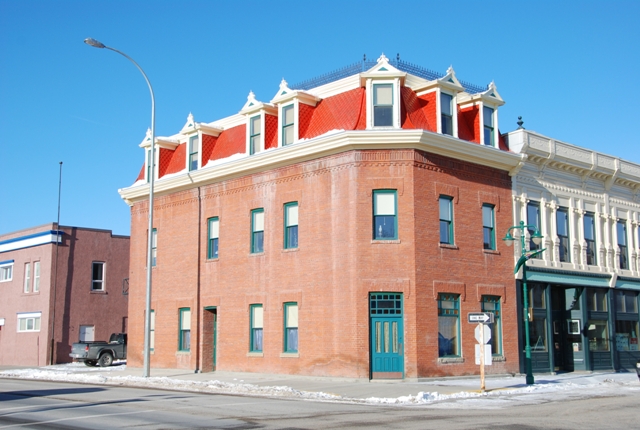
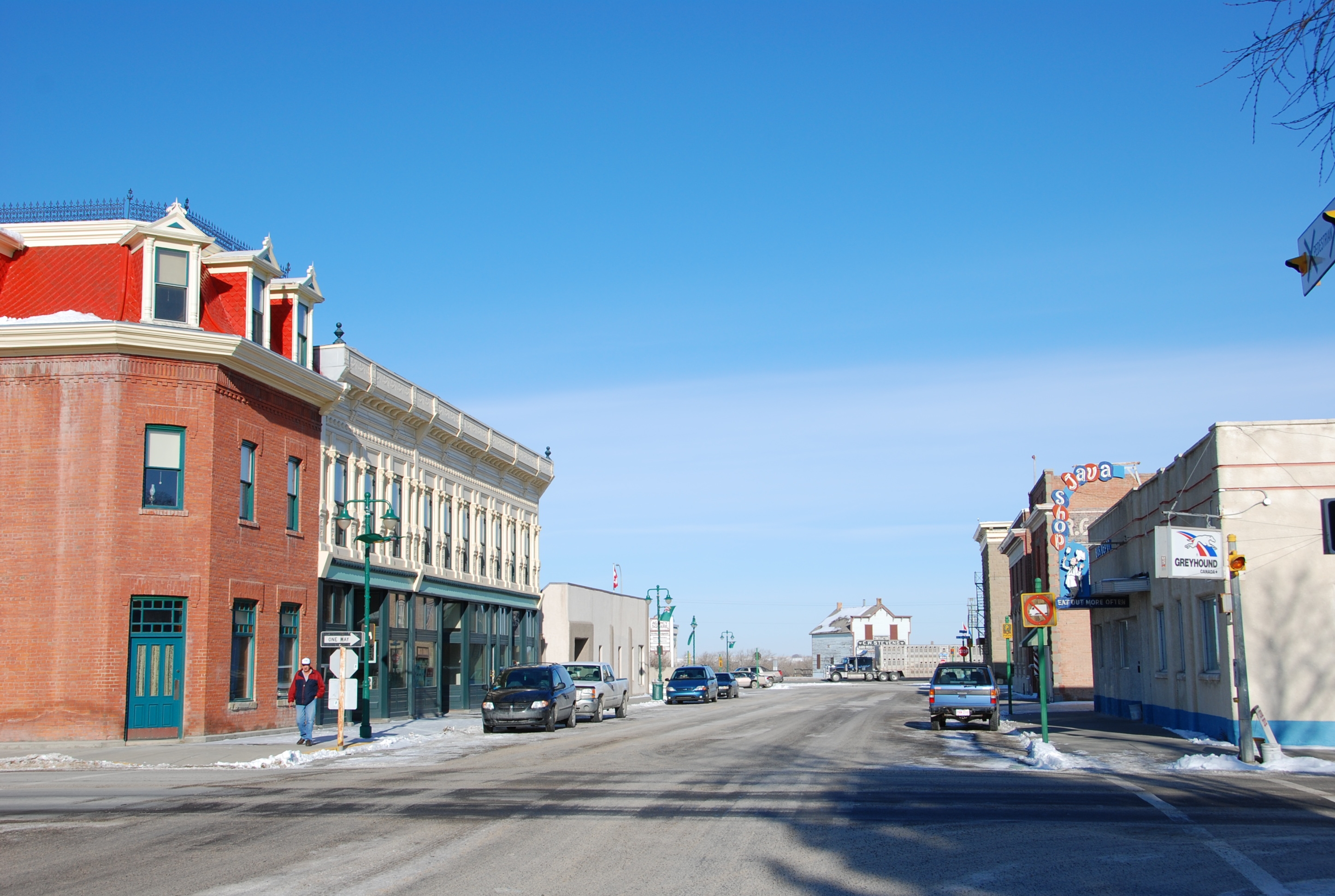
Alberta’s Historic Places Research and Designation Program is pleased to announce two new members of the Provincial Historic Resource family – the Union Bank Building and the R.T. Barker Building, both in Fort Macleod. These two buildings are vital contributors to the heritage character of the Fort Macleod Provincial Historic Area. This area includes a wealth of pre-World War One brick and sandstone buildings that embody the architecture of early twentieth century Alberta towns. This distinctive identity has established Fort Macleod as a tourist attraction and a shooting locale for major motion pictures. Learn more about the Union Bank Building and the R.T. Barker Building on the Alberta Register of Historic Places. For more information on Fort Macleod, click here

Written by: Matthew Wangler, Manager of Alberta’s Historic Places Research and Designation Program

Fort Macleod Provincial Historic Area

Making “Cents” of it All!


If you happen to be in a small town or a big city in Alberta and come across a well-preserved heritage home, church or grain elevator; stumble upon a community history book; experience a driving tour or pass by an interpretive plaque, chances are the Alberta Historical Resources Foundation’s (AHRF) grant program had something to do with it.  

AHRF’s (pronounced as “arf”) Heritage Preservation Partnership Program, is the only provincial grant program dedicated to funding heritage-based projects. With an annual allocation from the Alberta Lottery Fund, dedicated board members and a committed technical and administrative team from the Historic Places Stewardship Section (Culture and Community Spirit), the AHRF has supported the preservation and interpretation of Alberta’s rich heritage for many, many years. Since its establishment in 1973 under the Historical Resources Act, the Foundation has awarded matching grants to individuals, corporations, municipalities and non-profit organizations in support of conservation, heritage awareness, publications and research projects. It has also been offering a research scholarship called the Roger Soderstrom Scholarship and not too long ago, introduced the Bob Etherington Heritage Trades Scholarship 

While the technical and administrative team is now in the midst of the February 1, 2011 grant run, project proponents are already gearing up for the next deadline of September 1, 2011. 

If you want to know more about what AHRF offers, call the Grant Program Coordinator at 780-431-2305 (toll-free by dialing 310-0000) or visit our website: Heritage Preservation Partnership Program 

Written by: Carina Naranjilla, Grant Program Coordinator

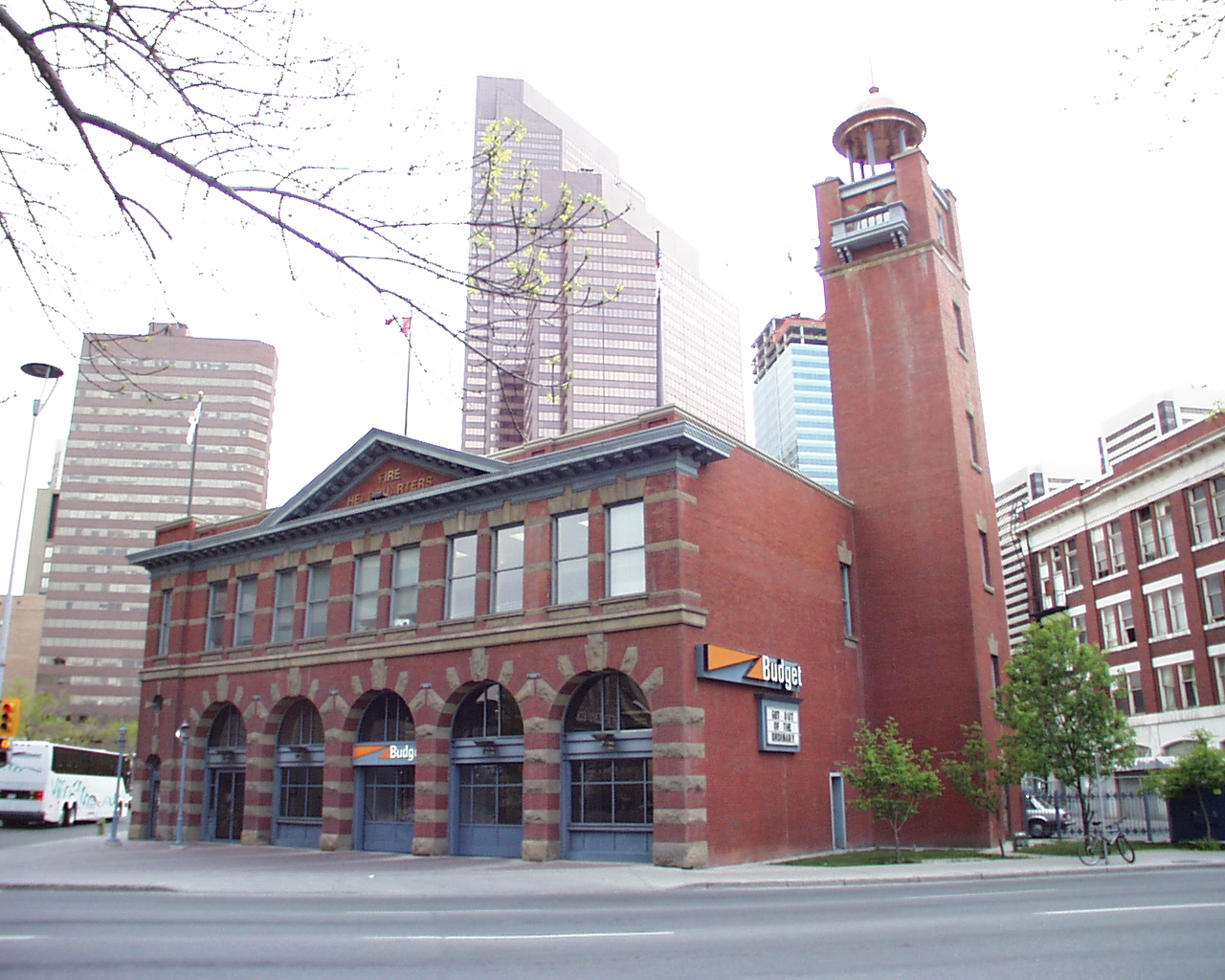
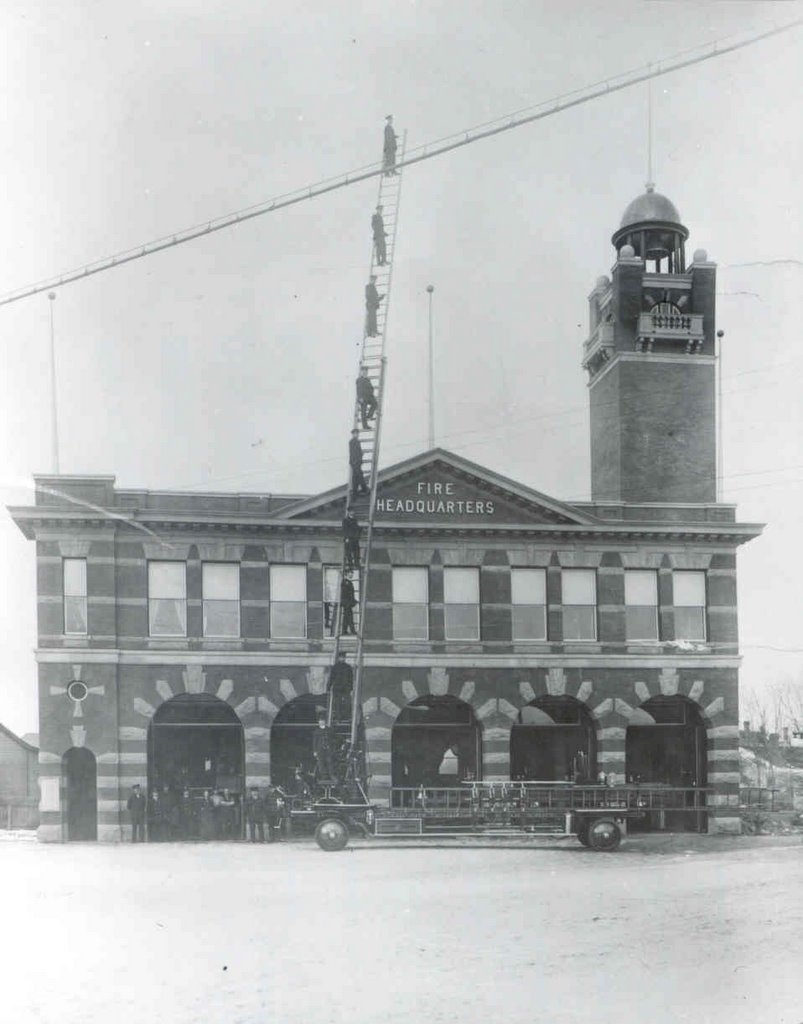
Calgary Fire Hall No. 1


CalgaryFire Hall No. 1 was designated a Provincial Historic Resource in 2009. In order for a site to be designated a Provincial Historic Resource, it must possess province-wide significance for either its history or architecture. To properly assess the historic importance of a resource, a historian crafts a context document that situates a resource within its time and place and compares it to similar resources in other parts of the province. This allows staff to determine the importance of a resource to a particular theme, time, and place. Below is some of the historical information used in the evaluation of the Calgary Fire Hall No. 1.

The first attempt to provide an orderly method of firefighting in the frontier community of Calgary came with its incorporation in 1884 when a volunteer fire committee was established.  One of its first acts was to acquire a horse drawn wagon for a volunteer bucket brigade.  In 1886, a major fire devastated the downtown and, as a result, most new commercial buildings were made of brick or stone, but these were still vulnerable to internal fires.  A serviceable fire hall was obviously required. 

In 1887, a wood frame fire hall was erected on 122 – 7th Avenue East.  This served the town well at first, but Calgary continued to grow rapidly, and the need for another facility was soon apparent.  It was not until 1905, however, that another fire hall was erected, this being another wood frame structure on 1801 Macleod Trail to serve the south side of the city.  Even this was hardly adequate, for Calgary continued to grow at a frantic pace, its population rising to over 43,000 in 1911.  

In 1911, both Calgary fire halls were replaced with modern brick facilities.  Other fire halls were also soon built in other parts of the city.  By this time, a Fire Department was a part of the civic administration, and paid fire fighters were stationed right at the halls.  Reports on fires were sent in through the newly installed telephone system, and responses were handled by motorized fire trucks with pressurized pumps. 

Read more

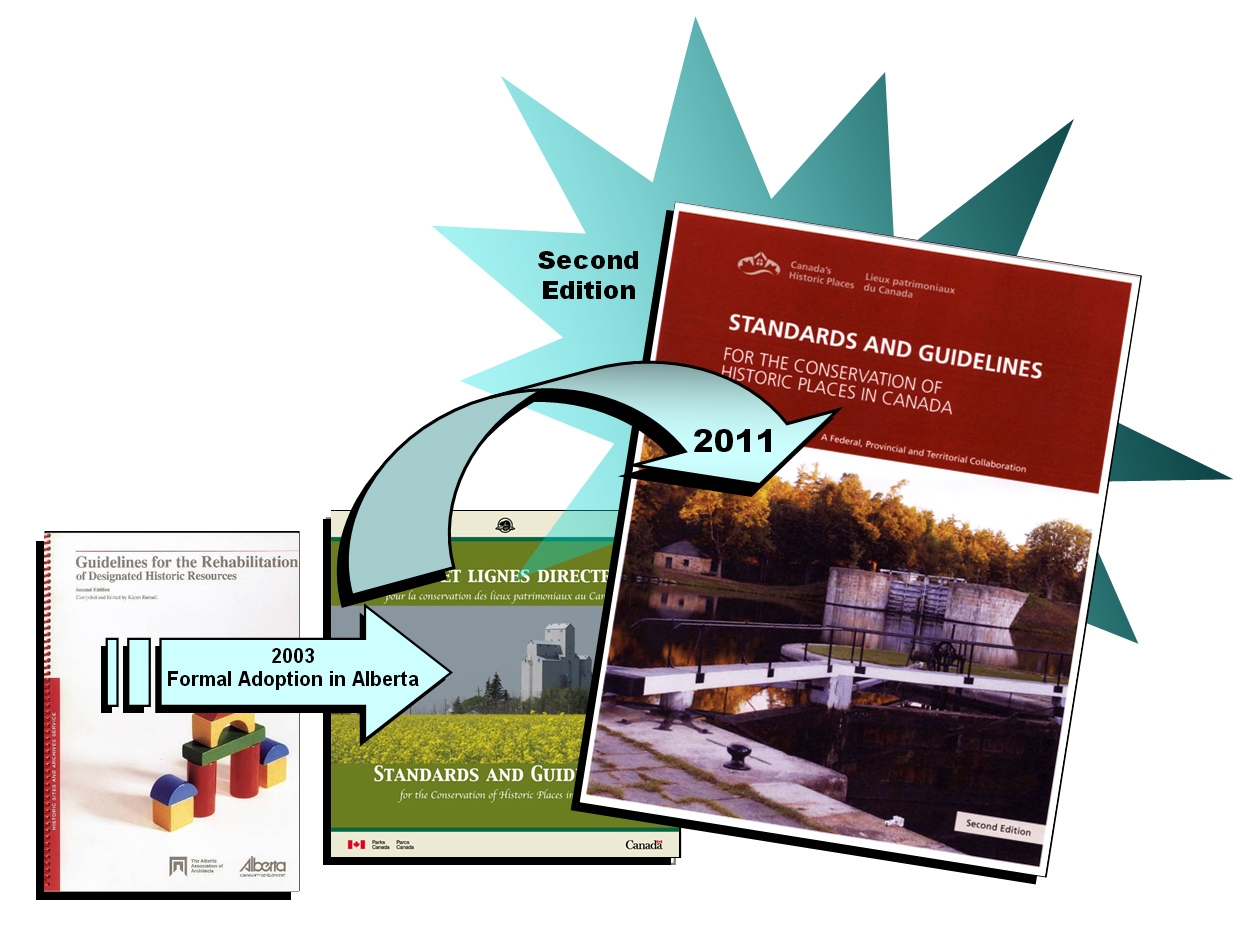
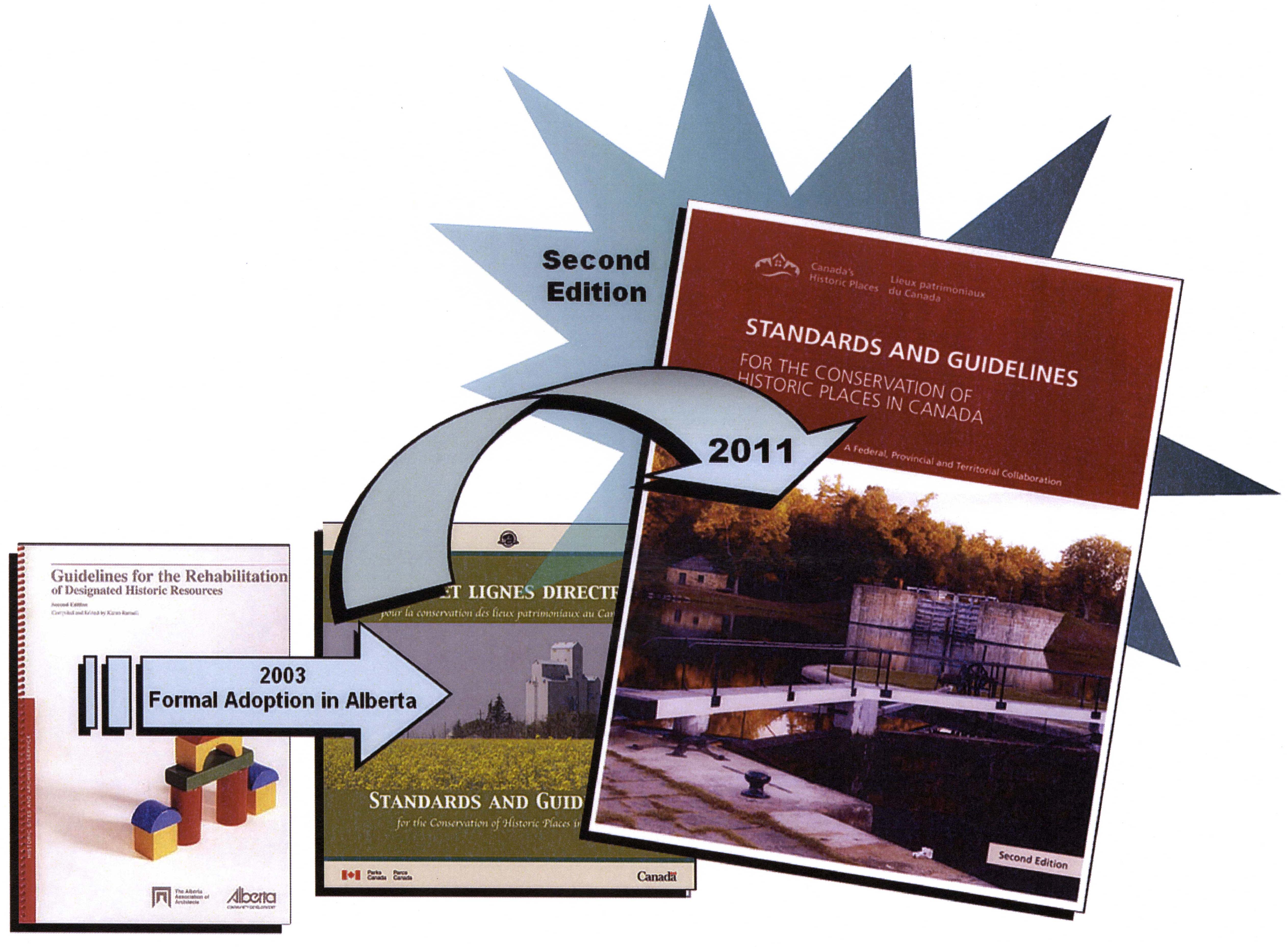
Standards and Guidelines: Second Edition Now Available!

 Just in time for Heritage Week, the second edition of the Standards and Guidelines for the Conservation of Historic Places in Canada has been uploaded to the Historic Places website. Check out the new edition!

What are Standards and Guidelines? 

The Standards and Guidelines for the Conservation of Historic Places in Canada is a pan-Canadian guide for understanding and planning interventions to historic places. The document is based on decades of evolved heritage conservation principles and practices and inspired by international heritage charters.  

Staff members from the Historic Resources Management Branch of Alberta Culture and Community Spirit have actively participated in the development of the first and second editions, in cooperation with heritage professionals from all provincial, territorial and federal agencies. It is truly a pan-Canadian guide. 

How are Standards and Guidelines used? 

In Alberta, the Standards and Guidelines can be used by anyone needing guidance on how to approach interventions to a historic place. In 2003, the Standards and Guidelines for the Conservation of Historic Places in Canada became the official standard for evaluating interventions to Provincial Historic Resources designated under the Historical Resources Act and for heritage conservation projects eligible for cost-shared funding through the Alberta Historical Resources Foundation.  

What’s New for the Second Edition? 

The second edition has not changed the basic guiding principles found in the original document. The Standards and Guidelines have been expanded to now fully explain each of the fourteen standards and to elaborate on guidelines for archaeological resources and cultural landscapes. 

For a printed copy of the Standards and Guidelines for the Conservation of Historic Places in Canada, contact:

Written by: Tom Ward   tom.ward@gov.ab.ca

Manager, Heritage Conservation Advisory Services Program

Dollars and Sense: MHPP Funding


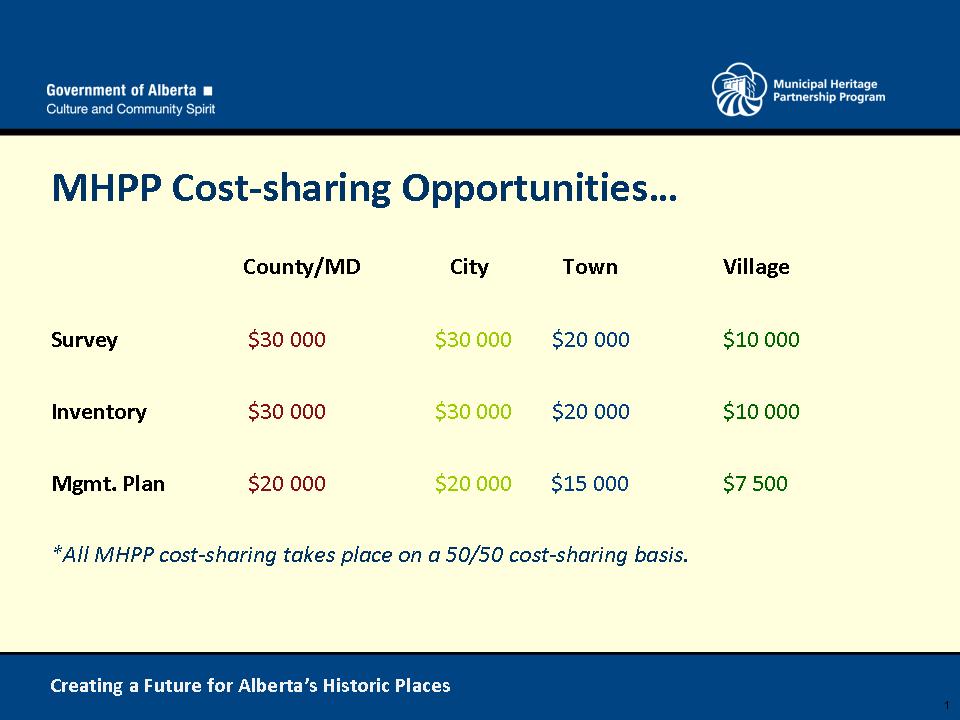
Commercial buildings, recreation facilities, houses, churches, industrial structures and all the fascinating places in between – does your municipality want to learn more about its older buildings, structures and landmarks? The Municipal Heritage Partnership Program (MHPP) provides cost-shared funding opportunities to Alberta municipalities for the identification, evaluation and management of local historic places. MHPP also offers guidance and training to Alberta municipalities to enable the identification and conservation of local historic places.

Funding proposals from municipalities are accepted on an on-going basis. These proposals are then reviewed by the board of the Alberta Historical Resources Foundation. Funding proposals received:

  • by April 8, 2011 will be reviewed at the May 2011 Board meeting
  • by August 12, 2011 will be reviewed at the September 2011 Board meeting
  • by October 28, 2011 will be reviewed at the December 2011 Board meeting

If you would like to learn more about MHPP funding opportunities, or discuss project ideas please contact MHPP staff.

The Alberta Historical Resources Foundation also supports a range of community and individual heritage initiatives through the Heritage Preservation Partnership Program.

Written by: Brenda Manweiler, Municipal Heritage Services Officer

How do I start?!


Since you are reading this blog, it’s likely that you’re someone who cares about historic places.  Whether it’s the corner coffee shop that has always served as a local gathering place, or the ornate church at the centre of town with a soaring steeple, historic places are places of meaning that help us define our communities.

You may be thinking – “how can I help conserve the places that matter to me and my community?” Many Albertans may not be aware that their locally significant historic places can be legally protected at the municipal level. That’s right – you heard it here. Since 1978, local governments in Alberta have been empowered by the Historical Resources Act to protect their own historic places through designation as Municipal Historic Resources.

Perhaps you are an owner or steward of a place you believe is historically significant and are interested in seeing that place protected. Or maybe you are a municipal councillor, administrator, or staff person responding to requests from your residents:

  • Dig into the history for yourself – there is no substitute for understanding the background and context of the place. Local archives, land titles, municipal records like building permits, organizational Minutes, conversations with seniors/elders, and family photo albums are great sources to try and deepen our knowledge of the past – especially about our historic places;     
  • Get involved Does your community have an established Heritage Advisory Body? Ask your municipal staff or Councillor if you do, and if, so, let them know about the historic places that matter to you. If you don’t yet have a “HAB,” offer to help your community get one started;
  • Request an Evaluation – Alberta Culture and Community Spirit’s Municipal Heritage Partnership Program can help your municipality to determine its heritage values and evaluate places that are of interest. This can happen through a project called a heritage inventory, or on a more ‘one-off’  basis. MHPP staff are available to help local governments “get the ball rolling” and engaged in conserving their heritage.
In short, if you’re keen to see your historic places conserved for future generations of Albertans, MHPP staff are here to help.
Written by: Matthew Francis, Manager of Municipal Heritage Services

Welcome to RETROactive!

 
Welcome to RETROactive, the official blog of Alberta’s Historic Places Stewardship Section!

Have you ever wondered what makes a historic place, historic? Are you curious to know which places in your municipality are protected Provincial Historic Resources and Municipal Historic Resources? Have you always wanted to learn how heritage conservation can benefit your municipality? OR, are you a history enthusiast and want to learn more about the unique and significant places in Alberta? On RETROactive Historic Places Stewardship staff will post regular updates about their work with Alberta municipalities and feature historic places throughout Alberta.

Guided by the Historical Resources Act and the Standards and Guidelines for the Conservation of Historic Places in Canada, Historic Places Stewardship provides a full range of services, programs and incentives for the conservation of historic sites. We work with individuals, municipalities, historic groups and organizations to ensure responsible management, protection and promotion of Alberta’s historic places. To learn about the range of programs offered through the Ministry of Culture and Community Spirit please read our About page.

Be the first to receive a RETROactive post: join us on Facebook or subscribe to RETROactive and get updates emailed to your inbox (see links to the right). We also encourage you to participate. Please submit comments and ask questions! (Before doing so, we encourage you to review the Government of Alberta’s Comment and Trackback Policy.)

Travel along with our staff as they crisscross the Alberta prairie in the on-going saga of Alberta’s historic places. We hope you enjoy the ride!