

Editor’s note: Catch up with part one of 50 years of the Historical Resources Act. The banner image above is courtesy of the Royal Alberta Museum.
Written by: Valerie Knaga, Indigenous Heritage Section, Ronald Kelland, Historic Places Research Officer and Fraser Shaw, Heritage Conservation Adviser, Southern Region
Indigenous heritage
Indigenous heritage has existed long before Indigenous Peoples had first contact with European settlers, long before the establishment of Alberta as a province in 1905 and long before the Historical Resources Act was enacted. While Indigenous people have been subject to legislation and policies that sought to undermine their connection to their culture and heritage, they have retained a powerful connection to their historic places and the rich repository of cultural meaning they embody. While Indigenous heritage was not explicitly referenced in Alberta’s Historical Resources Act when it was passed in the 1970s, the Act has played a key role in helping to preserve Indigenous heritage sites. That is not to say that some Indigenous voices were not present during the development of this legislation. The Public Advisory Committee on the Conservation of Archaeological and Historical Resources which advised on the creation of the legislation included representative Chief John Snow and one of the briefs presented at the public hearings was from Allan J. Wolf Leg of the Calgary Native Development Society.
Since the passage of the Historical Resources Act in 1973, there has been significant growth in both the awareness and the appreciation of Indigenous heritage. This change was spurred both by the efforts of Indigenous political organizations and through developments like the recognition of Indigenous Peoples and their rights in Section 35 of the Constitution Act, 1982. Section 35 provided the legal foundation for jurisprudence framing the government’s duty to consult with Indigenous peoples on consequential matters and helped influence the development of Indigenous consultation policies across Canada. In 1996, the Royal Commission on Aboriginal Peoples recognized that Section 35 includes Indigenous heritage as integral to the continuity of the “life and welfare of a particular Aboriginal people, its culture and identity”. The Truth and Reconciliation Commission’s Calls to Action has also emphasized the critical value of retaining Indigenous peoples’ cultural heritage as part of the process of reconciliation. The United Nations Declaration on the Rights of Indigenous Peoples makes similar claims about the importance of Indigenous peoples practicing and revitalizing cultural traditions and maintaining and protecting historic sites. These domestic and global developments have shaped how Alberta Arts, Culture and Status of Women has sought to work with Indigenous Peoples in preserving and promoting appreciation of their heritage.

It wasn’t until the Government of Alberta released The Government of Alberta’s First Nations Consultation Policy on Land Management and Resource Development (2005 Consultation Policy) in May 2005 that the Historic Resources Management Branch thought about Indigenous-specific sites as a separate category of historic resource. A new Indigenous Heritage Section was then established to work directly with Indigenous Peoples to help protect and preserve their historically and culturally significant sites as Indigenous historic resources. At the time Alberta was establishing its consultation processes, it was determined that Indigenous traditional use sites could be considered historic resources under the Historical Resources Act, and subject to regulatory oversight. These sites include historic structures, burial site(s) and ceremonial, sacred places and oral history sites amongst others. Under the Historical Resources Act, the branch is empowered to record Indigenous heritage sites and work with Indigenous peoples to ensure that these sites are protected. To date, over 2,000 traditional use sites have been documented and integrated into Alberta Arts, Culture and Status of Women’s regulatory processes. The Act helps to ensure that these sites will be protected for future generations.
Geographical names
Today, geographical names are covered under Section 18 of the Historical Resources Act. However, geographical names were not part of the Act when it was proclaimed in 1973.
From 1905 to the 1970s, the authority over geographical names lay with the federal government through the Geographic Board of Canada (1897 to 1948), Canadian Board of Geographical Names (1948 to 1967), and the Canadian Permanent Committee of Geographical Names (1967 to 2000). This board was composed of representatives of every province.
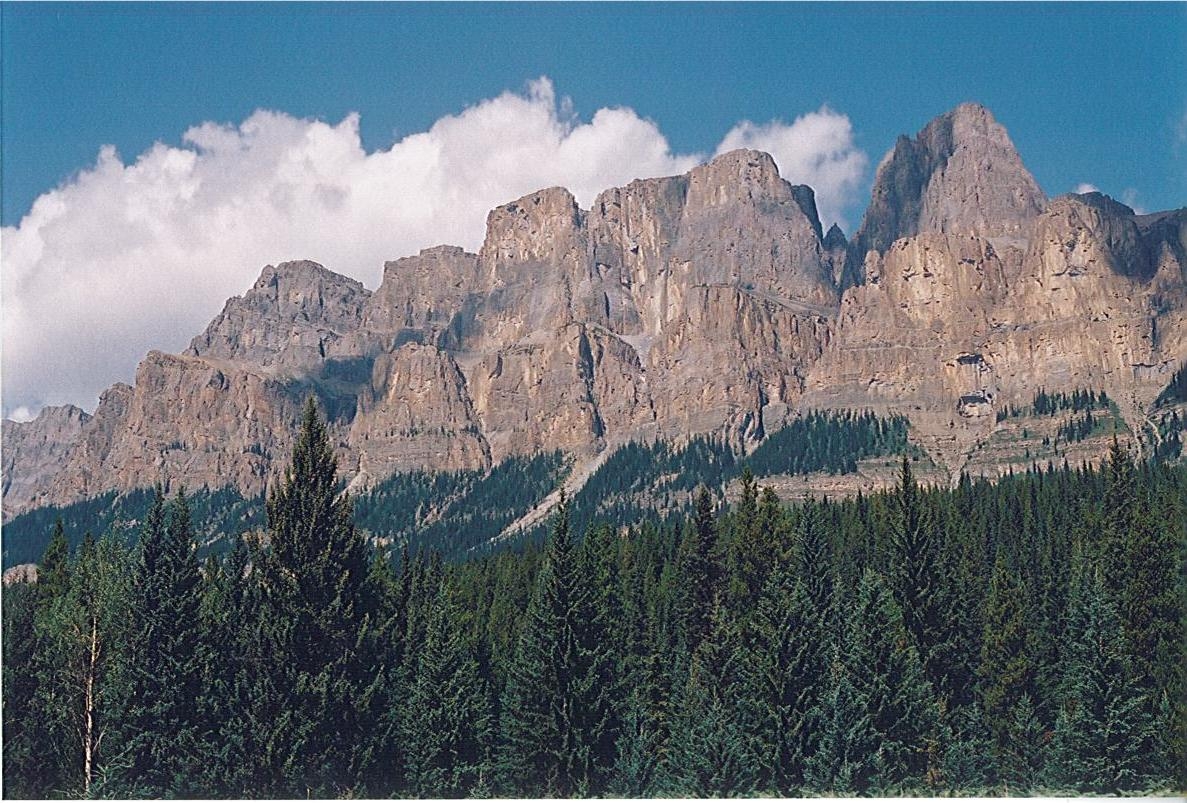
In 1946, Alberta moved to take a more assertive role over geographical naming in the province. This effort was due a serious disagreement over the Government of Canada’s renaming of Castle Mountain in Banff National Park to Mount Eisenhower. The Government of Alberta viewed the unilateral decision by Prime Minster Mackenzie King, circumventing the Geographic Board of Canada and the Government of Alberta to rename Castle Mountain in honour General Dwight D. Eisenhower as heavy-handed. In protest, the government of Ernest Manning established the Geographic Board of Alberta through an Order-in-Council in 1946.
The initial Geographic Board of Alberta was chaired by University of Alberta history professor Dr. Morden H. Long, Provincial Statistician and Alberta representative to the Geographic Board of Canada H.P. Brownlee and Edmonton schoolteacher Duncan R. Innes. Provincial Librarian Edith Gostik served as Secretary. The Geographic Board of Alberta was formalized in 1949 with the proclamation of the Geographical Names Act (formal title: An Act Respecting the Selection and Approval of Geographical Names in Alberta). The provincial Board operated under the Department of Economic Affairs and was mandated to, “gather, collate, and record information respecting nomenclature of places and other geographical features within the province”. This was done by communicating with provincial departments, municipalities, railway companies, etc. to learn of place names used in the province and by collaborating with the Geographic Board of Canada to have Alberta’s place names recognized. For its part, the Geographic Board of Canada had no legal requirement to collaborate with any provincial naming authority, but they did, and for many years following there was considerable communication and cooperation between the federal and provincial naming boards.

Source: Historic Resources Management, 2012.
Change came in the late-1960s and early-1970s as the federal government began to relinquish its naming authority to the provinces and territories. By 1973, the Government of Alberta had been given authority over geographical naming authority in the province, with the exception of features in National Parks, Indian Reserves and Canadian Forces Bases. In 1974, the Geographical Names Act was repealed and the Historical Resources Act was amended to give the authority over naming geographical features in Alberta to the Culture ministry, which would make decisions informed by advice from the Historic Sites Board. This arrangement lasted through the renaming of the Historic Sites Board to the Alberta Historical Resources Foundation.
Today, naming proposals are evaluated by the Alberta Geographical Names Program, which then, through the department management structure, makes recommendations on naming to the Minister. The coordinator of the Alberta Geographical Names program is Alberta’s delegate to the Geographical Names Board of Canada, which today functions largely as a liaison agency between the provinces, territories and federal government departments and as a community of practice where issues of geographical naming can be discussed. The national board also engages in awareness activities, to raise the profile of Canada’s place-naming heritage and encourage third-party agencies, such as Google and Apple, to use authoritative place name sources in their products.
Built heritage
While the main reason for creating historical resource legislation in Alberta may have been the protection of archaeological resources, concerns about the preservation of Alberta’s built environment were also part of the early discussions. By the early 1970s, the Government of Alberta had made some significant inroads in the preservation of the province’s history and heritage, notably the establishment of the Alberta Provincial Museum and Archives in 1967. Beyond that, the government’s heritage efforts consisted of programing at some provincial parks and the creation of a handful of historic sites (about 25) in the 1950s and 1960s at significant historical locations around the province. Most of these sites were marked with a concrete cairn and brass plaques with very simple messaging.
However, through the 1960s, an awareness of the benefits of preserving the historic built environment had been growing and people became more concerned about the retention of historic structures.
In 1972, the Environment and Conservation Authority was asked to hold public hearings on the conservation of historical and archaeological resources in Alberta as a prelude to the possible introduction of legislation that would become the Historical Resources Act. The hearings were the result of members of the public and elected officials asking questions and raising concerns about the protection of significant historical buildings in the province, notably: the former Courthouse No. 2 in Calgary, which at the time was the home of the Glenbow Museum; Rutherford House, the home of Alberta’s first Premier; Assiniboia, Athabasca and Pembina Halls, the three original student residences at the University of Alberta; and the Hudson’s Bay Company structures at Fort Victoria (Pakan/Victoria Settlement). Sections within the Act gave the Minister of the Culture department (at that time called the Culture, Youth and Recreation) the authority to designate significant places in Alberta as protected places through Ministerial Orders. These places, originally called, “Classified Historic Resources” and now known as, “Provincial Historic Resources” are protected in that they require the approval of the Minister or the Minister’s delegated authority before alterations can be made to the resource. The Act also gave Alberta’s municipalities the power to designate places in their communities as Municipal Historic Resources, an essential tool for Alberta’s cities, towns, villages and municipal districts to preserve and protect their community heritage.
Over the ensuing decades, amendments were made to the Act to refine the definition of historic resources, and the Historic Sites Branch was transformed into the Historic Resources Management Branch, joining the designation program with the Archaeological Survey and separating the designation and regulatory functions from the operations of the Sites and Museums Branch. Through it all, the mandate to protect significant places has remained. Over time, the practice of designation has evolved, and the impetus today is the promotion of rehabilitation or, “adaptive reuse,” which encourages the sensitive conversion of historic buildings to new uses in order for them to remain viable and vibrant assets to their community. Additionally, initiatives outside the legislation, notably the Historic Places Initiative, a Federal-Provincial-Territorial effort to develop national standards for expressing and protecting a designated resource’s heritage value, have bolstered the protections given under the Act.

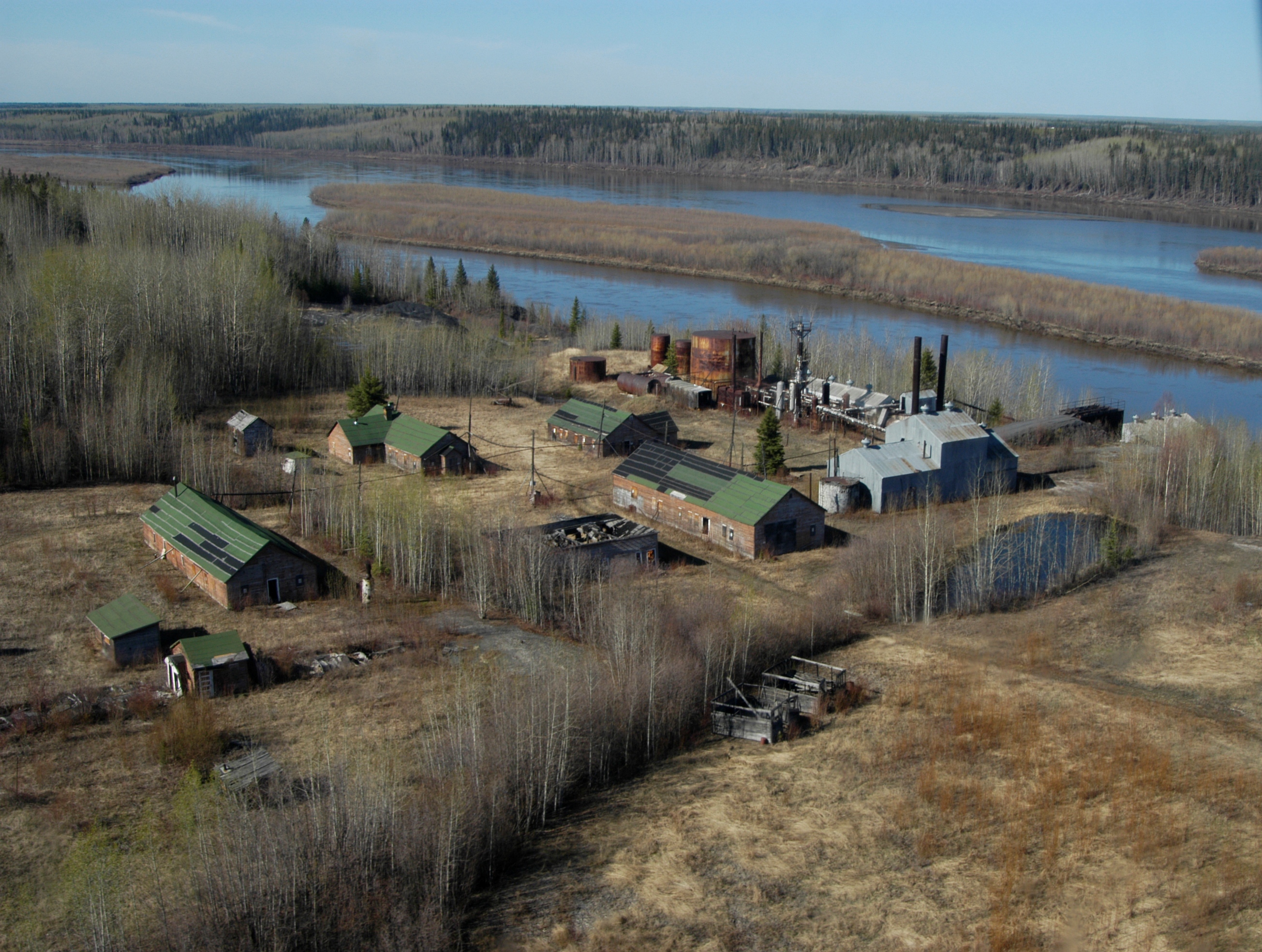
Following the passage of the Act, the Historic Sites Branch conducted research on significant historical places and buildings and began evaluating candidates for designation across the province. The first Provincial Historic Resource, the Bitumont Site, was designated on December 10, 1974. Today, the Act continues to protect historic resources through designation. As of November 2023, there are 393 Provincial Historic Resources, 481 Municipal Historic Resources, two Provincial Historic Areas and three Municipal Historic Areas in the province, the majority of which are historic buildings, all being listed on the Alberta Register of Historic Places. Additionally, the regulatory provisions in the Act are used to protect Alberta’s built heritage by requiring developers to mitigate potential impacts to non-designated historic period structures through documentation and, in some cases of particularly significant structures, avoidance. The documentation from these regulatory requirements is entered into the Alberta Heritage Survey. Regulatory mitigation documentation, combined with municipal inventories and other historical research initiatives, have grown the Survey, which traces its roots to a late-1960s centenary of Confederation program, into one of the largest collections of information about a province’s built heritage in Canada.
Provincial Historic Resource regulation
Provincial Historic Resources of every description—commercial buildings, residences, archaeological and industrial sites, cultural landscapes—are protected under Section 20(9) of the Historical Resources Act, which requires owners to obtain written approval for changes or “interventions” to designated historic places. Administered through the Historic Resources Management Branch within the Ministry of Arts, Culture and Status of Women, this provision of the Act is intended to ensure that the integrity or essential “wholeness” or authenticity of historic places is not compromised by maintenance or alterations that may be needed to sustain them or, in the case of commercial properties and private residences especially, to keep them viable as needs evolve.
Approval requirements for Provincial Historic Resources are sometimes triggered by infrastructure, industrial development, or other projects through Alberta’s Online Permitting and Clearance system (OPaC). In most cases, however, the approval process starts with a simple call or email by property owners to the Heritage Conservation Adviser or “HCA” for their region of the province to alert the HCA to upcoming work. Longtime property owners may have well-established collaborative relationships with their HCA. Heritage property owners often ask about the threshold for work needing approval; usually it’s best just to reach out and ask since a straightforward repainting job, for example, may actually hide underlying concerns and involve more extensive repairs.

The regulatory process is generally a collaborative and constructive one that seeks practical solutions, with the goals of protecting and conserving heritage value. The review process considers practical needs, including other requirements such as building codes and land use regulations, heritage value and heritage conservation principles. Property owners or proponents and the HCA meet on site, by phone or online to understand the owner’s needs, project requirements, proposed interventions (“what, where, why, how”) and opportunities and constraints of the historic resource itself.
Key to understanding the resource is the Statement of Significance (SoS), a summary of the historic places’ heritage value and, “character-defining elements” or the distinctive characteristics and physical features on which integrity depends. SoSs are prepared during the designation evaluation process and are listed on the Alberta Register of Historic Places when places are designated. As snapshots of heritage value, SoSs are guides, rather than exhaustive inventories of, heritage value. It’s beneficial to “unpack” and review the SoS and project needs with the HCA since unexpected features or new information can emerge during project planning.
With project needs and heritage value fleshed out, HCAs consider potential impacts to character-defining elements and overall resource integrity by referring to the Standards and Guidelines for the Conservation of Historic Places in Canada. Developed in the early 2000s through a collaboration of federal, provincial and territorial governments and inspired by opportunities to adapt commercial heritage properties, the “S&Gs” are the national heritage conservation framework used by municipal, provincial/territorial and federal governments and by heritage contractors, consultants and property owners. Practical as well as founded on international conservation principles and best practices, the S&Gs are the backbone for planning, regulatory review and heritage grant administration. They define the primary conservation treatments of preservation, rehabilitation and restoration and set out applicable standards. Guidelines for a wide range of materials and resource types recommend actions to consider or avoid.

“Triangulating” between the owner’s work plan, heritage value (SoS) and conservation standards (S&Gs) results in a work plan that the HCA uses to recommend project approval. Work involving digging that might impact archaeological resources is also reviewed by the Archaeological Survey. Authority to approve interventions to Provincial Historic Resources rests with the Assistant Deputy Minister of the Ministry’s Heritage Division and signed approvals are emailed to the proponent. The time from initial project notification to signed approval typically takes a couple of weeks or even less in some cases, depending on project complexity and other factors.
Section 26(6) of the Act empowers municipalities review and approve interventions to Municipal Historic Resources, whose protection equals that of provincially designated properties. The Alberta government has no role in such cases other than to offer technical and grant program advice if requested. Municipal internal review processes vary but rely also on Statements of Significance and the Standards and Guidelines. However, both review processes come into play where properties are both municipally and provincially designated.
Beyond regulation, the approval process promotes historic resource conservation in other important ways. Work plans initiate valuable technical and practical exchanges between owners and HCAs that can anticipate adverse impacts of seemingly simple undertakings like new roof insulation. For large or complex projects, heritage consultants, contractors and community stakeholders may contribute to the discussion.
Approval documentation—what was done as well as why and how—is a vital resource for future generations as memories fade. Time and expense are spared when, for example, a repair mortar tested and proven for compatibility and performance can be retrieved from the file and reused. This repository of shared knowledge and evolving conservation experience ultimately benefits all sites.
Finally, regulatory review helps HCAs spot opportunities for grant assistance. The Heritage Preservation Partnership Program administered by Arts, Culture and Status of Women has supported heritage property owners in their vital stewardship role for decades. Provincial grant application is completely separate from regulatory approval but qualifying conservation work must be approved by the designating authority or authorities to be eligible for funding.
Sources
Environment Conservation Authority, The Conservation Historical and Archaeological Resources in Alberta, Acknowledgements, p. iii.
Environment Conservation Authority, The Conservation Historical and Archaeological Resources in Alberta, p. 120.
A Selected Review of Federal and Provincial Legislation Implicating Indigenous heritage in British Columbia, Catherine Bell and Sarah Lazin, First Peoples’ Cultural Council, March 2022, p.6.
Royal Commission on Aboriginal Peoples (RCAP), Report of the Royal Commission on Aboriginal Peoples: Restructuring the Relationship, vol. 2 (Ottawa: Supply and Services Canada, 1996) at 167.
Truth and Reconciliation – Calls to Action, National Centre for Truth and Reconciliation (NCTR), University of Manitoba, p. 116.
 RETROactive