
Written by: Jared Majeski, Historic Resources Management Branch
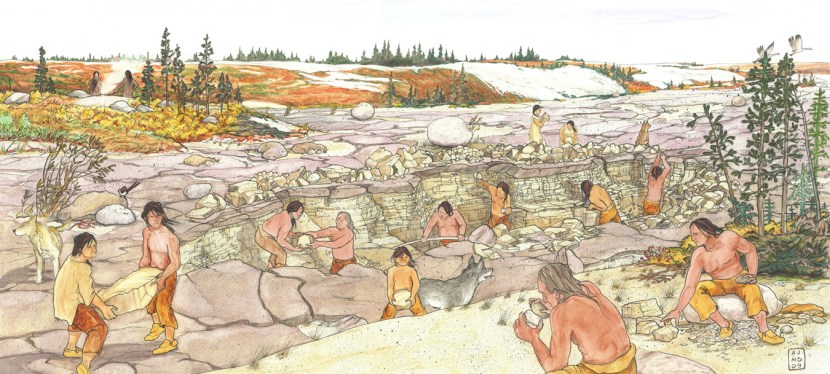
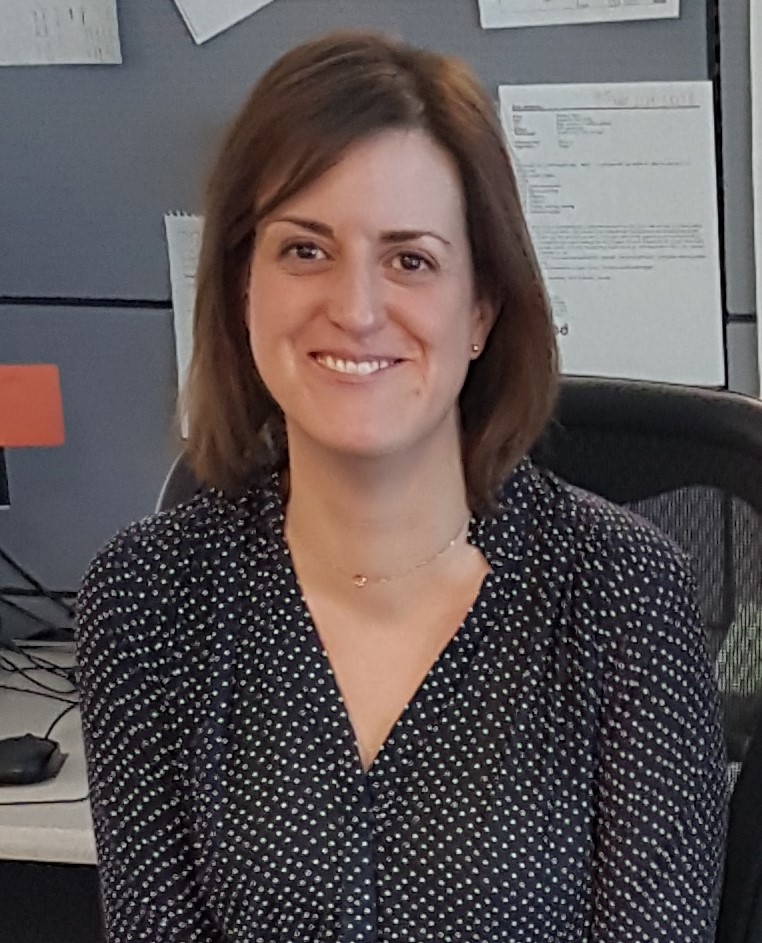
Look hard enough, and you can find artistic expression in many different occupations. The stone mason cutting and preparing a stone feature; a researcher distilling their raw data into a visually appealing infographic; or in the case of archaeologist Amanda J.M. Dow (B.A. Archaeology, University of Calgary), using pencils to represent archaeological research through illustrations. Whether you categorize it as art or archaeology, Dow’s illustrations help to put faces to names and context to places.
The following interview has been lightly edited for length and clarity. All images and illustrations below are courtesy of Amanda Dow.
Where do science and art meet and is there ever an uncomfortable junction?
Dow: There is always a strange dance between art and science. It can be awkward and challenging but for the dance to work, there has to be a reciprocal understanding from both disciplines. I like to use the word “illustration” to help lend my artwork scientific credibility. I use the results of archaeology and research to make the art academic. But in the end, the illustration is just one person’s interpretation of an event. What lends it credence is what informs the interpretation. And if that information is scientific, then that weird dance can work.
Archaeologists tend to communicate in dry and what feels like uninteresting ways because that’s what they’re trained to do. What do you think of traditional archaeological reports, articles and books? Does this make you try to depict the past in more interesting ways?
Dow: There are different ways results of archaeological study are communicated. In Alberta, the vast majority of archaeological study are presented as technical reports. That’s my day job, as a consulting archaeologist and I contribute to this type of “grey” literature presenting data without excessive interpretation. Technical reports are defined by budget, schedule and scope. It’s always a challenge to present data within those limitations without being too boring.
The opportunity to share more interpretation and provide people with more elaboration comes from other forms of communication. This is where archaeologists have an opportunity to collect from the technical literature all the glamorous bits and create an interpretation the science supports. This is where articles and books, presentations and alternative media are serving a greater public role. And this is where I try to make artistic contributions.
What’s the most satisfying part of your job as an illustrator?
Being able to share a concept that makes someone pause for a moment to appreciate the genius of our ancestors. I like taking an archaeological or historical record and putting a face on it. I like tweaking imaginations.
Is meticulous research an enjoyable part of your artistic process?
I’ve been called out for not doing enough research on a project. While at the time, I sat back on the laurels of “artistic impression”, it was a turning point for me. Whenever I have an opportunity to complete an illustration, I have to wonder how it will be accepted, and how it could inform or misinform. The research that goes into an art piece is well-intended to provide some level of historic accuracy. Yet one has to accept that there is always a level of artistic impression in every illustration. It’s not a photograph.


You’ve done a lot of commissions for various groups and archaeologists; what does an ideal relationship involve?
Interesting question – because I’ve never encountered one way that works best. Some jobs come with a full list of items to include (down to the weather). Others will be a blank slate. It’s the latter jobs that are the challenge. I also work in more traditional mediums (pencil power!) so editing and re-dos need to be carefully considered. I find that the more detailed understanding about what they want from the outset, the happier they are with the illustration in the end.
Why is it important to recreate the past in artistic ways?
Archaeology is a very public sport. The discipline needs public support and appreciation to remain relevant. The quickest way to tell a story is with an image. I wish there were more opportunities available to all sorts of artists to interpret the past. Marvelous variations in art opens more doors to imagination, questions and appreciation.


Much of your artwork depicts First Nations peoples. What has their communities’ reaction been to your artwork? Do you often work directly with First Nations communities?
It’s been very interesting to see how First Nations engagement is playing a greater role in archaeology and as a component in illustration projects. I always aim to be respectful of the depiction of people and their culture in an illustration. There are certain courtesies and respect that are always strived for, and I admit that there are some sensitive cultural details that are not appropriate for me to depict (so I don’t). I wish there were more opportunities for First Nations to be able to share their traditional knowledge with others and inform archaeological thought.
I enjoy learning from Elders and knowledge keepers. Even my best efforts to be informed using historical information or ethnographies, it’s always more meaningful to hear it from the source. It can, however, be challenging when multiple First Nation opinions’ do not always lineup. That’s when it helps to fall back to archaeological or historic data, and remind myself that while it’s not necessarily right, it’s not necessarily wrong either. If the image initiates a conversation, then it’s done its job.
You can check out Dow’s archaeological illustrations, other illustrations and replica casting at ajmdow.com.
 RETROactive