

 You may have read that Calgary’s city council has decided to incorporate the Eamon’s Gas Station (also known as the Eamon’s Bungalow Camp) into the planned Tuscany LRT Station. Calgary will conserve a historic resource rather than demolishing it to make room for parking. This is exciting news!
We recently talked with Christy Caswell, one of the City’s Heritage Planners, and she said that Calgarians today are enthusiastic in supporting their city’s historic places. The interest garnered by the Eamon’s project has been one of many catalysts for people to think about historic places in a new way, and how they can be creatively integrated with new development.
Alberta’s municipalities can identify and conserve historic resources without the provincial government’s permission or involvement by legally protecting these places as Municipal Historic Resources. If interested, municipalities can also offer conservation incentives. By extension, each municipality is free to determine its own criteria for deciding what to designate. Calgary is a fine example of this.
Calgary has identified a range of heritage values that a place must reflect to be considered for conservation. For example, the Calgary Heritage Authority has overseen the development of context papers for many of Calgary’s historic communities. The city’s heritage planning program regularly evaluates potential historic place for significance. The result is Calgary’s Inventory of Evaluated Historic Resources. Each place on the city’s inventory reflects a local heritage value. Indeed, the Eamon’s Bungalow Camp is one of over 600 places included on Calgary’s Inventory. Be sure to read the listing to learn about the site’s history.
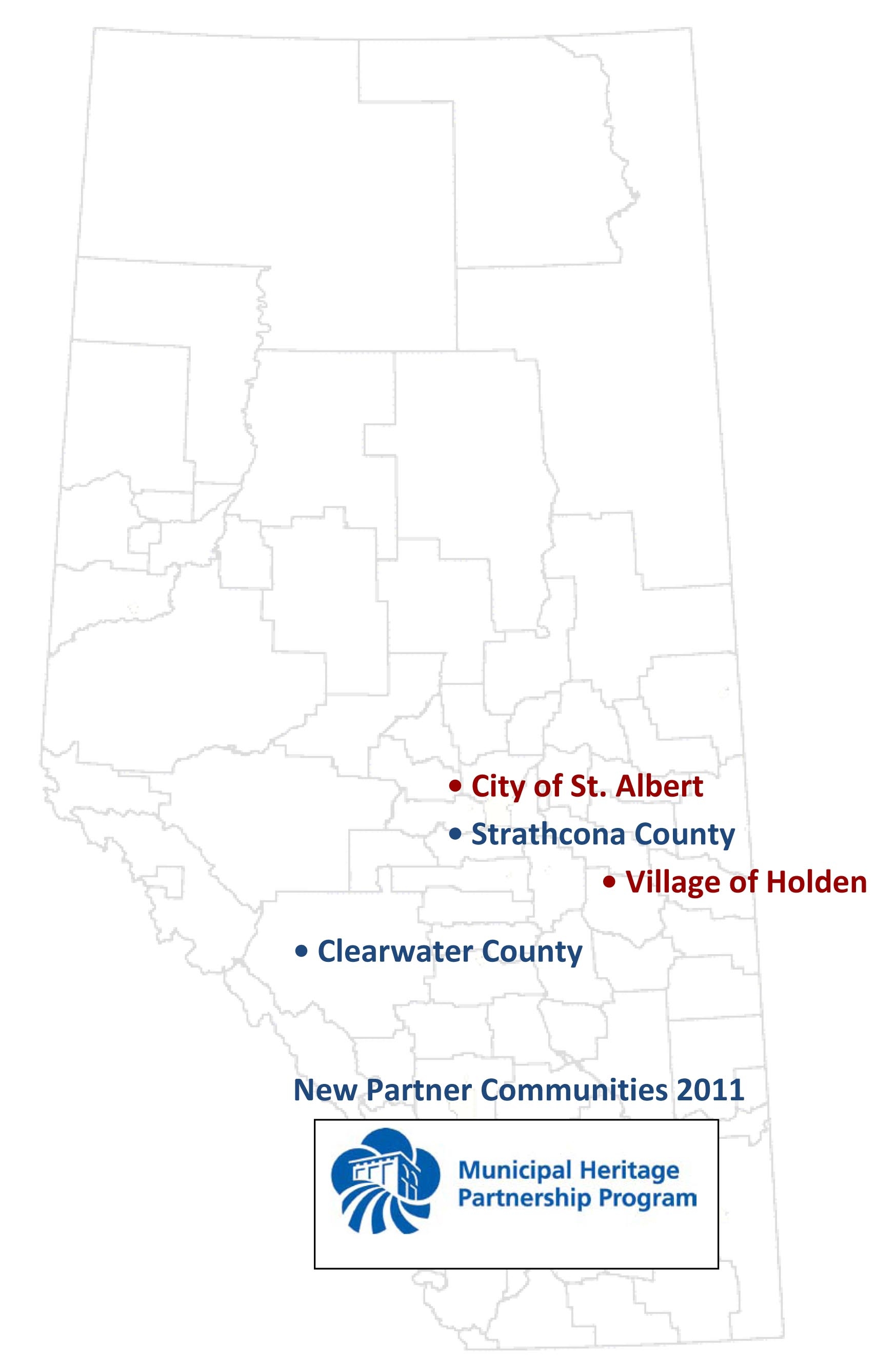
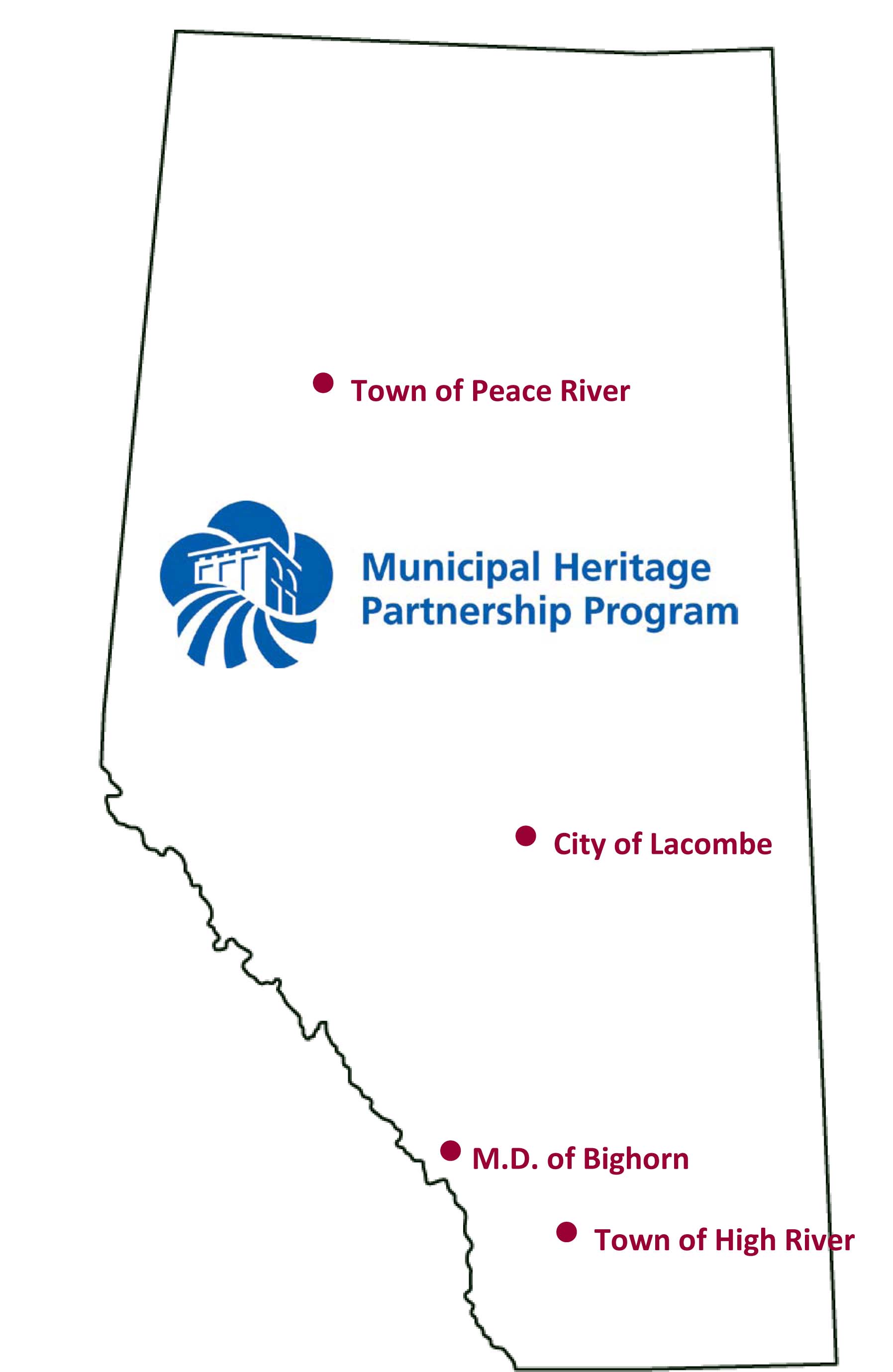
The Municipal Heritage Partnership Program (MHPP) helps municipalities develop programs that will identify, evaluate and conserve locally significant historic places. For more information, visit the MHPP website.
Written by: Matthew Francis and Michael Thome, Municipal Heritage Services







 RETROactive