Vulcan goes where few municipalities have gone before

Vulcan has developed a plan

Vulcan County, the Town of Vulcan and the Village of Champion are once again working together (you might even say they’ve federated) to conserve their shared heritage. With the aid of a Municipal Heritage Partnership Program grant, they will create a heritage management plan over the next year.

Dedicated readers may recall that these three communities (along with the Villages of Carmangay and Milo) surveyed and inventoried several historic resources last year. They identified several places of interest—sites that warrant further evaluation due to their probable historical or architectural significance. Vulcan’s HAB has already confirmed that many of are significance—that is, they somehow physically embody some aspect of Vulcan’s history.

Knowing that they have several sites that are significance and have integrity, the Vulcanites have turned their attention to figuring out how to protect their locally significant historic resources. That is why they have chosen to develop a heritage management plan. During the next year, they will develop a policy and process to designate locally significant historic resources. Many locally significant sites will be designated as Municipal Historic Resources.

The management plan will lay out the application process and how each municipality will decide what to designate. This will include determining what types of sites they will designate, how the consent of the owner (to designation) will be obtained how the public will be consulted. It will ensure that each proposed designation will be evaluated for historical or architectural significance. This significance will be written down as a statement of significance.

The management plan will also lay out how permits to alter a Municipal Historic Resources will be processed. This involves creating an application process. A proposal to alter a site should describe what is being proposed and why. The municipality then needs to evaluate the proposed change using the Standards and Guidelines for the Conservation of Historic Places in Canada. The plan will identify who will process these permits and propose a means of training these agents in the use of the Standards and Guidelines.

The final step will involve exploring what incentives each municipality could offer to encourage the owners of Municipal Historic Resources to conserve them. A successful municipal heritage conservation programs recognizes the need to assist the owner of historic places with the cost of their conservation. The incentive could be grants or tax credits. Any program or service that defrays the cost of operating a property work as incentives too. (You can read Managing Historic Places: Protection and Stewardship of Your Local Heritage for more on heritage management planning).

I’m looking forward to working with Vulcan on this project. When it is done, they will join a select few communities that have completed a survey, inventory and management plan with our assistance. The Vulcans will soon be well poised to protect and conserve their historic places and we’ll all be richer for it.

Written by: Michael Thome, Municipal Heritage Services Officer
Alberta Historical Resources Foundation board steps out

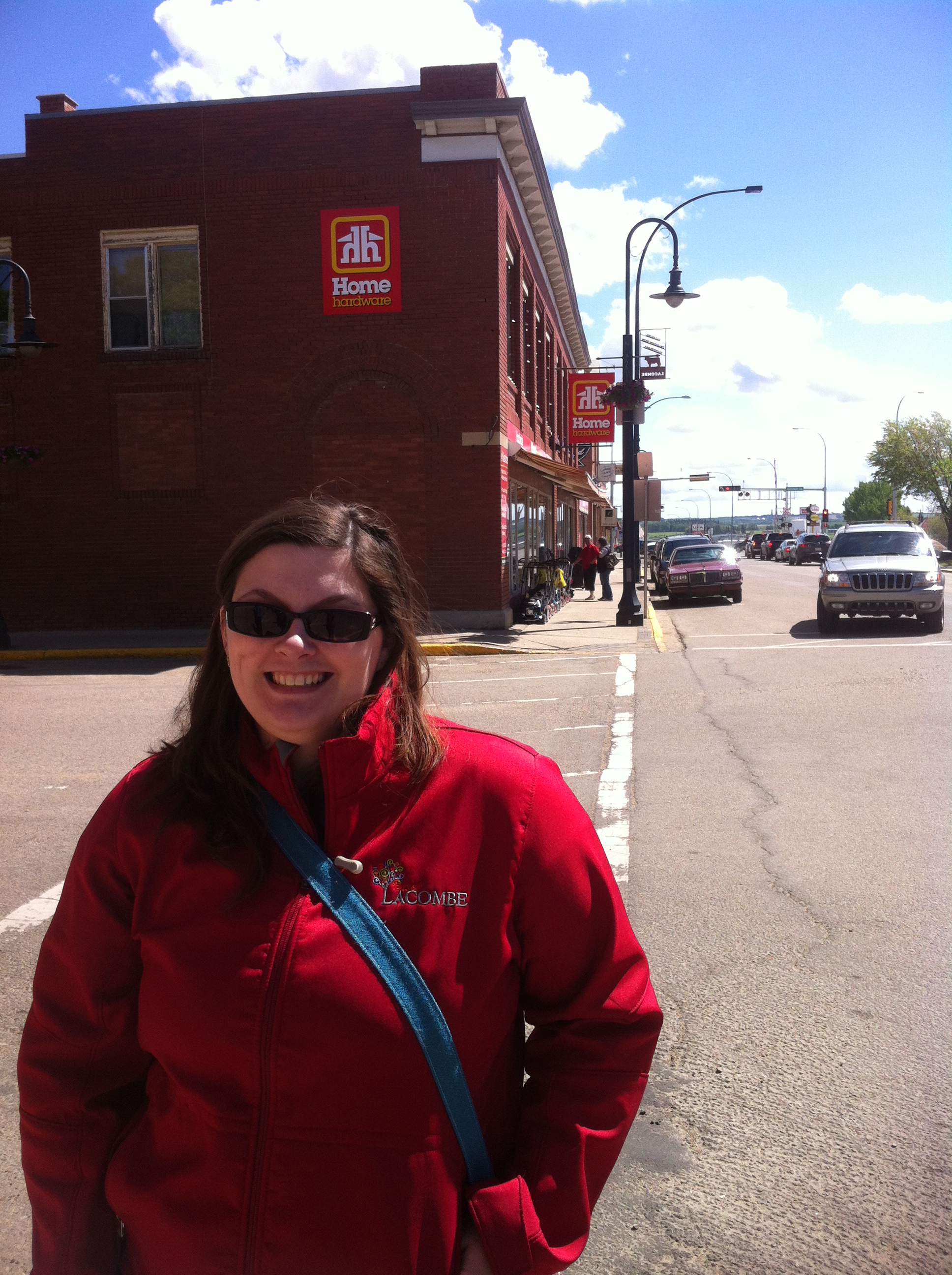
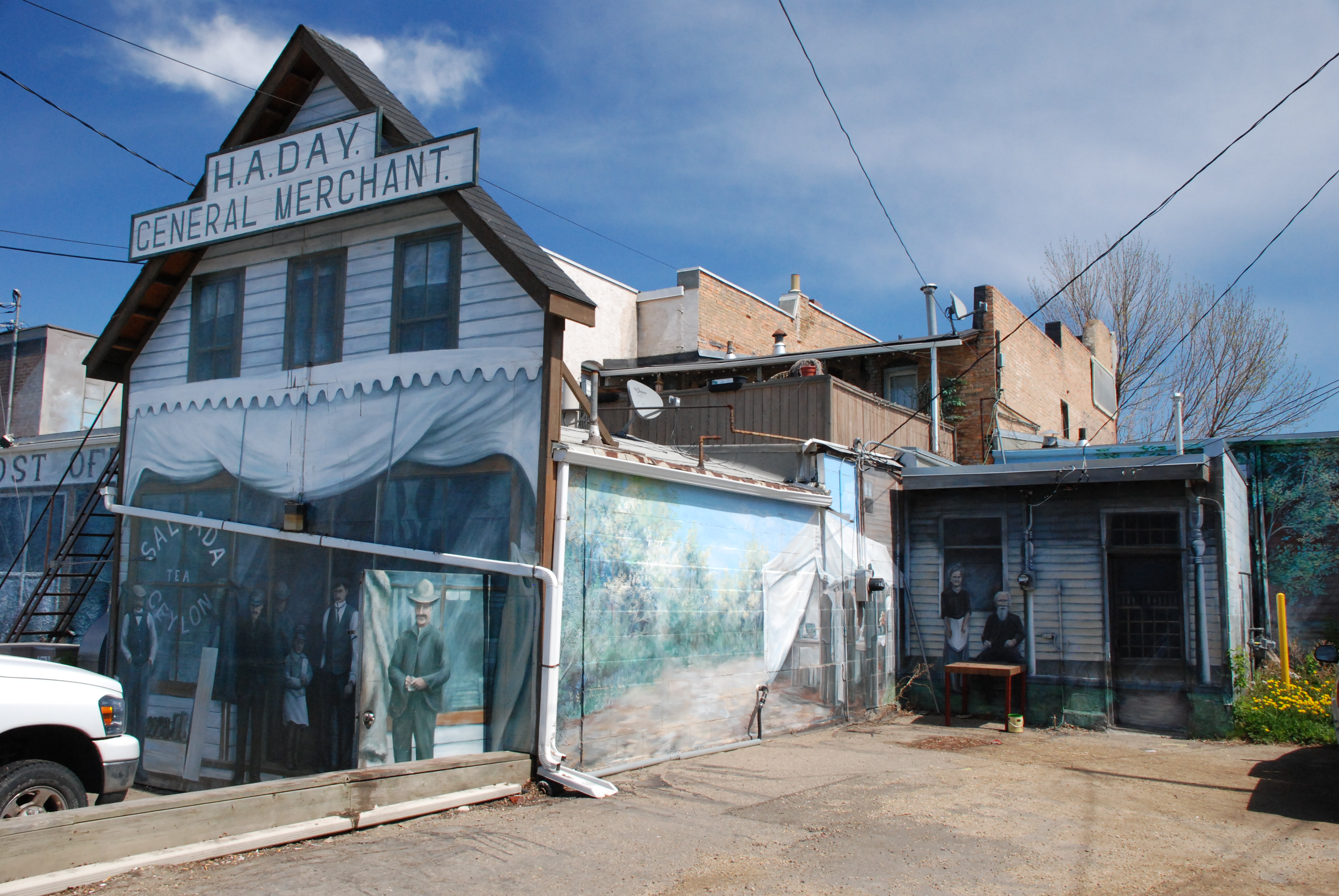
Lacombe's main street from the alleyway
Lacombe’s main street from the alleyway

Foundation board tours the streets of Lacombe before heading back to the boardroom

The board of the Alberta Historical Resources Foundation held their spring meeting in Lacombe. Before heading to the boardroom, the members enjoyed a guided walking tour of Lacombe’s main street, seeing some beautiful Provincial Historic Resources : the Flatiron Building, the Roland Michener House and the Lacombe Blacksmith Shop. (Incidentally, all three properties are currently managed and interpreted by the Lacombe and District Historical Society.)

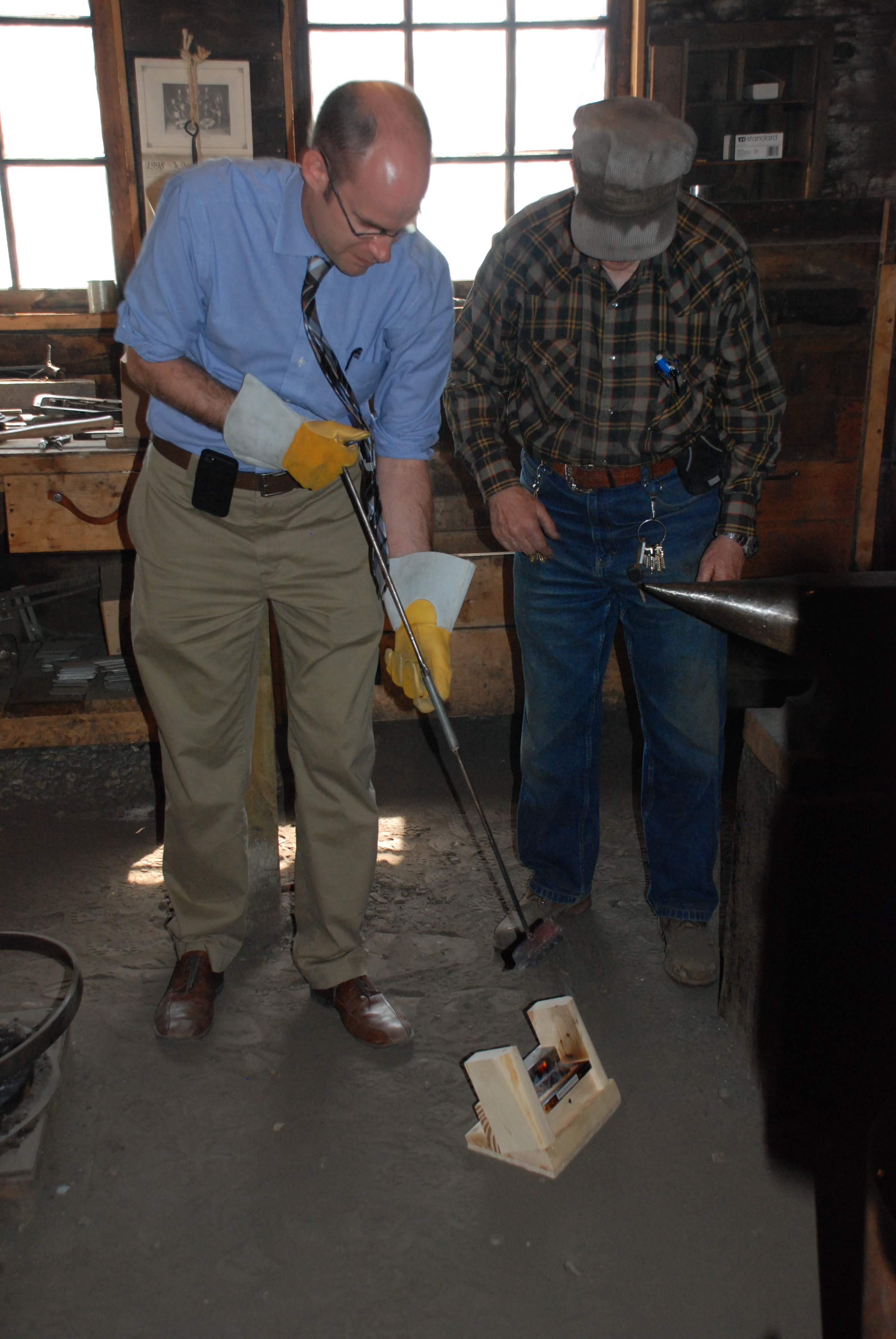
Matthew Wangler, the foundation's Executive Director, tired his hand at blacksmithing.
Matthew Wangler, the foundation’s Executive Director, tired his hand at blacksmithing.

Board members and staff enjoyed the unique opportunity to watch a blacksmithing demonstration (similar to this one) and experience “branding” at the Blacksmith Shop, and view the public murals that artistically captured the city’s rich heritage.

In its continuing efforts to reach out to its heritage stakeholders, the board also held an informal roundtable discussion with the talented members of Lacombe’s Heritage Steering Committee and the Lacombe and District Historical Society. The insights shared during the discussion revealed the strong commitment of this active community in meeting the many challenges and opportunities in preserving and promoting their local heritage.

The board would like to thank the Lacombe and District Historical Society for the tour. Our Kudos goes to the Lacombe community for all their hard work. The board definitely felt refreshed before heading to the boardroom to adjudicate grants.

Written by: Carina Naranjilla, Grants Program Administration, Alberta Historical Resources Foundation

After the Flood: rehabilitating damaged artifacts

What to do when your artifact collection gets wet

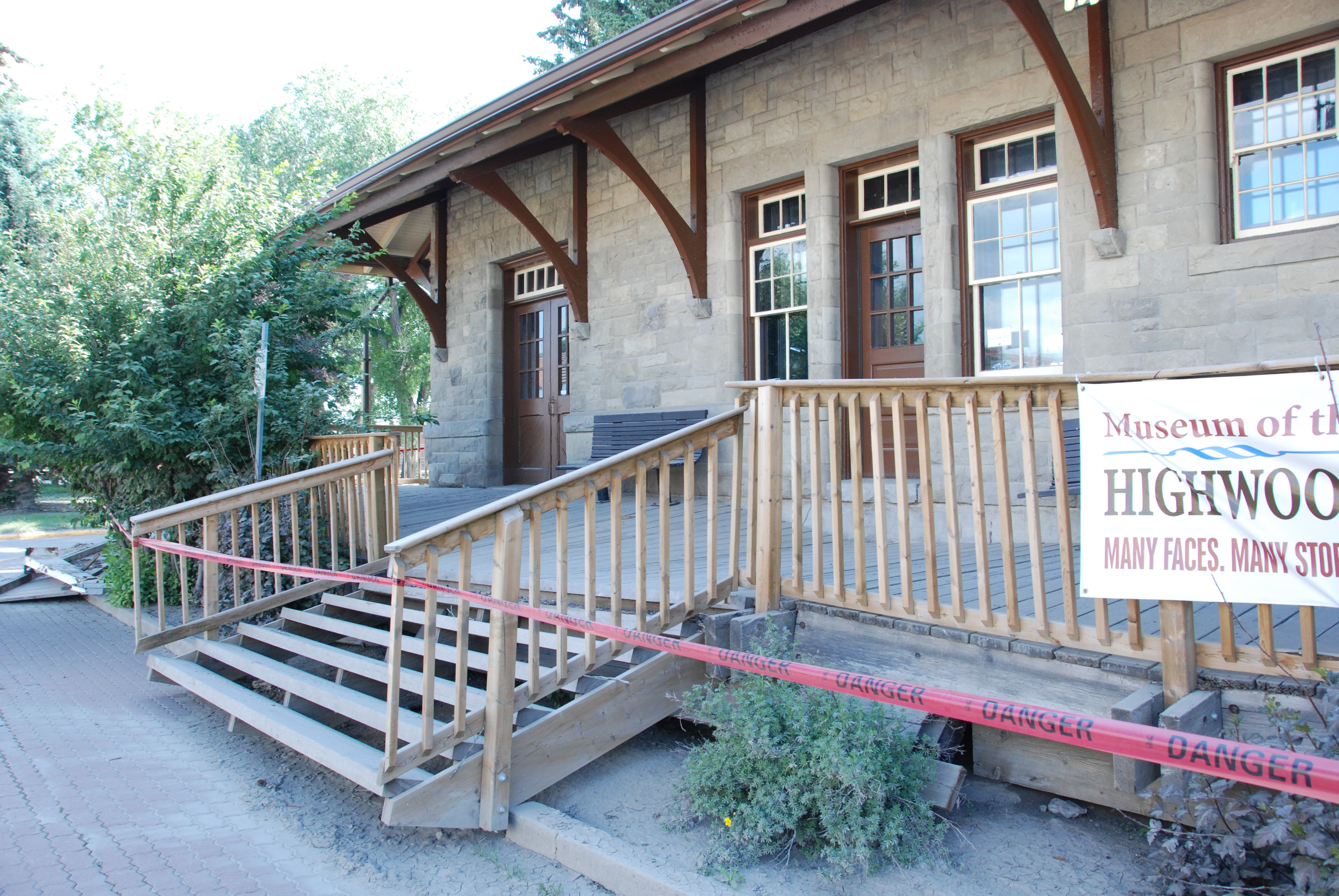
Museum of the Highwood (July 3, 2013)

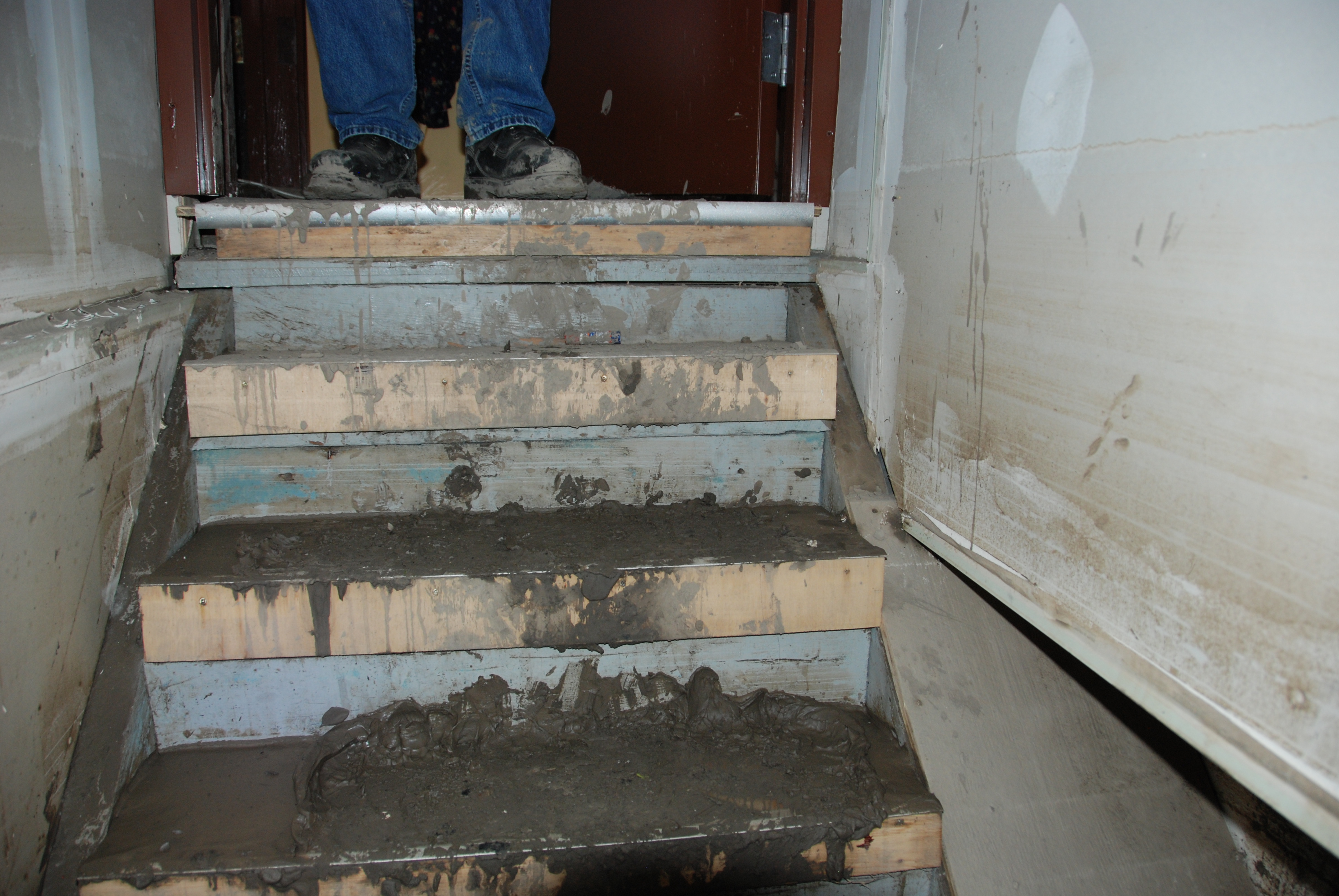
The recent flooding in Alberta damaged many historic resources. The damage was not limited to historic buildings—sadly museums and archives have also been affected. We know that the Museum of the Highwood in High River was hit quite hard. The museum occupies the Canadian Pacific Railway Station, a Provincial Historic Resource. While the full extent of the damage to both the building and the collection is still being assessed, much of the collection was submerged in river water for several days.

going downstairs in the museum (July 3, 2013)

There is no doubt that many more artifacts in both private collections and recognized museums have been damaged by the flooding. Flooding can be catastrophic for any historic resource, but it is possible to mitigate the damage. Our friends at the Alberta Museums Association have assembled documents on how to deal with flood damaged artifacts (see Flood Relief Resources on their webpage). I encourage you to consult these as a first step.

If you have questions regarding flood recovery or emergency planning you can contact the Alberta Museums Association at advisory@museums.ab.ca .

Also, the Canadian Conservation Institute offers emergency advice to Canada’s heritage community in the aftermath of a fire, flood, earthquake or other catastrophe to help with the salvage and recovery of their collections.

Written by: Michael Thome, Municipal Heritage Services Officer
The Alberta Historical Resources Foundation gives a financial boost to Alberta’s heritage

Nearly $1.3 million in funding awarded to help Albertans conserving and interpreting our heritage.

Alberta Historical Resources FoundationThe Alberta Historical Resources Foundation awarded nearly $1.3 million in support of 71 heritage projects through two grant programs. A scholarship was also awarded. This funding will be directed at applications submitted in February 2013 for the spring adjudication cycle.

Sixty-six projects will receive funding through the Heritage Preservation Partnership Program. This program provides financial assistance to individuals, municipalities and organizations working on projects that preserve or interpret Alberta’s heritage through conservation, heritage awareness, publications and research grants and scholarships.

Five municipalities will receive funding through the Municipal Heritage Partnership Program. These funds assist municipalities in identifying, evaluating, protecting and conserving locally significant historic places.

For a complete list of the projects funded please take a look at this Government of Alberta Information Bulletin. You can also find a complete list of grant recipients here.

It’s always interesting to see the range of projects Albertans are working on. This grant cycle brought forward a range of projects from all over Alberta. I look forward to seeing the applications submitted on September 1, 2013 for the next evaluation cycle.

Written By: Carina Naranjilla, Grant Program Coordinator, Alberta Historical Resources Foundation

After the Flood

First Steps in the Recovery of Albertas Flood-Damaged Historic Buildings

Cleaning up in the Elbow Park Neighbourhood (July 5, 2013)

As the floodwaters in southern Alberta recede, we must take care to preserve the integrity of our historic resources. It is very important that old and historic buildings dry slowly. Accelerated drying will warp, twist or split floors, doors and paneling; draw salts through stone and plaster, leading to blistering and exfoliation; and painted surfaces will flake and peel.

Historic buildings are particularly vulnerable to damage from inappropriate remedial work after the floodwaters recede. This can lead to unnecessary removal and loss of significant finishes and fittings as well as use of unsuitable materials for repairs. Building conservation is concerned with retaining original historic fabric and cleaning or repairing it sensitively with the least impact, even in the aftermath of a flood.

The slow and gentle process required to save irreplaceable historic fabric may take several months and involves a number of steps.

Consult with Emergency Services

Ensure that the building’s electrical, gas, water and waste lines are safe and operating normally and that the building is structurally sound. 

Document the Damage

Take photographs or videos and make notes about the damage to your historic building to assist with future planning for repairs and restoration.

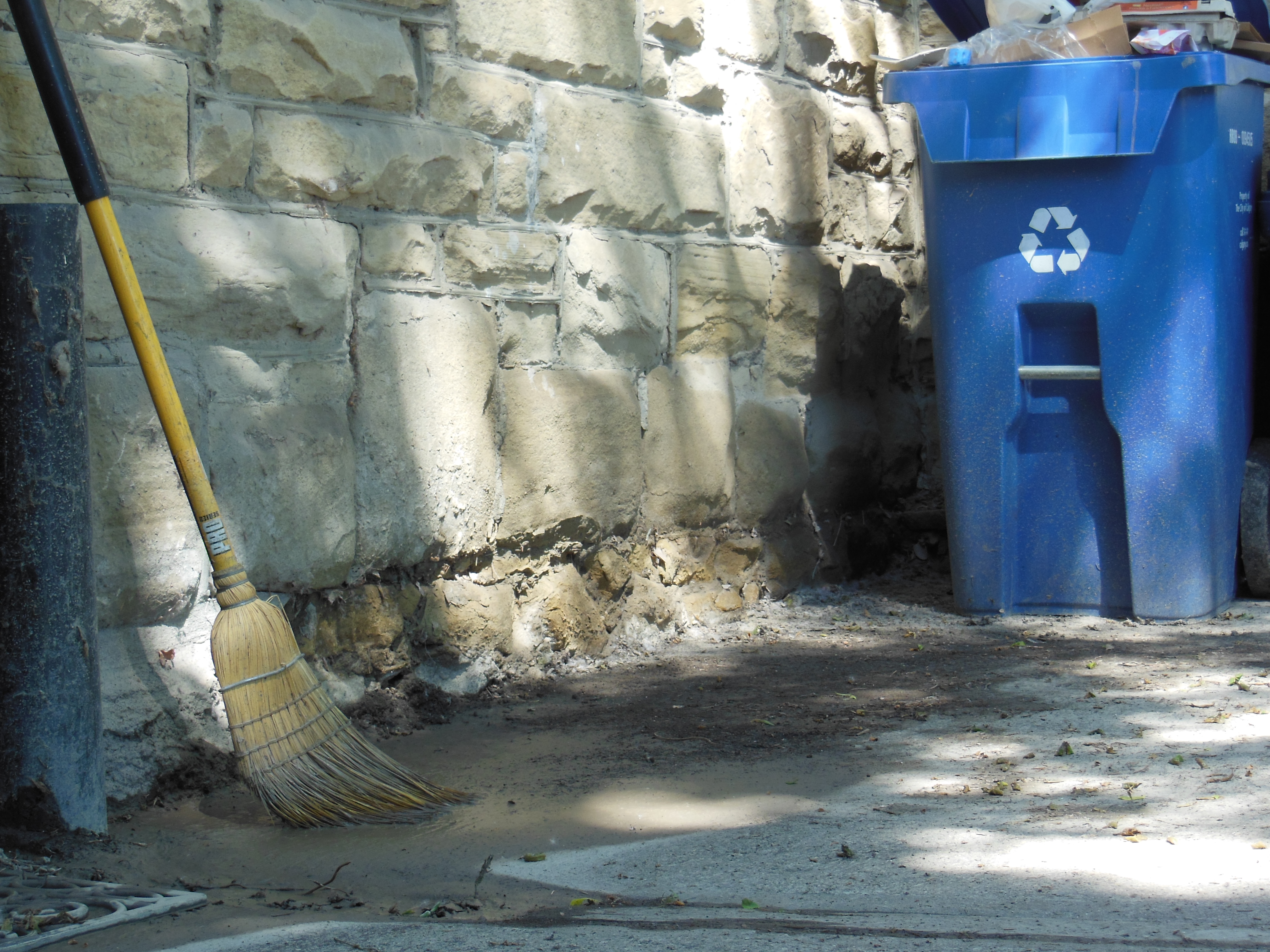
The white staining indicates the high water mark (Elbow Park, Calgary, July 5, 2013)

Reinstate Drainage Systems

Clear debris and open blocked underground and surface drainage systems to help remove water from the building and its foundations. Use sump pumps or temporary pumps to help remove water from basements, although if water continues to rise pumping should be postponed. In that case, the water table is still high and the difference in pressure between the waterlogged soil and the water-less basement could damage foundation walls.

Identify Moisture Reservoirs

Debris, insulation, and piles of earth can prevent moisture from draining or evaporating. Identify current or potential moisture reservoirs to help specialists determine positions for localized drainage and through-the-wall ventilation that will allow long term drying and prevent decay of vulnerable materials.

Remove Only Non-Historic Furnishings, Fittings, Carpets, and Rubbish

Consult with your Heritage Conservation Adviser about damp historic materials such as plaster, brick, masonry, floors or finishes. Most historic materials are inherently durable and resistant to flooding and can often be carefully dried and restored.

Clean Mud, Dirt and Debris from Surfaces

Mud and debris deposited during the flooding can be removed with clean water and is more easily removed while still wet. Do not use high-pressure water to clean historic materials: pressure-washing historic material can do more damage than the flood itself.

Drying Out Slowly

Remove moisture gradually. Use natural ventilation to slowly dry the structure and historic finishes, particularly plaster and wood. Do not use mechanical dehumidification or heaters to accelerated drying. Fans may be used to circulate cool air. Open windows and doors to assist with ventilation. Install security protection and screens on windows and doors that will be open for an extended period of time.

Interior Finishes

Carefully remove water soaked gypsum board, which can trap mold spores. Do not remove plaster or wood finishes and consult with your Heritage Conservation Advisor about strategies to dry and stabilize historic finishes.

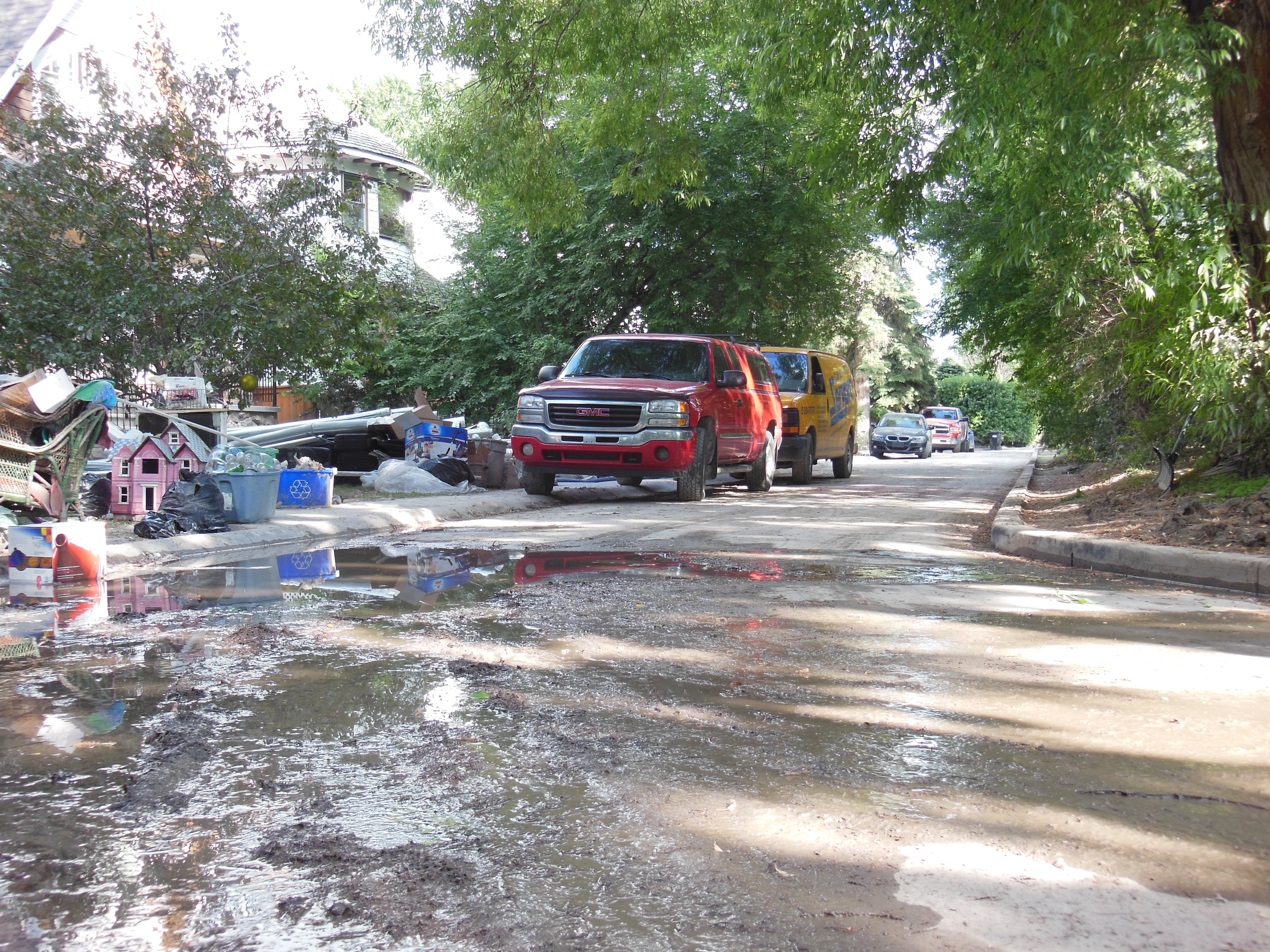
Elbow Park, Calgary. The cleanup will take time. (July 5, 2013)
The cleanup will take time. (Elbow Park, Calgary, July 5, 2013)

Plan for Repairs and Restoration

As the drying process takes place, observe any long term damage to historic fabric and initiate discussions with your Heritage Conservation Advisor and qualified specialists to plan repairs to your historic building and restoration of its historic materials.

For more information contact your Heritage Conservation Advisor:

Calgary Region: Sandy Aumonier (403-355-4544) and Stefan Cieslik (403-297-4074).

Southern Region: Fraser Shaw, office: (403) 297-4088 and cell: (403) 921-8139.

These numbers are toll-free by first dialing 310-0000.

Written by: Eileen Fletcher, Heritage Conservation Adviser.

M.D. seizes an Opportunity to Survey its heritage

The M.D. of Opportunity contributes to the Alberta Heritage Survey

St. Leon Le Grande church
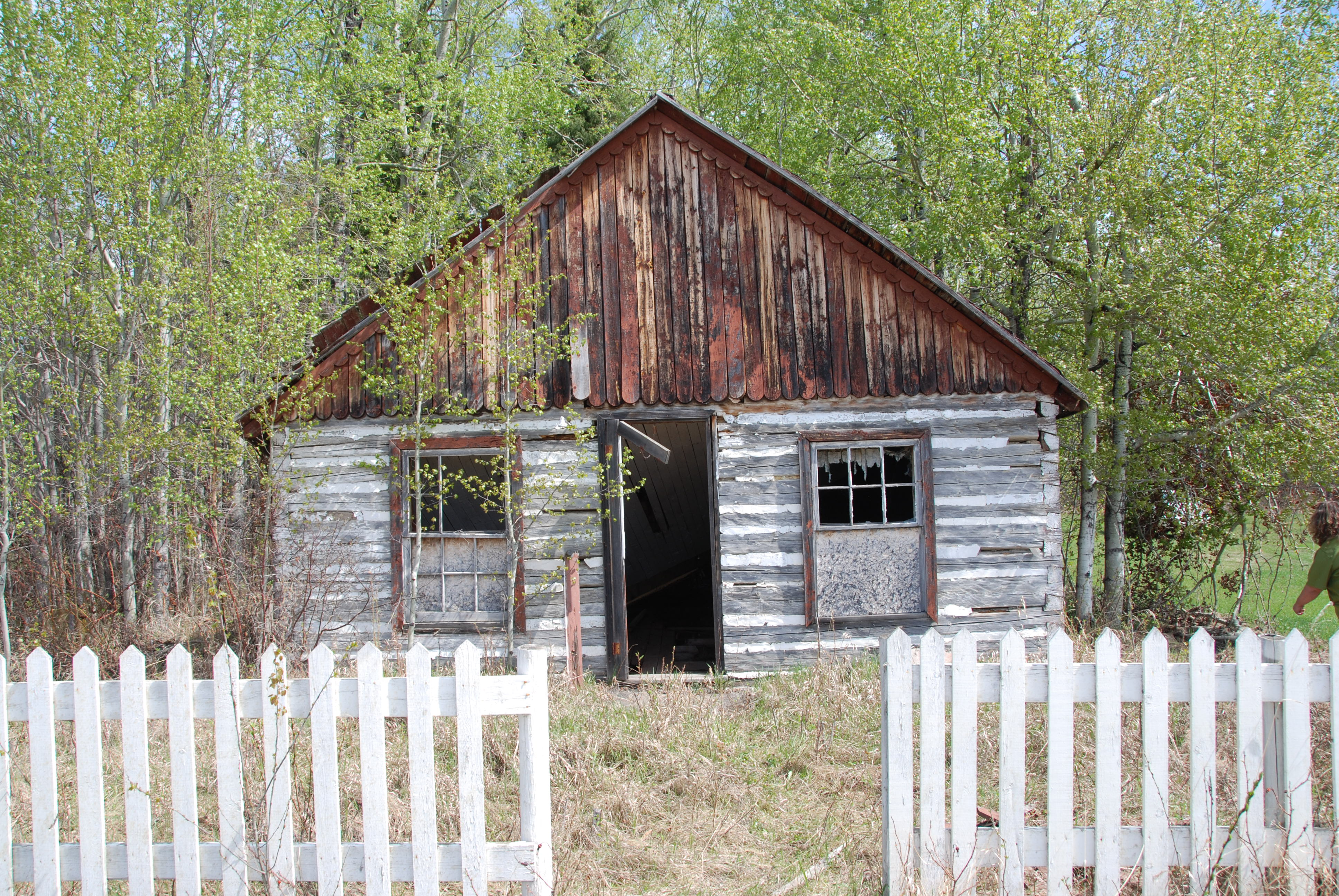
St. Leon Le Grande church in the Hamlet of Calling Lake

The Municipal District of Opportunity is a large rural municipality located north of the Athabasca River. I don’t get the opportunity chance to travel to north-eastern Alberta very often, so I was excited to visit the Hamlet of Calling Lake in May. I found that yes, there are indeed trees and lakes outside of our Rocky Mountains.

I was in Calling Lake to facilitate a daylong workshop for local volunteers preparing to survey the M.D.’s potential historic resources. The Municipal Heritage Partnership Program granted funds to help the M.D. add a few hundred sites to the Alberta Heritage Survey Program. Like so many municipalities before it, Opportunity will use the information to learn more about some of the potential historic resources within its boundaries.

What’s a survey? Essentially, a community identifies properties over a certain age or ones that appear to have historical or architectural interest. A volunteer from the survey team visits each site, taking photos and noting the design and construction of any buildings or structures. Information collected during the site visit is supplemented through historical or architectural research. The results is recorded on a Site Form (one form per site) and recorded in the Alberta Heritage Survey Program’s database. (You can learn a great deal about the survey program by reading Identifying Historic Places, Part 1–Conducting a Municipal Heritage Survey.)

The survey of the M.D. of Opportunity is quite interesting because it will focus on buildings, structures and trails from the settlement period around the Hamlets of Wabasca, Calling Lake, Red Earth Creek and Sandy Lake. This area has a rich aboriginal and Metis heritage and was an important fur trapping and trading area. It is also the first municipal survey to focus on sites related to aboriginal people.

During the training, we actually went to one of these sites: the St. Leon Le Grande Roman Catholic Church. It was built by the Oblates. Unfortunately the roof collapsed last winter. The survey will allow for it to be recorded for posterity—and perhaps provide the information necessary to designate it as a Municipal Historic Resource and to rehabilitate it in the near future.

Stay tuned, I will keep you updated on this project as it develops.

Written by: Michael Thome, Municipal Heritage Services Officer
All Aboard for an Alberta Architecture Adventure!

The Society for the Study of Architecture in Canada held its 39th Annual Conference in Edmonton

Opening reception at Edmonton’s City Hall

From May 29 through June 1 delegates from across the country (and a few from the United States and Europe) were treated to presentations, discussions and tours addressing a variety of aspects of Canadian architectural history. The conference kick-off was hosted at Edmonton’s city hall, and featured a talk and tour by the building’s architect, Gene Dub. Not surprisingly, he had many interesting anecdotes and insights to relate—including the memorable connection between the building and the Edmonton Sun newspaper’s 3rd page Sunshine Girls!

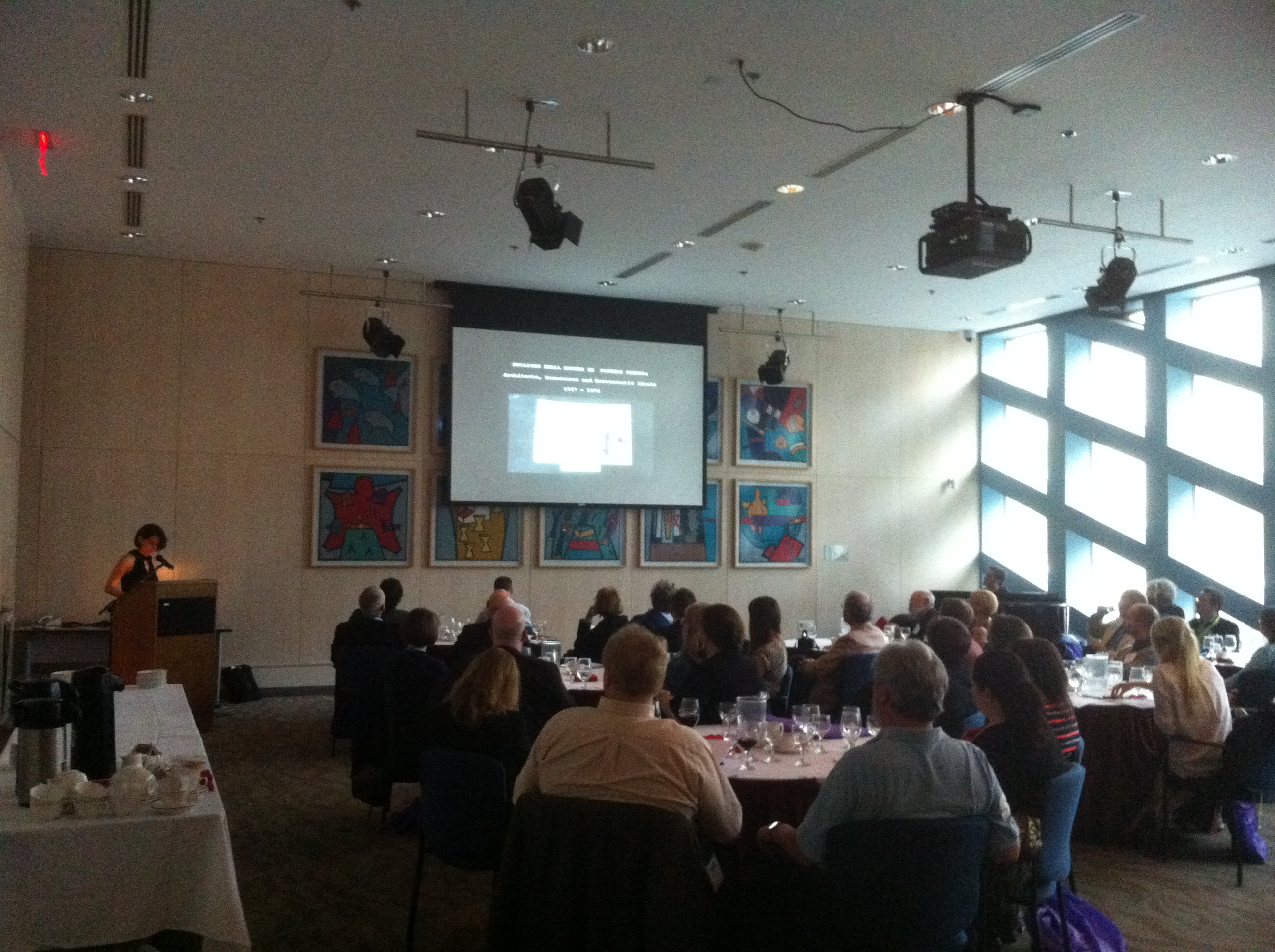
Three full days of events followed. There were 10 session featuring over 40 speakers. To fit them all in, there were always two sessions on the go. How to choose? Would you rather learn about how cities are transformed by renewal, or what trends are influencing how architecture is taught in Canada? Are you more interested in the future of historic churches, or the place of Arthur Erickson in Canada’s architectural history? Those interested in a lively Pecha Kucha format discussion of the role of government programs in the conservation and commemoration of the built environment had to forego a panel discussion entitled “Architecture and the Canadian Fabric.” For students and professionals in the architectural history field, these are difficult decisions!

Jennifer Kirchner, Planner with the City of Lacombe, showed us around main street.

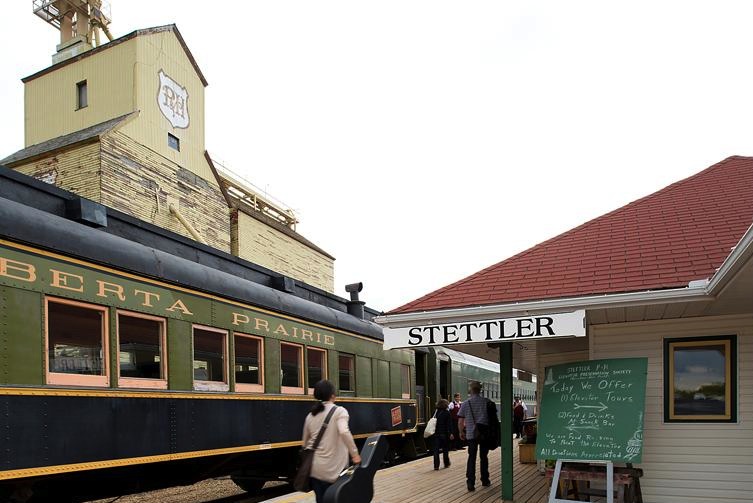
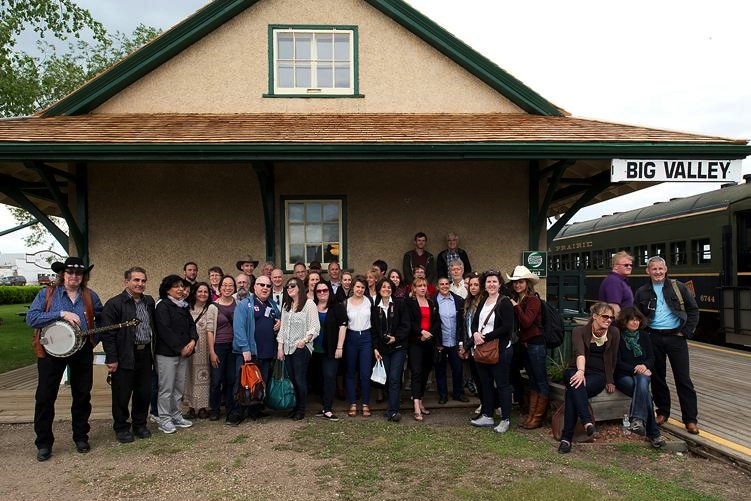
Of course, delegates also found time to socialize, make connections and catch up on all the latest work being done in the field. No conference is complete without receptions and a night on the town! The grand finale of the conference was an all-day bus tour of historic buildings and communities in central Alberta. The day was bright and sunny as the bus set off from Edmonton. First stop was the 1907 Wetaskiwin Court House, which was converted to serve as the city hall in 2006. Next on the route was Lacombe, where Roland Michener House and the Flat Iron Building are just two of the Provincial Historic Resources the delegates visited in the city’s historic main street area. After an excellent lunch, the group continued on to Stettler and boarded the Alberta Prairie Railway Excursion’s train for Big Valley.

SSAC members departing Stettler by train.
departing Stettler on a train

The Canadian National Railways Steam Locomotive 6060—also a Provincial Historic Resource—was in the shop, but the historic train cars were a great way to set the scene. Stepping off the train at the 1912 Canadian Northern Railway Station in Big Valley was like stepping back in time. This impression was reinforced by the Alberta Wheat Pool Grain Elevator which, though it was built in 1960, is of a type that changed little since the early 1900s. On the hill overlooking the town is the well-known “Blue Church”, St. Edmund’s Anglican.

Rowley's Grain Elevator Row.
Rowley Grain Elevator Row

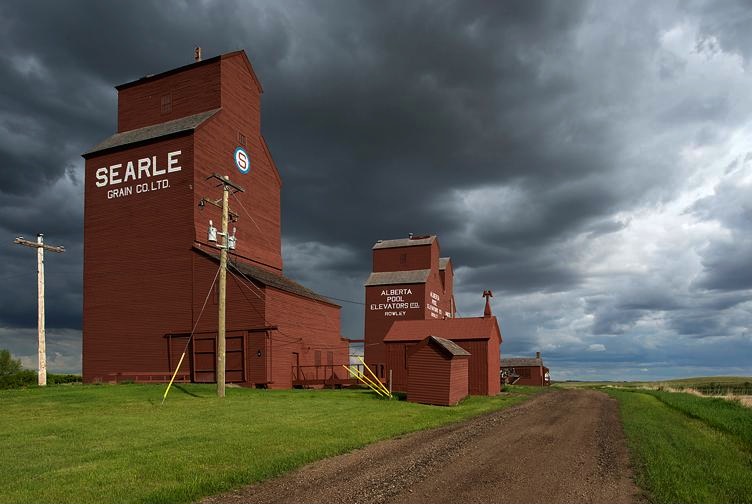
The final stop on the tour was Rowley, where the spectacular Rowley Grain Elevator Row symbolizes Alberta’s agricultural heritage. After a barbeque, a wander around town, and musical entertainment by Robin Woywitka and the Super 92, it was back on the bus and heading for home. The on-board movie was “Bye Bye Blues.” Watch it if you get a chance—it was filmed on location in Rowley! By the time the bus dropped us off in Edmonton, it was after midnight. Some went directly to their Whyte Avenue hotel, but on Whyte the night was just getting started, so doubtless others continued their Alberta adventures into the wee small hours!

I’d like to thank the people and organizations who contributed to the success of the SSAC 2013 Edmonton conference. It’s impossible to name them all, but special thanks go out to:

delegates pose in front of the Big Valley station.

I look forward to seeing you all next year.

Written by: Dorothy Field, Heritage Survey Program Coordinator

Paint Analysis for Historic Buildings

Hey, that’s a neat old building. I wonder what it looked like new?”

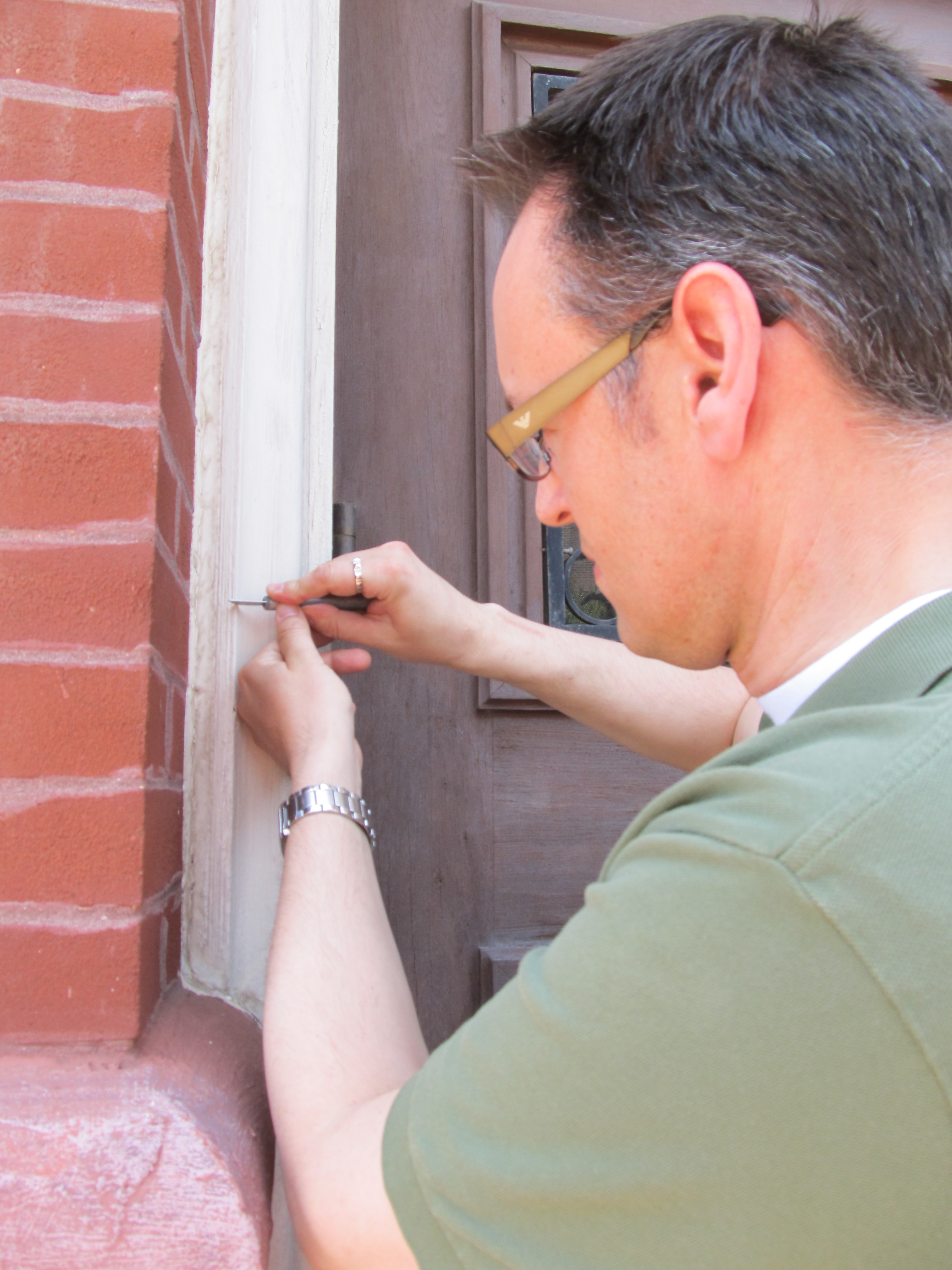
Gathering paint samples for analysis
Gathering samples for analysis

I recently had the good fortune of attending a course at the National Center for Preservation Technology and Training in Natchitoches, Louisiana on paint analysis for historic buildings. The Town of Natchitoches is in northern Louisiana and is situated around historic cotton plantations. The movie “Steel Magnolias” was filmed in Natchitoches during the late 1980’s.

The course, Paint Analysis for Historic Buildings, was taught by David Arbogast. Mr. Arbogast is a renowned architectural conservator and paint specialist from Davenport, Iowa. During three intensive days we learned a great deal about the history of applied finishes (paints, stains, and clear coatings), architectural paint chemistry, the proper technique to restore deteriorated window mechanisms, how to collect field samples and analyze them in a laboratory and how to write up the findings.

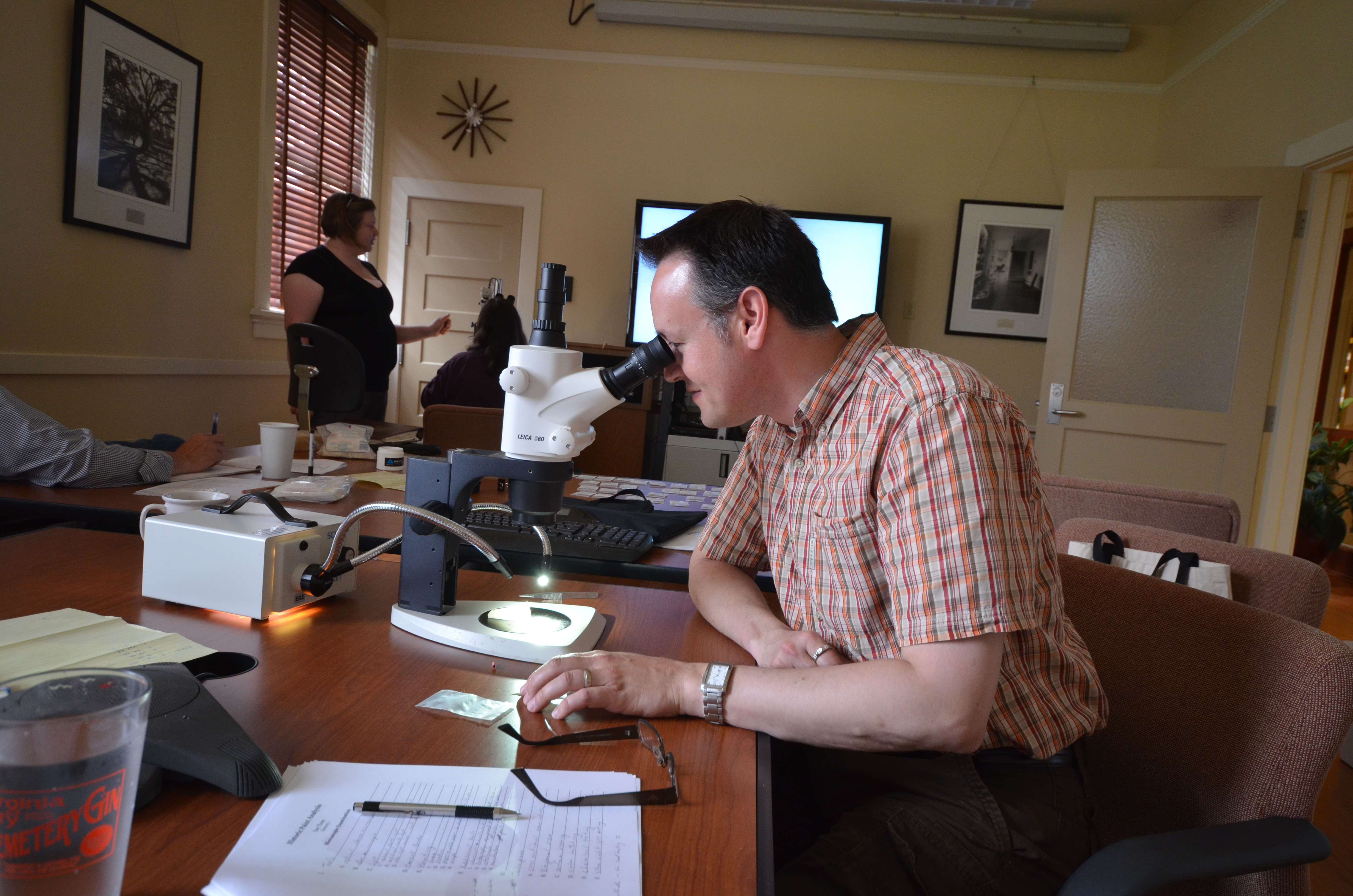
Analyzing a paint sample to identify the paint layers and colours
Analyzing a sample to identify layers  and colours

During the second day, we collected 43 paint samples from the nearby Old Courthouse Museum. Most of our samples were smaller than the diameter of a pencil—more than enough for laboratory analysis. Using an optical stereo microscope, we examined each one. From these tiny specimens we were able to determine the number of layers of coatings applied to a particular area, and the colour of each layer. Observing the microscopic lines of atmospheric deposits (mostly soot and dirt) we established how frequently the building was painted. We documented each colour identified according to the Munsell System of Colour, a standardised colour palette book that does not change with time and fashion. It was amazing to see that such tiny samples could offer so much information about how a building evolved over its life.

It was a very intensive three days, but what I learned will be invaluable to my work as an architectural conservator or to anyone interested in knowing the evolution of coatings and colours used on their historic building.

Written by: Jim Nakonechny, Senior Restoration Officer

Help us put on a great forum!

Strathcona Branch, Edomonton Public Library

The 7th annual municipal heritage forum is coming up fast. We strive to present relevant and useful information for the municipalities we work with. Here in Old St. Stephen’s College, Matthew and I are busy planning two intensive, information-filled days.

The forum is the Municipal Heritage Partnership Program’s signature event. Many past participants have used what they’ve learned to improve their own municipal heritage conservation programs. We hope to build on that success.

We were wondering if you could help us? We’d like to hear a little about what you hope to learn at this year’s forum. Please take a few minutes to participate in our online survey. The information you provide will help us organise the best forum yet.

Take Our Survey.

Written by: Michael Thome, Municipal Heritage Services Officer
Alberta and the coronation of Queen Elizabeth II

Queen Elizabeth II in coronation robes
Queen Elizabeth II in coronation robes. © Cecil Beaton, 1953.

Last Sunday (June 2nd) was the 60th anniversary of  Queen Elizabeth II’s coronation. She had been Queen for over a year at the time. (She ascended to the throne upon the death of King George VI, her father, in February 1952.) The timing allowed for a period of mourning for the late King and to organise the pomp and ceremony of a coronation.

Canada marked the occasion by naming a large mountain range in Jasper National Park for our new Queen. Many places names in Canada have been inspired by members of the Royal family. To learn more about this you could revisit our post on the Royal Jubilee, Queen Elizabeth II and Place Names.

Written by: Ron Kelland, Historic Places Research Officer and Geographical Names Program Coordinator.