
Layers of History in Edworthy Park: The University of Calgary’s 2025 Field School and Public Archaeology Program

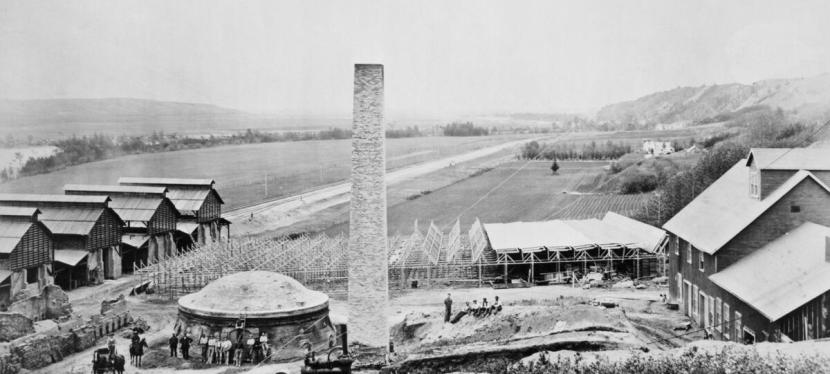
Editor’s note: The banner image above is the Calgary Pressed Brick and Sandstone Company plant, Brickburn, Alberta (ca. 1916-1920 [CU1136164] by unknown). Image courtesy of Glenbow Library and Archives Collection, Libraries and Cultural Resources Digital Collections, University of Calgary.

Written by: Sam Judson and Lindsay Amundsen-Meyer, Department of Anthropology and Archaeology, University of Calgary  

To most Calgarians, Edworthy Park is nothing more than a city park with a large and popular off-leash area for dogs, rocky ‘beaches’ along the Bow River and meandering biking and walking trails that folks enjoy throughout the year. What most users of the park do not realize is that Edworthy Park has a remarkable history: numerous pre-contact Indigenous archaeological sites within the park; the presence of a Métis winter camp in the late 19th century; the eventual establishment of one of the Calgary area’s earliest homesteads by Thomas Edworthy; and Edworthy’s operation of a sandstone quarry on the land in the early 20th century. There was even a 20th century brick factory within the park and its associated village (Brickburn) to the west. As you’ll learn, the students and staff of the University of Calgary archaeology field school and Public Archaeology Program discovered these many layers of history are present across much more of Edworthy Park than previously known.
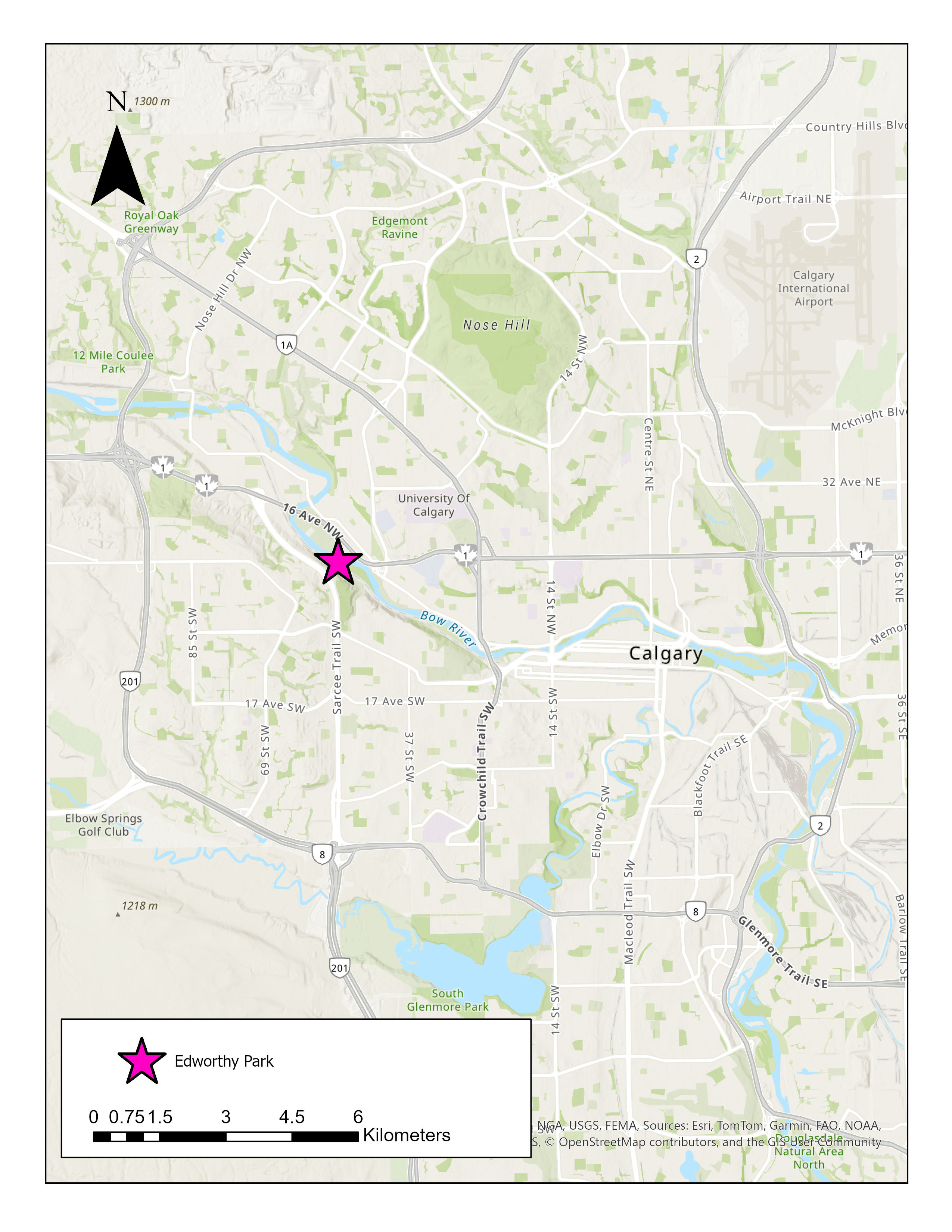
Location of Edworthy Park, within the City of Calgary. Source: Lindsay Amundsen-Meyer.
Read more

Public archaeology in Nose Hill Park

Written by: Sam Judson and Lindsay Amundsen-Meyer, Department of Anthropology and Archaeology, University of Calgary.

Calgary was incorporated as a Canadian city in 1884 and, since then, has grown to be a city of more than 1.5 million people. Although the City of Calgary is less than 150 years old, people have lived in this area, called this place home, and taken care of these lands for thousands of years. This long history is told through the numerous archaeological sites within and beyond Calgary’s city limits. Examples such as the Hawkwood site, Everblue Springs site and Mona Lisa Site demonstrate that this part of Alberta has been inhabited for approximately 8,000 years.

Nose Hill is a testament to Alberta’s long-standing Indigenous history. More than 40 recorded Precontact Indigenous archaeological sites are known within this City of Calgary park space, most first recorded by archaeologists in 1978 ahead of the creation of the park. The majority of these are camp sites made up of one or many stone circles, but kill sites and lithic scatters are also present. Not only was Nose Hill utilized frequently by Indigenous groups before contact, but it was also extensively used by citizens in the early days of Calgary’s existence as a settler municipality. Animals grazed on Nose Hill, northern areas of the hill were cultivated for crops, and a gravel pit was active on Nose Hill for several years. Despite these modern activities, Nose Hill Park remains one of the largest undisturbed grasslands in the Calgary area. As a result, the archaeological sites of Nose Hill are remarkably well preserved and tell a story of thousands of years of human occupation and connection with this prominent landform.

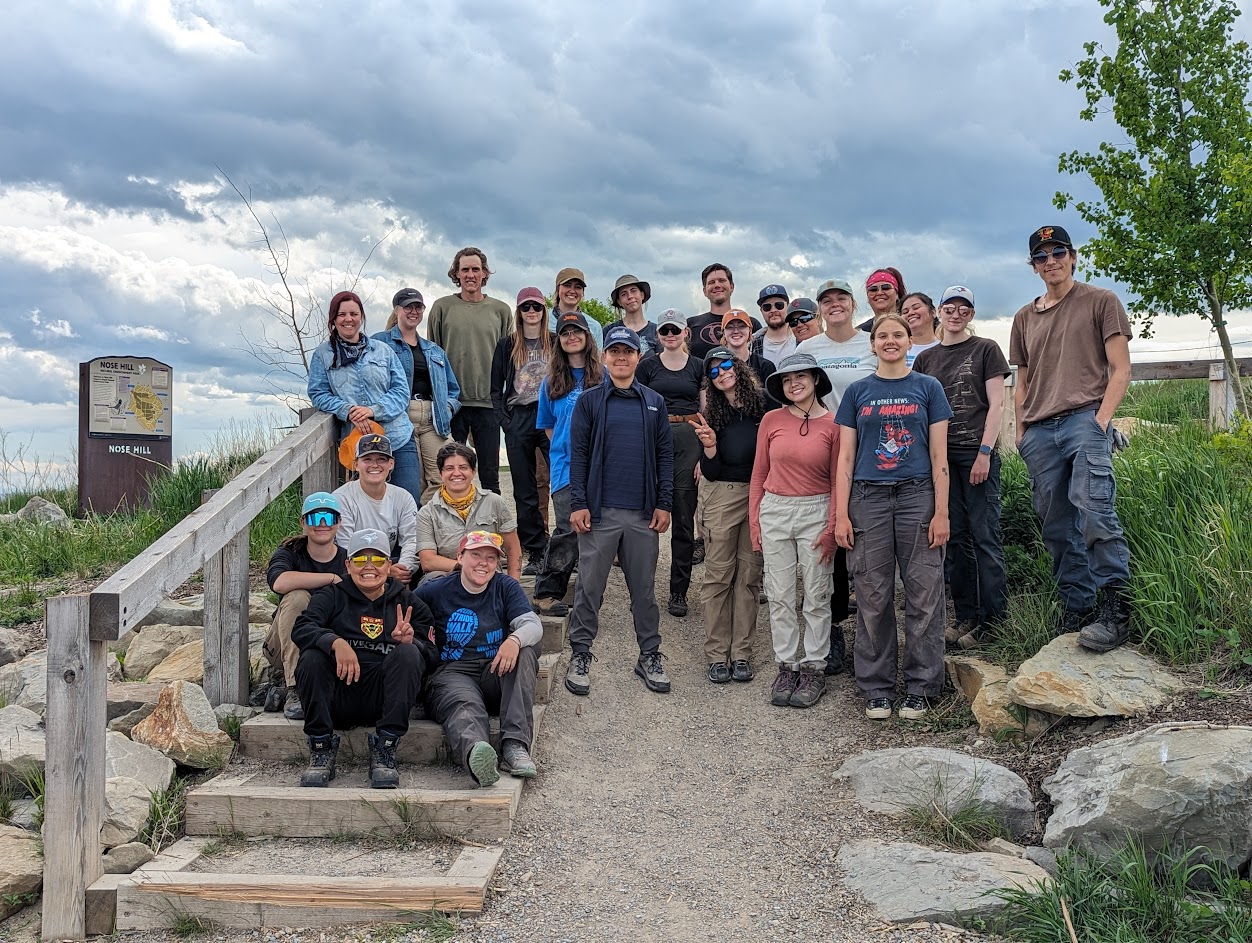
University of Calgary Staff and Students at Nose Hill Park, Calgary. Source: Lindsay Amundsen-Meyer.
Read more