One building, three stores: building recycling at Pakan

Written by: Suzanna Wagner, Program Coordinator, Victoria Settlement and Fort George & Buckingham House

The Hudson’s Bay Company kept a close eye out for anywhere their business might flourish. So, in 1864, when it came to their attention that large groups of people were gathering at the McDougall Methodist Mission on the banks of the North Saskatchewan River (south of the present-day town of Smoky Lake), setting up a fur trade fort next door was an enticing prospect. Rather than reprise the “Fort White Earth” name of the HBC fort that had operated in the vicinity at the turn of the century, they chose to call the place “Victoria Post.” Victoria was the same name as the mission, and it was a “post” because it wasn’t large enough to merit being called a fort. Despite the technicalities, most people call it Fort Victoria.

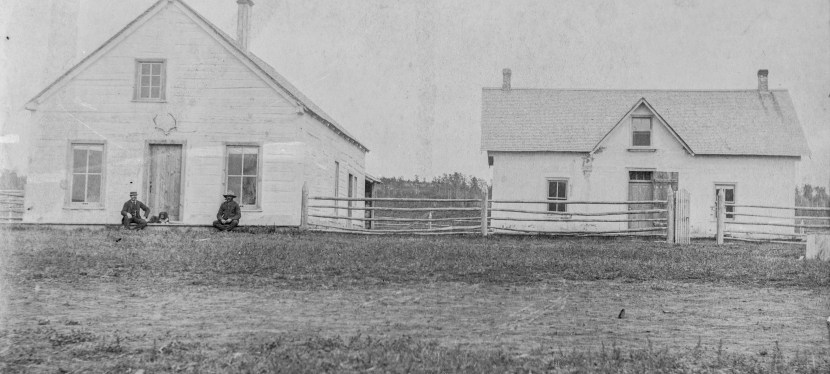
By 1874, the fort contained the Clerk’s Quarters (still at Victoria Settlement Provincial Historic Site today), a warehouse, a house for other fort employees, a blacksmith shop, a stable, a dairy, a palisade, and of particular interest, the trade store. The trade store was built by local men Sam Whitford and Joe Turner, likely between 1866 and 1867. The humble post-in-sill built trade store went through almost as many changes as did the community which surrounded it, and unique within the history of Victoria Settlement, a series of photographs have shed light on many of the changes this building underwent.
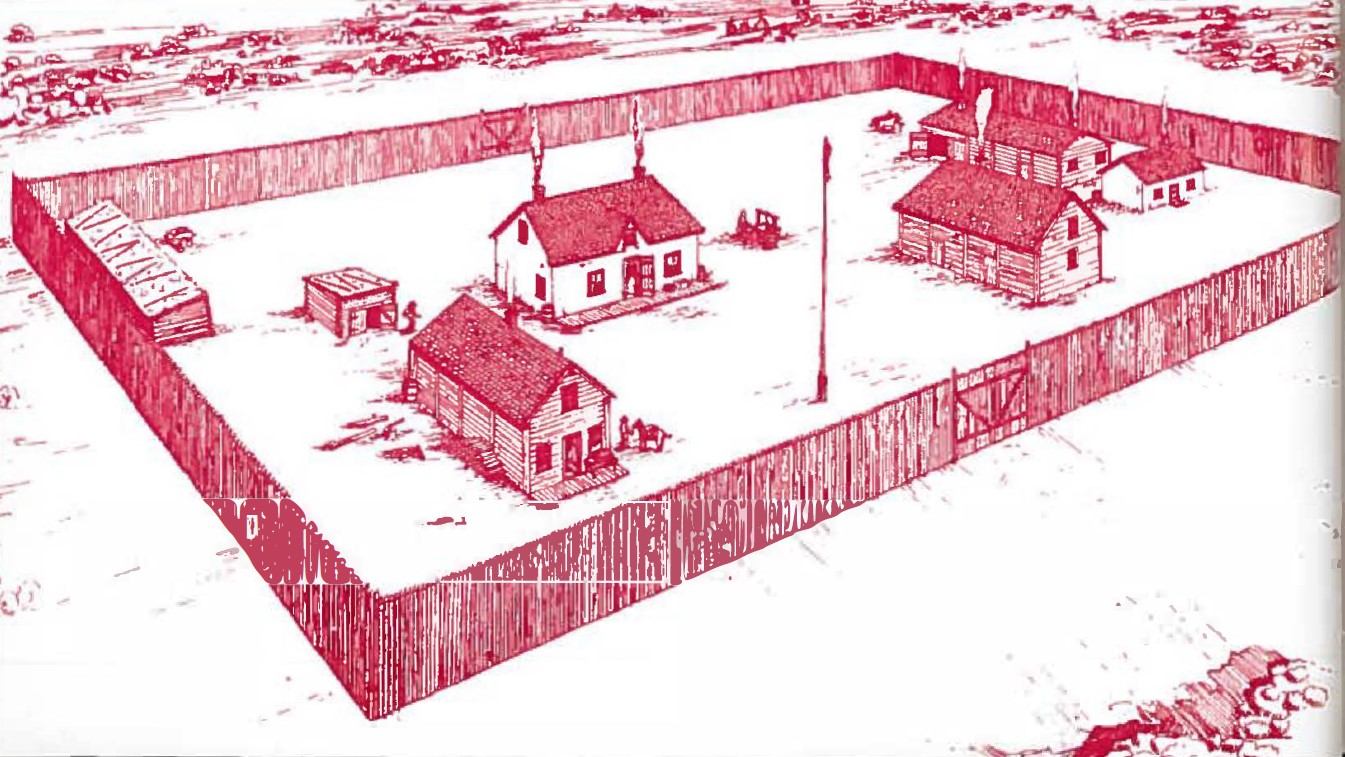
Artist’s conception of Fort Victoria, based on Richard Hardisty’s 1874 scale map. Source: Government of Alberta, 1971.
Read more

Far away and close to home: An Alberta historian travels to Orkney

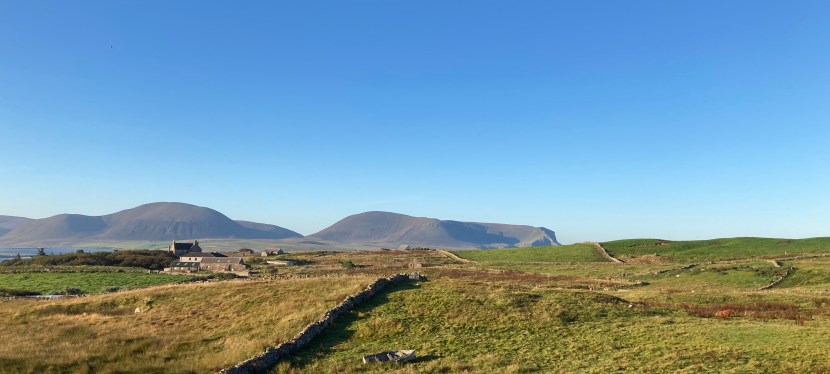
Editor’s note: All images in this post were taken by Suzanna Wagner. The image above is of a view across the Stromness Harbour, Orkney.

Written by: Suzanna Wagner, Program Coordinator, Victoria Settlement and Fort George & Buckingham House

Have you ever travelled vast distances only to find pieces of home?

Intent on exploring new vistas, seeing the ocean, and walking through Neolithic sites, this Canadian historian jetted off to Orkney, Scotland for a vacation. Orkney and Canada share a strong historic connection since the Hudson’s Bay Company hired a great many of their labourers from Orkney. Working with fur trade history made me aware of this, but the only concession my trip plan made to the Orkney-Canada connection was an as-of-yet unread copy of Patricia McCormack’s paper, “Lost Women: Native Wives in Orkney and Lewis” tucked into my suitcase.

After three flights, I arrived bleary-eyed on the largest island of this archipelago north of the Scottish mainland, feeling as though I had travelled to a rather remote part of the world. I couldn’t have been more wrong. Orkney may feel isolated today, but when the Atlantic was bridged with boats instead of planes flying out of densely populated southern urban centres, Orkney was much more central.

Maps of the world on display in Orkney did not have the equator as the centre of the image. Rather, they tilted the globe northward, bringing into focus areas of the northern Atlantic which usually shrink into obscurity- including Orkney itself. By changing the angle from which I considered the globe, I was able to see connections that had never before been made clear to me. One of those connections bridged the wide watery expanse between Orkney and western Canada.

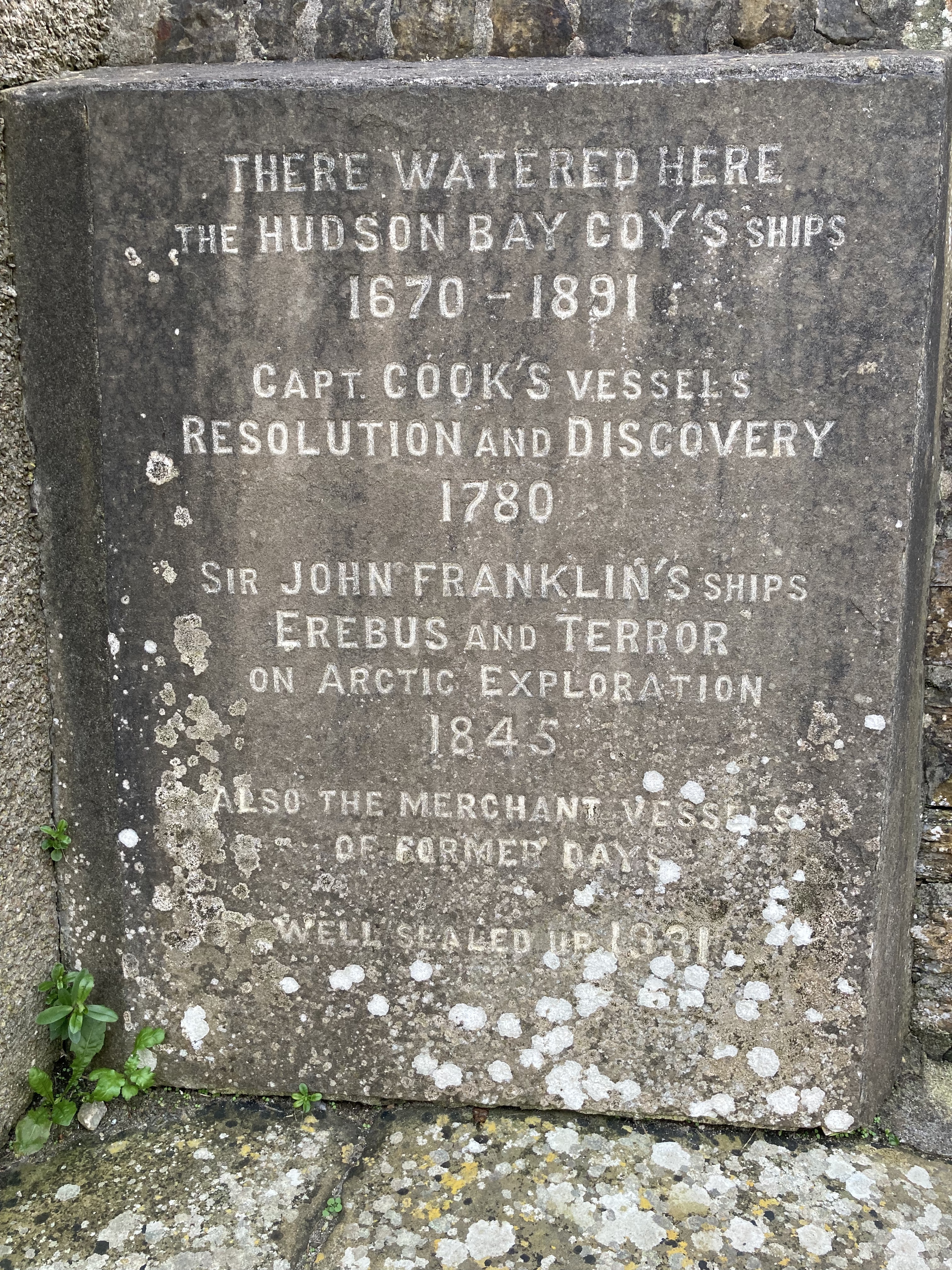
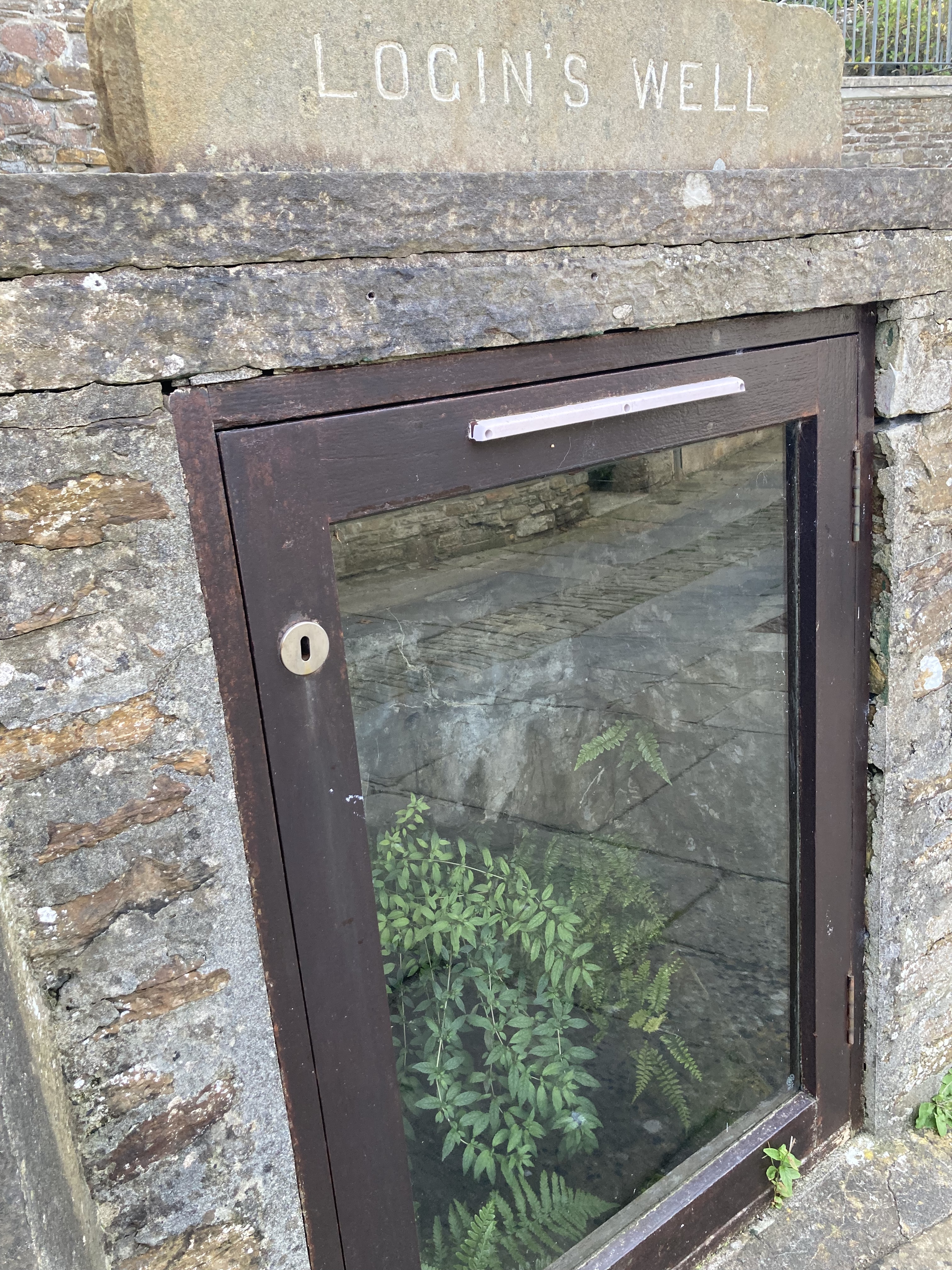
Orkney’s northerly latitude made it a geographically convenient place for the Hudson’s Bay Company (HBC). The oceanic entrance to the Hudson Bay is substantially further north than the mouth of the St. Lawrence seaway, which means that starting the journey from Orkney makes far more sense than leaving from a “more central” port in southern England. Hudson Bay-bound ships “called in” (made a stop at) at the Stromness harbour on the western edge of Orkney as their last landing place before braving the Atlantic crossing. Once in this harbour, they visited Login’s Well (pronounced “Logan’s”) to fill their all-important supplies of drinking water.

But it wasn’t just Orkney’s fresh water the HBC wanted. Orkney’s men were also in high demand.

Read more