
Métis Week 2023

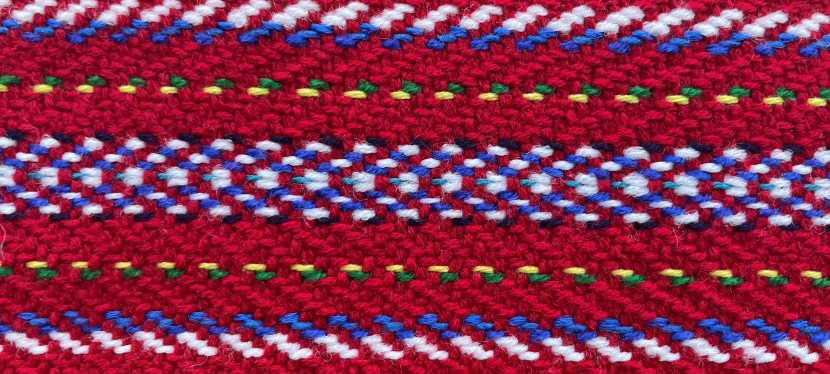
Editor’s note: Banner image of a Métis sash courtesy of Laura Golebiowski.

Written by: Laura Golebiowski, Indigenous Consultation Advisor

On November 16, 1885, Métis leader and Manitoba founder the Right Honourable Louis Riel was executed in Saskatchewan, after he was charged with six counts of high treason. Now, annually, Albertans are invited to mark the sombre anniversary of Riel’s death and recognize the broader histories, sacrifices and accomplishments of the Métis Peoples. This year, Métis Week takes place November 12 – 18, 2023.
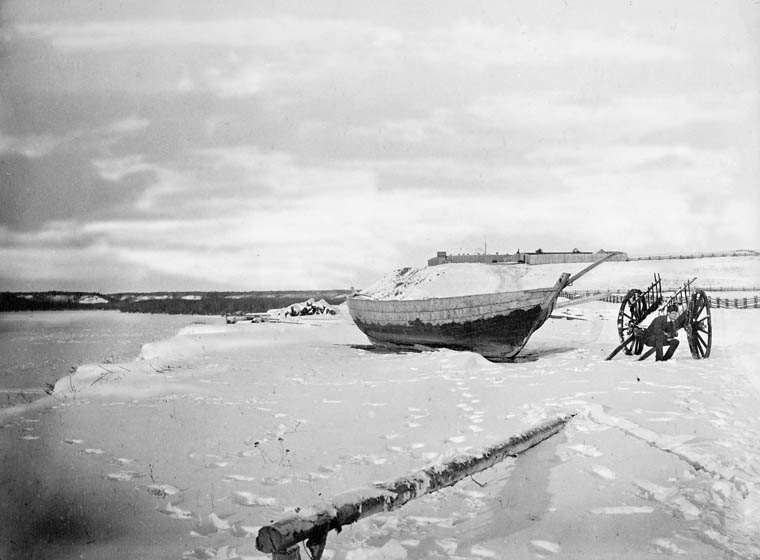
Canadian Pacific Railway Survey. Fort Edmonton, from point below the Wesleyan Mission, December 1871. The York boat and red river cart, both pictured, are important historical contributions and symbols of Métis material culture. Source: Charles Horetzky/Library and Archives Canada/e011183607-v8.

Youth, educators and the general public are encouraged to further their learning through Rupertsland Centre for Teaching and Learning resources, which include live online events most days of Métis Week. The live program includes jigging, red river cart stories and Michif language learning—in addition to the interactive resources, printables and videos accessible year-round.

The St. Albert-Sturgeon County Métis Local and the City of St. Albert will be holding a flag raising and proclamation ceremony on November 16 at 2:00pm at St. Albert place. On November 13, Métis Week opening ceremony activities will take place at Calgary City Hall all morning and early afternoon.

Visit the Métis Nation of Alberta or the Métis Settlements General Council (did you know that the eight Alberta Métis Settlements are the only collectively-held Métis land base in Canada?) websites to learn more about Métis heritage, contemporary initiatives and cultural events held throughout the year.

If your community has a Métis Week 2023 event you’d like us to know about, please leave a comment with the details.
Intersections and Intertwinings: Understanding the Métis Sash

Written by: Laura Golebiowski, Indigenous Heritage Section

Editor’s note: November 14-20 is Métis Week, the annual invitation to remember the leadership, advocacy, sacrifice and legacy of Louis Riel, and to celebrate the continued achievements of Métis peoples across their homelands.

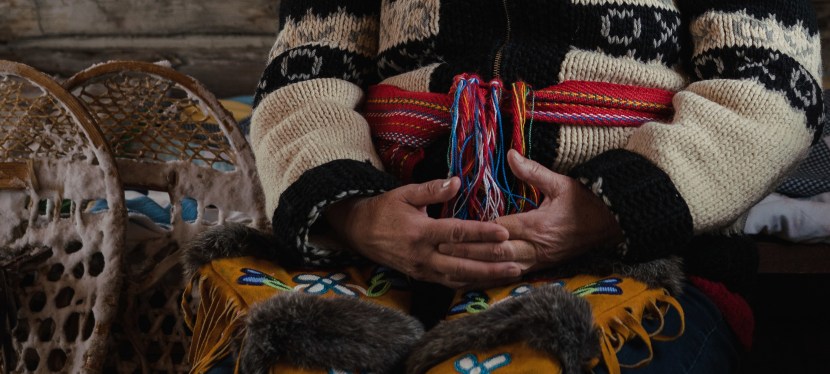
RETROactive readers will already be familiar with Matt Hiltermann for his extensively researched accounts of the Métis presence in southern Alberta. Did you know he is also a skilled fingerweaver and sashmaker? With Matt’s help, writer Laura Golebiowski dives into the historical roots and evolving cultural significance of the Métis sash. Note: banner image above courtesy of Travel Alberta.

Métis public historian Matt Hiltermann is the first to note the origins of the Métis sash are convoluted and obscure. Though several cultures produced woven textiles, the sash’s beginnings are understood to lie with the traditional weaving practices of eastern woodland First Nations, combined—quite literally—with woolen goods introduced by early French visitors. The coming together of these two cultures and crafts produced a unique item truly of its time and place. “It couldn’t have happened any other way or anywhere else.”

With practical beginnings, the sash likely served numerous functions, including a rope, tumpline (a carrying strap worn across the head), pocket, tourniquet, emergency sewing kit or belt. The earliest designs were that of the double-chevron or arrowhead. The Assomption sash, or ceinture fléchée (“arrow belt”), proliferated with the fur trade and made its way to west. Varying colours and designs were used to signify rank, status and trading allegiances or employment.

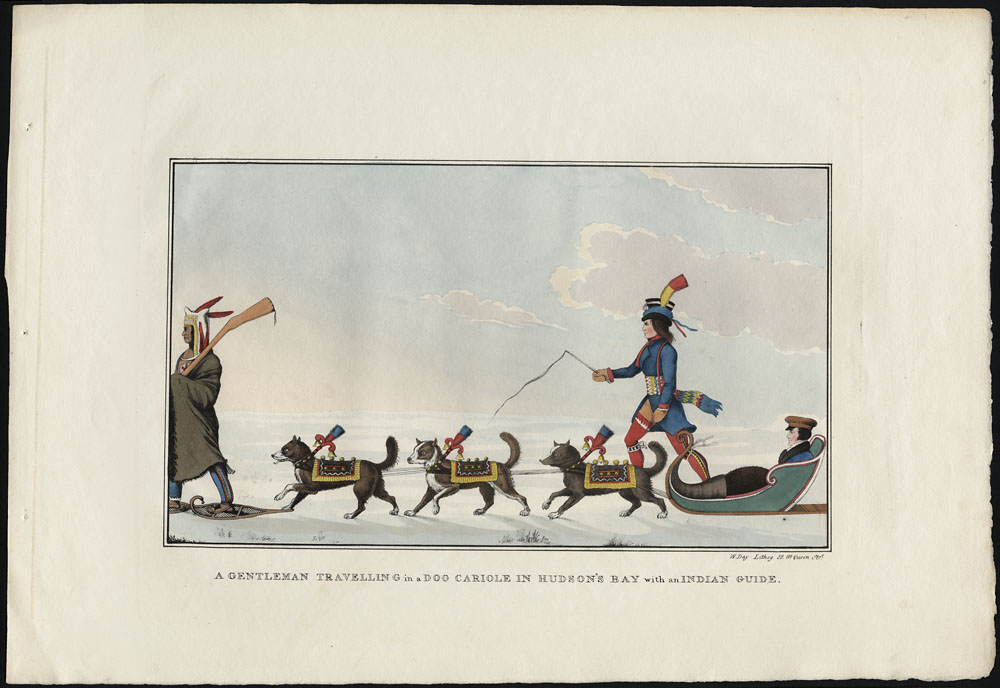
“A gentleman travelling in a dog cariole in Hudson’s Bay with an Indian guide,” 1825. Source: Library and Archives Canada, Acc. No. R9266-1052.2 Peter Winkworth Collection of Canadiana. Although not explicitly identified as such (typical of exclusionary practices of the time), the middle individual driving the cariole and wearing a traditional capote, leggings and sash is very likely Métis.
Read more

Métis Week: November 13 – 18

riel-1
Excerpt from Chester Brown’s Louis Riel: A Comic Strip Biography (Drawn & Quarterly, Montreal, 2003)

November 13 – 18 marks the annual Métis Week celebrations. Each year, the Métis Nation of Alberta hosts events around the province to commemorate not only Riel’s uniquely complicated and heroic legacy, but the outstanding contributions of Métis people to Canada. November 16, the date Riel was executed, will be an especially significant remembrance.

When it comes to defining legacies of the women and men who helped shape Canada into what it is today, few people are as complicated as Louis Riel. The Métis founder of Manitoba and twice-elected Member of Parliament is at the same time revered and scorned; the vanguard of Métis resistance against the federal government is a hero and a traitor, depending who you ask. To this day, over 130 years after he was hanged for treason in Regina, Saskatchewan, Riel is to some still a controversial and polarizing man. But for many, especially Canada’s Métis population, Riel is a man to celebrate and to honour. Read more