What Municipalities Should Know About Aboriginal Heritage

Resources of significance to Aboriginal peoples are located throughout Alberta. Sometimes these will be places of important traditional use as well as places of great spiritual value. Municipal staff and officials, however, are often not highly aware of what they can do to better understand the many dimensions of Aboriginal heritage.
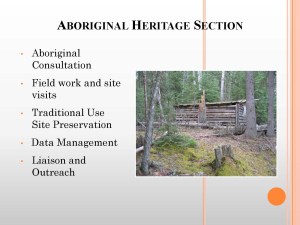
What Municipalities Should Know About Aboriginal HeritageAt this year’s Municipal Heritage Forum, Valerie K. Knaga, Acting Director of the Aboriginal Heritage Section, provided an informative introduction to this important work. Many connections were made as municipal stakeholders asked questions and networked with Valerie and Blair First Rider, another staff member of the Aboriginal Heritage Section.

The Aboriginal Heritage Section, which is part of Alberta Culture’s Historic Resources Management Branch, has knowledgeable staff – including Valerie and Blair – who are available to assist in building municipal capacity to respond to significant matters of Aboriginal heritage, by:

  • relationship building & facilitation;
  • educational site visits;
  • cultural training; and
  • informational presentations.

2012 marked the first time the Section has been represented at our annual Municipal Heritage Forum and we plan to sustain this important connection in years to come.

Written by: Matthew Francis, Manager of Municipal Heritage Services
How Cultural Landscapes Build Strong Communities

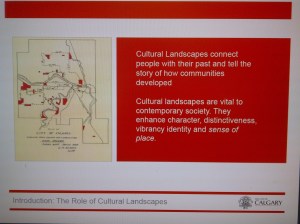
The Morris Schumiatcher room at the Glenbow Museum was standing-room only during Michelle Reid’s dynamic breakout session at the 2012 Place Matters Municipal Heritage Forum. Her topic: “How Cultural Landscapes Build Strong Communities.”

Cultural Landscapes ConnectMichelle is the Conservation Landscape Architect with Calgary Parks, and has provided leadership to award-winning projects such as the restoration of Central Memorial Park and the Reader Rock Garden.

We were honoured that Michelle was available to provide Forum attendees with an inside look at some of the stellar work that the City of Calgary is doing with its urban historic landscapes. Not only did we glean a deeper understanding of the historic legacy of William Roland Reader, Calgary’s first Superintendent of Parks, but we also saw how the cultivation and care of some of these landscapes have had a positive social impact in communities like Bridgeland, the Beltline, and Bowness.

Alberta’s largest city is making a difference when it comes to preserving and celebrating its dynamic public spaces, but Michelle made it clear that this is not only a Calgary or a big city focus. Many attendees from rural municipalities and smaller towns and villages also connected with these places, and saw ways to strengthen their own communities by nurturing their historic landscapes.

Written by: Matthew Francis, Manager of Municipal Heritage Services
Municipalities Show and Tell at the Place Matters Forum

At the 2011 Municipal Heritage Forum we invited a broad range of communities to show and tell about their heritage planning projects. Back by popular demand, this year’s Place Matters Forum, saw three communities showcase their recent projects and achievements.

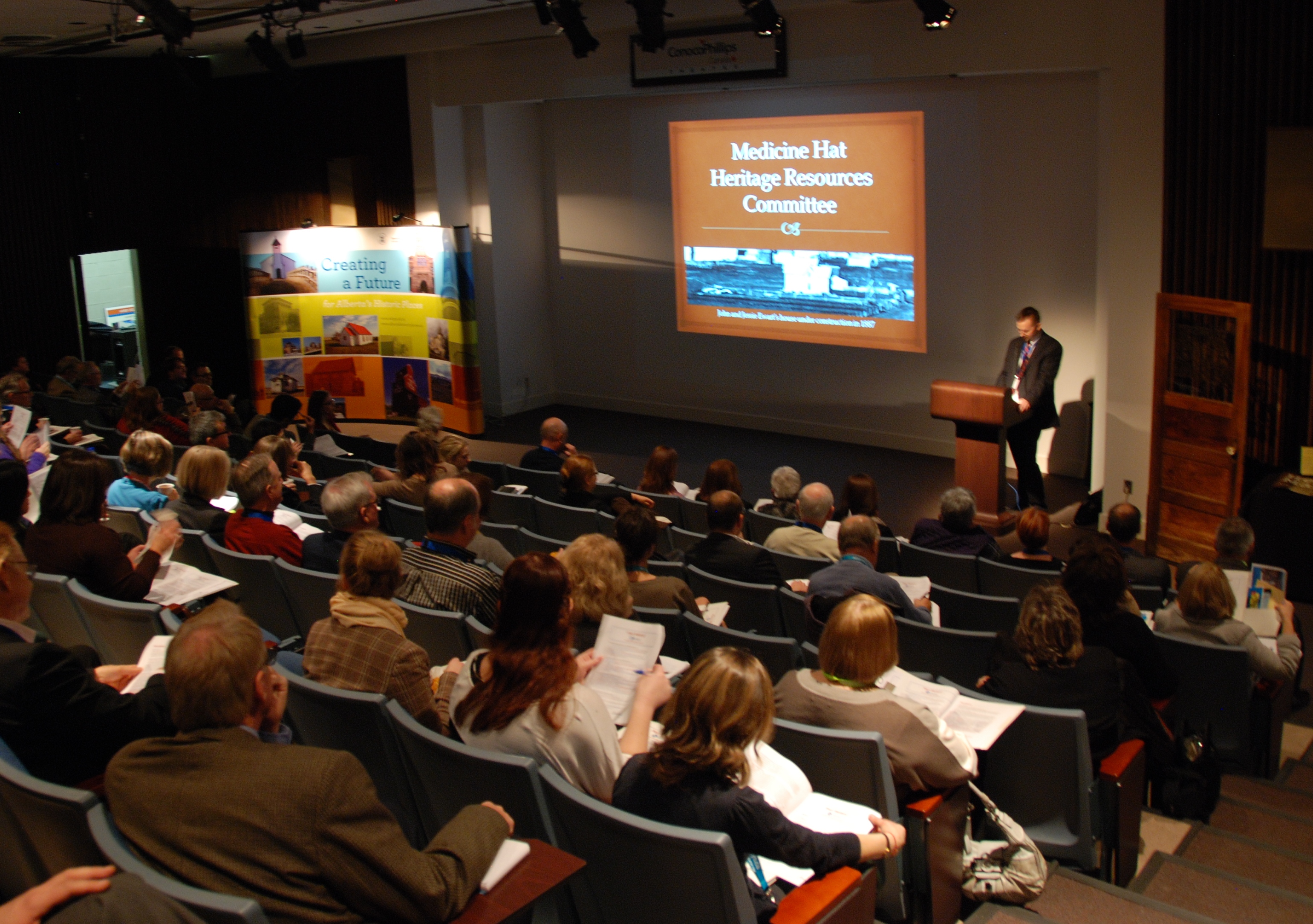
Malcolm Sissons presenting on the recent activities of the City of Medicine Hat Heritage Resources Committee.

Malcolm Sissons, Chair of the City of Medicine Hat’s Heritage Resources Committee, informed Forum attendees about some of the progress made in Medicine Hat since the establishment of the Committee. This has included the designation of new Municipal Historic Resources, heritage awareness activities, and also the possibility of creating a Municipal Historic Area.

Ann Ramsden, Director of the Musée Héritage Museum in St. Albert, described the sensitive rehabilitation of the Little White School, particularly describing how this historic place was adapted for barrier-free access.

Stepping into action on behalf of the CAO of the Village of Holden, Dave Maruszeczka, from the Village of Holden Heritage Resources Committee, spoke eloquently – totally off the cuff – about the diligent heritage planning efforts of the Village, which have now resulted in a complete Municipal Heritage Survey, Inventory, and a nearly complete Heritage Management Plan.

We would like to thank all the community presenters who took the time to “show and tell” at this years Forum – as well as those who were unable to attend. We look forward to even more great community heritage stories from across Alberta at Forum 2013!

Written by: Matthew Francis, Manager of Municipal Heritage Services
Re-Imagining the Urban Landscape & Motivations for Conservation

Forum 2012 Keynote Address

While the weather outside was frightful, the keynote address by Julian Smith at this year’s Municipal Heritage Forum intrigued and delighted a rapt audience of heritage stakeholders from across Alberta.

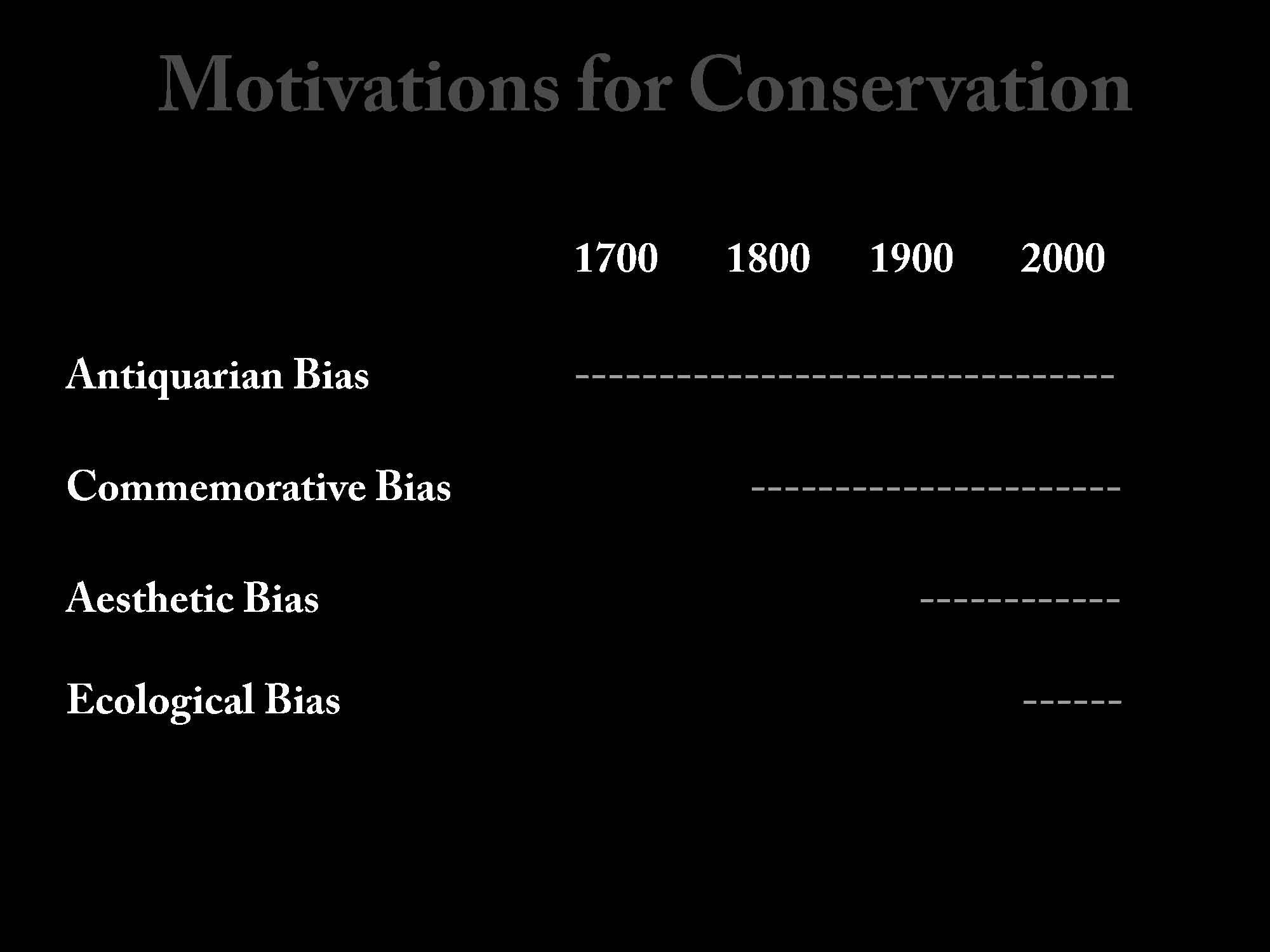
Entitled “Re-Imagining the Historic Urban Landscape,” the presentation examined some of the historical underpinnings (‘biases’)  that have guided heritage conservation, and charted a new trajectory broad enough to include landscapes and the ‘rituals’ by which people live in today’s globalized world. In his opening remarks, Julian described how international eyes are on Canada, and indeed on Alberta, as we launch into new conservation perspectives.

A Diagram composed by Julian Smith describing the historical “biases” that have characterized heritage conservation activities.

This wide-ranging re-imagination spanned the globe as Julian showcased examples and issues from Canada, the United States, Japan, India, and Europe. The newly emerging “ecological” focus not only embraces broader environmental concerns, but also takes into account the relationships between built heritage and its surroundings in a deeper way.

Many Forum participants commented on how Julian’s presentation expanded their horizons, opening up new avenues for consideration and ideas they hadn’t thought of before.

Stay tuned! A copy of Julian’s presentation will soon follow.

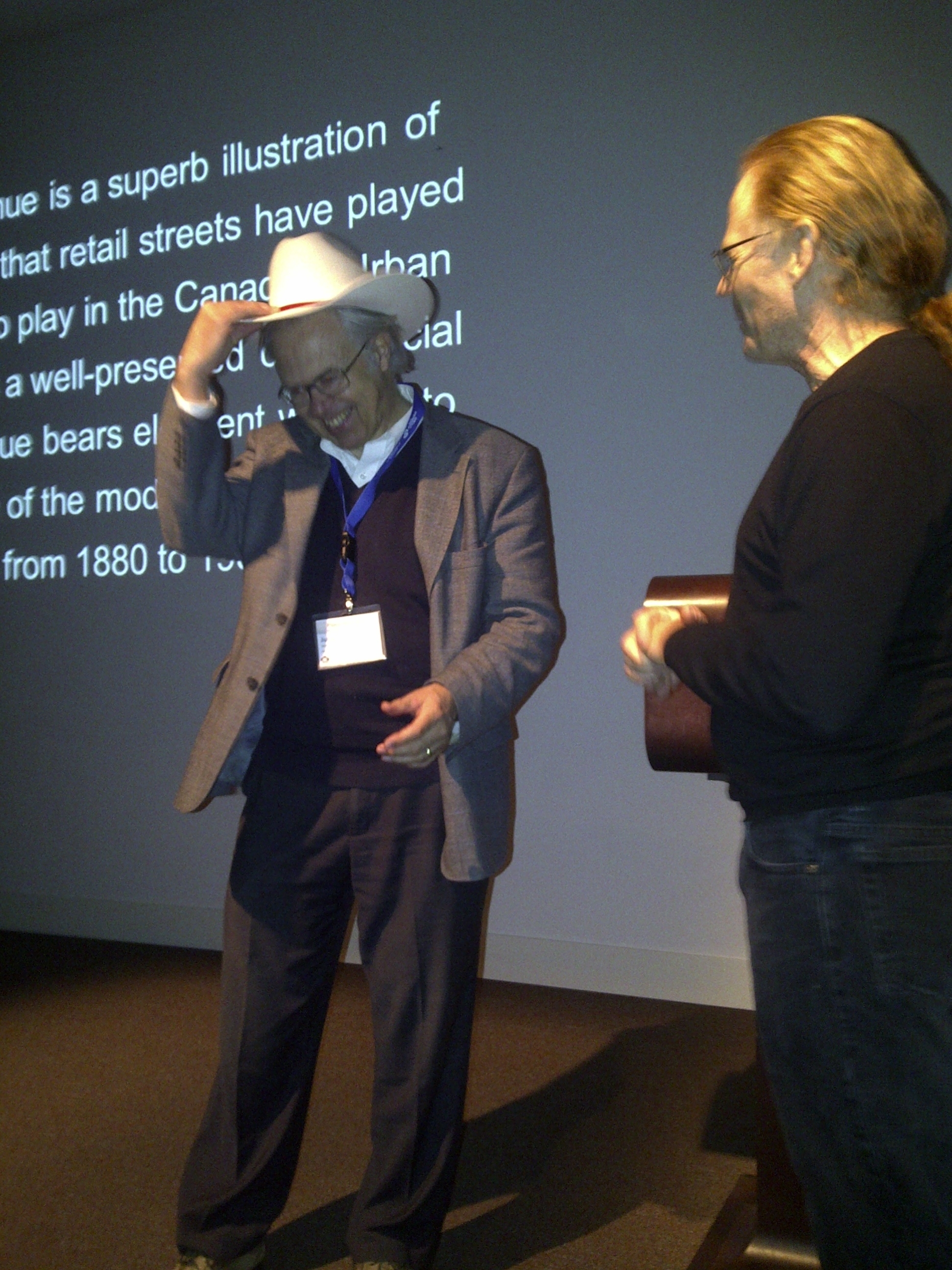
City of Calgary Senior Heritage Planner Darryl Cariou presents Julian Smith with the City’s traditional “White Hat” honour.

Written by: Matthew Francis, Manager of Municipal Heritage Services
The Joy of Plaques

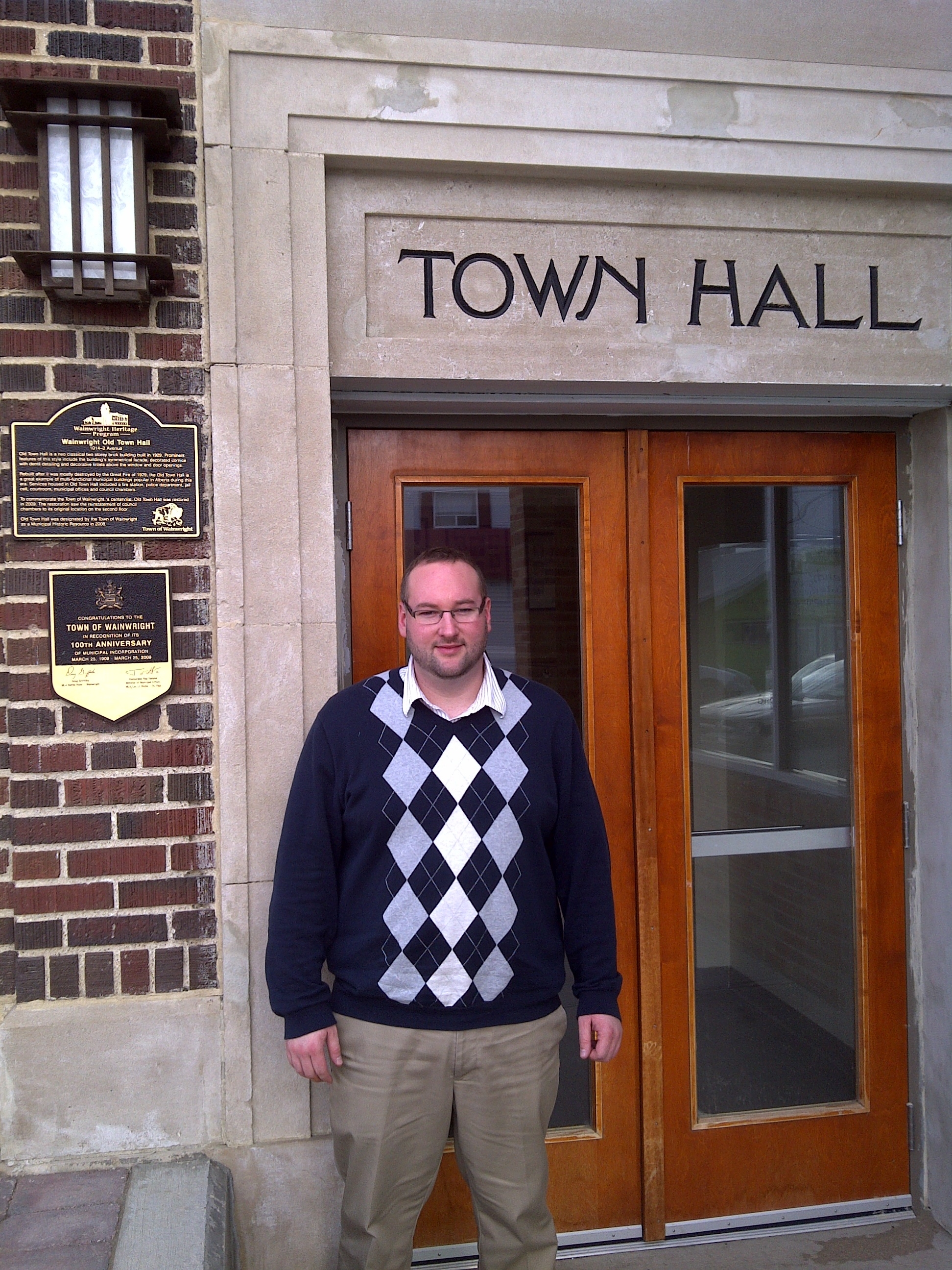
A tried and true way to recognize your locally significant historic places is with a lasting physical acknowledgement of some kind or another. So it is not surprising that for at least 140 years, communities around the world have used plaques, such as English Heritage’s renowned “Blue Plaques, to celebrate the heritage of a place.

Town of Wainwright plaques with Heritage Program Coordinator Scott Flett

Here in Alberta, we have had our own “blue plaques” to mark Provincial Historic Resources.

In addition, a number of municipalities have gotten into the act. Since 1978, the Historical Resources Acthas given local governments in Alberta the power to legally protect significant properties at the local level, through a bylaw of council. These Municipal Historic Resources carry the same level of legal protection as provincially designated properties, but with local heritage values in mind.

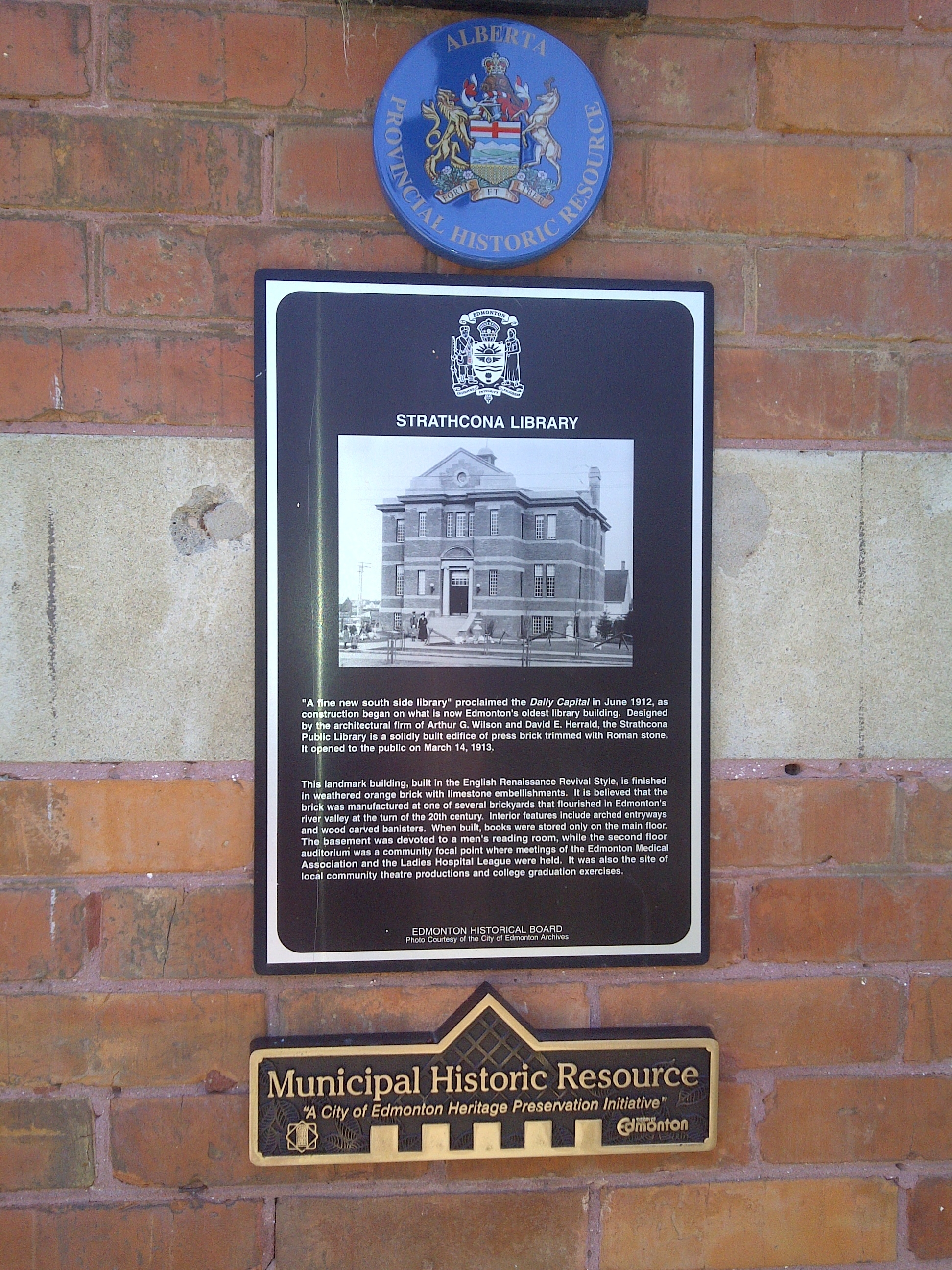
City of Edmonton, Strathcona Library Municipal Historic Resource Plaque

Here on RETROactive, we would like to begin to showcase some of the plaques and plaque programs that have been developed by municipalities around the province. To start with, I’ll just post a few pictures of locally-developed plaques that I have seen on my travels around Alberta. Perhaps these might inspire your community to designate and recognize some of your own locally significant historic places.

If you have pictures of plaques for other Municipal Historic Resources in your community, please feel free to email them to me at Matthew.Francis@gov.ab.ca. We will regularly feature some of these plaques and the meaningful historic places they recognize here on RETROactive, your blog for Alberta’s historic places.

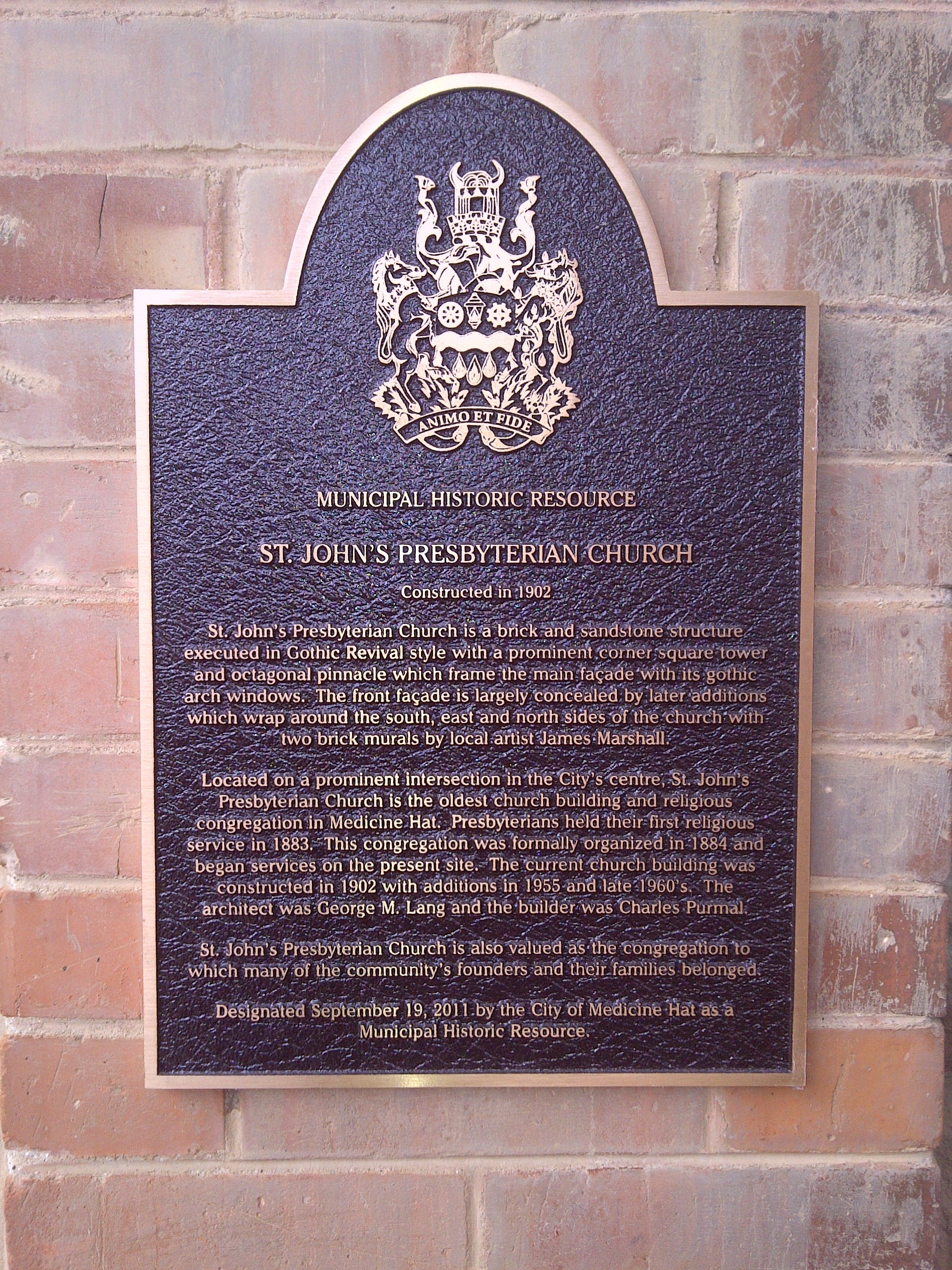
City of Medicine Hat, St. John’s Presbyterian Church -Municipal Historic Resource Plaque

Clearwater County creates a future for historic Nordegg townsite

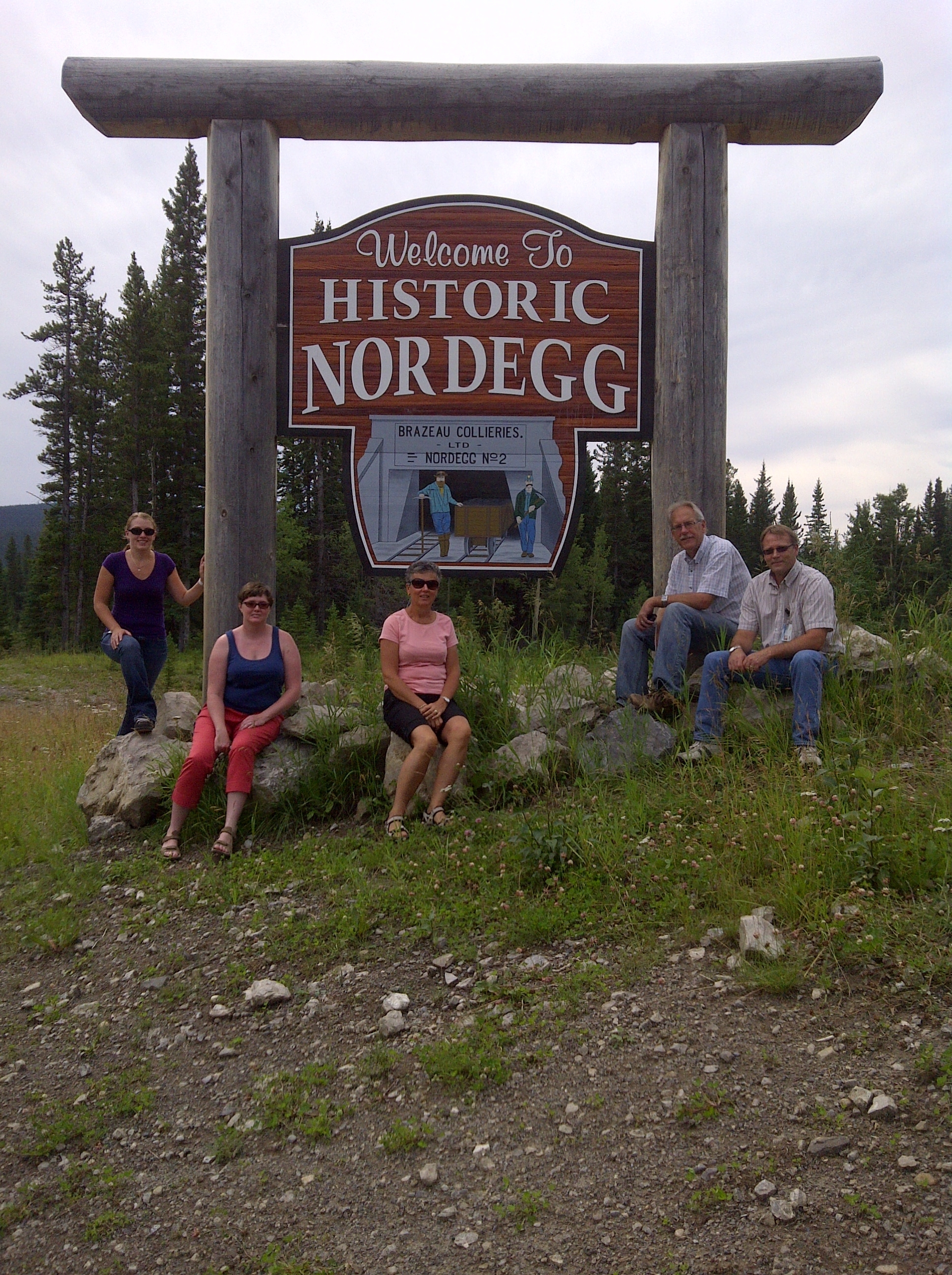
Clearwater County staff, (L-R): Kim Jakowski, Amanda Wilson, Marilyn Sanders, Joe Baker, Rick Eamons

On August 8th I joined five members of Clearwater County’s staff for a visit to the Nordegg townsite, where the County has for many years been laying the foundation for a dynamic rejuvenation of this historic Alberta community. 

In particular, the municipality has recently partnered with the Municipal Heritage Partnership Program to evaluate ten properties of historic interest, five within Nordegg, and five in the surrounding rural areas. Clearwater County was awarded a grant of $12, 500 for this Municipal Heritage Inventory project. 

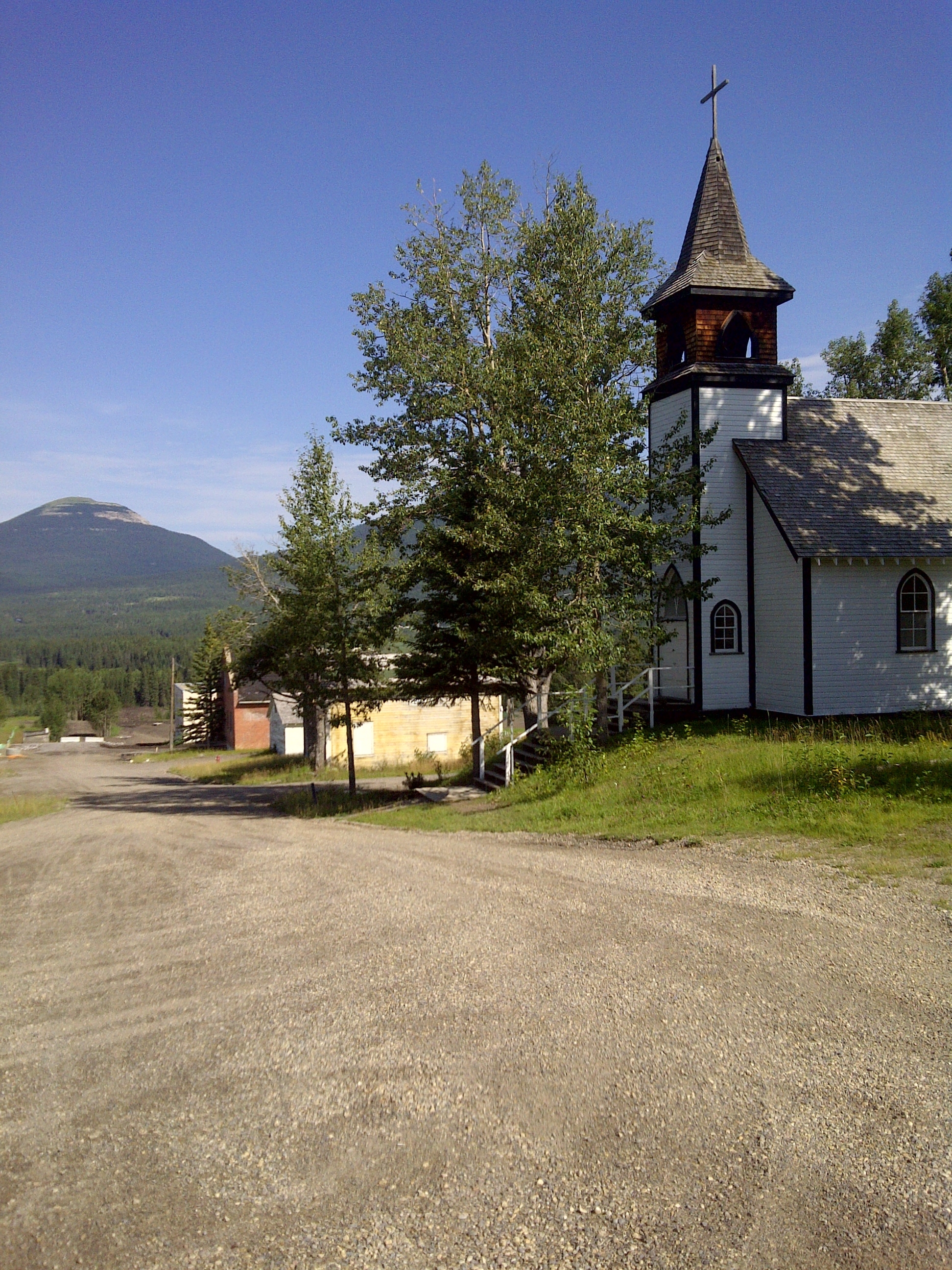
Nordegg streetscape

More than ten years ago, Joe Baker, the County’s Director for the West Country and Planning Development, got the ball rolling for a future for this once bustling mining community by creating the Nordegg Development Plan. This plan envisioned that new life could emerge within the historic environment which once housed more than 2, 500 people, many of them employed by the Brazeau Colliers mine, which built the townsite.

Now, after considerable planning and infrastructure development at Nordegg, the Townsite is becoming more and more ready

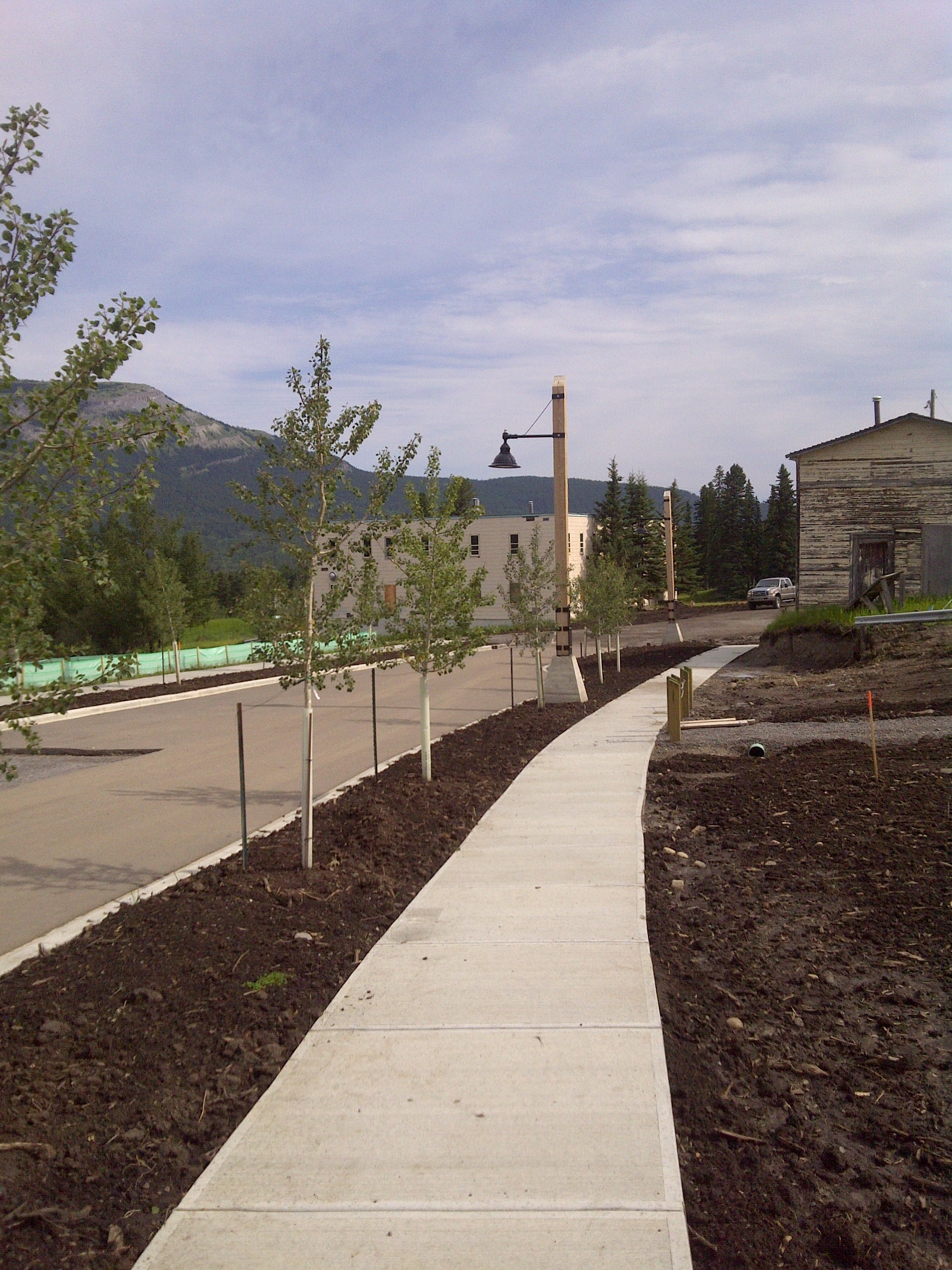
Nordegg sidewalks and light standards

to accommodate new life, both in terms of commercial and residential development. New residential streets have been built, along with sidewalks and light standards.

The historic resources evaluated on Main Street, including the former bank, church, general store and garage, which will anchor and inspire new construction informed by sound principles for new construction in historic districts.

This is an exciting time as historic places can become a value-added catalyst for sustainable growth in rural Alberta.

Written by:Matthew Francis, Manager of Municipal Heritage Services
Creating a Future for Alberta’s Historic Main Streets

Training in the Four-Point Approach®

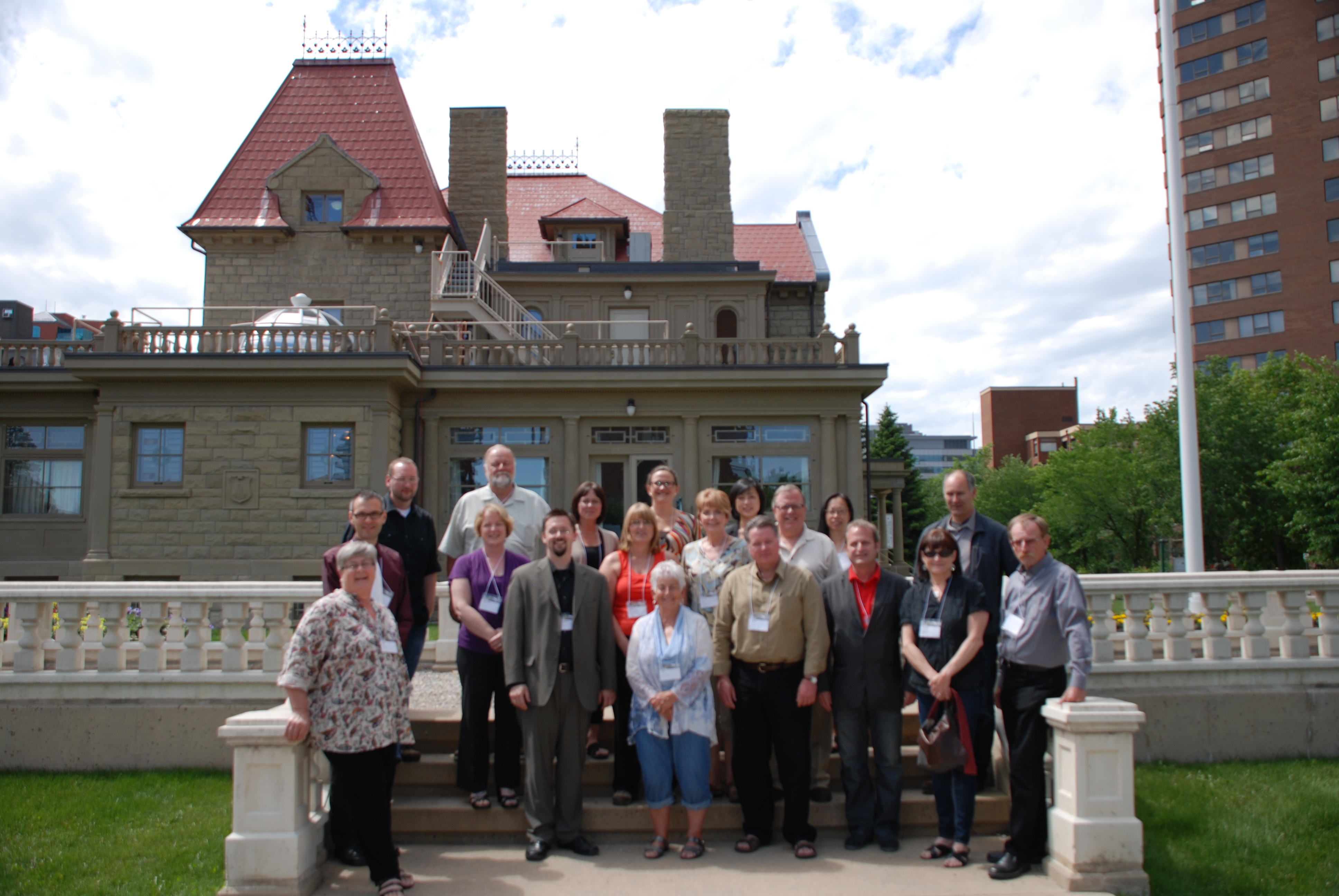
Attendees at the AMSP Training Session

Twenty-five participants representing accredited Alberta Main Street Program communities from across Alberta gathered at Lougheed House in Calgary on June 25th and 26th for essential training in the Four-Point Approach® – Design, Organization, Marketing, and Economic Development.

Wainwright, Uptowne Olds and Downtown Lethbridge are currently accredited as Main Street communities, meaning they have completed Municipal Heritage Inventory evaluations to assess their local heritage values and places, and have also committed themselves to the Alberta Main Street Program’s Standards of Performance on an ongoing basis.

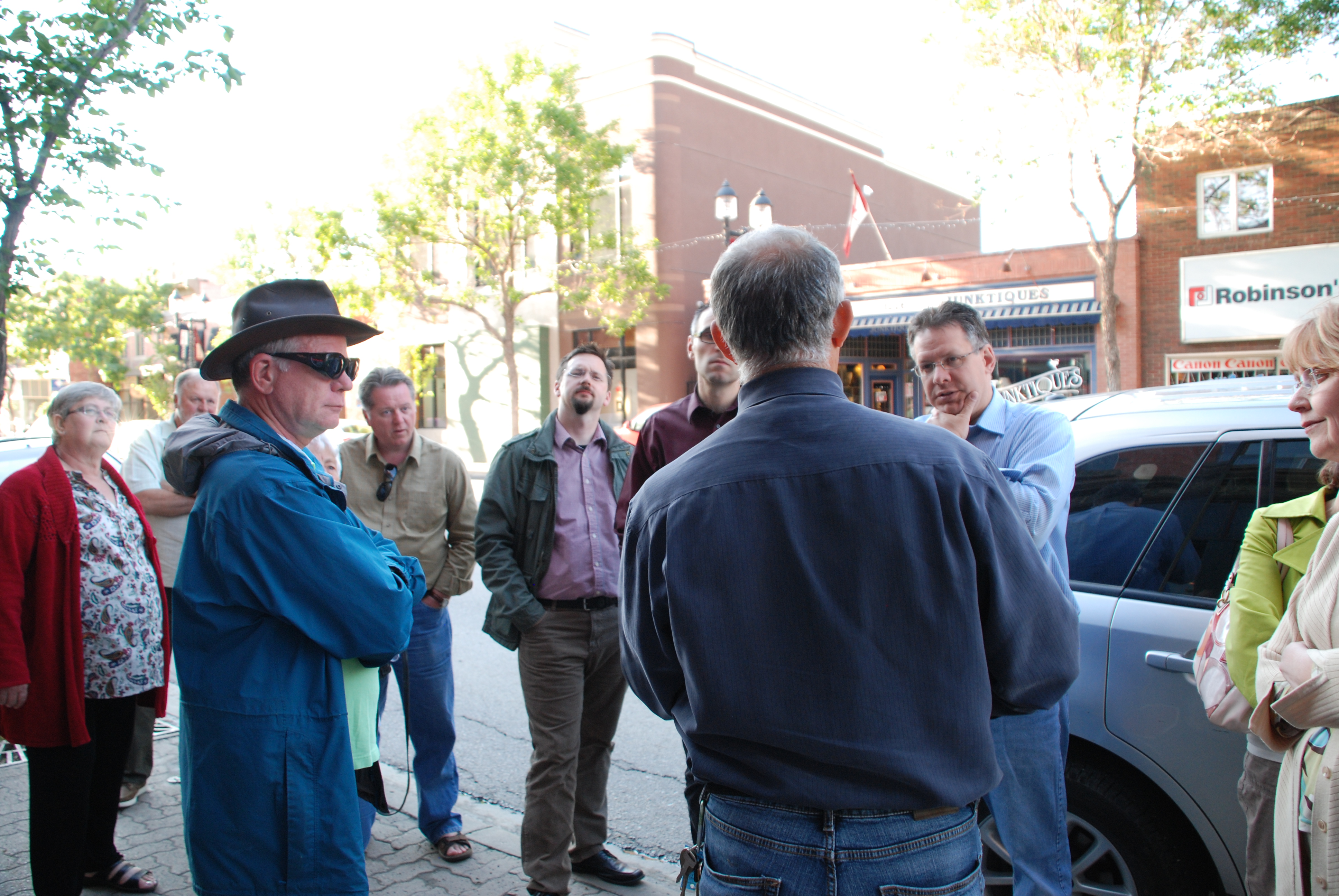
Participants listening to tour guide Murray Ledarney during our walk through Inglewood.

We were especially pleased to have Todd Barman, Program Advisor for the National Trust for Historic Preservation, come up from the U.S. to tell us more about Economic Restructuring for Main Street. While we did lots of learning, we also had some “hands on” educational opportunities, with a tour of historic Inglewood on Monday evening.

Members of the Alberta Main Street Program participate in an active network with other communities looking to help their historic commercial areas to thrive. The program provides training, coordination, and also project-based grants, available to member communities, on a project-basis.

Anyone interested in learning more about the Alberta Main Street Program can feel free to contact me, Matthew Francis, anytime.

Written by: Matthew Francis, Manager, Municipal Heritage Services

News from Calgary’s Heritage Scene

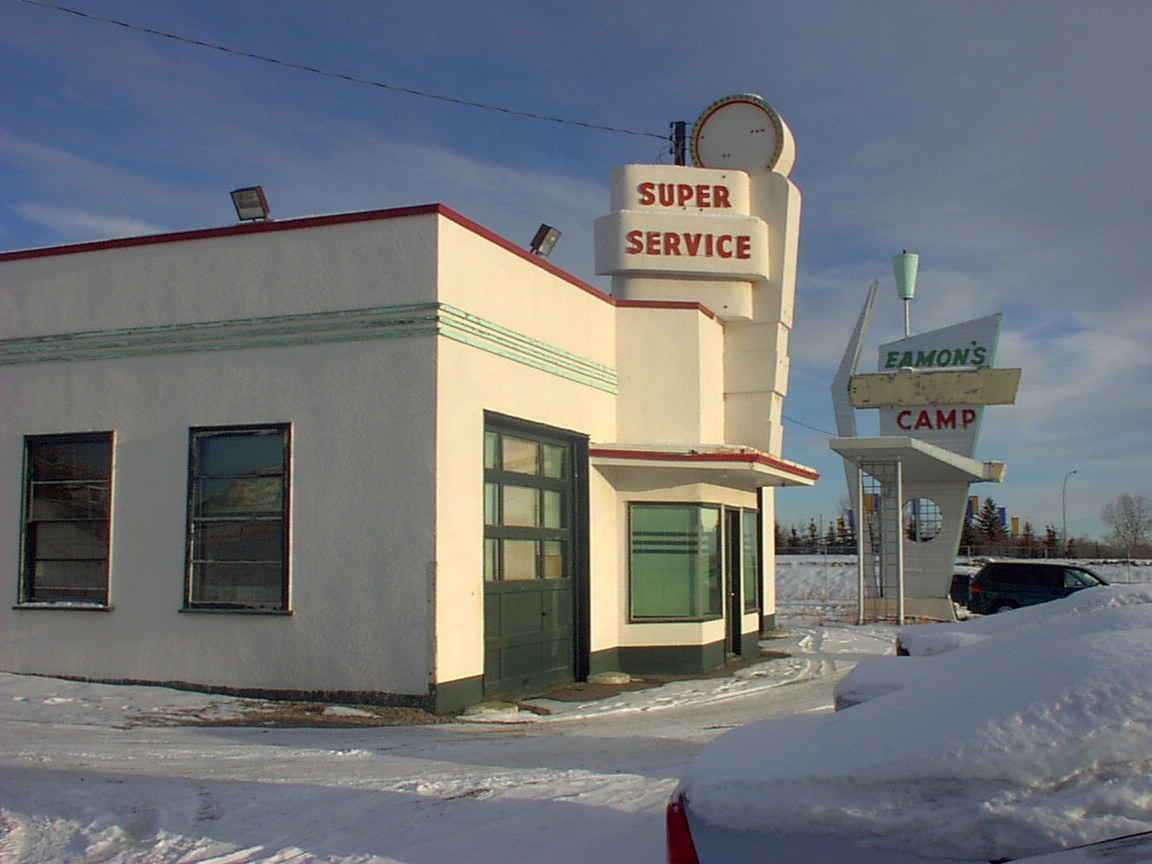
You may have read that Calgary’s city council has decided to incorporate the Eamon’s Gas Station (also known as the Eamon’s Bungalow Camp) into the planned Tuscany LRT Station. Calgary will conserve a historic resource rather than demolishing it to make room for parking. This is exciting news!

We recently talked with Christy Caswell, one of the City’s Heritage Planners, and she said that Calgarians today are enthusiastic in supporting their city’s historic places. The interest garnered by the Eamon’s project has been one of many catalysts for people to think about historic places in a new way, and how they can be creatively integrated with new development.

Alberta’s municipalities can identify and conserve historic resources without the provincial government’s permission or involvement by legally protecting these places as Municipal Historic Resources. If interested, municipalities can also offer conservation incentives. By extension, each municipality is free to determine its own criteria for deciding what to designate. Calgary is a fine example of this.

Calgary has identified a range of heritage values that a place must reflect to be considered for conservation. For example, the Calgary Heritage Authority has overseen the development of context papers for many of Calgary’s historic communities. The city’s heritage planning program regularly evaluates potential historic place for significance. The result is Calgary’s Inventory of Evaluated Historic Resources. Each place on the city’s inventory reflects a local heritage value. Indeed, the Eamon’s Bungalow Camp is one of over 600 places included on Calgary’s Inventory. Be sure to read the listing to learn about the site’s history.

The Municipal Heritage Partnership Program (MHPP) helps municipalities develop programs that will identify, evaluate and conserve locally significant historic places. For more information, visit the MHPP website.

Written by: Matthew Francis and Michael Thome, Municipal Heritage Services

Nominations Invited: Prince of Wales Prize for Municipal Heritage Leadership

Since 2000, the Heritage Canada Foundation has recognized municipalities that have demonstrated leadership in conserving Canada’s historic places with the Prince of Wales Prize for Municipal Heritage Leadership. Recently the Foundation announced that this year’s deadline for nominations for the Prize has been extended to May 31st.

Mayor Mandel and the Prince of Wales

Previous recipients include municipalities across Canada, including the City of Edmonton, the only Alberta municipality to ever be awarded the Prize (awarded in 2009).

From the Heritage Canada Foundation’s website:

In keeping with His Royal Highness’ commitment to architecture, the environment, and inner-city renewal, The Prince of Wales agreed to lend his title to the creation in 1999 of a prize to be awarded annually to the government of a municipality which has demonstrated a strong and sustained commitment to the conservation of its historic places. The local government must have a record of supporting heritage preservation through such means as regulation, policies, funding and exemplary stewardship. The nomination must provide evidence that heritage properties in the given municipality have improved over a period of time.

The award consists of a metal plaque and a scroll, as well as a flag or pennant to be flown outside the winning municipality’s headquarters and/or placed on permanent display. The Prince of Wales Prize logo must be displayed on the homepage of the municipality’s website.

Communities interested in making nomination for the Prince of Wales Prize may do so by following the “Eligibility Criteria and Nomination Procedures” established by the Heritage Canada Foundation.

Written by: Matthew Francis, Manager of Municipal Heritage Services
New Historic Places listed for the City of Lethbridge!

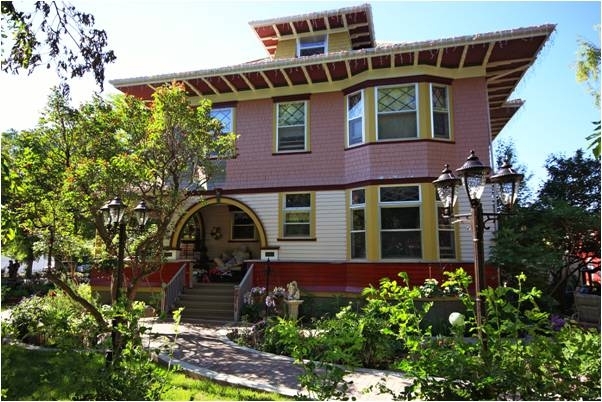
Three of the City of Lethbridge’s Municipal Historic Resources were recently posted on the Alberta Register of Historic Places:

The City has been collaborating with the Municipal Heritage Partnership Program for several years to identify, evaluate, and protect Lethbridge’s significant historic places. They have developed a Heritage Management Plan, established a Heritage Advisory Committee, and Downtown Lethbridge is an Accredited Alberta Main Street community.

These three new listings complement the properties already designated by the City. Congratulations Lethbridge!

Written by: Matthew Francis, Manager of Municipal Heritage Services