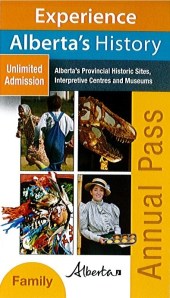
Win an Annual Pass to Alberta’s Provincial Historic Sites, Interpretive Centres and Museums

Today is RETROactive’s 1st birthday!

We want YOU to help us celebrate!

Please, no birthday cakes or flowers … but presents of the “feedback” variety are greatly appreciated. We want you, our dedicated followers, to tell us what you think about RETROactive/Alberta’s historic places. This is your opportunity to:

  • suggest ideas for a blog post;
  • ask a question about heritage conservation;
  • tell us about a memorable visit to a historic place in Alberta;
  • share a photo of your favourite historic place in Alberta; and/or
  • tell us what you think about RETROactive.

Everyone who submits feedback will have their names entered to win a 2012 Family Annual Pass (with unlimited admission) to visit all of Alberta’s Provincial Historic Sites, interpretive centres and museums.

How can I share my feedback?

Submit a comment at the end of this post, write on our Facebook page, Tweet something to @ABhistoricplace or send an email to: albertahistoricplaces@gov.ab.ca.

When will the winner be selected? 

All names associated with feedback received by 08:30MT, February 27, 2012 will be entered to win the Annual Pass. The winner will then be contacted to arrange for delivery of the Pass.

On behalf of staff of the Historic Places Stewardship Section (a.k.a. RETROactive Authors), we would like to thank you for your support and continued interest in the conservation of heritage AND in creating a future for Alberta’s historic places!

Written by: Brenda Manweiler, Municipal Heritage Services Officer

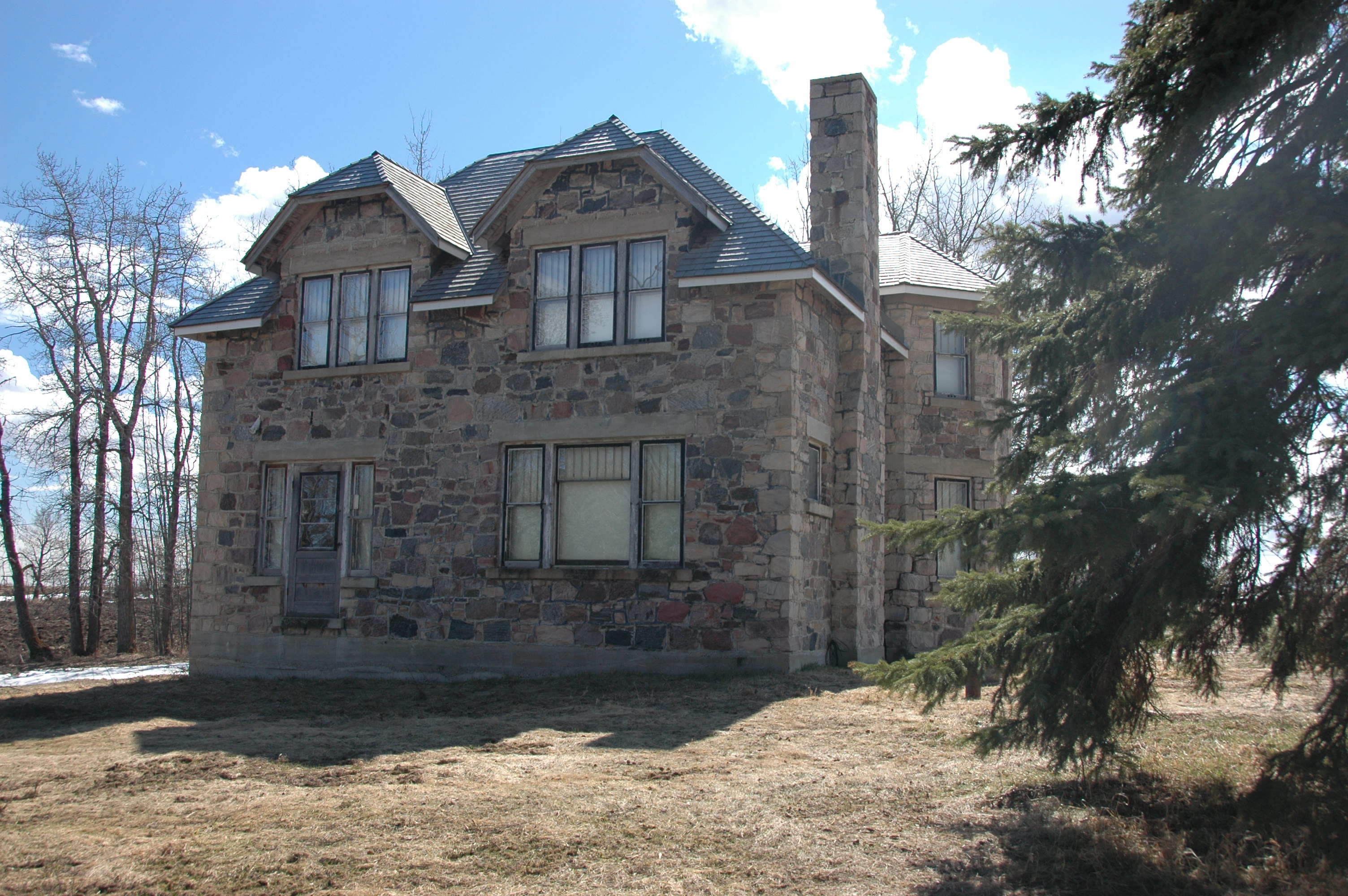
Sharman House, near Onoway

When the Canadian Northern Railway extended a line through Onoway in 1909, en route to Jasper and Vancouver, much of the rich agricultural land east of Lac Ste Anne was made immediately viable for homesteading.  Even before the railway arrived however, and indeed even before the Dominion Land Surveys of 1904-05, a number of settlers had taken up land in the Onoway area.  One of these was Thomas Sharman, who settled on NW34 TP52 R3 W5 in 1903, in a district soon to be known as Heatherdown.  Sharman was born in Ireland and had come to western Canada from North Dakota, where he had been a stonemason as well as a farmer.  He first attempted to homestead near Camrose, but was unsuccessful.  Near Heatherdown however, he and his wife succeeded in proving up, and eventually they acquired five quarters.

As he cleared and broke his land, Sharman made a point of salvaging pristine stones that inundated his fields.  Being a stonemason, he had an idea that one day these would prove useful.  By the mid 1920s, he decided to use these stones for a new house.  With the help of his youngest son, Lawrence, and local neighbors, he designed and built a large dwelling utilizing the material he had salvaged.  He moved into his new home in about 1927, and lived there with his wife until passing away a few years later.  The house and the farm were then taken over by Lawrence Sharman and his wife, Florence, who died tragically in a fire on the farm in 1936.  The Sharman House then continued to be occupied by Lawrence on his own until he moved to British Columbia in 1947.  It was then acquired by Gordon Stewart, his wife Lenabelle, and their son, Lowell.  With Lenabelle’s death, Gordon and Lowell continued to farm the land and occupy the house as bachelors.

The historical significance of the Sharman House  lies in its representation of the settlement of the Onoway area, and of the richness of the farmland in the district.  It is also significant in demonstrating the inventiveness and craftsmanship of one of Onoway’s early settlers.  Its heritage value lies in the excellent craftsmanship evident in its split fieldstone construction and the home’s picturesque aesthetic appeal.  It is distinguished by its picturesque exterior, which is composed of different shapes and sizes of split fieldstone.  Other prominent features of the home include a hipped roof with intersecting roof ridges, hipped wall dormers, three tall stone chimneys, and a two-storey bay projecting from the southwest corner of the building.  The yard of the home includes a garden and mature evergreen trees north of the house dating from the period of construction. The Sharman House was designated a Provincial Historic Resource in 2007.

Written by: David Leonard, Historian

Visit the Alberta Register of Historic Places to learn more about the heritage value of the Sharman House. In order for a site to be designated a Provincial Historic Resource, it must possess province-wide significance. To properly assess the historic importance of a resource, a historian crafts a context document that situates a resource within its time and place and compares it to similar resources in other parts of the province. This allows staff to determine the importance of a resource to a particular theme, time, and place. Above, is some of the historical information used in the evaluation of the Sharman House.

AHRF Grants Awarded

The Alberta Historical Resources Foundation’s (AHRF) Heritage Preservation Partnership Program has recently awarded total grants of over $630,000 to support projects for historic resource conservation, heritage awareness, publications and research projects and scholarship.

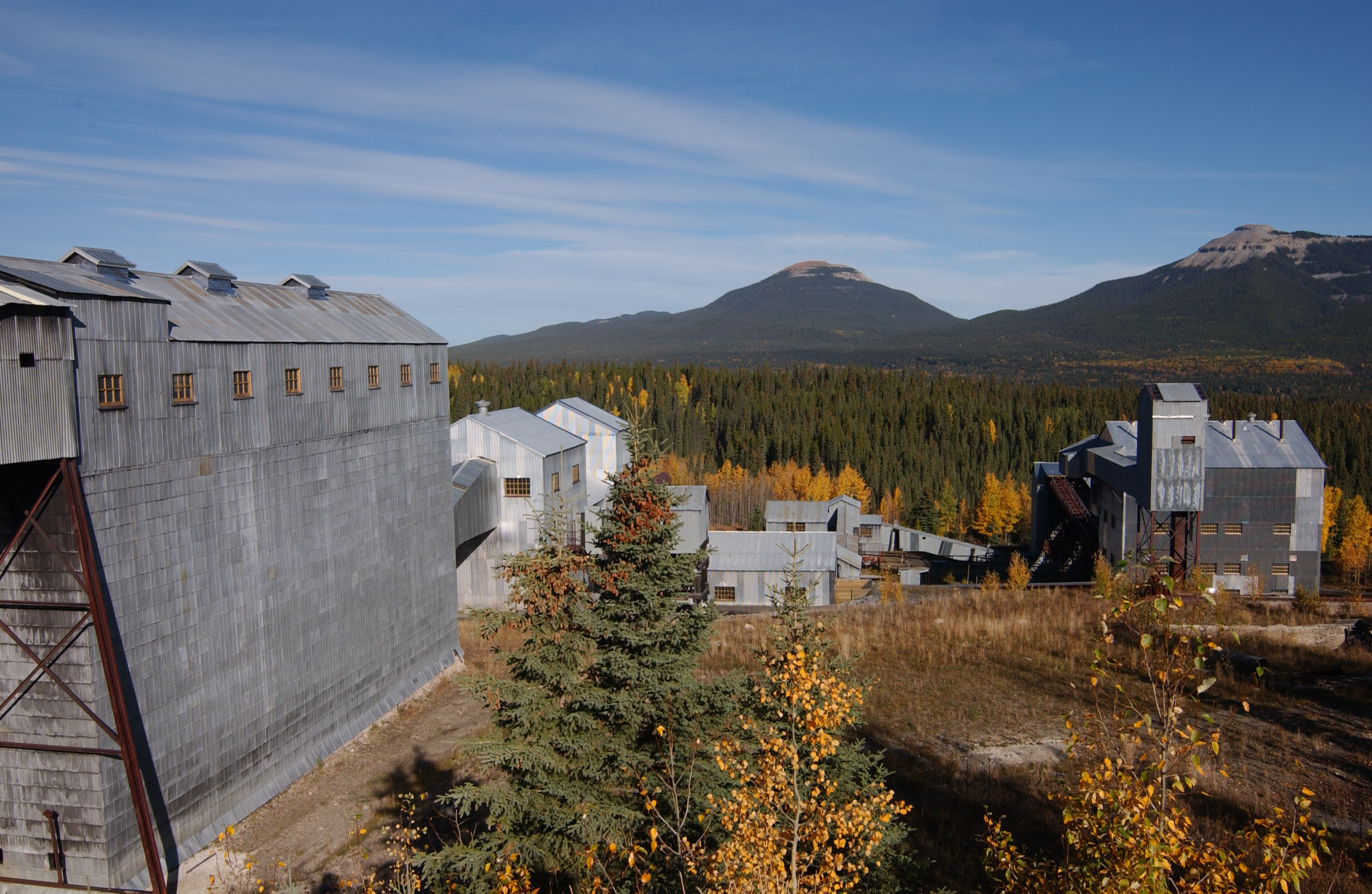
The Brazeau Collieries Minesite Provincial Historic Resource in Nordegg recently received a conservation grant from the Alberta Historical Resources Foundation.

With an allocation from the Alberta Lottery Fund, AHRF is the Government of Alberta’s primary window for heritage preservation funding.  To learn more about who has benefited from this program, click here.

Written by: Carina Naranjilla, Grant Program Coordinator

New Historic Places listed for the City of Lethbridge!

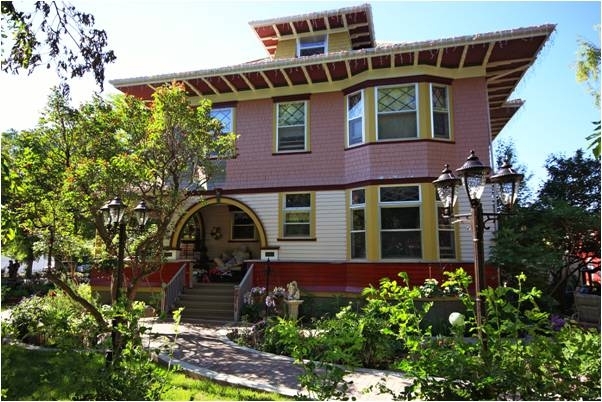
Three of the City of Lethbridge’s Municipal Historic Resources were recently posted on the Alberta Register of Historic Places:

The City has been collaborating with the Municipal Heritage Partnership Program for several years to identify, evaluate, and protect Lethbridge’s significant historic places. They have developed a Heritage Management Plan, established a Heritage Advisory Committee, and Downtown Lethbridge is an Accredited Alberta Main Street community.

These three new listings complement the properties already designated by the City. Congratulations Lethbridge!

Written by: Matthew Francis, Manager of Municipal Heritage Services

Tipping our Hats to the Town of Olds

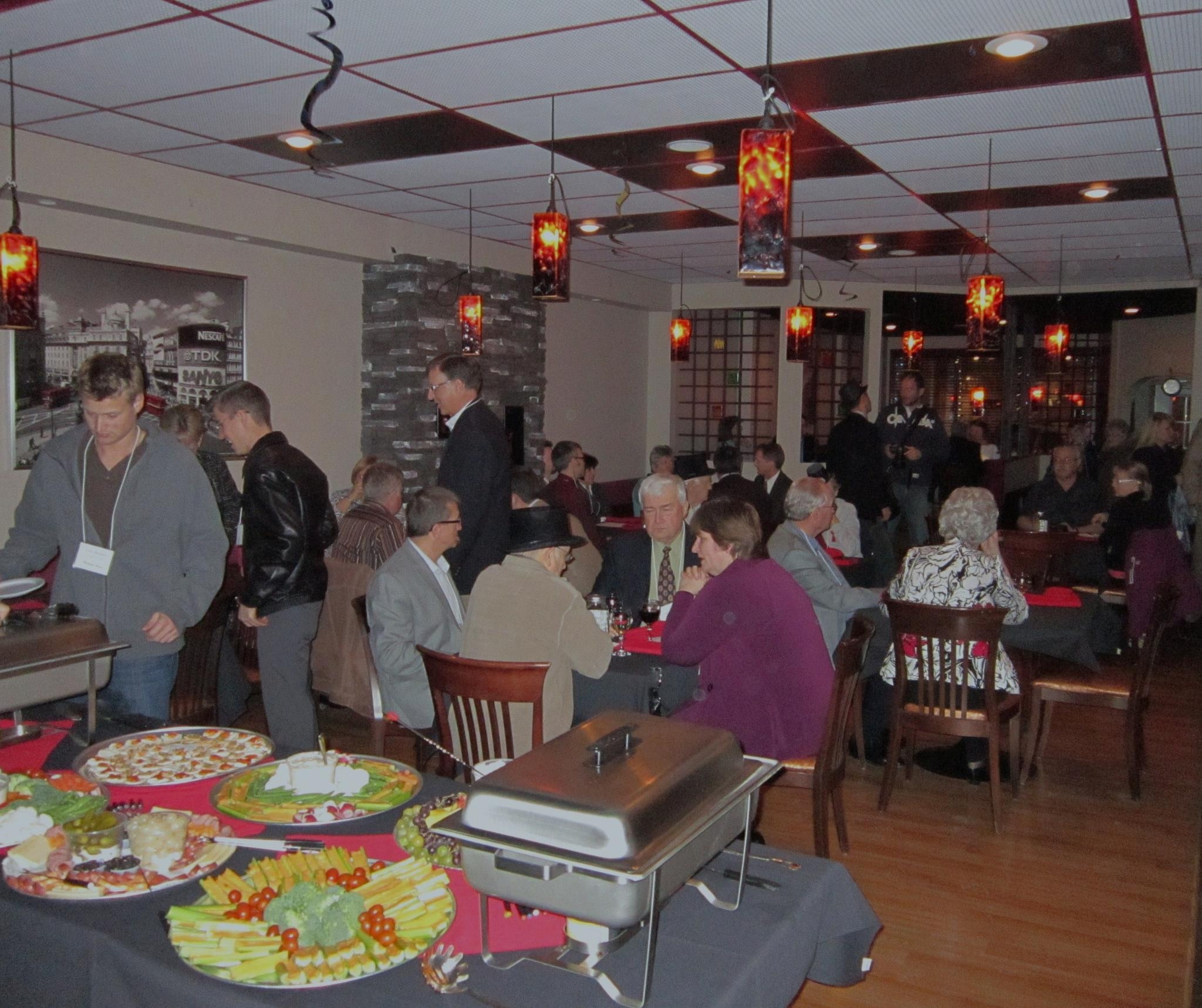
On Thursday January 26th Matthew Francis and I were privileged to attend the Top Hat Ceremony in the Town of Olds. Hosted by Uptowne Olds, the Top Hat Ceremony honored the nine Municipal Historic Resources designated by the Town of Olds, to date. Search the Alberta Register of Historic Places to learn more about these sites. (Four of the sites are listed so far and the Town is working on the documentation to list the rest).

The crowd in Olds was buzzing with excitement and the ceremony was great fun. I can honestly say it was the only event I’ve attended (so far) that began with a proclamation read by a town crier. Each property owner was given a plaque in recognition of their stewardship of one of the town’s historic resources.

Matthew Francis had the pleasure of announcing that Olds has been accredited as an Alberta Main Street Community for 2011. Olds is only the third municipality to be accredited since the Alberta Main Street Program was re-launched in 2008. Accredited means that Olds has met the ten standards of performance needed to fully participate in and benefit from the Alberta Main Street Program.

The Alberta Main Street Program helps municipalities conserve and market their historic commercial districts. Expect to hear more about this exciting aspect of our work over the next year.

Written by: Michael Thome, Municipal Heritage Services Officer

A Recipe for Success: Planning, Procedures and Policies

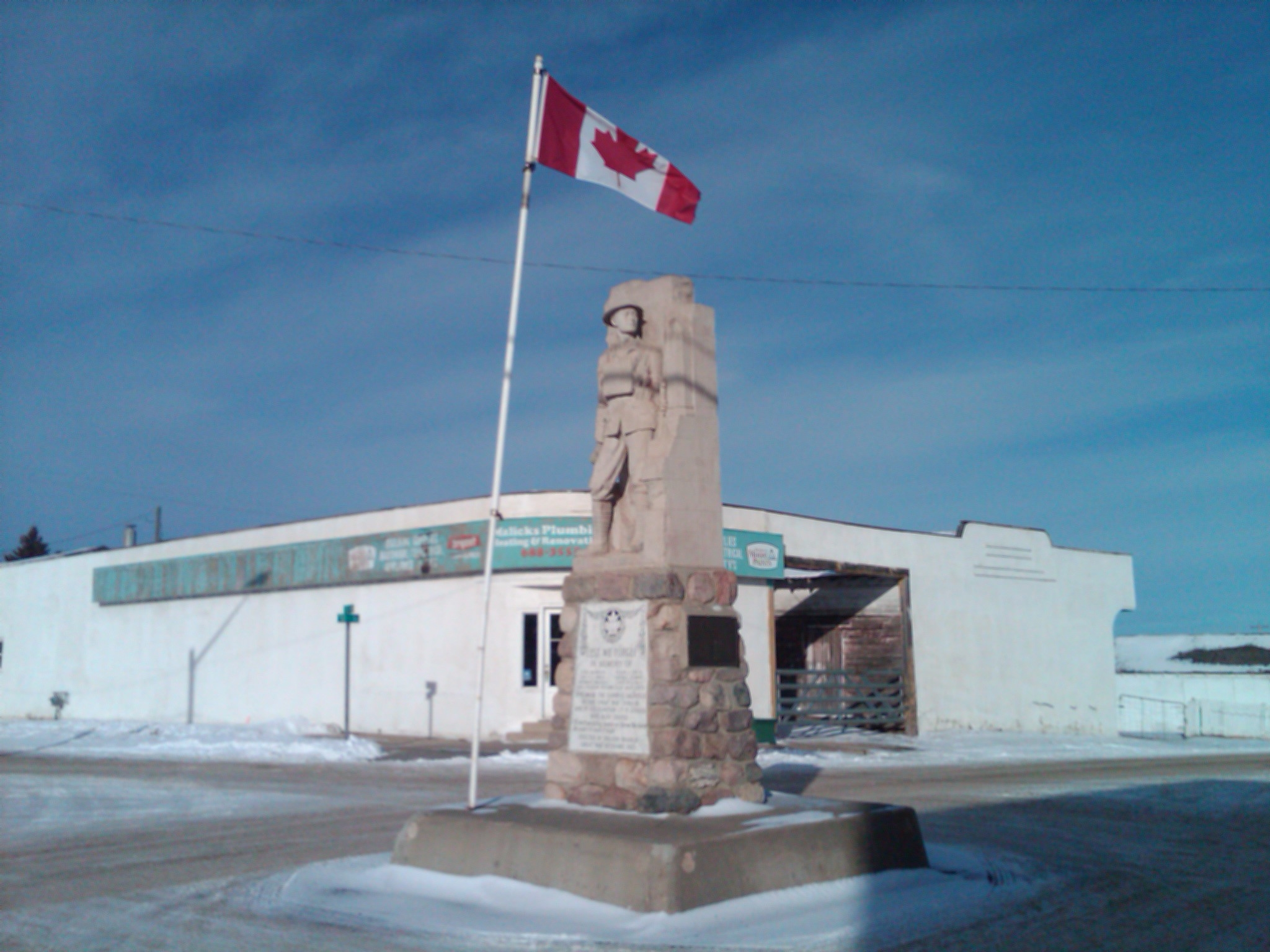
The Holden Cenotaph with the Globe Lumber Company Building. Both resources were evaluated for the Municipal Heritage Inventory project completed in 2011.

The Village of Holden, located an hour southeast of Edmonton on Highway 14 with a population of 400, is developing a Municipal Heritage Management Plan. In 2011 the Village completed a combined Municipal Heritage Survey and Inventory but decided that before proceeding with the designation of Municipal Historic Resources it would be best to have a “recipe” for establishing a successful local heritage conservation program.

Throughout 2012, Village staff and the Holden Heritage Resources Committee will be working with a heritage consultant to develop a plan appropriate to the Village’s needs and objectives. Elements of the plan will include:

  • a template bylaw for Municipal Historic Resource designations;
  • a policy outlining the designation process and eligibility requirements;
  • a terms of reference for the Holden Heritage Resources Committee (i.e. vision, mission);
  • a procedure for reviewing requests to alter Municipal Historic Resources;
  • a review of potential incentives (monetary and non-monetary) that the Village may offer to owners of Municipal Historic Resources; and
  • an assessment of other municipal planning documents to see how heritage might be integrated with land-use and  Village programs and services.

Over the course of this project, the greater community will also be engaged. Feedback from residents will be imperative for ensuring that the Heritage Management Plan appropriately serves the interests of residents and thereby conserves the valued places that make Holden a unique community.

Stay tuned throughout the year for updates on this project!

Written by: Brenda Manweiler, Municipal Heritage Services Officer

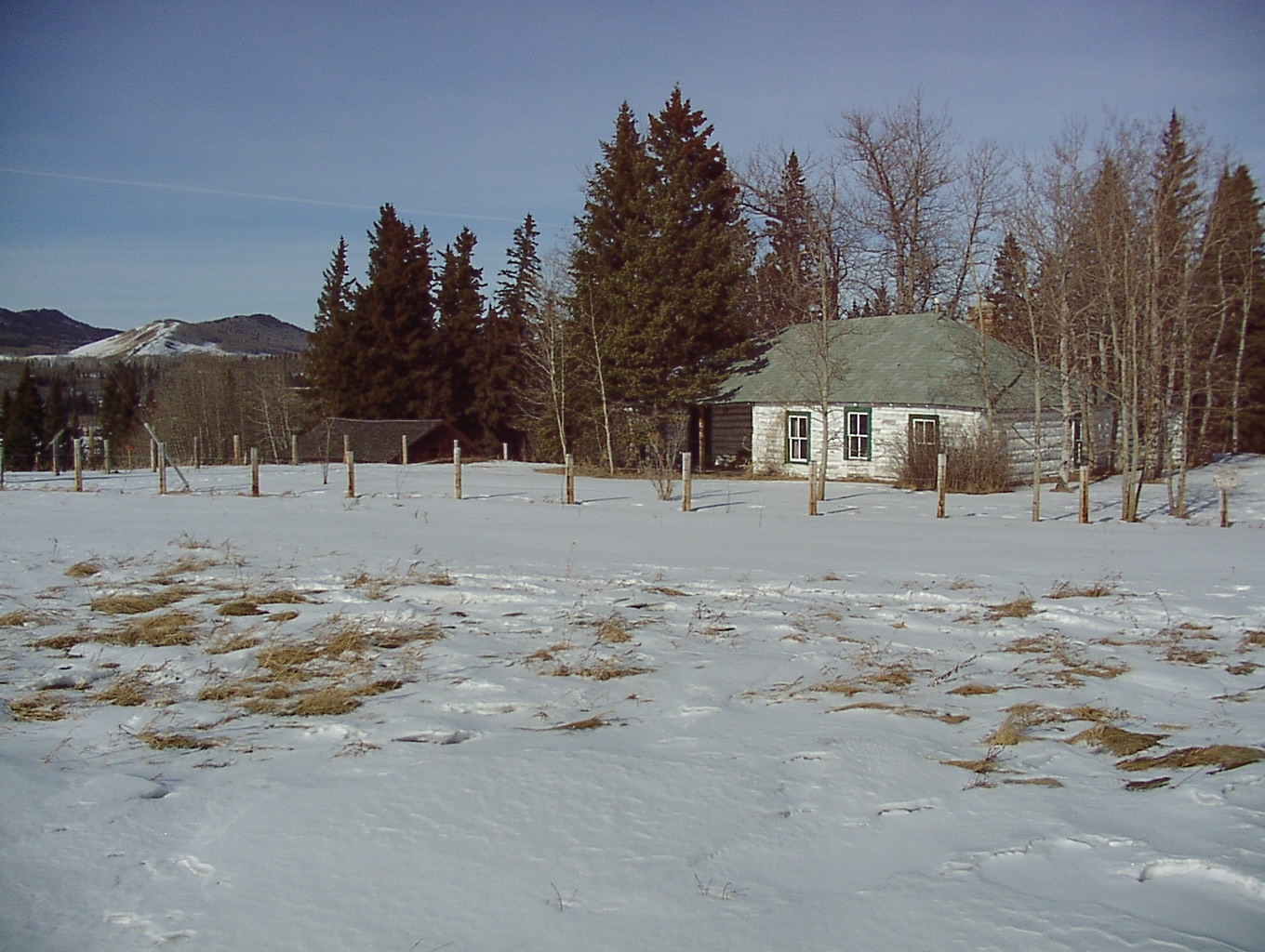
Alequiers Ranch House, near Longview

During the latter part of the 19th century, the foothills of what is now southern Alberta were given over largely as grazing leases to several big ranching companies, many of them with close ties to the Conservative Party.  With the election of the Liberal party in 1896 however, more emphasis came to be placed on settling the West with small, independent farmers.  Under Interior Minister Clifford Sifton therefore, many grazing leases, when expired, were not renewed, in order that the land could be subdivided into quarter-sections for homesteading, or given over to the CPR Land Department.
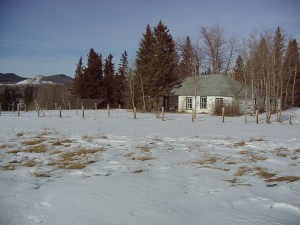
Among the many homesteaders to flock into the region during the turn of the 20th century were Nellie and Alexander Weir who, in July 1900, filed for SE18 TP18 R3 W5, on the east bank of the Highwood River, some 20 km northwest of High River.  This was on land previously occupied by the North-West Ranch Company.  The Weirs were from Ontario, and, like many of the new settlers, they combined dryland farming with cattle raising.  In May 1905, Alexander Weir received title to his land, and, in February 1906, the High River Times reported that he was erecting a new 26’ x 26’ log home on his ranch.

The Weirs never owned more than one single quarter-section of land, and, with grain prices declining during the early 1900’s, they probably found it difficult to make ends meet.  At the time, their property was surrounded by a large ranch owned by George Lane, which consisted of several sections.  At any rate, as soon as Weir gained title to his quarter, he mortgaged it to the Fairchild Company of Winnipeg.  Two years later, the Fairchild Company became owners of the land, while Weir apparently drifted off to some other form of employment.  Shortly thereafter, the western portion of the quarter-section was sold to an Italian immigrant named George Pocaterra, who turned it into a dude ranch called the Buffalo Head Ranch.  The eastern portion, which held Weir’s house, was acquired by an English immigrant named Owen Royal, who seems to have had business interests in Calgary.  It was Royal who upgraded the house, adding three bedrooms, a kitchen and a porch, while landscaping the yard and planting trees.  Royal named it Alequiers, a name derived from the spelling of Alex McQueen Weir.

In 1939, the Alequiers property was acquired by an artist named Ted Schintz.  Schintz had migrated to western Canada from Holland in the 1920’s, taking odd jobs and cultivating his skills as a painter.  In 1928, he stayed at the Buffalo Head Ranch and developed an affinity for the foothills environment.  In 1931, he married Jeanette Kay from England, and the couple stayed for a while at Algequiers before traveling to Europe.  While the couple took odd jobs, Ted enrolled in the Academy of Arts in Munich, studying under Angelo Yank.  Upon his graduation, the Schintzes returned to western Canada, and, soon, Ted began to sell his paintings at reasonably high prices, mostly to magazines like Country Guide and Cattleman, which were interested in images of the prairie West.  Jeanette was also able to sell some of her work.  Finally, in 1939, the couple had sufficient means to purchase Alequiers, where they lived until retiring to High River in the 1960’s.

The Alequiers Ranch House was designated a Provincial Historic Resource in 2005.  Its historical significance lies in its provision of structural evidence of the homesteading experience on the southern foothills of Alberta after the break-up of many of the large ranches that had dominated the area.  The expanded house of about 1920 is also important as the showpiece home of Owen Royal and, more importantly, the artist Ted Schintz, many of whose works have graced magazine covers with images of the southwestern plains of Canada, and several of which are stored in the Glenbow Museum.

Written by: David Leonard, Historian

Visit the Alberta Register of Historic Places to learn more about the heritage value of the Alequiers Ranch House. In order for a site to be designated a Provincial Historic Resource, it must possess province-wide significance. To properly assess the historic importance of a resource, a historian crafts a context document that situates a resource within its time and place and compares it to similar resources in other parts of the province. This allows staff to determine the importance of a resource to a particular theme, time, and place. Above, is some of the historical information used in the evaluation of the Alequiers Ranch House.


Meet the Names Guy

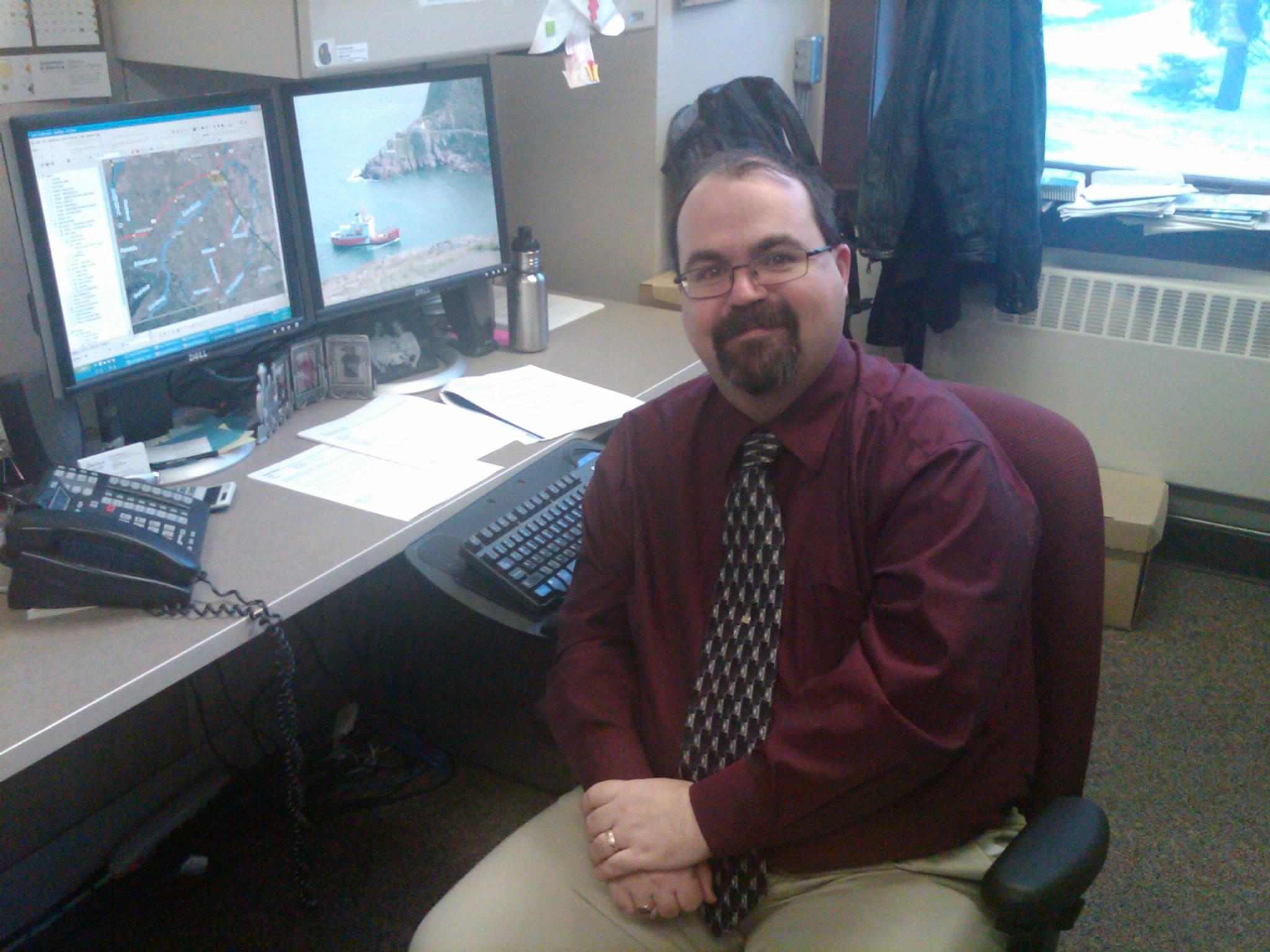
For all of you looking forward to learning something new about the wonderful and exciting world of geographical names, you may be disappointed by this post. Today you get to learn about me.

Taking the cue from two of my colleagues (Carlo Laforge and Michael Thome), who have introduced themselves in their own introductory posts; I have elected (been pressured) to do the same.

My name is Ronald Kelland, but most people call me Ron (actually, my family calls me Ronnie, but please don’t do that). I started working for the Government of Alberta on December 1, 2007 as an intern with Athabasca University’s Heritage Resources Management Program. While taking online classes with the university, I did research and some administrative tasks for the Historic Places Designation Program. This mainly consisted of researching the history of buildings and other cultural sites for designation as Provincial Historic Resources. Most of my duties consisted of writing Statements of Significance for these resources to explain why they are valued. Of the ones I have written, my favourite ones are the Canadian National Railways Locomotive 6060, the Northern Defence Radar Station near Cold Lake, and the Sunnyslope Sandstone Shelter (say that five time real fast!) near Three Hills. In July 2009, I left the intern program and became a proud member of the public service. It was at this time that I also became the Coordinator of the Geographical Names Program. In this position I research the origin and meaning of Alberta’s place names and I evaluate proposed new names for geographical features and advise the Alberta Historical Resources Foundation in their deliberations and decision-making on these names.  I also maintain the Alberta Geographical Names Database and other records about Alberta’s naming heritage. In December 2010, I assumed the role of primary historian for the Rutherford House Historic Site and Museum, researching the history of the house and the Rutherford family and using this information to aid in developing interpretive displays.

Prior to my current job, I worked for the Alberta Legislature Library. I was a researcher and writer for the book The Mantle of Leadership: Premiers of the North-West Territories and Alberta, 1897-2005, part of The Centennial Series (a four-volume set of books published by the Legislative Assembly of Alberta). Once that project wrapped-up, I worked as a researcher and report writer for the Committees of the Legislative Assembly, primarily the Public Accounts Committee and the Standing Committee on Government Services.

I was born in St. John’s and I still feel a strong connection to Newfoundland. I was raised in Alberta (primarily Red Deer) and have a great appreciation of the heritage and history of this province. I have been able to use my connection to both Newfoundland and Alberta to great advantage, successfully completing a Bachelor of Arts degree in History at the University of Calgary in 1998 (for which I concentrated on Western Canadian history) and a Master of Arts degree in History at Memorial University of Newfoundland in 2001 (for which I concentrated on Newfoundland’s history). Apparently one graduate degree was not enough to satisfy me, so I entered the Master of Library and Information Studies program at the University of Alberta, which I completed in 2010.

In my personal life I am married to an incredibly patient and understanding woman (I think that one has to be patient and understanding to be married to a historian – we do tend to go on about our work and research). We have three great kids (a five year old boy and three year old twin girls), making us a very happy, but very busy family. In my spare time I like to read (voraciously), cook (reasonably well), sing (badly) and play computer games (probably too much). I also build model cars and planes and am about to embark on a model railroading project in my garage (if it ever warms up again).

Back at my job, my priorities over the next year are to begin travelling the province more and meeting with local history groups and societies, spreading (and hopefully receiving) information about Alberta’s place names. I am also working on making the Alberta Geographical Names Database publicly available through the internet.

I welcome any inquiries about our province’s place names. So, if you ever wanted to know why we call that lake, creek, mountain or whatever by such-and-such a name, or if you are interested in proposing a name for a geographical feature, please feel free to get in touch with me or drop a comment into our blog. I hope that I will hear from many of you over the upcoming months.

Ron Kelland

Updated Website, Funding Guidelines and Application Forms

As you may recall, changes to the funding policies of the Alberta Historical Resources Foundation’s Heritage Preservation Partnership Program will be adopted beginning the next application deadline, February 1, 2012.   These changes, along with updated and improved application forms for all grant categories, are now available. Click here.

Changes include:

  • grant ceiling of $100,000 for Provincial Historic Resources per application for conservation;
  • limiting applications to one application for conservation and one application for architectural/engineering studies/reports/plans per historic resource per calendar year;
  • stronger policies on retroactive funding for conservation grants;
  • second deadline for the Roger Soderstrom and Heritage Trades Scholarships of October 1st ;
  • significant changes on funding parameters for the Roger Soderstrom and Heritage Trades Scholarships.

If you need further information, please call 780-431-2305.

Written by: Carina Naranjilla, Grants Program Coordinator.

MHPP Funding Deadlines (2012)

The Municipal Heritage Partnership Program (MHPP) provides cost-shared funding opportunities to Alberta municipalities for the identification, evaluation and management of local historic places. Municipal Heritage Services staff are also available to provide guidance and training to Alberta municipalities to enable successful identification and conservation of local historic places.

Funding proposals from municipalities are accepted on an on-going basis. These proposals are then reviewed by the board of the Alberta Historical Resources Foundation.

2012 MHPP funding deadlines:

  • February 3, 2012
  • April 13, 2012
  • September 21, 2012
  • November 2, 2012 

If you would like to learn more about MHPP funding opportunities, or discuss project ideas please contact MHPP staff.

The Alberta Historical Resources Foundation also supports a range of community and individual heritage initiatives through the Heritage Preservation Partnership Program.

Written by: Brenda Manweiler, Municipal Heritage Services Officer