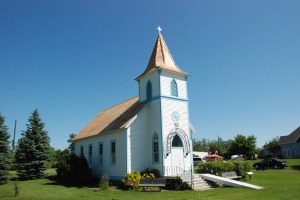
Canadian Pacific Railway Section House, Coronation

(Photo 20060621_8707.JPG)
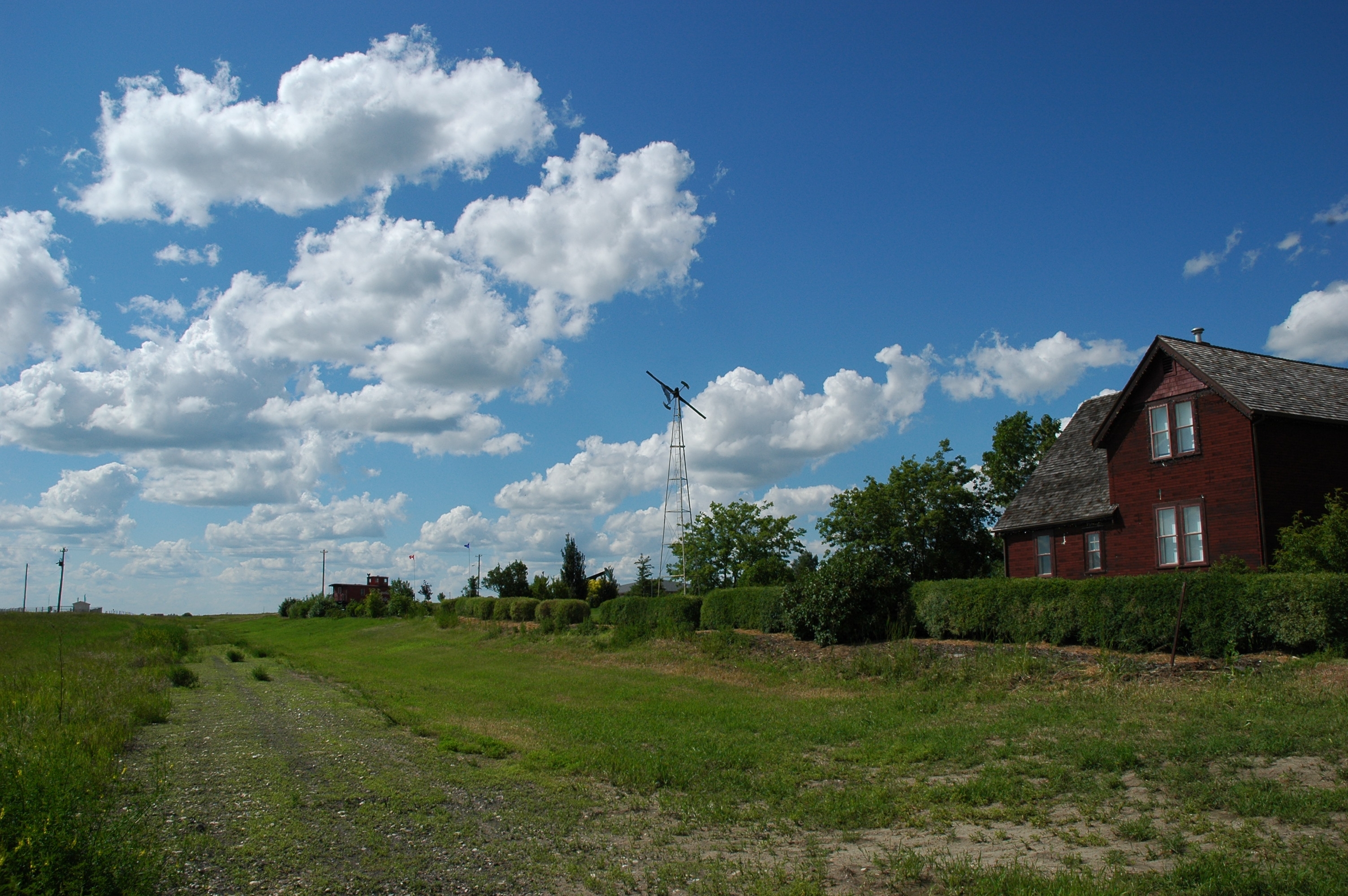
View from the southeast, showing the Section House and the former rail yard.
Historic Resources Management Branch, 2006

The Canadian Pacific Railway Section House in Coronation is the latest addition to the Alberta Register of Historic Places. The building was previously designated as a Registered Historic Resource in 2002. The resource was  revaluated and its designation was upgraded to Provincial Historic Resource on August 27, 2012. The building, also known as the Section Foreman’s or Roadmaster’s House is significant as it is representational of CPR divisional point architecture and demonstrates the type of housing provided by the railway to essential railway employees.

(Photo 20060621_8714.JPG)
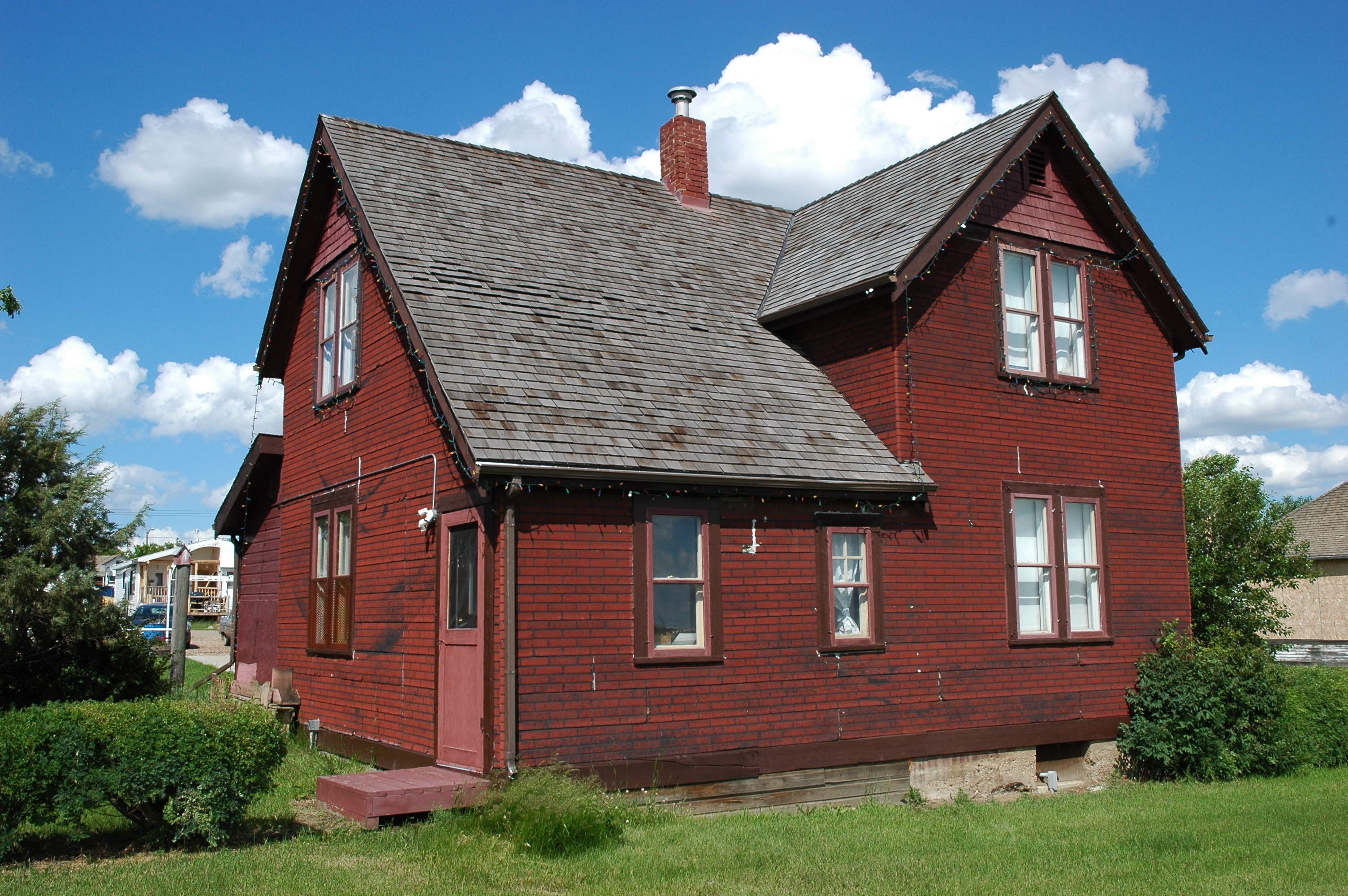
View from the southwest (trackside).
Historic Resources Management Branch, 2006

Coronation, which is located about 120 km east of Stettler, became the divisional point for the CPR’s Lorraine subdivision, which eventually connected Youngstown in the south and the coal mines at Halkirk in the north to the main line. The Section Foreman was responsible for track maintenance on the subdivision. The CPR believed that men with established families were better qualified for positions of responsibility and housing was often provided for them as a way of attracting and retaining such people. At one point Coronation had three section houses in a line adjacent to the town’s rail yard. These houses were built according to a CPR standard plan, and were utilitarian in nature and featured simple ornamentation and were constructed of low-maintenance materials.

(Photo 20060621_8646.JPG)
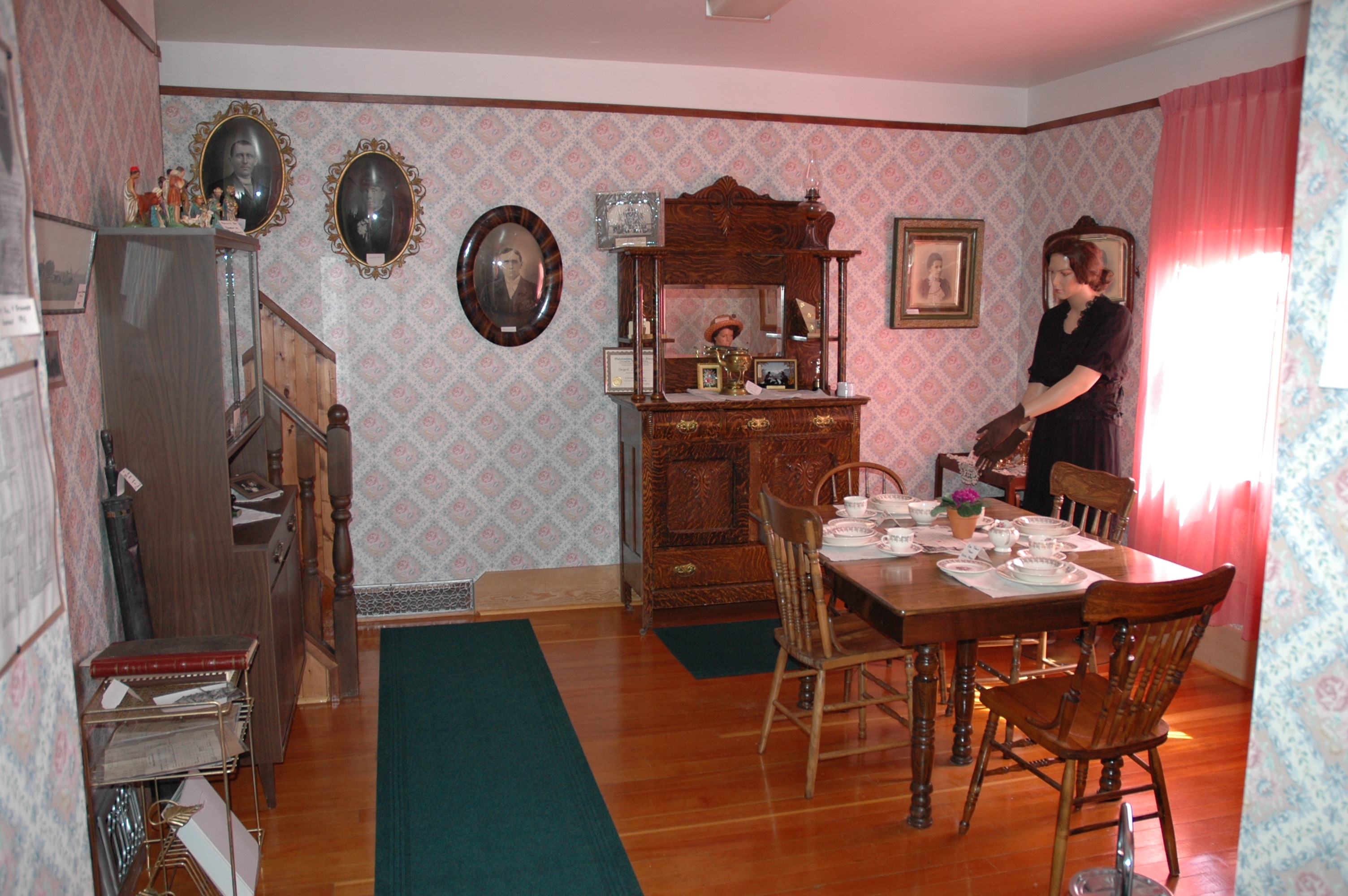
Section House Interior, Dining Room.
Historic Resources Management Branch, 2006

With changing technology, the use of divisional points evolved and many section houses were either abandoned, lifted and moved or simply torn down. The Coronation section house, which is now used as a local museum, remains on its original site and effectively communicates its provenance as an essential, and often over-looked, element of railway infrastructure.

More information on the Canadian Pacific Railway Section House in Coronation can be found on the Alberta Register of Historic Places.

Written by: Ron Kelland, Historic Places Research Officer and Geographical Names Program Coordinator

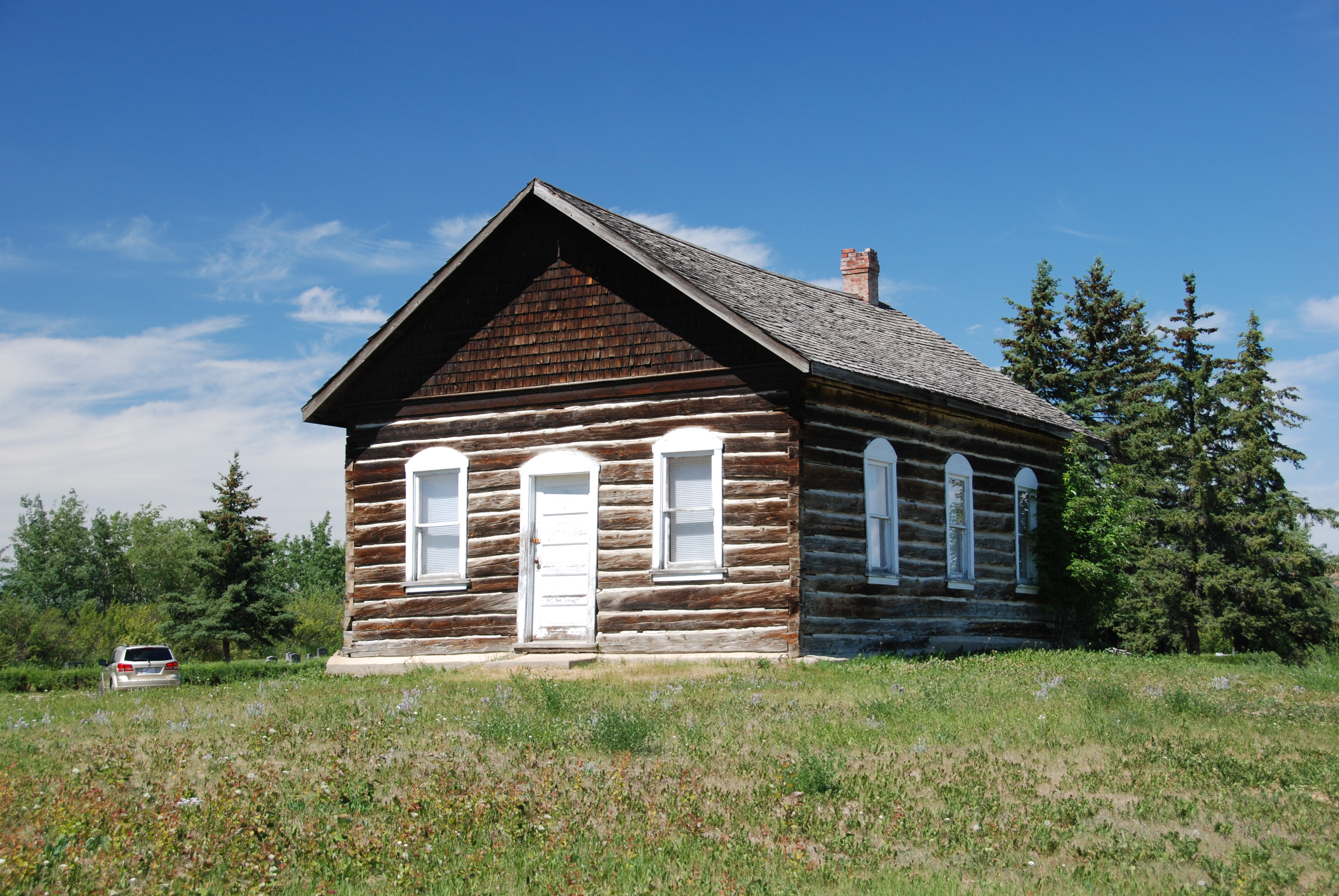
Glen Leslie Church, near Bezanson

In the summer of 1909, Dominion Land Surveyor Walter MacFarlane subdivided 17 townships on the Grande Prairie in northwestern Alberta into quarter-sections for land settlement. In the spring of 1910, the townships were thrown open of homesteading, and, during the next four years, there were 2,675 applications made for land on the Prairie, with 1,854 of them (69%) being proven up. One of the districts to receive considerable attention was that of Glen Leslie, just south of Kleskun Hill, where 144 settlers took out land. In all, these settlers made 164 applications for land, with 86 of these being proven up.

One of the homesteaders in this district was Thomas Leslie from Roslin, Ontario, who filed for and proved up NE26 TP72 R4 W6. His sons, Bruce and Norman, filed for land close by. With so much settlement in the area, Thomas applied to be the district postmaster in August, 1914.  His application was granted, which was natural as his homestead was already serving as the district store. The name proposed for the post office was Glen Leslie, which reflected Leslie’s Scottish heritage.  Leslie’s home also facilitated church services conducted by the Presbyterian minister Alexander Forbes from Grande Prairie.

In November 1913, Leslie and Forbes jointly applied for ten acres of SW6 TP72 R3 W6 in order to build a church and plot ground for a cemetery. The land contained a substantial bog and was not suitable for cultivation. The land granted, and, during the winter of 1914-15, logs were cut by local volunteers for a church building. Construction began on the structure that would become known as the Glen Leslie Church the following spring, with Alf Olson as the coordinator. The building committee consisted of Dan Minchin, Alex Milne, Lewis Fowler, and Bruce and Norman Leslie.  The total cost, born by local fundraisers, turned out to be $468. The first service was conducted by Reverend Forbes in October, 1915. In the meantime, a cemetery was plotted just to the north

The population of the Glen Leslie district was interdenominationally Protestant, and so attendees at the Glen Leslie Church were not exclusively Presbyterian. The church building was maintained by local volunteers and was made part of the new United Church of Canada in 1925.  From 1918 to 1928, it also served as the Glen Leslie School. Many other social events were held there.

In 1928, the cemetery was taken over by the Municipal District of Grande Prairie. When church services were curtailed in 1964, the County of Grande Prairie took over the church building as well. Having been well maintained, the structure was still useful for social events. It was provided with a foundation in 1970 and re-shingled in 1976. Special events continued to be held there, and, on 6 October 2011, the church was designated a Provincial Historic Resource.  Its significance lies in its provision of structural evidence of the small community of Glen Leslie, one of the many districts on the Grande Prairie, from 1915 until today.  The structure is important also in providing structural evidence of an early Presbyterian church in northwestern Alberta.

Visit the Alberta Register of Historic Places to learn more about the heritage value of the Glen Leslie Church. In order for a site to be designated a Provincial Historic Resource, it must possess province-wide significance for either its history or architecture. To properly assess the historic importance of a resource, a historian crafts a context document that situates a resource within its time and place and compares it to similar resources in other parts of the province. This allows staff to determine the importance of a resource to a particular theme, time, and place. Above, is some of the historical information used in the evaluation of the Glen Leslie Church. 

Written by: David Leonard, Historian

All Aboard! Big Valley Canadian Northern Railway Station Celebrates 100 Years

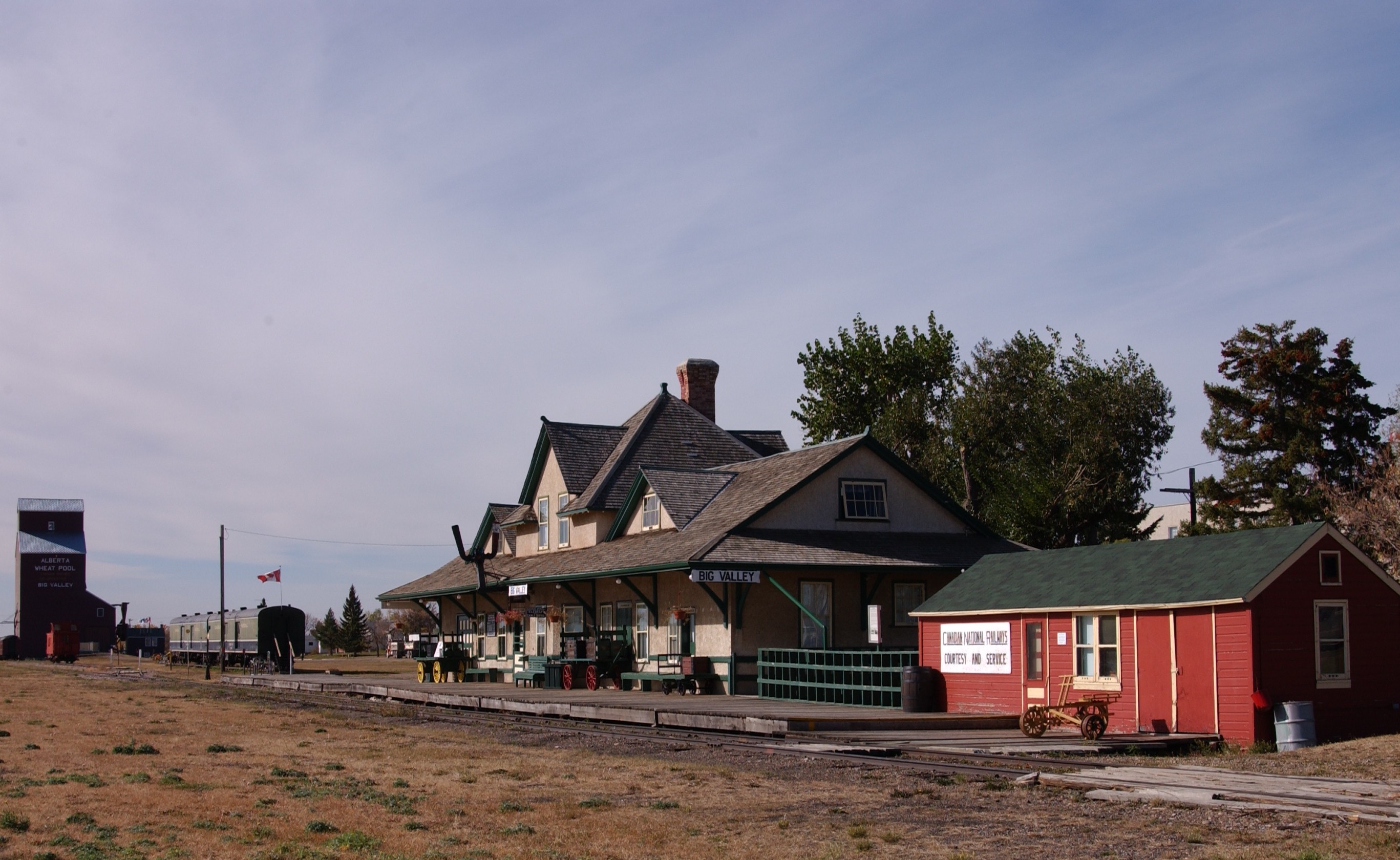
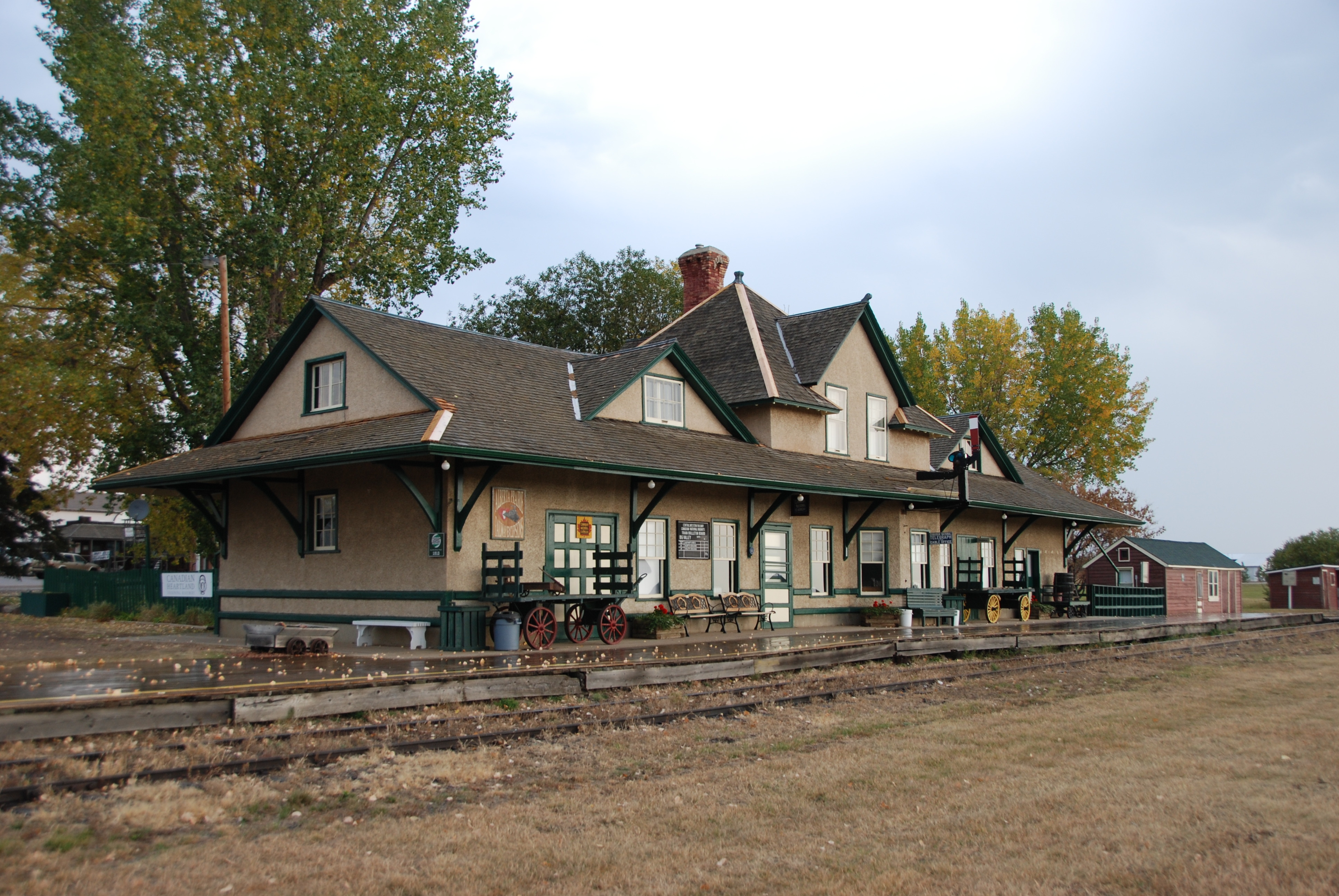
Canadian Northern Railway Station, Big Valley

At one time, more than 800 communities in Alberta had a train station. This is no longer the case. Fewer than 10% of Alberta’s train stations remain today, and even fewer continue to serve their original purpose. The Canadian Northern Railway Station at Big Valley – designated a Provincial Historic Resource in 2005 – is one of those few. Train excursions run regularly from Stettler to Big Valley, often with the mighty 6060 Steam Locomotive (also a Provincial Historic Resource) in the lead.

The Big Valley CNoR station in 2011

The Big Valley CNoR station received a restoration grant from the Alberta Historical Resources Foundation this year, just in time for its 100th birthday. The Canadian Northern Society is planning a big party in honour of the centenary on Saturday, September 29. Check out the poster! Make sure your visit includes the roundhouse, which was designated along with the railway station. Another site worthy of note in Big Valley is St. Edmund’s Anglican Church – the Blue Church at the top of the hill – which was designated a Provincial Historic Resource in 2002.

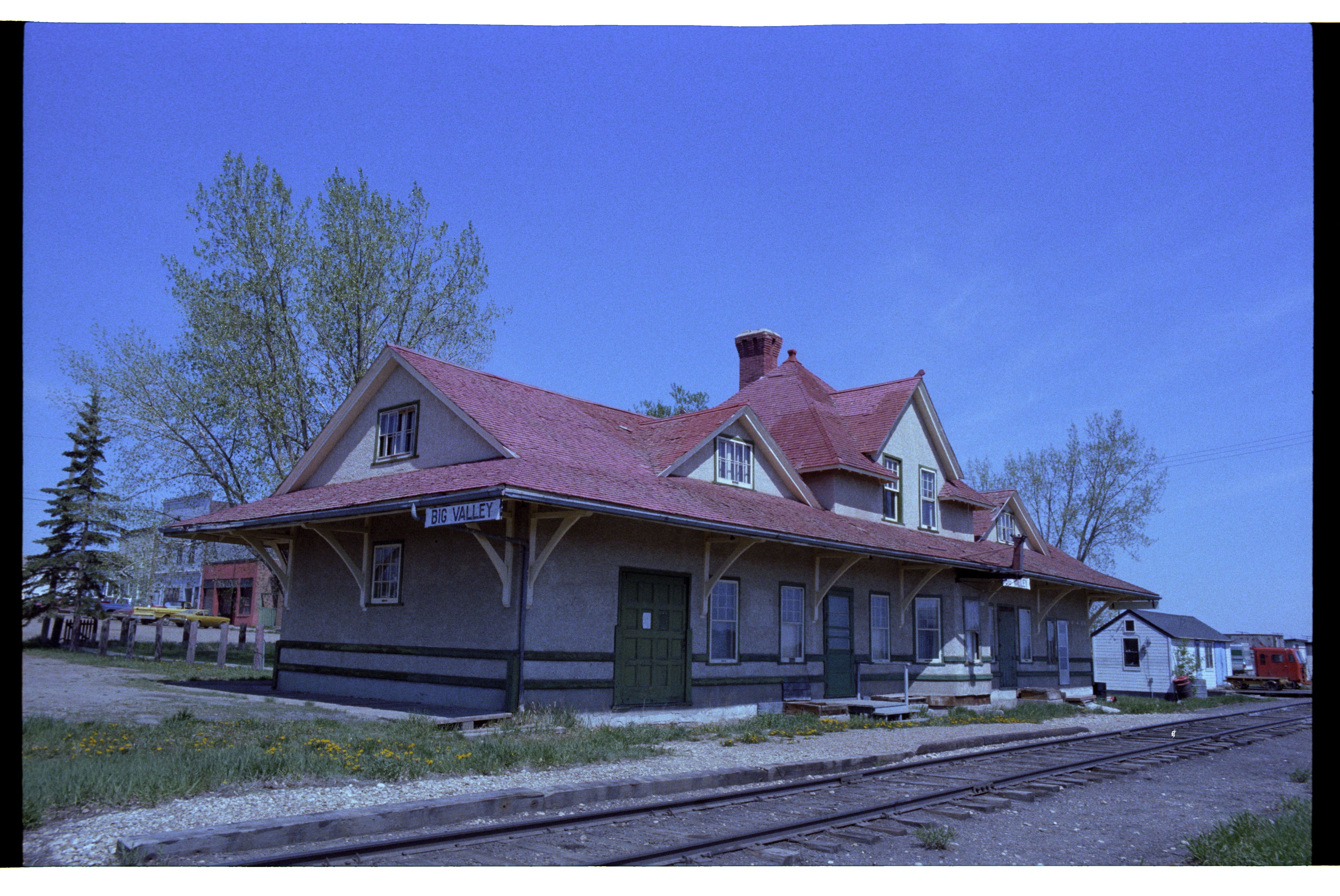
The Big Valley CNoR station in 1979 (79-R0375-27)

Sixteen other train stations have been designated Provincial Historic Resources. They are at Camrose, Claresholm, Didsbury, Empress, Fort Saskatchewan, Heinsburg, High River, Lethbridge, Meeting Creek, Paradise Valley, Peace River, Red Deer, Sexsmith, Smoky Lake, Strathcona (in Edmonton), and Vegreville. The stations at Beiseker, High River, Red Deer and Strathcona have also been designated by their respective municipalities. Additional recognition for Alberta train stations has come from the federal government, which has declared those at Banff, Empress, Hanna, Jasper, Lake Louise, Medicine Hat, Red Deer and Strathcona to be Heritage Railway Stations.

Written by: Dorothy Field, Heritage Survey Program Coordinator

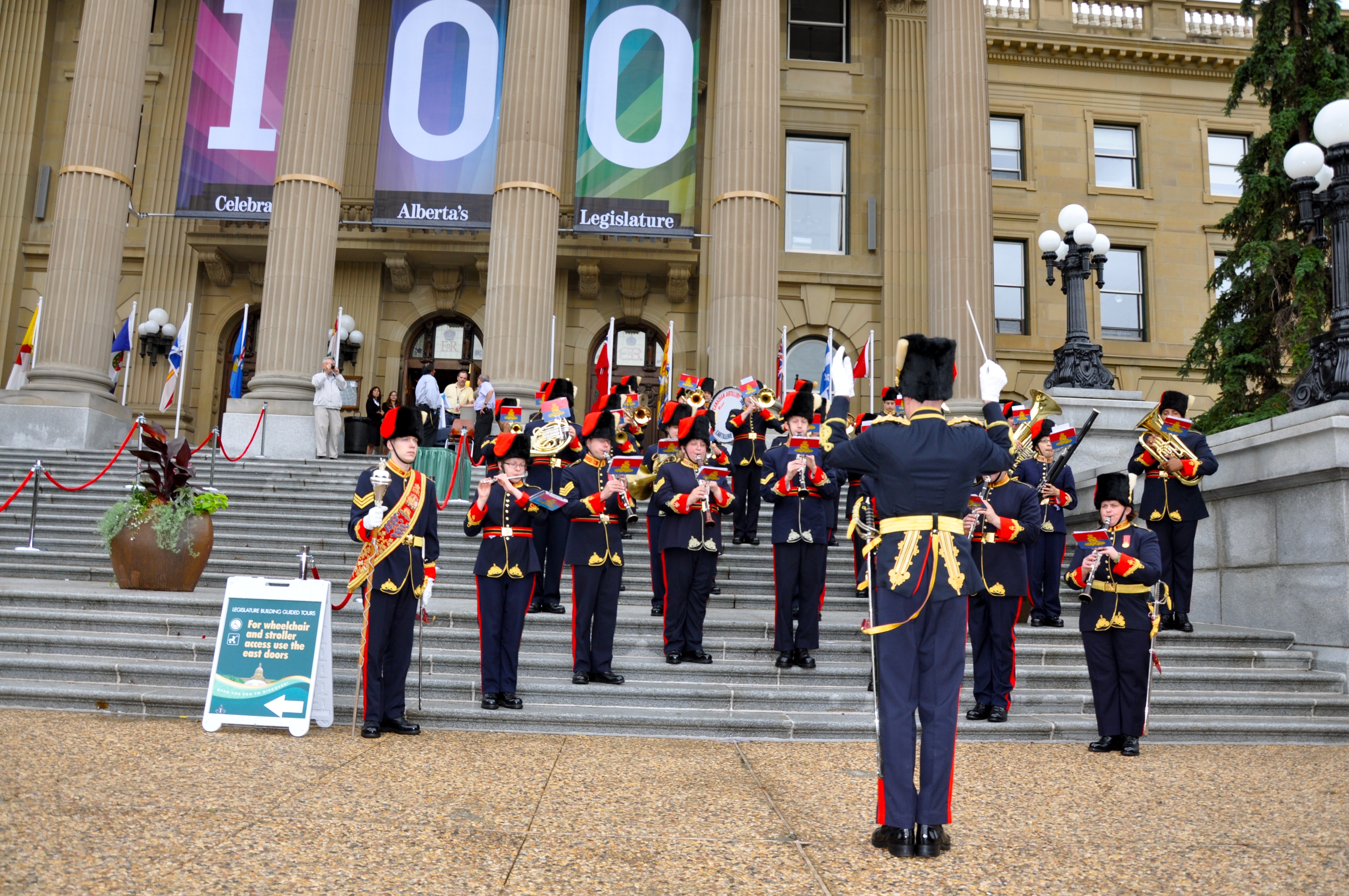
Alberta Legislature Building and South Grounds Designated a Provincial Historic Resource

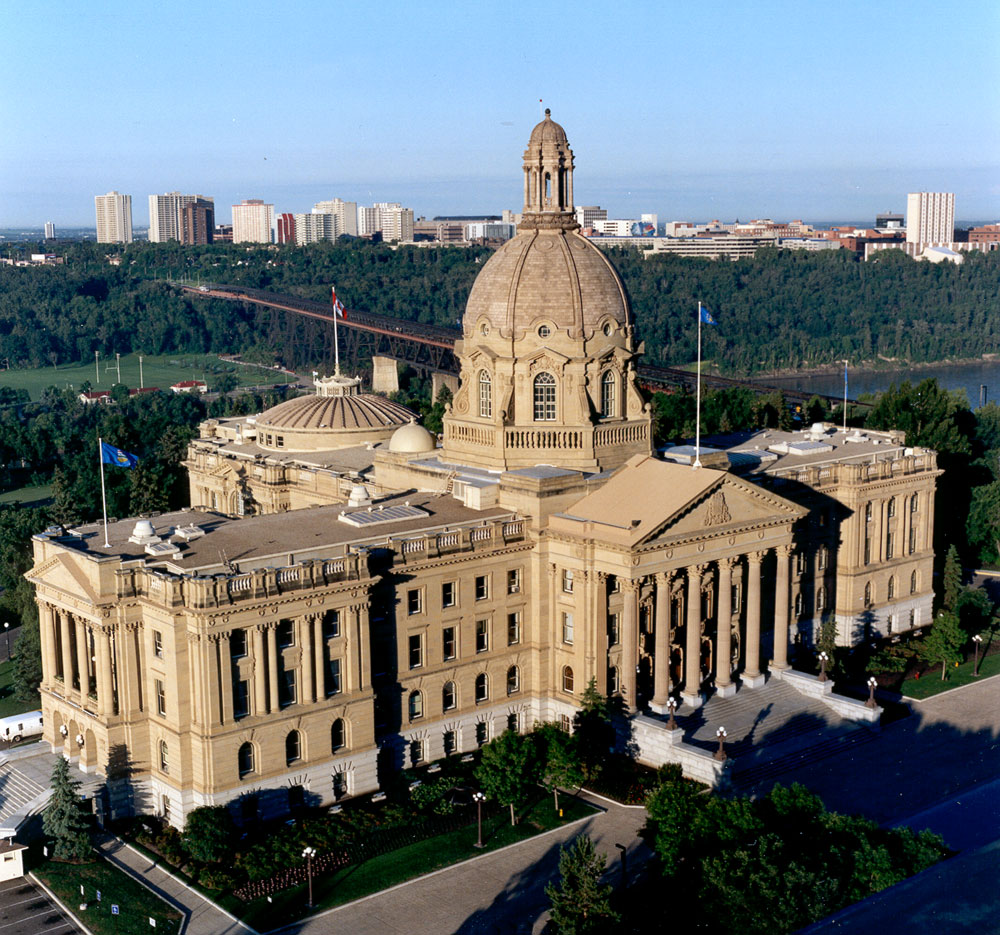
Photo: Courtesy of the Legislative Assembly of Alberta

On Sunday, September 2, 2012, during the Legislature Building’s centennial celebrations, Premier Alison Redford announced that the Legislature Building and portions of its south grounds have been designated a Provincial Historic Resource.

As explained in the Government of Alberta’s official news release, “the Alberta Legislature Building is an example of Beaux-Arts architecture popular in North America between 1895 and 1920. The south grounds that have historically served as a recreation area also contain archaeological resources associated with the Hudson’s Bay Company’s Fort Edmonton.” To read the complete news release, click here.

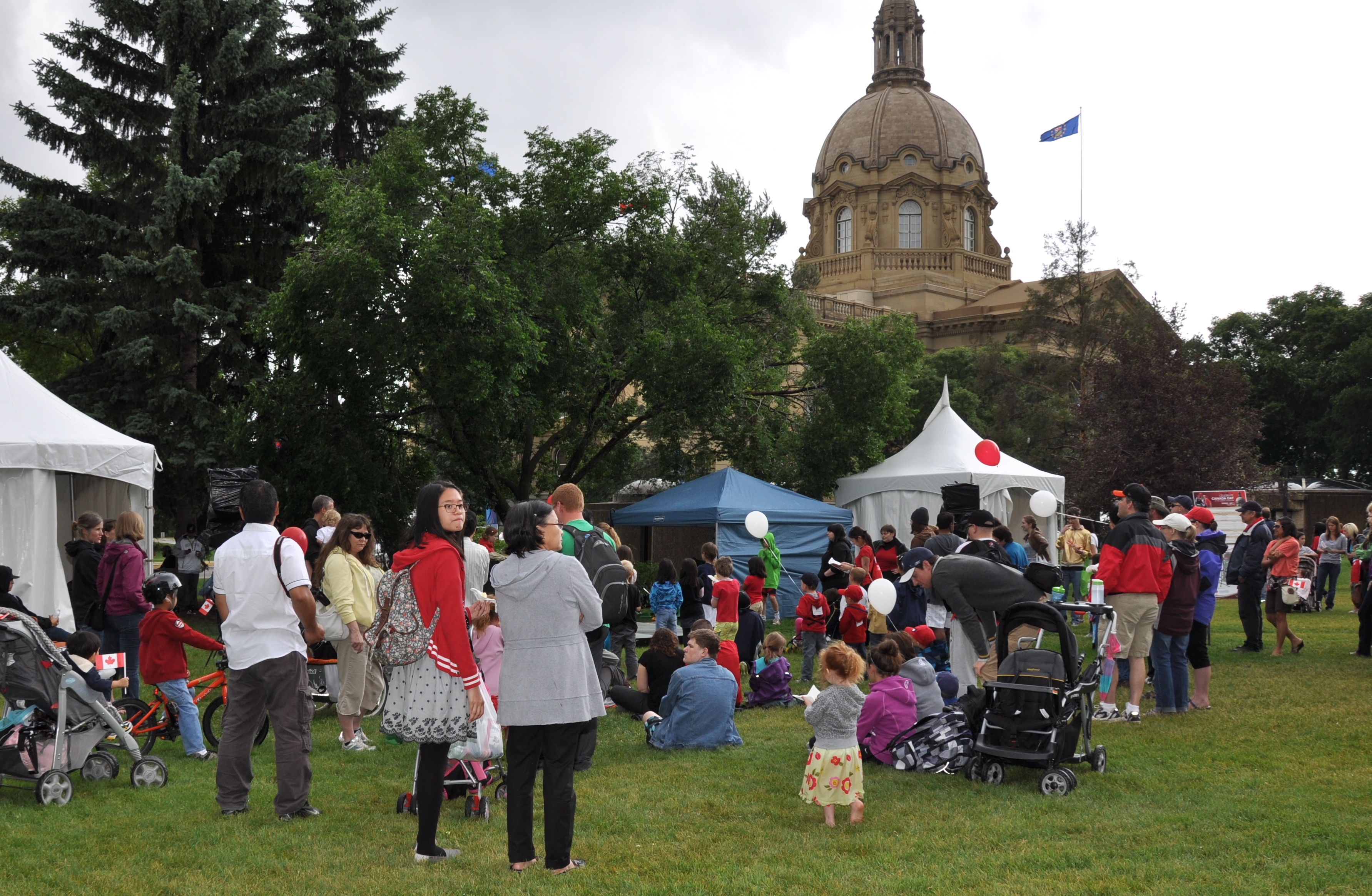
Check out the following photographs from the centennial celebrations:

Photo: Courtesy of the Legislative Assembly of Alberta

Written by: Brenda Manweiler, Municipal Heritage Services Officer

Accepting Applications: Renewed Heritage Markers Program

Deadline: October 1, 2012

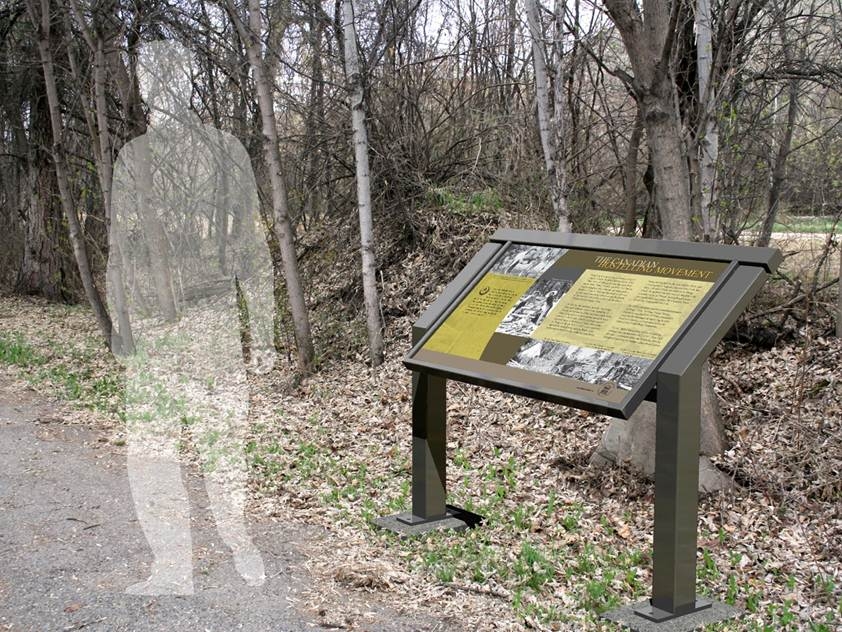
The newest addition to Alberta’s heritage markers family.

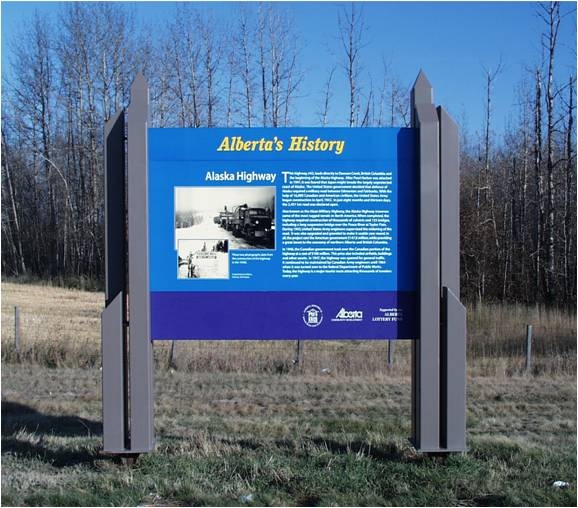
Alberta Culture is very pleased to announce the launch of its renewed Heritage Markers program.  Albertans are familiar with the many roadside signs erected over the years by Alberta Culture to promote greater awareness of our province’s heritage.  From the frontier-style signs of long ago to the robust “Big Blue” signs of more recent years, the Heritage Markers program has engaged travellers along Alberta’s highways and byways on a range of eclectic and compelling heritage topics.

One of the “Big Blue” signs.

The program is now taking a bold step forward and introducing dynamic new designs, greater flexibility of location, and more rigorous public engagement. The Heritage Markers program has designed more modestly-sized markers that incorporate lively, more colourful interpretive panels.  The markers are perfect for placement along trails, within parks, and in other public spaces.

An early roadside sign in Alberta.

Albertans are encouraged to submit applications to the Heritage Markers program to recognize the people, places, and events that have shaped our province’s unique character.  If an application is accepted, Alberta Culture will assume all the labour and costs of creating and installing a new heritage marker.  If you think you have a heritage topic that Albertans should know about, please visit the Heritage Markers program website, where you can review the project guidelines and consider submitting an application.  Please note that the next application deadline is October 1, 2012.

If you have any questions about the program, please contact me, Matthew Wangler.

Written by: Matthew Wangler, Manager of Historic Places Research and Designation Program

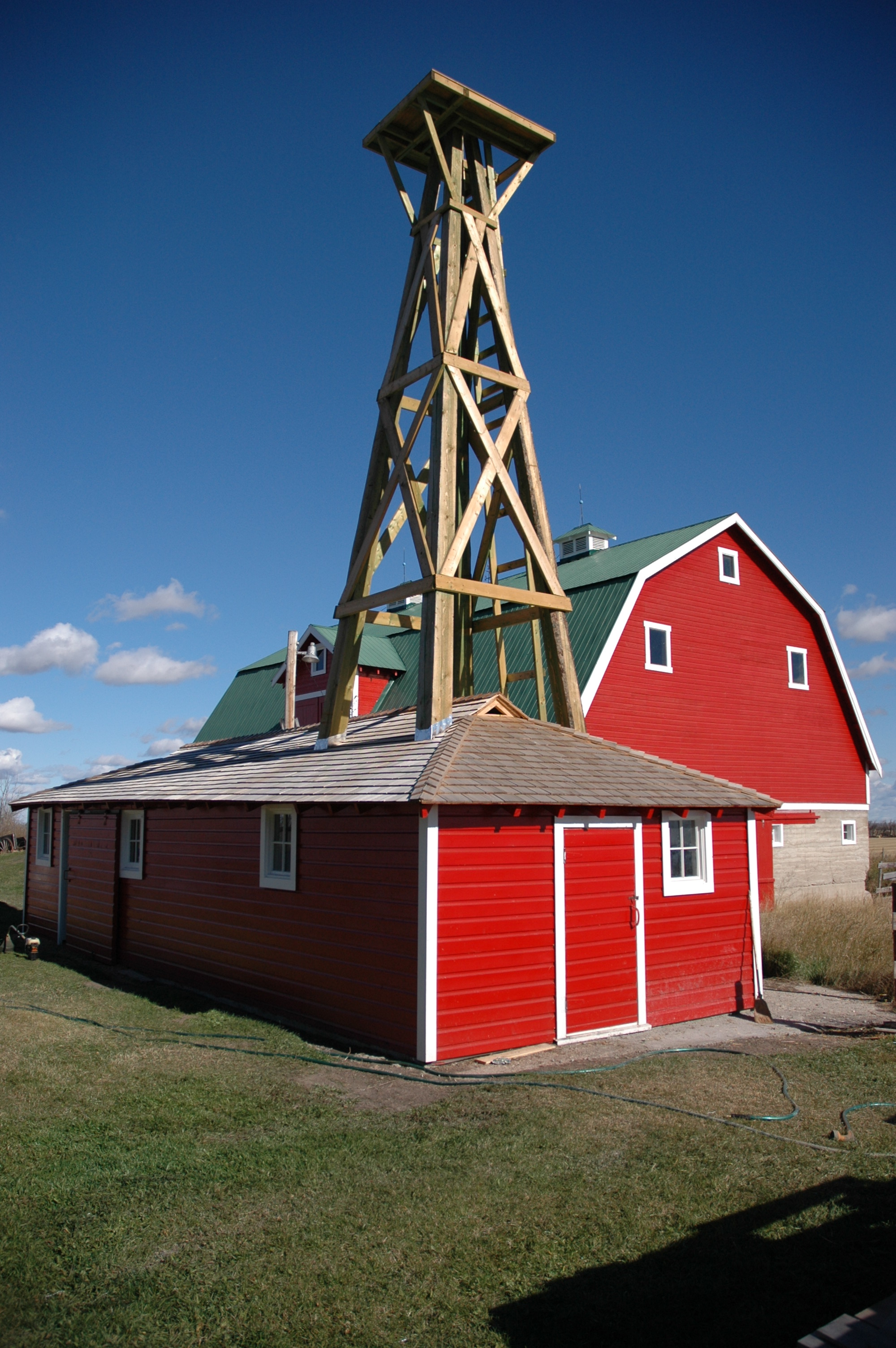
Greenridge Farm, near Dewberry

In 1905, the Canadian Northern Railway completed a line between Lloydminster and Edmonton. As it did so, vast areas of open parkland between the two centers became immediately viable for homesteading.  As the incipient farms spread out from the rail line, tiny farming communities sprang up to serve them.  One of these was called Dewberry, 50 km northwest of Lloydminster, where a store and post office was erected in 1907.  Among the settlers in the district was Lee Green from Illinois, who filed for a homestead on NE26 TP54 R4 W4, 10km north of Dewberry, in 1909.  He also took two quarters with South African scrip four miles to the north of this, and proceeded to prove them up before returning to Illinois to marry Aleta Fleming in 1912 and bring his bride back to his farm north of Dewberry where they intended to develop it and raise a family.

Before long, Lee and Aleta began to expand their farm.  During the next several years, they also raised four children.  Lee was a progressive mixed farmer, apparently bringing the first gasoline powered breaking outfit to the area.  He also brought in a highly valued stock of purebread Belgian horses, and built up a large herd of Aberdeen Angus cattle.  As his farm expanded, he required more land, so he purchased all of section 23 TP54 R4, just to the south, from the CPR.  It was on the southwest quarter of this section that he centered his operation during the 1920’s, having several buildings erected over the course of the next two decades, including a house, a large barn, a separate pig barn, a blacksmith shop, a machine shop, and a separate residence for hired help.  He even built a teacherage for teachers of the nearby Riverton School in 1948.  By this time, the farm became a model for the district, which had become known as Greenlawn, and the farm Greenridge.  The viability of the expanded operation had been given validity by the extension of a CPR line through Dewberry in 1927.

Being among the more prominent residents in the district, Lee and Aleta were active in community affairs, especially musical, for they were both musicians.  They were also both prominent parishioners of the local United Church.  Lee was active politically as well, being involved in the local branch of the United Farmers.  In 1949, he would run, unsuccessfully, as a CCF candidate in the federal election for the riding of Battle River.  Lee and Aleta remained on their farm, passing away in the 1960’s.

By this time, the operation had been taken over by their son, Harlan.  Because of its size and the innovations introduced by Lee and others, and the contributions of the Greens to the district, it continued its status as a model farm.  On 16 February 2006, it was designated a Provincial Historic Resource.

Written by: David Leonard, Historian

Visit the Alberta Register of Historic Places to learn more about the heritage value of the Greenridge Farm. In order for a site to be designated a Provincial Historic Resource, it must possess province-wide significance. To properly assess the historic importance of a resource, a historian crafts a context document that situates a resource within its time and place and compares it to similar resources in other parts of the province. This allows staff to determine the importance of a resource to a particular theme, time, and place. Above, is some of the historical information used in the evaluation of the Greenridge Farm.

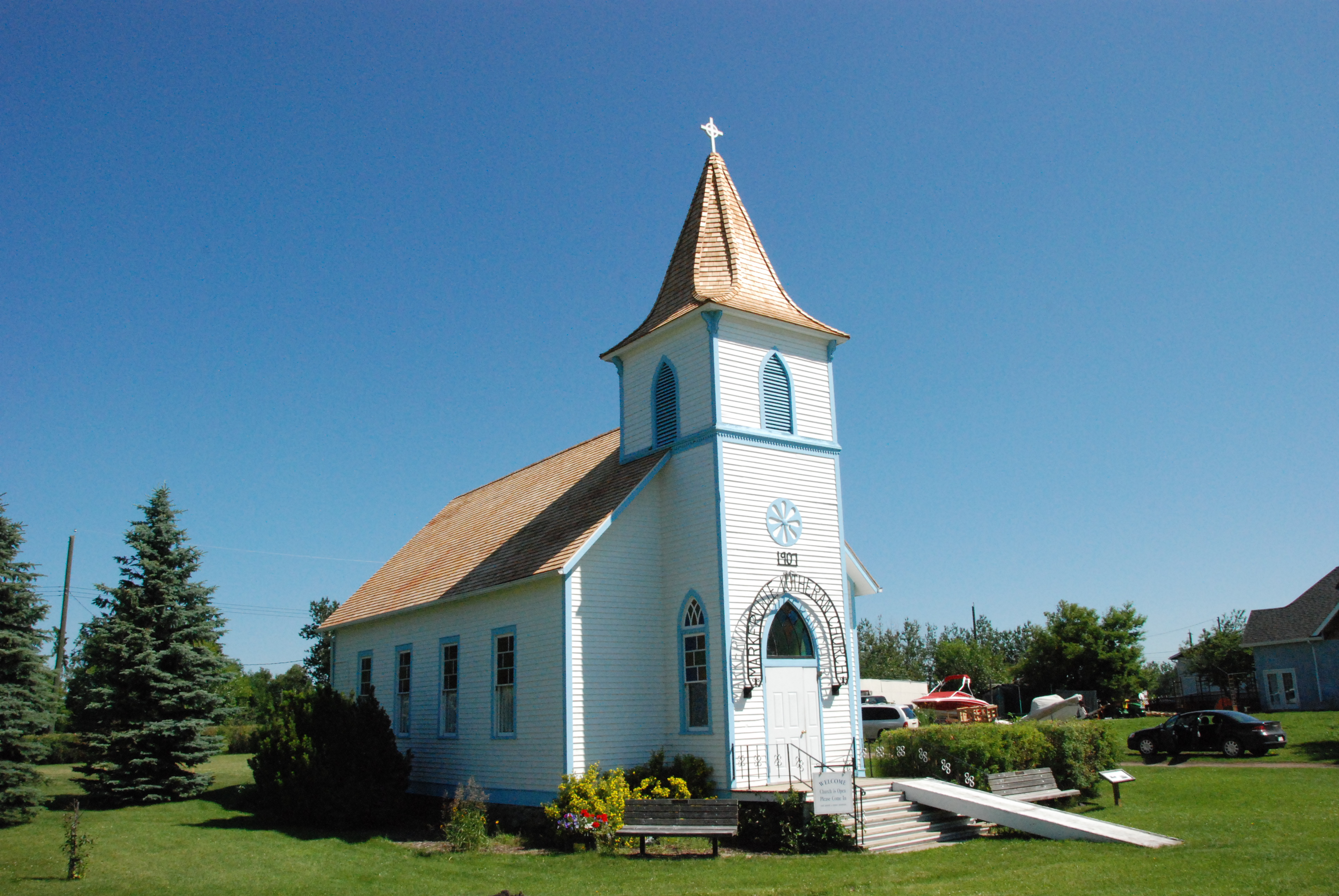
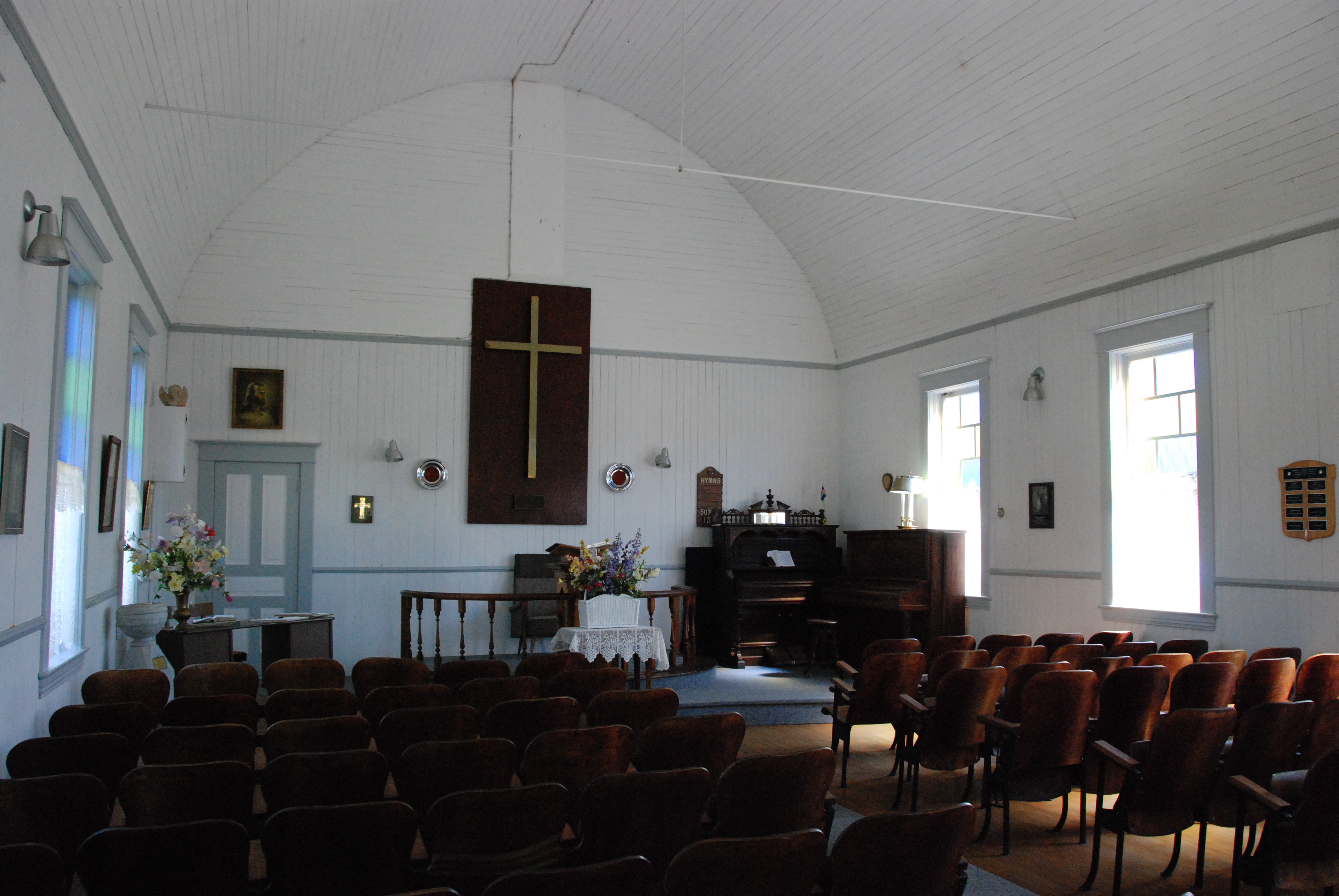
Markerville Lutheran Church

Among the immigrant groups to settle in the Dakota’s during the latter 19th century were the Icelanders. Due to severe drought conditions during the mid-1880s however, several of these immigrants decided to seek new horizons in the more northerly climes of western Canada. By this time, the trail between Calgary and Edmonton had become a well used wagon road, and the community at Red Deer Crossing could offer many services to incoming homesteaders. As the district southwest of the Crossing was largely open, appeared fertile, and had just been surveyed, it was recommended by certain Icelandic South Dakotan advance scouts that it offered a good chance for a new life. These people possibly preferred this more hilly and wooded environment to the Dakotas as it was more similar to Iceland, and the Dakota flatlands had not brought them prosperity. They were also intent on mixed, and not just flatland, grain farming, a pursuit more suited to parkland than open prairie.

In the summer of 1888, some fifty Icelandic South Dakotans headed north from Calgary, crossed the Red Deer River, and took homesteads off the banks of the Medicine River, mostly to the east. A community was established called Tindastoll after a mountain in Iceland. The following year, another party of Icelanders arrived from South Dakota and settled further north. This party included Stephan Stephansson, who had founded the Icelandic Cultural Society of South Dakota. While in Alberta, he would become recognized as the greatest poet in the Icelandic language since the 13th Century. His concern for his Icelandic heritage was reflected elsewhere in the community, and, in 1892, a literary and debating society was formed, the same year that a school district was established. The women of Tindastoll also formed their own community club called Vonin, meaning “hope.” The first president of Vonin was Stepansson’s sister, Sigurlaud Kristinsson.
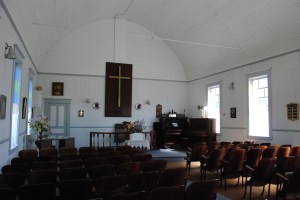
For years, social events conducted by the sisters of Vonin were presented from a Lutheran perspective. Indeed, their socials seem to have taken the place of regular church services until 1905, when the Reverend Sjera Peter Hjalmsson arrived from Winnipeg with his wife, Jonina, to establish a Lutheran church as part of the Icelandic Synod of western Canada, headquartered in Winnipeg. Serja had been trained in theology in Copenhagen and Reykjavek. He immediately began to conduct services in the newly constructed Fensela Hall, but strongly urged the members of his congregation to pull together to construct a regular church.  Finally, in the spring of 1907, a group of men, including John Olsen, Asmundur Christianson, John Hillman and Chris Johanson, formed a committee and planned the construction of a wood frame church building on NE26 TP36 R2 W5, on land donated by J.M. Johnson. This was in close proximity to the other buildings constituting the community of Markerville, which were also constructed on Johnson’s land.

Work on the new church began immediately, with sandstone for the foundation being hauled in from the Red Deer River. By the end of the year, the building was completed, with a bell tower and a wooden Celtic cross added the following year. Sjera Hjalmsson continued to serve the MarkervilleLutheranChurch until 1935, although, in later years, he was blind.  He passed away in 1950.  All the while, Jonina continued to play the organ, while A. J. Christvinson served as secretary-treasurer to the congregation from 1915 until 1964.

As a community, Markerville never became big enough to become incorporated as a village.  It was too close to Innisfail and Penhold on the Calgary & Edmonton Railway, and so grain shipment and major shopping for the district settlers took place at either of these two centers.  Markerville nonetheless continued to harbour the trappings of Icelandic culture, made stronger by the international reputation of Stephan Stephansson. Structural evidence of the founding of this community, including the community church, therefore survived, and, together, present strong trappings of Icelandic culture. In August 2009, The Markerville Lutheran Church was designated a Provincial Historic Resource.

Written by: David Leonard, Historian

Visit the Alberta Register of Historic Places to learn more about the heritage value of the Markerville Lutheran Church. In order for a site to be designated a Provincial Historic Resource, it must possess province-wide significance. To properly assess the historic importance of a resource, a historian crafts a context document that situates a resource within its time and place and compares it to similar resources in other parts of the province. This allows staff to determine the importance of a resource to a particular theme, time, and place. Above, is some of the historical information used in the evaluation of the Markerville Lutheran Church.


Dutch Settlement

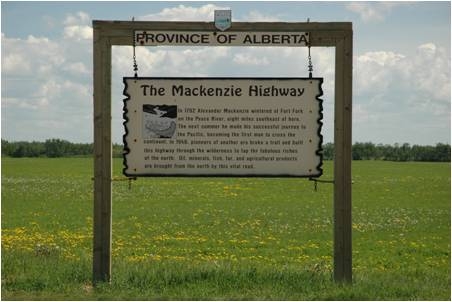
You have all probably seen them – large blue heritage markers located at highway rest areas or points of interest throughout Alberta. These interpretive signs tell of Alberta’s rich heritage. Come, travel Alberta and read a featured heritage marker:

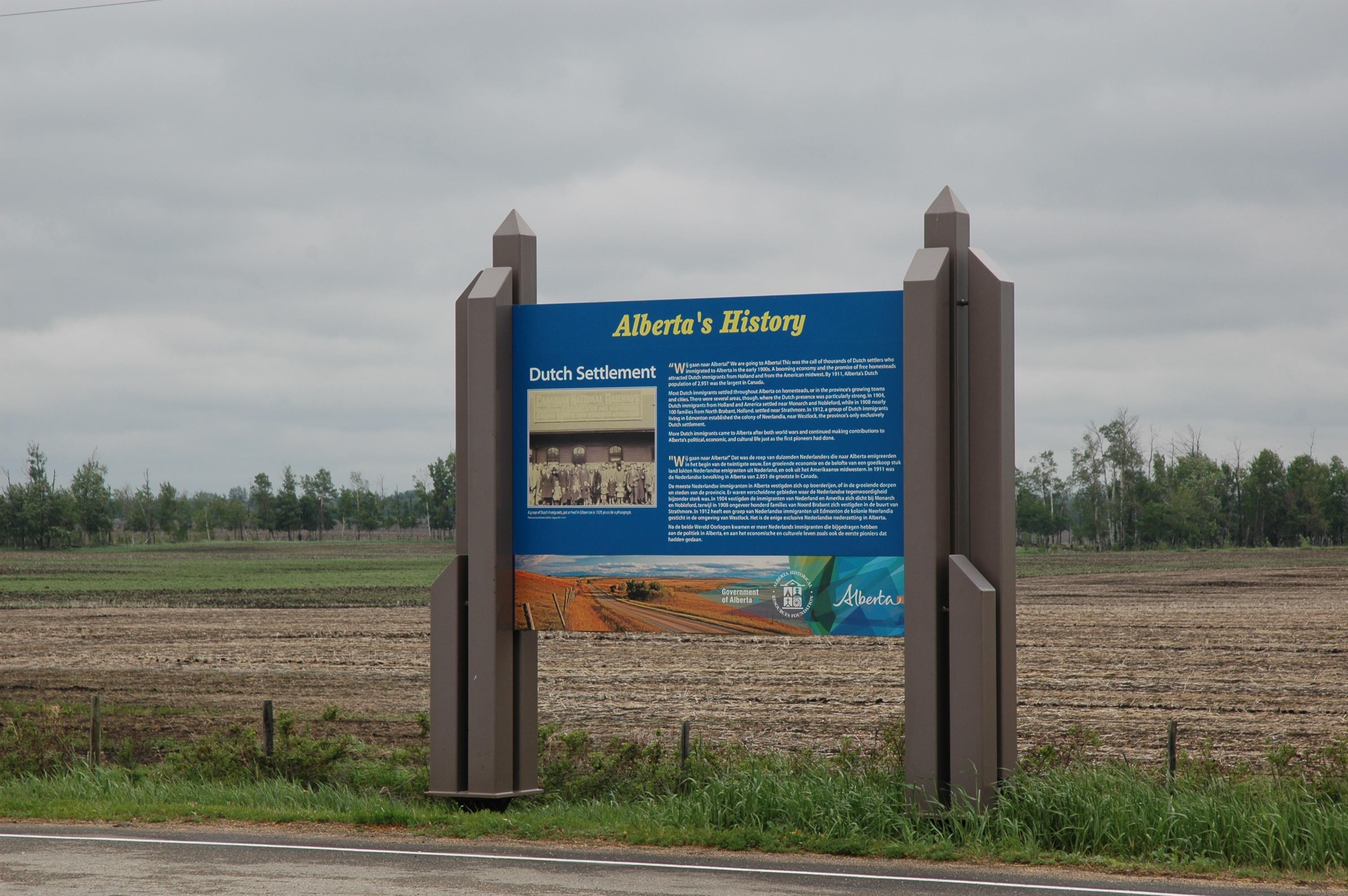
Driving westward on Highway 18, about 3 kilometers east of the intersection with highway 33 (near the Town of Barrhead) I came across a heritage marker commemorating Alberta’s first Dutch settlers. The sign is about 19 kilometers south of the Hamlet of Neerlandia. Why is Neerlandia special? The sign explains:

Dutch Settlement

“Wij gann naar Alberta!” We are going to Alberta! This was the call of thousands of Dutch settlers who immigrated to Alberta in the early 1900s. A booming economy and the promise of free homesteads attracted Dutch immigrants from Holland and from the American Midwest. By 1911, Alberta’s Dutch population of 2,951 was the largest in Canada.

Most Dutch immigrants settled throughout Alberta on homesteads, or in the province’s growing towns and cities. There were several areas, though, where the Dutch presence was particularly strong. In 1904, Dutch immigrants from Holland and America settled near Monarch and Nobleford, while in 1908 nearly 100 families from North Brabant, Holland, settled near Strathmore. In 1912, a group of Dutch immigrants living in Edmonton established the colony of Neerlandia, near Westlock, the province’s only exclusively Dutch settlement.

More Dutch immigrants came to Alberta after both world wars and continued making contributions to Alberta’s political, economic, and cultural life just as the first pioneers had done.

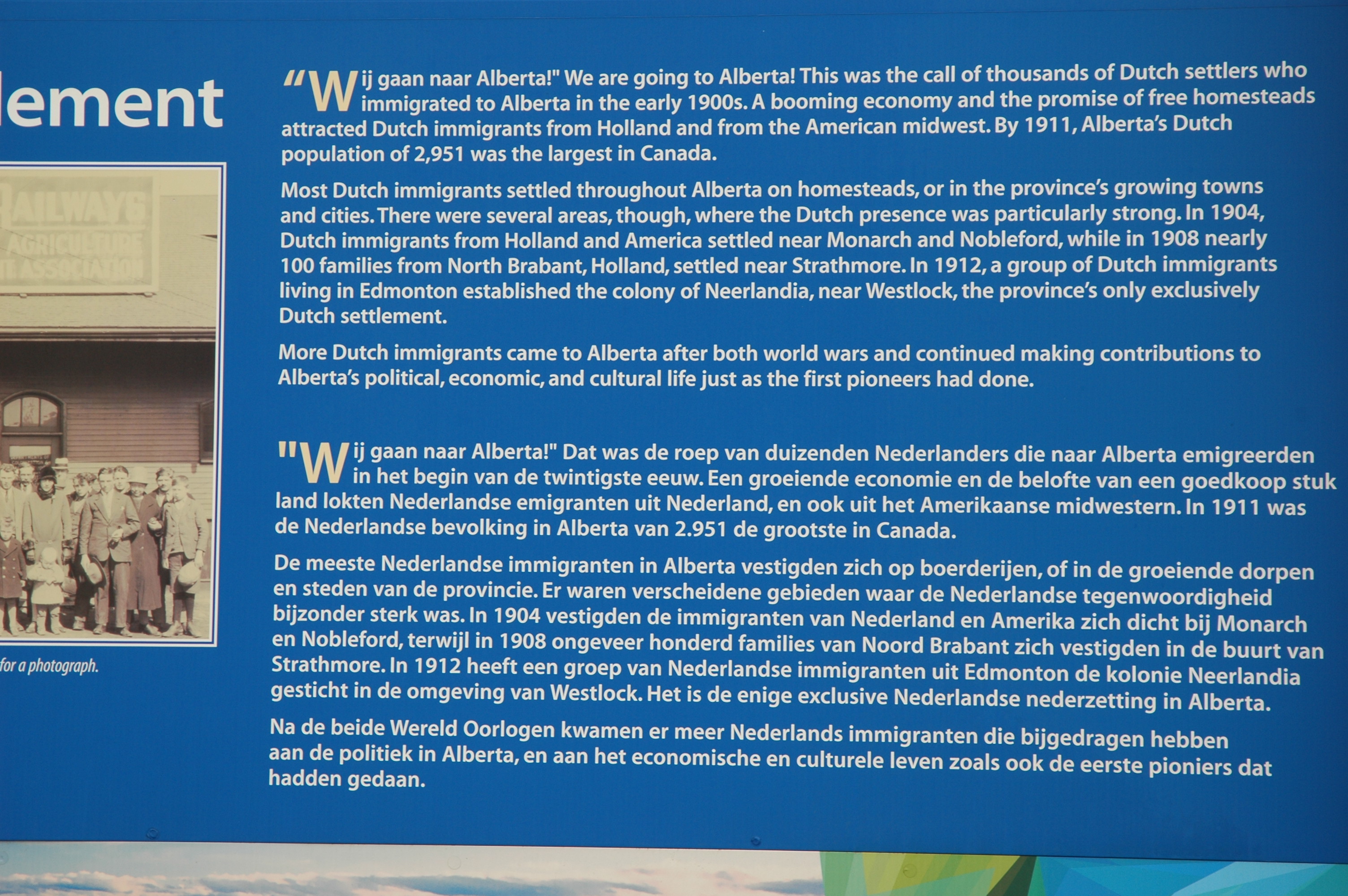
Note: The text on the sign is repeated in Dutch. To view, click on the below photo.

Heritage Marker Location

On the north side of Highway 18 approximately 3 kilometers east of Highway 33, near the Town of Barrhead.

Alequiers is a Provincial Historic Resource located near Longview in the M.D. of Foothills, in southern Alberta. Although it’s not located near this sign, the property is associated with the well know painter Ted Schintz. Schintz migrated to Canada from Holland during the 1920’s.

Prepared by: Michael Thome, Municipal Heritage Services Officer

Barns & Cities: One Unexpectedly Goes with the Other

Reading about barns you may first recall memories of those typical red buildings proudly standing in an agricultural landscape, but do you also remember those barns that were located on the main streets of hamlets, villages and towns?

Coming from Québec City as part of the Québec/Alberta Student Employment Exchange Program, I have worked on a research project meant to increase our understanding of the history of livery barns, and to promote awareness for their historic importance. To do this, I had to go back in time at various archives to learn that most livery barns in Alberta were actually important places, especially from the late 19th century to the 1940s.

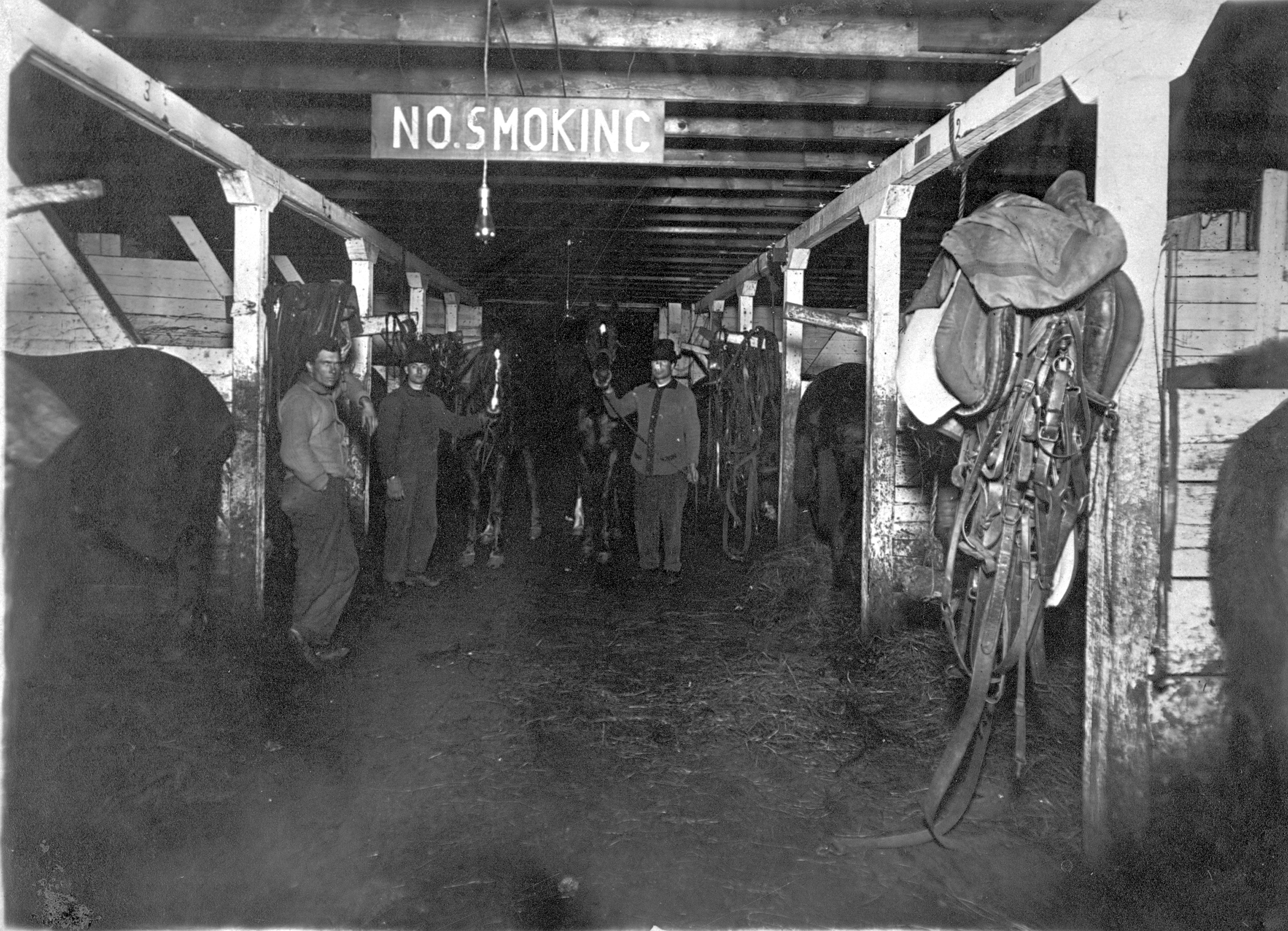
Livery barns were located on strategic corners. They were the main logistic centres for cities during the time when horse power was mainly used for transportation. Gable roof, gambrel roof, cubic style, with or without a front wall – all a liveryman needed was a place with stalls to welcome and take care of  horses. Mostly located near railways, hotels and lumberyards, livery barns contributed to a great deal of economic activities. Merchants, settlers, travelers and cowboys would park their shire horses, ponies or mustangs with their carriages in a livery barn for a night or a couple of days. Liverymen could rent animals and agriculture implements, host auctions, organize “bus” tours, deliver milk and wood, and even move a catalogue house all according to the needs of the community. If you were marrying in the 1920s, you also could have called for a team of horses to gently carry you to your wedding ceremony.

G. Rowland Livery Barn Inside View, Edmonton, c. 1920, Provincial Archives of Alberta.

Some livery barns were more high-class than others but they were all meeting places; a place where men could play card games and talk about the weather. Livery barns might also have held suspicious activities. Empty bottles of alcohol dating from the prohibition period were surprisingly found in the walls of the National Hotel Livery Barn, in Calgary. This helps to explain the commonly bad perception that citizens had of the places. The job of the liverymen was dirty and the environment was crowded, as you can see by the photograph.

Livery barns sometime created urban sanitary issues. Hygienic laws and relocating the business mostly dealt with the concerns, but, after the 1930s, if a livery barn was accidentally destroyed by fire, it usually was not rebuilt. From the 24 livery barns registered in the Henderson’s Greater Edmonton Directory of 1913, the G. Rowland Livery Barn, which was located at 12705 on 65th St., shows typical historical trends. Built in 1912, exactly at the highest peak of number of livery barns, it changed proprietor 4 times before it disappeared as a company in 1939. The needs of the communities were changing and horses were gradually replaced for automobiles. World War II accelerated the shift and livery barns were abandoned, used for storage or converted to garages.  Because horses started better than cars in the morning, some livery barns still existed in the winter until the late 1950s.

If you think about it, there was once a time when searching for a place to park your horse was like today searching for a spot to park your car. It seems that livery barns are a forgotten part of Alberta’s history, but it might not be too late to recall the legacy.

Written by: Samuel C. Fleury, Historic Places Stewardship Research Assistant

Meet Dinosaurs, Coal Miners and Pioneers: Adventures in Southern Alberta

Where else but southern Alberta can you dig for dinosaurs, ride in a horse-drawn carriage and explore a world-famous rockslide all in one summer? With the Experience Alberta’s History Pass, the whole family can visit all of Alberta’s Provincial Historic Sites, Museums and Interpretive Centres for just $75.

As you stand under the huge Brooks Aqueduct, you can see why it was the largest structure of its kind when it was built 100 years ago. Take a tour to learn how this enormous aqueduct channelled water to parched prairie farmland as part of south eastern Alberta’s vital irrigation network. Stop for a picnic at this National and Provincial Historic site.

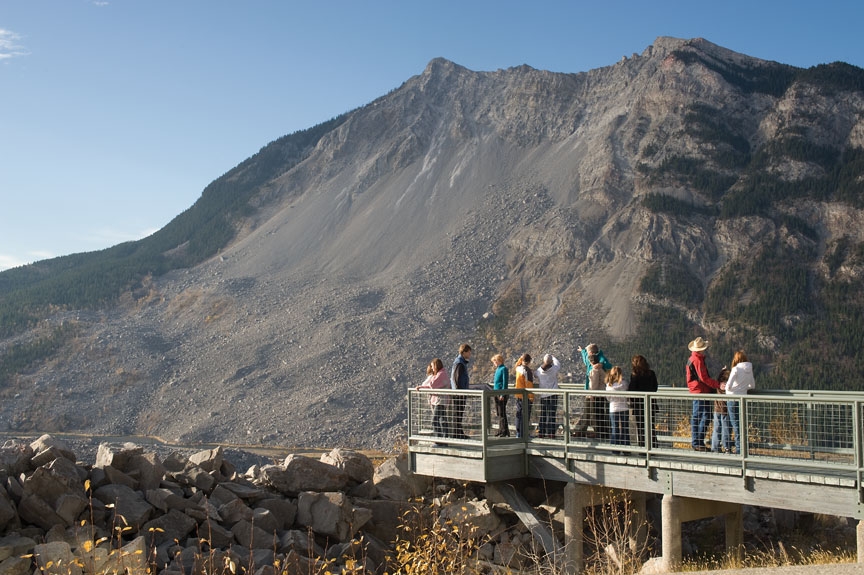
In the early morning of Apr 29, 1903, a massive rockslide hurled down from Turtle Mountain and buried a portion of the sleeping mining town of Frank. The thunderous roar of Canada’s deadliest rock slide was heard 200 km away. Visit the Frank Slide Interpretive Centre to explore what Frank and the Crowsnest Pass were like before, during and after the slide. Take a rocky hike and breathe in the crisp mountain air.

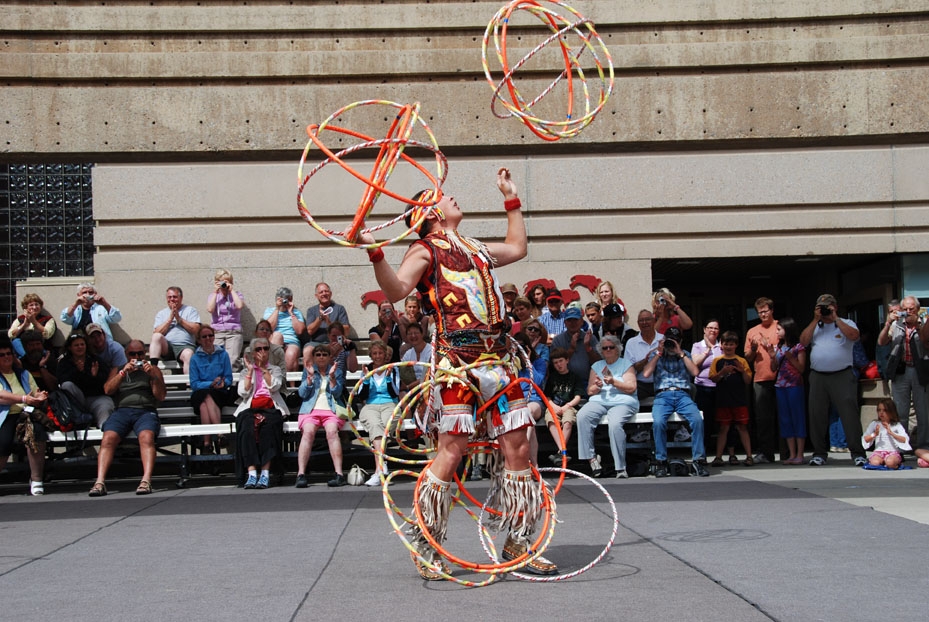
Head-Smashed-In Buffalo Jump in Fort Macleod is a UNESCO World Heritage Site and one of the world’s oldest, largest and best preserved buffalo jumps. Learn why it was used as a hunting ground for 5,500 years and the important role of the bison for the Aboriginal people who hunted here. Hike 2 km of interpretive trails, watch drumming and dancing demonstrations every Wednesday in July and August.

In 1909, Fort Macleod’s Leitch Collieries was one of the most successful enterprises in the Crowsnest Pass with 101 coke ovens, a soaring wooden washery and a massive tipple. Explore the ruins of this huge mine on a self-guided walking tour or register for an interpretive program to find out what drove the Leitch Collieries  out of business just 10 years later.

Since it was built in 1891, Calgary’s Lougheed House has been a state home, housekeeping and nursing school, Canadian Women’s Army Corps barracks and a Second World War blood donor clinic. Now the sandstone mansion houses historical displays, an elegant restaurant and historic themed flower and vegetable gardens. Make a special stop at the colourful butterfly-themed flower beds.

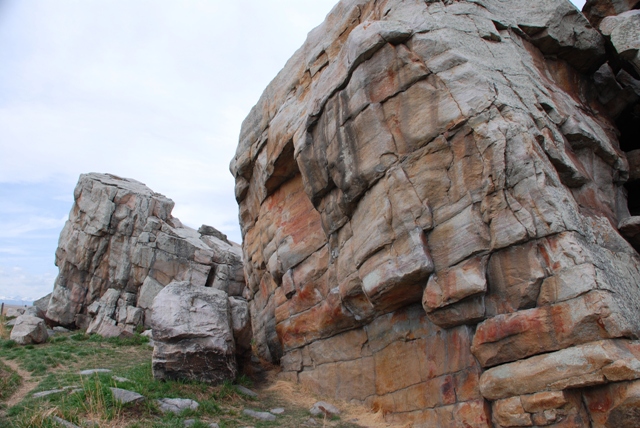
The Okotoks Erratic – the world’s largest known naturally transported rock – weighs 16,500 tonnes and took over 8,000 years to travel from Jasper area on the back of a glacier. This is a perfect place to walk your dog and learn about glacial movement and the importance of the “Big Rock” to Aboriginal people.

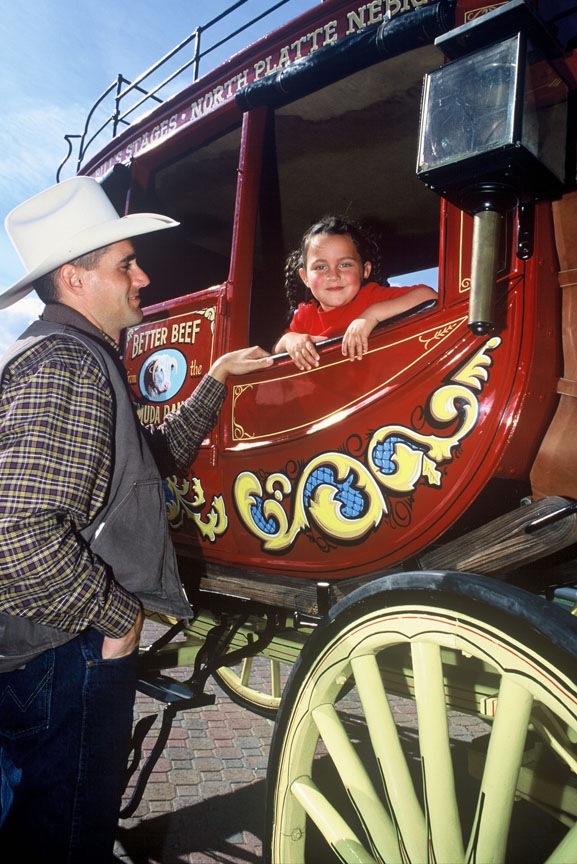
Treat the horse admirers in your family to a carriage ride around Cardston’s Remington Carriage Museum and introduce them to the museum’s herd of Clydesdales and Quarter horses. Little ones can also try a new mini-chuckwagon exhibit – while watching actual footage from the championships held here, they’ll feel the ride move as if they’re really driving it around the track.

Dino-obsessed kids can prospect for fossils and work in a simulated quarry in “Jr. Dig Experience”, a program just for pre-teens at the Royal Tyrrell Museum, in Drumheller. The Museum’s new exhibit Alberta’s Last Sea Dragon, solving an ancient puzzle, gets you up close to a 12-metre sea dragon.

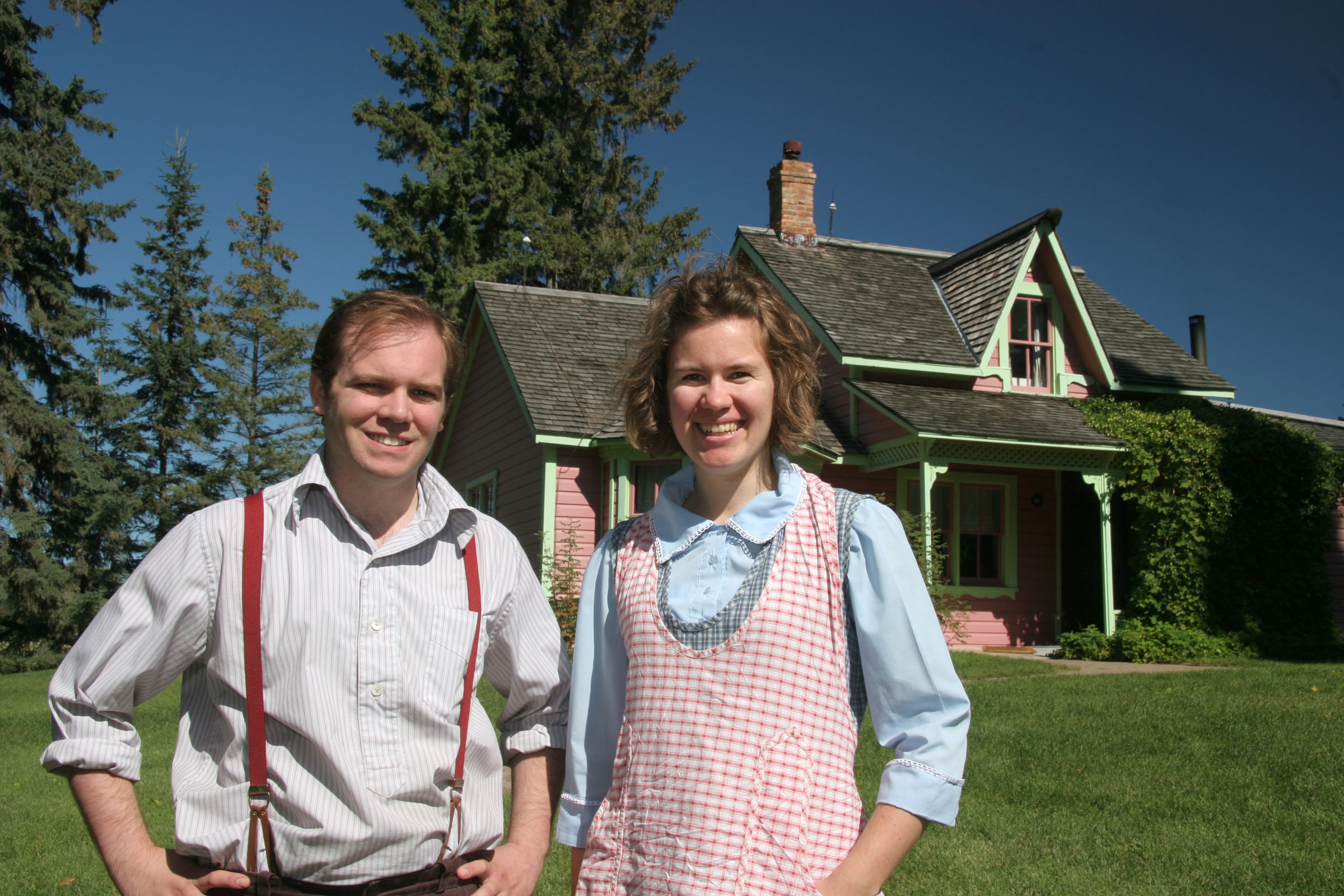
On your next daytrip, tour Stephansson House north of Markerville, the famous Icelandic pioneer poet’s early 20th century homestead. Costumed interpreters at the house provide a tour with hands-on demonstrations which may include poetry and baking. Stop at the Historic Markerville Creamery 7km south in Markerville to learn the intricacies of butter making.

Don’t forget about all the exciting Provincial Historic Sites, Museums and Interpretive Centres located in northern Alberta!

Search the Alberta Register of Historic Places to learn more about the above Provincial Historic Sites, which are also formally protected as Provincial Historic Resources.