

Written by: Todd Kristensen, Archaeological Survey of Alberta and Robert Gustas
The Archaeological Survey of Alberta is pleased to kick-off Occasional Paper Series No. 44 with its first six articles, which are available for free download.
The Occasional Paper Series is an annual volume of articles that explore cultural heritage in Alberta and surrounding regions. The first volume was published in 1976 and the current volume celebrates the series’ 50-year-anniversary. This issue is dedicated to sharing synopses or components of particularly insightful graduate theses and dissertations written over the last 15 years.
The first six articles include:
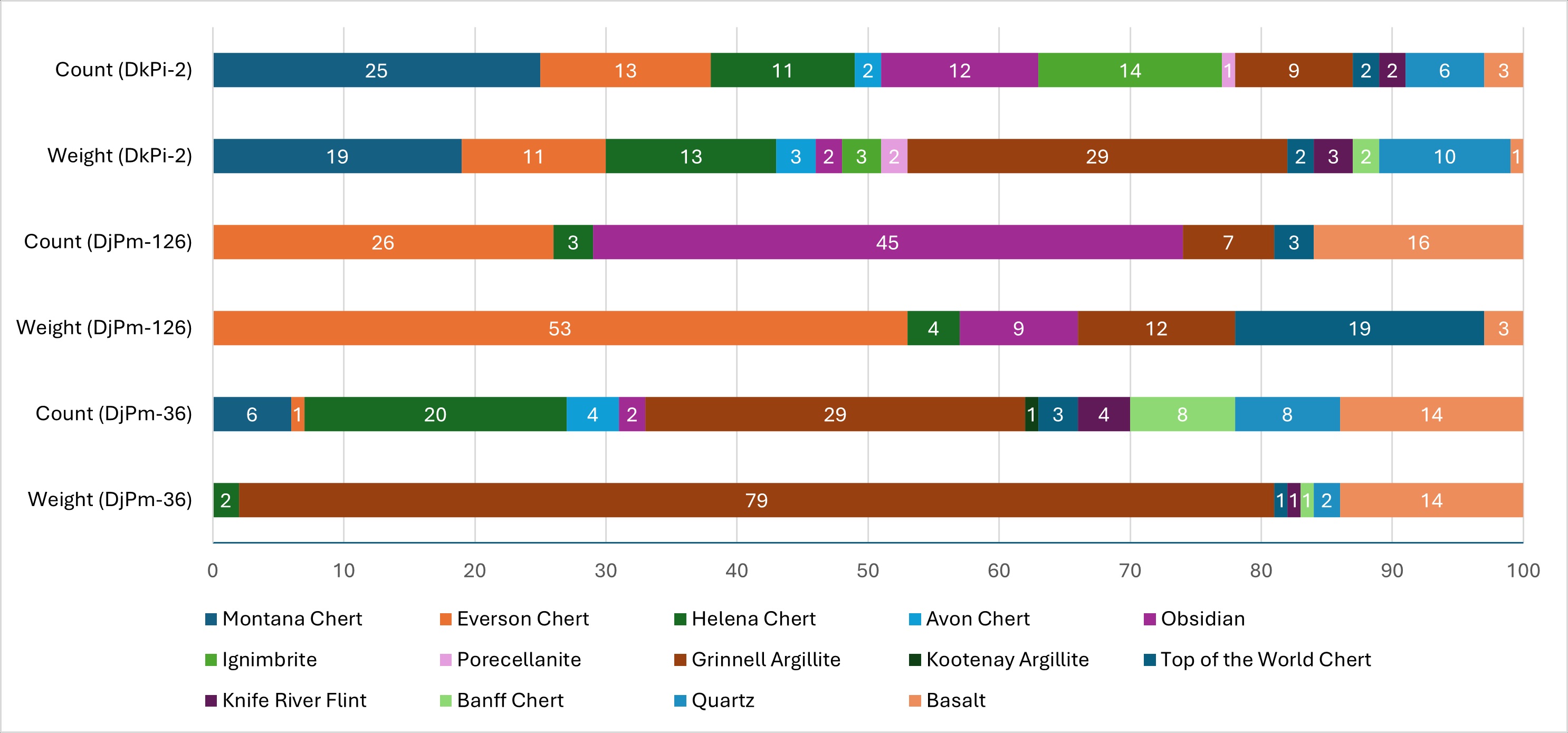
Lithic assemblages, distance-decay relationships, and the Late Precontact seasonal round on the Northern Plains (Tobi Krahulic)
An in-depth look at raw materials used to make stone tools on Alberta’s Northern Plains roughly 500 years ago. Tobi Krahulic connects the raw materials to their geographic origins (rock sources) in an effort to reconstruct how people seasonally moved across southern Alberta.
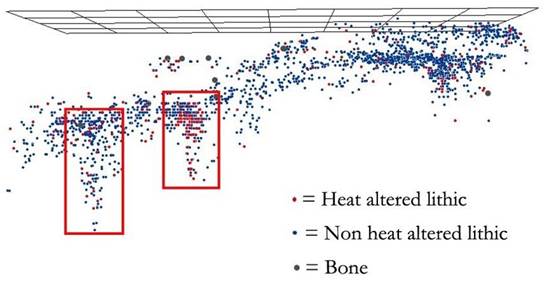
Moving through the lodge: Understanding traffic and activity areas at EgPn-375 (Zoe Cascadden-Jassal)
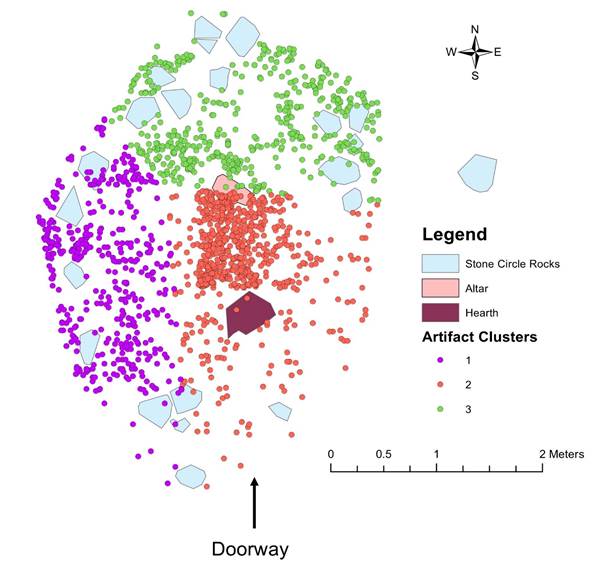
The second paper of the volume is a spatial analysis of artifacts and animal bone within a tipi ring in Calgary. Zoe Cascadden-Jassal’s detailed approach to the archaeological record reveals how people may have structured space and performed activities inside their dwellings.
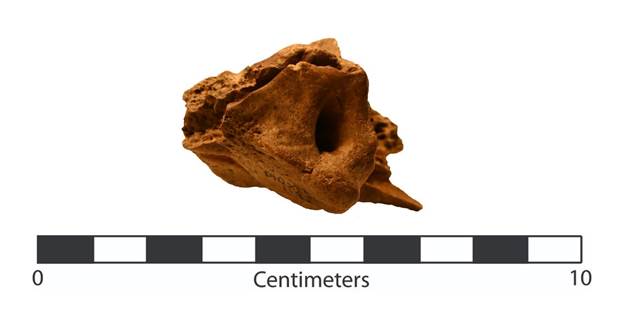
Investigating mandible detachment and tongue removal at the Fincastle site (DlOx-5) in southern Alberta (Samantha Westerhoud)
In the third article, Samantha Westerhoud looks at a particular component of a bison bone assemblage from a kill site in southern Alberta to understand how animals were butchered. The presence of particular bones, bone damage, and their association with each other reveal that bison mandibles were likely separated from the cranium to remove tongue meat.
In situ, in story: Spatial resolution, provenience, and interpretive visibility in Boreal Forest archaeology (Matthew Rawluk)
The fourth article of the volume explores an archaeological site in northern Alberta called Eaglenest Portage. Matthew Rawluk demonstrates that fine-scale spatial relationships of artifacts to each other reveal important activity areas in Boreal Forest sites.
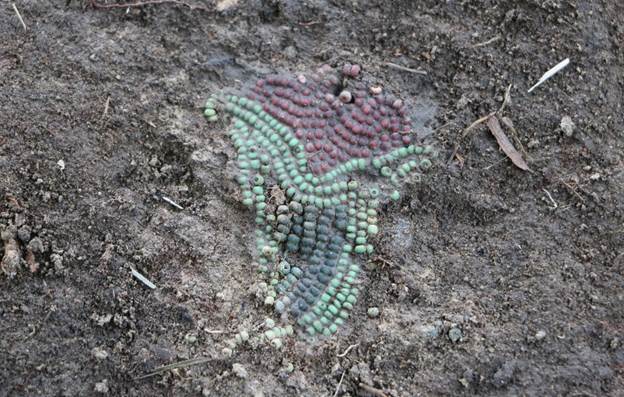
At the foot and across the Cypress Hills: Métis history at the Chimney Coulee site (DjOe-6) (Eric Tebby)
In the fifth article, Eric Tebby provides historical and archaeological records of Métis occupation in the Cypress Hills region of southwest Saskatchewan and southeast Alberta. Ongoing work is revealing how wooded areas were key overwintering grounds for people targeting dwindling bison herds on the Northern Plains in the 1870s. Rare archaeological finds revealed Métis beading practices and other evidence of daily lives in winter cabins.
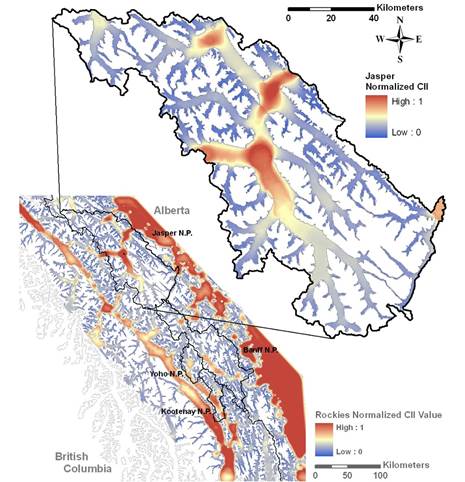
Social spaces and remote places – Space syntax in the Canadian Rocky Mountains (Aaron Osicki)
The sixth and last article in this release features an in-depth look at variables that influenced how precontact people moved through and adapted to mountainous landscapes of Jasper National Park. Aaron Osicki applied several principles, such as behavioural ecology and space syntax, to help understand why archaeological sites are located where they are and to predict where unrecorded ones may exist.
The remaining five articles in volume 44 will be released in the coming month. Previous volumes can be downloaded for free here. If you are an archaeologist or historian interested in contributing to the 2026 issue, dedicated to digital heritage in Western Canada, please contact the Archaeological Survey of Alberta.


One thought on “Emerging archaeology in western Canada: The Occasional Paper Series in 2025 (Part 1)”