Challenges Are Also Opportunities for Director of the Archaeological Survey

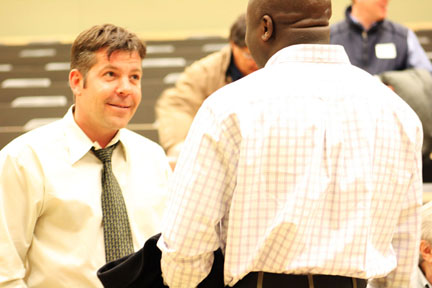
Darryl Bereziuk, speaks with attendees after presenting at a meeting.
Darryl Bereziuk, Director of the Archaeological Survey, speaks with consultants and students after presenting at a meeting.

Darryl Bereziuk is relatively new as Director of the Archaeological Survey of the Historic Resources Management Branch—he is just coming up on his first full year in the role. He is no stranger to the branch, however. Prior to becoming Director, he was the Northern Regional Archaeologist for the Archaeological Survey. “So I still worked in this organization, for about eight years. So, you know, I’ve come up through the ranks, so to speak,” Darryl says.

The Archaeological Survey Section preserves, studies, interprets, and promotes Alberta’s archaeological resources. Much of Darryl’s job involves overseeing several management systems that have been put in place to protect and mitigate threats to archaeological resources in the province.

The “Heart” of the Archeological Survey

The first (and fundamental) system is the Alberta Archaeological Site Inventory—what Darryl calls “the heart” of the Archaeological Survey. The section maintains an inventory of more than 40,000 archaeological sites of diverse types: tipi rings, rock art sites, stone feature such as medicine wheels, and quarry sites where First Nations people obtained stone for making tools. Such resources are fragile and easily destroyed by resource extraction and other types of development—and Alberta is a very busy place for that, Darryl notes. The up-to-date inventory helps the Archaeological Survey to fulfill a main part of its mandate: to protect significant archaeological sites that we know about.

Various industries must submit their development plans for review as part of the Historical Resources Act (HRA) Regulatory Approval System. If it is considered likely that a development will impact archaeological sites, then a requirement might be issued to conduct an Historic Resources Impact Assessment (HRIA). These field studies serve to identify and assess the significance of archaeological resources before they are impacted by ground disturbance activities.

What are Historic Resources Impact Assessments?

HRIAs are aimed at examining how potential impacts to significant sites can be avoided or mitigated. The consultants, in Darryl’s words, “examine the potential conflict between archaeological resources and a project’s footprint, and then forward recommendations, on behalf of the industry, for avoidance or mitigation. The Archaeological Survey considers the consultant’s findings and issues a final recommendation.” The final recommendation from the Archaeological Survey might be that there are no further concerns arising from the study, and that development may proceed. Or, the Archaeological Survey might recommend either that the site be avoided entirely, or that industry conduct archaeological excavations of a portion of the site to compensate—with the knowledge gained from the excavation—for destroying the remaining portions. “These sorts of mitigation activities happen on a very regular basis,” Darryl explains. Darryl was a private archaeological consultant himself for about fifteen years prior to joining the government, helping industry clients to fulfill the requirements issued by the section he now directs —the Archaeological Survey. “That knowledge and experience has really served me well in this position,” Darryl remarks.

Obtaining Permits

Before undertaking any survey or excavation, an archaeologist must come to the Archaeological Survey for official permission to do the work, triggering the second major management process that the section oversees: the Archaeological Research Permit Management System. “It’s not necessarily the materials in the archaeological site that are important,” Darryl explains. Instead, it is usually the “association of how the materials are distributed across the site that allows you to get at the important information”—that is, what the site has to tell us about past human behaviour or activities. It takes special training to excavate sites to see this larger pattern, and because the act of excavation is destructive in and of itself, the Historical Resources Act requires that anyone conducting an archaeological investigation have a valid permit. Permit holders must have “the appropriate educational training and experience to ensure that the destructive activities that they will be conducting will lead to really good information about that site—and that the information content of the site won’t be inadvertently lost,” says Darryl.

Despite the solid foundation of these regulatory management processes, the Archaeological Survey Section faces a number of challenges. First, as Darryl puts it, “we have very limited capacity and yet we want to save as many archaeological sites as possible.” The job is complicated by the fact that “we have to protect the [sites] we know about as well as the ones we don’t yet know about.”

In order to make a recommendation that an assessment is needed in light of a proposed development, the Archaeological Survey has to demonstrate that there is a “very high likelihood” that archaeological resources will be impacted. However, archaeologists have surveyed only a small portion of the province and detailed information about site location is sparse for some areas. Accordingly, “we’re always looking at ways to become more sophisticated in making these recommendations” when it comes archaeological sites that are unrecorded, but that undoubtedly hold a wealth of information about the province’s history. The section’s answer to this challenge is to draw on new technologies.

Using  Technology

The Archaeological Survey had already been using Geographic Information Systems (GIS) to regulate development near known archaeological sites, but has now started using this technology to create predictive models that gauge archaeological resource sensitivity across the vast unsurveyed portions of Alberta. Another new technology—LiDAR (Light Detection And Ranging), a method of remote laser scanning—is providing detailed digital elevations models that help to better pinpoint potentially sensitive landforms.

Another challenge is for the section’s archaeologists to conduct research of their own, on top of their regulatory work, since “part of our mandate is also to promote the appreciation of archaeological resources in Alberta.” The archaeologists engage in much public outreach to share their research, from writing magazine articles to giving talks at schools to participating in professional conferences.

Darryl and colleagues have been excavating—little by little, at the rate of three to four square metres per year—a site called Hummingbird Creek, located on the front range of the Rocky Mountains west of Rocky Mountain House. “It’s an amazing archaeological site,” Darryl enthuses, “that has super-imposed occupations—six, in fact—that extend back to 2,450 years ago. It represents the kind of multistratified site that allows archaeologists to really look at cultural change in the precontact period.”

Other archaeologists in the section are working on sites in the Oilsands region. Another has been visiting local collectors in Grande Prairie, mostly farmers who over the years have gathered hundreds of very significant artefacts from their lands. He photographs these artefacts or borrows them so that they can be analysed. This is a great project, states Darryl, that gives the Archaeological Survey a better idea of the character of archaeological sites in a region where large-scale farming operations have disturbed the significant majority of sites. Through engagement with local collectors, the Archaeological Survey can also educate them about the Historical Resources Act and other public outreach initiatives.

Responding to Disasters – Flooding

The last challenge mentioned by Darryl, like the other two, also provides an opportunity. The 2013 flood in southern Alberta destroyed homes and infrastructure, but Darryl states that “a lot of people don’t realize that…archaeological and paleontological sites were severely impacted by the flood,” as well. Archaeological sites tend to be concentrated near major river valleys because these watercourses were vital to precontact lifeways, Darryl explains. The Historic Resources Management Branch recently received $3 million to conduct exploratory surveys of the major flood-affected rivers in the Calgary region: the Bow River and its tributaries, the Elbow, Highwood, and Sheep Rivers. This project will take up much of the section’s “time and capacity” over the next two years, Darryl says. Some of the sites may have been completely destroyed, and the inventory of archaeological sites needs to be updated accordingly.

But the flood also created a unique opportunity, as it has also exposed new sites not previously observed by archaeologists. Bison bone beds that were kill sites for these animals have been left “just basically sticking out—[they are] very highly visible in some cases,” says Darryl. These sites along the river are vulnerable not only to natural erosion, as unstable cutbanks are reclaimed by the river, but also to collecting by the general public. “We’re racing against time to identify and preserve these sites,” says Darryl. “We will try to protect them from future flooding, and if that’s not feasible we may excavate the most vulnerable portions of those [sites] to ensure that we have that information before the next flood takes it away.” The Archaeological Survey Section, accustomed to meeting challenges, is doing what it takes to get this work done.

Written by: Gretchen A. Albers.
Nominate someone for a Heritage Awards

Alberta Historical Resources FoundationThe Alberta Historical Resources Foundation presents Heritage Awards biennially to individuals, organizations and municipalities to recognise those who have protected, preserved or promoted Alberta’s heritage. The Foundation will be accepting nominations for the 2014 Heritage Awards until July 15.

Nominating a person or a group for a Heritage Award is your opportunity to help honour those Albertans whose commitment to preserving our province’s heritage must be recognised. Self-nominations are also accepted. Awards will be presented on October 16th, in conjunction with the annual Municipal Heritage Forum.

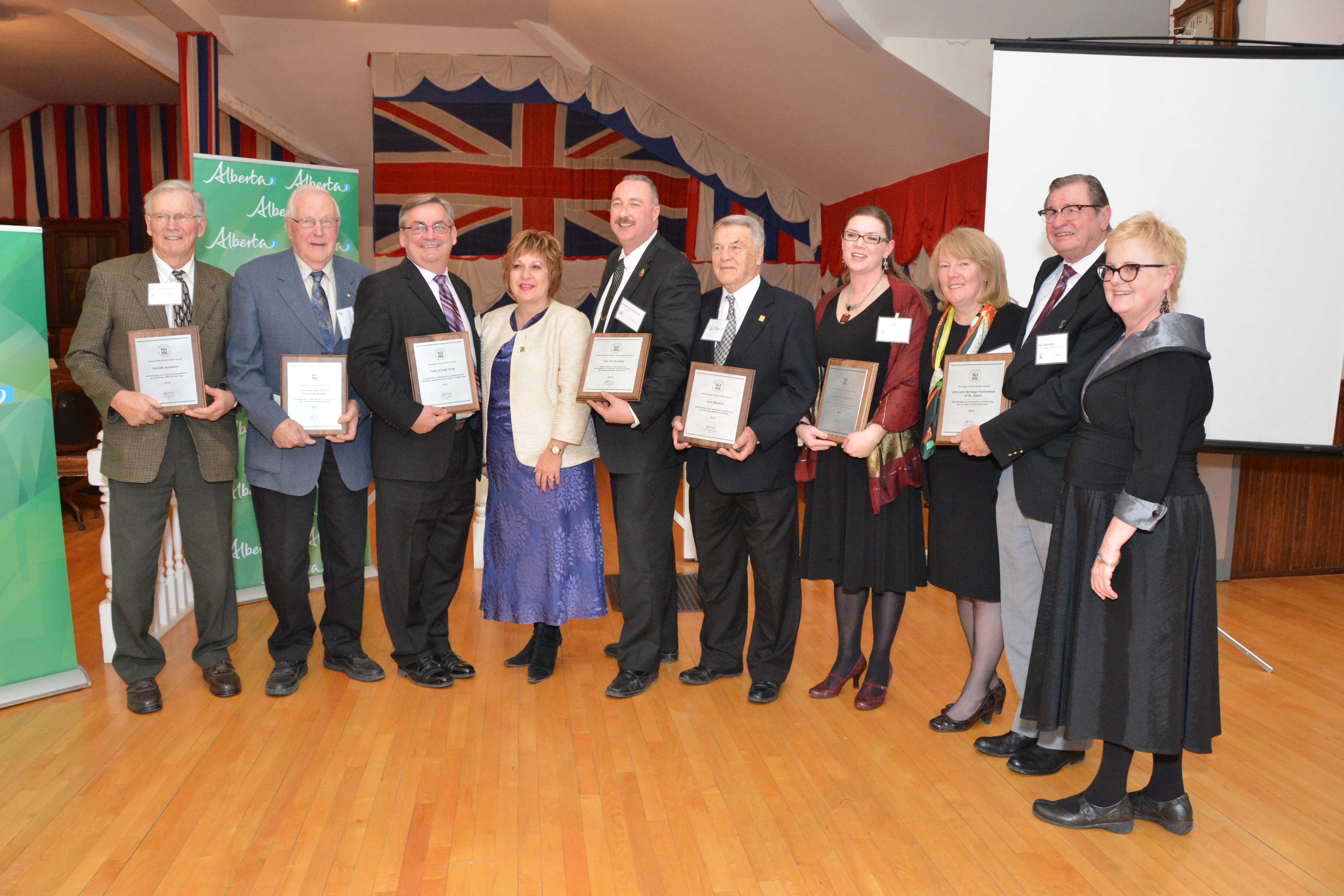
Minister of Culture, Heather Klimchuk, together with 2012 Heritage Award Winners
Minister of Culture, Heather Klimchuk, pictured together with 2012 Heritage Award Winners

The Heritage Conservation Award recognises excellent work in conserving a historic resource. The Heritage Awareness Award recognizes research or publications that enhances public understanding of Alberta’s heritage. The Municipal Heritage Preservation Award honours outstanding work by municipalities to identify, evaluate, protect or conserve locally significant historic resources. The Outstanding Achievement Award honours those extraordinary Albertans whose leadership has conserved historic resource or promoted a greater appreciation and understanding of our province’s heritage.

You can download a copy of the guidelines and nomination form from the Alberta Historical Resources Foundation’s website. If you have any questions, please contact Carina Naranjilla, the Program Coordinator, at 780-431-2305 (toll-free by first dialling at 310-0000) or at carina.naranjilla@gov.ab.ca.

Written by: Carina Naranjilla, Grant Program Coordinator, Alberta Historical Resources Foundation.

2014 AHRF Hertitage Awards Ad

The Alberta Historical Resources Foundation gives heritage another financial boost

Alberta Historical Resources FoundationThe Alberta Historical Resources Foundation awarded over one million dollars to assist 58 heritage projects. Through the Foundation’s Heritage Preservation Partnership Program, funding was approved for 52 projects to assist individuals, municipalities and organizations to preserve and interpret Alberta’s heritage. Project grant categories are: historic resource conservation, heritage awareness, publications and research, as well as the Roger Soderstrom Scholarship.

The Municipality of Crowsnest Pass has been awarded funding through the Municipal Heritage Partnership Program and the Town of Olds was awarded grants for projects through the Alberta Main Street Program.

For a complete list of the funded projects, visit the Alberta Historical Resources Foundation‘s webpage.

Written By: Carina Naranjilla, Grant Program Coordinator, Alberta Historical Resources Foundation

Work of the Branch’s Executive Director Is Varied, Unpredictable

This is the first of a series of articles introducing you to the staff of the Historic Resources Management Branch. We hope to give you a better sense what our staff does to protect, conserve and promote Alberta’s rich heritage. We begin by introducing you to our Executive Director.

As Executive Director of the Historic Resources Management Branch, Matthew Wangler relishes the variety of his job, and the great range of historic resources he gets to learn about in depth—from quarrying sites used by First Nations peoples for thousands of years, to unassuming buildings embodying the history of one of Alberta’s most remarkable communities, to one of the world’s few meteorite craters holding surviving impact fragments (one of his favourites!).

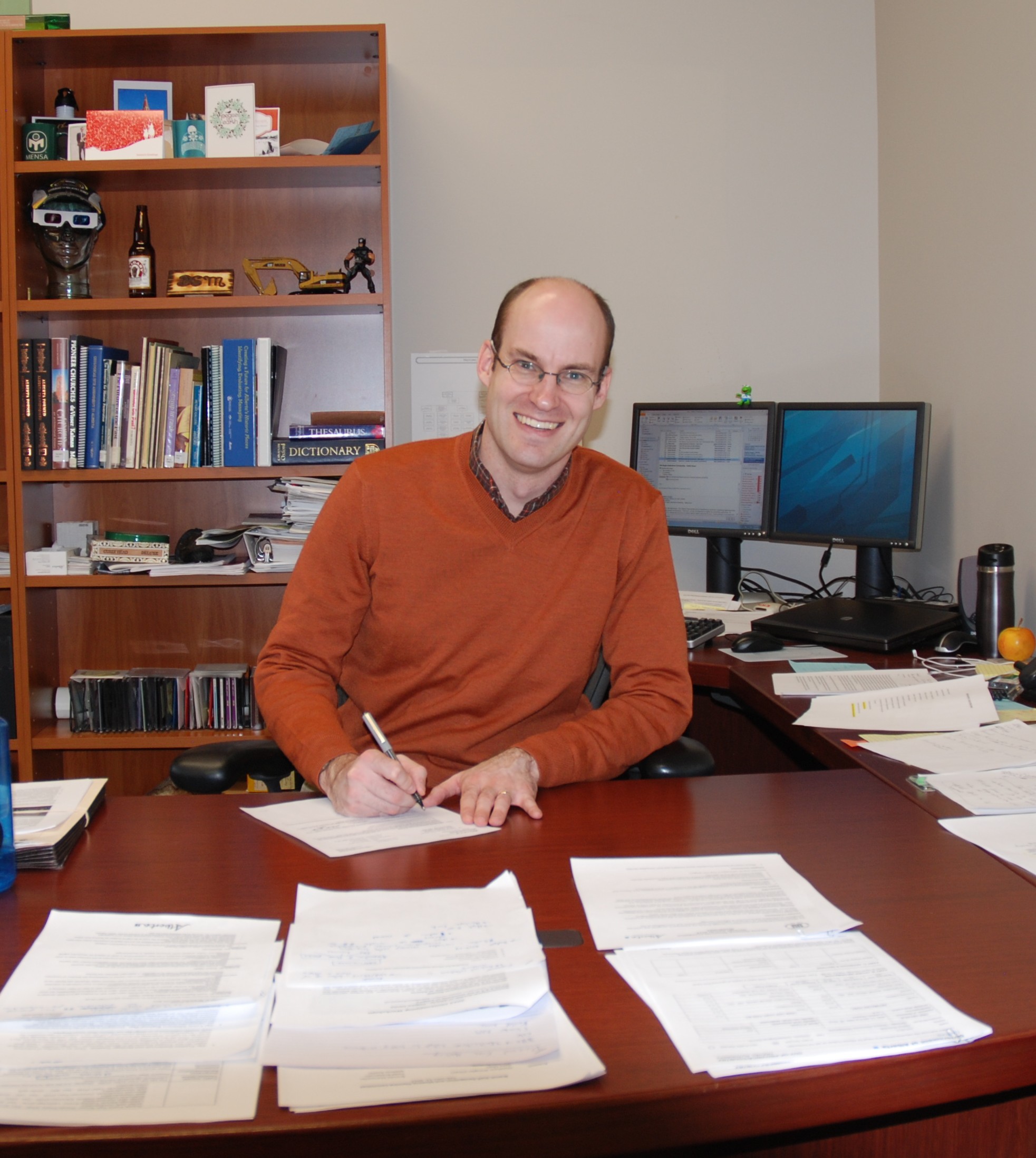
Matthew Wangler, Executive Director the Historic Resources Management Branch
Matthew Wangler, busy at work.

The Historic Resources Management Branch is charged with identifying, documenting, and protecting significant historic, archaeological, and palaeontological resources within Alberta. This is done through regulation of development that could impact such resources, along with education and consultation to help others (municipalities, property owners, community groups) to conserve or interpret their historic resources.

This work is accomplished by three sections that Wangler oversees: Aboriginal Heritage, Archaeological Survey, and Historic Places Stewardship. Wangler reviews the major regulatory decisions of these sections. He is also directly involved in those large initiatives that involve other ministries. One such task has been working to develop the recently announced flood relief funding programs.

In addition, Wangler is Executive Director of the Alberta Historical Resources Foundation. In that role he provides support to activities of the Foundation’s board, including its quarterly meetings, and he helps to ensure that funding decisions are implemented.

While some of his workload is predictable, much of it “comes out of left field,” he says. “It’s very common for an urgent issue to emerge the same day” that action is needed, “or the same hour, or the same minute.”

Often these concern potential risks to significant archaeological or built heritage sites that are not protected by municipal or provincial historic resource designation. The provincial government has the authority to require proponents of development projects potentially affecting such sites to undertake additional steps before their projects may proceed. For example, before being allowed to use land known or strongly suspected to hold evidence of early Aboriginal activity, a developer could be required to conduct an archaeological excavation. “So if an issue comes up that involves the exercise of this authority, I get involved. I have to make sure I understand all the ins and outs of the situation, so that I can brief [the responsible person] and he can make an informed decision.”

For instance, several years ago, City of Calgary staff alerted the Historic Resources Management Branch that a demolition application had been filed for a portion of the Calgary Brewing and Malting Company—an early and major employer that was highly influential in the development of Calgary and the region. The department responded by requiring the owner to produce a Historic Resources Impact Assessment.

Such requirements can buy time to educate property owners about the historical significance of their sites and the potential financial, environmental, and visitor-appeal benefits of conserving them appropriately. It also gives municipal planners time to propose conservation-friendly development alternatives.

A lot of property owners are simply unaware” of the benefits of conservation, Wangler says. “But in the vast majority of cases, you can educate them about the value of heritage, both culturally and potentially economically, and you can bring them on your side.”

In fact, lack of widespread awareness about Alberta’s heritage resources and the value of conservation is among Wangler’s most pressing concerns. Part of the problem is that the value of much of the work of the Historic Resources Branch may not be immediately apparent to the public, although the artifacts and fossils that are recovered, the historic buildings that are saved and reused, and the cultural sites of significance to Aboriginal communities that are preserved contribute to a range of social, economic, and cultural outcomes.

“But the solution is quite simple!” Wangler continues. He’s eager for his staff to engage in greater public outreach—writing blog posts, visiting school classrooms, speaking at public events—to build awareness of Alberta’s diverse heritage resources and the opportunities they offer.

“Have people talk about what they love and why they do what they do!,” he urges. “Every person who works for my branch has a passion for history and heritage, that’s why they ended up working here. You scratch a little bit under the surface, and you find that most people do have some connection to heritage and some native interest in it. It’s really not difficult to find and create allies.”

Written by: Kerri Rubman.

On the Deep Roots of Beaver and Human Relationships in Alberta

This post continues our look at the work of Alberta’s Archaeological Survey. Previously, we explored “10, 000 years of hunting in Alberta”, as shown in the archaeological record and how the horse changed the west. Today we look at that Canadian icon: the Beaver.

There are few animals in the north whose history is so intricately interwoven with people than the beaver. From the early fur trade to modern environmentalism, the beaver has chewed its way into numerous facets of life in Alberta. Paleontology, archaeology, history, and modern politics combine to tell an amazing story of human-beaver relationships in the province.

The earliest beavers lumbered into the province over five million years ago. By two million years ago, the modern beaver (Castor canadensis) was living alongside a colossal cousin that was five to six times larger (Figure 1). The giant beaver (C. ohioensis) weighed up to 160 kilogram and was just under 3 metres long. It went extinct around 10 000 years ago. First Nations’ stories tell of the beaver’s role in creating the world by molding the primordial mud into an island fit for humans. To Alberta’s first people, beavers also furnished important materials for tools, clothing, and food. Archaeology sites across the province have yielded beaver bones where very few other animal remains were found. This indicates that beavers were crucial to human diet, particularly during winter. Beavers were captured with willow bark nets, stone-tipped spears, and sinew snares set along beaver trails and canals.

Figure 1: Beaver scale comparison (by Todd Kristensen).

Three major anatomical traits made the beaver important to various cultures in Alberta through history. Beavers stay warm with large fat deposits and very dense, barbed hair. The former trait explained why beavers were important winter foods while the latter trait fueled the fur trade that shaped our nation. The third important trait is durable teeth that enable beaver’s incessant chewing. When it came time to design wood working tools, prehistoric people enlisted the beaver’s dental assistance. Ancient engravers and chisels were made of beaver teeth lashed to a wooden handle. Beaver tooth engravers were common in the toolbox of early northern people and provide a unique glimpse in to the ingenuity of First Nations.

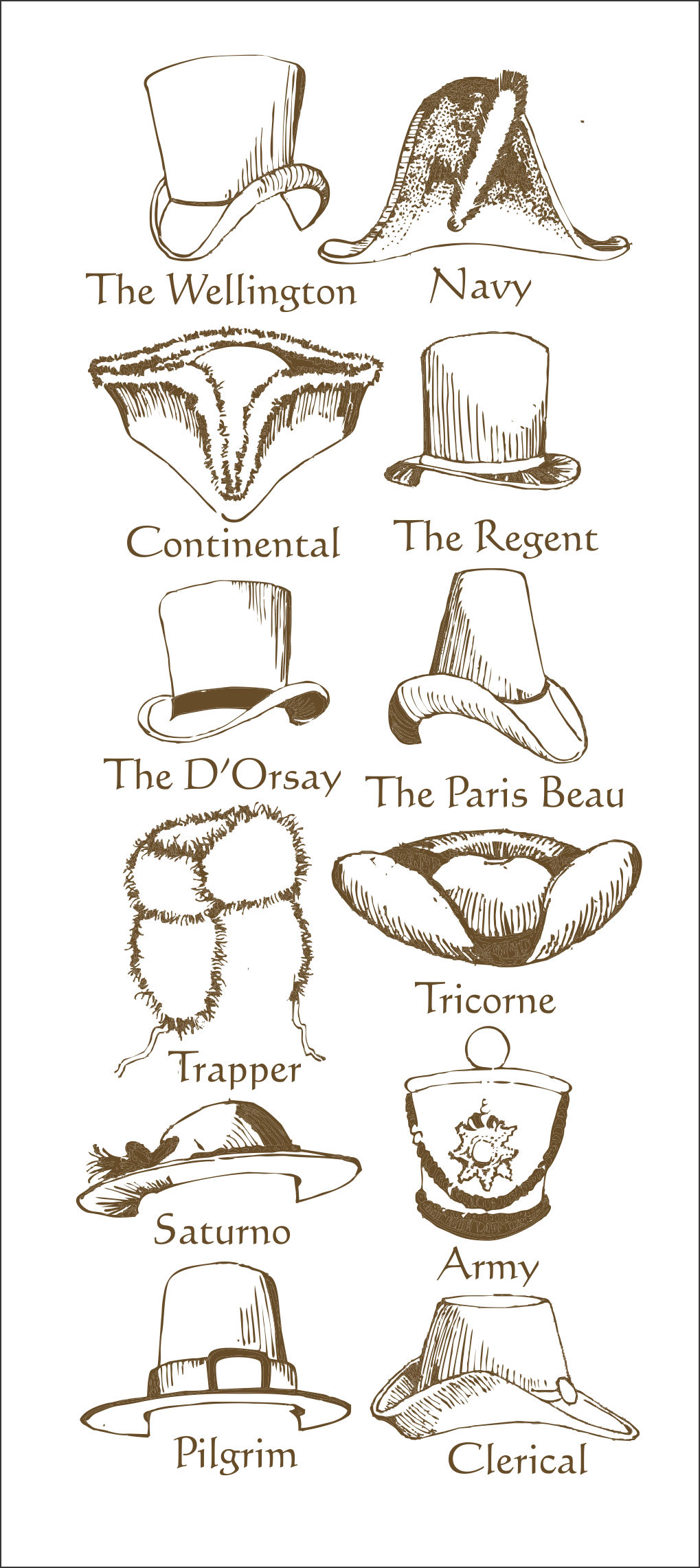
Figure 4: Beaver hat fashions during the fur trade (by Terry Pamplin and Todd Kristensen).

The strong, oily, and barbed under-hairs of beaver were ideal for making superb quality felt hats that were popular from the late 1500s-1800s (Figure 4). Prior to European contact there were likely over 10 million beaver in Canada. These vast numbers were an economic ‘boon’ for Europeans, but the abundance was short-lived. Beaver populations were reduced by as much as 95% in two centuries. As each new fur trade post was established on Alberta’s lakes and rivers, a zone of beaver depletion rapidly radiated outwards until local numbers dwindled and the traders moved on. Fur trade competition decreased in the 1820s and areas of the Canadian northwest were managed more judiciously so that beaver populations recovered and future crashes were prevented. Despite lower populations, hundreds of thousands of beaver pelts and over 10 tons of castoreum (a highly fragrant secretion produced in beaver castor sacs) were shipped out of the Athabasca and Saskatchewan River Districts in the early 1800s.

Biologists like Dr. Glynnis Hood of the University of Alberta, are researching the ecological impact of the fur trade and modern beaver dams. They’ve found that beavers drastically alter local water levels as well as wetland biodiversity, fire regimes, floods, carbon sequestering, and the filtering of local toxins. Dr. Hood’s research explores how knowledge of the beavers’ aquatic engineering can inform land management decisions. The esteemed human-like propensity for industrious labour earned the beaver the honour of our national animal and it may become a tool to mitigate future climatic oscillations (e.g., droughts and floods). Beaver teeth, winter fat, and dense fur represent biological adaptations that early Albertans exploited to suit their needs; dam building may be the latest trait that Albertans utilize in their ever evolving relationship with beavers.

Written by: Todd Kristensen, Northern Archaeologist & Heinz Pyszczyk, Archaeologist.

UPDATE:  Nature Alberta will publish an expanded version of this article in their quarterly magazine. In fact, “On the Deep Roots of Beaver and Human Relationships in Alberta” is the feature article in the Winter 2014 edition of Nature Alberta Magazine. Congratulations Todd and Heiz.  –Michael Thome, editor.

Here are a few more images that illustrate ideas from the article:

This slideshow requires JavaScript.

Heritage by Numbers

header_ARHP

Research and evaluation are important tools for managing Alberta’s historic resources. They help us to set our strategic plans and policies for the future, understand how our grants and programs are working and measure the impact we have made – both on historic places and the people who enjoy them.

So here are a few fun facts that you might not have known about heritage in Alberta:

  • The oldest known building in Alberta still on its original foundation is the Clerk’s Quarters at Fort Victoria near Pakan, which dates from 1865.
  • The first building recognized as a historic resource was the Bitumount Site at Fort McMurray on 4th December 1974.

    A recent photograph of the McLaughlin-Nelson Home.
    The McLaughlin-Nelson Home is the most recent addition to the Alberta Register of Historic Places.
  • Since 2000 the number of places recognized with a designation has increased: 41 percent of all Provincial Historic Resources designations and 84 percent of all Municipal Historic Resources designations occurred during this period. 2001 and 2009 were important years for Provincial Historic Resource designation: 17 buildings were listed both years. For Municipal Historic Resources 2009 was an important year: 45 buildings were listed.
  • With 58 Provincial Historic Resources in Calgary and 48 Provincial Historic Resources in Edmonton these two cities have the most in the province. This is followed by Lethbridge (12), Fort MacLeod (9), and Medicine Hat (8).
  • Edmonton has the most Municipal Historic Resources with 91 in total, where Calgary has 35. This is followed by Red Deer (11), Banff (8) and Wainwright (8).
  • Approximately 20 percent of all Provincial Historic Resource and Municipal Historic Resources in Alberta are used as residences. 67 percent of these buildings are single family dwellings. 66 percent of all designated single family dwellings are located in Edmonton, where the property value of residential buildings designated as Municipal Historic Resources ranges from about $215 000 to $1.3 million.
  • Approximately 19 percent of all buildings designated as Provincial Historic Resources or Municipal Historic Resources are used for commercial purposes. 35 percent of these are used as offices and 32 percent are used for retail or wholesale. Historic buildings are also used for other purposes such as: agriculture, community use, education, government, health care, industry, leisure, spirituality, or transportation.
  • As of December 2012, there are 606 buildings which have been identified as places of interest by municipalities across Alberta. Each requires further research and evaluation to determine if it should be designated as a Municipal Historic Resource.
  • With a collection of over 750 historic resources, it is important that funding is available to help their owners look after these precious places. In 2012-2013, grants of $4.9 million were given by the Ministry through the Alberta Historical Resource Foundation to conserve the province’s heritage landmarks.

Get to know Alberta’s historic resource a bit better by visiting a Provincial Historic Site, Interpretative Centre of Museum or having a walk around your city or town. Historic resources are often easy to spot as many have been recognized with a plaque or interpretation panel. You can also search online for buildings recognized in your community by visiting the Alberta Register of Historic Places. If you think there is a building or site in your community that should be recognized but isn’t, talk to your municipality about how it can be protected for the future.

Written by: Sarah Hill.

Happy Holidays Everyone!

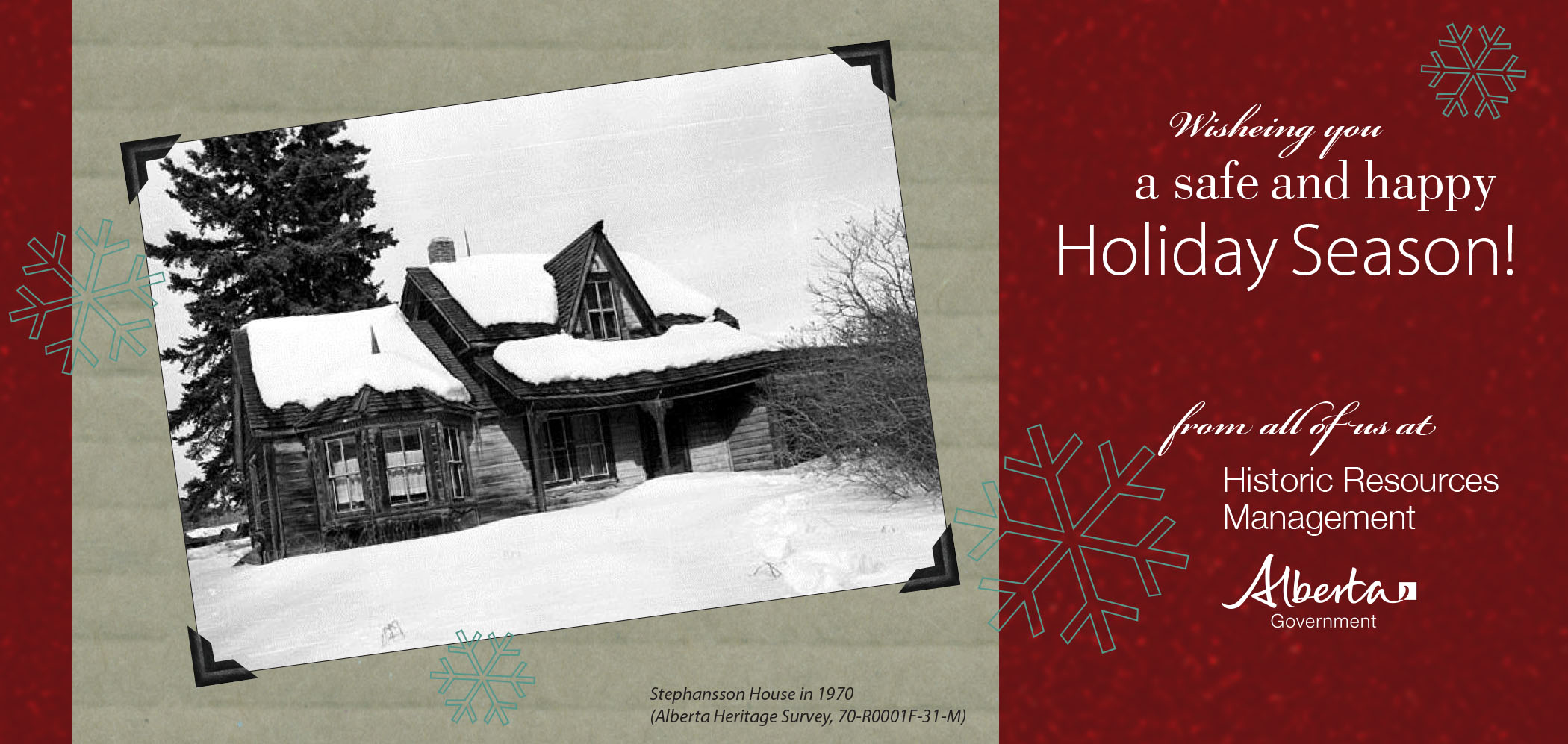
A holiday card featuring a photograph from the Alberta Heritage Survey showing Stephansson House in 1970.
The staff of the Historic Resources Management Branch wishing you a happy holiday!

The staff of the Historic Resources Management Branch wishes each and every one of you a safe and joyous holiday season. We’ve worked hard to identify, protect and conserve Alberta’s historic resources this past year. Thank you all for taking a few moments each week to read about our work.

RETROactive will be taking a break over the holidays; we will resume publishing new articles on January 8, 2014. We look forward to seeing you all in the new year!

(If you’re curious, the image on the card is from the Alberta Heritage Survey. The site, Stephansson House, was surveyed in 1970. If you’re interested in the house, you may wish to take a look at our post about the Markerville Tour, which includes Stephansson House. Since this photograph was taken, Stephansson House has been designated a Provincial Historic Resource and is operated by Alberta Culture as a Provincial Historic Site and Museum.)

Interpreting an Icelandic Settlement

Markerville Tour Booklet Re-vamped and Re-launched!

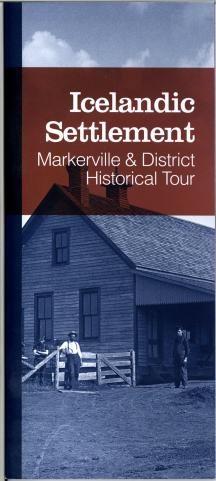
cover of the Markerville & District Historical Tour booklet
Markerville & District Historical Tour booklet

The Stephan G. Stephansson Icelandic Society has just published a 3rd edition of the Markerville tour booklet. Re-named Icelandic Settlement: Markerville and District Historical Tour, the revised and re-designed booklet is packed with information and historic photographs.

Starting in the late 19th century, settlers of Icelandic descent arrived and started building a community on the banks of the Medicine River. The hamlet of Markerville never grew to any great size, but it was a vibrant community with several businesses as well as a church and hall. The Icelandic heritage of the early settlers gave Markerville a distinctive character.

Today, Markerville has four Provincial Historic Resources that help tell its story. The Stephan G. Stephansson Icelandic Society owns and operates three: the Markerville Creamery, the Markerville Lutheran Church, and the Fensala Hall. The Stephansson Memorial, located just across the Medicine River in Markerville Park, is also a Provincial Historic Resource.

Close by is another Provincial Historic Resource, the Stephan G. Stephansson House, home of an early settler who became famous for his poetry in the Icelandic language. The house is also the centerpiece of the Stephansson House Provincial Historic Site, one of the interpretative sites run by Alberta Culture.

Markerville is located southwest of Red Deer, at the centre of Alberta’s historic Icelandic settlement area. This part of the province is not only scenic, it has a wealth of historic interest as well.

The tour booklet provides background information, and a route map to guide you through the tour.

Alberta Culture assisted the Stephan G. Stephansson Icelandic Society in revising the tour booklet; the society also received funding from the Alberta Historical Resources Foundation to assist with the cost of its publication. Copies of the booklet are available from the Society at the Markerville Creamery Historic Site in Markerville.

Written by: Dorothy Field, Heritage Survey Program Coordinator

Alberta Historical Resources Foundation visits Nordegg

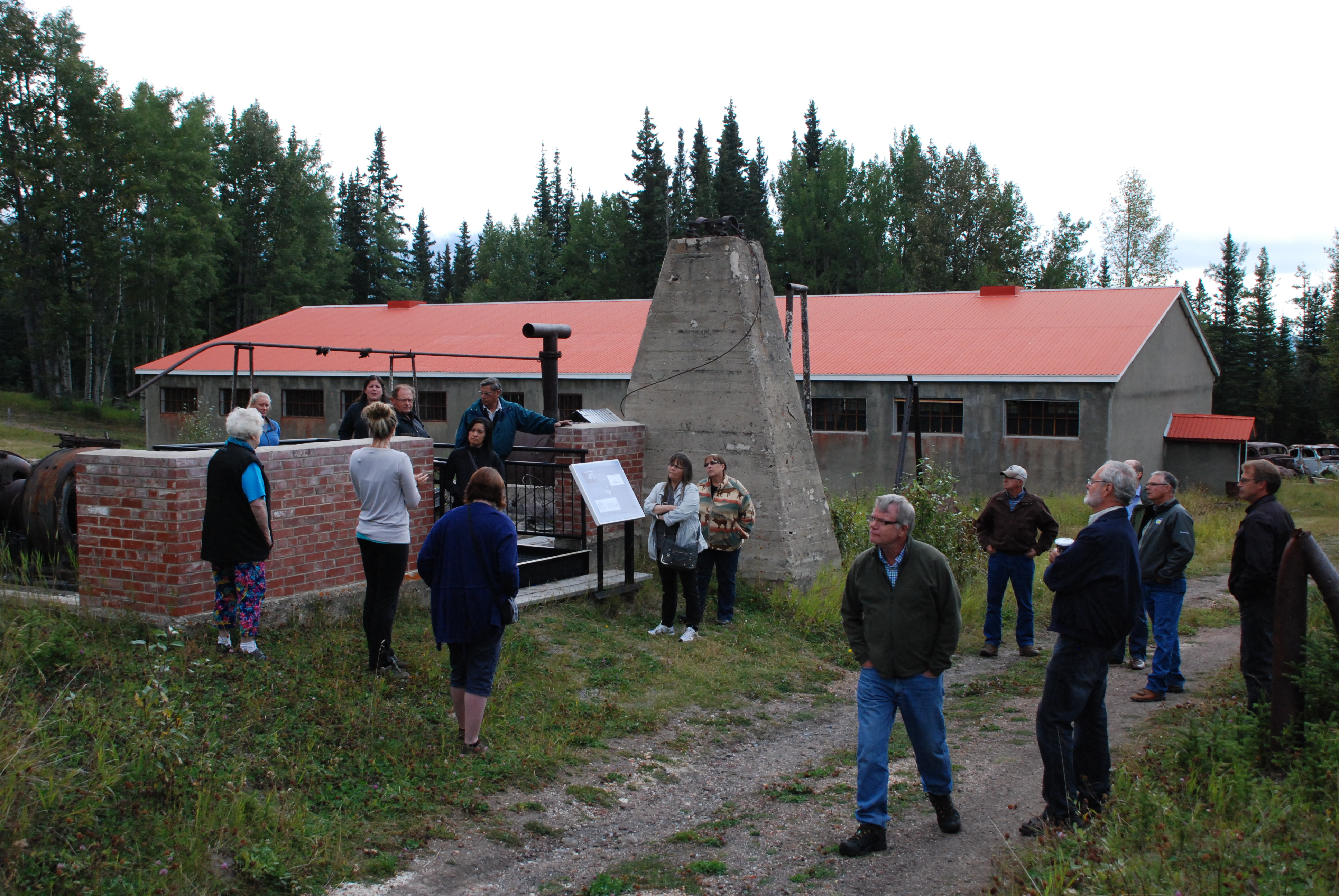
Board tours the Nordegg/Brazeau Collieries Mine Site.

With the September meeting of the Alberta Historical Resources Foundation held in Rocky Mountain House, board members and staff took the opportunity to visit the Nordegg/Brazeau Collieries Mine Site.

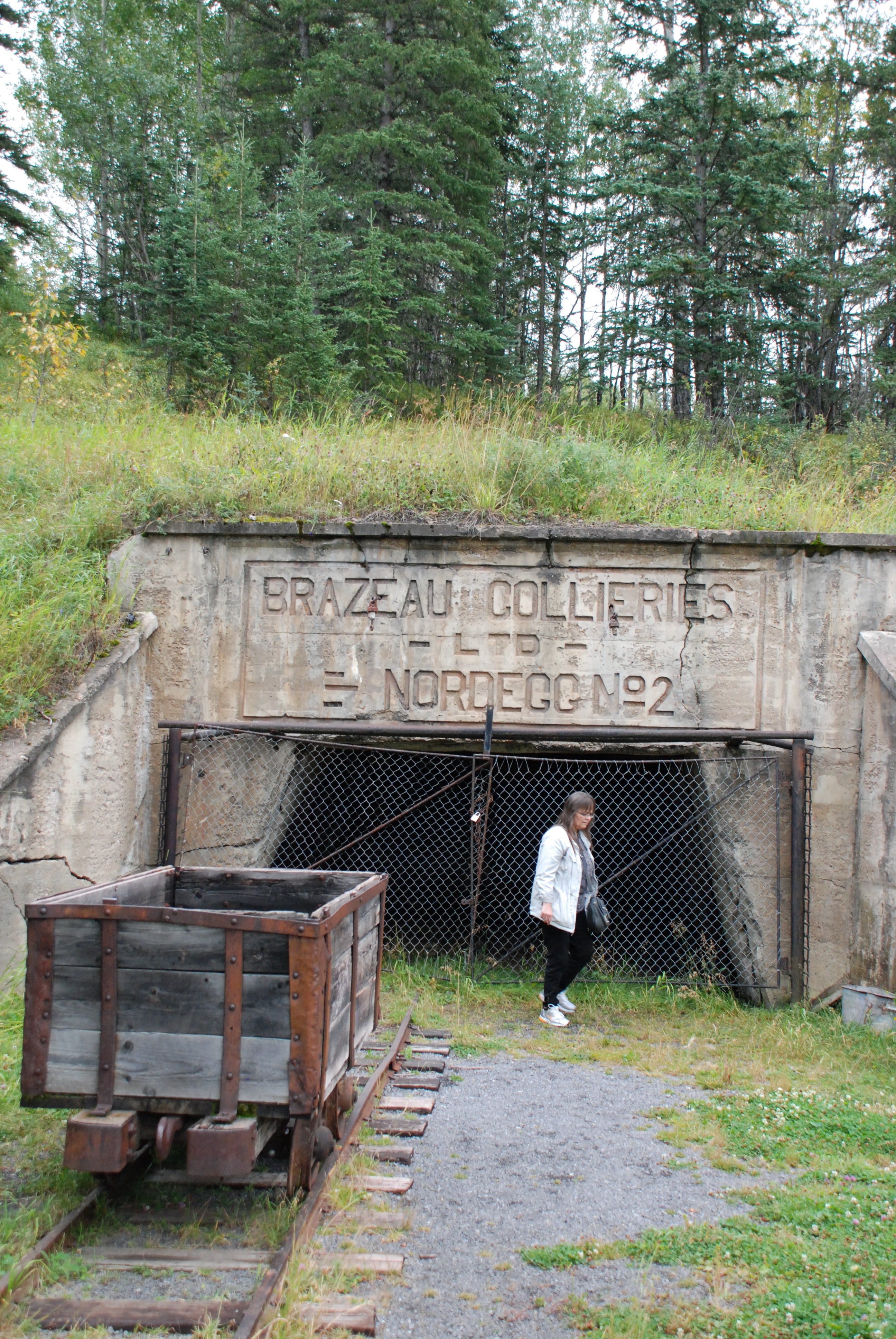
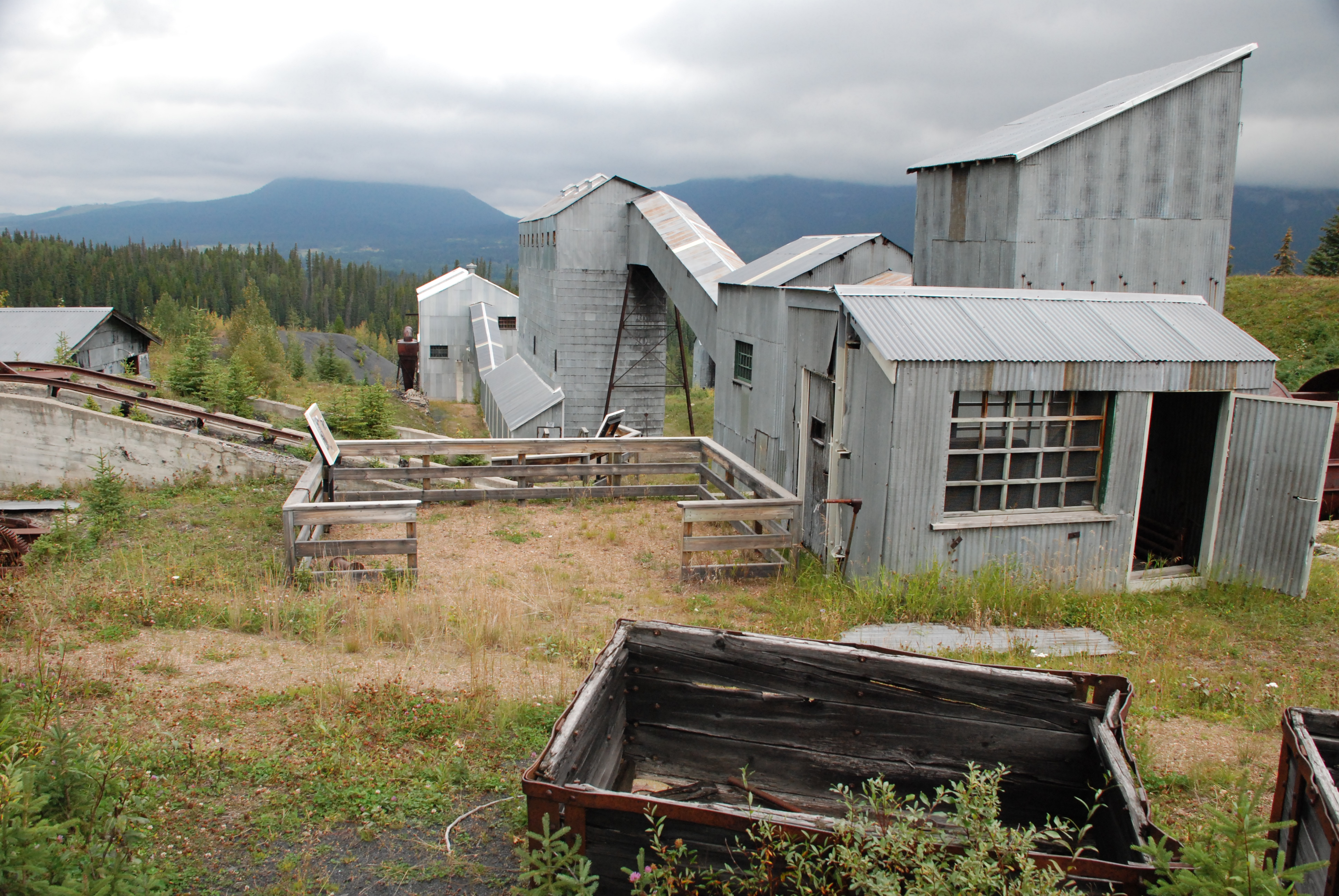
We enjoyed a great walking tour of the Nordegg/Brazeau Collieries Mine Site, led by the informative staff of the Nordegg Historical Society. Designated as a Provincial Historic Resource in 1993, the site of consists of several industrial structures, support buildings and related machinery associated with the coal-mining operations of the Brazeau Collieries between 1911 and 1955.

The site is being restored through a partnership between Clearwater County and the Nordegg Historical Society, with conservation funding from the Foundation’s Heritage Preservation Partnership Program. It was exciting to see this Provincial Historic Resource–large and complex with a variety of heritage values–steadily being restored and revitalized.

Here are a few photographs from our tour of the site:

touring the Nordegg site - 1st image
AHRF board beginning it’s tour of the Nordegg Mine Site.
touring the Nordegg site - 2nd image
Val Clark peeking into one of the mine shafts at Nordegg.
touring the Nordegg site - 3rd image
Several buildings at the Nordegg Mine Site.
touring the Nordegg site - 4th image
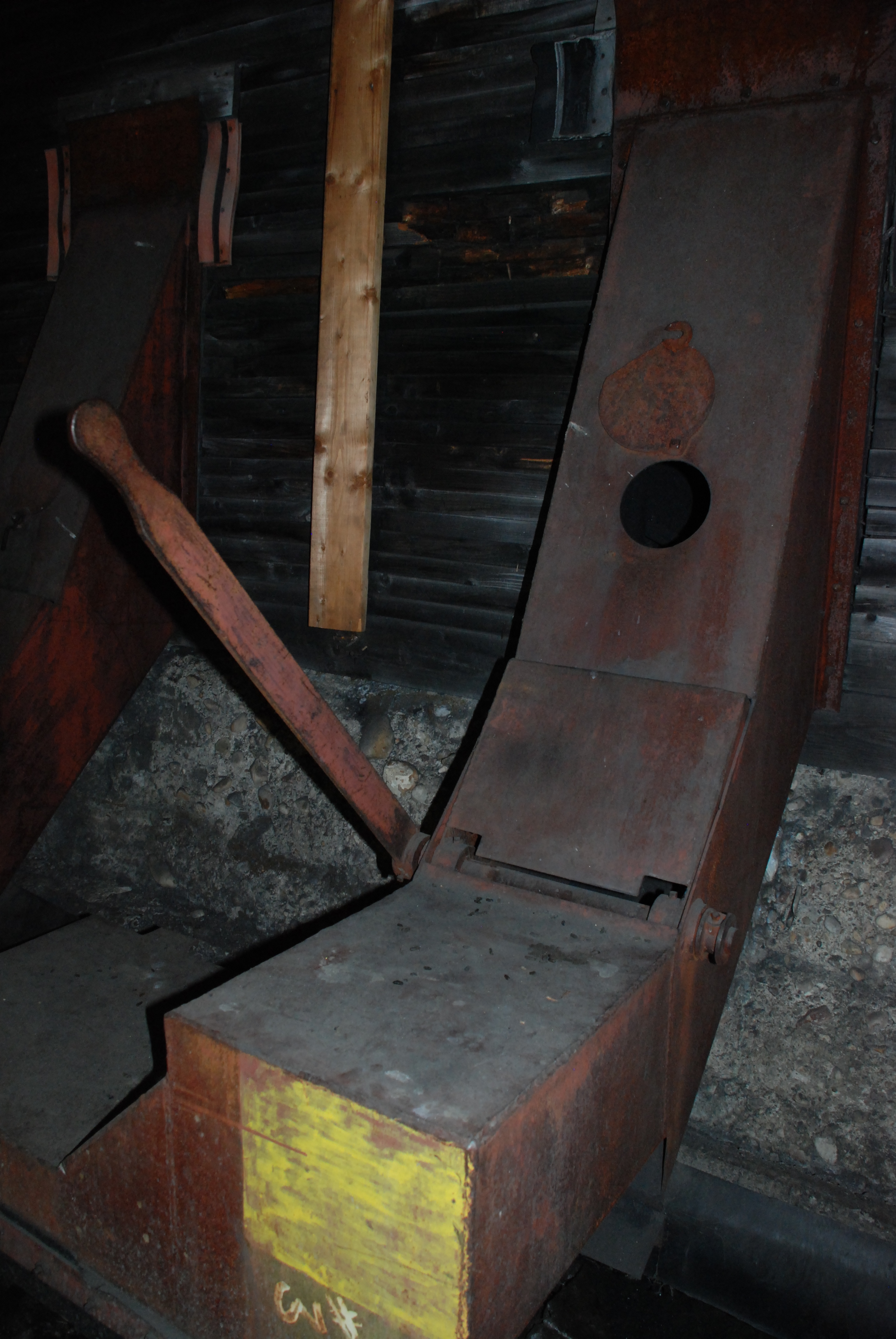
A coal chute.
touring the Nordegg site - 5th image
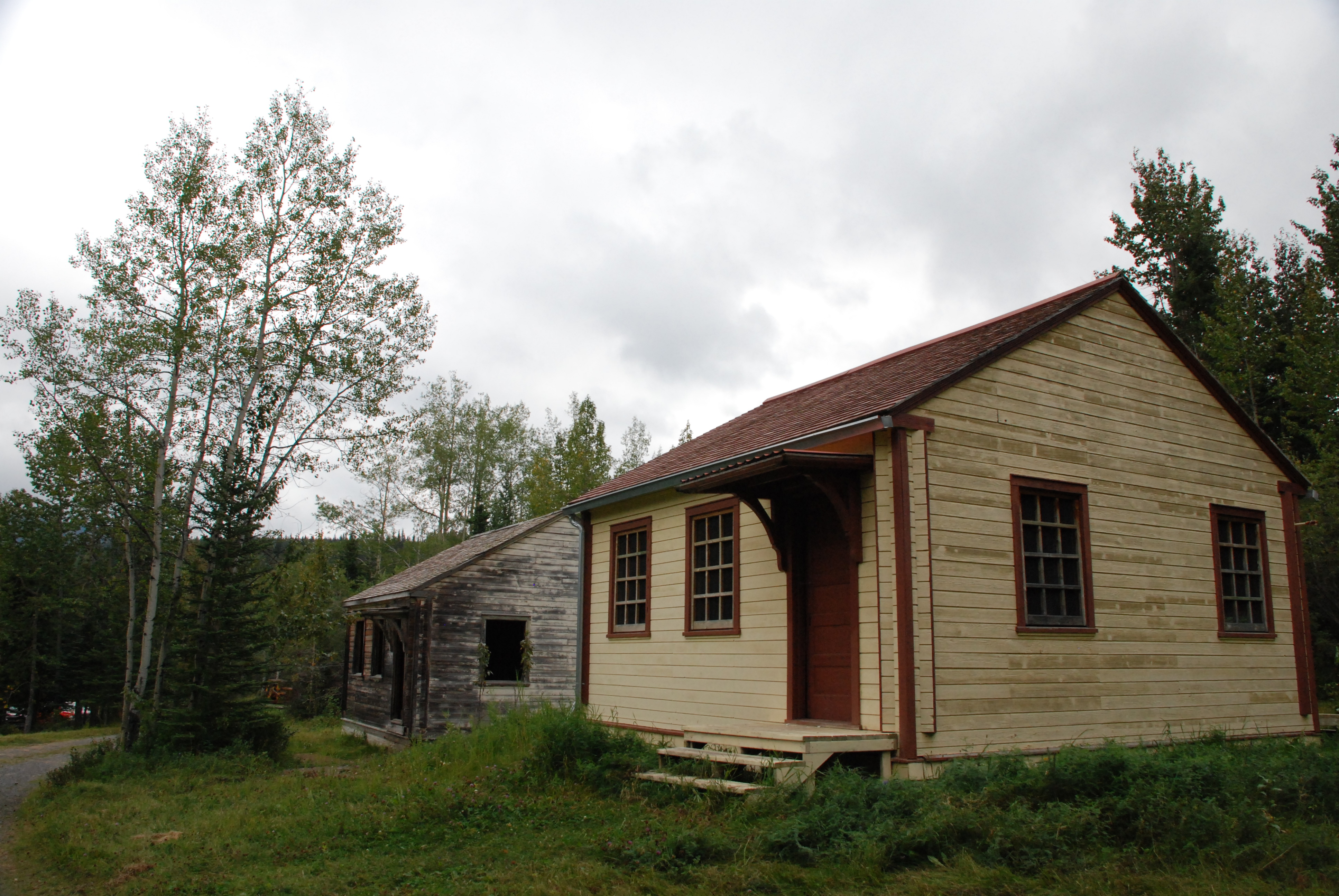
Two miner’s cabins, one of which has been restored.

Following the tour, we had an informal meeting with the society and representatives of the Clearwater County in the Nordegg Museum, where everyone learned a great deal about the restoration and interpretation of this historic mine site.

Written by: Carina Naranjilla, Grants Program Administration, Alberta Historical Resources Foundation

Help Shape the Future of Our Past

The Alberta Historical Resources Foundation board of directors has a few openings.

Alberta Historical Resources Foundation

We are accepting applications from people interested in joining the Alberta Historical Resources Foundation‘s board of directors.

Founded four decades ago, the Alberta Historical Resources Foundation has evolved into a complex agency that serves a range of stakeholders in many ways. The foundation is the primary source of Government of Alberta funding for heritage projects. The foundation focuses on a few key objectives:

  • providing financial and program support to individuals and organizations engaged in researching, preserving, and promoting greater appreciation for Alberta’s heritage;
  • naming geographical features in the province;
  • staging events that support the heritage community; and
  • acting as an appeal body for certain decisions made in Alberta Culture.

Members are appointed for terms of up to three years.  The board meets four times per year for about a day and a half per meeting at locations around the province. Board members are also occasionally asked to attend events within the heritage community.

Interested individuals can submit their applications through the Government of Alberta Careers website. The posting number is 1019525. The competition closes on October 3, 2013.

Should you have any questions about the board positions, please contact Matthew Wangler, Executive Director of the Alberta Historical Resources Foundation. Mr. Wangler can be reached at 780-438-8503 (toll-free by first dialing 310-0000) or matthew.wangler@gov.ab.ca.  We look forward to hearing from you.

Written by: Matthew Wangler, Executive Director, Alberta Historical Resources Foundation