The Hardisty Bison Pound

Between 2008 and 2014, five separate archaeological excavations took place at the Hardisty Bison Pound and its associated campsite. These two sites, located across the Battle River from the town of Hardisty, were excavated in response to developments that took place during facility expansions at the Hardisty Terminal.

Bison pounds are a form of communal hunting common on the Plains. They are characterised by a wooden corral with hides draped over the edge. Bison would have been herded into the fenced enclosure to be slaughtered for consumption by the community using the pound. The landforms surrounding the Hardisty Bison pound share distinct features that would have been essential to many communal kills. Many of these features have been introduced in past RETROactive posts, in particular Mike Donnelly and Todd Kristensen’s post on Head-Smashed-In. Most notably, the Battle River valley and the hills surrounding the Hardisty Bison Pound combined to form a funnel that would have acted to concentrate bison herds close to the current location of the terminal. With the addition of drive lanes and buffalo runners luring bison into the trap, these herds would have been driven quite easily into the pound, both to feed people living in the area as well as for production of meat and hide products to trade with people further east in what is now Manitoba and North and South Dakota.
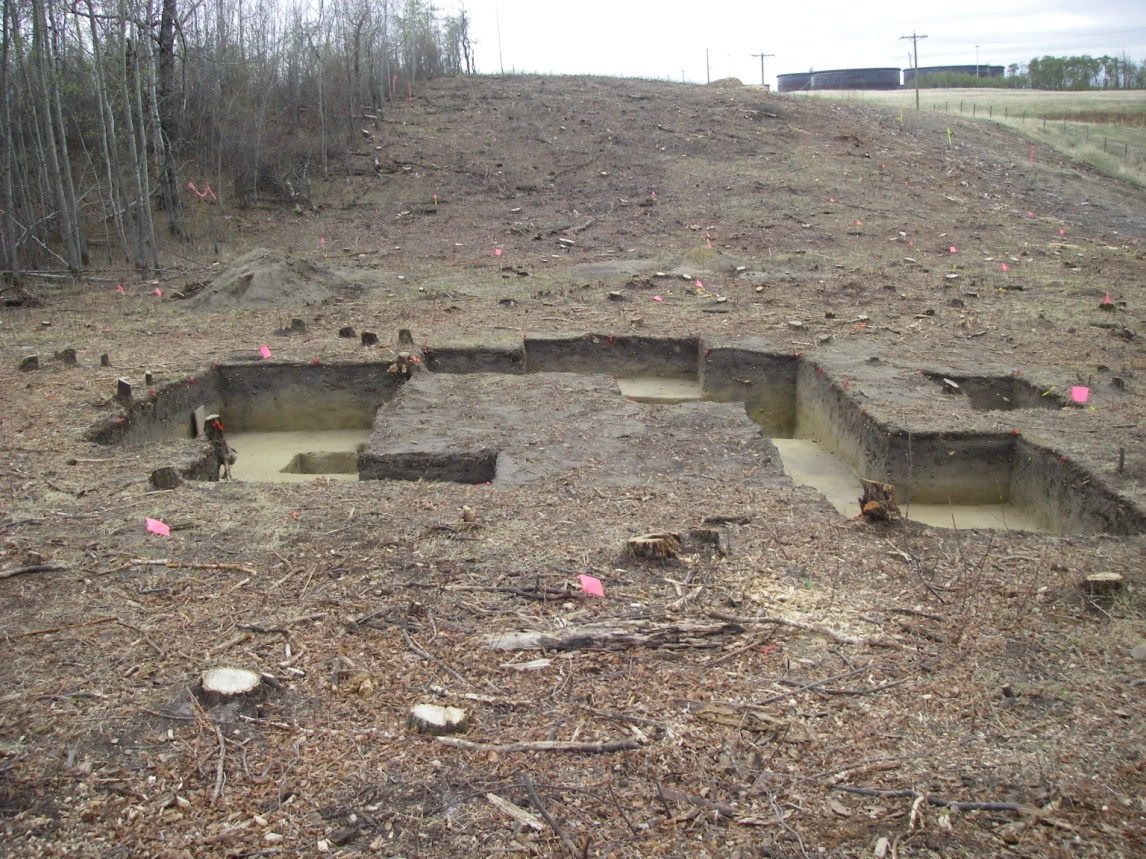
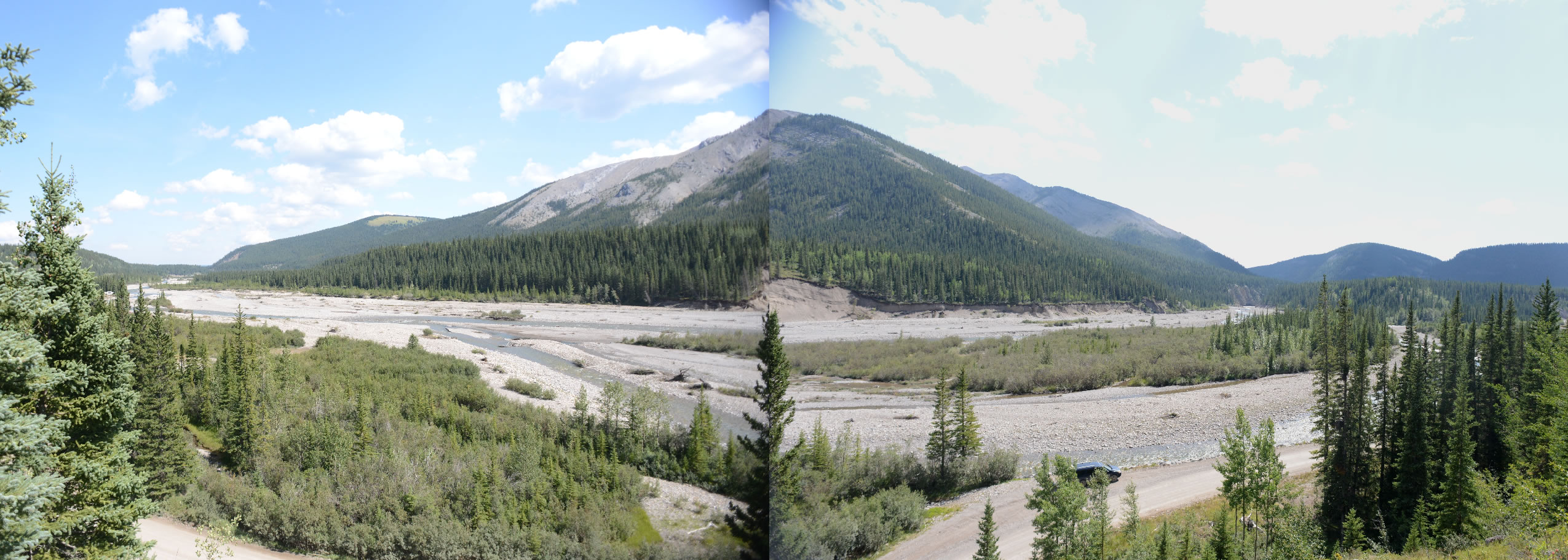
Excavation Block from 2009 excavation at the Hardisty Bison Pound. The pound is located on the far side of the block at the toe of the small hill in the background (Photo Credit:  Matthew Moors, FMA Heritage Inc., Permit 09-020).

Read more

Working Dogs: Domestic Canids in Indigenous Societies

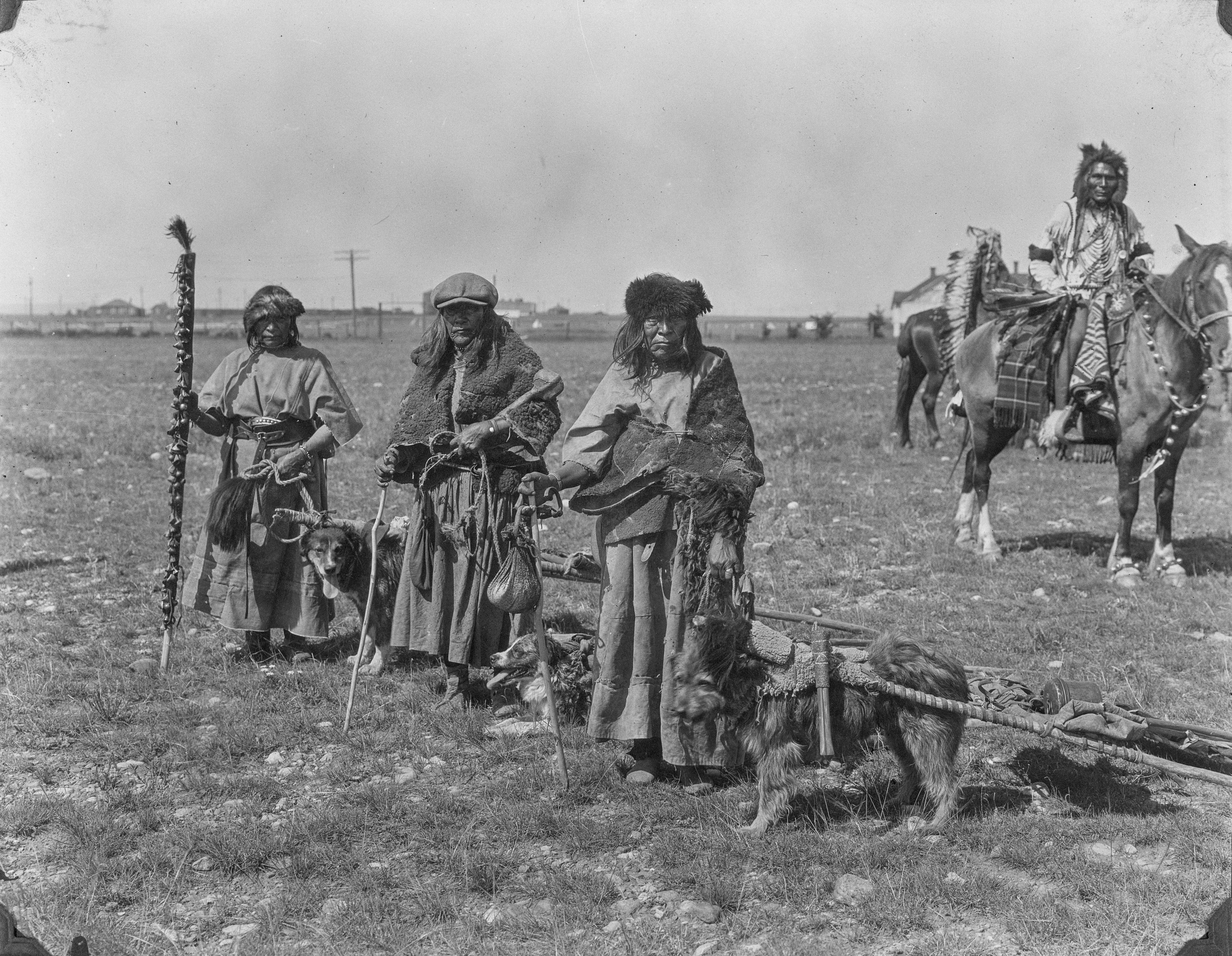
Peigan women with dog travois (Photo Credit: Provincial Archives of Alberta, A5463).

Without question, dogs (Canis lupus familiaris) are humankind’s oldest animal ally. By at least 20,000 years ago–but possibly many thousands more–humans began interacting with the Eurasian grey wolf (Canis lupus) in significantly different ways than they had before. It’s possible wolves began scavenging wastes at or near encampments and became accustomed to the presence of humans over time. Equally plausible are scenarios in which hunters habitually took in orphaned wolf pups to be raised by new, human families. As tame wolves interbred with other tame wolves, their species experienced genetic changes that had implications for the behaviour and appearance of their offspring. Over many more thousands of years, gone was the fearsome wolf. In its place was a friendlier, smaller creature that barked and wagged its tail, and when permitted access, could form viable offspring with wolves to create tough but tractable canid hybrids. Though the timing and location of their domestication remains shrouded in mystery, one thing is almost certain: when the first humans came to inhabit the North American continent, they had with them a very important companion – the dog. Read more

POW and Internment Camps in Alberta: WWII

On September 1, 1939, the Second World War began and Canadians responded with more than one million of its men and women enlisting in the military. Many were sent overseas, and stories of the courageousness of Canadians on the battlefront emerged. This war is known for uniting the country and forging its own national identity, but a lesser known aspect from this period takes place at home. In a significant reaction to the war, internment camps were established and Canada detained citizens of its own country, discriminating against members of German, Japanese and Italian communities. In addition, Canada had an active part in accepting German prisoners of war who were captured in active duty. This blog post will look at the establishment of prisoner of war and internment camps in Alberta, and briefly at the people who were detained, and the life they experienced.

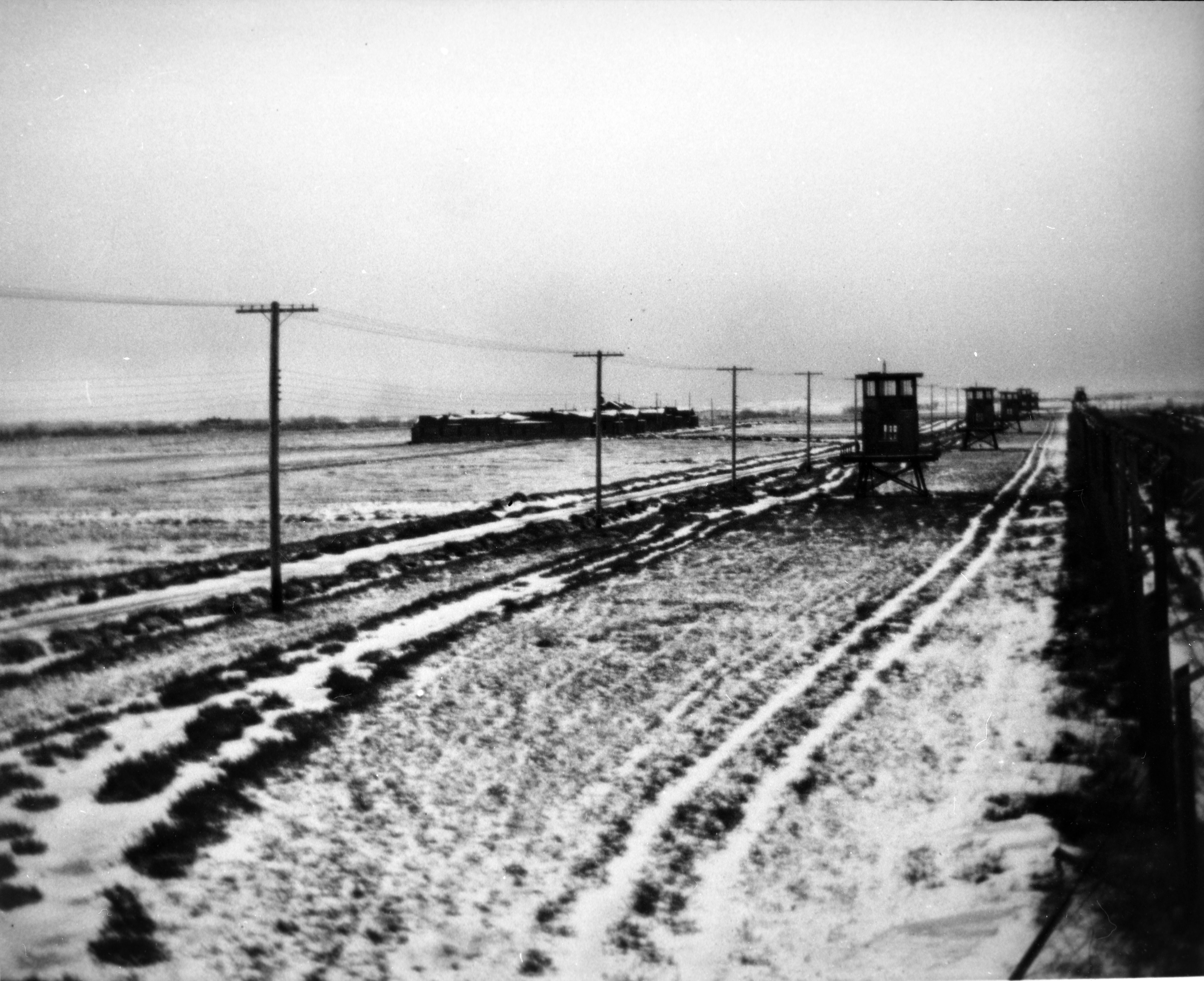
View of guard towers at the POW camp in Medicine Hat, c.1948 (Image courtesy of Esplanade Archives, 0590.0017).

Read more

John Walter – One of the Makers of Edmonton

John Walter was a pioneer and one of Edmonton’s first millionaires. Born in the Orkney Isles in 1849, as a young man he was hired by the Hudson Bay Company (HBC) to build York boats at Fort Edmonton. Upon the completion of his contract, Walter struck out on his own, choosing to make his livelihood along the banks of the North Saskatchewan River. Undertaking many successful business ventures, his commercial empire grew to include: lumber, carpentry, coal, real estate and transportation. Known for his enterprising spirit and generous ways, John Walter spent a lifetime devoted to both the economic and civic growth of Edmonton, laying the foundations of today’s modern city.

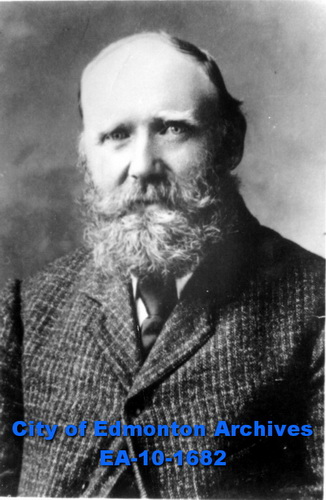
John Walter, 1907. Photographed by C.M. Tait. Image courtesy of City of Edmonton Archives EA-10-1682.

At the age of 21, Walter entered the service of the HBC, committing to a five-year term as a York boat builder. Sailing from Stromness, Orkney in June 1870, it took eight weeks to reach York Factory. He continued his westward journey, by York Read more

Hunting With a View: Excavations at the Hummingbird Creek Site (FaPx-1) in Alberta’s Central Rockies

In 2009, the Archaeological Survey of Alberta discovered the Hummingbird Creek Site (FaPx-1), an archaeological site rich in stone artifacts, animal remains, and hearth features, in Alberta’s central Rockies. The site resided on a high terrace above Hummingbird Creek and the South Ram River, an ideal location for observing the valley below. Radiocarbon dates from the site’s lower levels indicated it was occupied from between 2,500 – 2,400 years ago, and upper levels dated from 1,000 – 700 years ago. This past August, Timothy Allan (MA student at the University of British Columbia), members of the Archaeological Survey of Alberta, and the Red Deer Archaeological Society returned to FaPx-1 to complete excavations at the site. The team found atlatl (or throwing spear) projectile points, hide scrapers, stone tool debris (flakes), and animal bone. Read more

Wainwright Hotel

This post was originally published on RETROactive on August 2, 2011. The last paragraph is an addition from another blog post featuring the Wainwright Hotel, New Uses for Old Places – The Wainwright Hotel, published on March 20, 2014.

When the Grand Trunk Pacific Railway completed its line between Saskatoon and Edmonton in 1908, vast tracts of land in east central Alberta south of the Canadian Northern line were opened up for homesteading.  At key points along the line, the GTP erected stations and subdivided townsites. One of these was near a small community called Denwood, where a post office and store had been opened in 1907. The new townsite, to where Denwood residents and businesses now moved, was called Wainwright, after the second vice-president of the GTP. One of the structures moved from Denwood to Wainwright was the Denwood Hotel, which soon became the Wainwright Hotel. It was owned by M.L. Forster, a strong community minded individual who served on the first village council and was mayor of the Town of Wainwright from 1927 to 1935. Read more

Wilfrid ‘Wop’ May – Canadian Flying Ace and Alberta Aviation Pioneer

This year, 2017, marks Canada’s sesquicentennial – 150 years since Canada became a country; there will be many celebrations across the country on July 1st and throughout the year to mark this milestone! Many people have shaped Canada into the country that we know today, and one of those people is Wilfrid “Wop” May. Enjoy and Happy Canada Day!

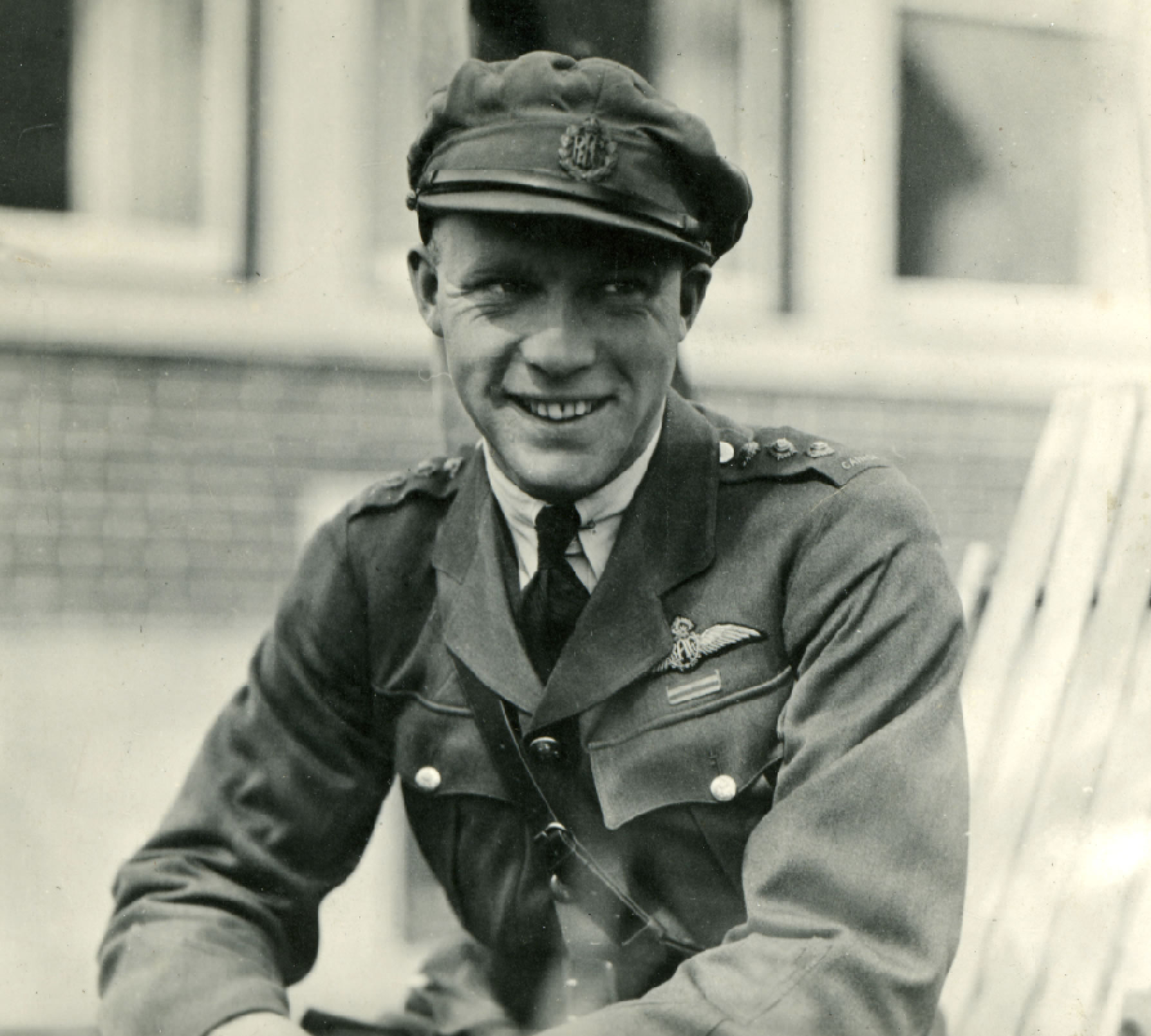
Captain W.R. May – Edmonton, 1919 (Courtesy Denny May).

To Wop[1] May who had grown up on the Canadian prairie, the English winter of 1917 must have seemed dreary. With the arrival of spring, he was on his way to the Western Front, and perhaps it had been before leaving England, or at a train station in France, he chanced upon a sign advertising that the Royal Flying Corps were looking for pilots. The fact that more young men were killed in air training accidents than died in combat seemed not to be a deterrent – the lure of adventure in the skies won out – he applied, was accepted and began the process of learning how to fly a plane. Read more

Visit Alberta’s Historic Sites and Museums: Southern Alberta

Alberta’s provincial historic sites and museums are all open and in full swing with their programs. If you’re looking for something to do this summer, or want to make a pit stop on your roadtrip, check out some of Alberta’s provincial historic sites and museums.

If you’re in southern Alberta this summer, check out the Brooks Aqueduct or Leitch Collieries, two sites that are only open over the summer, from May 15 to Labour Day. And, the Frank Slide Interpretive Centre, open year round, is just down the road from Leitch Collieries, so it is a good chance to visit both!

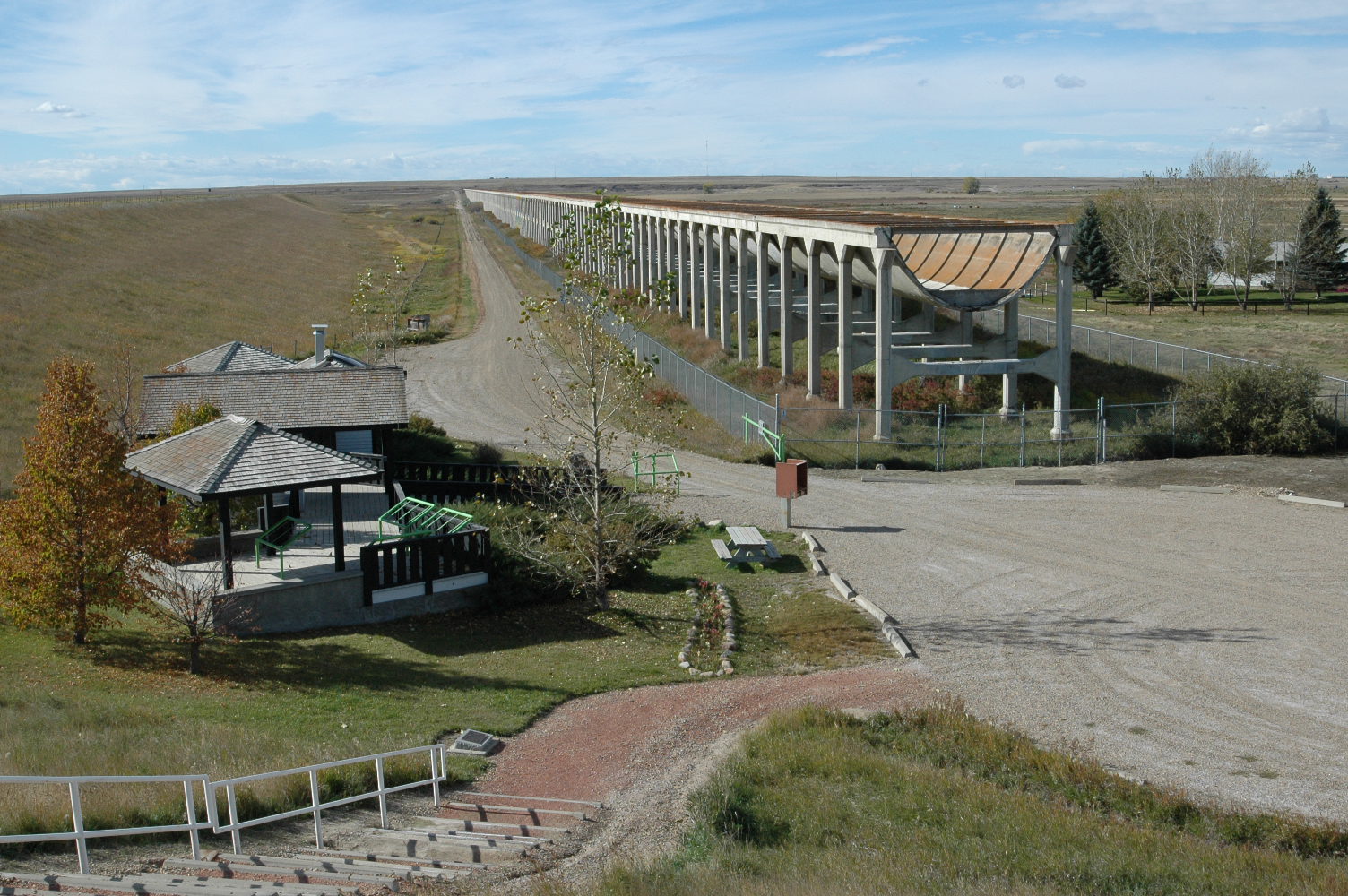
  • The Brooks Aqueduct was built by the Canadian Pacific Railway in the early 1900s and was the largest concrete structure of its kind in the world at the time (spanning a 3.2 km wide valley). The Aqueduct was an important part of an expansive irrigation network in the area and is an impressive site to see!

    The Brooks Aqueduct
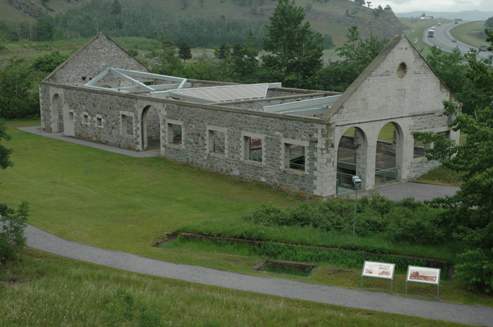
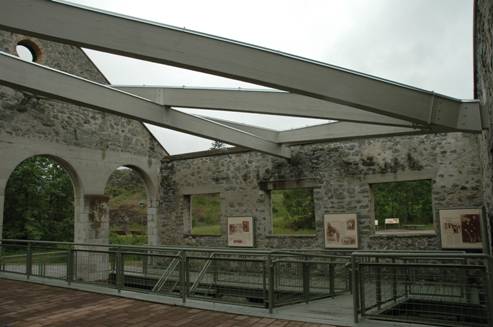
  • The Leitch Collieries provincial historic site is located in the Crowsnest Pass and, at its time (1907-1915), was one of the largest and most ambitious coal mines in the pass. Ruins from some of the sandstone buildings that formed the surface operations are still standing. Take a walking tour and enjoy learning about the coal mining history of the area.
    Leitch Collieries
    Leitch Collieries


If you’re in central or northern Alberta, stay tuned for sites in your area!

The Lovat Scouts – Rocky Mountain Soldiers

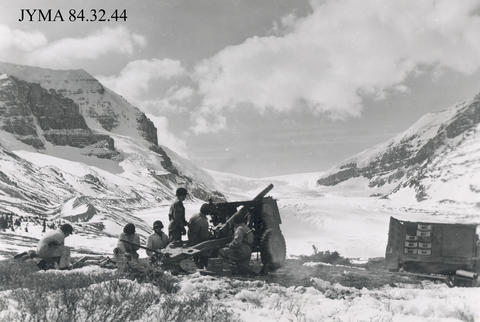
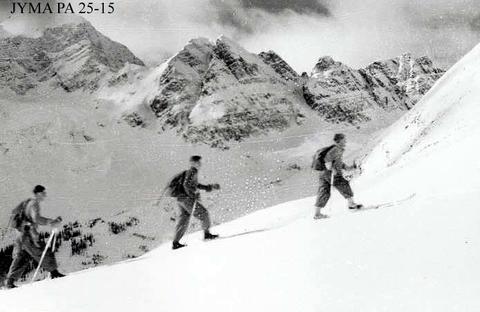
Lovat Scouts at the Athabasca Glacier, Jasper National Park, Alberta, ca. 1944. Image Courtesy of Jasper Yellowhead Museum and Archives (84.32.44).

On the evening of January 9, 1944, 500 soldiers arrived in the sleepy mountain town of Jasper, Alberta. Disembarking from the train, they marched through town accompanied by the skirl of their bagpipes and disappeared into the winter’s night. They were the Lovat Scouts, an elite British regimental unit sent to Canada to train for an Allied-led invasion of Nazi-occupied Norway. Far removed from the conflict in Europe, the mountains of Jasper National Park had been chosen as the location for this impressive undertaking.

Originally organized by the 16th Lord Lovat, the Lovat Scouts were a unique fighting force composed of Scottish Highlanders renowned for their excellent marksmanship and command of rugged terrain. The regiment served with great distinction in the South African Boer War and again in WWI where they won much acclaim at Gallipoli. In WWII, the Scouts were selected to be a key part of the Allied-led invasion of Norway. Recognized as having specialized skills adept to a mountain campaign, they were the only British unit to undergo formal training in high altitude warfare.  Their training, which commenced in the mountains of Scotland and Wales, was completed under winter conditions in Jasper National Park.

Lovat Scouts skiing in the Tonquin Valley, Jasper National Park, Alberta, ca.1943. Image Courtesy of Jasper Yellowhead Museum and Archives (PA 25-15).

Read more

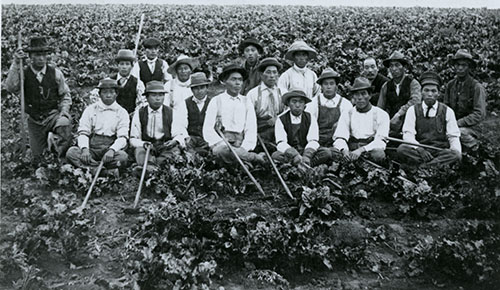
Sugar Beets and Buddha in Raymond, Alberta: Celebrating Asian Heritage Month

Asian Pacific American Heritage Month has been celebrated since 1978 in the United States, coinciding with the first arrival of Japanese immigrants in 1843 and the completion of the transcontinental railroad in 1869, in part through the contribution of Chinese labourers. In Canada, Asian Heritage Month has been celebrated since the 1990s and in 2002 the Government of Canada signed an official declaration designating May as Asian Heritage Month, a time to reflect on the legacy of Canadians of Asian heritage and to celebrate their contributions to the fabric of Canadian society.

In keeping with the spirit of Asian Heritage Month, RETROactive would like to share with its readers, the history of the Raymond Buddhist Church, designated a Provincial Historic Resource by the Province of Alberta in 1984. The information is taken from the Alberta Register of Historic Places and can be accessed in its entirety at:

https://hermis.alberta.ca/ARHP/Details.aspx?DeptID=1&ObjectID=4665-0482

The Raymond Buddhist Church is a two-storey building with a rectangular plan and a steeply-pitched gable roof completed Read more