“The Other Side of the Rockies”

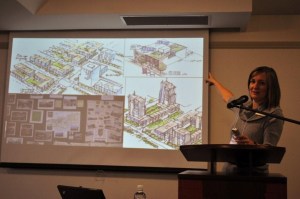
On Thursday, October 27, at the 2011 Municipal Heritage Forum, “Roadmap to Success,” Berdine Jonker, Senior Heritage Planner with the BC Heritage Branch, Ministry of Forests, Lands and Natural Resource Operations, travelled over the Rockies to share her expertise and the experiences of the BC Heritage Branch. As the keynote speaker, Berdine discussed how values-based heritage conservation is completed in British Columbia. She showcased a heritage context study completed for the City of Prince George, featured a cultural tourism workshop conducted with the Nisga’a Lisims Government and discussed design guidelines that were developed for the City of Grand Forks, all through the use of a values-based approach.

For a copy of Berdine’s presentation and supplementary information, please click on the following links:

“The Other Side of the Rockies: B.C.’s Experience with Community Heritage Context Planning”

Prince George Heritage Context Study

City of Grand Forks Heritage Program

BC Heritage Branch

Thank you, Berdine, for travelling to Alberta and presenting at the Forum! MHPP staff and Forum attendees really appreciated learning about some of the municipal heritage initiatives occurring in British Columbia.

For a complete collection of the 2011 Municipal Heritage Forum presentations, please click here.

Written by: Brenda Manweiler, Municipal Heritage Services Officer

Heritage at the Prince

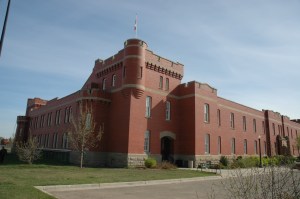
Today and tomorrow the annual Municipal Heritage Forum is being hosted at the Prince of Wales Armouries, in Edmonton. This impressive building was constructed in 1914-15 as the Edmonton Drill Hall. In 1979 it was designated a Provincial Historic Resource and in 2004 the City of Edmonton designated it a Municipal Historic Resource. The facility currently serves as the Prince of Wales Armouries Heritage Centre. The current tenants include:

City of Edmonton Archives

Edmonton Heritage Council

Telephone Historical Centre

Loyal Edmonton Regiment Military Museum

Edmonton Arts Council

To learn about the historic significance of the Prince of Wales Armouries please click here.

Written by: Brenda Manweiler, Municipal Heritage Services Officer

Lecture Series: Rutherford House Provincial Historic Site

Have you ever been curious about Rutherford House?? 

What is the history behind this provincial historic site? 

Who was Rutherford and what did this man do that was so important? 

How did this house become protected and why? 

What about the architecture of the house? 

Is it Edwardian, Jacobethan, or Queen Anne Revival?

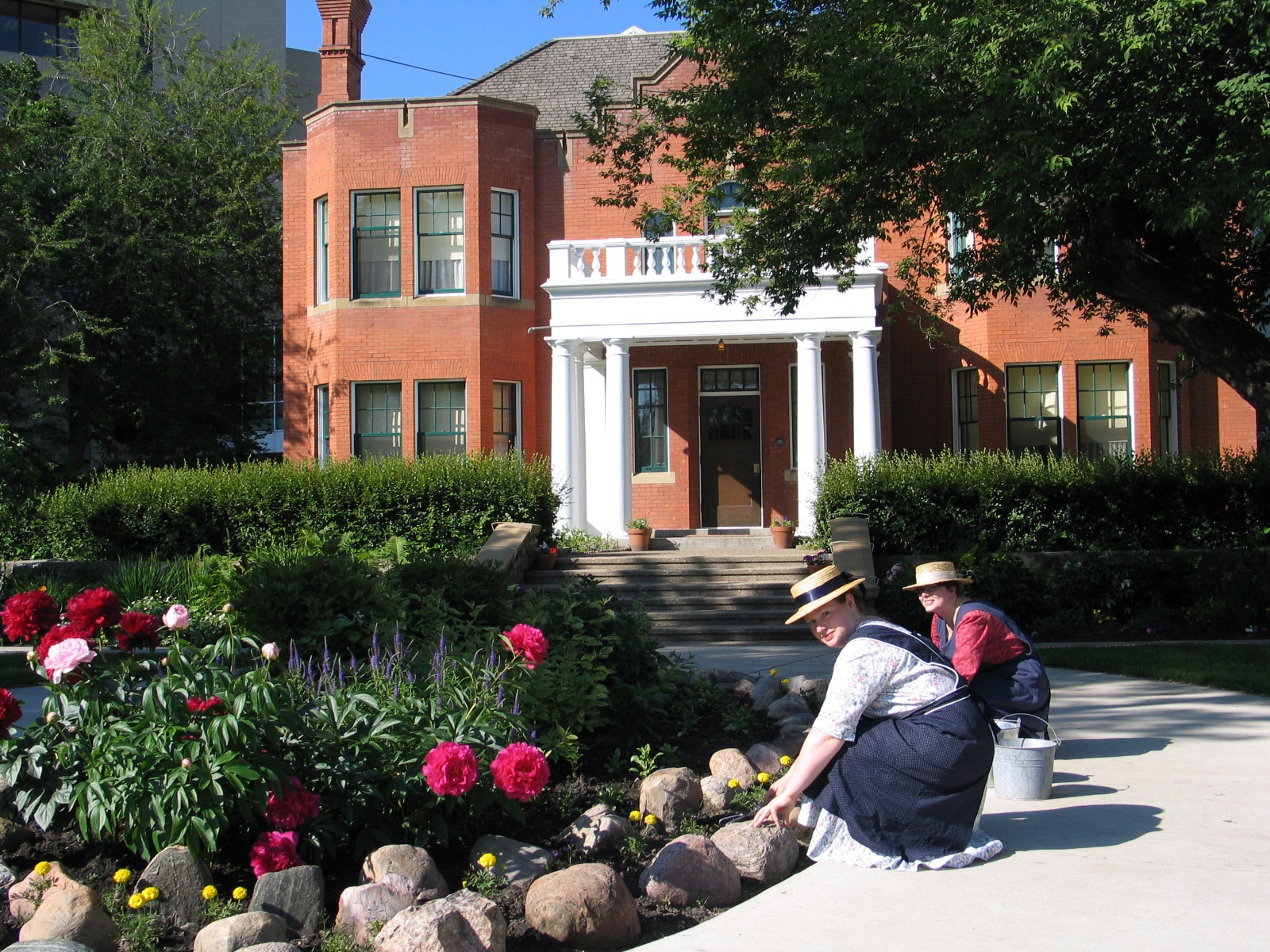
In celebration of the 100th anniversary of Rutherford House, we have asked our colleagues to help us answer these questions and more.  Join us in Edmonton for a mini lecture series at Rutherford House Provincial Historic Site, take a tour of the house and enjoy some tea and fresh baked cookies.

Sunday, October 16, 2 pm; Rutherford House:  A House, a Family, their Community and Times

Presented by Ron Kelland, Historic Places Researcher and Geographical Names Program Coordinator

Sunday October 23, 2 pm; Conserving Rutherford House

Presented by Larry Pearson, Director of Alberta’s Historic Places Program

Sunday October 30, 2 pm; Achnacarry: Designed for a Purpose

Presented by Dorothy Field, Coordinator of the Alberta Heritage Survey

PROGRAM FEE: $5.00 per person / includes lecture, tour of the house museum, along with tea and home baked cookies.

For additional details, please click here: Rutherford House Mini Lecture Series, 2011. For location information, please click on the attached map.

Pre-registration required by calling (780)427-3995 or (780)427-0357.

Strathcona Collegiate Institute, Edmonton

When the Calgary & Edmonton Railway arrived at the south bank of the North Saskatchewan River in 1891, the C & E immediately subdivided a townsite which it named South Edmonton.  Being at the end of steel, the community steadily grew throughout the decade until, in 1899, it was incorporated as the Town of Strathcona with a population exceeding 1,000.  As with Edmonton to the north, Strathcona grew rapidly in the wake of the Klondike gold rush, and, in 1907, it was incorporated as a city with an estimated population of 3,500.  Edmonton, however, was destined to grow at an even greater pace when the Canadian Northern and Grand Trunk Pacific Railways arrived there in 1905 and 1908 respectively, giving this city a direct rail link to eastern Canada.  With most major industries concentrating their operations in Edmonton, Strathcona became more of a residential district, a phenomenon encouraged by the decision of the provincial government, in 1908, to locate a provincial university just to the west of this city.  From this point on, Strathcona would be billed as the University City.

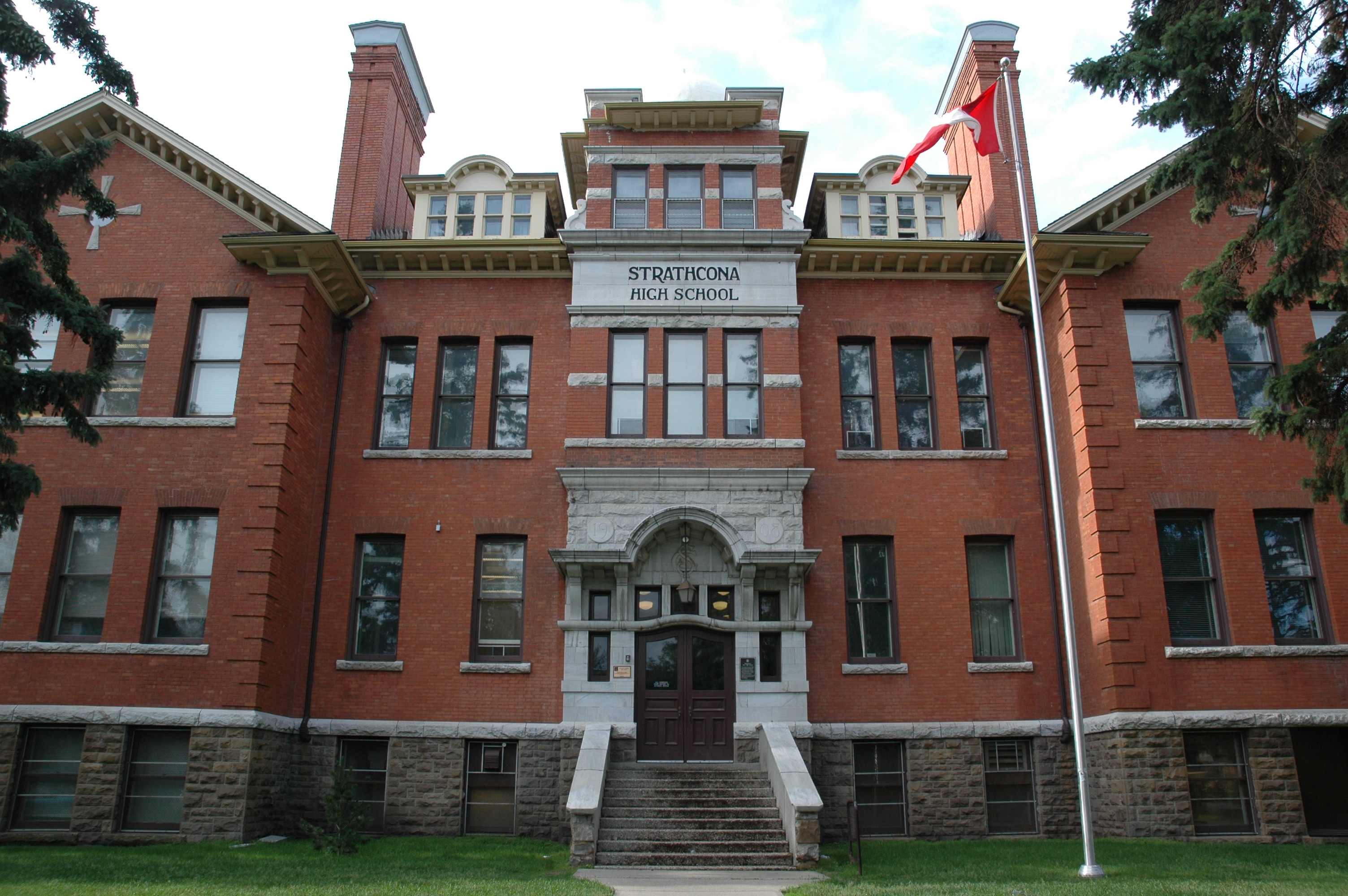
In the spring of 1908, the buildings of the new University of Alberta had yet to be designed let alone constructed.  There were, however, a growing number of high school graduates who wanted to attend university right away.  As a result, the University’s Board of Governors approached the Strathcona Public School Board for the use of a portion of a new high school which was then nearing completion on Lumsden (84th) Avenue and Duggan (105th) Street.  The new 125’ x 77’ school had been designed by the architectural firm of Johnson & Lines to become the largest and most sophisticated high school in Alberta.  It was being built by the firm of Thomas Richards at what would turn out to be a cost of about $100,000.  This was on the site of the earlier Duggan Street School, with additional land acquired by the School Board to the west to accommodate the larger facility.

The cornerstone of the new facility had been laid by Premier Rutherford himself on 18 October, 1907.  Rutherford, from Strathcona, was also the Minister of Education for Alberta.  When it was officially opened by Lieutenant-Governor Bulyea on 17 February 1909, at a ceremony attended by about 600 people, the institution was officially designated the Strathcona Collegiate Institute, in recognition of its initial post-secondary role.  The main floor was to house 71 high school students in four classrooms, while the 2nd floor was taken over by the University.  This included four classrooms to accommodate 47 undergraduate students, the office of President Henry M. Tory, and the University Library.  The third floor was made over into an auditorium with a stage, while the basement provided room for both a boys and a girls gymnasium. Read more

Rediscovering a Lost Art

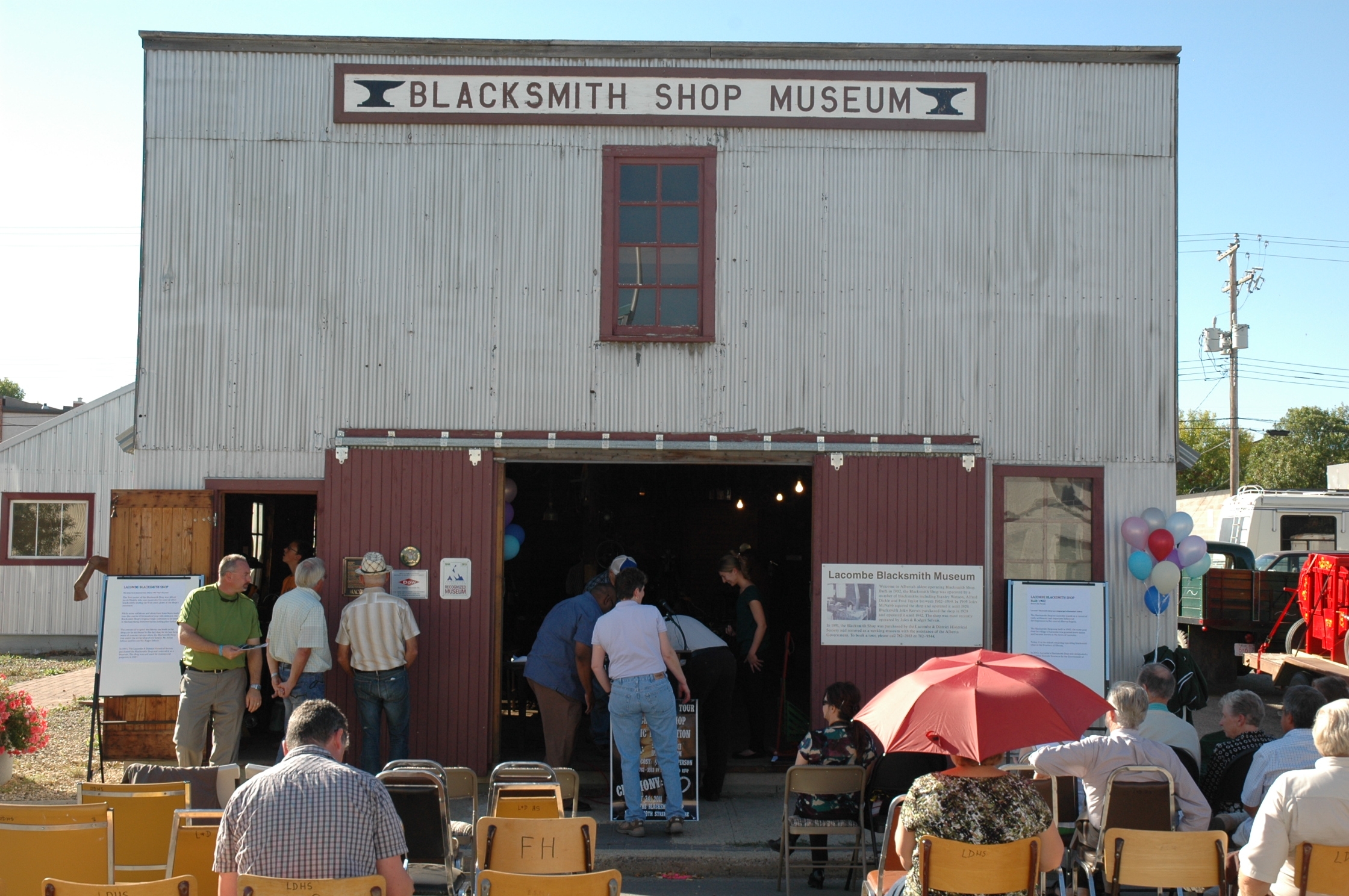
On September 24, 2011, the Lacombe and District Historical Society hosted an event celebrating the designation of the Lacombe Blacksmith Shop as a Provincial Historic Resource.  Situated just off the City of Lacombe’s historic downtown, the blacksmith shop opened more than a century ago and is a tangible reminder of an essential craft during Alberta’s early settlement period. Present at the celebration was a veteran blacksmith and his young apprentice. Using traditional tools to shape modern creations, these two men embody the remarkable continuity between the historic identity of blacksmithing as a utilitarian settlement craft and its emerging face as a specialized form of artistry serving both ornamental and functional needs.

Read more about this event and the Lacombe Blacksmith Shop Museum by clicking here.

Learn more about this Provincial Historic Resource by visiting the Alberta Register of Historic Places.

Written by: Matthew Wangler, Manager of Historic Places Research and Designation Program

Is it a historic place, resource or site? What’s the difference?

Some of the words we use to discuss heritage conservation can be confusing. The related but distinct terms historic place, historic resource and historic site are often misunderstood. Sometimes, people will talk of historic sites when they mean historic resources, and make reference to historic places when the place is not formally historic. Confused? I shall clarify:

Historic Place is the generic term used throughout Canada to reference “a structure, building, group of buildings, district, landscape, archaeological site or other place in Canada that has been formally recognized for its heritage value.” Each province and territory has separate legislation regulating the identification, evaluation and management of historic places. Therefore, each province uses a different term to describe a designated or protected historic place. For example, in Manitoba they are called Heritage Sites and in Saskatchewan, Heritage Properties. 

Brooks Aqueduct is a historic place designated as a Provincial Historic Resource and is operated as a historic site.

Alberta’s Historical Resources Act uses the term Historic Resource. A Historic Resource is defined as a historic place valued for “its palaeontological, archaeological, prehistoric, historic, cultural, natural, scientific or esthetic interest”. The Government of Alberta may designate a historic resource as a Provincial Historic Resource and a municipality may designate a historic resource as a Municipal Historic Resource. Designated historic resources may not be repaired, altered or destroyed without written approval from the designating authority.

A Historic Site is a historic resource owned or leased by the Government of Alberta and managed by the Historic Sites and Museums Branch of Culture and Community Spirit. These sites are interpreted through public programming, signage and exhibits. Stephansson House and Brooks Aqueduct are examples of historic sites.

So, if you ever find yourself talking about an old place ask: “What do I really mean? Has it been formally recognized by the Government of Alberta or a municipality?” Perhaps you are talking about a formally recognized historic resource.

Written by: Brenda Manweiler, Municipal Heritage Services Officer

Atlantic No. 3 Wild Well Site, near Devon

When Imperial Oil Well #1 began gushing vast quantities of crude oil in February, 1947, Alberta officially entered the “oil age,” and soon became Canada’s leading producer.  In short order, other important discoveries were made at Redwater, Devon, Valleyview and Swan Hills.  In the meantime, the Leduc field was expanded, with other oil companies making significant strikes.  One of these was the Atlanta Oil Company, headed by Frank MacMahon.  On 16 August 1947, he signed a lease option for NW23 TP50 R26 W4 for $175,000.  The owners of this farm were all members of the Rebus family, with the actual title to the land then in dispute.  Also in dispute was a claim by Imperial Oil that it in fact already held a lease option for this quarter.  MacMahon was able to work a deal with Imperial, while getting the Rebus family members to agree to his option.

On 15 January 1948, drilling proved successful, as oil gushed out of the ground to a height of 150 feet.  It was pressured by an estimated 15 million cubic feet per day flow.  Such extensive pressure was not easy to control however.  On 21 March, efforts to clear a stuck pipe resulted in the fracturing of the surrounding area, and natural gas and oil began to escape over a wide radius.  Fearful of a fire, the government put up roadblocks in the district, while the construction workers worked frantically to control the surge of oil and gas.  Reportedly, redwood fibre, mud, and even feathers were used to stop the gush, without success.  As the oil and gas spread, the entire Leduc field was shut down.  On 15 May, operation of the errant well was taken over by the provincial Oil & Gas Conservation Board, which contracted Imperial Oil to try to cap the well and begin cleanup operations.  The main activity involved pumping water down a nearby well directed towards the shaft of Atlantic #3.  In the meantime, planes were warned away from the area, and there were even rumours that water supply could be affected as far away as Edmonton.

By June, most of the escaping fluid was seen to be oil.  On 7 June, this was estimated to be 11,097 barrels daily.  That which was gathering in various surface sumps then began to be piped away from the area.  By 19 July, production from the well was estimated to have dropped to 7,772 barrels per day.  Then, on 6 September, a spark from somewhere ignited a fire, and the greatest oil well disaster in Alberta’s history began.  The event caused a sensation heard around the world.  As flames licked a hundred feet into the air, smoke billows could be seen for over a hundred miles, while the atmosphere around most of Alberta was darkened.  News reporters came from all over North America, and the story was featured on television and on the Movietone News in theatres. Read more

Cheese Please!

You have all probably seen them – large blue heritage markers located at highway rest areas or points of interest throughout Alberta. These interpretive signs tell of Alberta’s rich heritage. Come, travel Alberta and read a featured heritage marker:

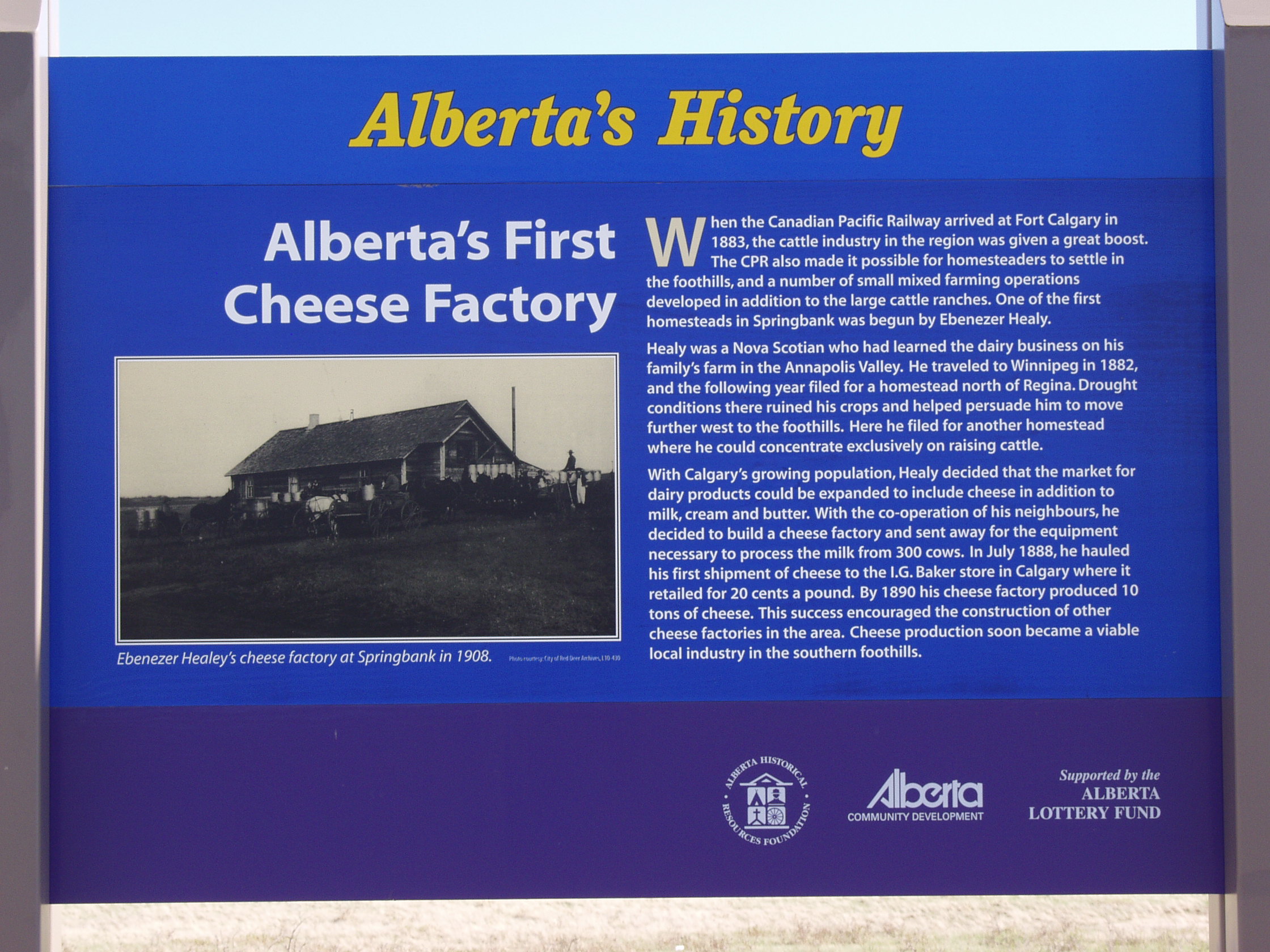
Alberta’s First Cheese Factory

When the Canadian Pacific Railway arrived at Fort Calgary in 1883, the cattle industry in the region was given a great boost. The CPR also made it possible for homesteaders to settle in the foothills, and a number of small mixed farming operations developed in addition to the large cattle ranches. One of the first homesteads in Springbank was begun by Ebenezer Healy.

Alberta's First Cheese FactoryHealy was a Nova Scotian who had learned the dairy business on his family’s farm in the Annapolis Valley. He traveled to Winnipeg in 1882, and the following year filed for a homestead north of Regina. Drought conditions there ruined his crops and helped persuade him to move further west to the foothills. Here he filed for another homestead where he could concentrate exclusively on raising cattle.

With Calgary’s growing population, Healy decided that the market for dairy products could be expanded to include cheese in addition to milk, cream and butter. With the co-operation of his neighbours, he decided to build a cheese factory and sent away for the equipment necessary to process the milk from 300 cows. In July 1888, he hauled his first shipment of cheese to the I.G. Baker store in Calgary where it retailed for 20 cents a pound. By 1890 his cheese factory produced 10 tons of cheese. This success encouraged the construction of other cheese factories in the area. Cheese production soon became a viable local industry in the southern foothills.

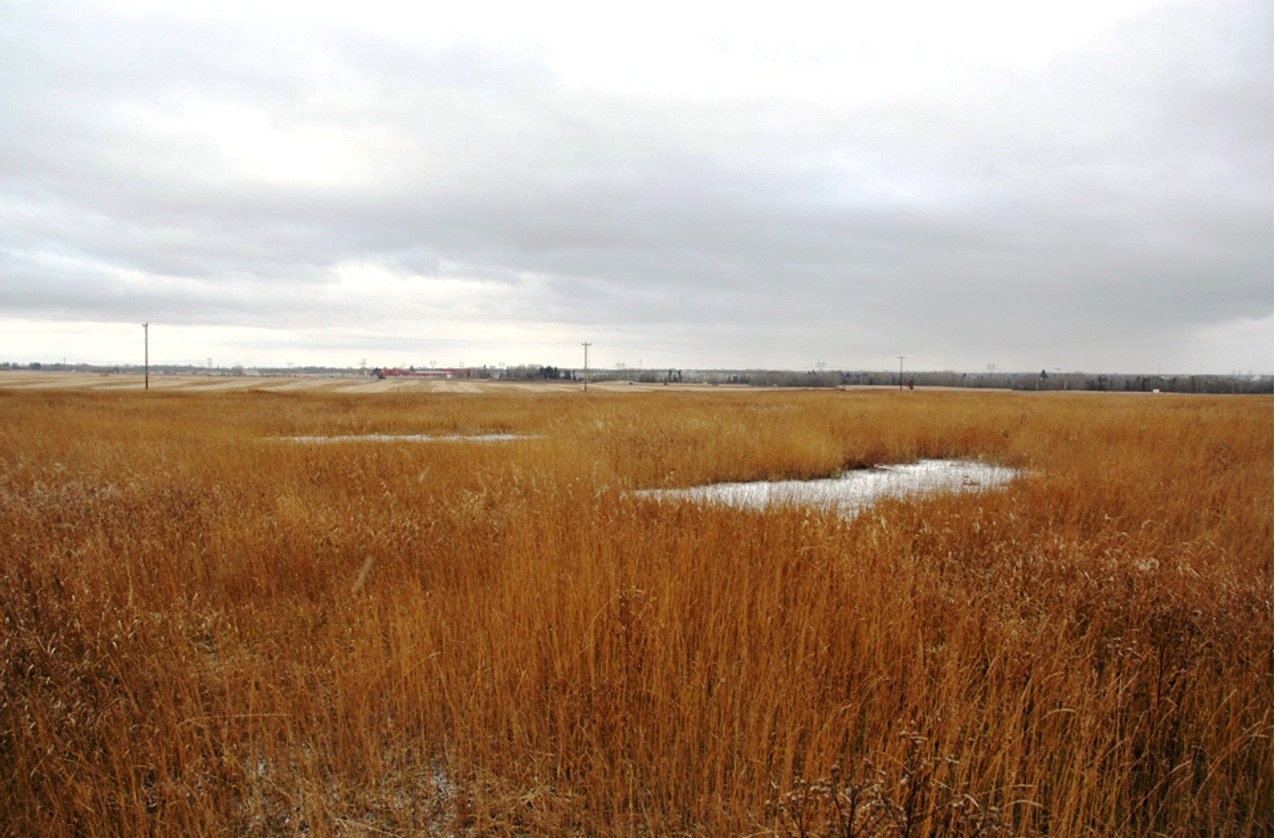
Heritage Marker Location 

South side of Highway 1, one kilometre west of Highway 22.

Alberta Register of Historic Places

If you would like to read more about Alberta’s dairy industry check out these Provincial Historic Resources on the Alberta Register of Historic Places:

Donalda Creamery, Donalda AB

Markerville Creamery, Markerville AB

Prepared by: Brenda Manweiler, Municipal Heritage Services Officer

We want to hear from you!

RETROactive was launched six months ago and thanks to all of you it has grown into a blog followed by nearly 125 people. Over 60 blog posts have been published, covering topics such as: the conservation of historic windows; roadside heritage markers; the history of various Provincial Historic Resources; how to complete Municipal Heritage Surveys/Inventories and how Albertans can access conservation funding.

Are these the types of posts you want to read? Are there certain topics you would like us to discuss? What do you think about RETROactive? Please provide us with your feedback by commenting at the bottom of this post, write a comment on our Facebook page or email us at: albertahistoricplaces@gov.ab.ca. We look forward to receiving all of your messages.

Thank you for visiting RETROactive.

Written by: Brenda Manweiler, Municipal Heritage Services Advisor

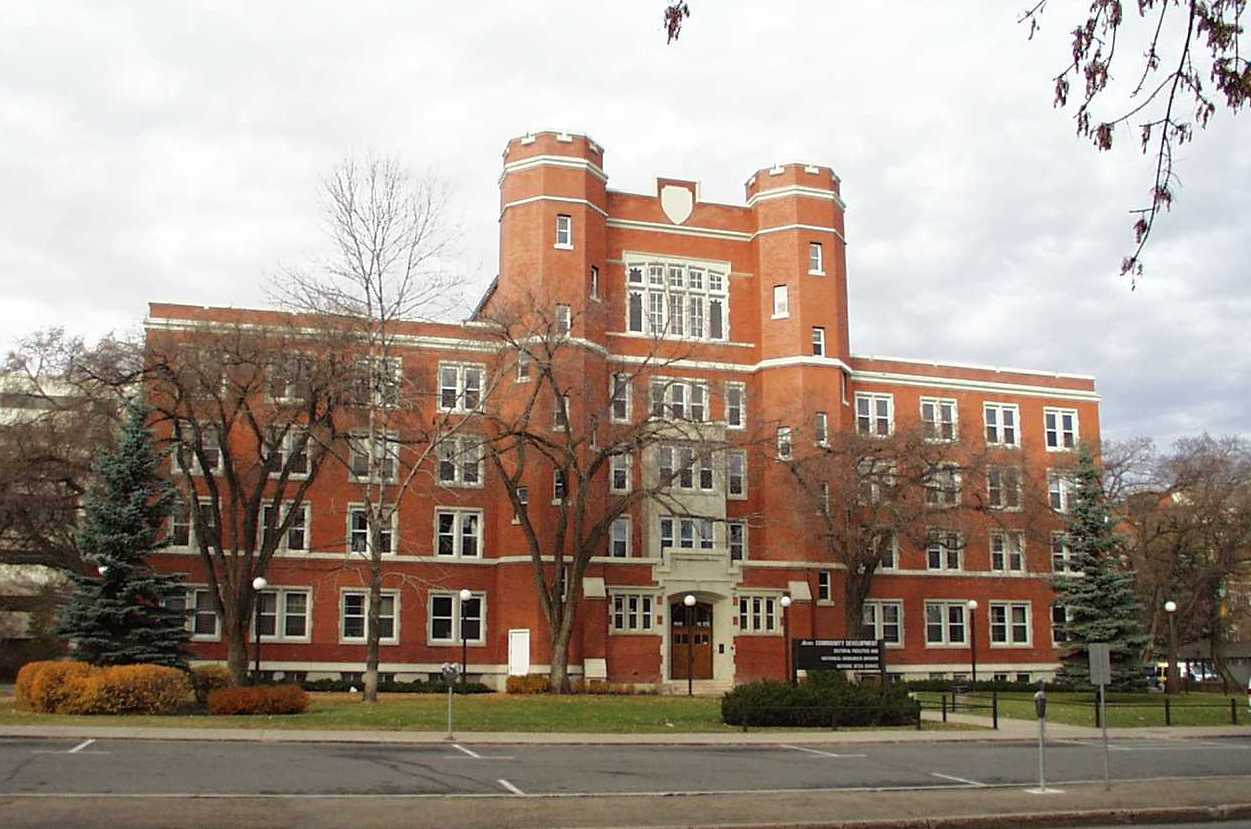
Old St. Stephen's College, located on the University of Alberta campus, is home to the Historic Resources Management Branch (the authors of RETROactive). This building is also a Provincial Historic Resource.

AGT Exchange Building, Mannville

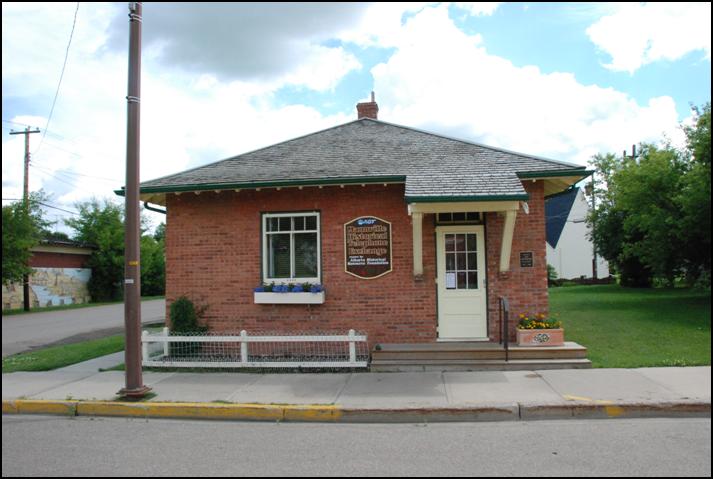
In 1907, the government of Alberta purchased the Alberta interest of Bell Canada and set up the Alberta Government Telephone Company, a Crown Corporation which was the precursor to AGT. The following year, a telephone line was extended from Edmonton as far east as Mannville, Alberta.  The following year, telephone installation was begun in this small community on the Canadian Northern Railway.  A telephone office was set up in S. K. Smith’s Drug Store, with various employees of the store operating the Kellog switchboard.  In 1912, the Telephone Company extended the service to the rural areas surrounding Mannville.
In October 1915, a new telephone exchange was opened in Mannville with a northern electric switchboard.  On 1 December 1917, the exchange was moved into a newly constructed telephone office on Main Street, built by Neil MacKinnon, who became mayor one year later.  MacKinnon had also constructed the original Mannville School and the McQueen Memorial Church.  The Telephone Agent was Ellen Ewing.  She was assisted by Mrs. Alice Rutherford, who would take over as Agent in 1920 and continue in this role until 1965, while herself residing in the AGT building.

During the 1930’s, AGT found the cost of maintaining rural telephone lines increasingly expensive, as fewer and fewer people were subscribing to the system due to the Depression.  In parts of the province, including the Mannville district, the telephone system was disconnected.  Some of the rural areas formed mutual telephone companies.  Around Mannville, six separate companies were formed, but, before long, they were amalgamated into one company, centred in Mannville.  The old Telephone Exchange thus found renewed use.

Shortly after World War II, AGT returned to the area, buying out the Mannville Mutual Telephone Company, and securing direct connections with Edmonton and elsewhere.  On 1 May 1965, automatic dialing was introduced to the Village and its hinterland with the use of one of the first underground cable systems to be installed in the province.  As a result, the Mannville Telephone Exchange was closed.  The building served for a while as the community library and has continued as a prominent historical feature of Main Street Mannville ever since.

In October 2009, the Manville Telephone Exchange was designated a Provincial Historic Resource. Its historical significance lies primarily in its provision of structural evidence of telecommunications in early Alberta. It is one of the oldest telephone exchange buildings in the province, at least of those buildings dedicated exclusively to telephone service. It is also a reminder of the early development of downtown Mannville, a major farming community in east central Alberta.

Written by: David Leonard, Historian

Visit the Alberta Register of Historic Places to learn more about the heritage value of the Alberta Government Telephones Exchange Building in Mannville. In order for a site to be designated a Provincial Historic Resource, it must possess province-wide significance. To properly assess the historic importance of a resource, a historian crafts a context document that situates a resource within its time and place and compares it to similar resources in other parts of the province. This allows staff to determine the importance of a resource to a particular theme, time, and place. Above, is some of the historical information used in the evaluation of the AGT Exchange Building.