Yellowhead Townsite and Mine: Archaeology in Alberta’s Coal Branch

Alberta’s Coal Branch region, southwest of Edson, was once an area bustling with activity, not only due to coal production, but also with the day-to-day goings-on of communities. In its heyday, the Coal Branch supported a population of almost 3,000 people spread out among several towns including Cadomin, Mercoal, Mountain Park, Luscar, Lovettville, Coalspur, Robb, Coal Valley, and Beacon Hill. These communities, though small, had many amenities including stores, community halls, sports fields, schools, churches, and hospitals. Today, many of them have been completely abandoned or are only used for part of the year.

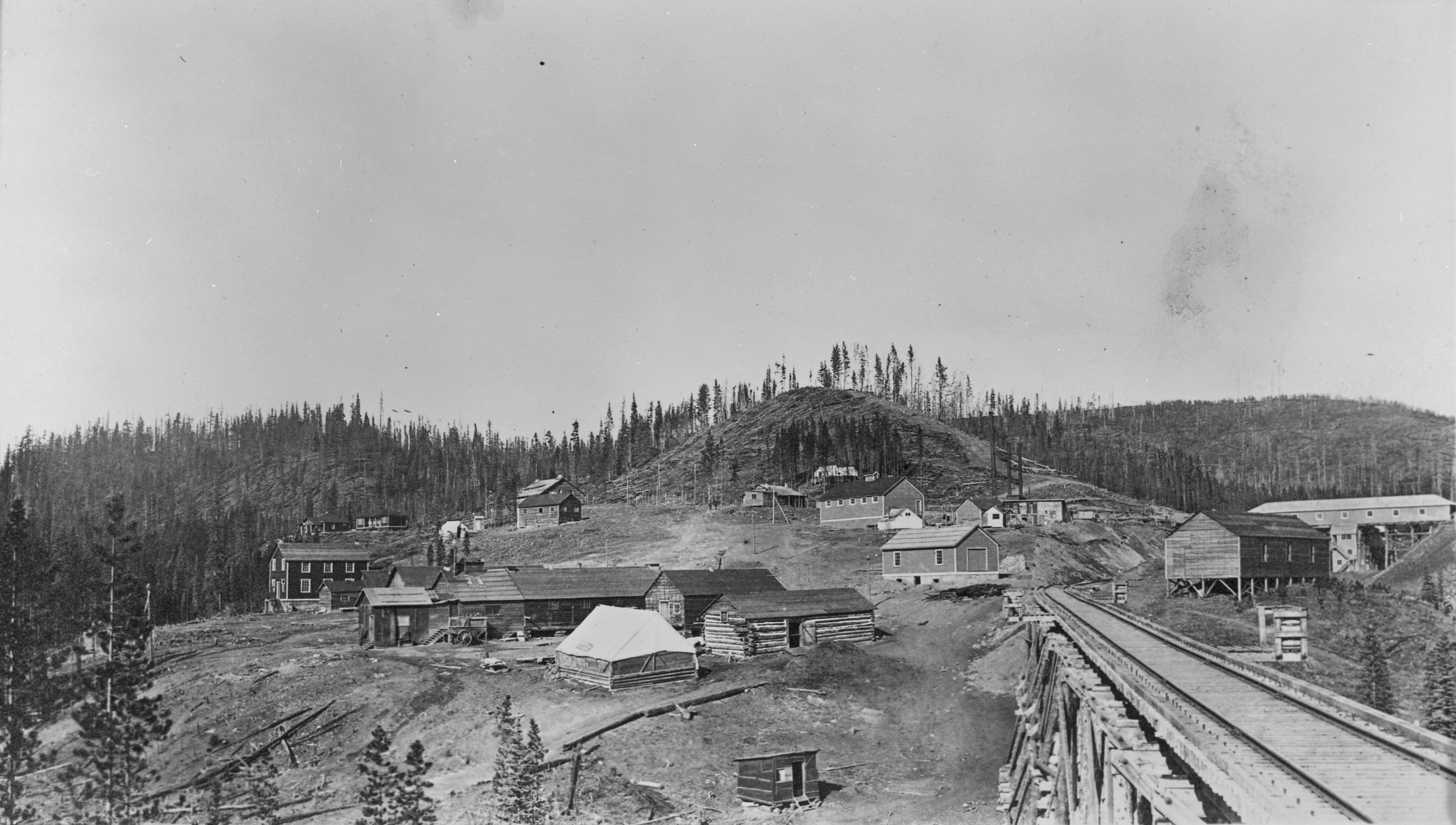
Part of the Yellowhead site, likely during the mid-to-late stages of mine development (Photo Credit: Provincial Archives of Alberta, Edmonton, PR1991.0312 A19987)
Part of the Yellowhead Townsite and Mine which was in operation from 1909-1919 (Photo Credit: Provincial Archives of Alberta, PR1991.0312 A19987)

Yellowhead Mine and its associated “stag camp”, and later townsite, was the first mining operation in production in the Coal Branch. Run by the Yellowhead Pass Coal and Coke Co., the mine began operations in 1909, before railroads or roads reached the area. Since the only way in and out of Yellowhead was by pack trail, the settlement was fairly isolated and difficult to get to. When mining first began, the coal could not be shipped out due to lack of rail access, so coal was stockpiled. The railroad Read more

Historic Burial near Viking, Alberta: A story of excavation, ceremony and community

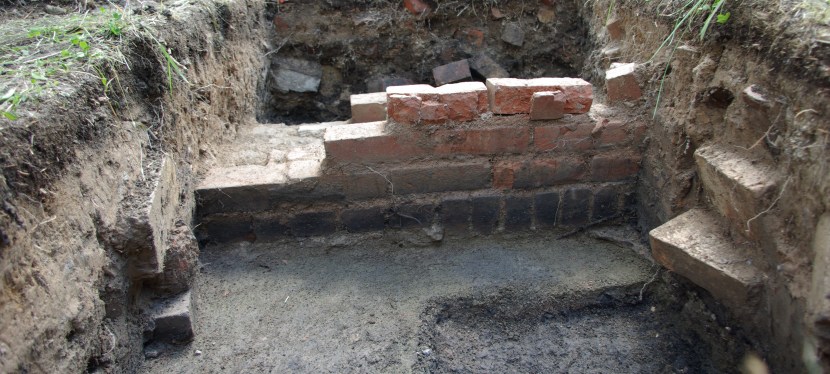
In late August 2015, Brian Rozmahel, a farmer near the Town of Viking, was working in one of his fields. He recently experienced problems with gophers causing damage to his crops and decided to set up several traps as a preventative measure. One morning he went out to check the traps he set the day before and discovered something he was not expecting to find. A badger got to the site overnight and dug into the gopher burrows. Quite a bit of earth was brought up through the badger’s digging. However, there was more than just earth that was surfaced by the badger. Resting on the ground near the burrows were human remains and other items such as buttons and beads.

When Brian encountered the remains he immediately contacted the Viking Detachment of the RCMP. The RCMP cordoned off the site and did an initial investigation of the area. In the meantime, the exposed human remains were sent to the Office of the Chief Medical Examiner (OCME) for further analysis.

In consultation with forensic anthropologist, Pamela Mayne-Correia, the OCME concluded that the human remains were historic in nature and were likely of a young Aboriginal individual. The RCMP deemed the situation to not be criminal and the Historic Resources Management Branch (HRMB) was then contacted by the OCME. As the remains were considered historic, the HRMB now had jurisdiction over the site. Read more

Conservation at the E.P. Ranch

E.P. (Prince Edward) Ranch, established by the Bedingfeld family in 1886, is located in the foothills southwest of Calgary near the Bar U Ranch National Historic Site. In 1919, during a cross-Canada tour, the Bedingfeld’s ranch captured the fancy of His Royal Highness Edward, Prince of Wales, upon his visit to the area.  Prince Edward purchased the ranch shortly thereafter from Frank Bedingfeld. Under Edward’s direction, the ranch developed a breeding program for sheep, cattle, and horses with livestock imported from the Prince’s breeding farms in the Duchy of Cornwall in England.  Prince Edward, later King Edward VIII, visited the ranch in the 1920s and in the 1940s and 1950s, after his abdication, as the Duke of Windsor.  Photographs in the Glenbow Archives show Edward and his wife Wallis Simpson, the Duchess of Windsor, strolling among the ranch buildings that still stand at the site today. The E.P. Ranch was designated a Provincial Historic Resource in 2004 for its association with Edward, who owned the site from 1919 to 1962. Fans of the 1992 movie Unforgiven will also recognize scenes shot on location at the ranch.

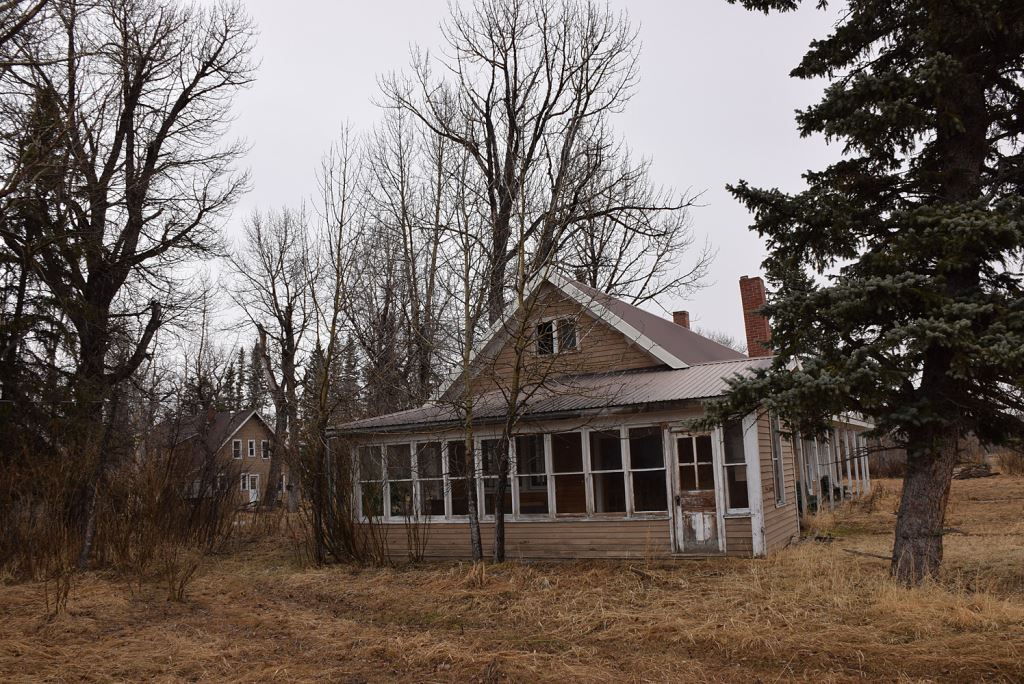
The main ranch (or Prince's) house prior to restoration, April 2014.
The main ranch (or Prince’s) house prior to restoration, April 2014.

In June 2013, the E.P. Ranch found itself at the epicentre of the torrential rains that flooded communities and historic sites across southern Alberta. Pekisko Creek overflowed its banks and swept through the site, turning grazing lands into a virtual river.  While the large and distinctive horse barn was unaffected, four other buildings were damaged. Read more

Arrowheads and Artifact Ambassadors

Many of the most amazing archaeological sites in Alberta were discovered accidentally by farmers, hunters, hikers, and industry workers. By sharing their finds, everyday Albertans became heritage heroes. Why is it important to share discoveries? When someone finds an artifact and puts it in their garage, one Albertan learns about our heritage. When a person invites an archaeologist to photograph that artifact, thousands of people and multiple generations of Albertans gain a portal to our past.

We’re always on the lookout for the next big site and the next famous Artifact Ambassador. To inspire you to share your finds, here are some facts about citizen discoveries in the world and here at home.

  • The Terracotta Army of China, a collection of over 8000 figures buried in a royal tomb over 2000 years ago, was discovered and reported by farmers in 1974
  • The Lascaux Cave paintings in France (over 15 000 years old) were discovered by teenagers on a hike in 1940
  • 1398 recorded sites in Alberta are based on private collections of artifacts – photographs and information about these collections have been inspiring research projects for decades

Map of private collections

  • Several archaeological finds by Alberta’s explorers and farmers have since become Provincial Historic Sites and one has even become an UNESCO World Heritage Site!
  • Archaeological finds reported by concerned Albertans include ancient rock art, medicine wheels, footprints of extinct animals hunted by people, buffalo jumps, and ancient campsites.
Image 1 Manuscript covers
A number of projects were undertaken from the 1970s to 90s to document private collections of artifacts from Lethbridge to Grande Prairie. Digital copies of these manuscripts are now available to Alberta’s archaeological community.

Even a single artifact can contain significant information. For example, staff of the Archaeological Survey recently initiated two projects to document private collections in northern Alberta. Read more

Heritage Energized: HRMB at the National Trust Conference

Last month, the Historic Resources Management Branch had the opportunity to attend the National Trust for Canada’s annual conference, right here in our home province. Held October 22-24 in Calgary, the conference’s theme of “Heritage Energized” explored how heritage energy can turn places around, empower people and create opportunities.

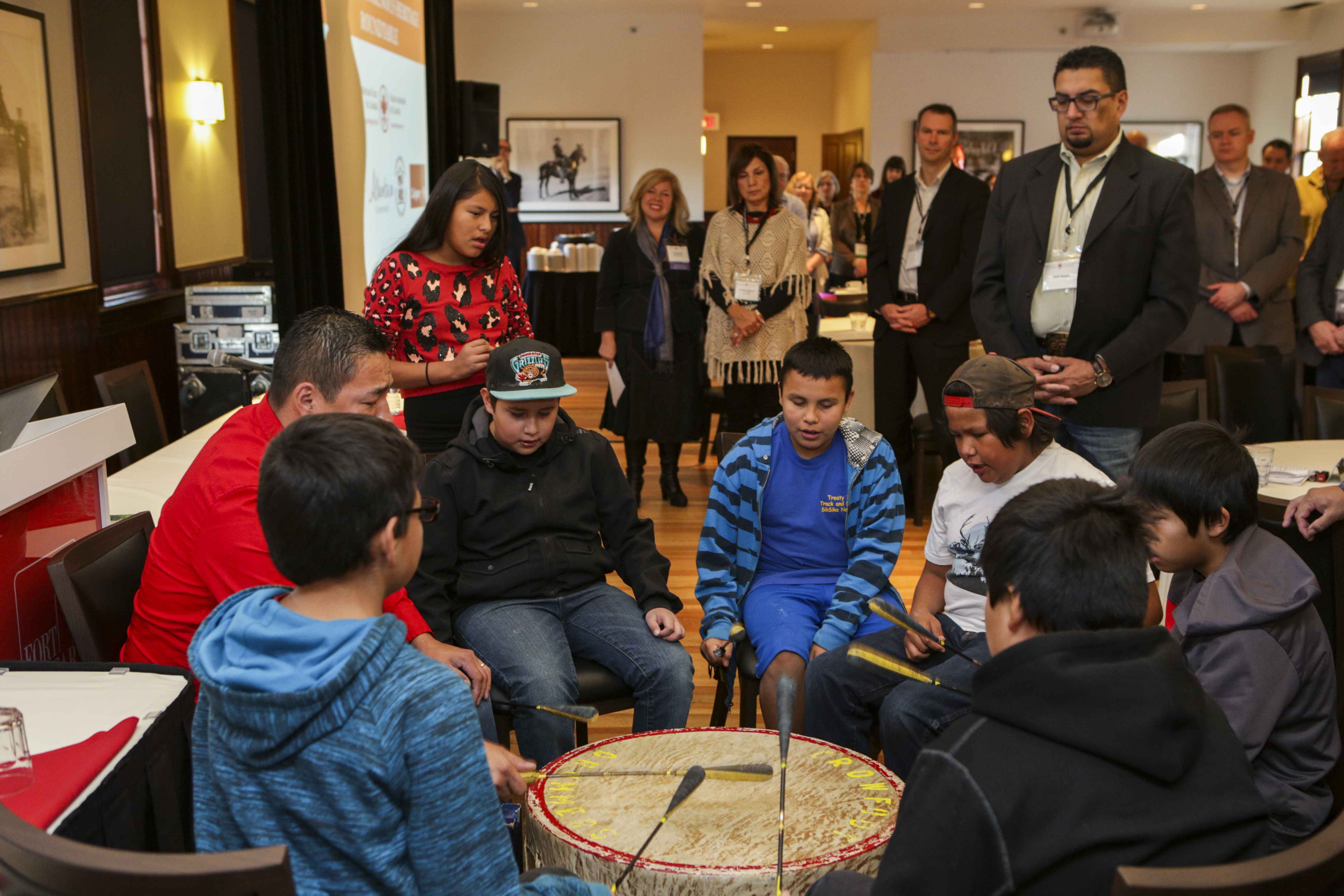
Preceding the conference was Moh-Kins-Tsis: Calgary Indigenous Heritage Roundtable, a day-long session bringing together Elders and knowledge keepers with practitioners in the fields of heritage, archaeology, architecture and planning, to discuss how to protect Indigenous heritage sites in the urban environment.  Moderators Lorna Crowshoe (Aboriginal Issues Strategist, City of Calgary) and Makiinima—Roy Fox (Former Chief of the Kainai Nation) set the tone for the day by establishing the room as an “ethical space”—where groups with contrasting world views can come together in respectful, cooperative and collaborative ways. The audience then had the special opportunity to learn about Blackfoot ways of knowing from Elders Wilton Goodstriker, Herman Yellow Old Woman, Bruce Wolf Child, Andy Blackwater and Dr. Reg Crowshoe. These discussions were expanded upon by a number of professional and academic presenters.

The Crowfoot Young Warriors kick off Moh-Kins-Tsis: Calgary Indigenous Heritage Roundtable with drumming and song. Photo credit: Pinpoint Photography, courtesy of the National Trust for Canada.

The latter half of the day focused on the Paskapoo Slopes—an area in the city’s northwest rich in archaeological and cultural heritage and of high significance to the Blackfoot Nations. A panel composed Read more

Metis Week in Alberta

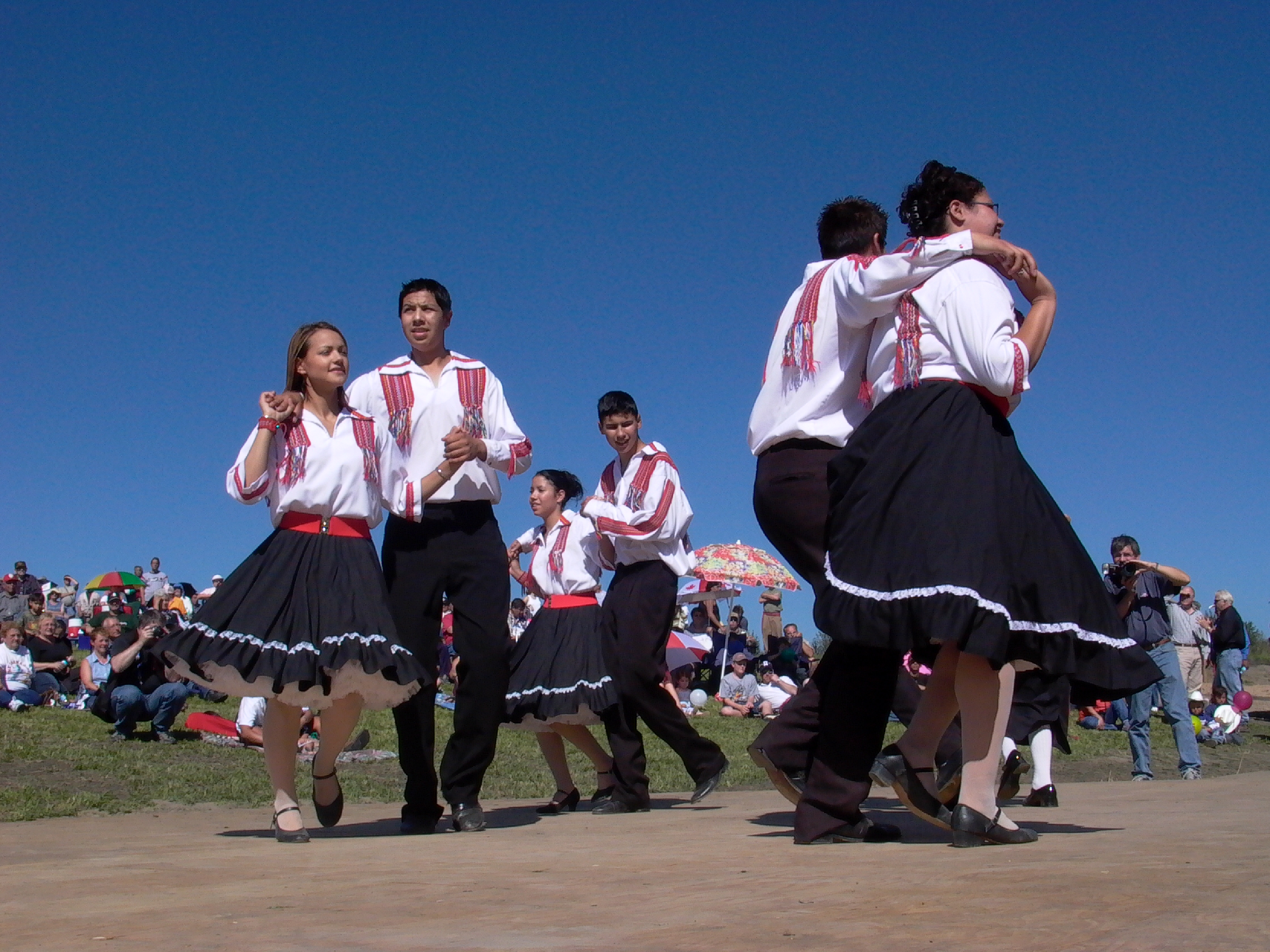
Photo Credit: Travel Alberta

Events are taking place across the province this week in honour of Metis Week, from November 15-21, 2015. This week provides an opportunity to celebrate Metis people, their culture and their contributions.

Louis Riel Day was celebrated on November 16th, the date that marks the anniversary of Riel’s death in 1885. Riel was a Metis leader who fought for the recognition of Metis people and their rights. He is also credited as the founder of the province of Manitoba. Commemorations and events took place in both the Edmonton and Calgary areas.

Many other events are taking place across the province to celebrate Metis week and it’s not too late to take part! For a full listing of events, click here.

Megafloods and Layered Pasts: Exposing Alberta’s Oil Sands

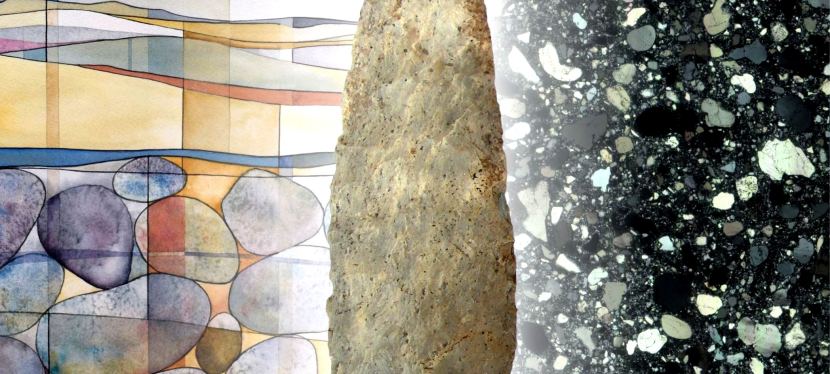
On a cold January day researchers from the University of Alberta and the province’s Archaeological Survey huddled on a frozen lake near Fort McMurray waiting to extract long cores of mud. Layered throughout the cores are environmental indicators, like pollen and microorganisms, that span thousands of years. Geologists have tried to map the boundaries of hydrocarbon reservoirs in the oil sands for over a century but they have only recently focused on the natural forces that exposed bitumen to human eyes. The mystery of this exposure event is what continues to draw researchers to remote frozen lakes in northeast Alberta. Read more

Rocky Mountain Alpine Project Update

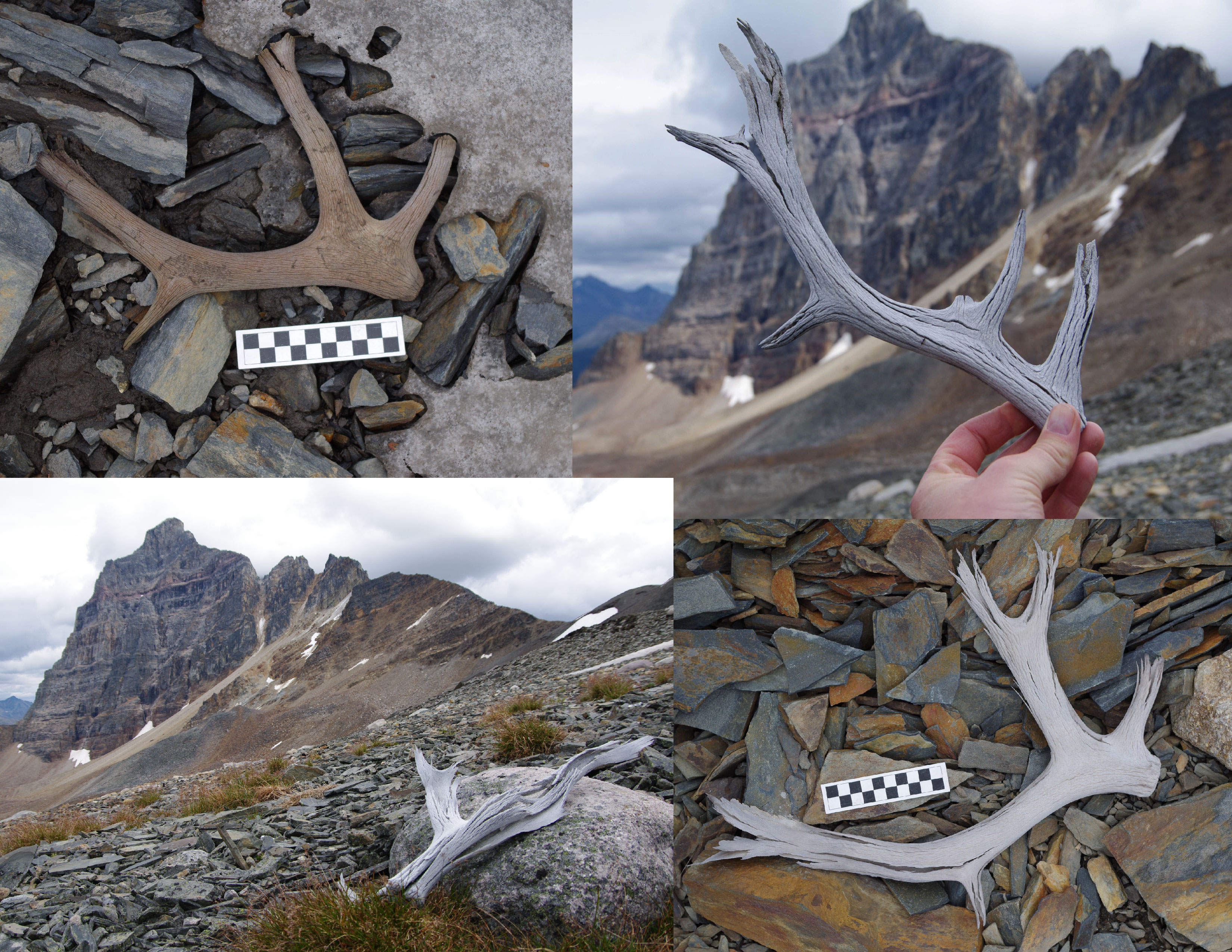
In an earlier post we showed a video of the fieldwork undertaken for the Rocky Mountain Alpine Project in August of 2015. This was a pilot project to determine the potential for finding organic archaeological artifacts in ice patches in the Jasper National Park area. One of our most exciting finds was a leather strip that had recently melted out from the edge of an ice patch. However, we also found and collected a significant number of other naturally occurring organic materials melting out from the ice. While most of these are not archaeological, they are valuable for understanding how this environment and the animals living in it have changed over time. The pilot project revealed that ice patches in Jasper and neighbouring Mount Robson Provincial Park have great potential for archaeological research but also for biological, environmental, and climate research. See below for some of our other finds and their potential to contribute to our knowledge of this landscape’s past.

Natural Organics

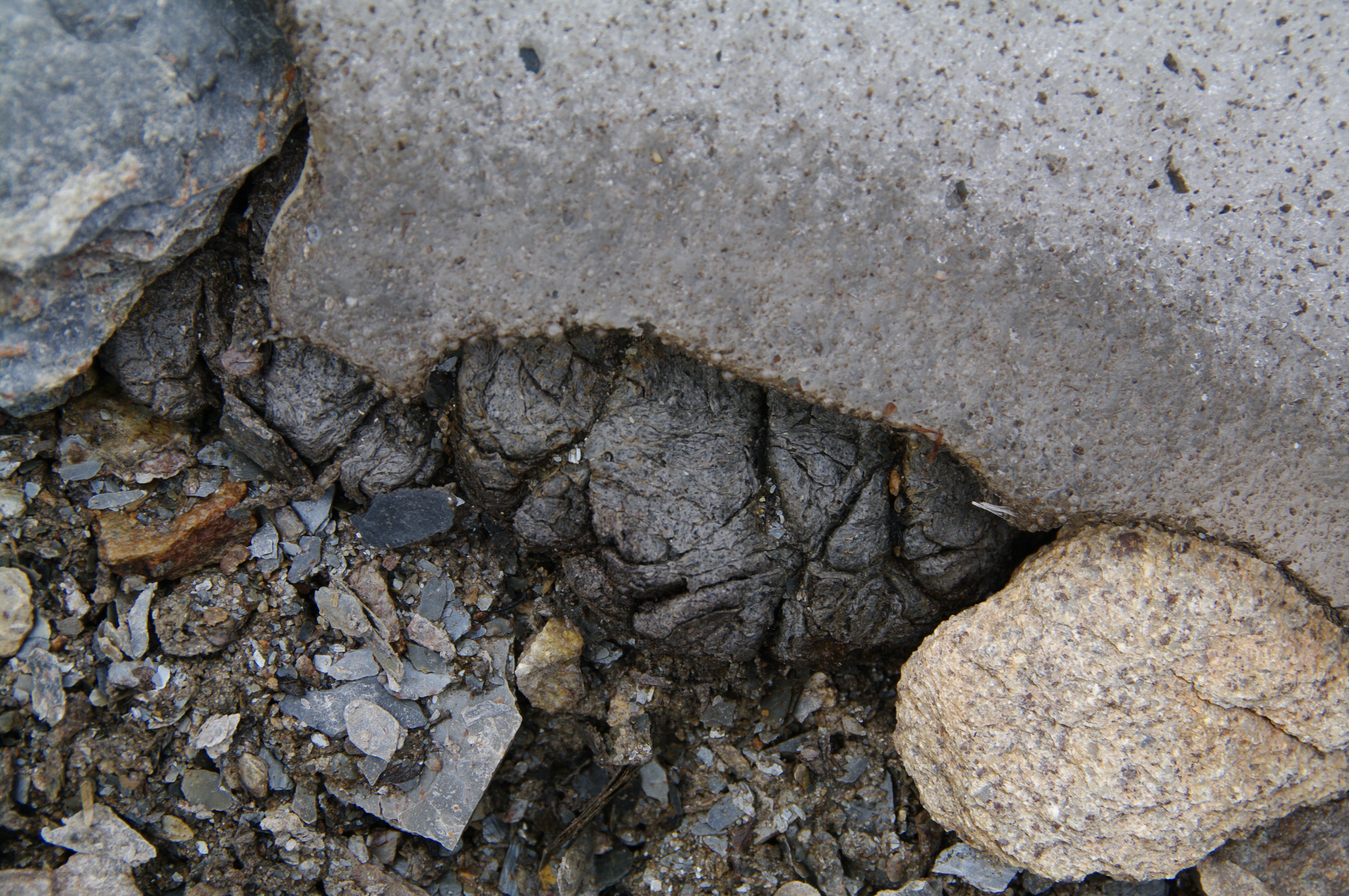
Caribou antlers were the most abundant organic materials found. Antlers can be used to reconstruct caribou populations in the past by recovering DNA from them and using genetics to track population growth and decline. It is important to understand how populations change naturally so that we can interpret what effect human activity might have on caribou. We may also be able to detect the impact of past ecological events (like volcanic eruptions) on caribou populations. Similarily, caribou dung present in the ice patches can also be used to track caribou populations and diet. Some researchers have also used finds like this to track the evolution of viruses.

A sample of some of the caribou and elk antlers found at the edge of the ice patches.
A sample of some of the caribou antlers found at the edge of the ice patches.
Caribou dung melting out of the ice.

Bone is another important archaeological and ecological find. Any bone that was encountered was examined for evidence of human modification such as breaking or fracturing of the bones from hunting and processing. Read more

Alberta’s Ancient Darts and Atlatl Hunting

How did people kill animals before guns and the bow and arrow? One of the oldest weapons in Alberta is called an atlatl or dart thrower. The atlatl increased in popularity around 8000 years ago and was the trusted technology for roughly 300 consecutive generations of hunters. It was replaced by the bow and arrow around 2000 years ago.

What’s an Atlatl? 

The atlatl is a carved wooden board, up to 1 m long, with a hook on one end that inserts into a divot at the end of a ‘dart’ shaft (about 1 m in length).

Figure 1. Atlatl and weight Amanda Dow
An atlatl throwing board (by Amanda Dow)

The hunter throws the dart in a motion similar to a baseball pitch. A flick of the wrist at the end of the throw increases the speed and power. Is the use of an atlatl better than just throwing a spear? The world record for a hand-thrown javelin is 104 m while the record for an atlatl thrown-dart is 258 m! Read more

National Trust Conference 2015

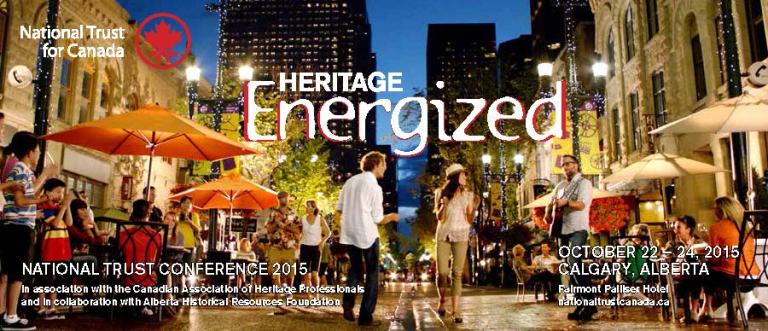
national trust conference ad

Calgary, Alberta – Fairmont Palliser Hotel, October 22 – 24, 2015

In association with the Canadian Association of Heritage Professionals
and in collaboration with the Alberta Historical Resources Foundation 

Be part of Canada’s largest heritage conservation learning and networking event.

The annual National Trust Conference is Canada’s largest event for professionals, practitioners, academics, and volunteers engaged in regenerating and saving our heritage places. This is your opportunity to meet and be inspired by the 400-plus participants from across Canada.

Heritage is an energy producer that infuses Canadian communities with cultural and economic vitality, sparks new investment, and ensures their long-term sustainability. The 2015 National Trust Conference will explore how heritage energy can turn places around, empower people, and create opportunities.

This year, we are pleased to announce the broadest range of workshops we’ve ever mounted: from fundraising and organizational governance, to brick masonry conservation, heritage real estate development, and the digital documentation of heritage buildings. We’ve also assembled a slate of inspiring keynote speakers that will introduce you to cutting-edge heritage from around Alberta and the globe: from heritage thinkers and developers to internationally acclaimed fiction writers.

Indigenous cultural heritage will have a strong presence throughout the conference, particularly at the ground-breaking pre-conference event, MOH-KINS-TSIS │ Calgary Indigenous Heritage Roundtable. Calgary has a rich Indigenous heritage with many places of sacred and cultural significance – from Nose Hill to Paskapoo Slopes. And yet, these important places are rarely protected by provincial legislation or recognized by municipal bylaws and polices. MOH-KINS-TSIS │Calgary Indigenous Heritage Roundtable aims to open a dialogue and to find solutions to this gap in knowledge and protection.

The Historic Resources Management Branch of Alberta Culture and Tourism is responsible for managing impacts to historic resources in the province, including archaeological sites, fossil localities, heritage buildings, and historic places of cultural significance to Indigenous communities.  In addition to ensuring the careful management of Alberta’s embodied heritage, the branch also engages in a number of outreach activities to promote greater appreciation for the remarkable depth and richness of the province’s past and will be participating in the National Trust Conference. Speakers in the session will explore a range of topics, including: how the branch’s regulatory processes uncovered the Quarry of the Ancestors, a remarkable archaeological site that illuminates one of the most intensive ancient uses of the boreal forest yet identified in Canada; how the visual arts can be used to create compelling and dynamic evocations of Alberta’s history; and how the branch engages with Indigenous communities to record and preserve historic places of cultural significance.

For more information about the conference, visit www.nationaltrustcanada.ca

The National Trust for Canada is a national charity created in 1973 that inspires and leads action to save historic places, and promotes the care and wise use of our historic environment.