Immigration halls of Alberta

Written by: David Monteyne, Professor, School of Architecture, Planning and Landscape, University of Calgary

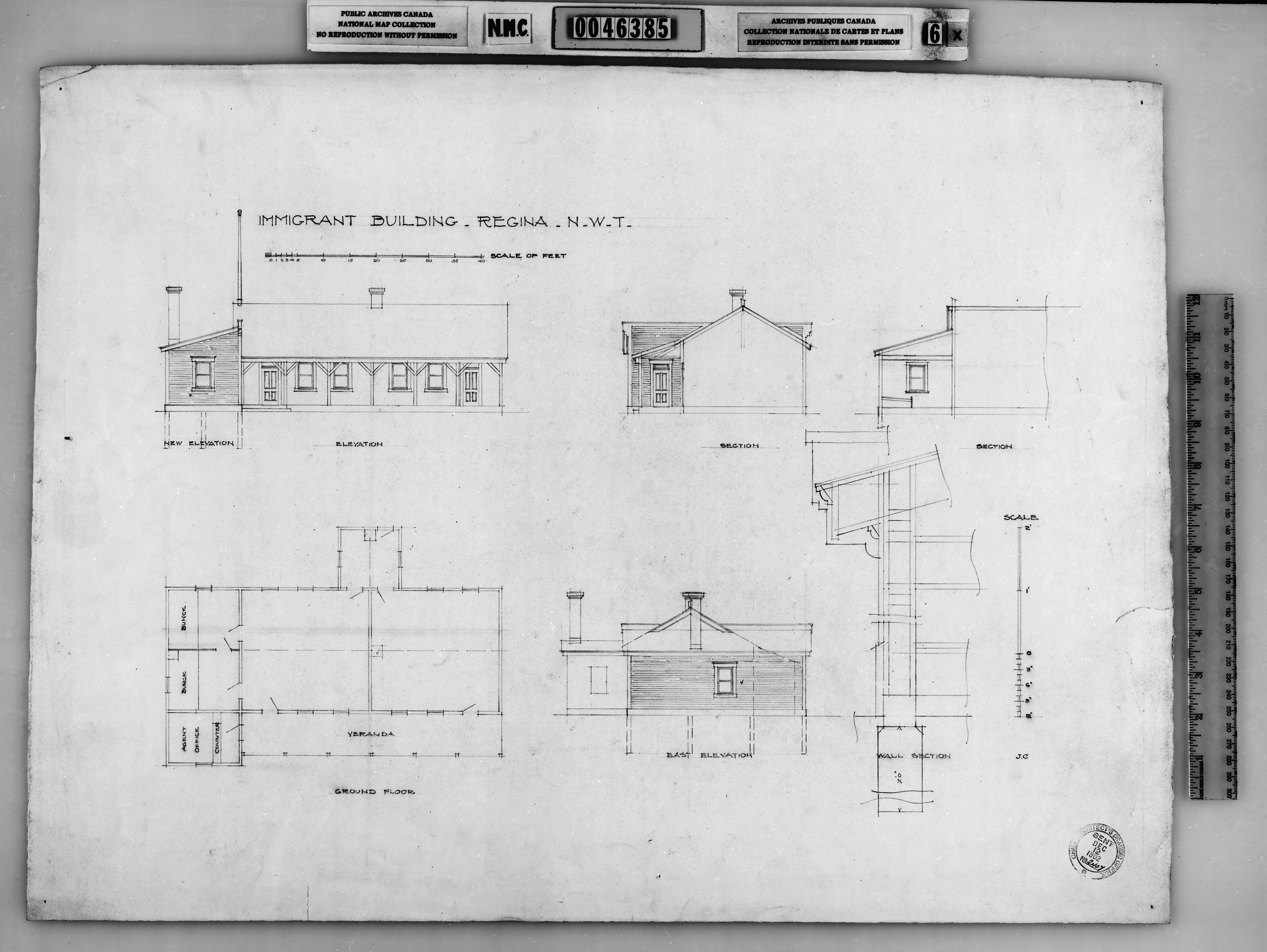
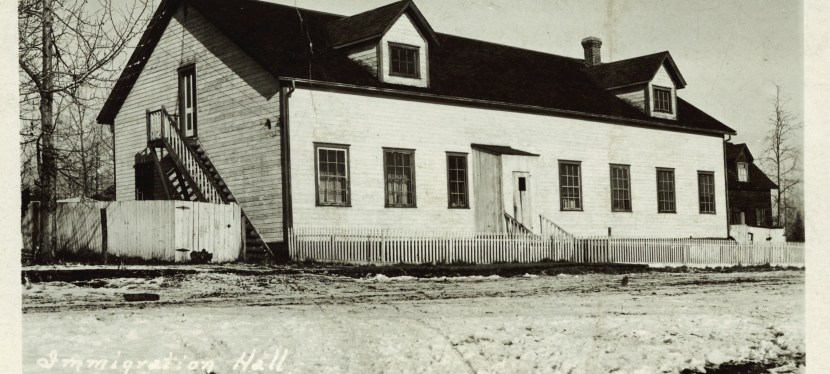
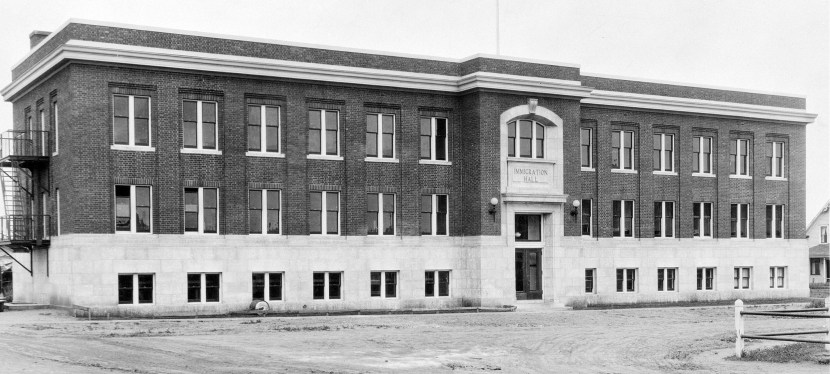
Between 1885 and 1930, the Dominion government built and operated about a dozen immigration halls in Alberta (and rented space for this purpose in a dozen more towns), from Lethbridge and Medicine Hat in the south to Grande Prairie and Peace River in the north. But what, exactly was an “immigration hall”?

An immigration hall was a place where the federal immigration branch provided free accommodations as well as advice to new arrivals from Europe, the United States and even eastern Canada. These prairie immigration halls were part of a nationwide building program, described in my recent book, for which the federal Department of Public Works designed and built: pier buildings in ports like Quebec City and Halifax (Pier 21, now the Canadian Museum of Immigration); immigrant detention hospitals; and quarantine stations on both coasts. Of all of these, the immigration halls were the most numerically significant, with more than 50 buildings erected across the three prairie provinces. The immigration hall was a newly invented building type, unique to Canada.

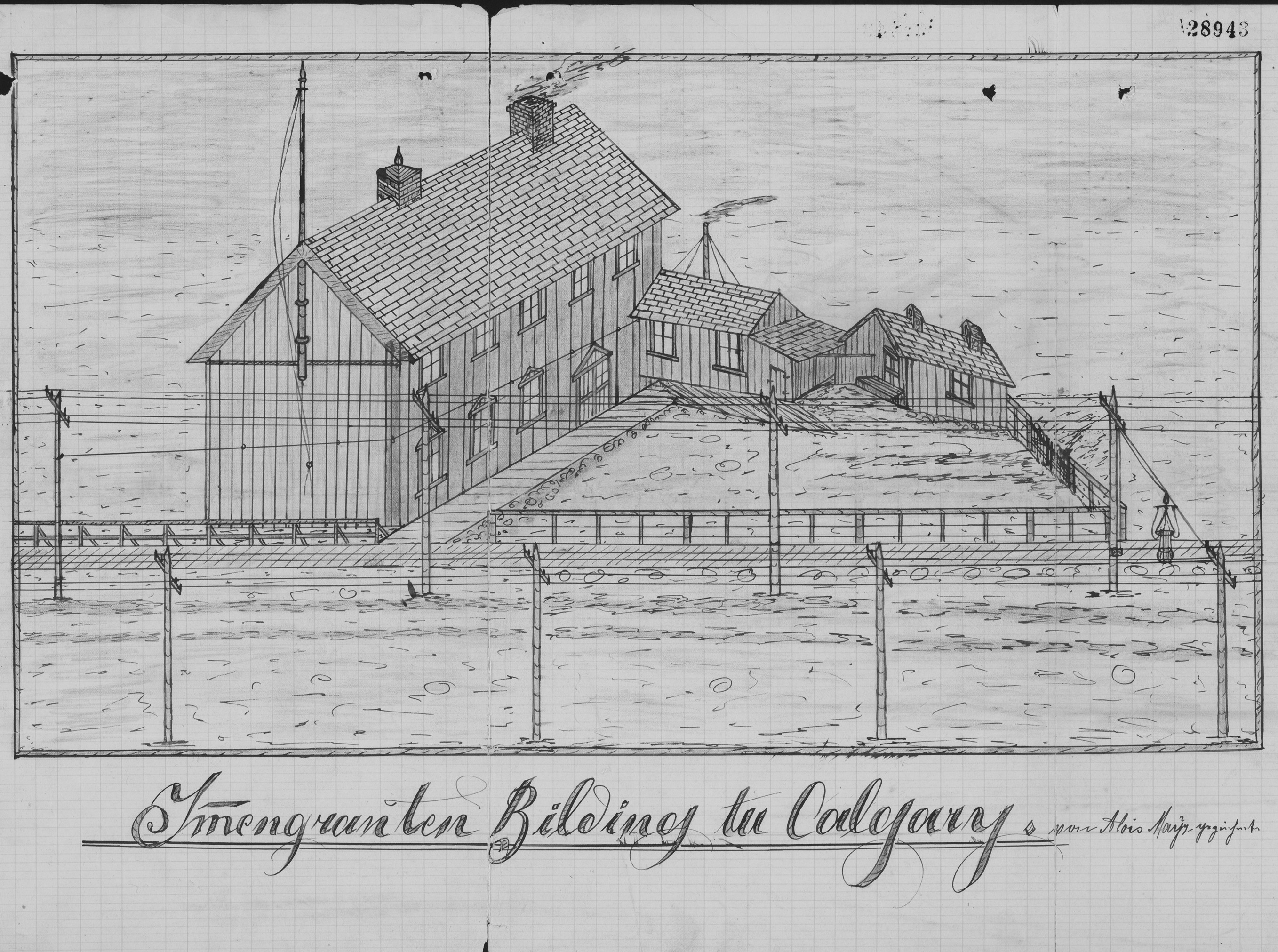
An immigrant’s late-1890s sketch of the immigration hall at Calgary, which was built in 1885 and used until 1913. Source: Library and Archives Canada, Department of the Interior fonds, Immigration Branch, RG 76, volume 20, file 180, part 1.
Read more

Arthur Erickson’s Dyde House: Rediscovering a hidden masterpiece

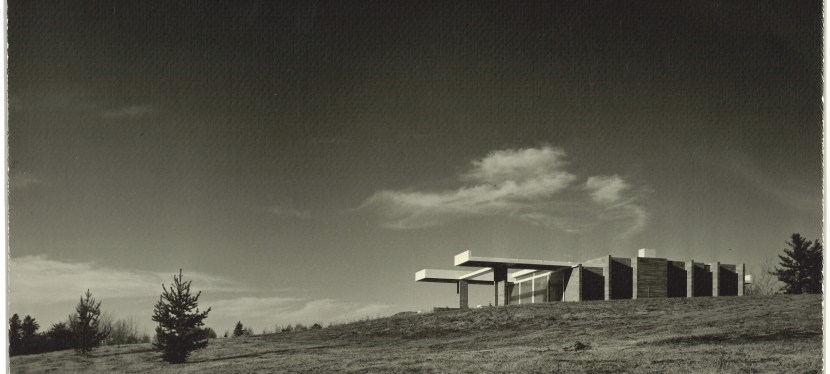
Editor’s note: The banner image of Dyde House above was taken by an unknown photographer, Edmonton, 1961-1962. Source: University of Calgary, Canadian Architectural Archives, Arthur Erickson fonds, CA ACU CAA F0002.

Written by: Robb Gilbert, Archivist, Canadian Architectural Archives

Dyde House, located a short distance outside Edmonton, is one of Canadian architect Arthur Erickson’s first notable projects in residential design. The house is located southwest of Edmonton, in Parkland County, on the grounds of the beautiful University of Alberta Botanic Gardens. The project was designed by Erickson in the Spring of 1960 and completed in late 1961 after returning from travels in Japan and Southeast Asia on a Canada Council for the Arts fellowship.

2024 marked the centenary of the birth of Erickson so I wanted to highlight one of his most important works from his early years as an architect: a rare Erickson project located in Alberta and a work that has recently been the subject of a documentary and an ongoing preservation campaign. The Canadian Architectural Archives at the University of Calgary houses the work of Erickson from 1953 to 1973 in the Arthur Erickson fonds. His archive includes thousands of original drawings and dozens of boxes of files documenting the design process behind his revered works of architecture.

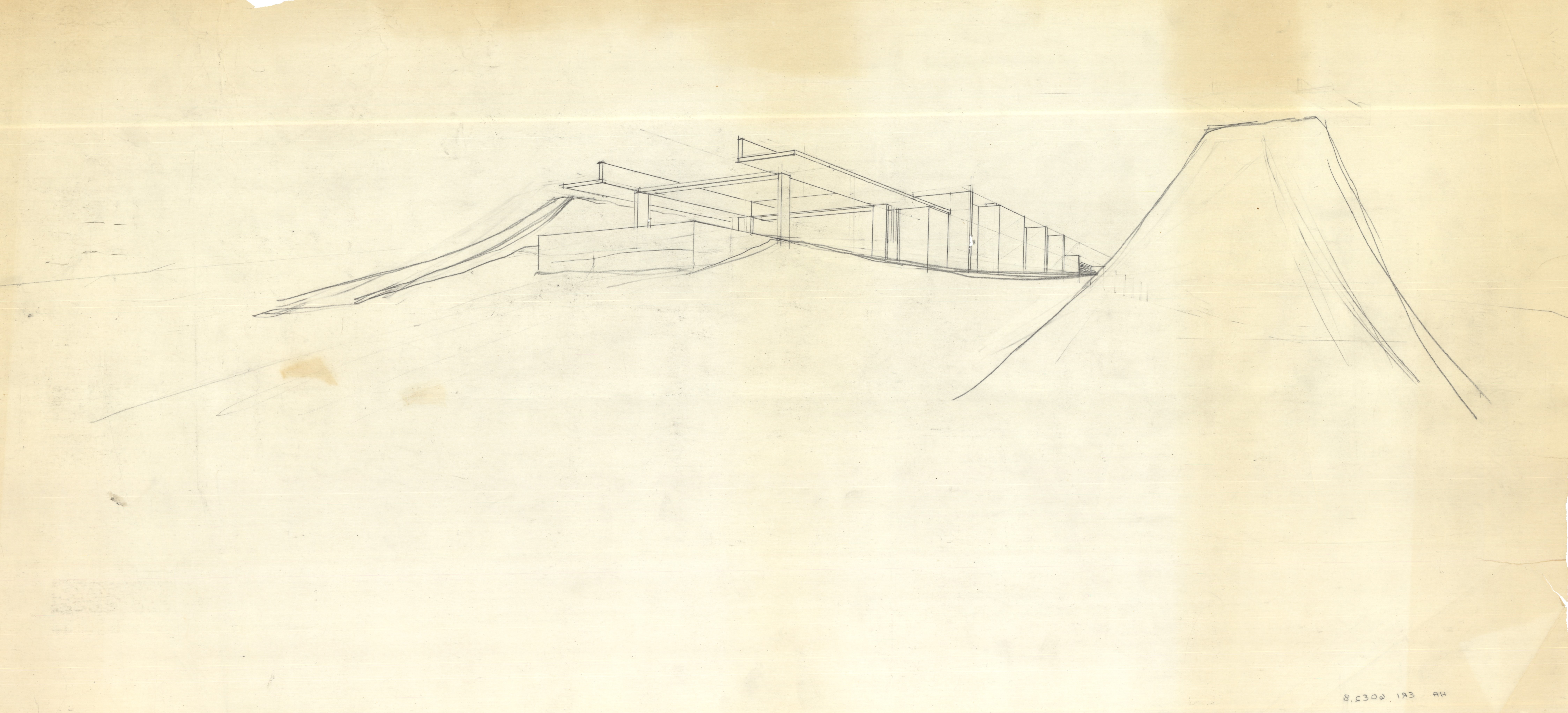
Arthur Erickson, Sketch of the Dyde Residence, Edmonton, [1960-1961]. Source: University of Calgary, Canadian Architectural Archives, Arthur Erickson fonds, CA ACU CAA F0002.
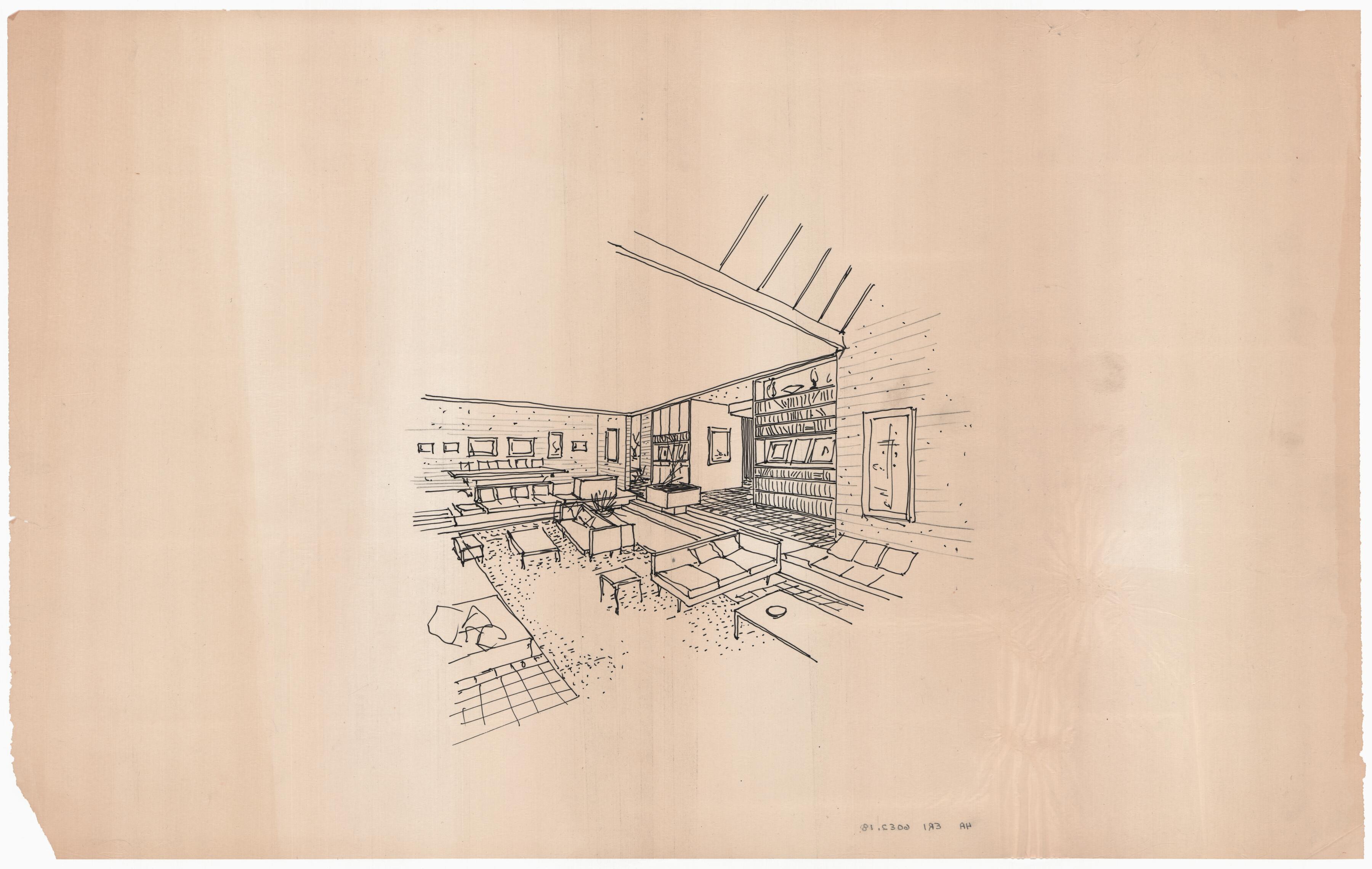
Arthur Erickson, Sketch of the interior of the Dyde Residence, Edmonton, [1960-1961]. Source: University of Calgary, Canadian Architectural Archives, Arthur Erickson fonds, CA ACU CAA F0002.

Erickson was born in Vancouver in 1924. He studied at the University of British Columbia and served overseas during World War II in India and Malaysia. Pursuing a career as an architect, he studied at McGill University and established his practice in Vancouver in the mid-1950s. In the span of the next 40 years, Erickson became Canada’s most renowned architect, nationally known but also the one of the few Canadian architects with an international reputation. His work includes icons of Canadian architecture such as Simon Fraser University, the University of Lethbridge, Robson Square and the Museum of Anthropology at UBC.

Read more

The Canadian Architectural Archives: a treasure trove of architectural information

Editor’s note: The following interview has been lightly edited for length and clarity. The banner image above is of the Carleton University School of Architecture, Ottawa, 1970. Source: University of Calgary, Canadian Architectural Archives, Carmen and Elin Corneil fonds, CA ACU CAA F0007.

Written by: Robb Gilbert, Archivist, Canadian Architectural Archives and Dorothy Field, Heritage Survey Program Coordinator

In my work with the Alberta Heritage Survey, I’m always on the lookout for sources of reliable information about Alberta’s architectural history. One such resource that people may not generally be aware of is the Canadian Architectural Archives (CAA), which is a veritable Aladdin’s Cave full of material donated by architects from Alberta and across Canada. But just what, exactly is the CAA? Recently, I had the opportunity to ask Robb Gilbert, Archivist at the Canadian Architectural Archives, about the history, holdings and services of the CAA.

(Dorothy) Hi Robb! Can you tell me about yourself and what you do at the CAA?

(Robb) I’ve been at the CAA for five years. My role is to manage the CAA’s extensive collection, improve access to the holdings, acquire new collections and additions to existing collections, teach students about the archives, assist visiting researchers, and generally raise awareness and engagement with the archives. I previously worked at the Kamloops Museum and Archives before joining Archives and Special Collections at the University of Calgary. My educational background before becoming an archivist was in religious studies and art history. Courses in art and architectural history at Carleton University in Ottawa fueled my ongoing passion for the history of Canadian architecture.

When was the CAA established, by whom, and what was its original mission?

The CAA was established at the University of Calgary 50 years ago in 1974. The idea to start an archive originated with the Dean of the Faculty of Environmental Design (now called School of Architecture, Planning and Landscape) William T. Perks (1934-2023) who proposed an archive to Ken Glazier (1912-1989), the Chief Librarian. The archive was established and developed by Perks, as well as the professors of architecture Michael McMordie and R.D. Gillmor (1930-2019), and the rare books librarian Ernie Ingles (1948-2020). McMordie built the holdings from his connections and through outreach to architects across Canada. And Ingles and the staff in the library provided the administration and operations for the archive. The original mission was to serve as a teaching and research resource for students and researchers, to collect and preserve historical records on Canadian architecture, and to promote public education and awareness about the built environment.

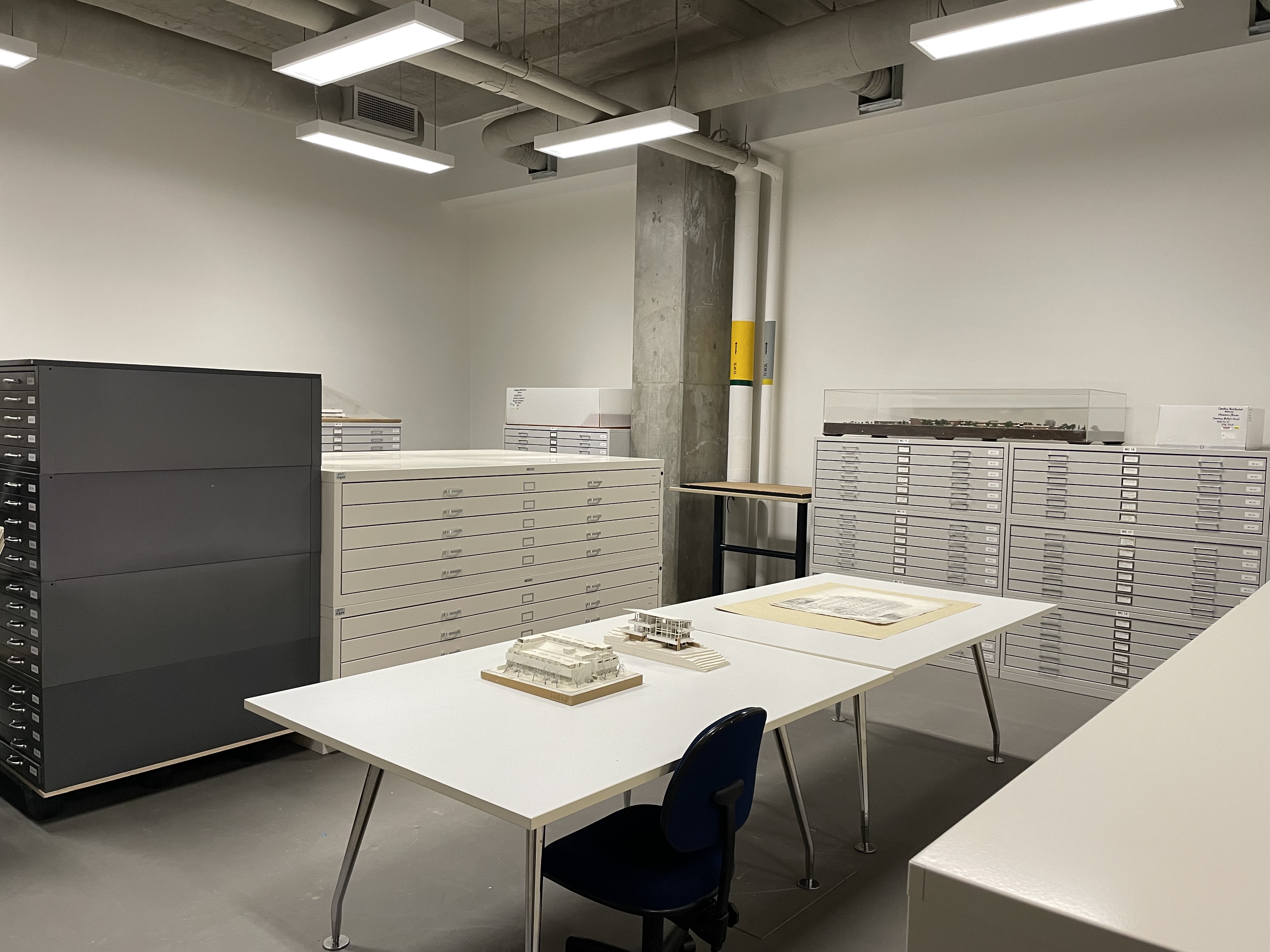
Canadian Architectural Archives, Archives Vault. Source: Photograph courtesy of the author.
Read more

Who and where was John Ware?

Written by: Sam Judson and Lindsay Amundsen-Meyer, Department of Anthropology and Archaeology, University of Calgary.

Alberta’s cowboy culture is embraced by many and celebrated through events and conventions like the Calgary Stampede, K-Days or Calgary’s ‘White Hat’ tradition. This culture is largely represented in the history books by white, European settlers, although Alberta’s past is much more multiethnic and multicultural than many realize.

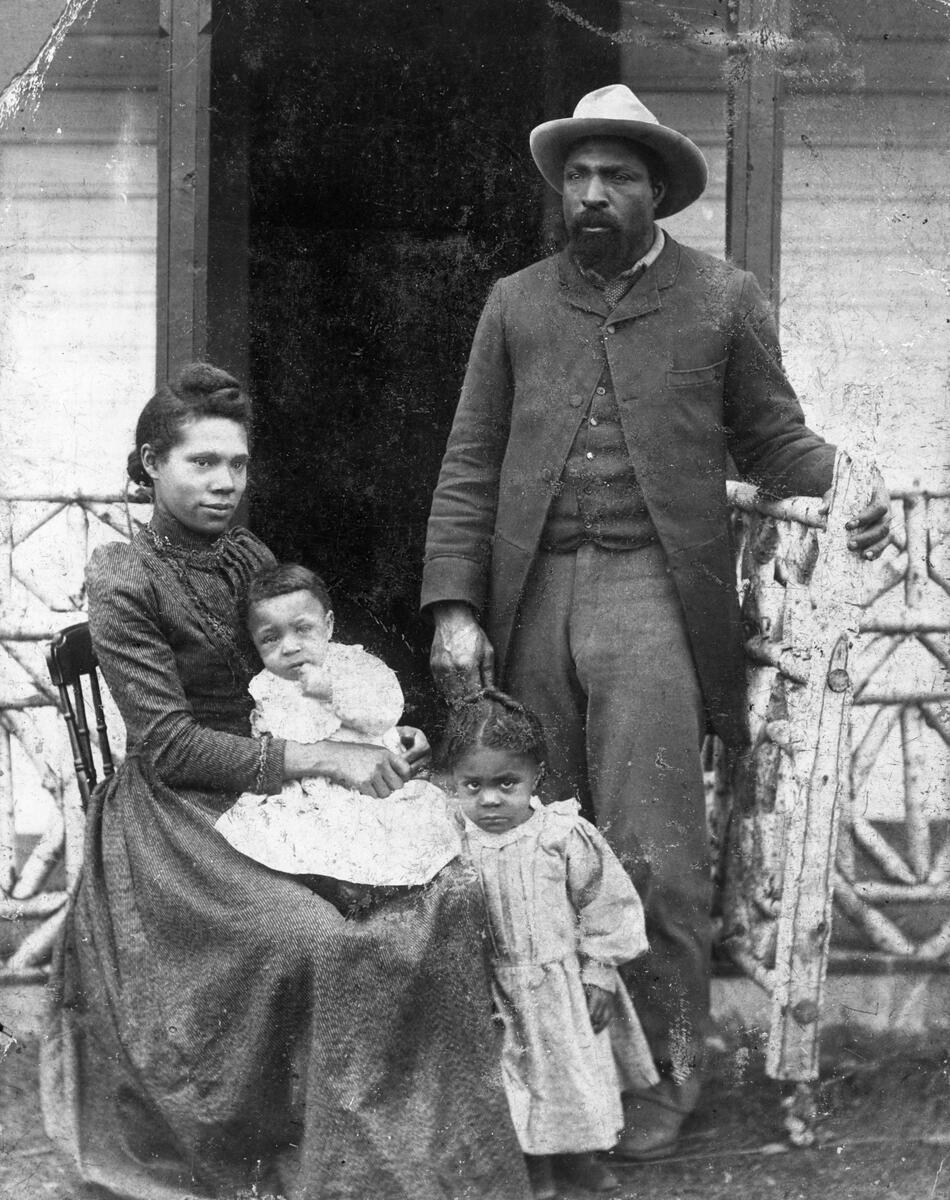
John Ware was one of Alberta’s early Black setters. Ware’s name is recognizable today to many Albertans, who refer to him as Alberta’s first Black cowboy, and the longevity of his legend is fascinating. Despite this, few know his story and very little is known about the true nature of his life.

John Ware, rancher, with wife Mildred and children Robert and Nettie in southern Alberta, [ca. 1896], (CU1107289) by Unknown. Source: Glenbow Library and Archives Collection, Libraries and Cultural Resources Digital Collections, University of Calgary.
Read more

Public archaeology in Nose Hill Park

Written by: Sam Judson and Lindsay Amundsen-Meyer, Department of Anthropology and Archaeology, University of Calgary.

Calgary was incorporated as a Canadian city in 1884 and, since then, has grown to be a city of more than 1.5 million people. Although the City of Calgary is less than 150 years old, people have lived in this area, called this place home, and taken care of these lands for thousands of years. This long history is told through the numerous archaeological sites within and beyond Calgary’s city limits. Examples such as the Hawkwood site, Everblue Springs site and Mona Lisa Site demonstrate that this part of Alberta has been inhabited for approximately 8,000 years.

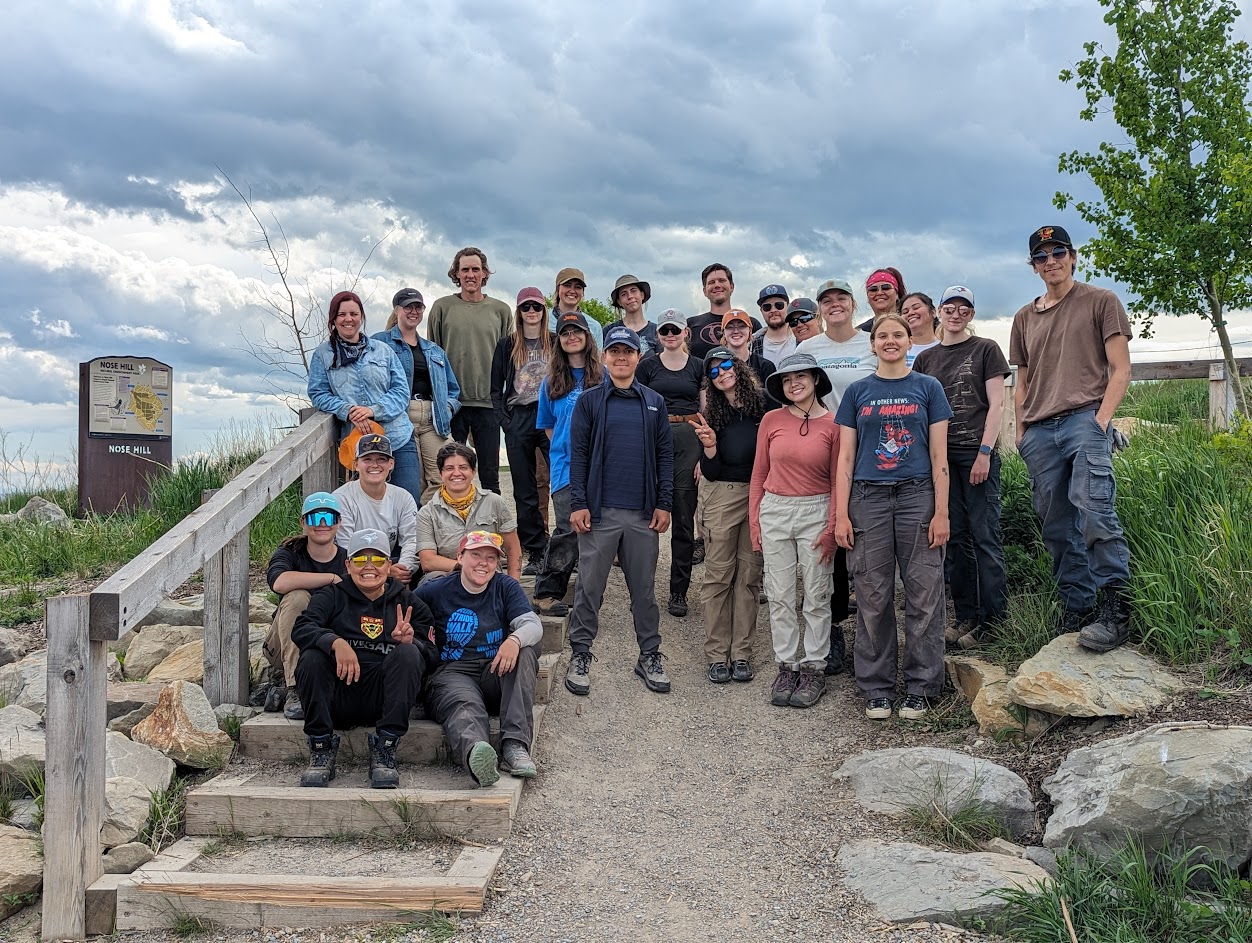
Nose Hill is a testament to Alberta’s long-standing Indigenous history. More than 40 recorded Precontact Indigenous archaeological sites are known within this City of Calgary park space, most first recorded by archaeologists in 1978 ahead of the creation of the park. The majority of these are camp sites made up of one or many stone circles, but kill sites and lithic scatters are also present. Not only was Nose Hill utilized frequently by Indigenous groups before contact, but it was also extensively used by citizens in the early days of Calgary’s existence as a settler municipality. Animals grazed on Nose Hill, northern areas of the hill were cultivated for crops, and a gravel pit was active on Nose Hill for several years. Despite these modern activities, Nose Hill Park remains one of the largest undisturbed grasslands in the Calgary area. As a result, the archaeological sites of Nose Hill are remarkably well preserved and tell a story of thousands of years of human occupation and connection with this prominent landform.

University of Calgary Staff and Students at Nose Hill Park, Calgary. Source: Lindsay Amundsen-Meyer.
Read more

Tooth be told: A new method for dental microwear analysis in bison

For the past few years, I have committed, heart, body and soul to the pursuit of my graduate degree in archaeology. I know many people in pursuit of their degrees would choose to study a fascinating subject, with the potential to change the world; but being the go-getter that I am, I chose the blood-racing world of dental microwear analysis. My focus, specifically, was in applying the study of dental microwear to bison from sites in southern Alberta to determine which seasons those sites were occupied (the site’s seasonality).

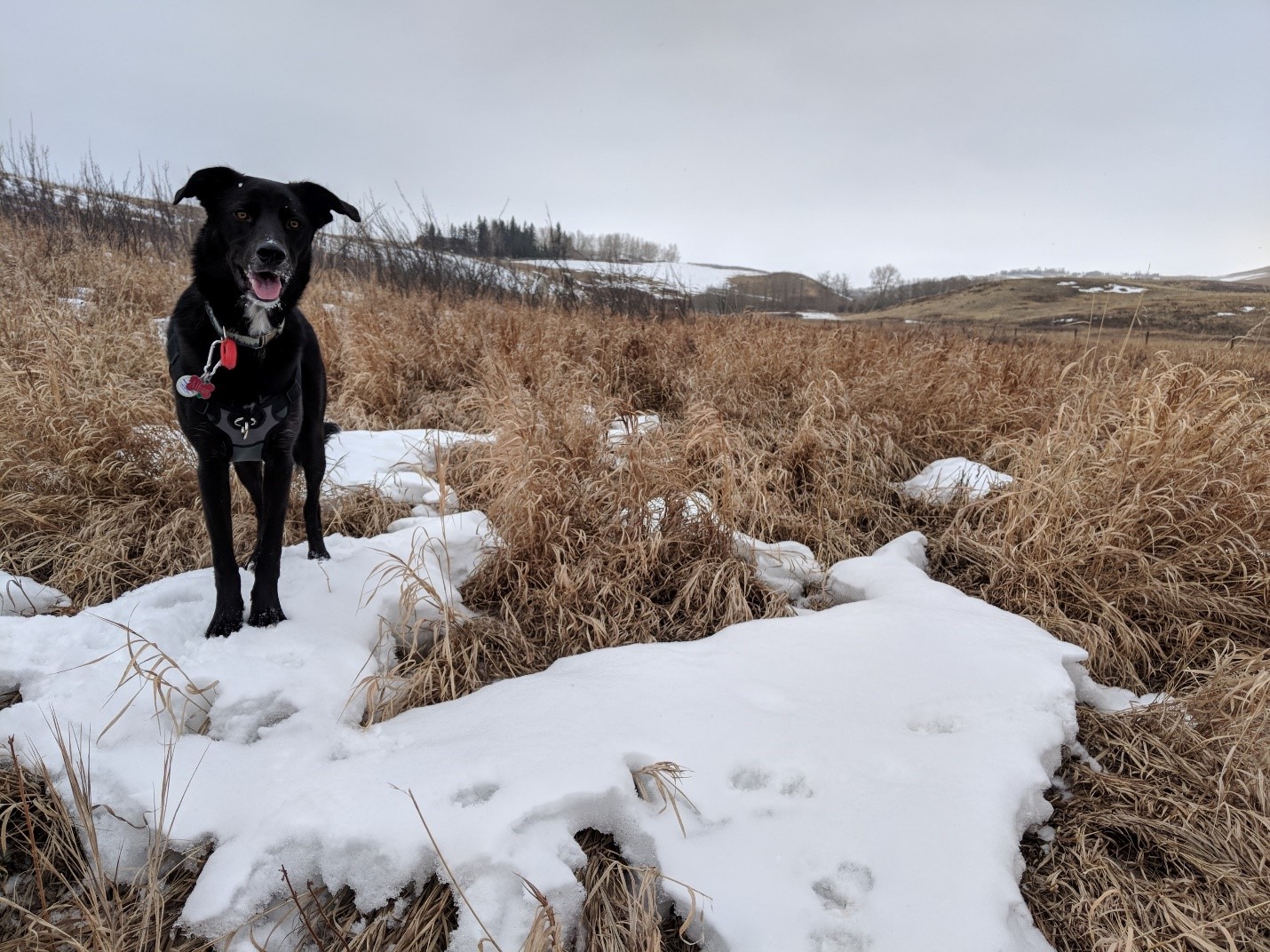
Albus, helping me observe the seasonal trends in grass growth on one of my regular visits to Glenbow Ranch Provincial Park.

What is dental microwear?

The analysis of microscopic patterns on teeth has been useful to several fields, including archaeology. The method can provide information about an animal’s diet immediately before death, allowing researchers to reconstruct past environments and determine the season that an animal died. This is based on the recognition that different types of food produce identifiable features on the enamel of teeth.

In faunal archaeology, the most common distinctions made based on microwear are between herbivores who either graze or browse. Grazing animals that mainly eat grasses and other low-lying plants, such as cattle, tend to use a grinding motion when chewing, which drags food across the enamel. This produces features Read more

Shell Bead Making at Cluny Fortified Village (EePf-1)

Thank you to guest authors, Margaret Patton and Shalcey Dowkes, for this interesting post about shell beads from a unique archaeological site in Southern Alberta.

The authors would like to acknowledge the Siksika Nation and Blackfoot Crossing Historical Park in their support for the ongoing archaeological research at Cluny Fortified Village.

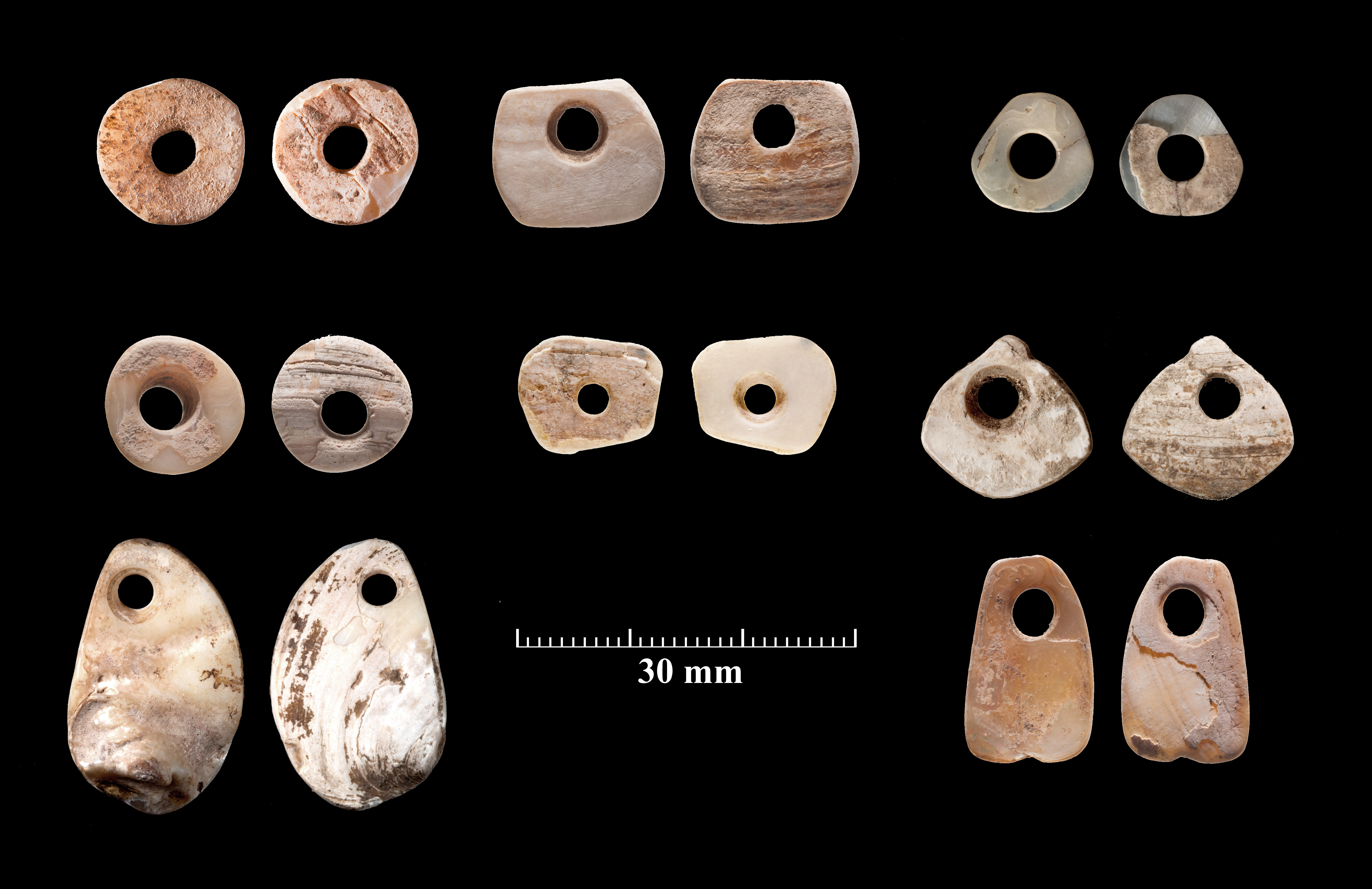
Most beads from Cluny Fortified village are disc beads (upper left), but a variety of other shapes have also been found. For each pair of beads, the left image is the inside shell surface and the right image is the outside shell surface.

All over the world beads have been manufactured for adornment in jewelry and clothing, trade, and may have even been used in storytelling and gaming. In North America, Indigenous groups in extensively traded marine shells. On the Plains, freshwater clams from local rivers were also used to manufacture beads. However, there are limited examples of freshwater shell beads found archaeologically on the Northern Plains. Over 1,450 pieces of shell have been recovered from the Cluny Fortified Village archaeological site, making it a prime candidate to study the production of beads on the Canadian Plains.

Cluny Fortified Village

The Cluny Fortified Village Site is unique as the only known fortified village on the Northern Plains. Located on the northern bank of the Bow River, the site Read more