Preserving Heritage for Future Generations: Heritage Barns of Flagstaff County

Thank you to guest writer, Sydney Hampshire, for sharing her experience of documenting built heritage in Flagstaff County.

Growing up in Northern Alberta kept myself, my siblings, and my parents a long way away from our extended family. We had only occasional visits with both sets of grandparents, which caused a disconnect between us. However, this disconnect also built a mystique around the lives of the past generation – and with it came an inherent curiosity.

My grandmother, Joy Hampshire (nee Innes), was born, and lived all her life in Flagstaff County after her mother and father immigrated from Scotland. Flagstaff County harbours an abundance of built heritage structures that showcase the region’s rich past. As a child, I was exposed to this heritage on each trip we took to our grandparents and I remember becoming terribly intrigued by this built heritage and the relics of my grandmother’s past. I remember each visit to Grandma’s farm required a visit or two to nearby abandoned homesteads. Each trek into a forgotten house, shed, or barn brought me great excitement: What would I find? What would I see? What would I infer about the people that used to live there?

I believe we all have a little bit of this adventurous spirit in us; it comes from a desire to understand the unknown and seek out answers. While exploration and Read more
Alberta’s Early Public Libraries

October is Canadian Library Month – a time to raise awareness about the valuable role of libraries in our communities. Thank you to guest writer, Erin Hoar, for this post about some of Alberta’s first libraries.

The earliest libraries in Canada were generally private collections of books and documents brought over by European immigrants. Some religious orders, fur trade and military posts would also collect books, but these were generally not accessible to the wider public. Canada’s earliest public libraries were offered by subscription only and began to appear in the early nineteenth century. By 1900 the modern public library, similar to what we would think of as a library today, began to acquire, classify and organize books, periodicals and newspapers with the purpose of providing users with access to these collections.

The idea of libraries was becoming more recognized as a public need that enriched growing communities, as was the case in Alberta. Many of Alberta’s early libraries were established because there were dedicated people who were passionate about providing accessible learning and educational services. This post will trace Alberta’s earliest public libraries in Edmonton and Calgary, and look at the people who brought these spaces to life to become valued and trusted resources for their communities. Read on to find out more!

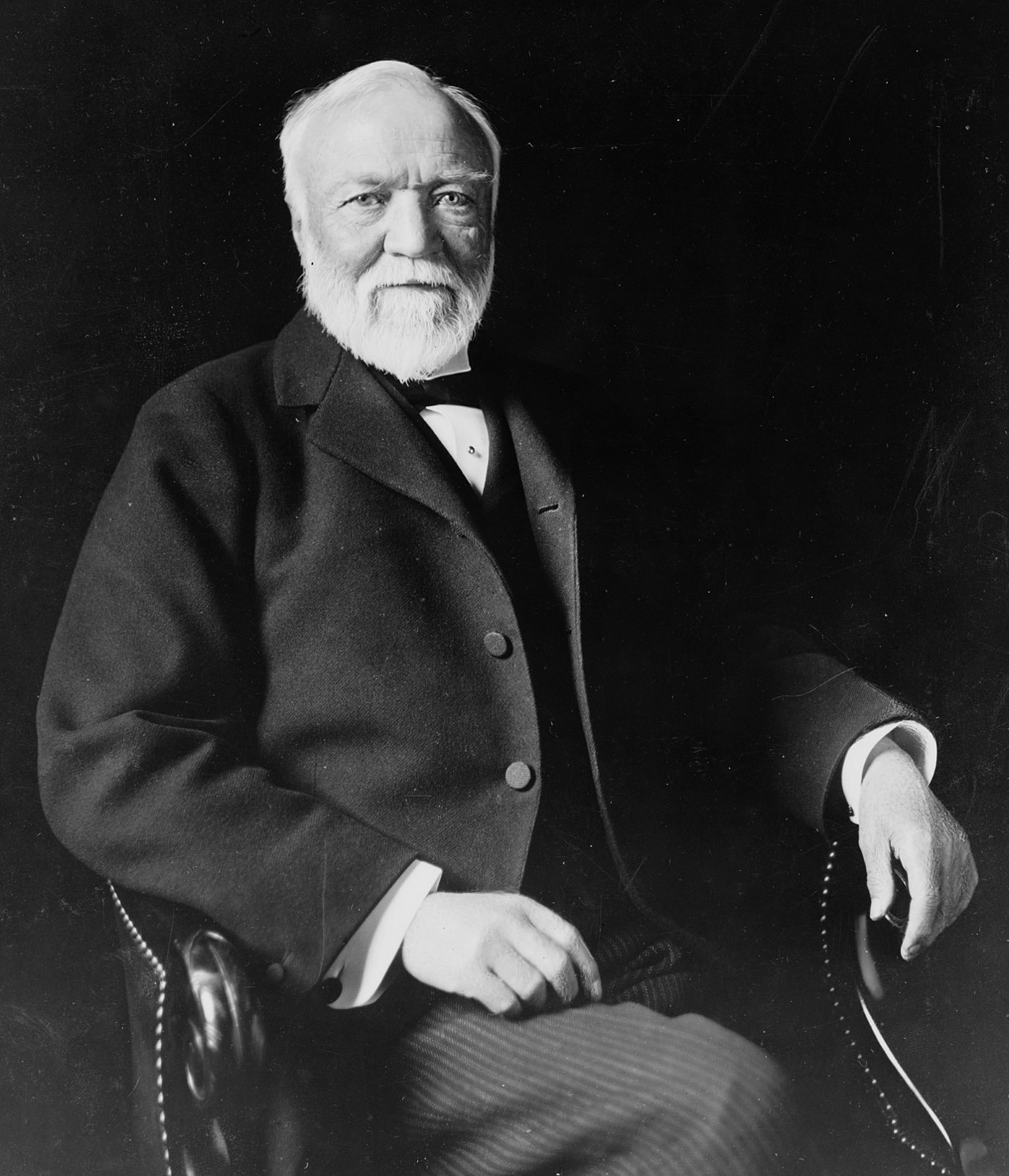
Andrew Carnegie, 1913 (Public domain).

It was 1906 when the Calgary Women’s Literary Club formed to discuss the readings of Shakespeare, world news and current events, and it was out of these gatherings that the need for a public library grew. The women did what many others who wanted a public library did during this time – they asked millionaire Andrew Carnegie to build them a library. Carnegie, who made a fortune in the steel industry, was a strong advocate for learning and had a reputation for library philanthropy. In Canada, the Carnegie Foundation funded over 100 libraries and thousands more across the world, including the United States, England, Ireland, South Africa, Australia and New Zealand. Read more

“Alberta’s Lower Athabasca Basin” Takes Home Award

The Book Publishers Association of Alberta (BPAA) held their annual Alberta Book Publishing Awards on September 14 in Calgary. These awards recognize and celebrate the best of the Alberta book publishing industry. Of special note for the Historic Resources Management Branch is that Alberta’s Lower Athabasca Basin: Archaeology and Palaeoenvironments was awarded the Scholarly and Academic Book of the Year. This book was a collaborative effort between current and former employees of the Historic Resources Management Branch and the Royal Alberta Museum, researchers at the University of Alberta, members of Alberta’s archaeological consulting community, and Athabasca University Press. Well done and congratulations to everyone involved!

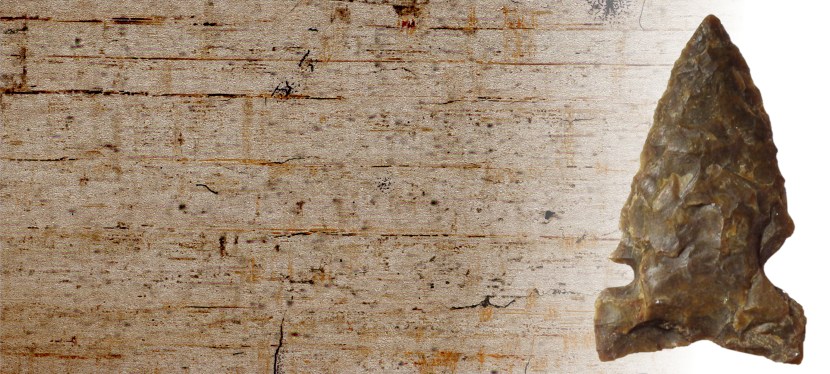
This volume tells a fascinating story of the oil sands region of northeastern Alberta, including how a catastrophic flood at the end of the last ice age formed the landscape of the region. It also highlights the intensive use of resources in the area by precontact groups since ca. 11,000 years ago. When the flood went through, it scoured pre-existing glacial deposits, and made bedrock deposits such as bitumen and a lithic raw material called Beaver River Sandstone accessible from the surface. Beaver River Sandstone was used to make stone tools for millennia following the flood. This stone can be found at a site called Quarry of the Ancestors near Fort McMurray, and over two million artifacts made of this material has been recorded in Alberta’s archaeological record. The chapters in this volume are invaluable for understanding the ecological and human past in northeastern Alberta and are important for informing future management of historic resources in the region.

Alberta’s Lower Athabasca Basin: Archaeology and Palaeoenvironments can be purchased or downloaded for free through Athabasca University Press.

Petrified Wood: Preserving Alberta’s Natural and Human History

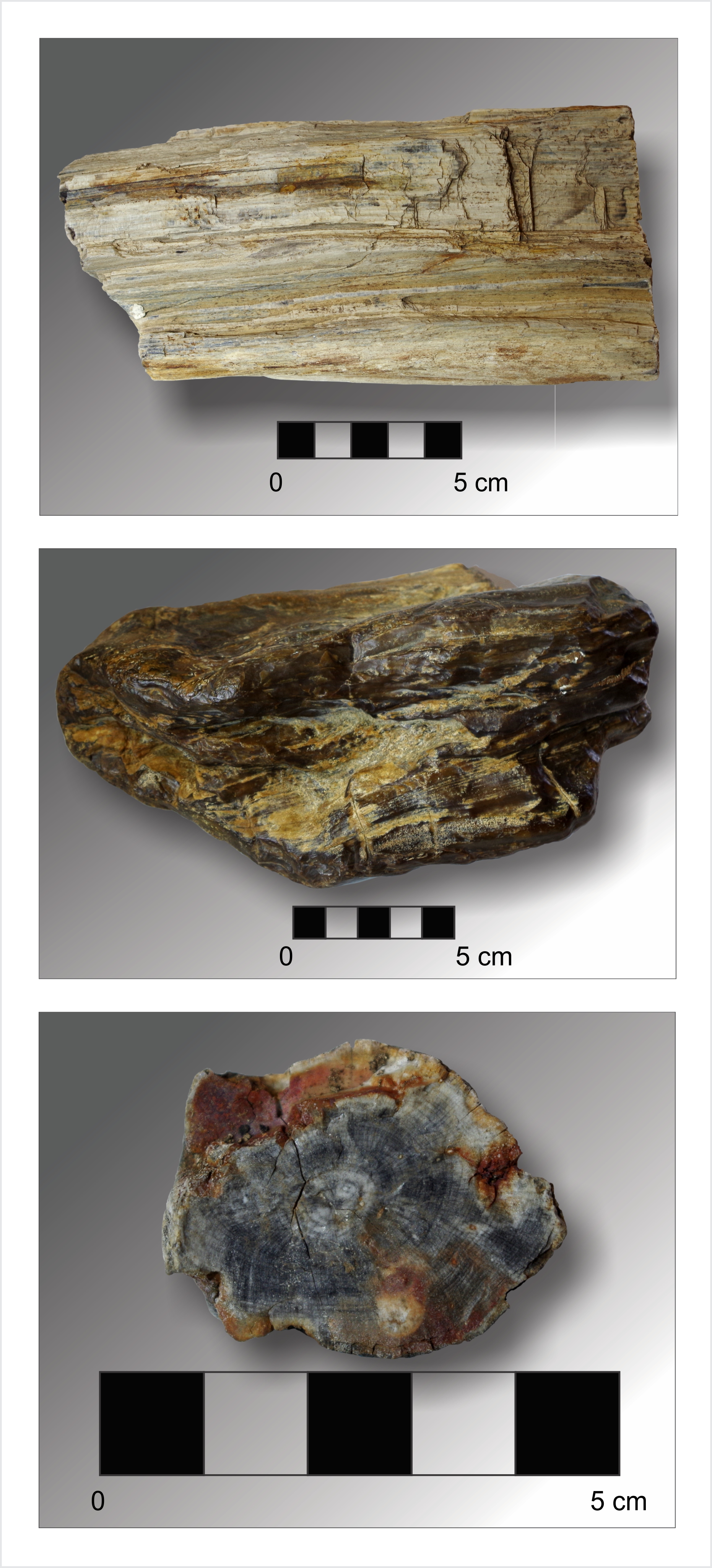
Designated as Alberta’s official stone in 1977, petrified wood is part of the geology, palaeontology and archaeology of the province. Petro (meaning ‘stone’ in Greek) is the root word of petrifaction, the process whereby an organism is mineralized or turned to stone. Petrified wood is a 3-D fossil that can appear like modern wood at first glance.

Figure 1. Examples of raw petrified wood cobbles and pebble from Alberta.


Petrifaction of wood involves two processes: permineralization and replacement. Both of these processes take place at the same time and involve the flow of groundwater, rich in dissolved minerals, through the wood. During permineralization, the internal and external features are surrounded and encased by minerals that have crystallized out of solution. During replacement, decomposing plant tissues are gradually substituted with minerals, which replicate the original structure in remarkable detail. Depending on the chemical composition of the groundwater, silica, calcite, pyrite and a number of other minerals can petrify wood. Quartz and other varieties of silica (SiO2) are the most common minerals: these fossils are said to be silicified. Read more

Calgary’s Gay History: The Life of Everett Klippert

This week on RETROactive, we are grateful to guest writer, Kevin Allen, for sharing the story of Everett Klippert.

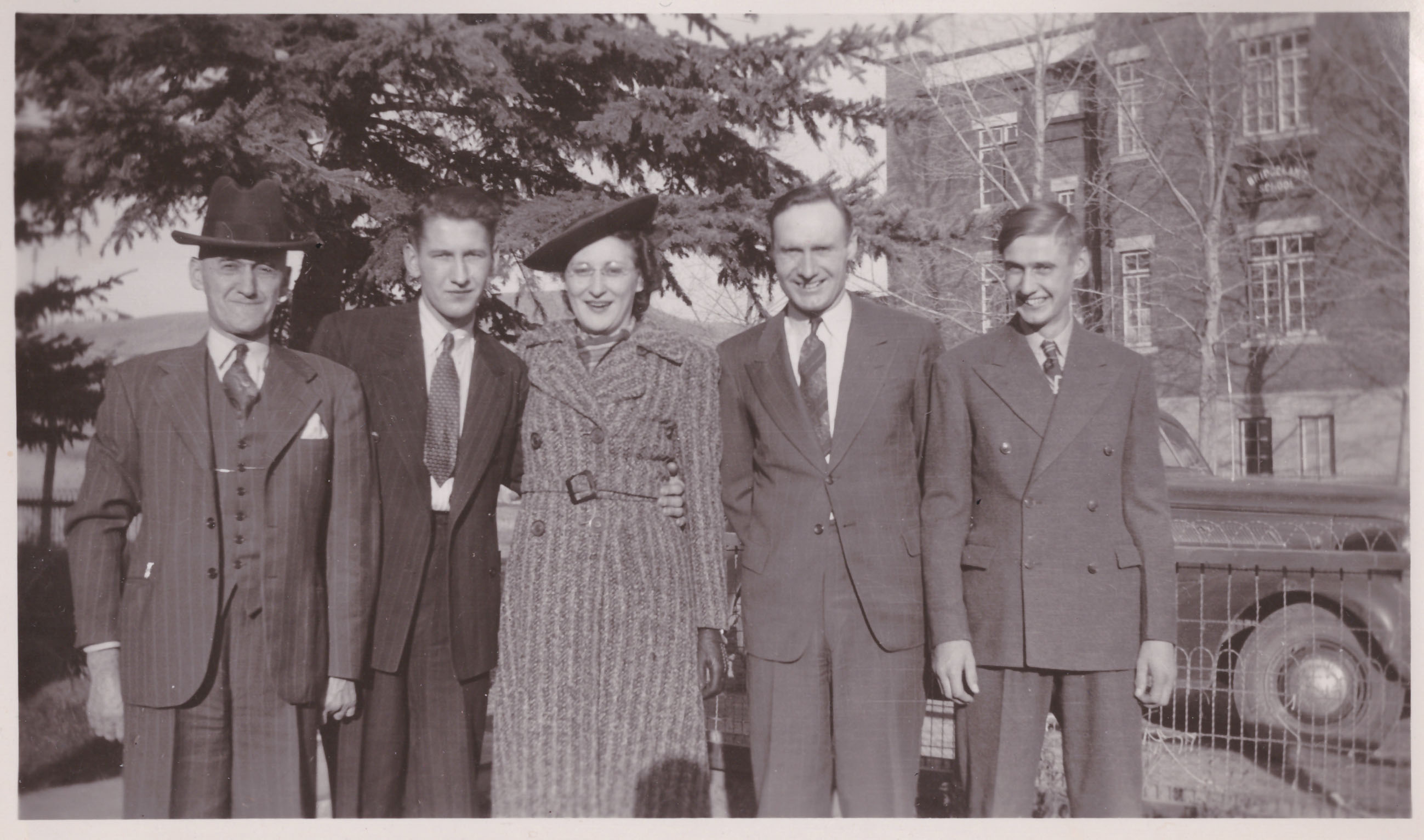
Everett Klippert (far right), Calgary.

Everett George Klippert, a Calgary bus driver, was the last person in Canada to be arrested, charged, prosecuted, convicted, and imprisoned for homosexuality. The Canadian decriminalization of homosexuality was a direct result of the Klippert case.

In his court proceedings, Klippert stated that he had actively engaged in homosexual activity when he started work in a Calgary dairy at the age of 16 or 17; and had continued being active until he was found out and arrested by Calgary Police Read more

Did You Ever Hear the Blues? The Music, Film and Influence of Big Miller

JC-1980-Cover
Big Miller on the cover of the August 1980 edition of the Edmonton Jazzette. That shirt is due for a comeback. Photo provided by the Yardbird Suite.

Generally speaking, the ol’ City of Champs hasn’t been known as an international hub of art and culture as say, Montreal, New York City or Los Angeles. Artists of all stripes – musicians, dancers, visual artists – tend to get their feet wet in Edmonton then head off for the greener pastures of large international centres of creativity. So to hear stories of popular artists choosing to do the opposite and actually move to Edmonton to pursue creative endeavours (in the 1970s no less!), well, that’s something worth exploring.

Jazz music has a long history in Edmonton; incredible venues like the Yardbird Suite are recognized as important institutions in the city and former events, like the Jazz City Festival are recognized for their historical role in promoting the genre in the city and province. This week is the 2018 Edmonton International Jazz Festival. Since 2006 this festival has brought some of the world’s finest jazz musicians and acts to Alberta and has promoted local musicians at an internationally recognized venue. This week’s blog post is about one of those unique Edmonton transplants, one that may not be as well-known as jazz contemporaries Tommy Banks and PJ Perry, but one who certainly deserves to be recognized in the same ranks – the great trombonist and Kansas City Blues singer Clarence Horatius “Big” Miller. Read more

The Arrival of the Hutterites in Alberta

Thank you to guest writers Simon Evans and Peter Peller for this interesting and informative post about Hutterite arrival in Alberta. This blog was drawn from an article originally published in Alberta History Magazine titled “The Hutterites Come to Alberta” (Alberta History, Vol. 63, No. 4, (Autumn 2015), 11-19).

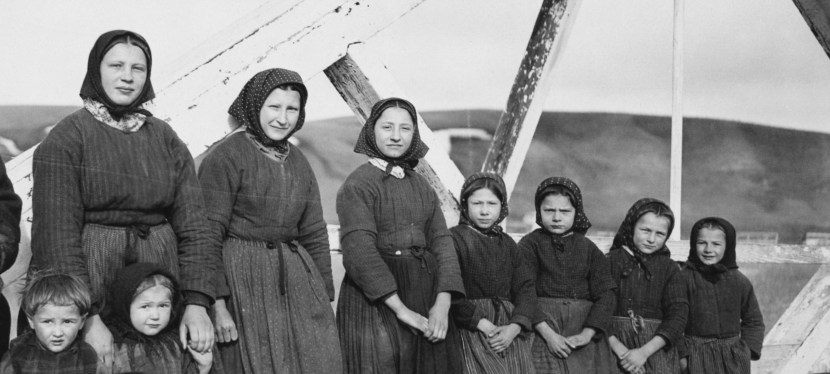
One hundred years ago, during the early spring of 1918, Paul Stahl and a small group of Hutterite leaders were scouring the country north of Calgary looking for land. After several disappointments, they found a splendid parcel of land along the tiny Rosebud River and purchased nearly 4000 acres from the Calgary Colonization Company. Some men stayed to build barns and residences for the rest of the community. Later, the main group left South Dakota on a special train to join them. There were almost 100 people of all ages, scores of horses, wagons, milk cows, 40 sows, and all kinds of farm machinery and household items onboard. They crossed into the Dominion of Canada at the Emerson Port of Entry and proceeded on the Canadian Pacific Railway to Strathmore. Here, they unpacked their belongings, hitched up the horses and moved by wagon to the new colony site along the Rosebud River, a trek of about 25 miles. After a week of traveling, the refugees finally reached their new home.

The Hutterites are a German speaking religious group with 400 years of history. They are Anabaptists and originated in the Austrian Tyrol during the Reformation in the 16th century. The characteristic that separates them from similar groups like the Amish and the Mennonites is that they live communally. Each family has its own apartment, but meals are prepared in a central kitchen and eaten together. They hold “all things common,” as did the early Christian church described in the Acts of the Apostles. Hutterites own few personal possessions and are not paid wages for their hard work. In exchange, the colony looks after them from birth to death. Read more

Papa’s Babies: The Brook Family and the First World War

Thank you to our guest author Ashley Henrickson for this interesting post. Ashley is a M.A. student at the University of Lethbridge and the Museum Educator at the Galt Museum and Archives. Her research examines the experiences of young people living in the Canadian Prairies whose fathers or brothers served overseas during the First World War. Ashley received the Roger Soderstrom Scholarship in 2017. The funds from this scholarship allowed her to visit archives across Alberta and present her research at “Children, Youth, and War,” a symposium hosted by the University of Georgia.

A never-ending cycle of children, chores, and neighbors cut through Isabelle Brook’s home, constantly interrupting the letters she wrote at her kitchen table. Isabelle apologized for her “jumbled up” proses as she paused to prepare dinner, answer the door, or tend to her busy children: “Alice is here wiggling around like a little eel, so I must quit”; “Gordon is wakening up I must go”; “Glen’s upset the ink over the table cloth now.” The constant movement suggests that life for Isabelle and her five children may have been lonely without their father, but it was not dull.

The hundreds of “jumbled up” letters that Isabelle wrote from her kitchen table in Craigmyle, Alberta, are a valuable and vibrant record of Alberta’s past. She sent these letters to her forty-five-year-old husband, Sidney Brook, who served on the Western Front with the Canadian Expeditionary Force from 1916-1918. In response Sidney sent hundreds of letters to his family, which were preserved alongside Isabelle’s by their descendants and then donated to the Glenbow Archives. The Brook’s collection is especially valuable because very few letters sent from families living in Alberta to soldiers serving overseas have survived to the modern day. This is because soldiers, like Sidney, were constantly moving across the Western Front and had to carry all their personal belongings with them. This forced them to destroy all but a few precious letters that they could fit in their pocket.

Letter from Sidney Brook to his wife Isabelle, January 7, 1917 (from the Brook family fonds, Glenbow Museum and Archives, http://www.glenbow.org/collections/search/findingAids/archhtm/brook.cfm).

Read more

Ice Age Fossils and Industry

The Quaternary Palaeontology program at the Royal Alberta Museum (RAM) works with stakeholders in the sand & gravel industry to recover and preserve the Ice Age fossil record of the province. As the source of thousands of the fossil specimens housed in our collections, the sand & gravel industry provides the basis for significant scientific collections, research, outreach, and exhibits. The working relationship of the RAM and the sand & gravel industry originates in the late 1980s and 1990s, when museum staff began active efforts to engage companies and their staff, most notably in gravel pits in the Edmonton area. Those efforts manifested in a number of formal (e.g., regulatory processes) and less formal ways (highlighted here), all with the intent of maximizing the recovery of fossil remains while minimizing impacts to industry.

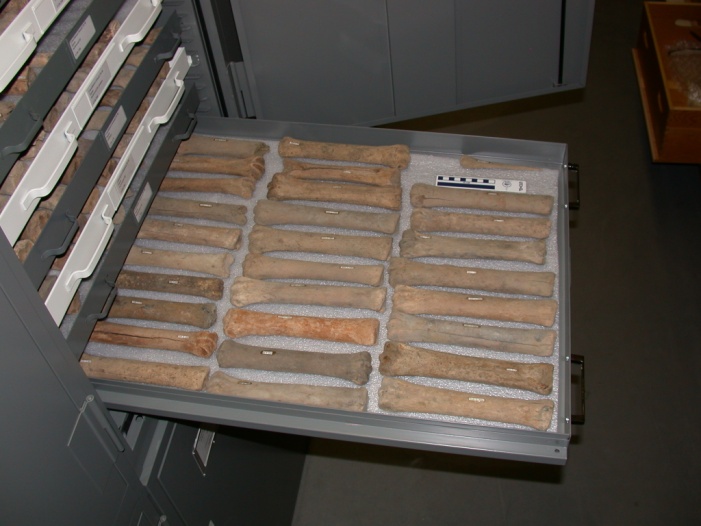
Ice Age horse metapodials (foot bones) from Edmonton-area gravel pits. These are in the collections at the Royal Alberta Museum.

Engaging Industry

Shortly after arriving at the Royal Alberta Museum in 2008, I set up a meeting with Lafarge, a company with considerable sand & gravel interests. My intent was to rekindle the working relationship with Lafarge that was established by my predecessor at the museum. As a naïve scientist, I anticipated a low-key conversation regarding fossils in gravel pits. I walked into a meeting with seven people from Lafarge, including legal, and I quickly realized that from the company’s Read more

Newton’s Lilacs: Edmonton’s Hermitage, 1876-1900

In a remote corner of north east Edmonton, bounded by Clareview Road and 129th Avenue, is a small unmarked parcel of land commanding a dramatic view of the North Saskatchewan River valley. Only faint ground depressions and a small interpretive marker betray the fact that this is the location of Canon William Newton’s Hermitage and the birthplace of the Anglican Church in what would become the Province of Alberta.

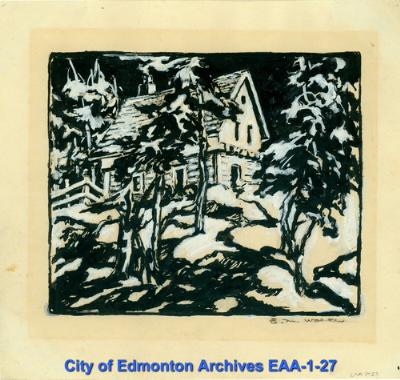
“The Hermitage” by Ella May Walker, City of Edmonton Archives, EAA-1-27.

William Newton was born in 1828 at Halstead, Essex, England into a family of weavers. Having obtained an education through the help of wealthy benefactors, he trained for the Unitarian Church, served as a Congregationalist minister and published two books of sermons. In 1870 he immigrated to Canada and was ordained into the Anglican Church by Bishop A.N. Bethune of Toronto. He spent four years at Rosseau and Howard Township in Ontario before being accepted by Bishop John McLean of Saskatchewan as a missionary with the Society for the Propagation of the Gospel at Fort Edmonton. Read more