Reminder that there are just over three weeks left to submit your nominations for the 2022 Heritage Awards!
The Heritage Awards, presented by the Alberta government, help to honour the work of Alberta citizens, groups and communities helping to share protect, preserve and promote our province’s history. The awards recognize individuals, non-profit organizations, corporations, municipalities, First Nations and Metis settlements. To get a sense of the outstanding effort from community members, take a look at the recipients from the last Heritage Awards.
Recipients will be recognized at an awards ceremony in September during Alberta Culture Days.
To nominate an individual or group, fill out a nomination form and drop off, mail, courier or email your nomination package to:
Heritage Awards Program Old St. Stephen’s College Building 8820 112 Street Edmonton, Alberta T6G 2P8 Email: csw.heritageawards@gov.ab.ca
Editor’s note: We continue our series highlighting significant fossil discoveries found by members of the public. Remember, if you find a fossil, follow these instructions.
A skeleton of Pachyrhinosaurus lakustai in Dinosaur Hall from the Pipestone Creek bonebed.
Al Lakusta was a junior high science teacher in Grande Prairie in the 1970s. As part of his lessons, he took students prospecting for fossils at Pipestone Creek. The fossils they found were usually molluscs, like clams and oysters. One day in 1974, Al came across dinosaur fossils when he ventured farther upstream than usual. He looked along the banks for the source of the fallen fossil material, and luckily spotted a ledge about 10 metres above the creek. He clambered up the bank and located the fossil-rich layer. He sent samples of the fossils to the Provincial Museum of Alberta, and consulted with scientists from the Grande Prairie Regional College to learn more about his find. Palaeontologists, including Dr. Philip Currie, were then involved to help identify the bones.
Written by: Todd Kristensen, Regional Archaeologist
Most archaeology in Alberta happens in advance of industry development when consultants are hired to ensure that archaeological sites are avoided or excavated prior to ground disturbance. For the last decade, about half of the new sites recorded in Alberta are found during forestry programs when consultants look for archaeological material in advance of tree harvesting and logging road construction. The contribution that forestry-based archaeology makes in Alberta is large.
Why do forestry operators have to hire archaeological consultants?
Industry developers are generally required by law, through the Historical Resources Act, to submit development plans to the Archaeological Survey of Alberta, who then reviews the footprints for overlaps with known archaeological sites or areas with potential for archaeological material. Forestry is one of Alberta’s largest industries in terms of spatial area: about 87,000 hectares are harvested each year and over 2 million hectares have been commercially logged in Alberta since 1990. Archaeological sites in harvest areas can be disturbed during road construction, during logging (by heavy machinery that cuts trees or transports them), and by site preparation practices that relate to reforestation.
In many areas in Alberta, the ground is intentionally disturbed after harvest to encourage regrowth of desired seedlings: about 18,000 hectares of land in Alberta are annually subjected to mechanical site preparation by forestry operators. Archaeological sites in Alberta’s Boreal Forest are often quite shallow (within 30 cm from the surface) meaning that forestry can have large impacts on the province’s preserved heritage. In the big picture, the vast majority of Alberta’s forests and all archaeological material in the province are public resources. For these reasons, forestry operators are responsible for detecting and avoiding archaeological sites during development.
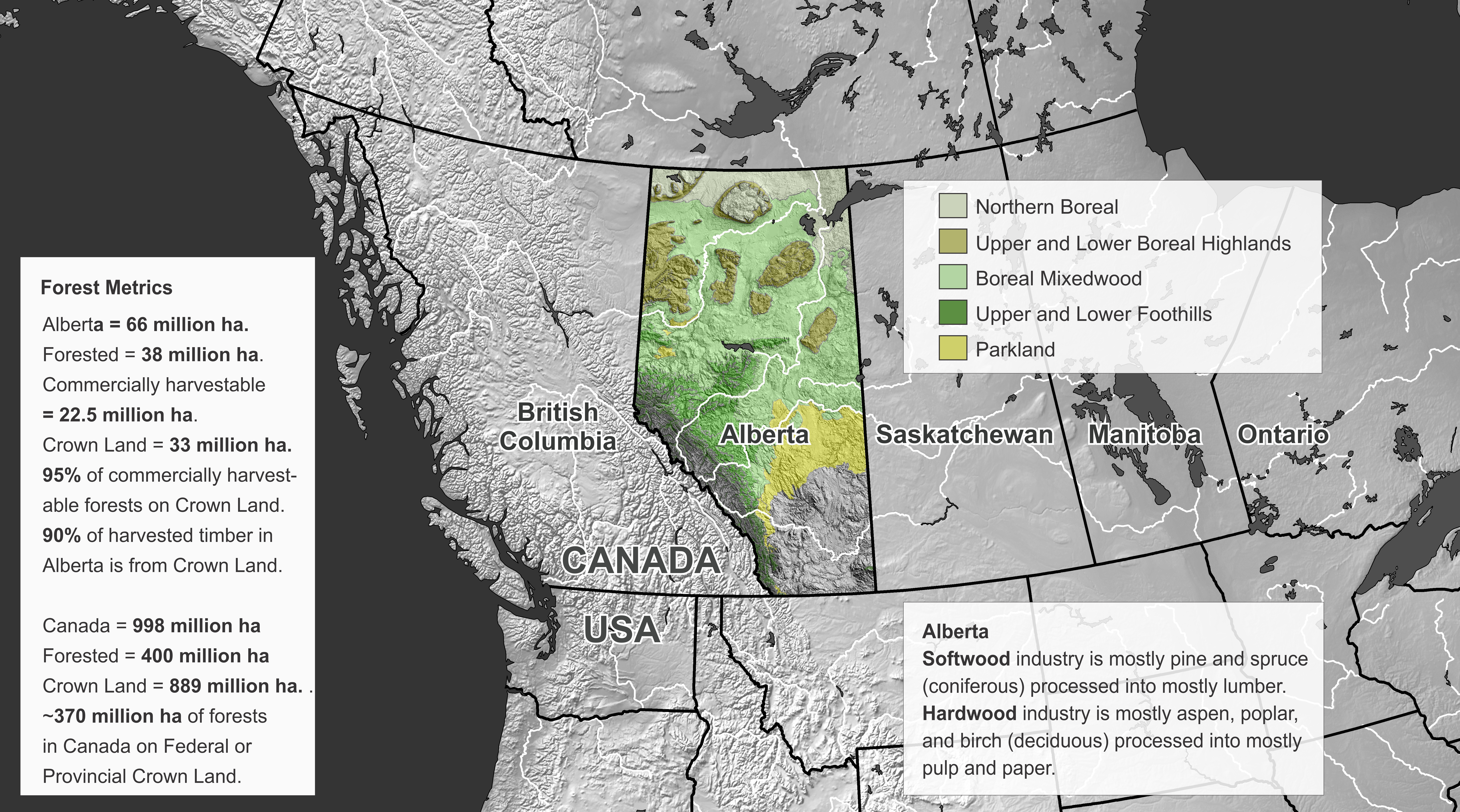
Alberta’s forested ecoregions (data from Alberta Parks 2005). The Parkland is not a commercially harvestable forest type. South of the Parkland is Alberta’s Prairie ecoregion. Source: Todd Kristensen.
Whether you were on an active search or just stumbled upon one by accident, it’s important to know what to do when you think you’ve discovered a fossil. In Alberta, the Royal Tyrrell Museum of Palaeontology will be your first point of contact. The basics are fairly straightforward: photograph, locate, leave and report. Follow these steps and who knows, you may be making an important contribution to science and palaeontology!
The research completed by palaeontologists at the Royal Tyrrell Museum over the past few decades has largely been made possible by the public support the Museum receives each year. Dozens of significant discoveries have been made across the province by members of the public, and over the coming weeks, we’ll highlight some of those amazing discoveries.
First up, one of the most famous dinosaurs skull discoveries in North America. The year is 1980, and two high school students are fishing in the Crowsnest Pass…
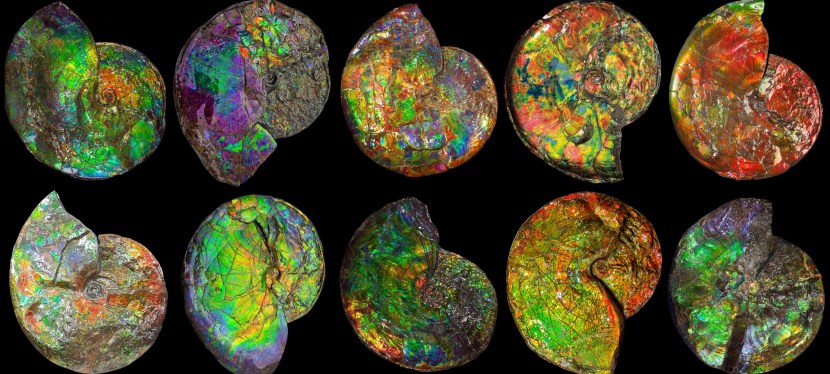
Editor’s note: The banner image above was reproduced with permission from Heritage Auctions, Bearpaw Ammonites, Ammonite Rainbow, UrbaKnight, liveauctioneers.com and I.M. Chait Gallery.
Today, the Minister of Culture tabled Bill 6, paving the way to create a provincial gemstone and make ammolite Alberta’s official gemstone. Ammolite is an iridescent gemstone formed from the fossilized shells of molluscs, known as ammonites. Ammolite is found and mined almost exclusively in the Alberta Rockies. Ammonite shells have been collected by Plains First Nations for a thousand years, and are still collected by Blackfoot communities for sacred purposes.
You’ve probably already seen some of the other “official emblems” of Alberta. The Wild Rose, our floral emblem, was designated way back in 1930. If you’ve ever walked though rough fescue, seen a Great Horned Owl or Rocky Mountain Big Horn Sheep, well, you’ve seen other official emblems of Alberta.
Back in 2018, archaeologist Dr. Todd Kristensen wrote an article about ammolite for RETROactive, covering hundreds of millions of years of history. Read Rainbow Fossils and Bison Calling to learn more about what could soon become Alberta’s official gemstone.
When you think about “preserving” history, what comes to mind? Maybe it’s the university academic who has dedicated their lives to understanding one particular subject. Maybe it’s an exhibit at facilities like the Royal Alberta Museum. Or perhaps it’s a developer working to restore a historical building. Whatever the avenue or activity, helping ensure our stories are told, understood and not forgotten are vital to healthy, vibrant communities.
The Heritage Awards, presented by the Alberta government, help to honour the work of Alberta citizens, groups and communities helping to share protect, preserve and promote our province’s history. The awards recognize individuals, non-profit organizations, corporations, municipalities, First Nations and Metis settlements. To get a sense of the outstanding effort from community members, take a look at the recipients from the last Heritage Awards.
Recipients will be recognized at an awards ceremony in September during Alberta Culture Days.
To nominate an individual or group, fill out a nomination form and drop off, mail, courier or email your nomination package to:
Heritage Awards Program Old St. Stephen’s College Building 8820 112 Street Edmonton, Alberta T6G 2P8 Email: csw.heritageawards@gov.ab.ca
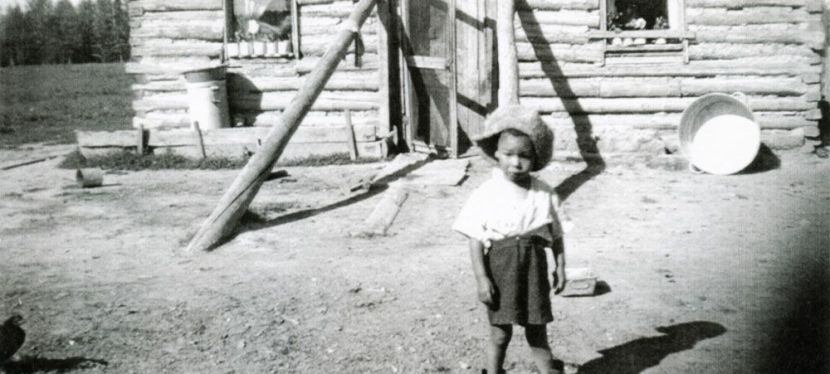
Editor’s Note: February is Black History Month, a time to honour the legacy of Black Canadians and their communities. Throughout the post below are excerpts of the poem “Our Pioneers” by Gwen Hooks, appearing in the book The Keystone Legacy: Recollections of a Black Settler.The banner image above isRon Smith, grandson of Elizabeth Hayes, in front of the Hayes family home. Breton, Alberta, circa 1950. Credits: Nellie Whalen, Breton and District Historical Museum.
Author’s note: I am grateful to the past work of the Breton and District Historical Society, who have made these compelling histories so accessible to the public through various public awareness initiatives. This post greatly relies Gwen Hook’s excellent book The Keystone Legacy: Recollections of a Black Settler. I would also like to express my gratitude to Allan Goddard of the Breton and District Historical Museum for being so gracious with his time and knowledge.
Written by: Laura Golebiowski, Indigenous Heritage Section
The Black Pioneers to a new land came,
Around the year of nineteen ten,
Oklahoma and Kansas they left behind
A strange new life to begin.
As heritage professionals, it seems an unwritten rule that we must stop and read every historic interpretive sign we pass. It was in this way I was first introduced to the story of Keystone, driving home from Paul First Nation in the summer of 2021. The big blue highway sign spoke of a distinctive community built by Black families who arrived in the area from Oklahoma in the spring of 1911.
I was familiar with the story of Amber Valley, understood to have been the largest Black settlement west of Ontario. I quickly learned, however, that Amber Valley was only one of several Black-founded communities in western Canada at the turn of the century. Others included Wildwood (east of Edson), Campsie (northwest of Edmonton), Maidstone (in west-central Saskatchewan), and Keystone, now named Breton, located southwest of Edmonton.
They left a country so warm and rich,
With fruit plus nuts and grain,
They chose Alberta that was rugged and cold,
Huge trees covered the rough terrain.
The origin stories for these communities are much the same. A chain reaction of land dispossession saw the settlement of Indian Territory, forcing the removal of the Cherokee, Choctaw, Chickasaw, Creek and Seminole Peoples from their lands. Oklahoma statehood introduced Jim Crow laws and segregation, making the area incredibly dangerous for the Black families already residing in the new state. Thus began the Black migration north: from 1905 to 1912, between 1,000 and 1,500 African Americans moved to western Canada from the United States in search of a better life. However, upon arrival, pervasive racism in city centres prompted Black settlers to establish roots in rural areas.
Editor’s note: In 2021, a well-known landmark in the Town of Athabasca was designated a Provincial Historic resource and is now listed on the Alberta Register of Historic Places.
Written by: Ronald Kelland, MA, MLIS, Historic Places Research Officer
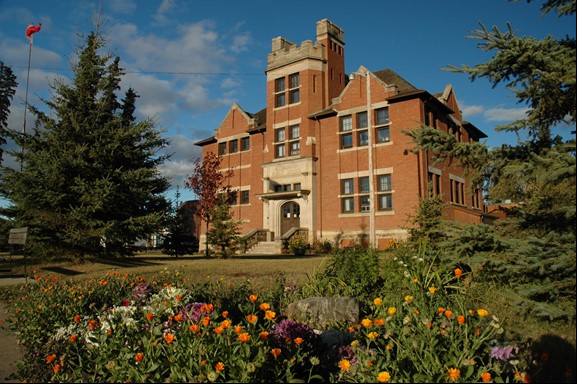
Front (west-facing) façade of the Athabasca Public School showing some of the building’s character-defining elements, notably the crenellated parapet roofline, variegated use of red brick and lighter-coloured stone highlights such as the foundation, front entry arch and cornice, lintels and sills, 2005. Source: Alberta Culture and Status of Women.
The Athabasca Public School is located in the Town of Athabasca, occupying a prominent, treed lot at the end of 48 Avenue. It has long been a significant landmark in the community. It has heritage value as a representation of pre-First World War construction and design trends for schools and as an excellent example of Edwardian-era, Collegiate Gothic architecture.
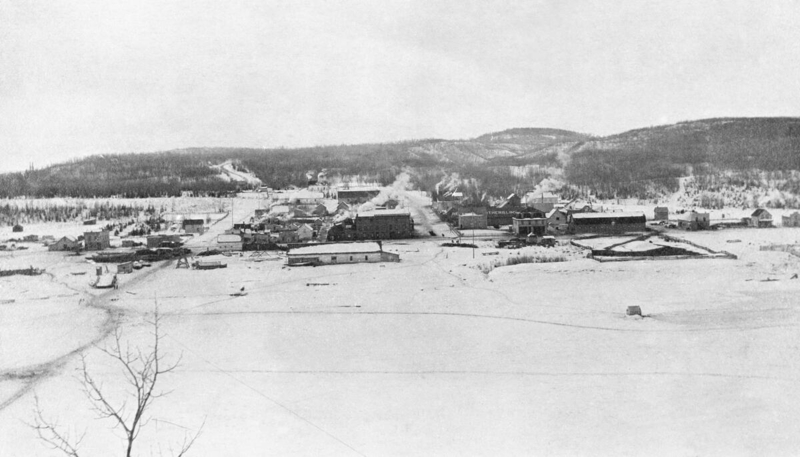
Athabasca Landing, 1909. Taken from the north side of the Athabasca River.Source: Glenbow Archives, NA-2788-3.
A significant transportation hub for many decades where riverboat traffic met the trail head for the Athabasca Trail to Edmonton, Athabasca Landing was a booming community in the opening decade of the 1900s. Town status was achieved in 1911, with the community expected to be a major stop on at least one of the planned railways from Edmonton to northern Alberta. That expectation seemed assured when the much delayed Edmonton & Slave Lake Railway arrived in 1912. Following a devastating fire in August 1913, the town built back with a purpose. New structures would be mostly made of brick or stone and, driven by speculation on a bright future, were grander than one might otherwise expect in a community of Athabasca’s size.
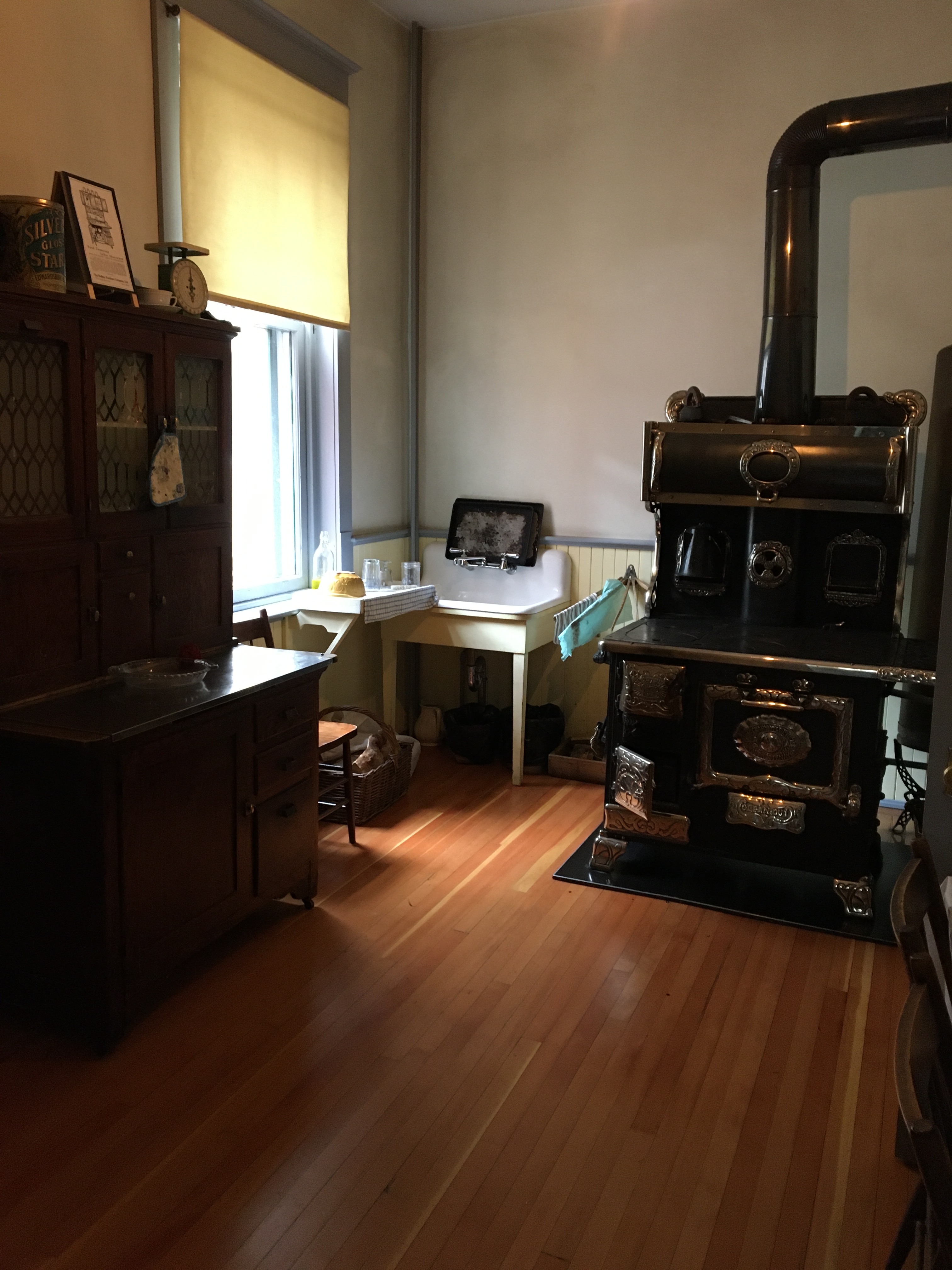
Many people believe the kitchen is the heart of a family’s home. At Rutherford House Provincial Historic Site, the kitchen is tucked away out of sight at the back of the house, but that doesn’t mean it was any less central to the family’s life than the more prominent rooms at the front of the house.
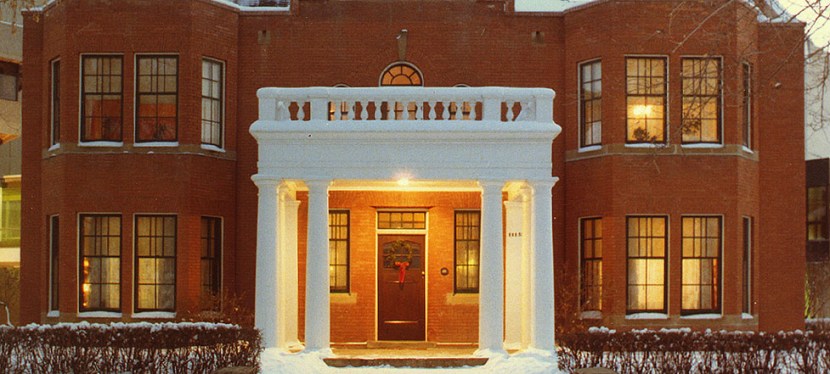
The aforementioned kitchen in Rutherford House. Built in 1911, Rutherford House was the home of Mr. Alexander Cameron Rutherford, Premier of Alberta from 1905-1910, Mrs. Mattie Rutherford, and their adolescent children, Cecil and Hazel. Source: Rutherford House Provincial Historic Site.
In fact, the discreet location of this vital space could be considered symbolic of the more general way women’s domestic history is so often obscured from immediate view.
The house’s grand façade, sweeping staircase, large library and impressive drawing and dining rooms leaves the visitor in no doubt about Mr. Rutherford’s prominent position in politics and as the founder of the University of Alberta. If the signs of Mr. Rutherford’s impact on his community are so clearly seen, how can we trace the impact of the Rutherford women? Perhaps the kitchen can provide us with answers.
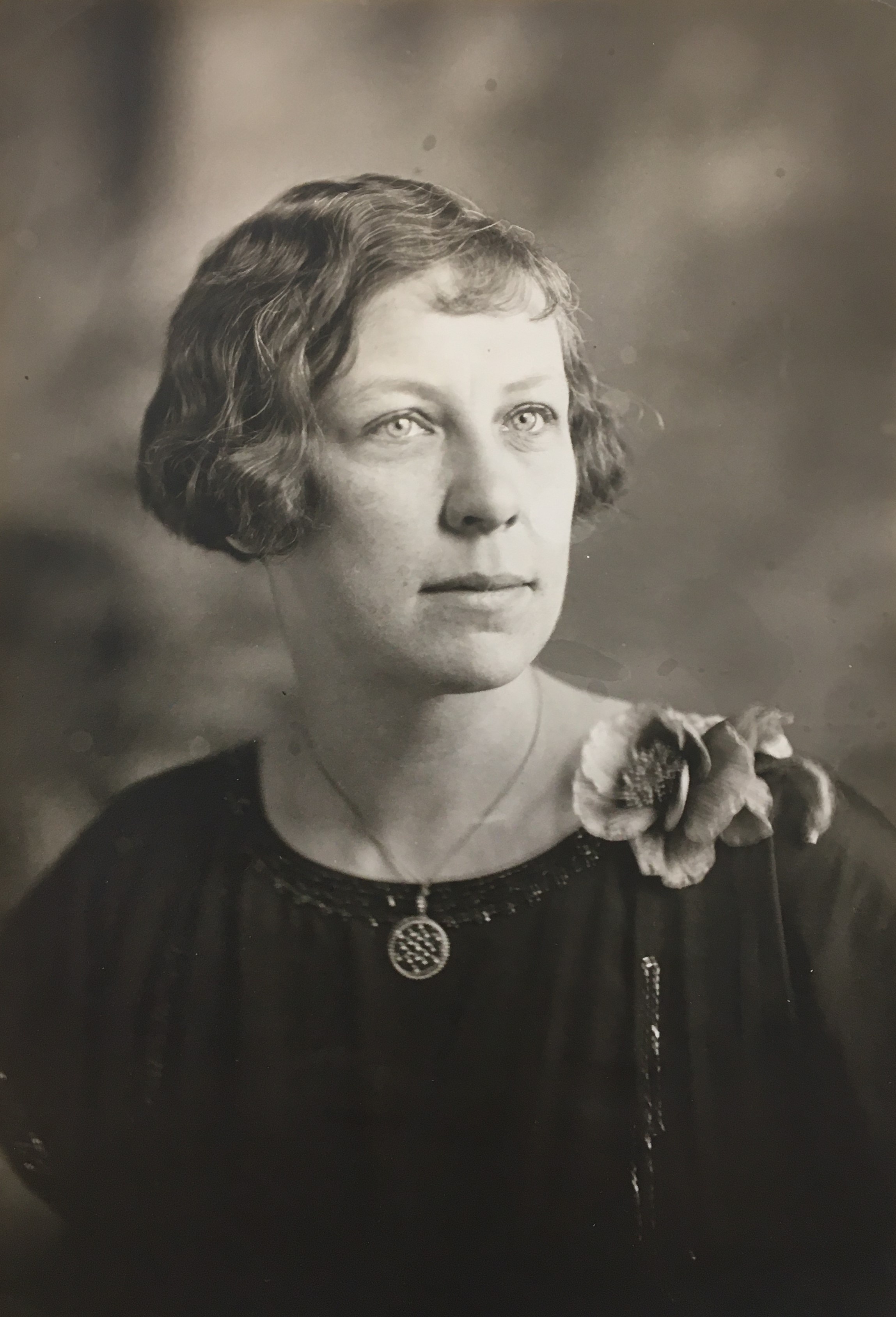
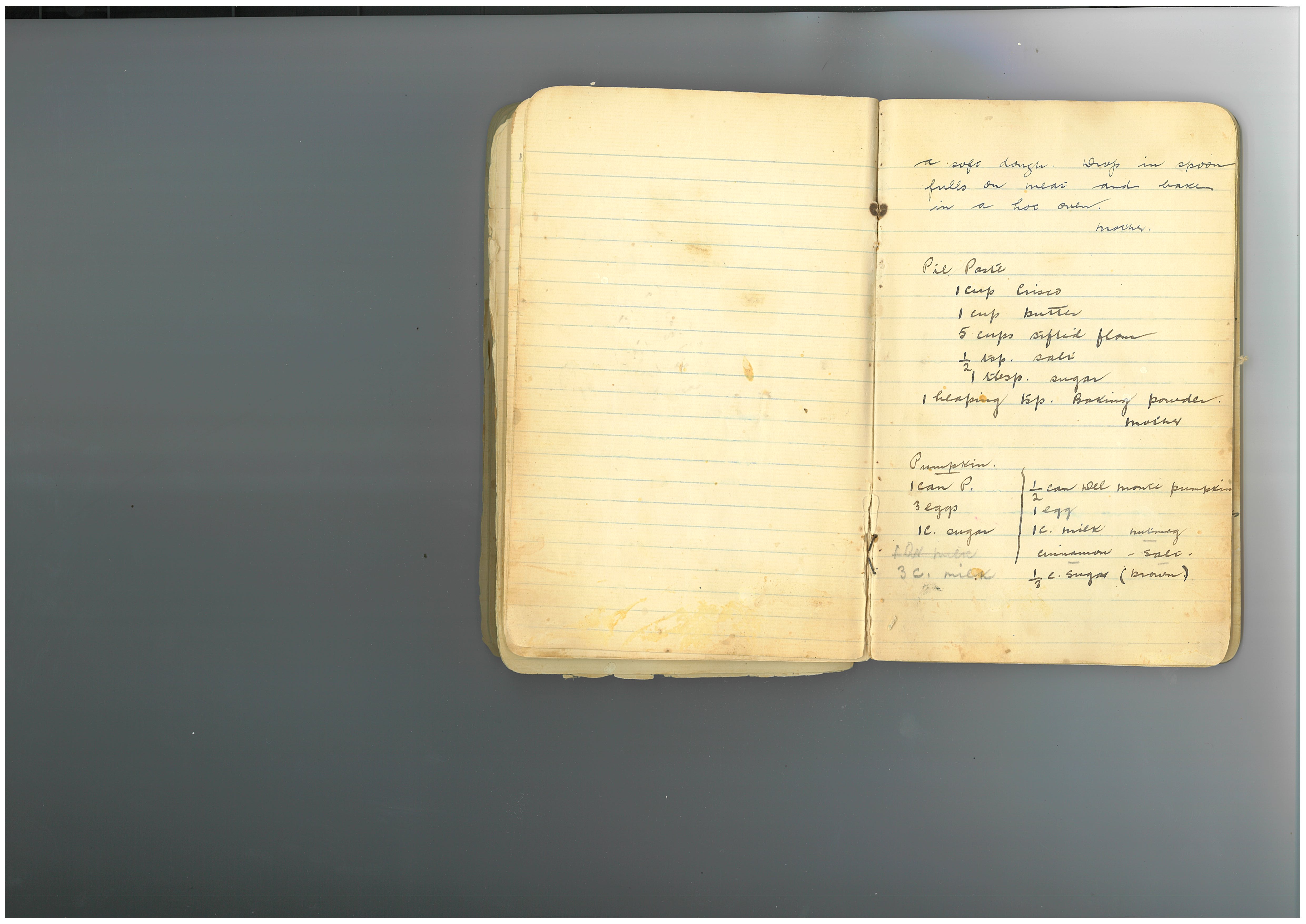
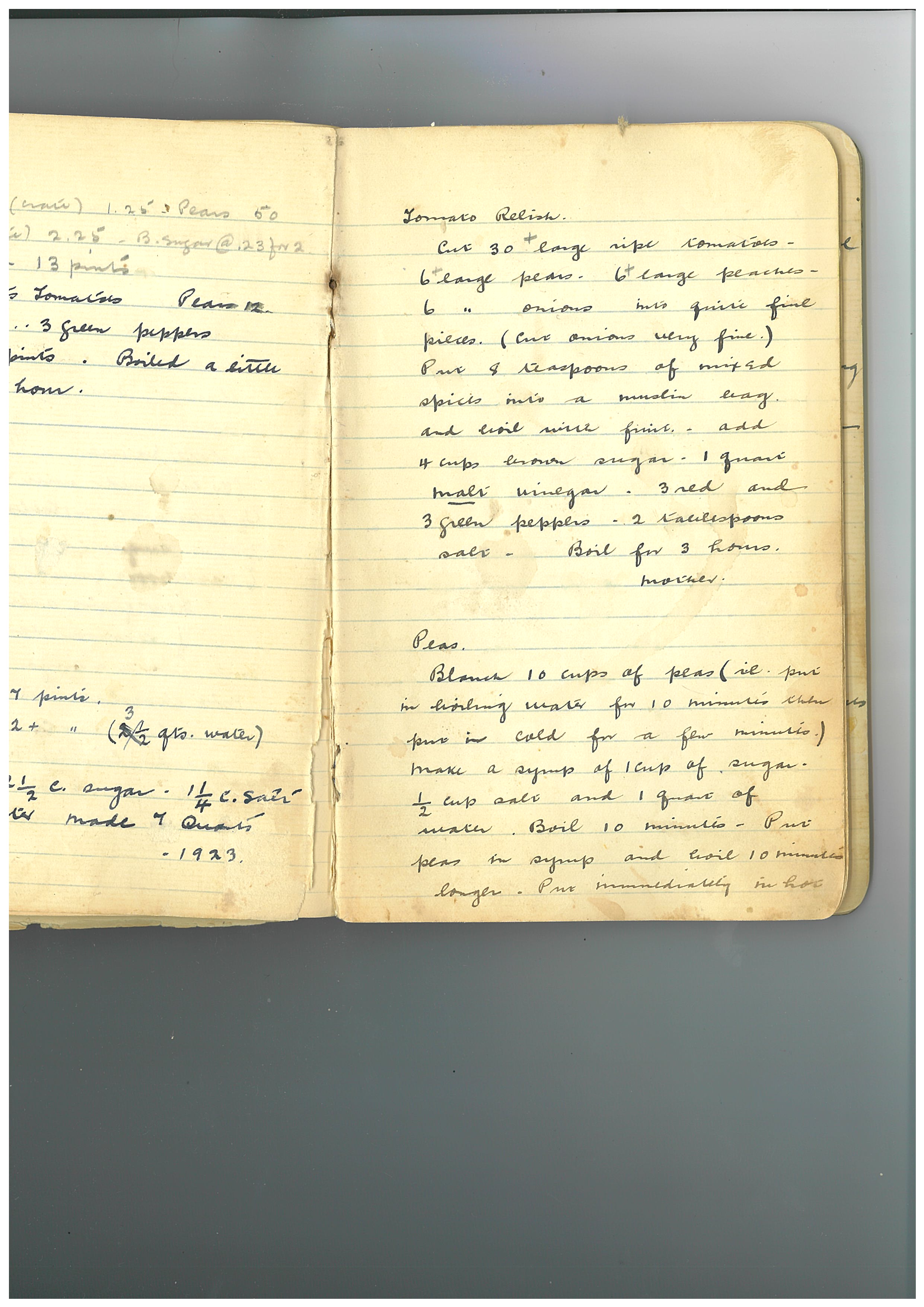
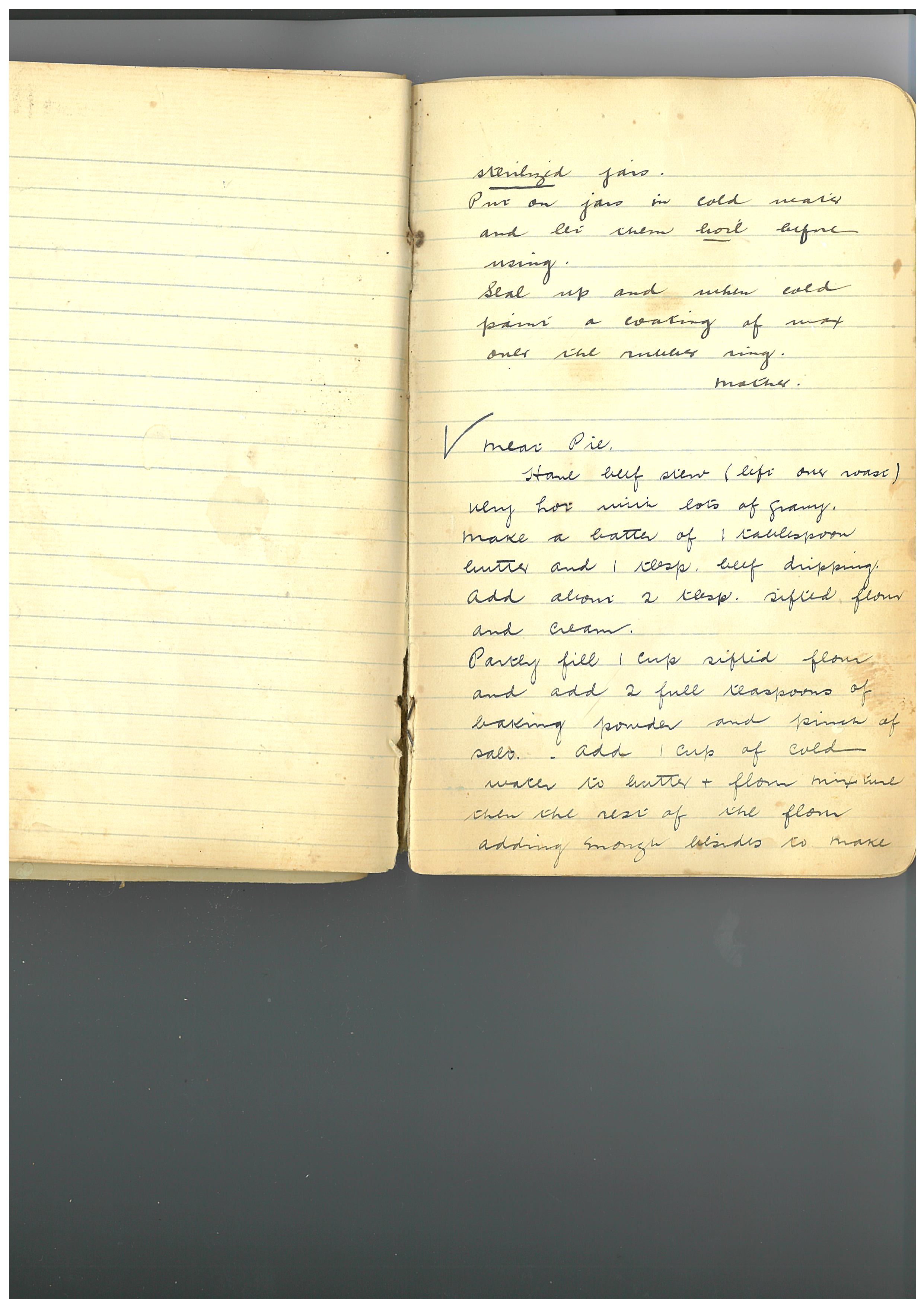
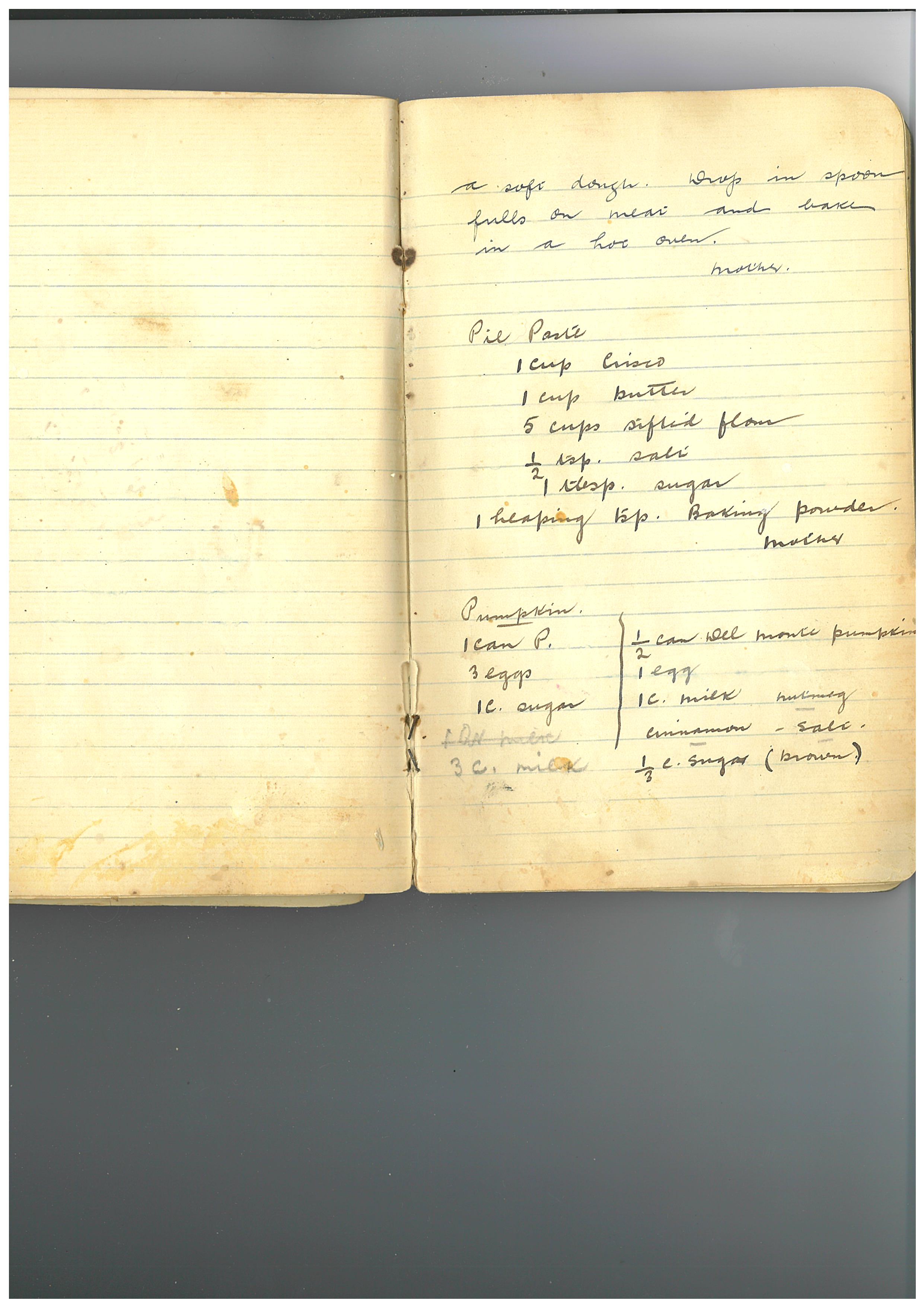
Rutherford House Provincial Historic Site is also the steward of a little black notebook that belonged to Hazel Rutherford, daughter of Mattie and Alexander Cameron Rutherford. Hazel copied recipes from her mother in it, including instructions for making tomato relish and meat pies.
Hazel Rutherford had taken a shine to a young partner at her father’s law firm, Stanley McCuaig. Stanley would leave for service in the First World War in 1917 and not return until 1919. Hazel and Stanley got married in a small ceremony on September 17, 1919. One wonders if Hazel started copying and collecting recipes in preparation for running her own household one day.
Hazel began her collection of recipes and household tips in her little black notebook in 1916. Source: Rutherford House Provincial Historic Site.
Hazel’s recipes leave out a lot of information. Baking time is often missing, and oven temperatures can be confusing to a modern reader. What does moderate heat mean? And what exactly is a cup measurement? Often “a cup” historically meant a teacup so replicating a recipe today may take a few tries before getting it right.
Some of the recipes have little notes beside them. Does a “tic” beside a recipe translate to “great!”? If so, the meat pie recipe is one we should all try! Does a slash through it mean it was a “fail”? Or maybe little Rutherford and McCuaig family members were giving their opinion and comments on the families recipes.
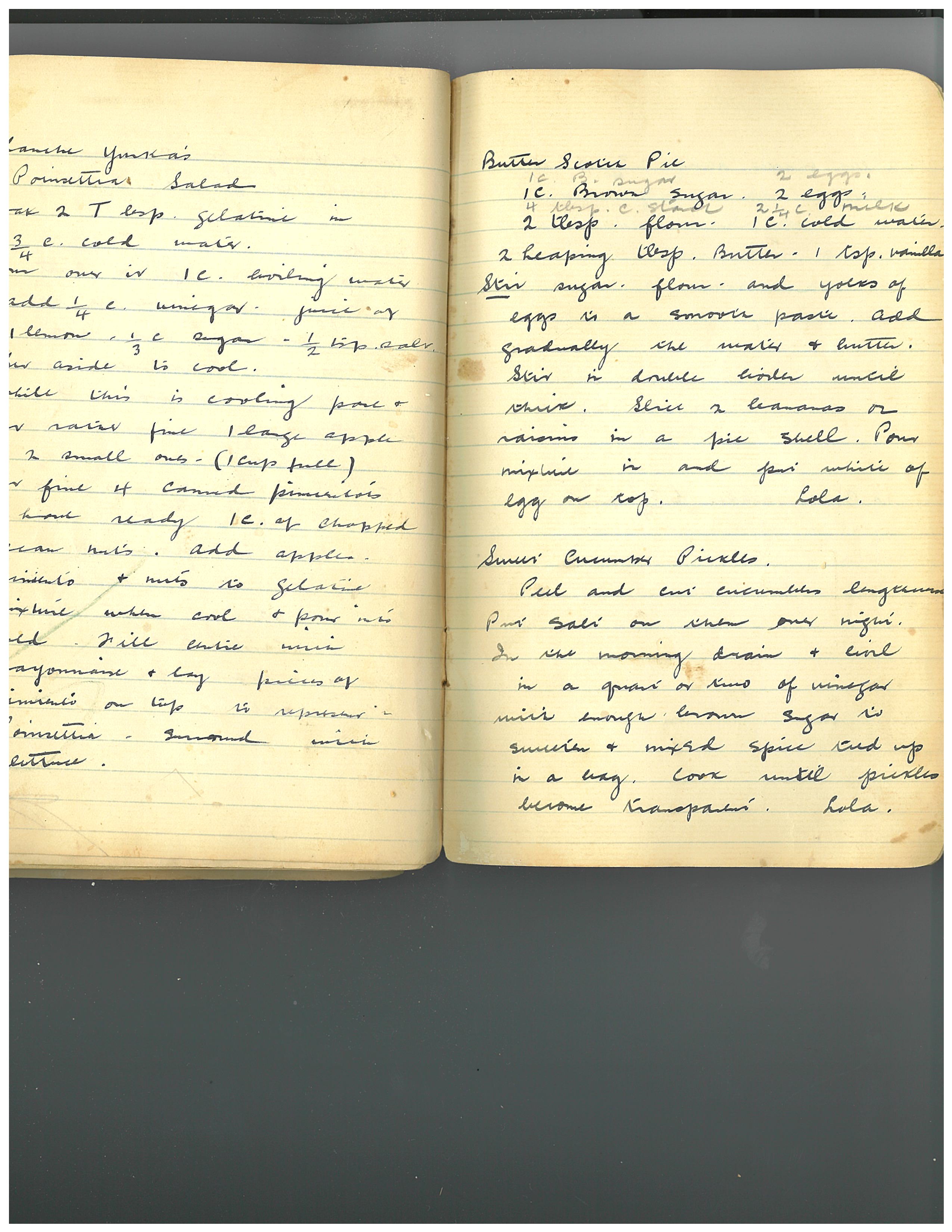
Many recipes have additions or substitutes added as well making it difficult for an outsider or next generation cook to come out with a successful result. Take Lola’s (Hazel’s aunt) Butterscotch pie.
Aunt Lola’s Butterscotch pie isn’t the only recipe from other family members or neighbours in Hazel’s book. These shared recipes give us clues to women’s social networks- after all, sharing a recipe usually means that a meal was shared, enjoyed and then copied. Reading Hazel’s recipe book makes us think about meals hosted in the Rutherford, and later McCuaig family homes, the people gathered there, and the conversations they had while eating.
A recipe book is never just a book of instructions. It hints at family ties, meals shared, conversations and maybe even at romance. What stories does your recipe book hold?
Pie crust
Tomatorelish
Cut 30 large Ripe tomatoes, 6 large pears and 6 large peaches.
6 large onions into quite fine pieces (cut onions very fine).
Put 8 teaspoons of mixed spices into a muslin bag and boil with fruit. Add 4 cups brown sugar 1 quart malt vinegar, 3 red, 3 green peppers and two tablespoons of salt and boil for 3 hours.
Meat Pie
Have beef Stew (left over roast) very hot with lots of gravy. Make a batter of 1 tablespoon butter and one tbsp beef dripping. Add about 2 tbsp sifted flour and cream.
Partly fill 1 cup sifted flour and add 2 full teaspoons of baking powder and pinch of salt. Add 1 cup cold water to batter+ flour mixture then the rest of the flour adding enough liquids to make a soft dough. Drop in spoon fulls on meat and bake in a hot oven.