Red Deer Industrial School Monument Unveiled

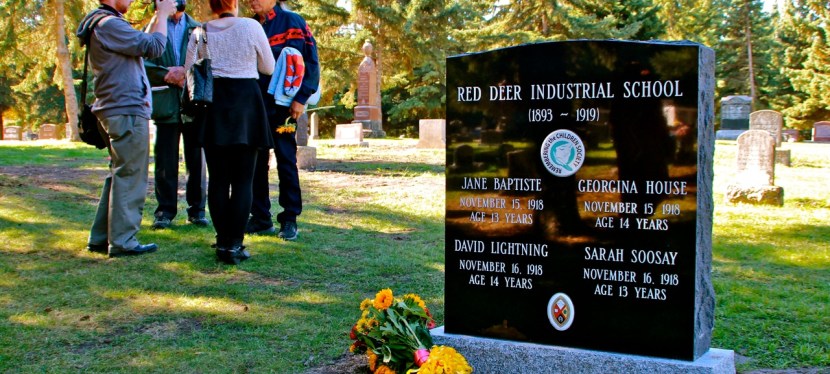
During the past three weeks the Spanish influenza has swept through this institution. I regret to report that as a result, five of our pupils are dead: Georgina House, Jane Baptiste, Sarah Soosay, David Lightning, William Cardinal…At the time the children died practically everyone was sick so that it was impossible for us to bury the dead. I thought the best thing to do was to have the undertaker from Red Deer take charge of and bury the bodies. This was done, and they now lie buried in Red Deer.”

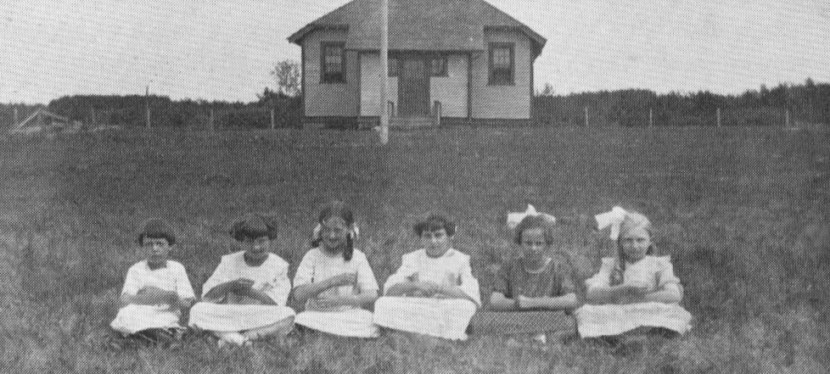
These words, written by then-Principal Joseph F. Woodsworth to the department of Indian Affairs, now also appear in the Red Deer City Cemetery, on a monument commemorating the lives of four of the five young men and women who passed away on November 15 and 16, 1918, while attending Red Deer Industrial School[1]. Until now, their names and resting places within the Red Deer City Cemetery had remained largely unmarked and their stories untold. Read more
The Hardisty Bison Pound

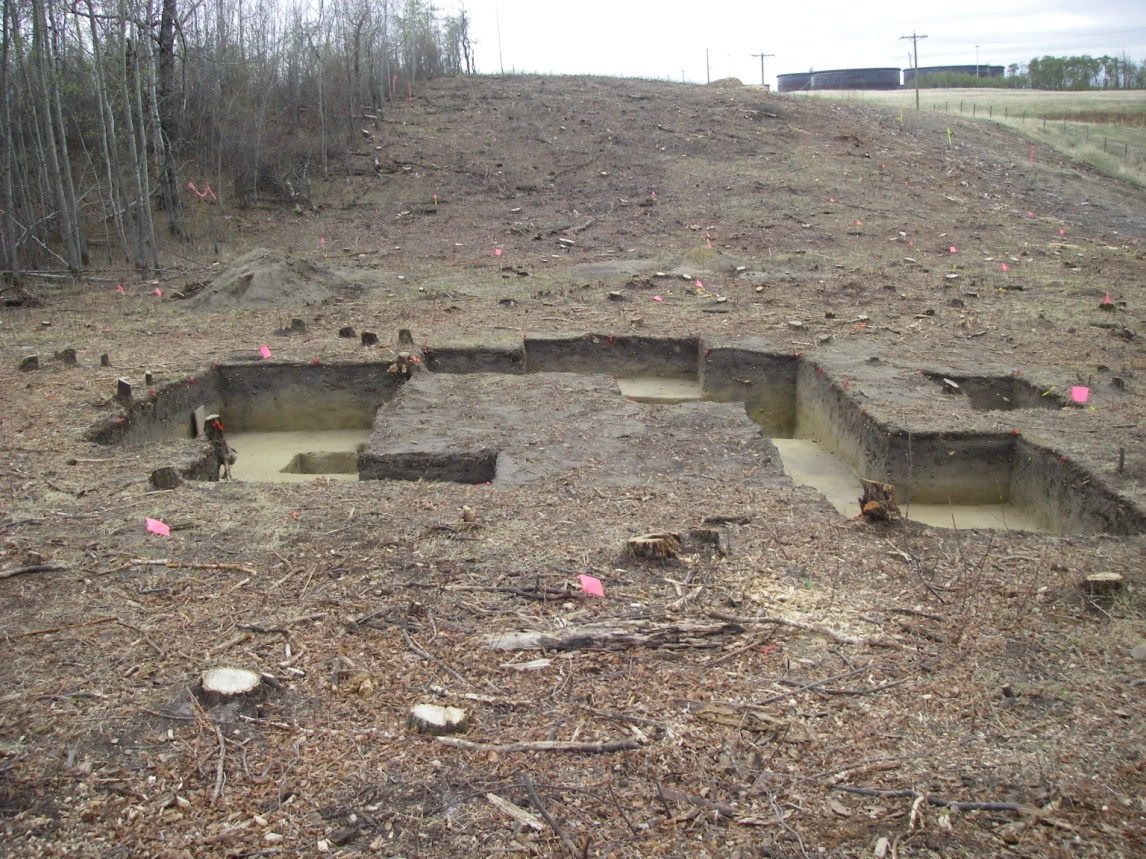
Between 2008 and 2014, five separate archaeological excavations took place at the Hardisty Bison Pound and its associated campsite. These two sites, located across the Battle River from the town of Hardisty, were excavated in response to developments that took place during facility expansions at the Hardisty Terminal.

Bison pounds are a form of communal hunting common on the Plains. They are characterised by a wooden corral with hides draped over the edge. Bison would have been herded into the fenced enclosure to be slaughtered for consumption by the community using the pound. The landforms surrounding the Hardisty Bison pound share distinct features that would have been essential to many communal kills. Many of these features have been introduced in past RETROactive posts, in particular Mike Donnelly and Todd Kristensen’s post on Head-Smashed-In. Most notably, the Battle River valley and the hills surrounding the Hardisty Bison Pound combined to form a funnel that would have acted to concentrate bison herds close to the current location of the terminal. With the addition of drive lanes and buffalo runners luring bison into the trap, these herds would have been driven quite easily into the pound, both to feed people living in the area as well as for production of meat and hide products to trade with people further east in what is now Manitoba and North and South Dakota.

Excavation Block from 2009 excavation at the Hardisty Bison Pound. The pound is located on the far side of the block at the toe of the small hill in the background (Photo Credit:  Matthew Moors, FMA Heritage Inc., Permit 09-020).

Read more

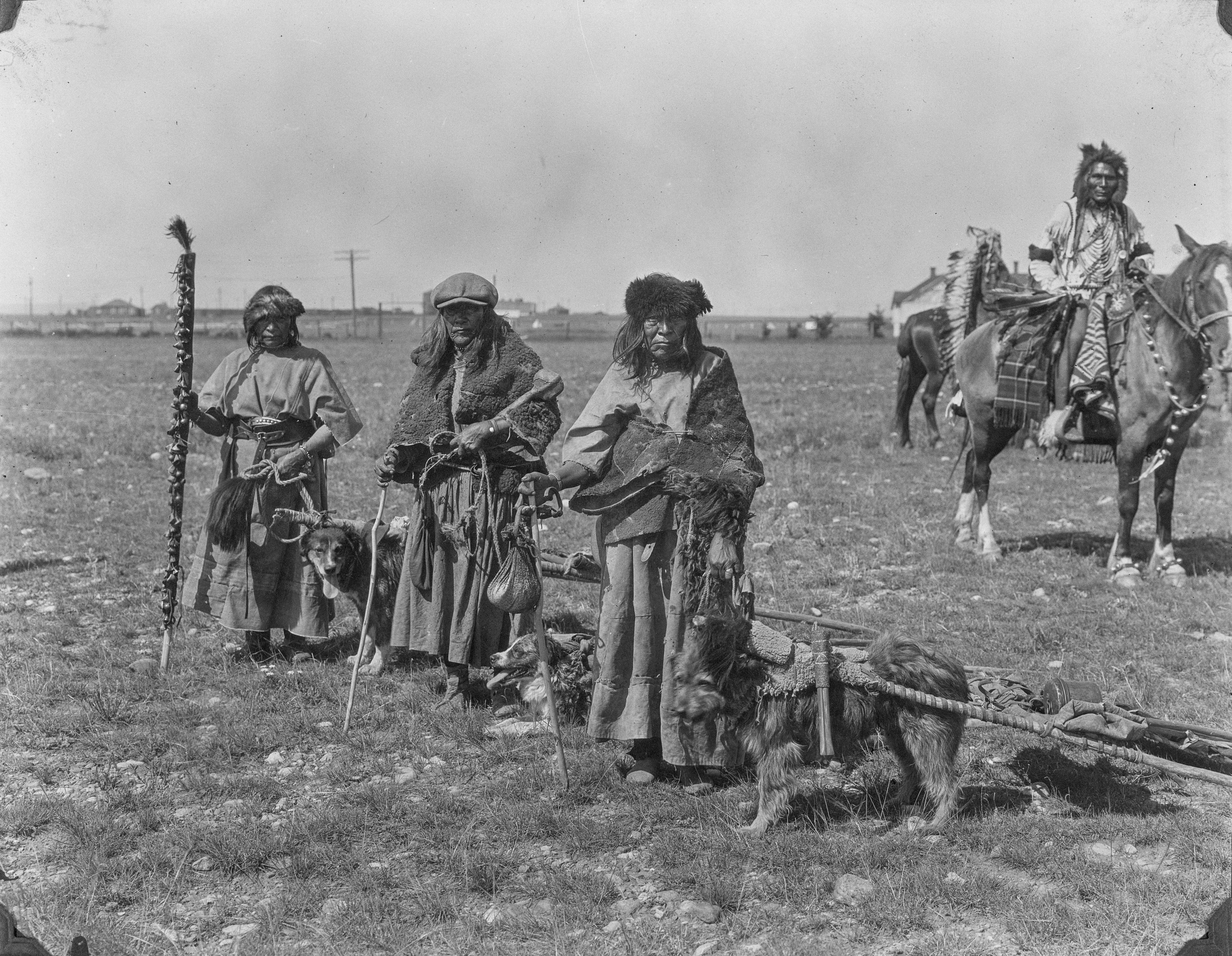
Working Dogs: Domestic Canids in Indigenous Societies

Peigan women with dog travois (Photo Credit: Provincial Archives of Alberta, A5463).

Without question, dogs (Canis lupus familiaris) are humankind’s oldest animal ally. By at least 20,000 years ago–but possibly many thousands more–humans began interacting with the Eurasian grey wolf (Canis lupus) in significantly different ways than they had before. It’s possible wolves began scavenging wastes at or near encampments and became accustomed to the presence of humans over time. Equally plausible are scenarios in which hunters habitually took in orphaned wolf pups to be raised by new, human families. As tame wolves interbred with other tame wolves, their species experienced genetic changes that had implications for the behaviour and appearance of their offspring. Over many more thousands of years, gone was the fearsome wolf. In its place was a friendlier, smaller creature that barked and wagged its tail, and when permitted access, could form viable offspring with wolves to create tough but tractable canid hybrids. Though the timing and location of their domestication remains shrouded in mystery, one thing is almost certain: when the first humans came to inhabit the North American continent, they had with them a very important companion – the dog. Read more

Métis Week: November 13 – 18

riel-1
Excerpt from Chester Brown’s Louis Riel: A Comic Strip Biography (Drawn & Quarterly, Montreal, 2003)

November 13 – 18 marks the annual Métis Week celebrations. Each year, the Métis Nation of Alberta hosts events around the province to commemorate not only Riel’s uniquely complicated and heroic legacy, but the outstanding contributions of Métis people to Canada. November 16, the date Riel was executed, will be an especially significant remembrance.

When it comes to defining legacies of the women and men who helped shape Canada into what it is today, few people are as complicated as Louis Riel. The Métis founder of Manitoba and twice-elected Member of Parliament is at the same time revered and scorned; the vanguard of Métis resistance against the federal government is a hero and a traitor, depending who you ask. To this day, over 130 years after he was hanged for treason in Regina, Saskatchewan, Riel is to some still a controversial and polarizing man. But for many, especially Canada’s Métis population, Riel is a man to celebrate and to honour. Read more

Passchendaele Remembered

During November 2017, Canada commemorates the centennial anniversary of the Battle of Passchendaele, also known as the Third Battle of Ypres. It was the third and last major battle victory during 1917, after Vimy Ridge and Hill 70, for the combined Canadian Divisions fighting together as a Corps.

The Battle saw German and Allied armies clash in the area of the Belgian city of Ypres. Fought from 31 July through 10 November, 1917, the battle is estimated to have resulted in over half a million casualties. Canada alone suffered over 4,000 dead and almost 12,000 wounded. The carnage in the infamous mud of the battlefield became synonymous with the senseless and massive losses suffered by troops during the Great War. Singular feats of sacrifice and valour during the course of the battle saw nine Canadians awarded the Victoria Cross, the highest military honor conferred within the British Empire. Read more

POW and Internment Camps in Alberta: WWII

On September 1, 1939, the Second World War began and Canadians responded with more than one million of its men and women enlisting in the military. Many were sent overseas, and stories of the courageousness of Canadians on the battlefront emerged. This war is known for uniting the country and forging its own national identity, but a lesser known aspect from this period takes place at home. In a significant reaction to the war, internment camps were established and Canada detained citizens of its own country, discriminating against members of German, Japanese and Italian communities. In addition, Canada had an active part in accepting German prisoners of war who were captured in active duty. This blog post will look at the establishment of prisoner of war and internment camps in Alberta, and briefly at the people who were detained, and the life they experienced.

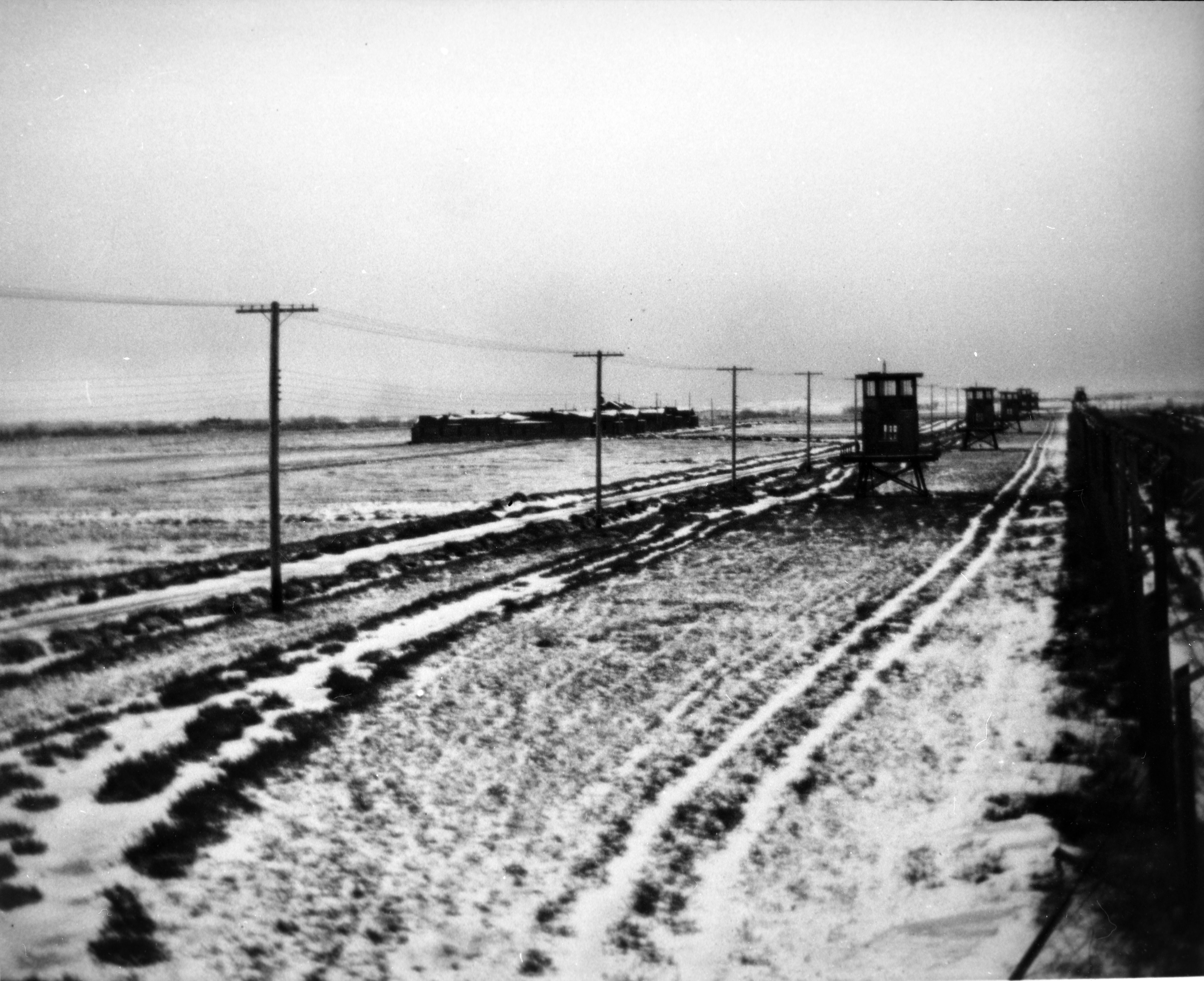
View of guard towers at the POW camp in Medicine Hat, c.1948 (Image courtesy of Esplanade Archives, 0590.0017).

Read more

Haunted Heritage Part 3: Hair Raising Hotels

Accounts of paranormal activities, ghostly sightings and unexplained phenomena have often been noted in some of the world’s most renowned hotels. Alberta is no exception and is home to several famous hotels with a reputation of spooky occurrences. With Halloween creeping just around the corner, it is a great time to share some supernatural stories about old hotels with a wealth of ghostly lore.

Here are a few allegedly haunted hotels:

The Banff Springs Hotel

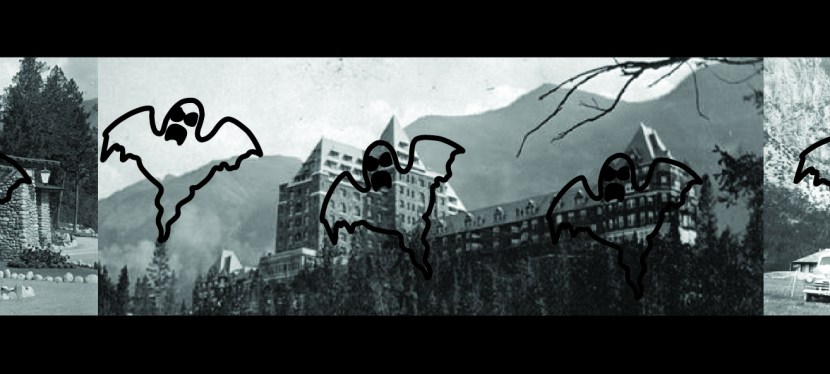
The majestic Banff Springs Hotel is a large chateau-style structure overlooking the Bow River Valley in Banff National Park. It is one of our countries original grand railway hotels constructed by Canadian Pacific Railway. Construction on the luxury hotel began in 1887 and it was first opened to the public on June 1, 1888. Between 1890 and 1928, the hotel underwent several periods of construction that involved many improvements to the original building. After a fire destroyed much of the original wooden structure in 1926, the hotel was rebuilt in its current configuration in 1928. Nestled at the foot of Sulphur Read more

Ask an Expert: The Nite’n Day Café

Have you ever heard of the Nite’n Day Café in Edmonton, formerly located at 118 Avenue and 80 Street? We recently had an inquiry on our Facebook page about the café through our Ask an Expert feature. The call was put out to our experts and, while no one had heard of it before, they did dig up some information! Read more

John Walter – One of the Makers of Edmonton

John Walter was a pioneer and one of Edmonton’s first millionaires. Born in the Orkney Isles in 1849, as a young man he was hired by the Hudson Bay Company (HBC) to build York boats at Fort Edmonton. Upon the completion of his contract, Walter struck out on his own, choosing to make his livelihood along the banks of the North Saskatchewan River. Undertaking many successful business ventures, his commercial empire grew to include: lumber, carpentry, coal, real estate and transportation. Known for his enterprising spirit and generous ways, John Walter spent a lifetime devoted to both the economic and civic growth of Edmonton, laying the foundations of today’s modern city.

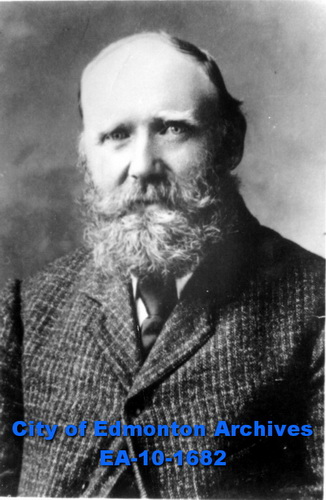
John Walter, 1907. Photographed by C.M. Tait. Image courtesy of City of Edmonton Archives EA-10-1682.

At the age of 21, Walter entered the service of the HBC, committing to a five-year term as a York boat builder. Sailing from Stromness, Orkney in June 1870, it took eight weeks to reach York Factory. He continued his westward journey, by York Read more

Hunting With a View: Excavations at the Hummingbird Creek Site (FaPx-1) in Alberta’s Central Rockies

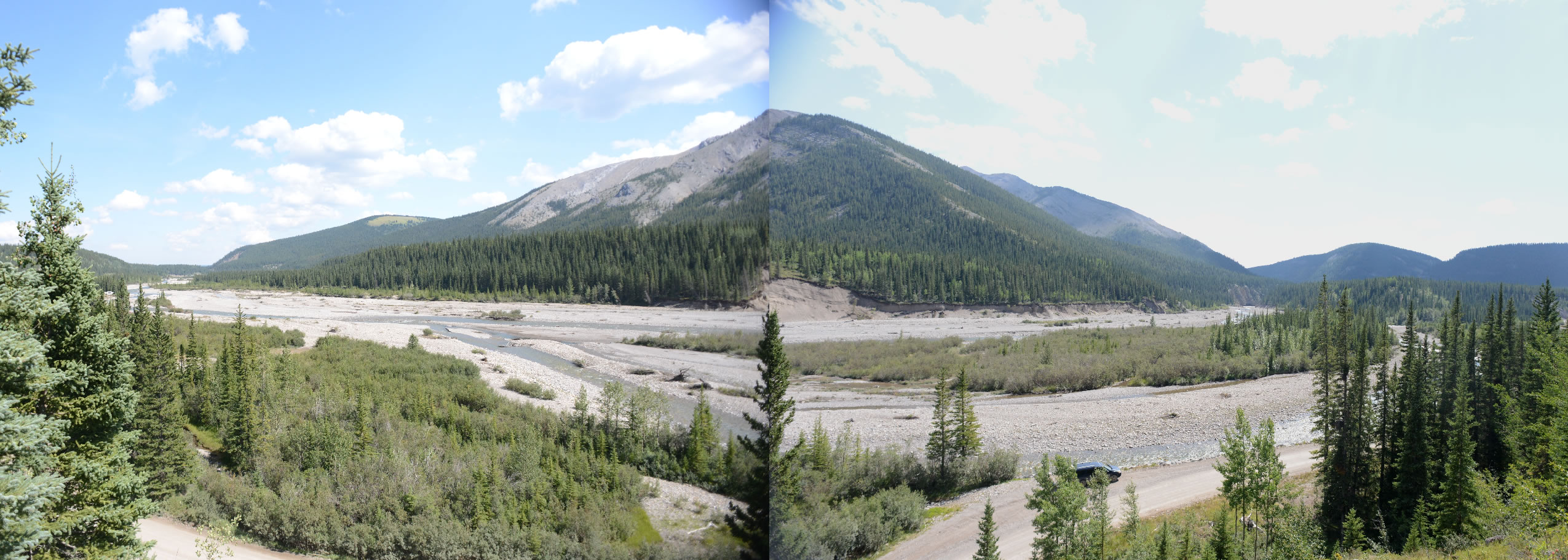
In 2009, the Archaeological Survey of Alberta discovered the Hummingbird Creek Site (FaPx-1), an archaeological site rich in stone artifacts, animal remains, and hearth features, in Alberta’s central Rockies. The site resided on a high terrace above Hummingbird Creek and the South Ram River, an ideal location for observing the valley below. Radiocarbon dates from the site’s lower levels indicated it was occupied from between 2,500 – 2,400 years ago, and upper levels dated from 1,000 – 700 years ago. This past August, Timothy Allan (MA student at the University of British Columbia), members of the Archaeological Survey of Alberta, and the Red Deer Archaeological Society returned to FaPx-1 to complete excavations at the site. The team found atlatl (or throwing spear) projectile points, hide scrapers, stone tool debris (flakes), and animal bone. Read more