Last month we showcased some historic sites and museums located in southern Alberta—this time we’re going to take a look at a few sites in and around the Edmonton area. From living museums to restored mansions to historic chapels, there’s a ton of history for you and your family to explore this summer.
Father Lacombe Chapel
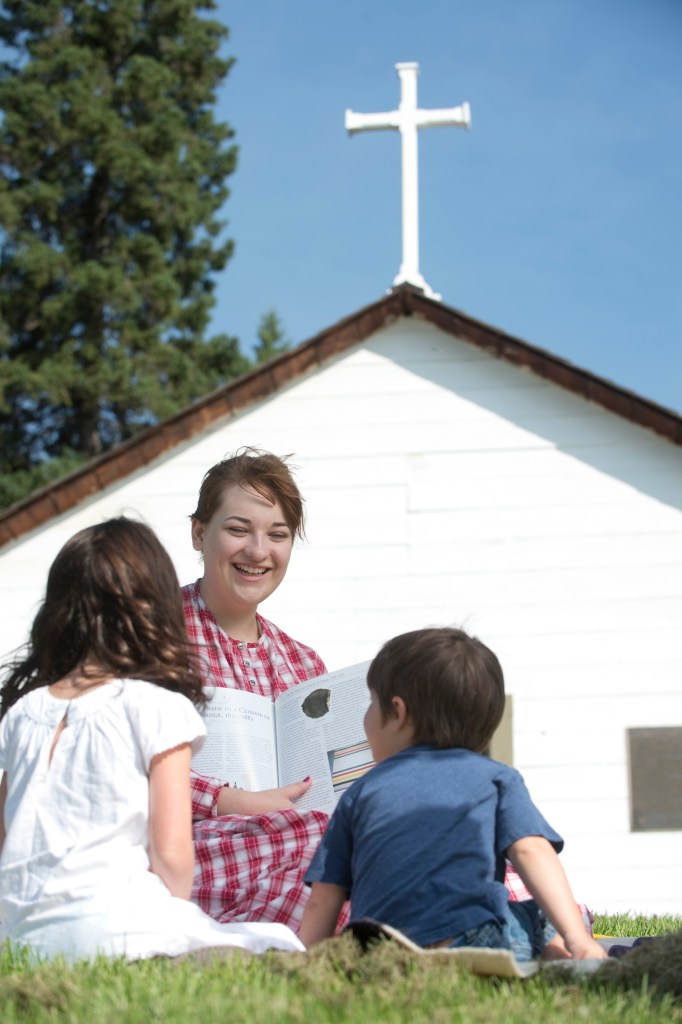
Located in beautiful Mission Park in St. Albert, the Father Lacombe Chapel is Alberta’s oldest still-standing building. Historical interpreters can lead you through the chapel and historic Mission Hill, and you can visit the crypt where Father Lacombe is buried. Father Lacombe has been restored to look much as it did in the early 1860s.
Often when we talk about dietary evidence at archaeological sites in Alberta, we are referencing a multitude of game animals, such as bison, elk, moose, etc. What is often missing from these dialogues is the reliance First Nations had on native and traded plants. For the most part, organic material does not survive the test of time; this is especially the case in Alberta’s boreal regions where acidic soils rapidly decompose organics. However, missing data does not mean it was not there in the first place. A wide variety of plant species were utilized by Alberta’s First Nations for subsistence purposes. At archaeology sites, evidence of plant remains can be recovered from sediments, stone tools, and ceramics. Plant microfossil analysis is one method that can be used to identify what plants people were using in the past.
Residue on a ceramic sherd, this can be extracted and processed to identify plants cooked in the vessel (Burchill 2014).
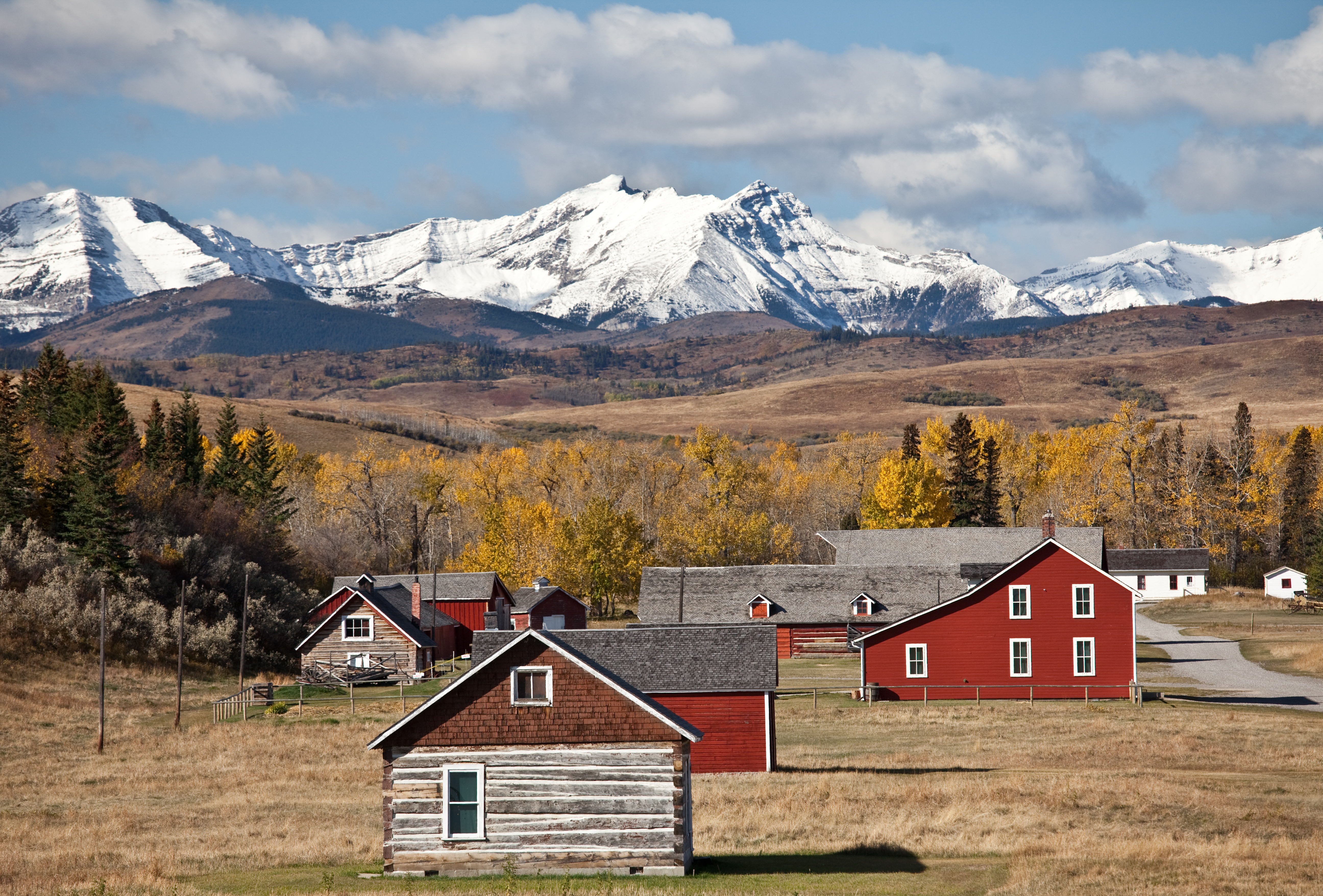
Bar U Ranch National Historic Site, Longview (Photo Credit: Andrew Penner/Travel Alberta).
July 8th is Canada Historic Places Day, a new initiative of the National Trust of Canada to celebrate more than 12,000 historic places across the country. Each place tells a unique story and more than twenty historic places in Alberta are participating this year.
Visiting these amazing places is reward enough, but you also have a chance to win $1,500! Post a photo of yourself at a participating site on Instagram with the hashtag #HISTORICPLACESDAY, tag the photo’s location, and follow National Trust for Canada on Instagram.
This year, 2017, marks Canada’s sesquicentennial – 150 years since Canada became a country; there will be many celebrations across the country on July 1st and throughout the year to mark this milestone! Many people have shaped Canada into the country that we know today, and one of those people is Wilfrid “Wop” May. Enjoy and Happy Canada Day!
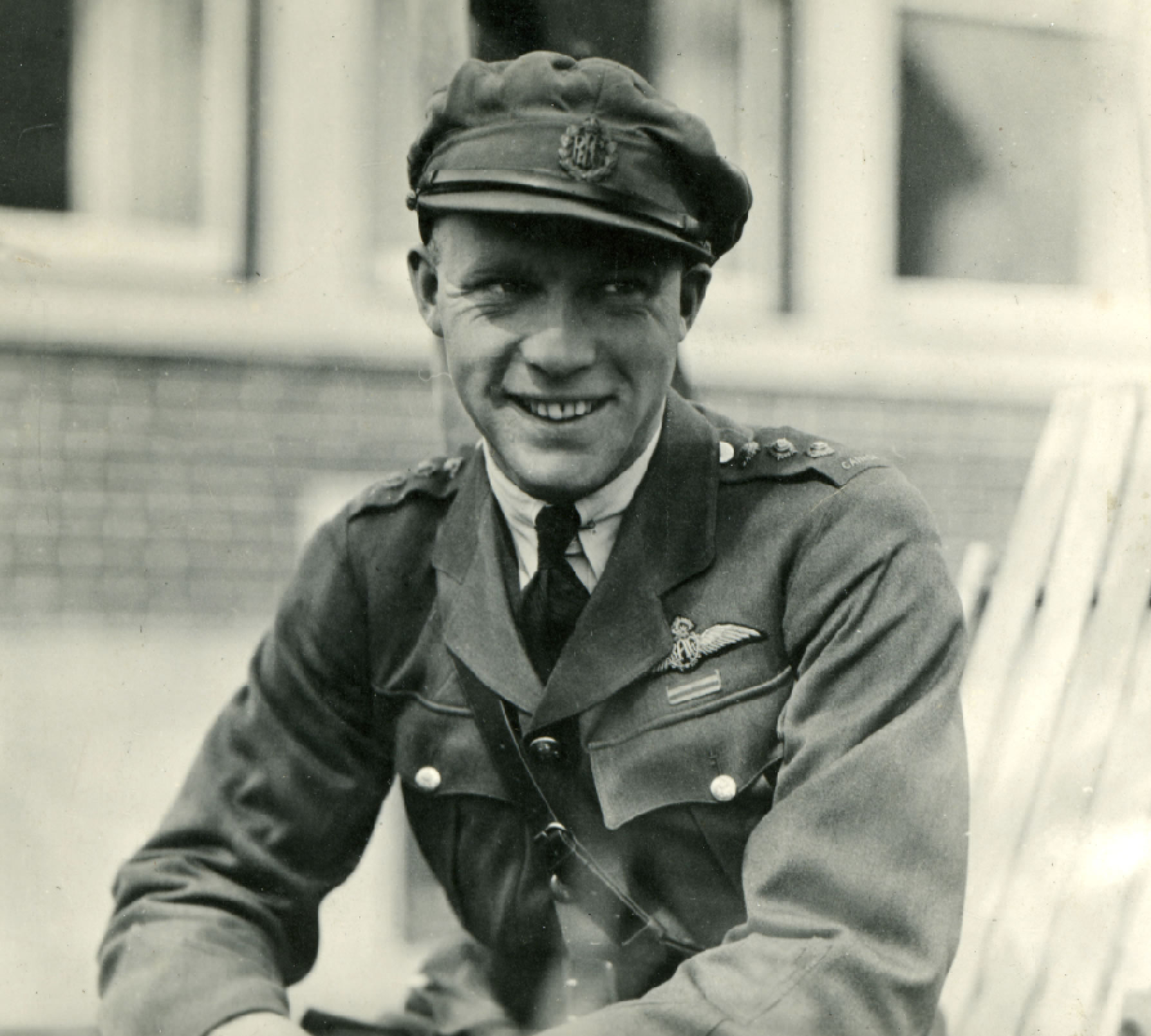
Captain W.R. May – Edmonton, 1919 (Courtesy Denny May).
To Wop[1] May who had grown up on the Canadian prairie, the English winter of 1917 must have seemed dreary. With the arrival of spring, he was on his way to the Western Front, and perhaps it had been before leaving England, or at a train station in France, he chanced upon a sign advertising that the Royal Flying Corps were looking for pilots. The fact that more young men were killed in air training accidents than died in combat seemed not to be a deterrent – the lure of adventure in the skies won out – he applied, was accepted and began the process of learning how to fly a plane. Read more →
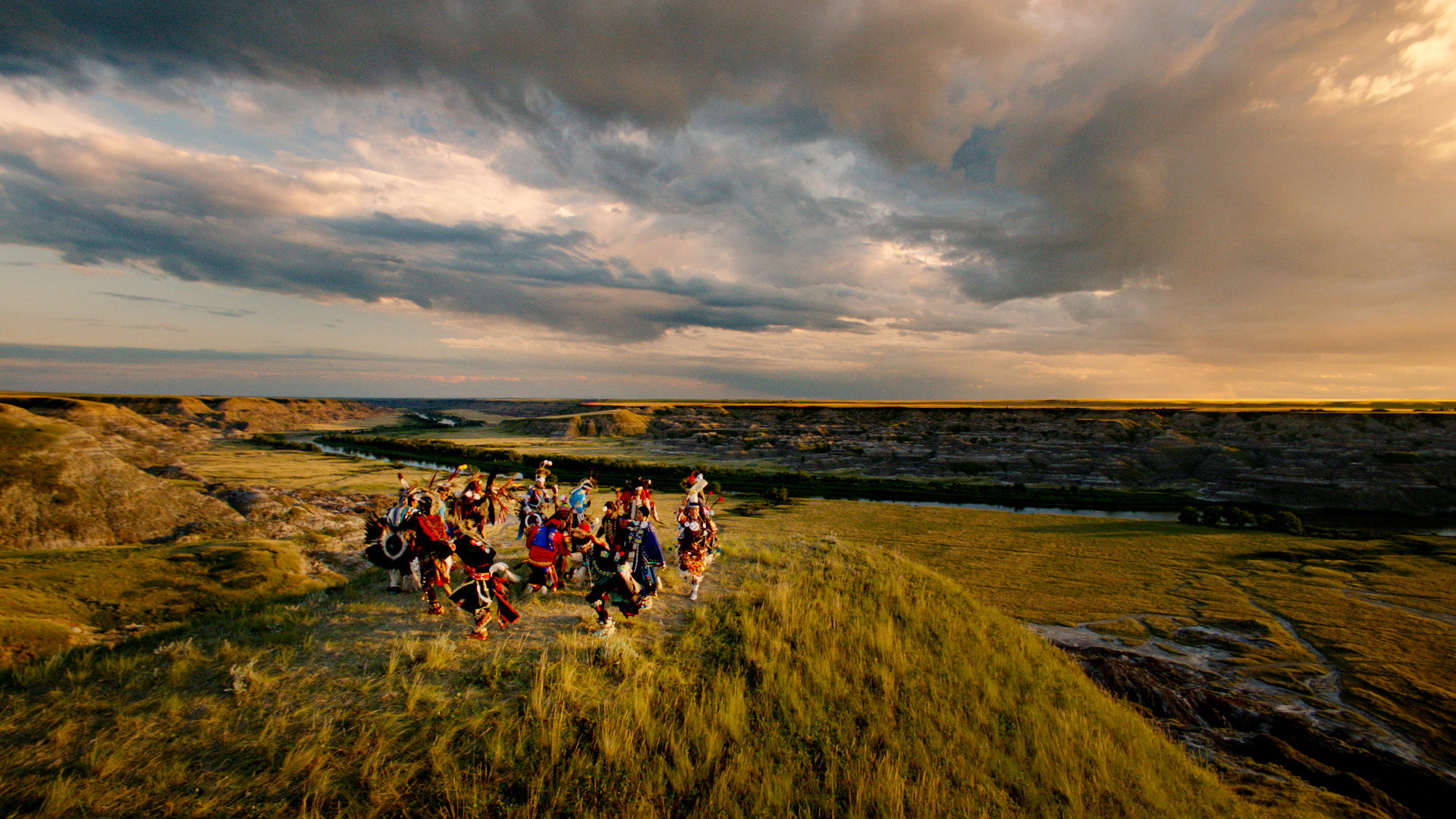
National Aboriginal Day was announced in 1996 by, then Governor General of Canada, Roméo LeBlanc on June 21st—the summer solstice. This week, and throughout the month of June, we recognize and celebrate the achievements and contributions of Indigenous Peoples in what is today known as Alberta and Canada. During this year of celebrating the 150th anniversary of Canadian confederation, it is particularly important to remember the First Peoples who came before, and the thriving, contemporary First Nation, Métis and Inuit communities that continue to shape our country today.
Live in Calgary? The University of Calgary is hosting a campfire chat on St. Patrick’s Island, discussing Indigenous perspectives of the cosmos through traditional storytelling, or spend your Saturday at the Family Day Festival and Powwow at the Stampede grounds.
Events are taking place throughout the week and across the province. Join us in taking the time to connect with our community, learn from one another and reflect on what it means to be a Canadian and Treaty person during this summer of celebration.
Alberta’s provincial historic sites and museums are all open and in full swing with their programs. If you’re looking for something to do this summer, or want to make a pit stop on your roadtrip, check out some of Alberta’s provincial historic sites and museums.
If you’re in southern Alberta this summer, check out the Brooks Aqueduct or Leitch Collieries, two sites that are only open over the summer, from May 15 to Labour Day. And, the Frank Slide Interpretive Centre, open year round, is just down the road from Leitch Collieries, so it is a good chance to visit both!
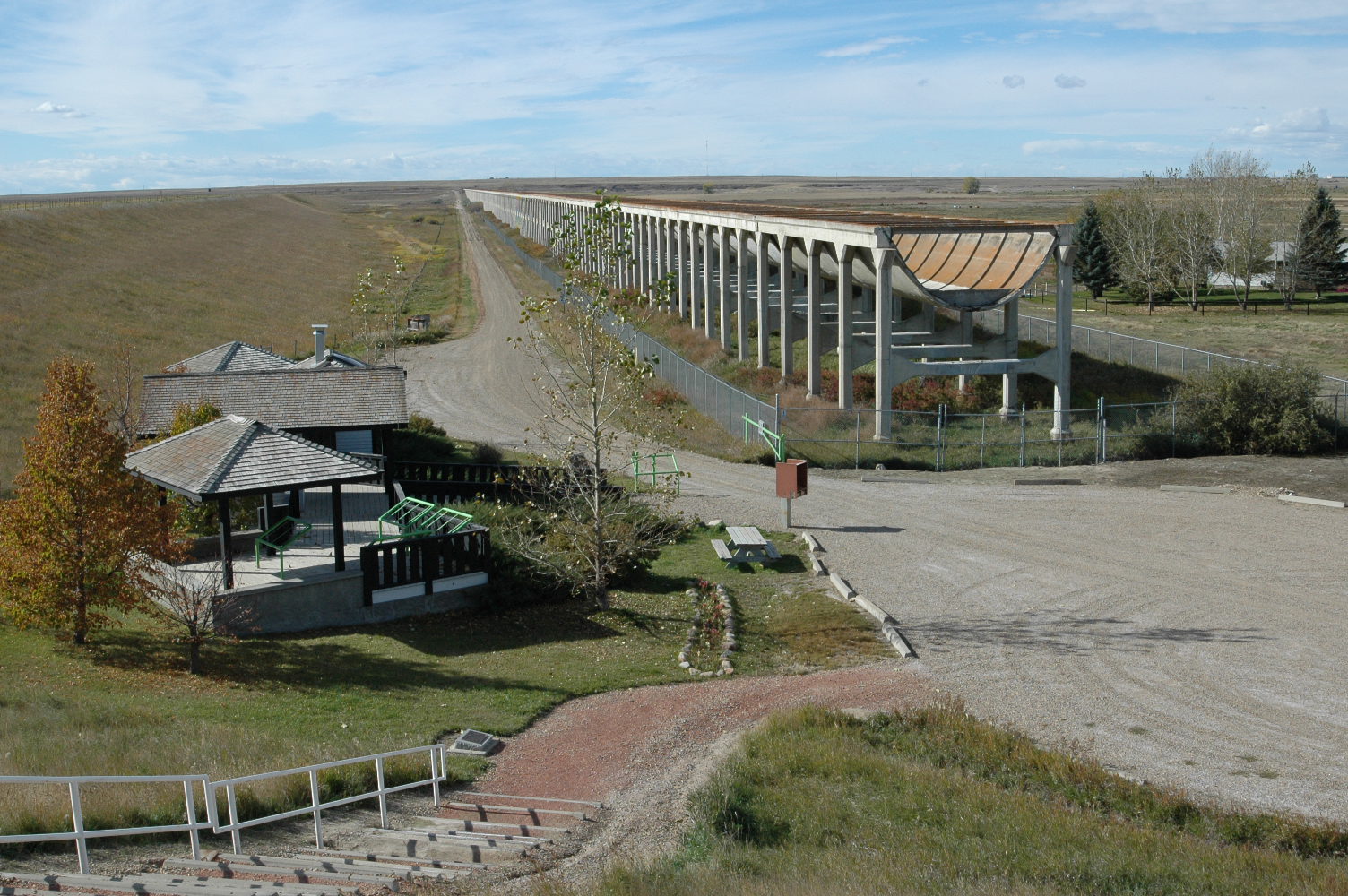
The Brooks Aqueduct was built by the Canadian Pacific Railway in the early 1900s and was the largest concrete structure of its kind in the world at the time (spanning a 3.2 km wide valley). The Aqueduct was an important part of an expansive irrigation network in the area and is an impressive site to see!
The Brooks Aqueduct
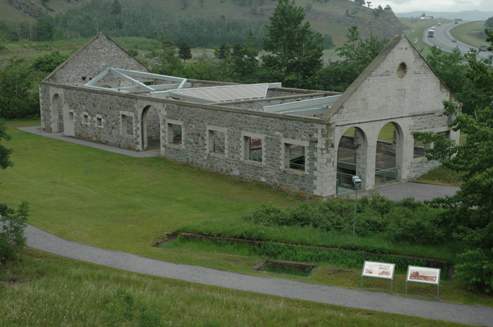
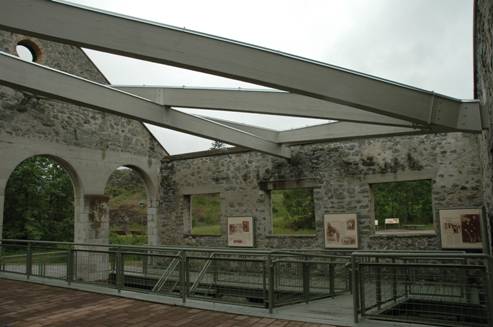
The Leitch Collieries provincial historic site is located in the Crowsnest Pass and, at its time (1907-1915), was one of the largest and most ambitious coal mines in the pass. Ruins from some of the sandstone buildings that formed the surface operations are still standing. Take a walking tour and enjoy learning about the coal mining history of the area.
Leitch CollieriesLeitch Collieries
If you’re in central or northern Alberta, stay tuned for sites in your area!
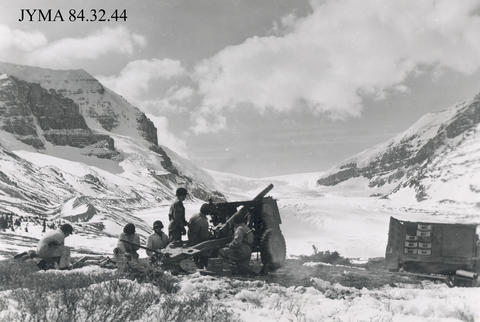
Lovat Scouts at the Athabasca Glacier, Jasper National Park, Alberta, ca. 1944. Image Courtesy of Jasper Yellowhead Museum and Archives (84.32.44).
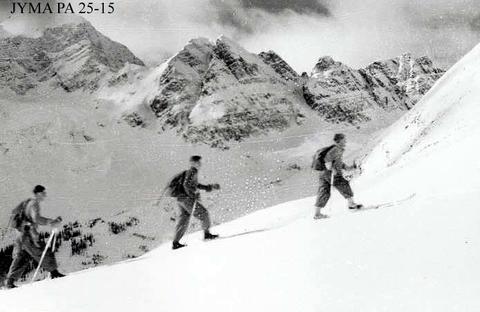
On the evening of January 9, 1944, 500 soldiers arrived in the sleepy mountain town of Jasper, Alberta. Disembarking from the train, they marched through town accompanied by the skirl of their bagpipes and disappeared into the winter’s night. They were the Lovat Scouts, an elite British regimental unit sent to Canada to train for an Allied-led invasion of Nazi-occupied Norway. Far removed from the conflict in Europe, the mountains of Jasper National Park had been chosen as the location for this impressive undertaking.
Originally organized by the 16th Lord Lovat, the Lovat Scouts were a unique fighting force composed of Scottish Highlanders renowned for their excellent marksmanship and command of rugged terrain. The regiment served with great distinction in the South African Boer War and again in WWI where they won much acclaim at Gallipoli. In WWII, the Scouts were selected to be a key part of the Allied-led invasion of Norway. Recognized as having specialized skills adept to a mountain campaign, they were the only British unit to undergo formal training in high altitude warfare. Their training, which commenced in the mountains of Scotland and Wales, was completed under winter conditions in Jasper National Park.
Lovat Scouts skiing in the Tonquin Valley, Jasper National Park, Alberta, ca.1943. Image Courtesy of Jasper Yellowhead Museum and Archives (PA 25-15).
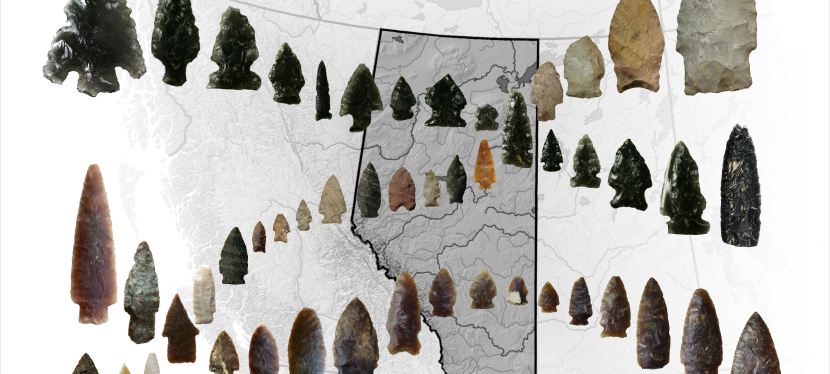
After a few thousand years, most of the archaeological record in Alberta has been winnowed down to pieces of rock used to make tools. Organic artifacts, structures, and other less durable things generally don’t survive thanks to erosion and decomposition. To maximize the information we can pull from those pieces of stone, the Alberta Lithic Reference Project (ALRP) was formed by a consortium of archaeological consultants, heritage managers, geologists, students, and university researchers. The goals are to accurately and consistently identify the types of raw materials that pre-contact people used to make stone tools. Why is this important? Specific types of rock were traded and moved widely across the continent and serve as valuable indicators of cultural relationships and/or human mobility patterns. Read more →
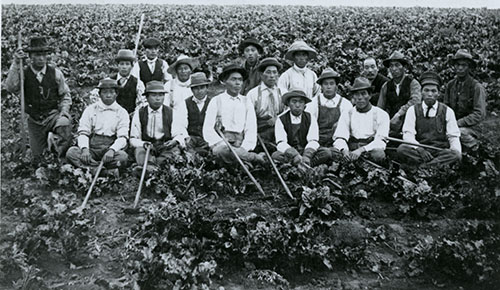
Asian Pacific American Heritage Month has been celebrated since 1978 in the United States, coinciding with the first arrival of Japanese immigrants in 1843 and the completion of the transcontinental railroad in 1869, in part through the contribution of Chinese labourers. In Canada, Asian Heritage Month has been celebrated since the 1990s and in 2002 the Government of Canada signed an official declaration designating May as Asian Heritage Month, a time to reflect on the legacy of Canadians of Asian heritage and to celebrate their contributions to the fabric of Canadian society.
In keeping with the spirit of Asian Heritage Month, RETROactive would like to share with its readers, the history of the Raymond Buddhist Church, designated a Provincial Historic Resource by the Province of Alberta in 1984. The information is taken from the Alberta Register of Historic Places and can be accessed in its entirety at:
Even before Alberta became a province, communities were in need of a local police force. The Crowsnest Pass in particular saw an increase in crime as the area began to develop as a coal mining community in the early 1900s. With the introduction of new settlers to the area, it wasn’t long before Coleman requested a police presence from the Canadian Government. A North West Mounted Police office building was constructed in 1904 and shortly after, an officer arrived to the area to establish law and order. This blog post will look at the introduction of a formal police presence into the Coleman area and highlight the importance of the still existing Alberta Provincial Police Building that was built for their use. Read more →


 RETROactive