Andrew

Apparently we can use some kind of built in WordPress web analytics tool to find out which search terms people enter into their web browsers to arrive at RETROactive. Curiously, over the past few days, there have been a number of searches for the origin of the name Andrew, which is a village in east-central Alberta. There is nothing on RETROactive that will provide that information, so I figured I would make the origin of the name of the Village of Andrew the subject of this post. So, anonymous searching person, I don’t know if you are still out there, but This One’s For You!!!

Andrew is a village located in east-central Alberta, approximately 70 km northeast of Edmonton and 45 km NNW of Vegreville. The community is named for prominent, early resident Andrew Whitford, who was a member of the large Métis, Whitford family that resided in the vicinity of Victoria Settlement. The nearby Whitford Lake, Whitford Creek and the hamlet of Whitford are all named for the family.
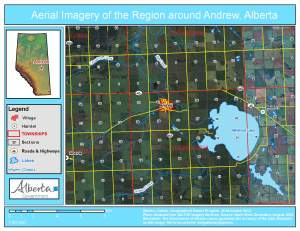
Andrew MapAndrew Whitford was born about 1830. It appears that he worked as a freighter and travelled extensively throughout the North West Territories. In 1885, he served as a scout during the North-West Rebellion, for which he, along with other scouts and militia members, received two adjacent quarter sections of land. Whitford selected the SE and SW quarters of Section 32, Township 56, Range 16, West of the 4th Meridian. He was widely acknowledged as a leader in the community; issues of the Edmonton Bulletin note many instances of his support for local charitable causes and his frequent support for orphaned children and destitute families in the Star/Whitford/Andrew region through the late 1890s. He also served as a founding trustee and later treasurer of the local school district, which was established in 1895 and called, fittingly enough, the Whitford School District No. 393. In the spring of 1901, a small pox epidemic broke out in east-central Alberta. Andrew Whitford contracted the disease and passed away on April 26. A short obituary appeared in the May 3, 1901 issue of the Edmonton Bulletin:

Died, at Whitford on April 26th, 1901, Andrew Whitford, aged about 70 years of small pox and complications. The demise of Mr. Whitford removes from our midst a man of universal respect and an old land mark of the west who could tell many reminiscences of early life between old Fort Gary and Vancouver. He was a trusted and worthy scout of ’85, and saw much of the stirring rebellion. At his death he was treasurer of Whitford P.S.D., April 26, 1901.
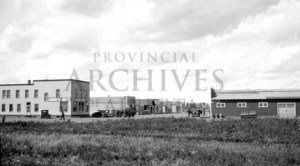
Main Street of Andrew, Alberta, ca. 1930. Photograph by Nicholas W. Gavinshuk, Provincial Archives of Alberta, G208.
Main Street of Andrew, Alberta, ca. 1930. Photograph by Nicholas W. Gavinchuk, Provincial Archives of Alberta, G208.

John Borwick, a long-time guide and early settler in the same region, operated a stopping house at NW28-56-16-W4, near the junction of the Winnipeg Trail and the Calgary-Pakan Trail. Following Whitford’s death, Borwick named the stopping house the Andrew Hotel, in honour of his friend and long-time compatriot. Alongside the Andrew Hotel was a store owned by Ed Carey. On March 1, 1902, a post office was established and given the name Andrew. Eliza Borwick, John’s wife, was the first postmaster. A small, but thriving rural community began developing around these three facilities.

In 1928, after much lobbying by area residents, the Canadian Pacific Railway built a line through the region and surveyed a town site at SE32-56-16-W4 on the north side of the tracks. The rural community of Andrew was located mostly on the neighbouring quarter section to the southeast. The Andrew Hotel, the post office, the store and most of the rest of the community moved to the new surveyed town site. Fittingly, the new town site of Andrew was located on one of Andrew Whitford’s original quarter sections. Two years later, on June 24, 1930, Andrew was erected as a village. According to 2011 Census of Canada, the Village of Andrew has a population of 379, down from 465 in 2006.

Written by: Ron Kelland, Historic Places Research Officer and Geographical Place Names Coordinator

Location

National Topographic System Map Sheet: 83 H/16 – Willingdon

Latitude/Longitude:

53° 52’ 42” N & 112° 20’ 07” W

Alberta Township System:

Sec 32 Twp 56 Rge 16 W4

Description:

Approximately 70 km northeast of Edmonton and 45 km NNW of Vegreville.

Additional Resources

More information about the Village of Andrew can be found in:

Andrew Historical Society, Dreams and Destinies: Andrew and District, (Andrew: Andrew Historical Society, 1980).

Cathy Chorniawy, Commerce in the Country: A Land Use and Structural History of the Luzan Grocery Store, (Edmonton: Alberta Culture, Government of Alberta, 1989).
What Municipalities Should Know About Aboriginal Heritage

Resources of significance to Aboriginal peoples are located throughout Alberta. Sometimes these will be places of important traditional use as well as places of great spiritual value. Municipal staff and officials, however, are often not highly aware of what they can do to better understand the many dimensions of Aboriginal heritage.

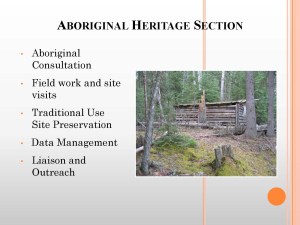
What Municipalities Should Know About Aboriginal HeritageAt this year’s Municipal Heritage Forum, Valerie K. Knaga, Acting Director of the Aboriginal Heritage Section, provided an informative introduction to this important work. Many connections were made as municipal stakeholders asked questions and networked with Valerie and Blair First Rider, another staff member of the Aboriginal Heritage Section.

The Aboriginal Heritage Section, which is part of Alberta Culture’s Historic Resources Management Branch, has knowledgeable staff – including Valerie and Blair – who are available to assist in building municipal capacity to respond to significant matters of Aboriginal heritage, by:

  • relationship building & facilitation;
  • educational site visits;
  • cultural training; and
  • informational presentations.

2012 marked the first time the Section has been represented at our annual Municipal Heritage Forum and we plan to sustain this important connection in years to come.

Written by: Matthew Francis, Manager of Municipal Heritage Services

Heritage along the Highway

Yellowhead County: Municipal Heritage Survey and Inventory

A municipal heritage survey of approximately 300 sites and a municipal heritage inventory project to evaluate 30 surveyed sites for eligibility, significance and integrity have been keeping the highways and byways of Yellowhead County busy. Throughout 2011 and 2012, heritage consultants and local heritage enthusiasts have been exploring, identifying and learning about the history and heritage of one of Alberta’s largest rural municipalities – Yellowhead County.

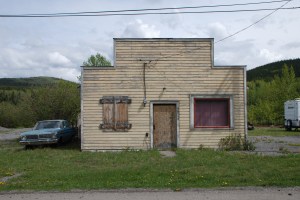
The Cadomin Photo Studio was documented in the Yellowhead County Municipal Heritage Survey and is currently be evaluated as part of the County's inventory project.
The Cadomin Photo Studio was documented in the Yellowhead County Municipal Heritage Survey and is currently being evaluated as part of the County’s inventory project.

West of Edmonton, Yellowhead County is located along Yellowhead Highway 16. It encompasses 7,012,000 acres stretching from the Pembina River in the east to the Jasper National Park gates in the west. Travellers that frequent this section of the Yellowhead Highway are likely familiar with the Towns of Edson and Hinton and, of course, the iconic Rocky Mountains. What might be less familiar is that alongside these Highway 16 destinations and nestled off into the north and south of this transportation corridor are reminders of a long and varied history. Trapping, logging, farming, coal mining and more recently oil, gas and tourism have all impacted the development of what is now Yellowhead County. Various structures, cultural landscapes and buildings located in the hamlets of Evansburg, Wildwood, Robb, Cadomin and Brule (amongst others) retain glimpses of this diverse history.

Miners cabins, ranches, hotels, industrial remains, barns, schools, churches, a pool hall and a water tower exemplify the range of potential historic places documented and evaluated in Yellowhead County’s heritage survey and inventory projects. Throughout 2011 and 2012 an extensive but not exhaustive survey was completed. Upwards of three hundred potential historic places located in all corners of the County were photographed and geographical, architectural and historical information was recorded for uploading to the Alberta Heritage Survey database.

Currently, thirty of the three hundred surveyed sites are being evaluated to determine if they possess significance – in other words – why are the sites important to area residents? Did they have a lasting impact on making the community what it is today? The sites will also be evaluated for integrity to ensure they still possess the ability to communicate their significance. The results of this analysis will be written up into Statements of Significance and Statements of Integrity. Yellowhead County staff, combined with the services of a heritage consultant and the County’s Heritage Advisory Board, will see this project through to completion.

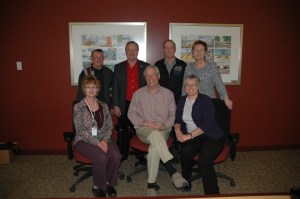
Yellowhead County Heritage Advisory Body Back L-R: Gary Conger, Shawn Berry, Brian Broughton, Pat DiMarcello. Front L-R: Cheryl May (Heritage Coordinator), Marshall Hoke (Chair), Debbie Charest (Director of Community and Protective Services).
Yellowhead County Heritage Advisory Body – Back L-R: Gary Conger, Shawn Berry, Brian Broughton, Pat DiMarcello. Front L-R: Cheryl May (Heritage Coordinator), Marshall Hoke (Chair), Debbie Charest (Director of Community and Protective Services).

The municipal heritage survey and the inventory project will allow applicable municipal staff, councillors and residents to better understand the older places that make their communities unique and vibrant. Essentially, these projects will serve as a foundation for establishing a local heritage conservation program and will contribute to sense of place and community identity.

Written by: Brenda Manweiler, Municipal Heritage Services Officer

How Cultural Landscapes Build Strong Communities

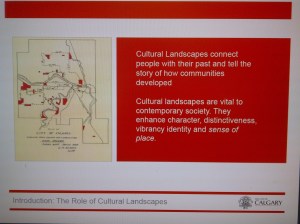
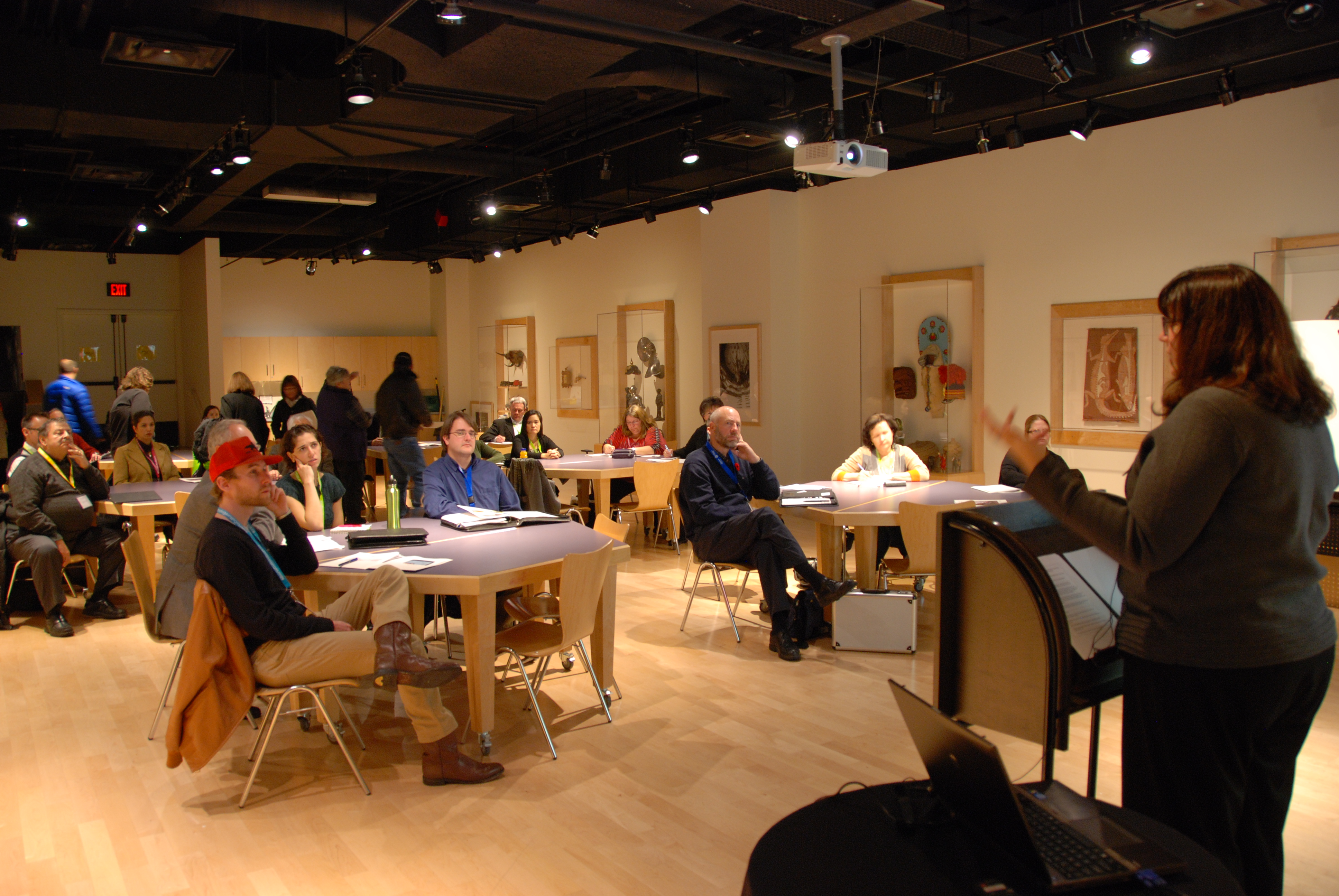
The Morris Schumiatcher room at the Glenbow Museum was standing-room only during Michelle Reid’s dynamic breakout session at the 2012 Place Matters Municipal Heritage Forum. Her topic: “How Cultural Landscapes Build Strong Communities.”

Cultural Landscapes ConnectMichelle is the Conservation Landscape Architect with Calgary Parks, and has provided leadership to award-winning projects such as the restoration of Central Memorial Park and the Reader Rock Garden.

We were honoured that Michelle was available to provide Forum attendees with an inside look at some of the stellar work that the City of Calgary is doing with its urban historic landscapes. Not only did we glean a deeper understanding of the historic legacy of William Roland Reader, Calgary’s first Superintendent of Parks, but we also saw how the cultivation and care of some of these landscapes have had a positive social impact in communities like Bridgeland, the Beltline, and Bowness.

Alberta’s largest city is making a difference when it comes to preserving and celebrating its dynamic public spaces, but Michelle made it clear that this is not only a Calgary or a big city focus. Many attendees from rural municipalities and smaller towns and villages also connected with these places, and saw ways to strengthen their own communities by nurturing their historic landscapes.

Written by: Matthew Francis, Manager of Municipal Heritage Services

Long live heritage!

Presentation of the Alberta Historical Resources Foundation Heritage Awards (November 30, 2012)

“It’s very important to remember that heritage preservation is much more than paying tribute to our past, it is about building strong communities for our future …”  This was one of the key messages of Honourable Heather Klimchuk, Minister of Culture, as she paid tribute to the accomplishments of eight recipients of the 2012 Alberta Historical Resources Foundation (AHRF) Heritage Awards.

On the evening of November 30th, the historic McKay Avenue School in Edmonton was bustling with excitement, pride and nostalgia as Minister Klimchuk joined AHRF board, staff and guests in celebrating the achievements of heritage community members.

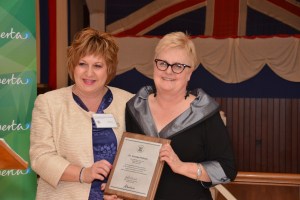
Honourable Heather Klimchuk presenting Dr. Carolee Pollock with plaque at the 2012 AHRF Heritage Awards.
Honourable Heather Klimchuk presenting Dr. Carolee Pollock with a plaque at the 2012 AHRF Heritage Awards.

In keeping with the theme of honouring excellence, the Minister first presented a plaque to Dr. Carolee Pollock in recognition of her nine years of service with AHRF as board member (since 2004) and Chair (since 2009).  As the night unfolded, Dr. Pollock then proceeded with the presentations of the AHRF heritage awards. Board member Joe Friedel graciously handed out the plaques.

Delegates from the communities of High River and St. Albert gathered to celebrate their successful conservation efforts, which earned them Heritage Conservation awards. These were presented to the Town of High River for excellence in the conservation of the Canadian Pacific Railway Station and the Arts and Heritage Foundation of St. Albert for outstanding achievement in the conservation of their two grain elevators (the Alberta Grain Company Grain Elevator and the Alberta Wheat Pool Grain Elevator).

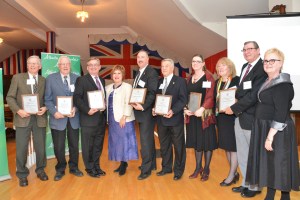
From L to R: Kermith Anderson; Lawrence Henderson, President, Lacombe & District Historical Society; Jamie Kinghorn, Councillor, Town of High River; Honourable Heather Klimchuk, Minister of Culture; Steve Christie, Mayor, City of Lacombe; Jack Manson; Trisha Carleton (receiving award for her mom, Judy Ann Carleton); Ann Ramsden, Arts & Heritage Foundation of St. Albert; Dr. Alan Murdock, Chair, Arts & Heritage Foundation of St. Albert; Dr. Carolee Pollock, AHRF Chair. Missing: Cathering C. Cole.
From L to R: Kermith Anderson; Lawrence Henderson, President, Lacombe & District Historical Society; Jamie Kinghorn, Councillor, Town of High River; Honourable Heather Klimchuk, Minister of Culture; Steve Christie, Mayor, City of Lacombe; Jack Manson; Trisha Carleton (receiving award for her mother, Judy Ann Carleton); Ann Ramsden, Arts & Heritage Foundation of St. Albert; Dr. Alan Murdock, Chair, Arts & Heritage Foundation of St. Albert; Dr. Carolee Pollock, AHRF Chair. Missing: Catherine Cole.

The community of Lacombe was beaming with pride as they took home two plaques this year:  a Heritage Conservation award went to the Lacombe and District Historical Society for their commitment to the conservation of the Lacombe Blacksmith Shop and the Municipal Heritage Preservation award went to the City of Lacombe for their successful multi-phased Heritage Management Program.

AHRF was also honored to recognize Catherine Cole with a Heritage Awareness award for her excellent work on Piece by Piece: the GWG Story.

Last but not the least, the stories of Outstanding Achievement award recipients filled the evening with fond memories of family life and dedication to conserving their community’s heritage.  The Outstanding Achievement awards were presented to Kermith Anderson of Scandia, Judith Ann Carleton of Blackfalds and Jack Manson of the Mulhurst area.

It is through the tireless efforts of these heritage community members that we and others continue to enjoy Alberta’s rich heritage.

On behalf of the AHRF board and staff of Alberta Culture, congratulations to all award recipients!

Additional information on award recipients as well as photographs, audio clips and videos of the awards ceremony are available at Alberta Culture’s newsroom.

Written by: Carina Naranjilla, Grant Program Coordinator

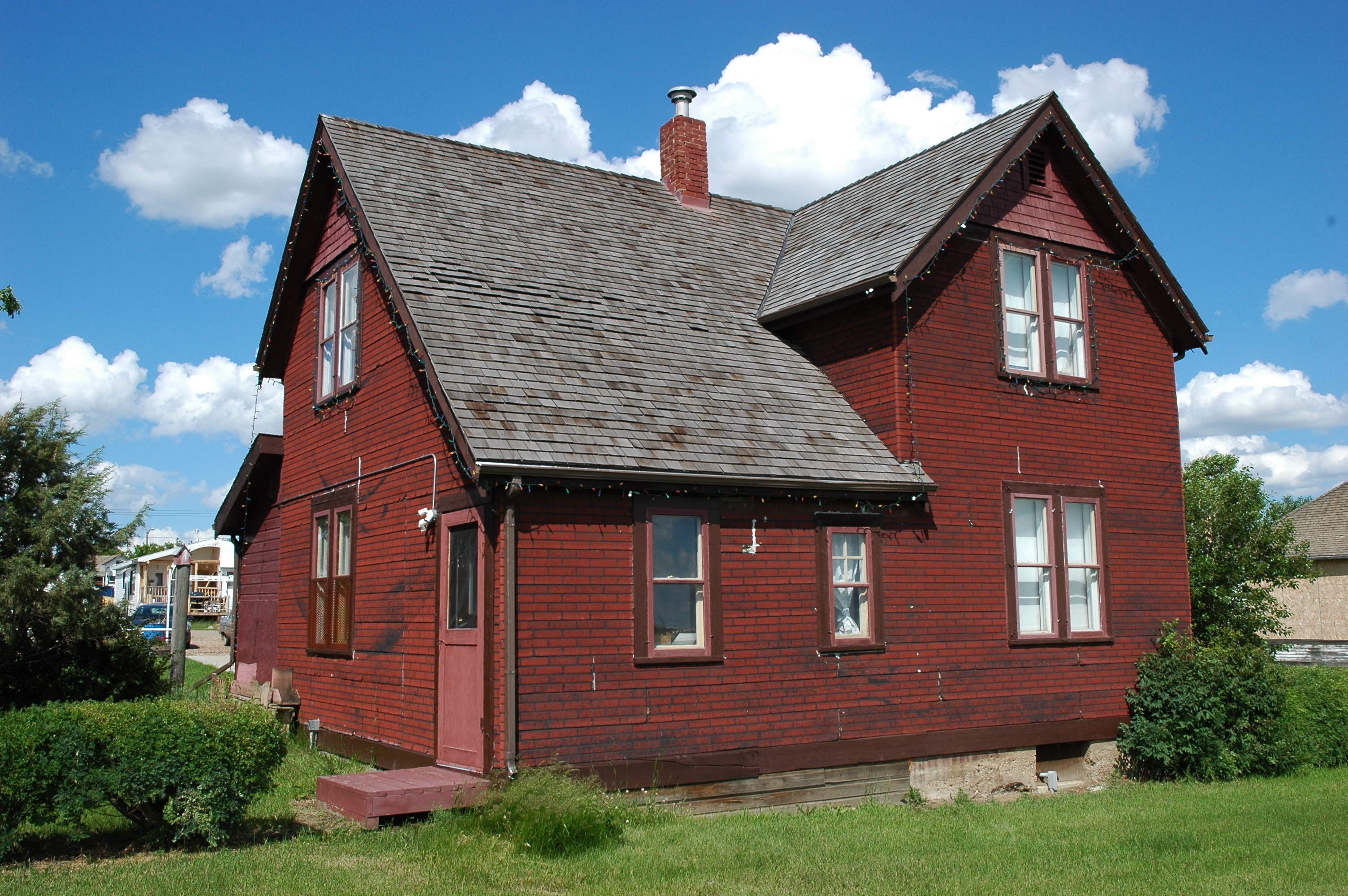
Canadian Pacific Railway Section House, Coronation

(Photo 20060621_8707.JPG)
View from the southeast, showing the Section House and the former rail yard.
Historic Resources Management Branch, 2006

The Canadian Pacific Railway Section House in Coronation is the latest addition to the Alberta Register of Historic Places. The building was previously designated as a Registered Historic Resource in 2002. The resource was  revaluated and its designation was upgraded to Provincial Historic Resource on August 27, 2012. The building, also known as the Section Foreman’s or Roadmaster’s House is significant as it is representational of CPR divisional point architecture and demonstrates the type of housing provided by the railway to essential railway employees.

(Photo 20060621_8714.JPG)
View from the southwest (trackside).
Historic Resources Management Branch, 2006

Coronation, which is located about 120 km east of Stettler, became the divisional point for the CPR’s Lorraine subdivision, which eventually connected Youngstown in the south and the coal mines at Halkirk in the north to the main line. The Section Foreman was responsible for track maintenance on the subdivision. The CPR believed that men with established families were better qualified for positions of responsibility and housing was often provided for them as a way of attracting and retaining such people. At one point Coronation had three section houses in a line adjacent to the town’s rail yard. These houses were built according to a CPR standard plan, and were utilitarian in nature and featured simple ornamentation and were constructed of low-maintenance materials.

(Photo 20060621_8646.JPG)
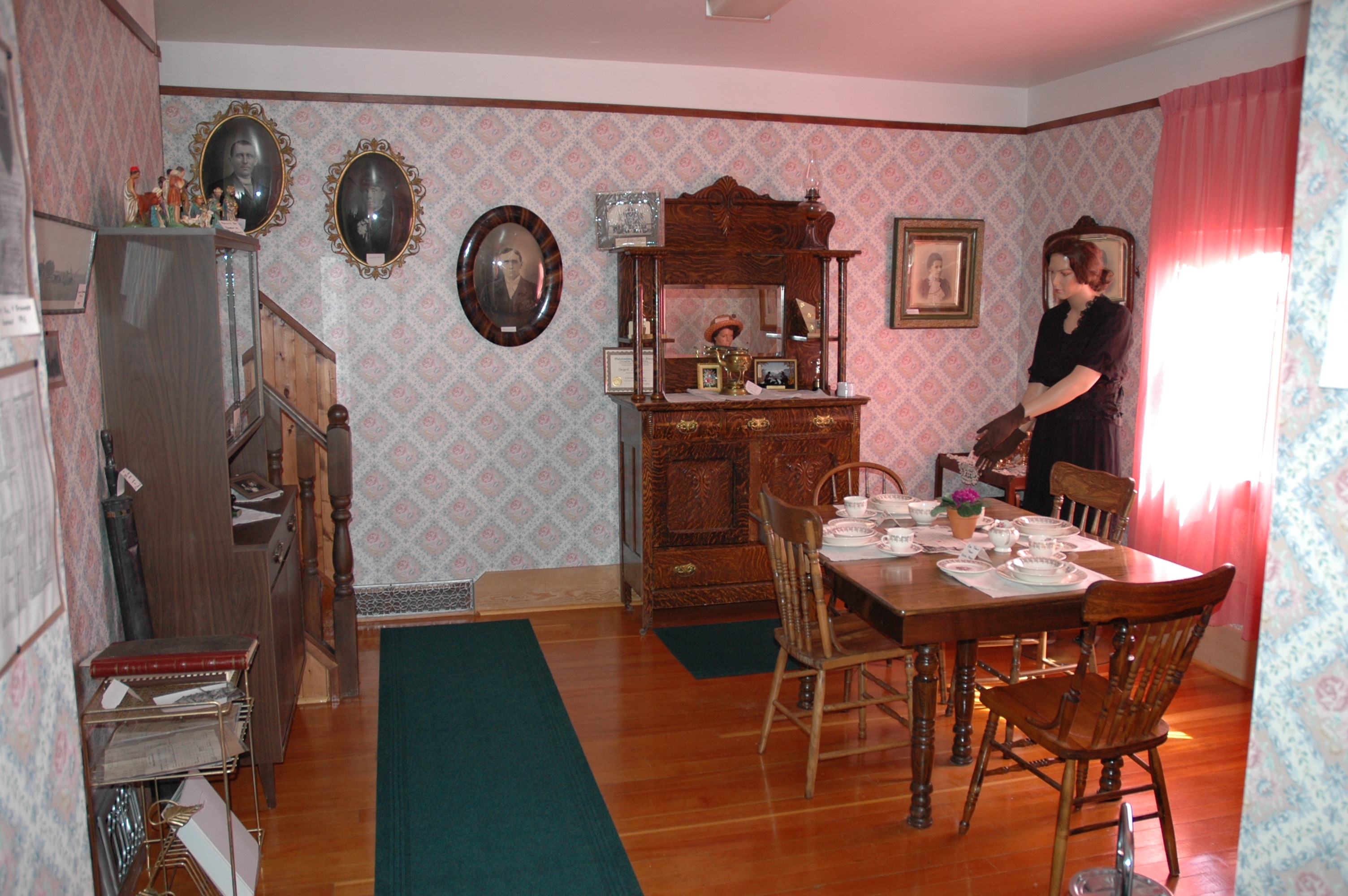
Section House Interior, Dining Room.
Historic Resources Management Branch, 2006

With changing technology, the use of divisional points evolved and many section houses were either abandoned, lifted and moved or simply torn down. The Coronation section house, which is now used as a local museum, remains on its original site and effectively communicates its provenance as an essential, and often over-looked, element of railway infrastructure.

More information on the Canadian Pacific Railway Section House in Coronation can be found on the Alberta Register of Historic Places.

Written by: Ron Kelland, Historic Places Research Officer and Geographical Names Program Coordinator

Municipalities Show and Tell at the Place Matters Forum

At the 2011 Municipal Heritage Forum we invited a broad range of communities to show and tell about their heritage planning projects. Back by popular demand, this year’s Place Matters Forum, saw three communities showcase their recent projects and achievements.

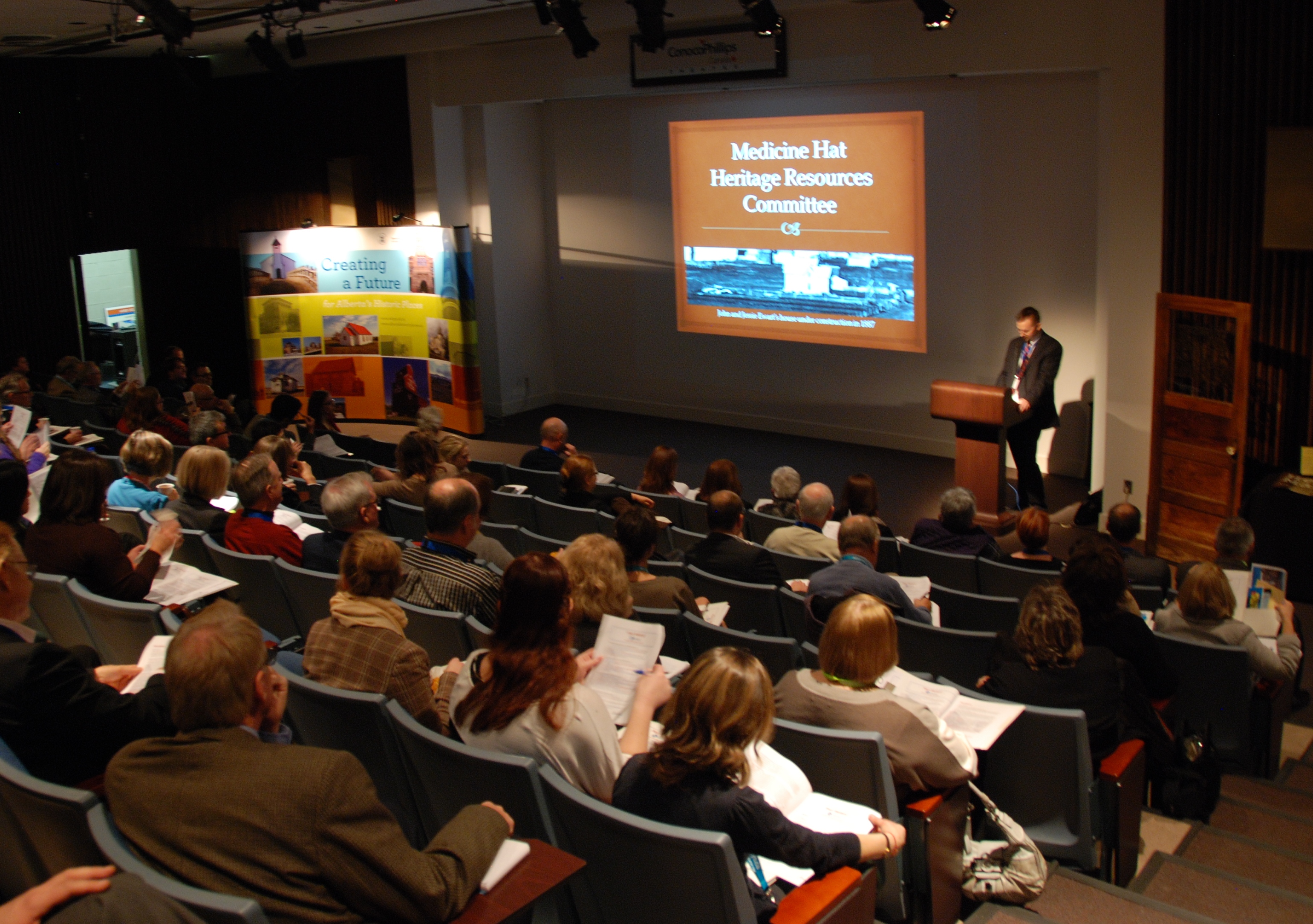
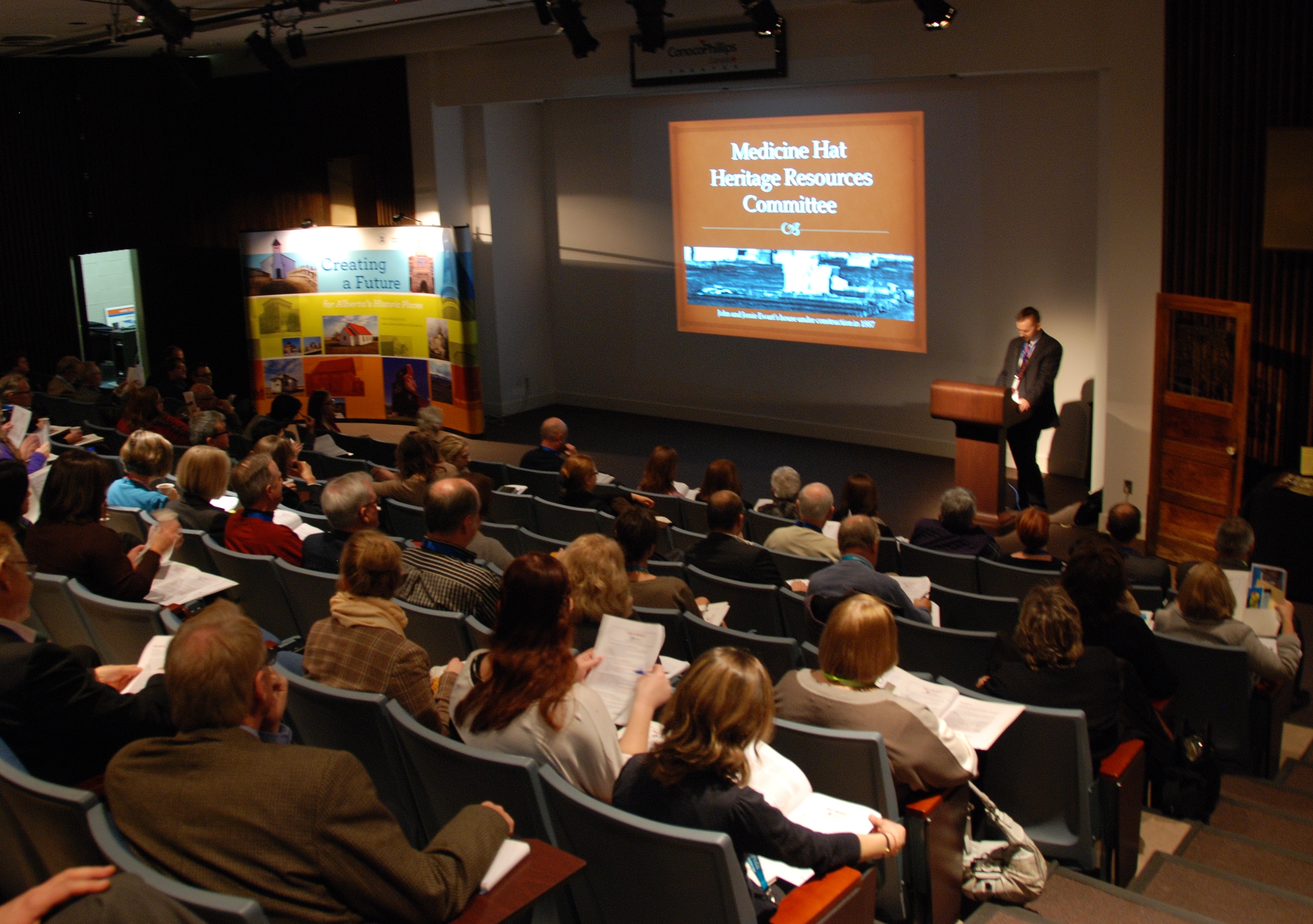
Malcolm Sissons presenting on the recent activities of the City of Medicine Hat Heritage Resources Committee.

Malcolm Sissons, Chair of the City of Medicine Hat’s Heritage Resources Committee, informed Forum attendees about some of the progress made in Medicine Hat since the establishment of the Committee. This has included the designation of new Municipal Historic Resources, heritage awareness activities, and also the possibility of creating a Municipal Historic Area.

Ann Ramsden, Director of the Musée Héritage Museum in St. Albert, described the sensitive rehabilitation of the Little White School, particularly describing how this historic place was adapted for barrier-free access.

Stepping into action on behalf of the CAO of the Village of Holden, Dave Maruszeczka, from the Village of Holden Heritage Resources Committee, spoke eloquently – totally off the cuff – about the diligent heritage planning efforts of the Village, which have now resulted in a complete Municipal Heritage Survey, Inventory, and a nearly complete Heritage Management Plan.

We would like to thank all the community presenters who took the time to “show and tell” at this years Forum – as well as those who were unable to attend. We look forward to even more great community heritage stories from across Alberta at Forum 2013!

Written by: Matthew Francis, Manager of Municipal Heritage Services

Why can’t I list that on the Alberta Register of Historic Places?

A bit about exemptions.

Listing a Municipal Historic Resource on the Alberta Register of Historic Places is normally the last step in protecting a locally significant historic place. There are several types of historic places that cannot be listed on the register. Understanding which ones are ineligible will help you understand what a historic place is and understand the purpose of  designation under the Historical Resources Act.

Only sites that are protected because of the heritage value they possess are eligible for listing on the Alberta Register of Historic Places. The register is a database containing information on places that have been protected because of their historical or archaeological significance. The register is not a list of sites that are of historical interest – that would be the Alberta Heritage Survey Program database.

Some types of resources cannot be listed on the Alberta Register of Historic Places. Properties that cannot be listed include:

  • a property outside municipal jurisdiction;
  • a property that cannot be designated as a historic resource pursuant to the Historical Resources Act;
  • small movable objects;
  • human remains;
  • modern reconstructions, no matter how accurate, of a historic place; or
  • a building, structure or object situated in a historic park or village (like Heritage Park in Calgary).
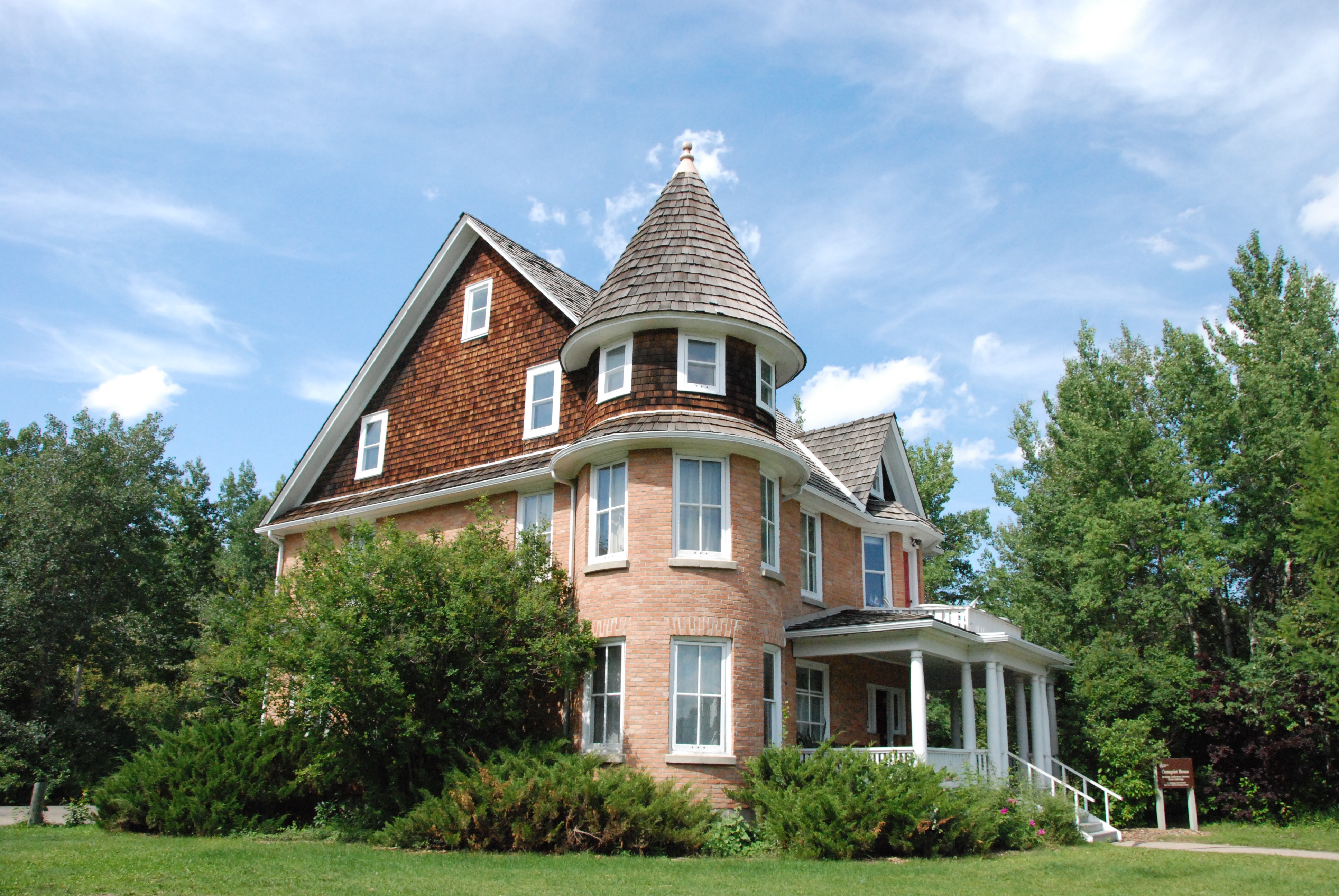
Cronquist House, protected by the City of Red Deer, is a Municipal Historic Resource.

What are some examples of these types of property? Sites owned by the Crown cannot be designated as municipal historic resources. So, post offices owned by Canada Post or a provincial court house cannot be listed. Certain types of property (such as cemeteries) are regulated under other provincial laws (such as the Cemeteries Act). Conflicts between the Historical Resources Act and other provincial statutes can occasionally annul the protective nature of designation. When this is the case, those sites cannot be listed because they are not, in practice, protected.

A historic place that clearly does not have heritage value cannot be listed on the Alberta Register of Historic Places. A contemporary reconstruction of a historic place, no matter how well executed, is by nature not a historic place. Reconstructions are built from the perspective of the present and use modern tools and materials. It’s unlikely that a reproduction will accurately reproduce a historic place in minute detail. Historic parks or villages are even worse in this respect. A historic park does not reproduce a historic streetscape in its original location. They are artificial groupings of buildings that have been created for purposes of interpretation.

These are only the most obvious exemptions. There are other more subjective exemptions, like birthplaces, moved resources and things less than 50 years old. I will discuss those exemptions in an upcoming blog post. If you’d like to know more about exceptions to listing on the Alberta Register of Historic Places, you can download the Evaluating Historic Places manual from the Municipal Heritage Partnership Program website.

Written by: Michael Thome, Municipal Heritage Services Officer

Re-Imagining the Urban Landscape & Motivations for Conservation

Forum 2012 Keynote Address

While the weather outside was frightful, the keynote address by Julian Smith at this year’s Municipal Heritage Forum intrigued and delighted a rapt audience of heritage stakeholders from across Alberta.

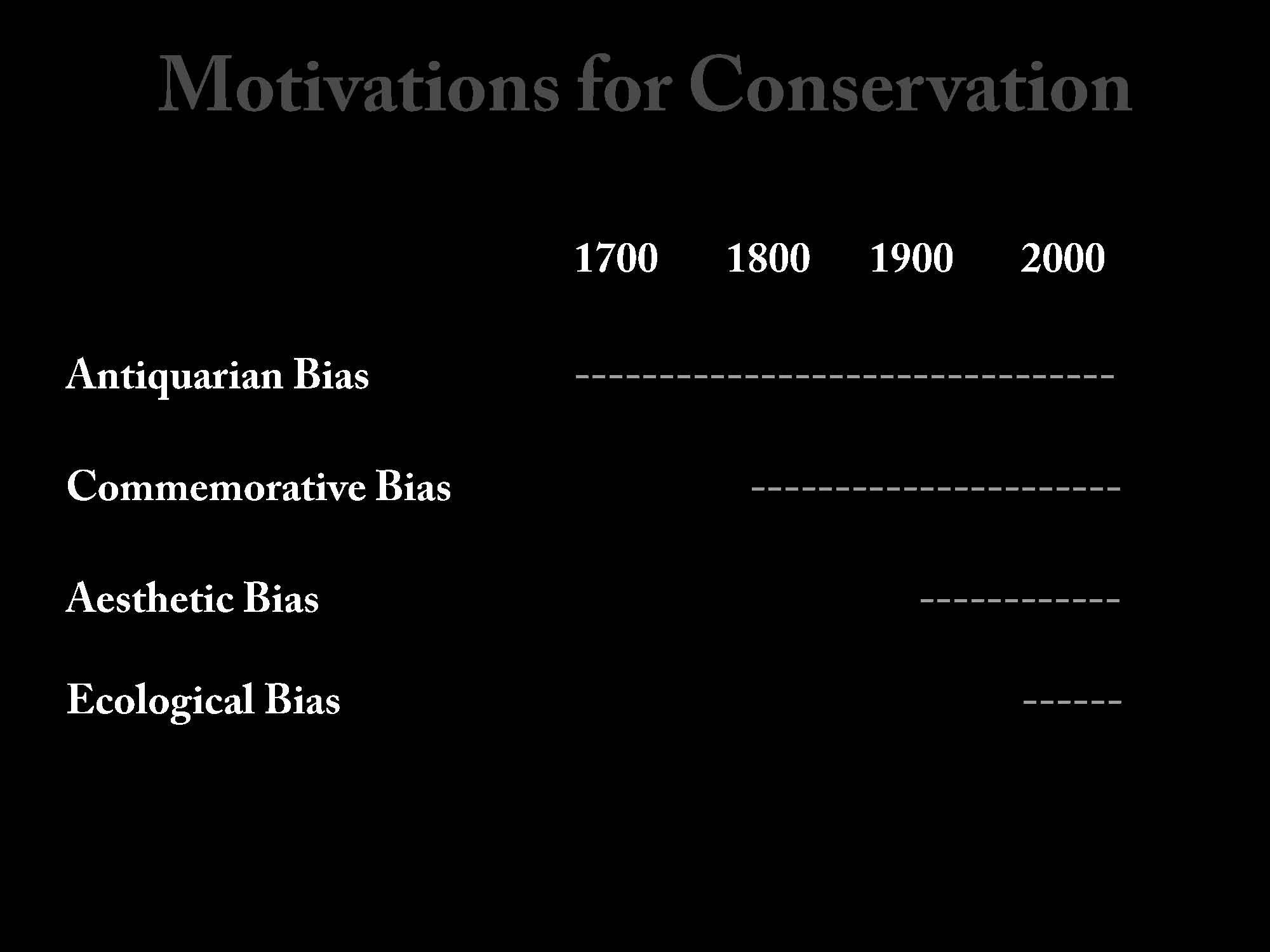
Entitled “Re-Imagining the Historic Urban Landscape,” the presentation examined some of the historical underpinnings (‘biases’)  that have guided heritage conservation, and charted a new trajectory broad enough to include landscapes and the ‘rituals’ by which people live in today’s globalized world. In his opening remarks, Julian described how international eyes are on Canada, and indeed on Alberta, as we launch into new conservation perspectives.

A Diagram composed by Julian Smith describing the historical “biases” that have characterized heritage conservation activities.

This wide-ranging re-imagination spanned the globe as Julian showcased examples and issues from Canada, the United States, Japan, India, and Europe. The newly emerging “ecological” focus not only embraces broader environmental concerns, but also takes into account the relationships between built heritage and its surroundings in a deeper way.

Many Forum participants commented on how Julian’s presentation expanded their horizons, opening up new avenues for consideration and ideas they hadn’t thought of before.

Stay tuned! A copy of Julian’s presentation will soon follow.

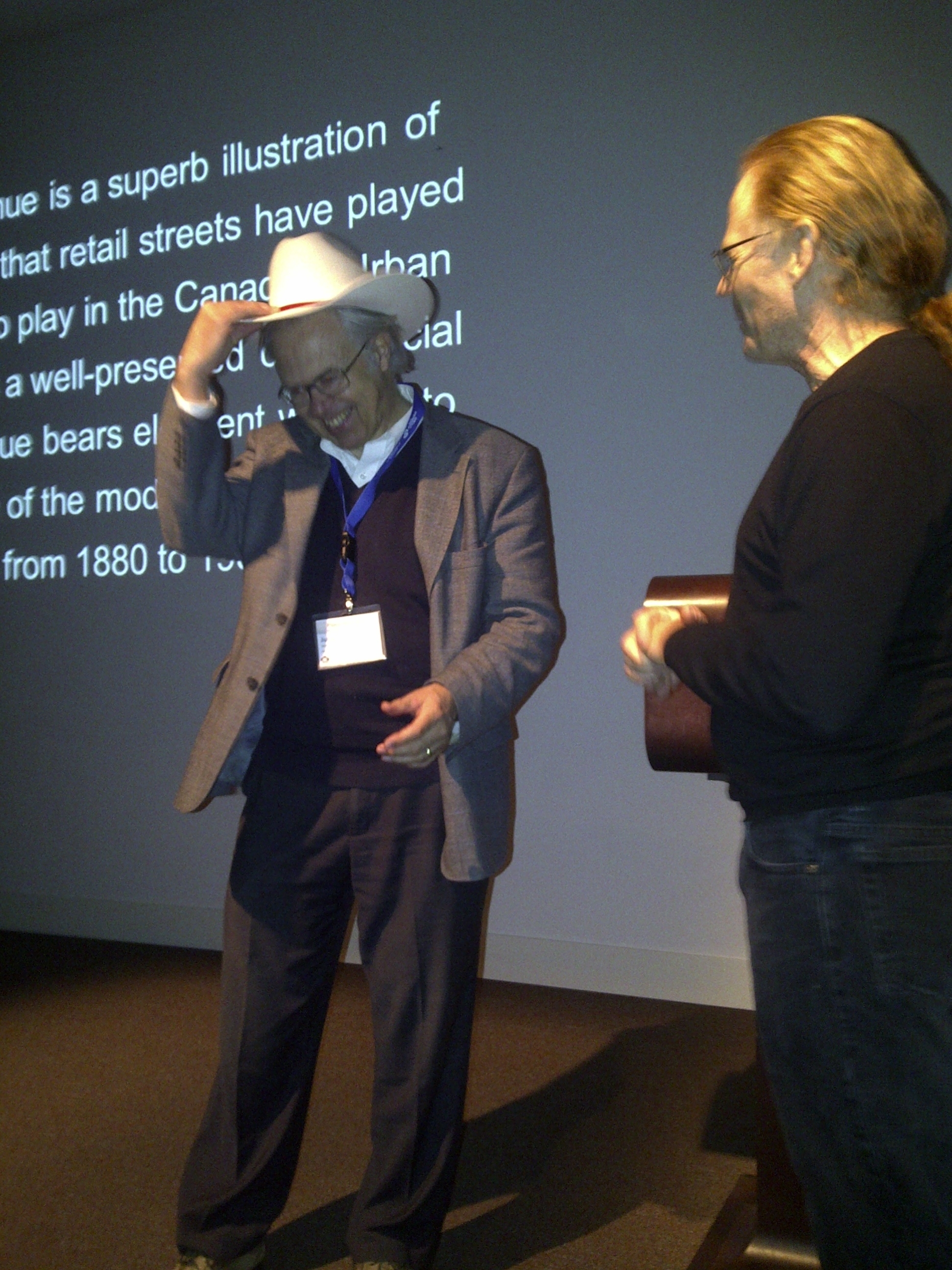
City of Calgary Senior Heritage Planner Darryl Cariou presents Julian Smith with the City’s traditional “White Hat” honour.

Written by: Matthew Francis, Manager of Municipal Heritage Services

Thank you! Success despite Snow!

Municipal Heritage Forum 2012

Last week, on November 8th and 9th, the sixth annual municipal heritage forum was held at the Glenbow Museum’s Conoco-Phillips Theatre. Nearly 85 attendees from rural and urban municipalities gathered to discuss issues and opportunities associated with the local conservation of historic urban landscapes.

We thank all those that made the trek to Calgary through adverse winter driving conditions. Your enthusiasm and participation was inspiring.

Stay tuned for detailed Forum updates!

Future blog posts will feature Julian Smith’s keynote address, the municipal show and tell presentations and the full range of presentations provided during the concurrent breakout sessions. In the meantime, please enjoy some photographs from the various sessions:

Matthew Francis, Manager of Municipal Heritage Services, welcoming attendees.
Concurrent Breakout Session: How Cultural Landscapes Build Strong Communities
Municipality Show & Tell: Medicine Hat Heritage Resources Committee
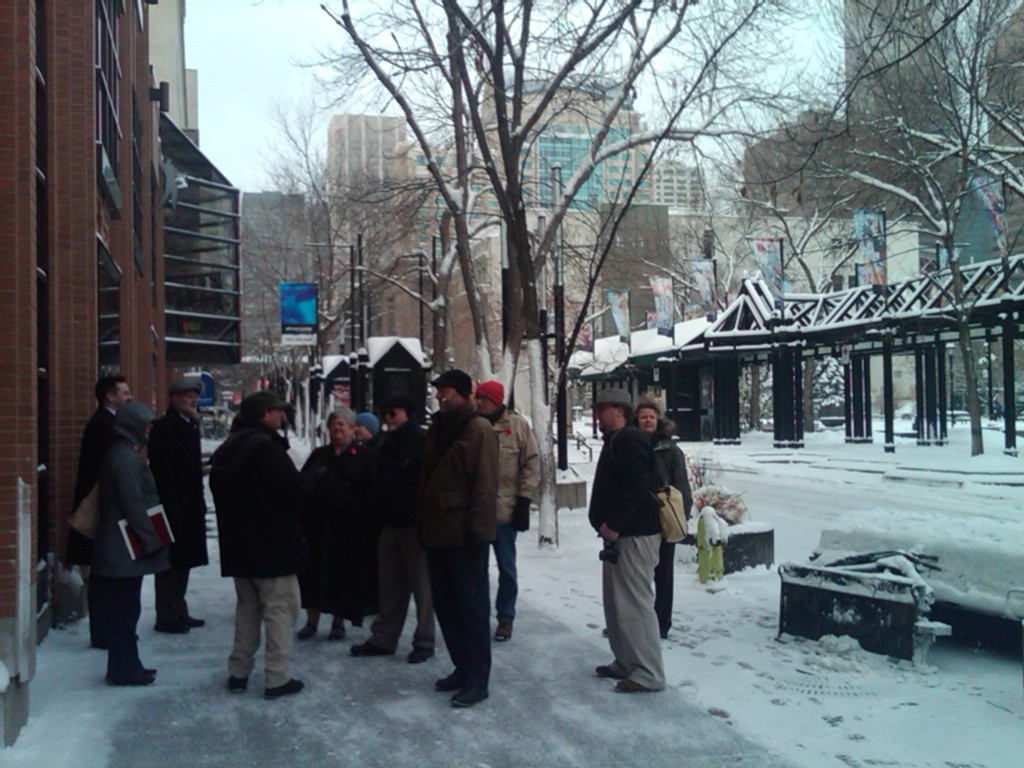
Stephen Avenue Walking Tour
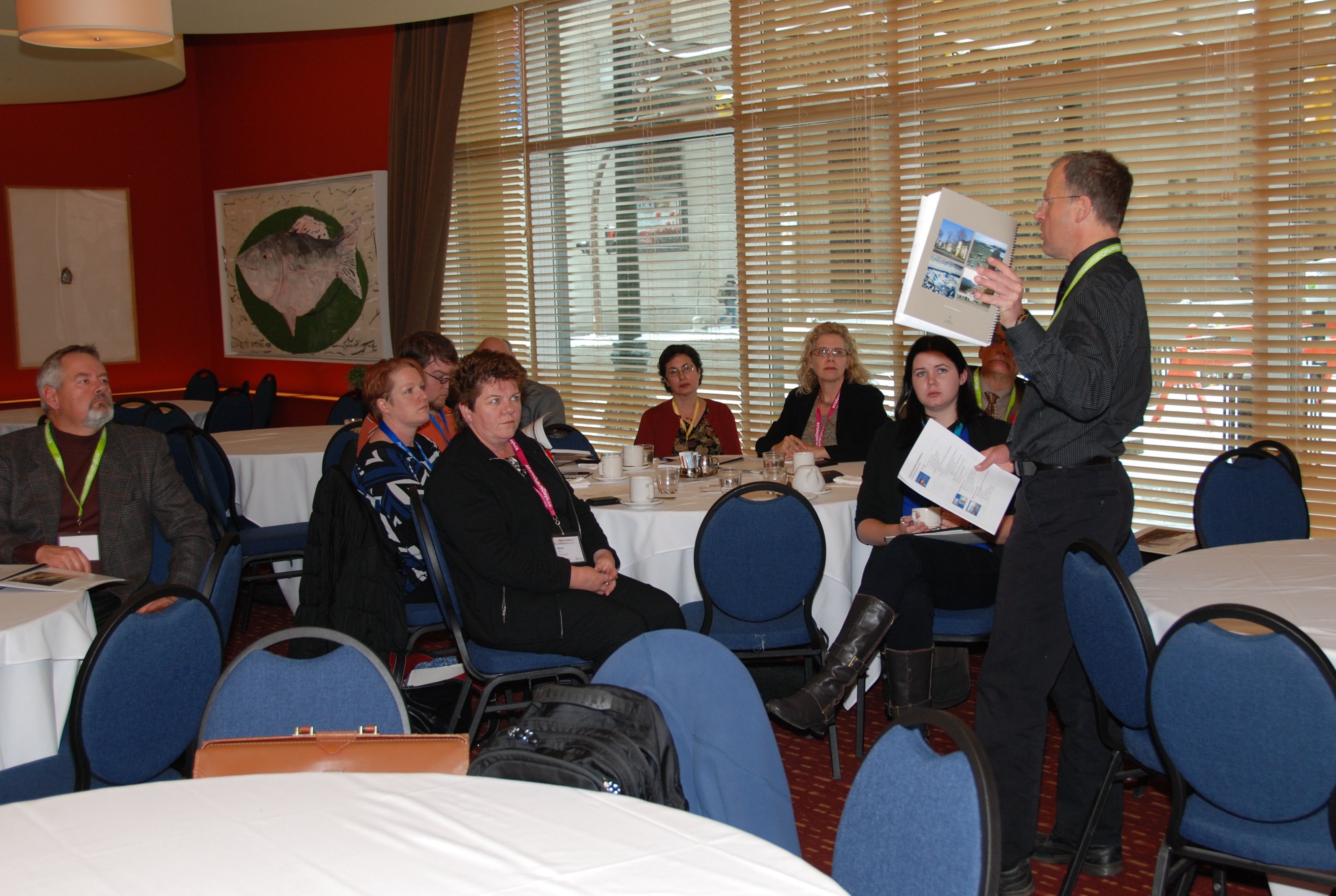
Concurrent Breakout Session: Using the Standards and Guidelines
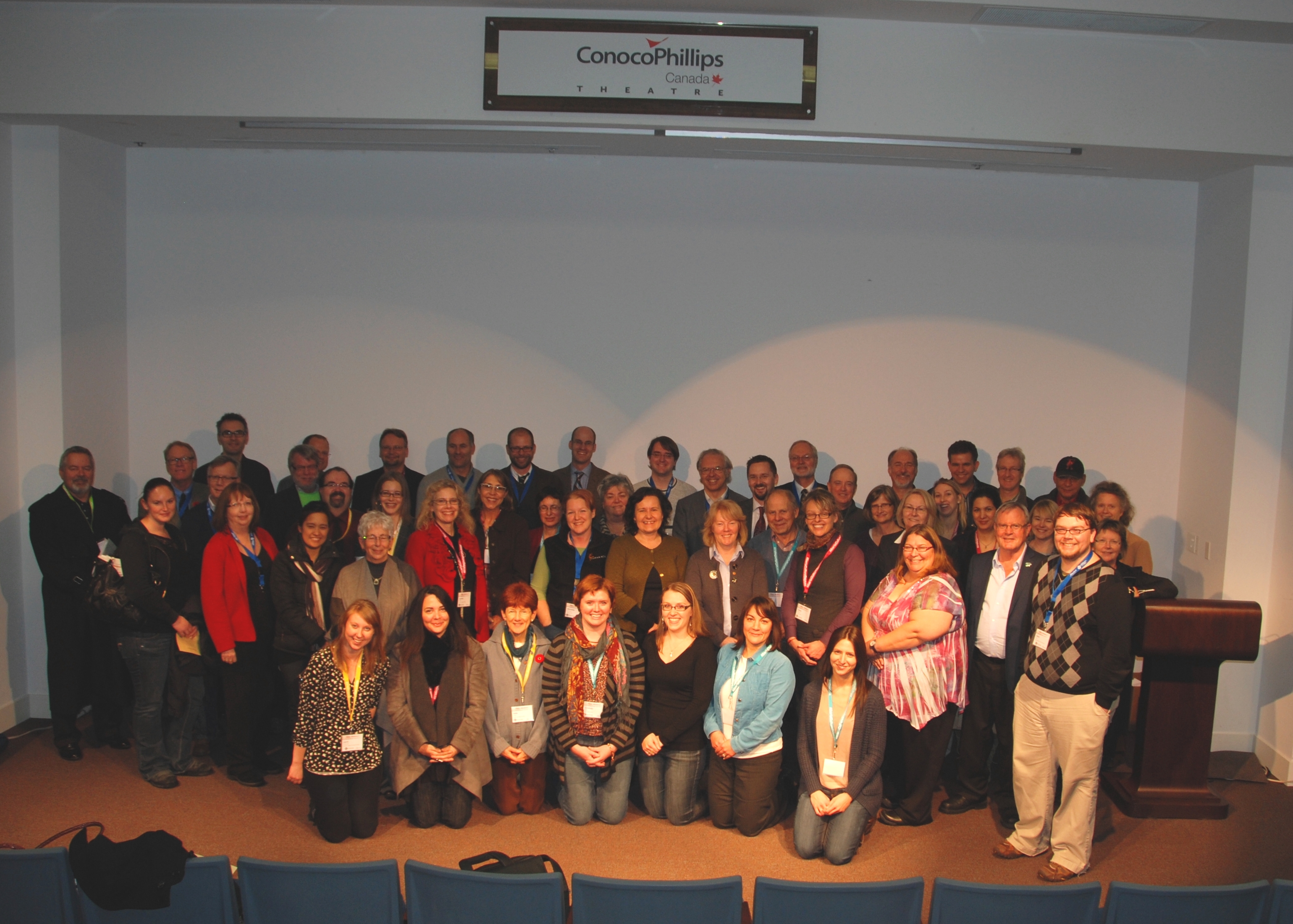
Group Photo (Friday, November 9, 2012)

Written by: Brenda Manweiler, Municipal Heritage Services Officer