

Earlier this week we launched a Twitter feed for Alberta’s Historic Places. Check it out by clicking here.
Author: Alberta's Historic Places
Cypress Club, Medicine Hat
As the Canadian Pacific Railway was planning its route between Winnipeg and Fort Calgary, the decision was made to cross the South Saskatchewan River at a wide valley west of Fort Walsh lush with cypress trees. Here a station was erected and a townsite subdivided called Medicine Hat after a Cree medicine man. The surrounding district was soon the domain of numerous ranches, and, during the 1890’s, Medicine Hat emerged as the regional metropolis of a cattle domain. In 1898, it was incorporated as a town with over 500 people. By this time, gas reserves were discovered in the district and incentive was provided for industrial development, particularly in pottery. In the meantime, the city’s streets came to glow from gaslight. By 1906, Medicine Hat was large enough to be incorporated as a city. By 1911, its population stood at 5,600. Contributing to its growth was its comparative isolation, and the conversion of much of the surrounding ranching leases into farmland, which resulted in the emergence of a large farming population in the hinterland.
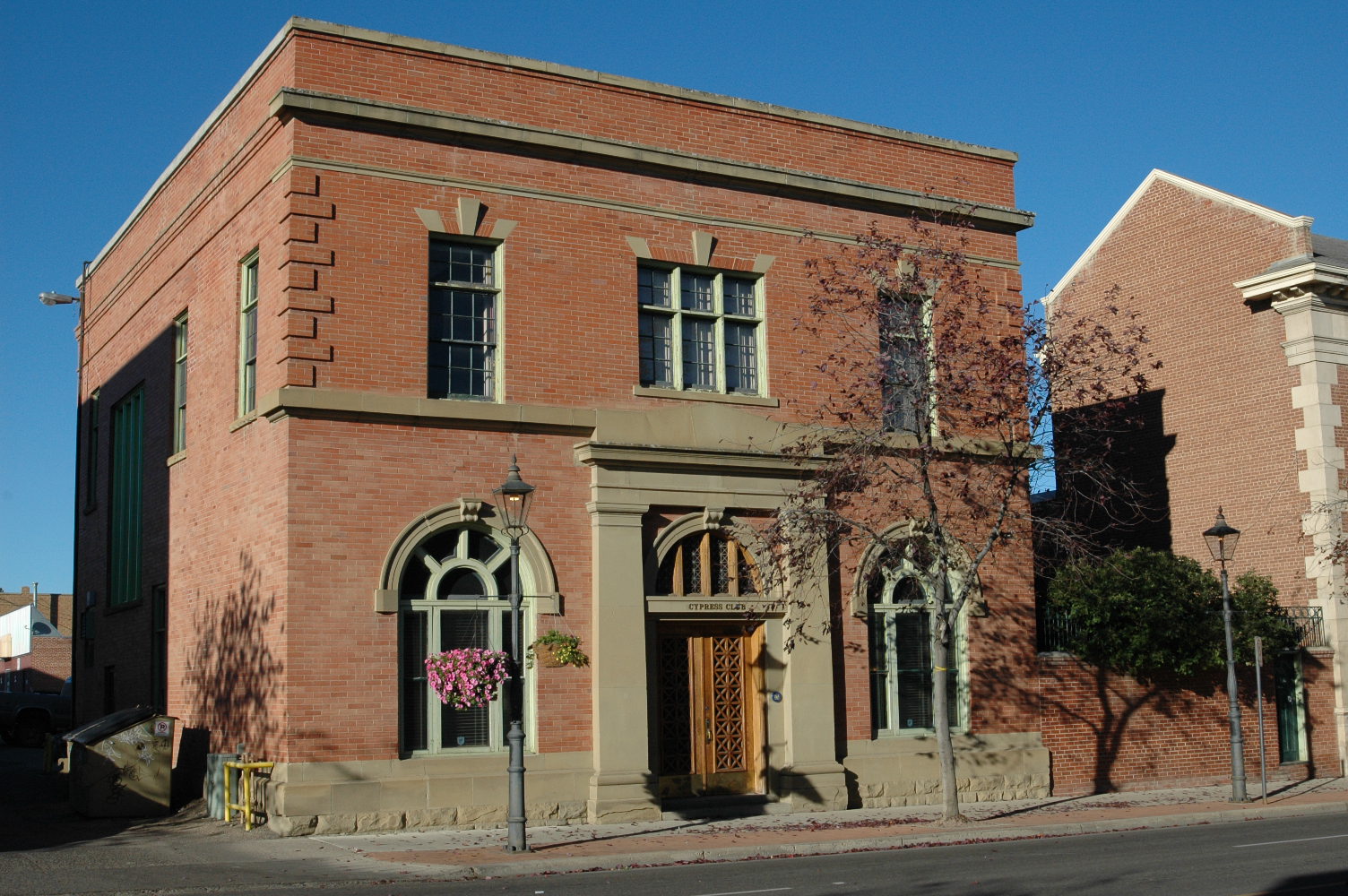 Though the surrounding countryside and growing urban population of Medicine Hat was ethnically mixed, the business elite of the community was primarily British. The first ranchers had been mainly British, and the new wave of industrialists and real estate developers were also of British origin, primarily immigrants from Ontario. It was natural therefore that the first City Councils would often contain the same people as the Chamber of Commerce, with names such as Fewings, Tweed, Cousins, Crawford, Milne, Pingle, Sissons, Kealy, Huckvale and Stewart predominating. It was probably also natural that such people would found a social club, where affairs of common interest could be discussed with less formality and out of the public eye. Thus, on 21 November 1903, the Cypress Club was incorporated by an act of the Legislative Assembly of the North-west Territories. Like the Edmonton Club and Ranchman’s Club (Calgary) before it, the Cypress Club was intended to provide a retreat for local business and community leaders to plot the development of the community in an atmosphere of brotherhood and congeniality. A great incentive was the authority such a private club would have to obtain a liquor license and so provide intoxicants to its members at any time it chose. As was typical, membership was confined to men.
Three of the first six presidents of the Cypress Club, F.L. Crawford, William Cousins and Charles Pingle, would also be presidents of the Medicine Hat Chamber of Commerce at roughly the same time, while numerous others would also be members of City Council. To expand its scope, the Club also encouraged membership among the more prominent of the local ranch owners, and also the professional classes, particularly lawyers. The first president was F. L. Crawford, the manager of the Bank of Commerce, but the tradition would soon be established that the presidency should alternate between City businessmen and district ranchers.
Members of the Cypress Club first met in the Cousins Block in downtown Medicine Hat. As membership soared, and the Club quickly evolved into the elite social club of the business community, there was incentive and resources to construct a self contained building. In 1907 therefore, the Club purchased the lot on 218 – 6th Avenue SE in the downtown core and contracted the prominent local architect, William T. Williams, to design a small, but elegant structure of red brick and sandstone to serve exclusively the functions of the Club, or whatever other purpose the Club would choose. A deal was struck with the Bank of Commerce which gave the Bank the front half of the property on Main Street, while the Club building itself was to be built on the back part, within easy walking distance for most of the local businessmen. When the design of the $15,000 building was complete, A.P. Burns was contracted to begin construction. This was done through a loan from Hop Yuill, who would be repaid over the years from membership dues and fundraising activities.
As time passed, the Cypress Club continued to serve the business and professional elite of Medicine Hat and its surrounding district as a men’s social club. During World War II, it was turned over to the Empire Club for use by armed service personnel stationed in the district. Occasional internal renovations would occur, and, at times, financing was precarious, but, invariably, members from the business community would come to the rescue with loans. Members over the years would include most of Medicine Hat’s mayors and members of City Council, several of the districts Members of the provincial Legislative Assembly, and Members of Parliament William Wylie, Bud Olson and Bert Hargrave. Other members to gain a strong reputation outside the district of Medicine Hat include Judge John Sissons and Edmonton Journal editor Andrew Snaddon.
In 2002, the Cypress Club was designated a Provincial Historic Resource. Its historical significance lies in its service as the main social club for men in the city and district of Medicine Hat since its inception in 1903.
Written by: David Leonard, Historian
Visit the Alberta Register of Historic Places to learn more about the heritage value of the Cypress Club. In order for a site to be designated a Provincial Historic Resource, it must possess province-wide significance. To properly assess the historic importance of a resource, a historian crafts a context document that situates a resource within its time and place and compares it to similar resources in other parts of the province. This allows staff to determine the importance of a resource to a particular theme, time, and place. Above, is some of the historical information used in the evaluation of the Cypress Club.
What’s New with the Alberta Heritage Survey? (11-02)
In 1989, a computer database was created to store the information collected since the early 1970s by the Heritage Survey Program. Data entry has been ongoing ever since. Over the years, technology has advanced, and the Heritage Survey database software has been updated a number of times. Among the most exciting developments is the ability to store and retrieve images. There are several hundred thousand photographs in the Heritage Survey collection waiting to be uploaded, so it will take a while to catch up! Watch this blog to learn about some of these images as they’re added.
Negative Roll 71-R0001
Scans from this 1971 roll were recently uploaded. Check out the photos of five important buildings on the University of Alberta campus in Edmonton: the Arts Building (HS 53226), Rutherford House, the South Laboratory (HS 9445), the Power Plant, and Old St. Stephen’s College.
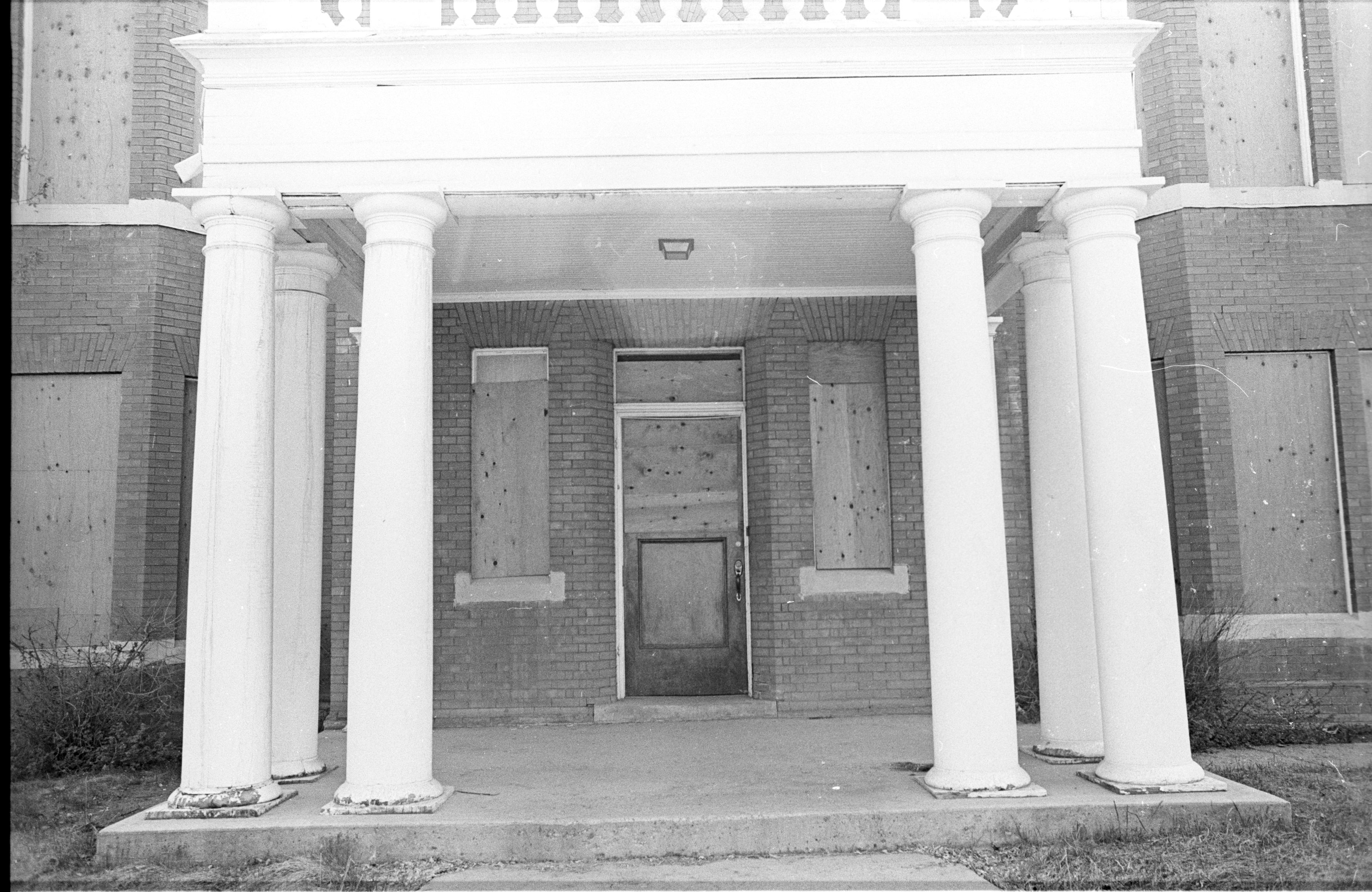
It is fascinating to see what has changed, forty years on! For instance, in 1971, Rutherford House (HS 22330) was empty and boarded up. Today, it is designated as a Provincial Historic Resource (PHR), has been restored and operates as a Provincial Historic Site. One image of the Power Plant (HS 9441) shows a clear view to Garneau, a residential neighbourhood, one block east. Now, that view is blocked by the five-storey Rutherford North Library, built in 1973, and the Hub Mall, built in 1972. In 1971, Old St. Stephen’s College (HS 29047) still had its cylindrical metal fire escape slides. Its role as the home of the Historic Resources Management Branch was yet in the future, as were the extensive renovations that transformed the building from a student residence into government offices. Today, Old St. Stephen’s
College is a Provincial Historic Resource, and the home of the Heritage Survey Program.
Click the above links to view images on the Heritage Resources Management Information System (HeRMIS) website.
Written by: Dorothy Field, Historic Survey Program Coordinator
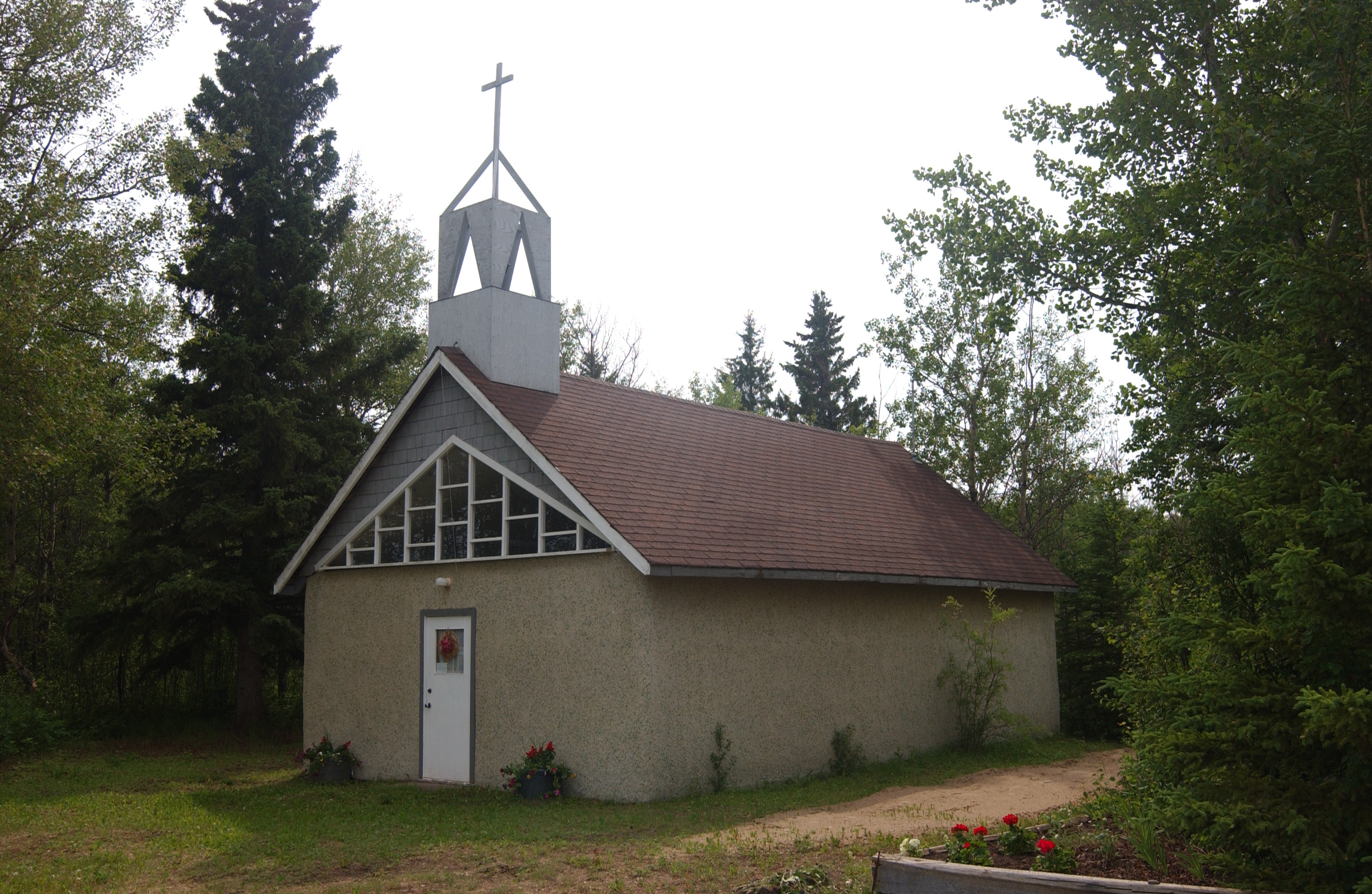
Bad Heart Straw Church
In the aftermath of World War I, the Dominion government established the Soldiers Settlement Board, which was to serve two purposes. First, it was a mechanism whereby the government could reward men who had physically defended their country in time of need; second, it could provide an outlet for an unemployment problem that was rapidly building up. The Board identified tracts of land in arable districts which had not hitherto been taken up by homesteaders and proceeded to have portions of them set aside for the soldiers. One region where considerable land was reserved was the Peace River Country, the central grasslands of which had been settled much earlier. One of the districts of this region where soldiers were encouraged to come was a small stretch of parkland off the Bad Heart River, which flows through the Burnt Hills into the Smoky River. Here, in TPs74 & 75 R2 W6, several veterans took advantage of the government’s offer and applied for land in 1919, including the highly decorated but soon to be notorious George Frederick “Nobby” Clark.
 The war veterans were soon joined by other settlers, and, gradually, the community to be known as Bad Heart evolved. A school district was incorporated in 1928 and a store and post office was built the following year. Bad Heart was, however, somewhat cut off from the more heavily settled areas of the Grande Prairie, and conditions were far from ideal for farming. A number of foreclosures occurred, but the community did hang together, as cattle, hogs and poultry were raised to offset the costs of dry land farming. Being remote however, amenities were few, and it wasn’t until the late 1950’s that electrical power and telephone services were extended there.
Until the mid-1950’s, the Bad Heart district was without a church, with local residents attending Roman Catholic, Anglican and United Churches in the Teepee Creek district just to the southwest. At the time, one of the most energetic Roman Catholic priests in the region was resident at Sexsmith, over 50km away. This was the Redemptorist Father Francis Dales, who, as a trained architect, had just designed a new $70,000 church in Sexsmith. He had also constructed, and would design and construct other public buildings, the work being either volunteer or undertaken by young teenagers at a small wage. To complete his projects, Father Dales often salvaged lumber from demolished buildings. Scrap metal from demolished vehicles and farm equipment was also recovered and sold. Other fundraisers of varying kinds were also undertaken.
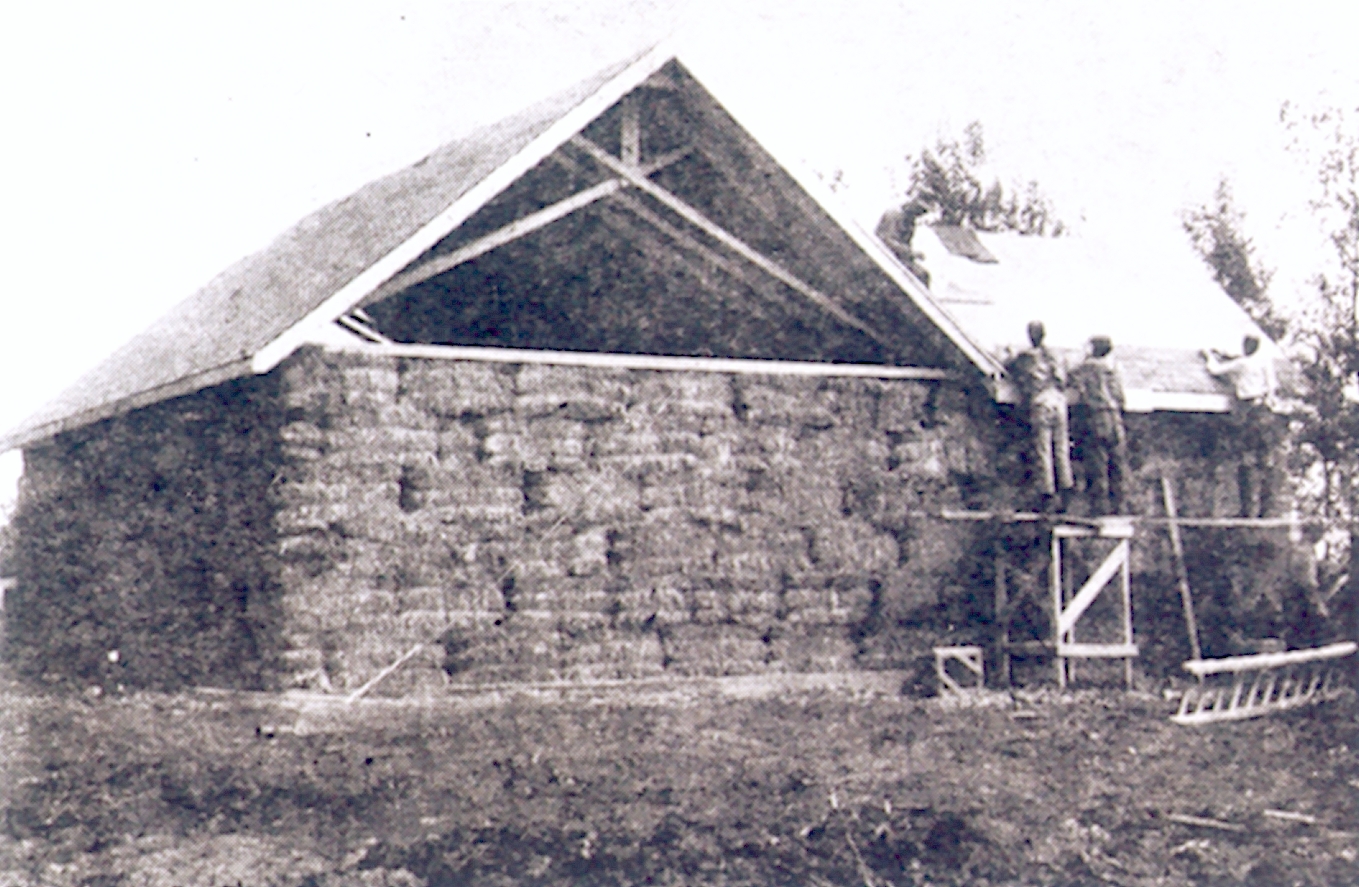 As his parish included Bad Heart, Father Dales decided, in the early 1950’s, that it was time for a church of the right persuasion to be built there. For the district at this time, the major problem was financing, for all Roman Catholic churches relied strongly on local support, and the people of Bad Heart were hardly in a position to fund a new church structure, being relatively few in numbers and anything but wealthy. Work bees and salvaged lumber would not be enough. Father Dales, however, had learned that, in eastern Canada, certain farmers had built cattle sheds out of straw bales, the oil from the rye or flax serving as a preservative. He therefore submitted a design to the Vicar Apostolic of the Archdiocese of Grouard, Bishop Henri Routhier, who approved the plan, and, apparently, personally advanced $500 towards its fulfillment.
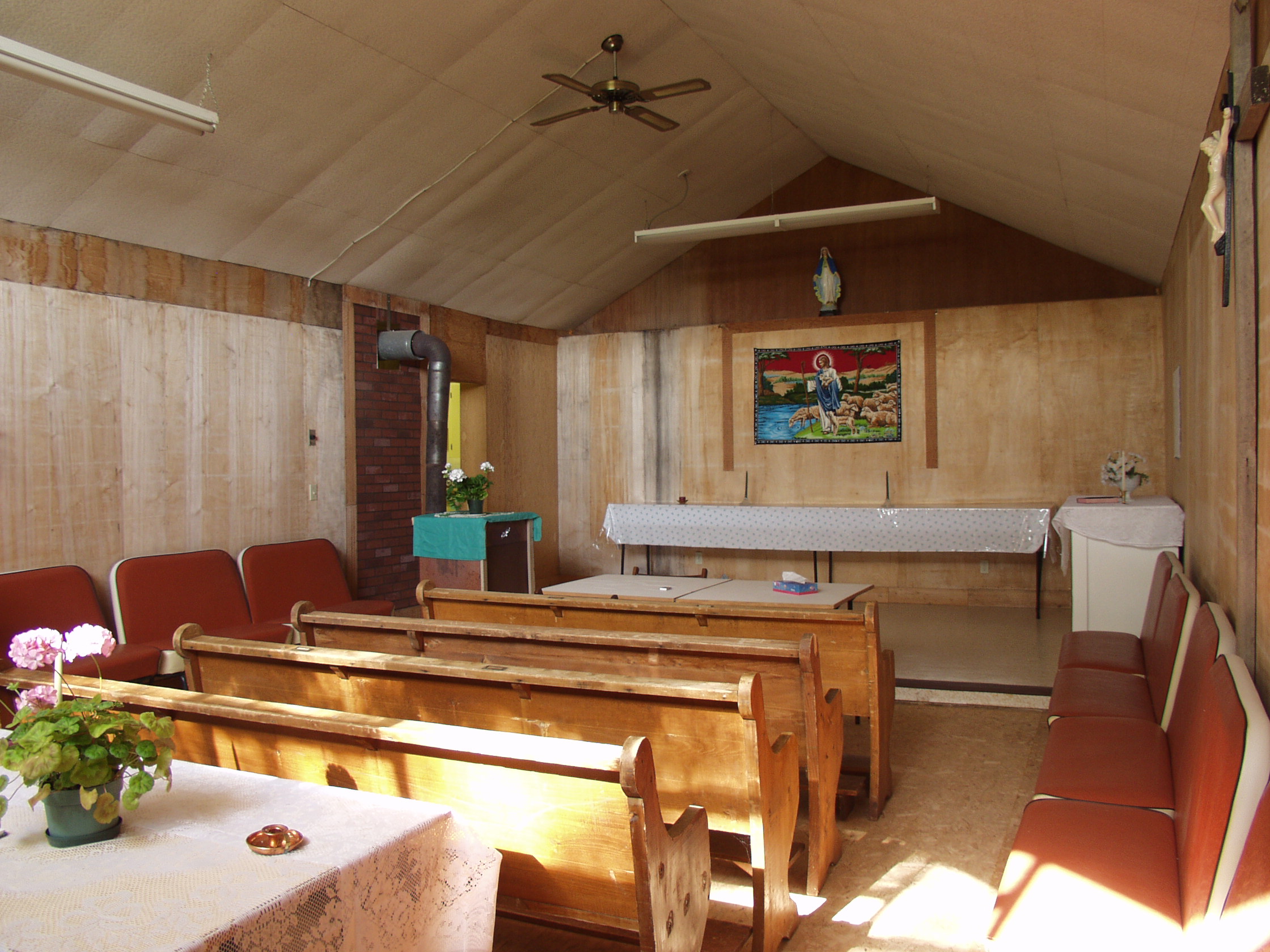 In the summer of 1954, work began on the soon to be famous rye straw church at Bad Heart. Before long, word spread of the unique venture, which was completed in about six weeks. Eventually, even the Toronto Star Weekly did a story on the church and its builder. All work, of course, was volunteer, while fixtures and furnishings were salvaged from other churches in the region. The pews, for example, were taken from the old Roman Catholic church in Sexsmith.
In March 2009, the Bad Heart Straw Church was designated a Provincial Historic Resource. Its significance lies foremost in its representation of the ability of people in remote rural areas of the province to find ways of adapting what they have into useful purposes. The building is also important in being directly associated with Father Francis Dales, the ebullient architecture priest who designed and built many structures in the region and elsewhere, including several churches, St. Mary’s Roman Catholic School in Sexsmith, and the Anglican Speke Hall in Grande Prairie.
Written by: David Leonard, Historian
Visit the Alberta Register of Historic Places to learn more about the heritage value of the Bad Heart Straw Church. In order for a site to be designated a Provincial Historic Resource, it must possess province-wide significance. To properly assess the historic importance of a resource, a historian crafts a context document that situates a resource within its time and place and compares it to similar resources in other parts of the province. This allows staff to determine the importance of a resource to a particular theme, time, and place. Above, is some of the historical information used in the evaluation of the Bad Heart Straw Church.
It’s bad to clad!
Property owners occasionally ask whether historic wood windows and trim can be clad in sheet metal to both eliminate maintenance and protect fragile historic material. As conservation advisers, we discourage cladding since it removes, in effect, a character-defining element from the building, and cladding raises maintenance issues of its own.
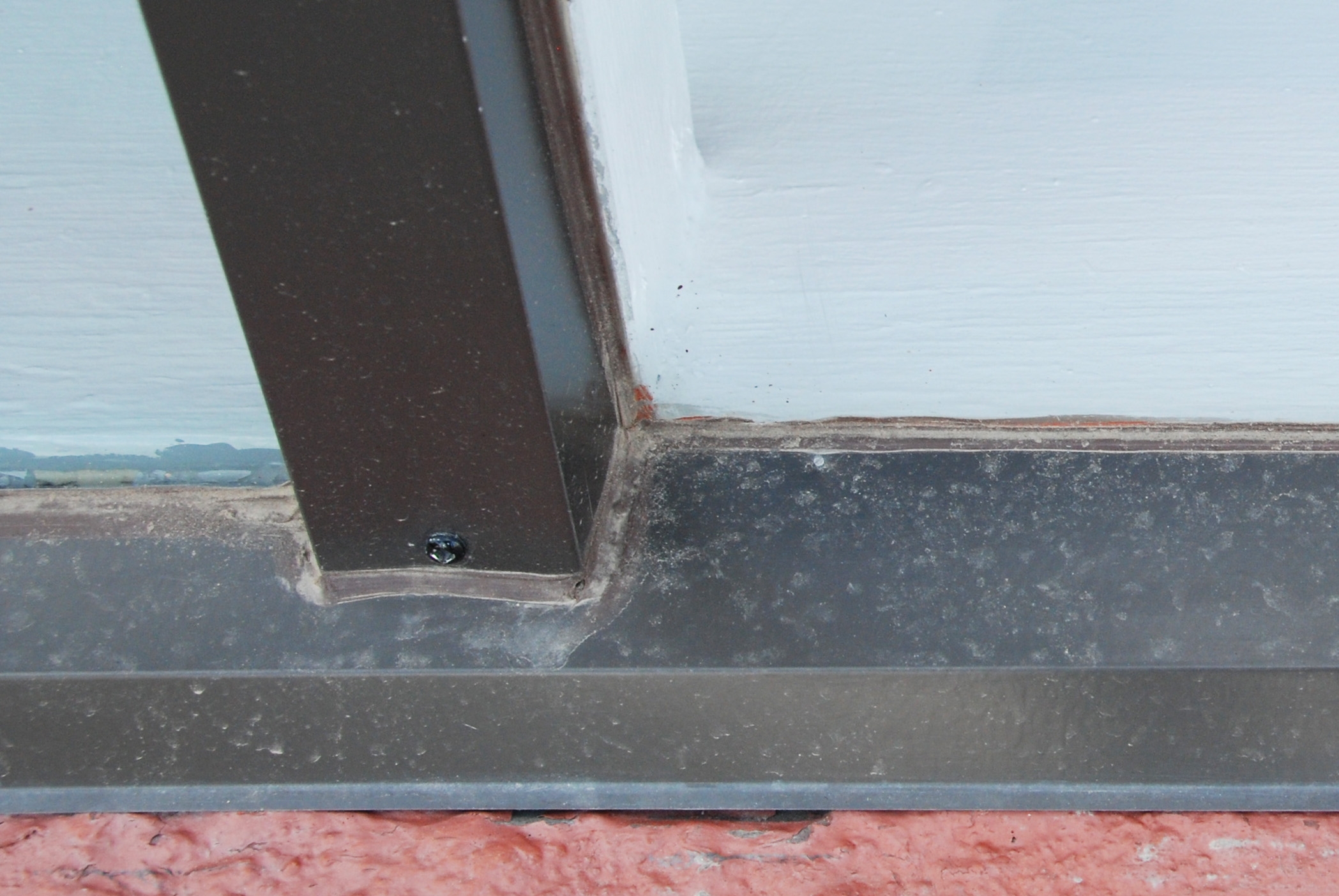 Tempting though it may be, simply covering up deteriorated areas can ignore the causes of deterioration, leaving underlying moisture or other problems to continue their destructive work within the structure.
Wood sills, as an example, may be weathered rather than actually rotted and can often be treated relatively easily and economically with wood epoxy repairs. Once repaired, the repainted wood is stable, rot-resistant and easily maintained.
Sheet metal cladding, on the other hand, takes skill to properly detail, fit, and install so that it drains properly. Once installed, claddings often rely on caulking to seal open edges. Caulking can attract dirt and, like the painted surfaces it conceals, needs to be maintained and periodically replaced. Perhaps most important, clad wood is no longer exposed to the drying effects of the sun and circulating air, so that if water does gets beneath the cladding, as it likely eventually will, deterioration can occur rapidly and unnoticed. Better the devil you know…
This isn’t to say cladding is always inappropriate: it may be a valid means of adding a weather detail missing in the historic element while minimizing impacts on heritage value. In general, though, it’s preferable to have an authentic original material that you can appreciate and easily maintain.
Written by: Fraser Shaw, Heritage Conservation Adviser.
Rediscovering a Lost Art – “Take 2”
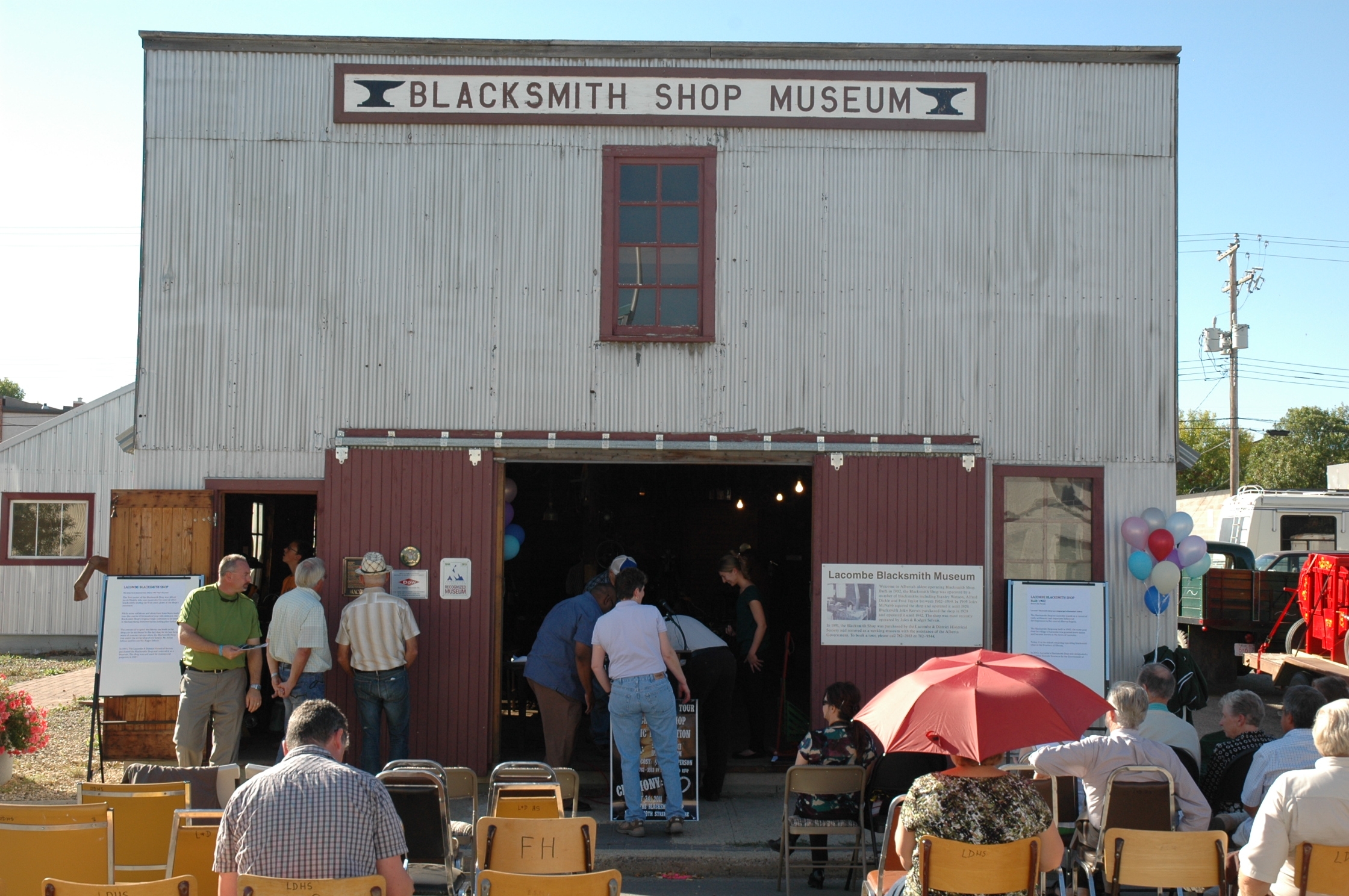
A previous RETROactive blog post featured the recent designation of the Lacombe Blacksmith Shop as a Provincial Historic Resource. Do you want to do more than simply read about the Blacksmith Shop? Click here to watch some of the designation ceremony AND to watch the two blacksmiths practice their craft. Enjoy!
Check out the Lacombe & District Historical Society blog to learn more about visiting the Blacksmith Shop Museum.
Written by: Brenda Manweiler, Municipal Heritage Services Officer
What’s New with the Alberta Heritage Survey? (11.01)
Special Exhibit: Photographic Memory
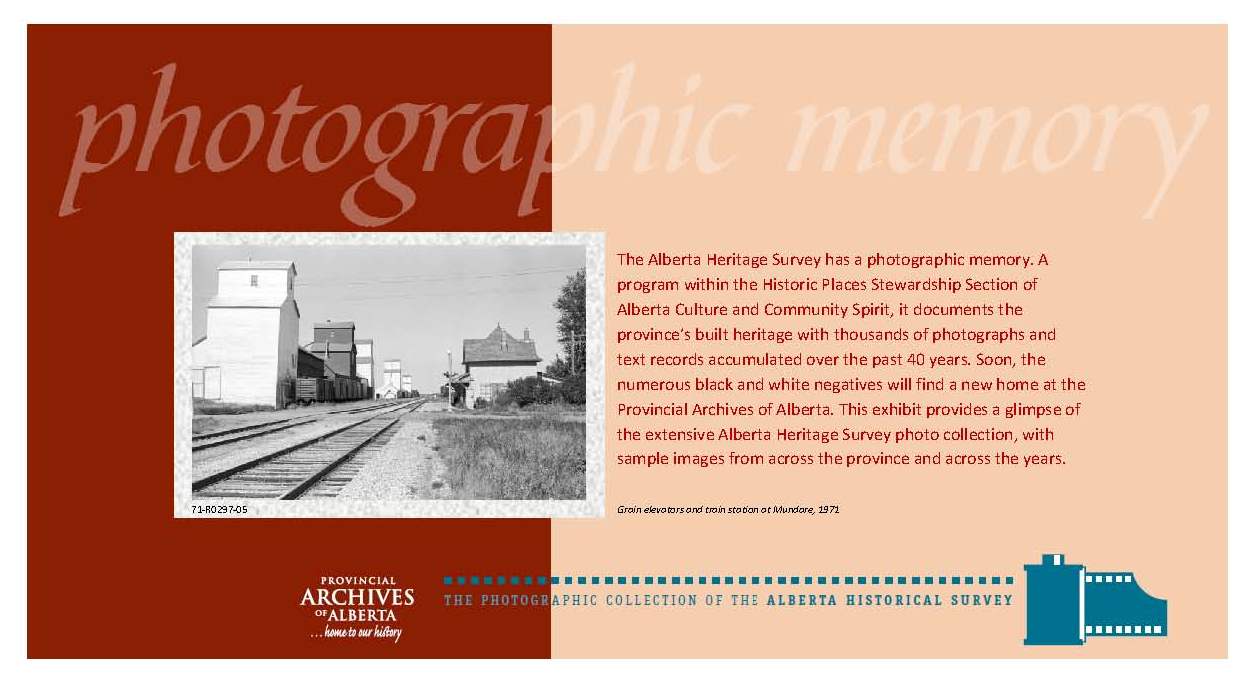
The Alberta Heritage Survey is a collection of data and photographs documenting over 100,000 historic resources across the province. The database is still growing, and is accessible online via HeRMIS, the Heritage Resources Management Information System: Heritage Survey on HeRMIS. Perhaps the most compelling aspect of the Heritage Survey is the thousands of images that have been taken for it since 1968. This column will feature stories about images that are being added to HeRMIS, and the sites they illustrate, so check back for updates. Meanwhile, you can take in an exhibit that features the Heritage Survey photo collection, Photographic Memory, at the Provincial Archives of Alberta until December 2011. (Click on the image below for more information.)
The PAA is located at 8555 Roper Road, in Edmonton. Map Driving Directions
Email: paa@gov.ab.ca
Phone: (780) 427-1750 Reading Room Phone: (780) 427-1056 (Toll Free: First dial 310-0000, then dial the full ten-digit phone number of the office you wish to reach.)
Please Note: The Heritage Survey exhibit can be viewed during regular open hours, Tuesday through Friday from 9 am to 4:30 pm, and until 9 pm on Wednesdays. It will be up until the end of January. Please note that the Provincial Archives of Alberta will be closed December 26-28, 2011.
Written by: Dorothy Field, Heritage Survey Program Coordinator
All the Presentations: 2011 Municipal Heritage Forum
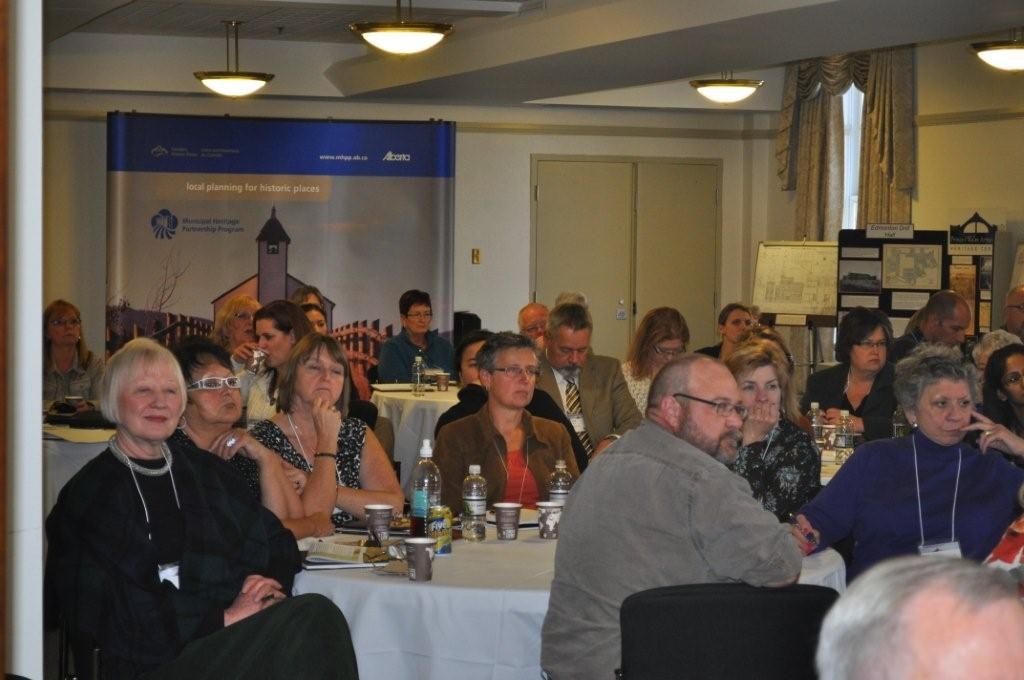 Recent blog posts featured the presentations shared during the 2011 Municipal Heritage Forum. The complete collection is accessible via the following links:
“Roadmap to Success” – Thank you for a great FORUM! – A brief overview of the two day event.
“The Other Side of the Rockies” – The keynote presentation, which featured case studies from British Columbia.
What information did you miss? – Presentations from the four breakout sessions.
Remembrance Day – A photo essay featuring the venue – the beautiful Prince of Wales Armouries.
“Show and Tell” – A Learning Exchange! – Presentations about municipal heritage projects.
Do you want to be memorable? – A presentation about making your community visitor friendly.
Thank you for your interest and attendance at the 2011 Forum. Planning for the 2012 Municipal Heritage Forum is already underway!
Written by: Brenda Manweiler, Municipal Heritage Services Officer
“Show and Tell” – A Learning Exchange!
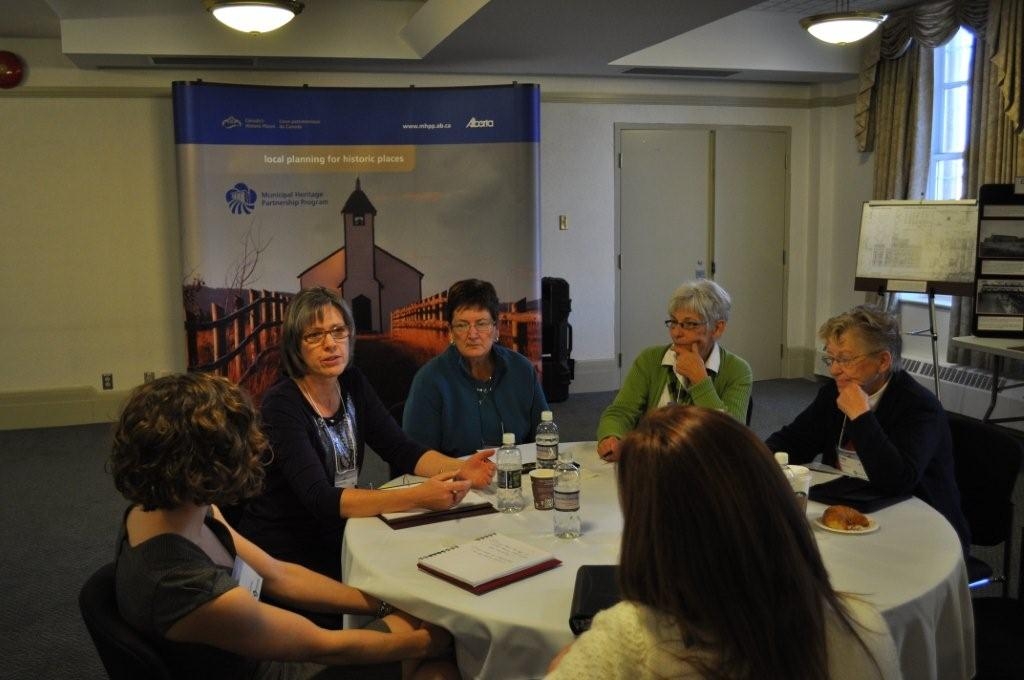
The 2011 Municipal Heritage Forum on October 27th and 28th featured “Show &Tell” sessions. Several municipalities working on municipal heritage planning projects with the assistance of the Municipal Heritage Partnership Program shared their experiences with the attendees. A mix of rural and urban municipalities spoke about their heritage projects, showcasing the opportunities, challenges and rewards that can result from identifying and evaluating potential historic places.
Thursday, October 27, 2011
Yellowhead County – Debbie Charest, Director of Community & Protective Services
Yellowhead County’s Municipal Heritage Program – talked about how the County prepared to complete a Municipal Heritage Survey.
City of Lacombe – Peter Bouwsema, Councillor/Heritage Steering Committee
Overview of Lacombe’s Heritage Program – spoke about some of Lacombe’s historic resources and how the City is working to conserve them.
City of Edmonton – David Holdsworth, Principal Heritage Planner
Neon Light Museum, Historic Resource Management Program – talked about Edmonton’s plans to develop a museum of historic neon signs.
Smoky Lake County – Twila Bauman, former Planning & Communications Manager
Smoky Lake Region: Survey and Inventory Project and Heritage Management Plan – talked about the final year of their three year regional project.
Friday, October 28, 2011
Village of Holden – Katherine Whiteside, Chief Administrative Officer
Village of Holden Heritage Program – an overview of their Municipal Heritage Survey and Inventory, and future plans.
City of St. Albert – Ann Ramsden, Director of Heritage and Ian Morgan, Associate with HIP Architects
Conservation of St. Albert’s Grain Elevators – talked about the recently completed conservation work on two municipally owned grain elevators.
City of Calgary – Clint Robertson, Heritage Planner
2011-12 Calgary MHPP Project – Bridges – an overview of Calgary’s inventory of all the bridges and crossings located in the city.
Municipal District of Big Lakes – Cathy Wilcox, Grants Manager
Heritage Site Survey – talked about how GIS assisted with planning their Municipal Heritage Survey.
These presentations provide insights and inspiration to other municipalities interested in developing a local heritage conservation program. If you have any questions about how your municipality can participate in the Municipal Heritage Partnership Program, please contact MHPP staff.
Note: For a complete collection of the 2011 Municipal Heritage Forum presentations, please click here.
Written by: Brenda Manweiler, Municipal Heritage Services Officer
Bobbin Lace?
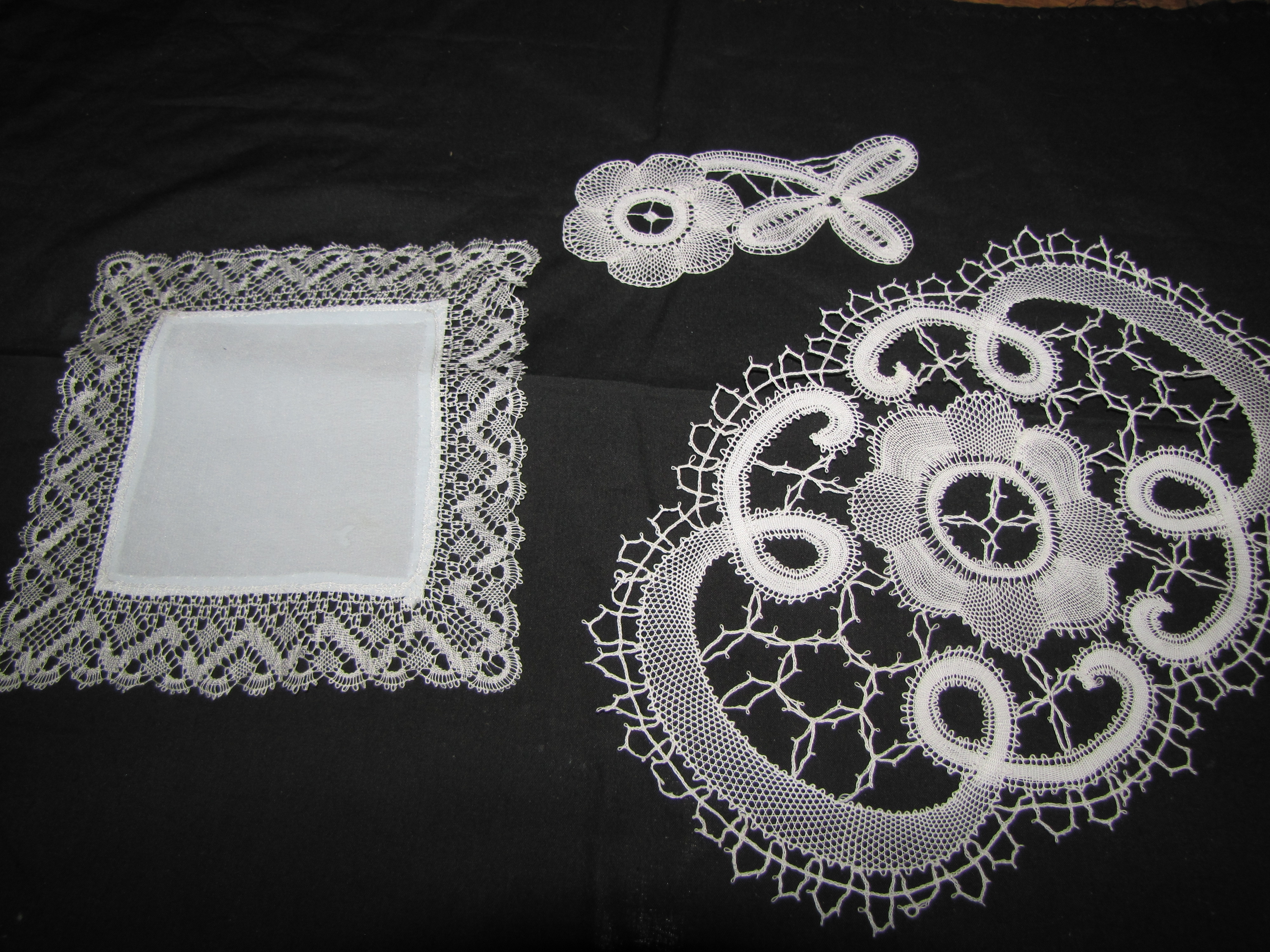
Rutherford House Provincial Historic Site in Edmonton is delighted to host a bobbin lace demonstration. Join Jamie Graham as she reveals the delicate and complicated nature of this historic craft.
Sunday Nov. 13, 12:30 – 4:30 pm
Bobbin lace is a lace textile made by weaving, braiding and twisting lengths of thread, which are wound on bobbins to manage them. As the work progresses, the weaving is held in place with pins set in a lace pillow. The placement of the pins is usually determined by a pattern or pricking pinned on the pillow.
Jamie will be at Rutherford House all afternoon. Feel free to drop by to see what this is all about. (Good highways permitting as Jamie is coming to Edmonton from Innisfail.)
Read about the significance of Rutherford House by visiting the Alberta Register of Historic Places.
 RETROactive