The Not So New Municipal Heritage Services Officer

A few days ago we introduced our newest colleague, Carlo Laforge. Doing so, our editor realized that many regular contributors to RETROactive were never introduced to our readers. So, without further ado, allow me to introduce … myself.
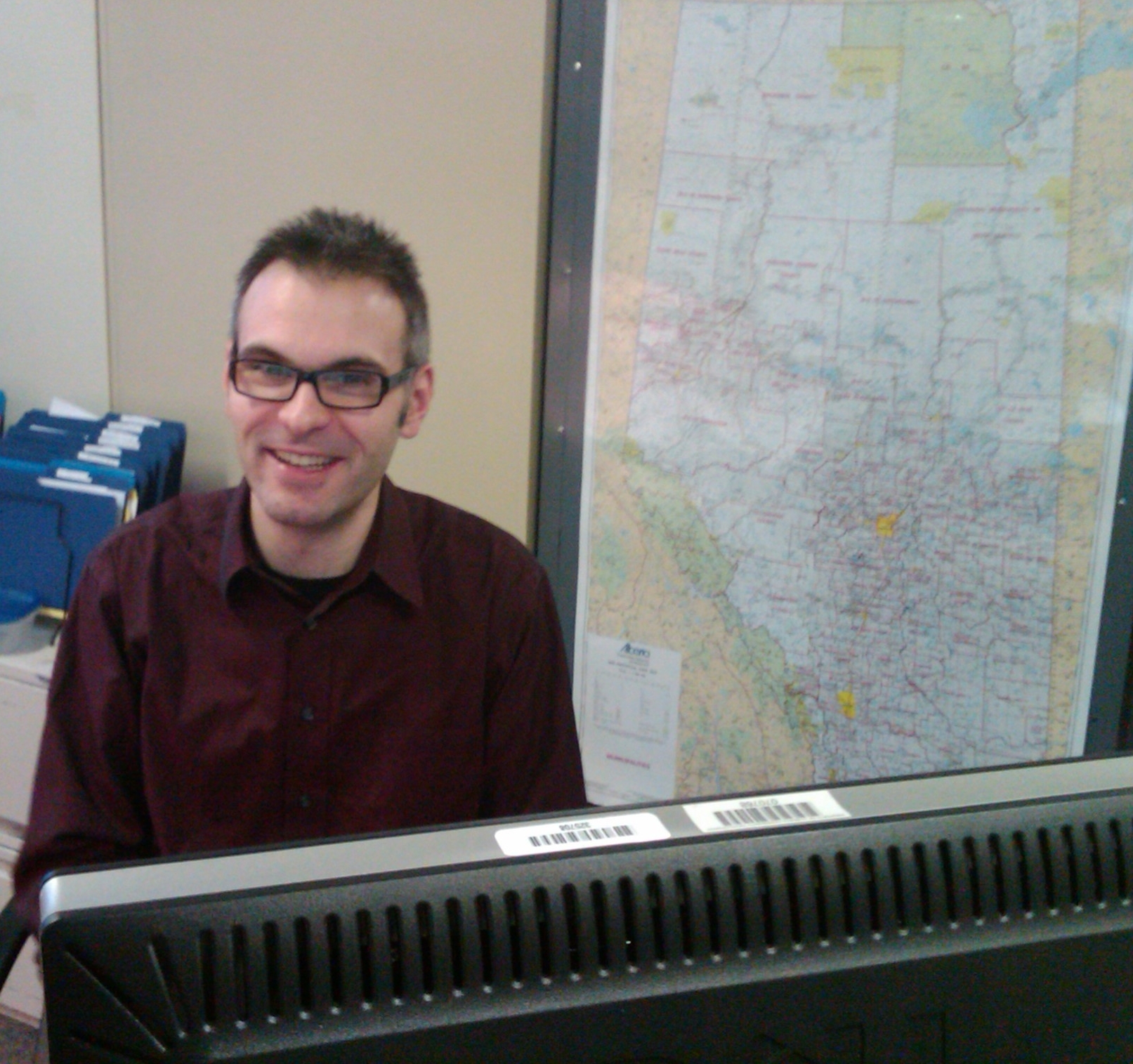
I started working for the Government of Alberta’s Historic Resources Management Branch in the spring of 2008. I was assigned to the Municipal Heritage Partnership Program and have been busily helping Alberta’s municipalities identify, protect and conserve locally significant historic resources. My work has given me the privilege of traveling all over Alberta to visit municipalities large and small, urban and rural. I’ve talked with municipal councils, facilitated workshops for council-appointed Heritage Advisory Bodies and discussed Municipal Historic Resources designation with municipal staff and property owners.

Back at the office, I have managed the Municipal Heritage Partnership Program’s grant agreements with municipalities. I am also responsible for processing nominations to list Municipal Historic Resources on the Alberta Register of Historic Places. I also prepare training material for municipal staffers on how to evaluate and protect historic resources (like the Managing Historic Places Designation Guide).

Before returning home to Alberta, I worked at the Government of Saskatchewan’s Heritage Conservation Branch for four years. I conducted historical research in support of the Provincial Heritage Property designation program. I also wrote several Statements of Significance for Municipal Heritage Properties listed on the Saskatchewan Register of Heritage Property and the Canadian Register of Historic Places.

I hold a Bachelor of Arts degree with a combined major of English and History from the University of Calgary and a Master of Arts degree (history) from the University of Saskatchewan. In my spare time … I have hobbies.

If I haven’t met you in person yet, I look forward to doing so.

Michael Thome
It’s bad to clad!

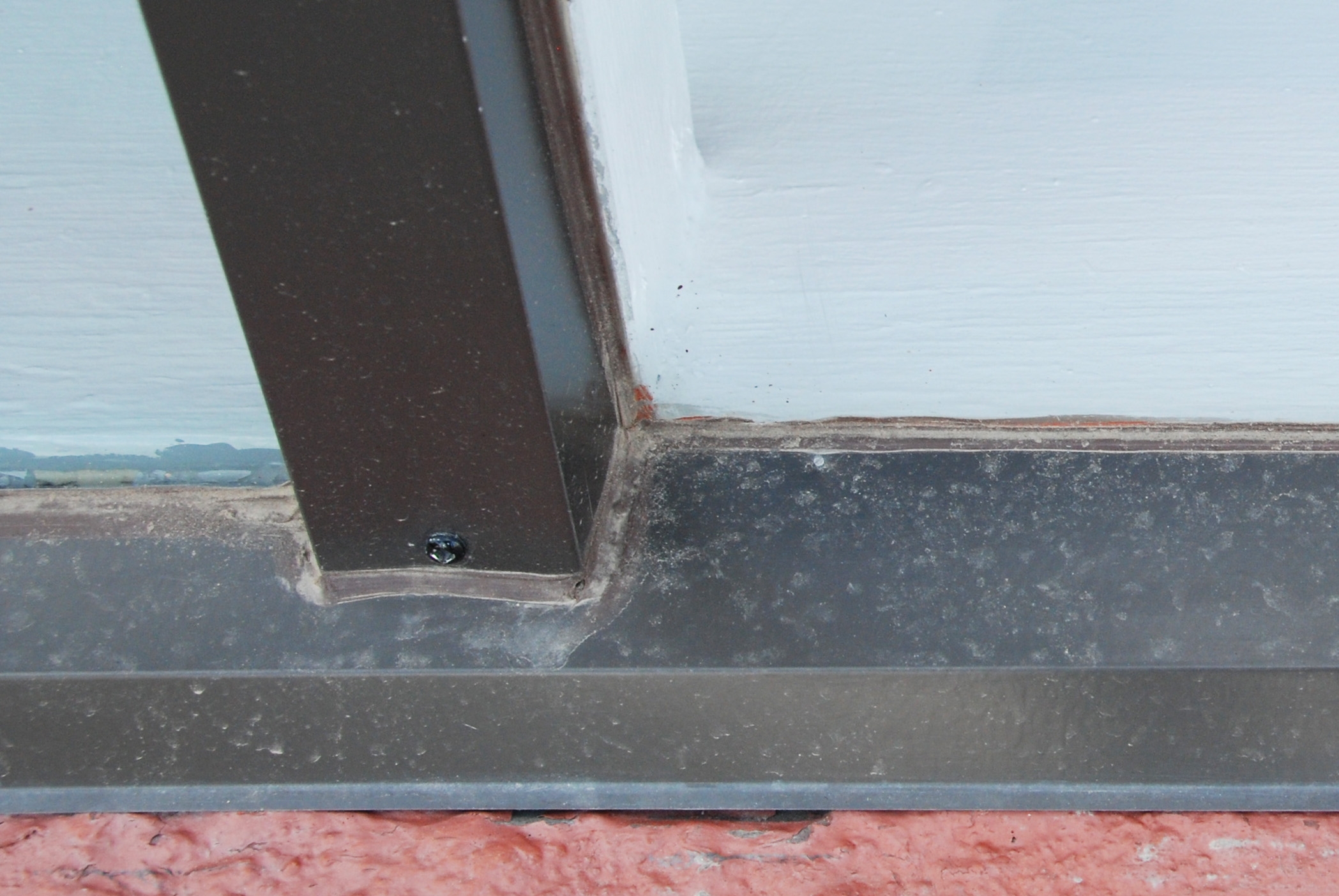
Property owners occasionally ask whether historic wood windows and trim can be clad in sheet metal to both eliminate maintenance and protect fragile historic material. As conservation advisers, we discourage cladding since it removes, in effect, a character-defining element from the building, and cladding raises maintenance issues of its own.

Tempting though it may be, simply covering up deteriorated areas can ignore the causes of deterioration, leaving underlying moisture or other problems to continue their destructive work within the structure.

Wood sills, as an example, may be weathered rather than actually rotted and can often be treated relatively easily and economically with wood epoxy repairs. Once repaired, the repainted wood is stable, rot-resistant and easily maintained.

Sheet metal cladding, on the other hand, takes skill to properly detail, fit, and install so that it drains properly. Once installed, claddings often rely on caulking to seal open edges. Caulking can attract dirt and, like the painted surfaces it conceals, needs to be maintained and periodically replaced. Perhaps most important, clad wood is no longer exposed to the drying effects of the sun and circulating air, so that if water does gets beneath the cladding, as it likely eventually will, deterioration can occur rapidly and unnoticed. Better the devil you know…

This isn’t to say cladding is always inappropriate: it may be a valid means of adding a weather detail missing in the historic element while minimizing impacts on heritage value. In general, though, it’s preferable to have an authentic original material that you can appreciate and easily maintain.

Written by: Fraser Shaw, Heritage Conservation Adviser.

New Heritage Conservation Adviser

Greetings stewards of Alberta’s heritage,

I am a new Heritage Conservation Adviser working for the Historic Resources Management Branch at the Ministry of Culture and Community Services.  Having just moved here from New Brunswick, I am looking forward to learning more about Alberta’s distinct heritage and adapting my architectural knowledge to help you conserve it for future generations.

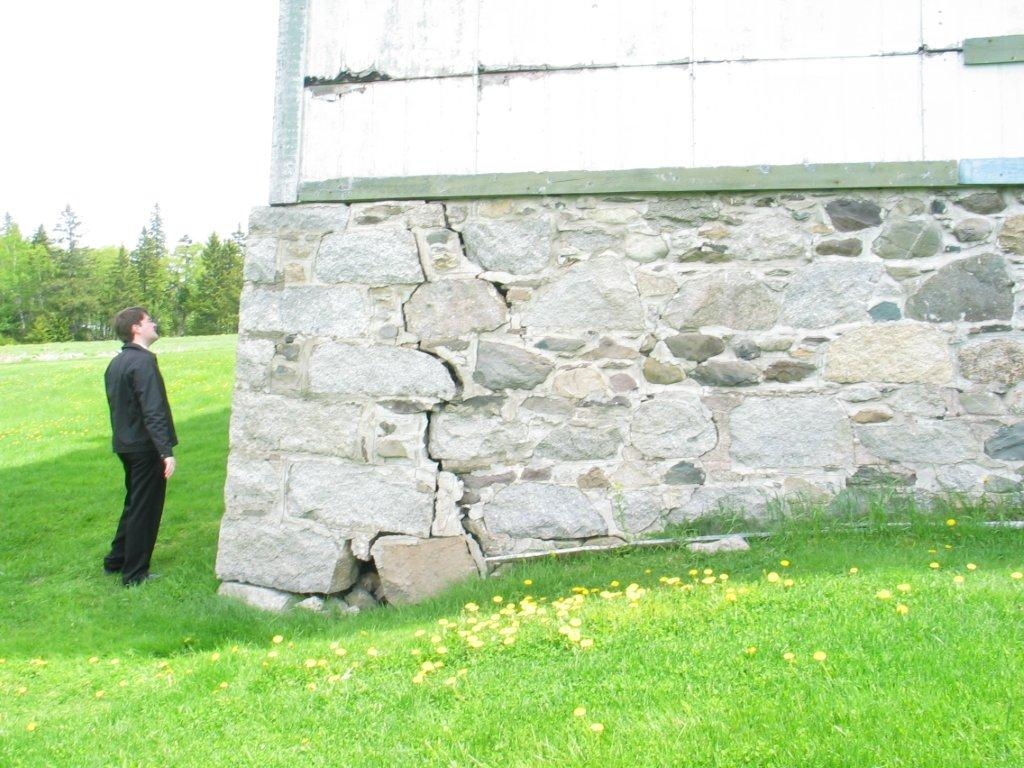
Carlo assessing the foundation of the main barn located on Minister’s Island Provincial Heritage Place, New Brunswick.

Prior to my current position, I was a Project Executive for the Government of New Brunswick’s Heritage Branch.  I provided technical advice on conservation methods based on the Standards and Guidelines for the Conservation of Historic Places in Canada. I worked with government owned sites and processed applications for historic designations under the New Brunswick Heritage Conservation Act.  Before working in heritage, I dealt with Building Codes and Capital Maintenance issues as an Architectural Technologist for the Community Colleges and Employment Counselling Offices in New Brunswick, and as an Operations Coordinator for a property management firm in Ontario.  These experiences have enabled me to see both sides of the coin in terms of the challenges faced in maintaining and upgrading our historic resources, while at the same time conserving heritage values for the future.

I hold a Bachelor of Arts and Honours degree in the combined majors of Art History and Architecture from Carleton University, as well as a diploma in Architectural Technology from Algonquin College.  In my job experience I also obtained certifications as a Professional Technologist and as a Qualified Building Code Official.  From a heritage perspective, I also represented New Brunswick in the review of the second edition of the Standards and Guidelines for the Conservation of Historic Places in Canada and provided examples for a Parks Canada study on how the Building Code can affect or is applied to heritage buildings.

Leaving my family, friends and colleagues in New Brunswick and Ontario wasn’t a very easy decision, but I am certain that the new experiences I will have in Alberta will make me glad that I did.

Best regards,

Carlo Laforge

NOTE: Carlo will be responsible for serving the Edmonton Region. Please click here to view a map of Alberta showing the areas serviced by all of the Heritage Conservation Advisers.

All the Presentations: 2011 Municipal Heritage Forum

Recent blog posts featured the presentations shared during the 2011 Municipal Heritage Forum. The complete collection is accessible via the following links:

“Roadmap to Success” – Thank you for a great FORUM! – A brief overview of the two day event.

“The Other Side of the Rockies” – The keynote presentation, which featured case studies from British Columbia.

What information did you miss? – Presentations from the four breakout sessions.

Remembrance Day – A photo essay featuring the venue – the beautiful Prince of Wales Armouries.

“Show and Tell” – A Learning Exchange! – Presentations about municipal heritage projects.

Do you want to be memorable? – A presentation about making your community visitor friendly.

Thank you for your interest and attendance at the 2011 Forum. Planning for the 2012 Municipal Heritage Forum is already underway!

Written by: Brenda Manweiler, Municipal Heritage Services Officer


Do you want to be memorable?

What makes a community memorable? How can a community encourage tourists to return? Shelia Campbell spoke about these issues at the 2011 Municipal Heritage Forum. Promoting a community’s historic resources is one way a community can distinguish itself.

Shelia Campbell, a Tourism Product Development Coordinator with Alberta Tourism, Parks and Recreation, challenged us to think about what makes a trip memorable. Is your community visually appealing? Can visitors find their way easily? Are services offered of good quality? Can visitors find good information about your community? How can historic resources contribute to these goals?

Click here for a copy of the presentation.

For a complete collection of the 2011 Municipal Heritage Forum presentations, please click here.

Written by: Michael Thome, Municipal Heritage Services Officer

“Show and Tell” – A Learning Exchange!

Members of the Village of Holden Historic Resources Committee

The 2011 Municipal Heritage Forum on October 27th and 28th featured “Show &Tell” sessions. Several municipalities working on municipal heritage planning projects with the assistance of the Municipal Heritage Partnership Program shared their experiences with the attendees. A mix of rural and urban municipalities spoke about their heritage projects, showcasing the opportunities, challenges and rewards that can result from identifying and evaluating potential historic places.

Thursday, October 27, 2011

Yellowhead County – Debbie Charest, Director of Community & Protective Services

Yellowhead County’s Municipal Heritage Program – talked about how the County prepared to complete a Municipal Heritage Survey.

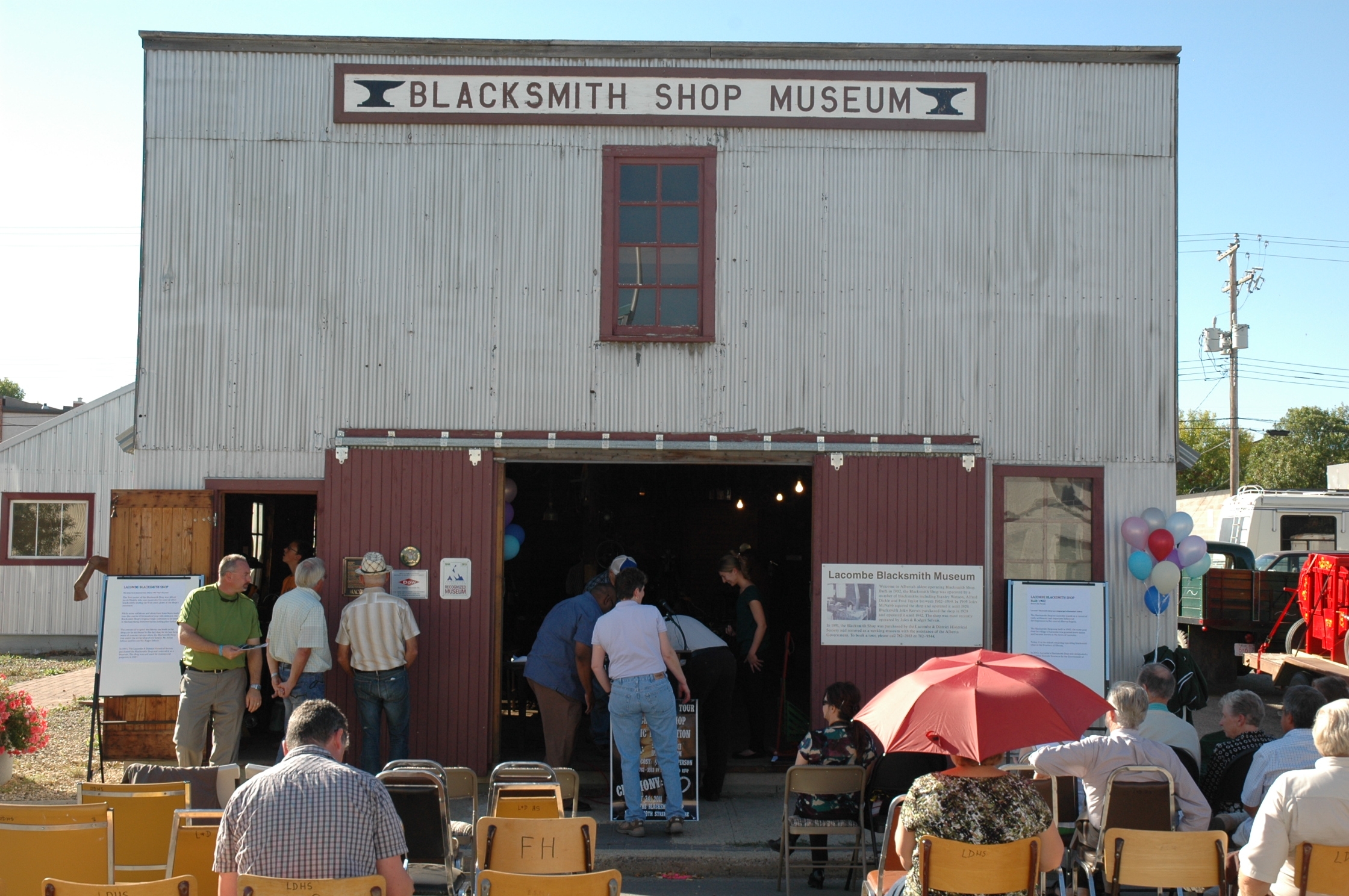
City of Lacombe – Peter Bouwsema, Councillor/Heritage Steering Committee

Overview of Lacombe’s Heritage Program – spoke about some of Lacombe’s historic resources and how the City is working to conserve them.

City of Edmonton – David Holdsworth, Principal Heritage Planner

Neon Light Museum, Historic Resource Management Program – talked about Edmonton’s plans to develop a museum of historic neon signs.

Smoky Lake County – Twila Bauman, former Planning & Communications Manager

Smoky Lake Region: Survey and Inventory Project and Heritage Management Plan – talked about the final year of their three year regional project.

Friday, October 28, 2011

Village of Holden – Katherine Whiteside, Chief Administrative Officer

Village of Holden Heritage Program – an overview of their Municipal Heritage Survey and Inventory, and future plans.

City of St. Albert – Ann Ramsden, Director of Heritage and Ian Morgan, Associate with HIP Architects

Conservation of St. Albert’s Grain Elevators – talked about the recently completed conservation work on two municipally owned grain elevators.

City of Calgary – Clint Robertson, Heritage Planner

2011-12 Calgary MHPP Project – Bridges – an overview of Calgary’s inventory of all the bridges and crossings located in the city.

Municipal District of Big Lakes – Cathy Wilcox, Grants Manager

Heritage Site Survey – talked about how GIS assisted with planning their Municipal Heritage Survey.

These presentations provide insights and inspiration to other municipalities interested in developing a local heritage conservation program. If you have any questions about how your municipality can participate in the Municipal Heritage Partnership Program, please contact MHPP staff.

Note: For a complete collection of the 2011 Municipal Heritage Forum presentations, please click here.

Written by: Brenda Manweiler, Municipal Heritage Services Officer

Remembrance Day

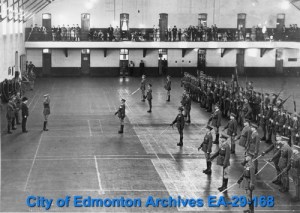
Several buildings constructed for Canada’s military are designated historic resources. These places can help us understand how soldiers preparing for service lived and worked. Tomorrow being Remembrance Day, we thought it appropriate to feature a piece of Alberta’s military history – the historic resource that Municipal Heritage Forum attendees experienced firsthand at the end of October.

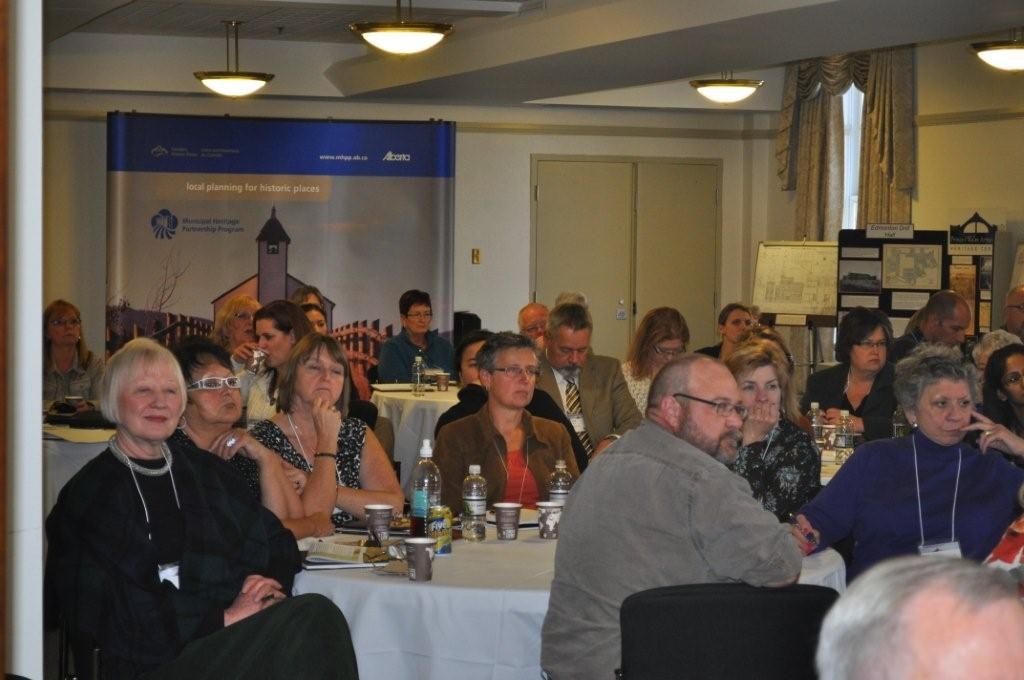
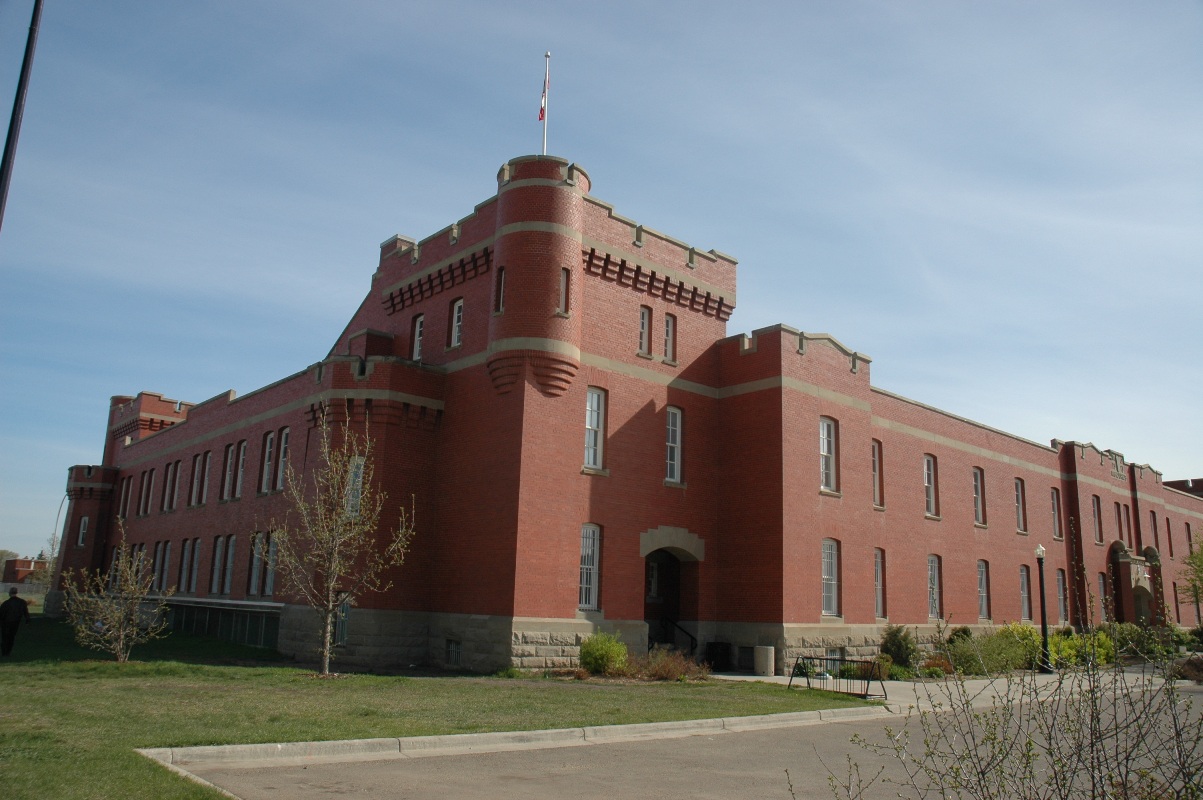
The Municipal Heritage Forum was held at the Prince of Wales Armouries in Edmonton. Most participants enjoyed meeting in this historic place. The Prince of Wales Armouries is a great example of how to adaptively repurpose a historic place.

Several City of Edmonton staff members provided an excellent behind the scenes tour of the facility. We learned how the building was rehabilitated to meet its new role as an archive, museum and meeting facility. As part of the tour, we had the opportunity to hear Timothy O’Grady (Archivist, City of Edmonton Archives) speak about the history of the building. Click here to view Timothy O’Grady’s photo essay.

The Prince of Wales Armouries was built in 1915 to give the Department of National Defence a place in Edmonton to train men for service in the militia. Essentially a huge drill hall, the soldiers who trained here served Canada in both world wars and in many other operations. In recognition of the building’s historic use and its distinctive architecture, the armouries was designated a Provincial Historic Resource in 1979 and then a Municipal Historic Resource by the City of Edmonton in 2004.

The City of Edmonton acquired the facility in 1977. In 1989 the city began constructing a new archive facility in the centre of the drill hall. The Armouries is now home to the City of Edmonton Archives and several museums.

For a complete collection of the 2011 Municipal Heritage Forum presentations, please click here.

Written by: Michael Thome, Municipal Heritage Services Officer

What information did you miss?

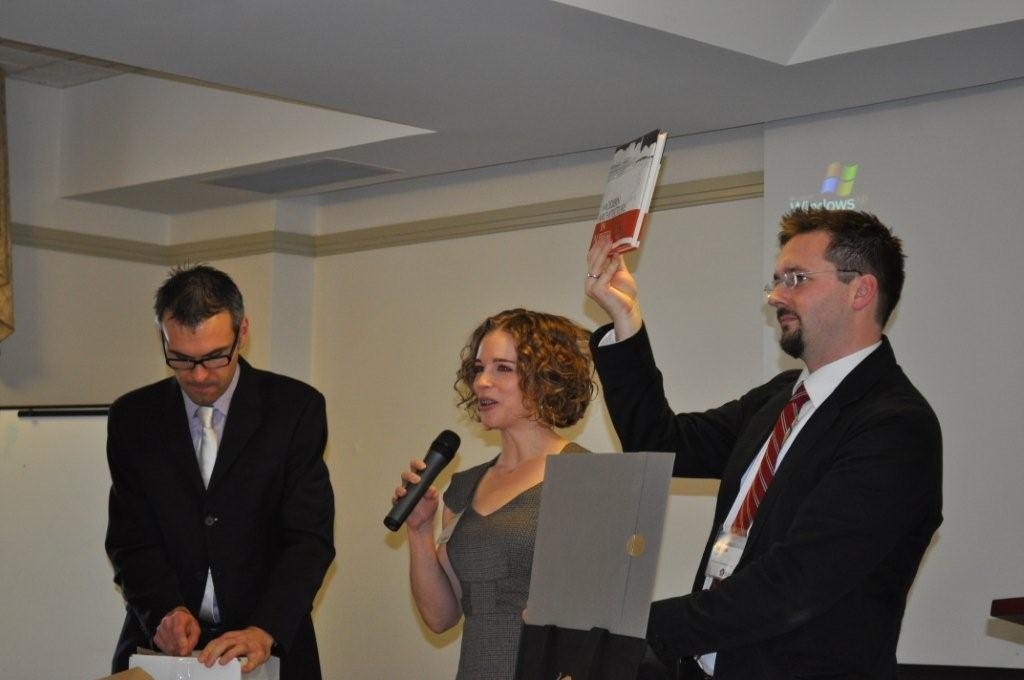
Municipal Heritage Services Staff, L-R: Michael Thome, Brenda Manweiler and Matthew Francis.

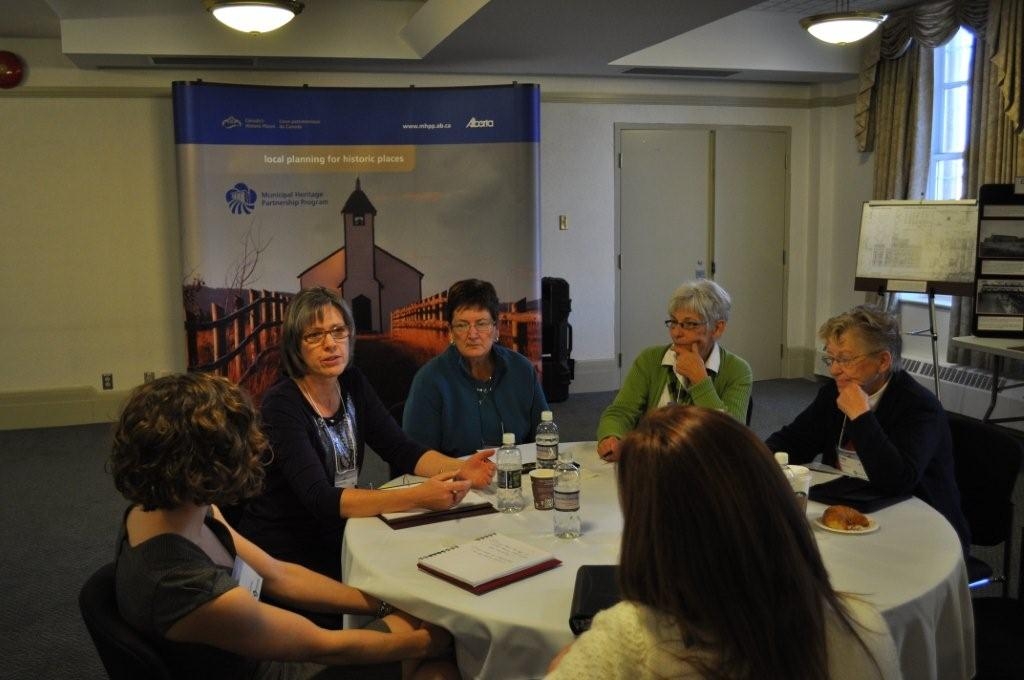
At the 2011 Municipal Heritage Forum, “Roadmap to Success,” four concurrent breakout sessions provided by staff of the Historic Places Stewardship Section, Culture and Community Services allowed attendees to learn about managing a successful municipal heritage conservation program. Find out what you missed: click below to obtain PDF versions of the presentations.

“Creating Heritage Advisory Bodies that Work for your Community” – Brenda Manweiler, Municipal Heritage Services Officer

Heritage Advisory Bodies (HABs) are boards, committees or commissions established through municipal bylaw. The community members appointed to the HAB advise council on heritage conservation matters and assist with the implementation of heritage initiatives (such as a Municipal Heritage Survey or a Municipal Heritage Inventory). This presentation discusses the ingredients necessary to establish an effective HAB.

“How to Designate and Approve Interventions to Municipal Historic Resources” – Michael Thome, Municipal Heritage Services Officer

A Municipal Historic Resource may not be destroyed, disturbed, altered, restored or repaired without the written approval of the applicable municipal council, or their designate. This presentation provides an overview of the designation and alteration approval processes.

“Getting your Municipal Historic Resources Listed on the Alberta Register” – Matthew Francis, Manager of Municipal Heritage Services

The Alberta Register of Historic Places is a listing of formally recognized historic resources in Alberta. Owners of Municipal Historic Resources and Provincial Historic Resources listed on the Register may apply for cost-shared conservation funding through the Historic Resource Conservation category of the Heritage Preservation Partnership Program. This presentation reviews the eligibility and listing process.

“Understanding the Standards & Guidelines for the Conservation of Historic Places in Canada” – Fraser Shaw, Heritage Conservation Advisor

The Standards and Guidelines for the Conservation of Historic Places in Canada provides practical guidance on the preservation, rehabilitation and restoration of historic resources. This presentation is a general introduction to the principles and recommended/not recommended actions contained in the Standards and Guidelines.

NOTE: For a complete collection of the 2011 Municipal Heritage Forum presentations, please click here.

Written by: Brenda Manweiler, Municipal Heritage Services Officer

Bobbin Lace?

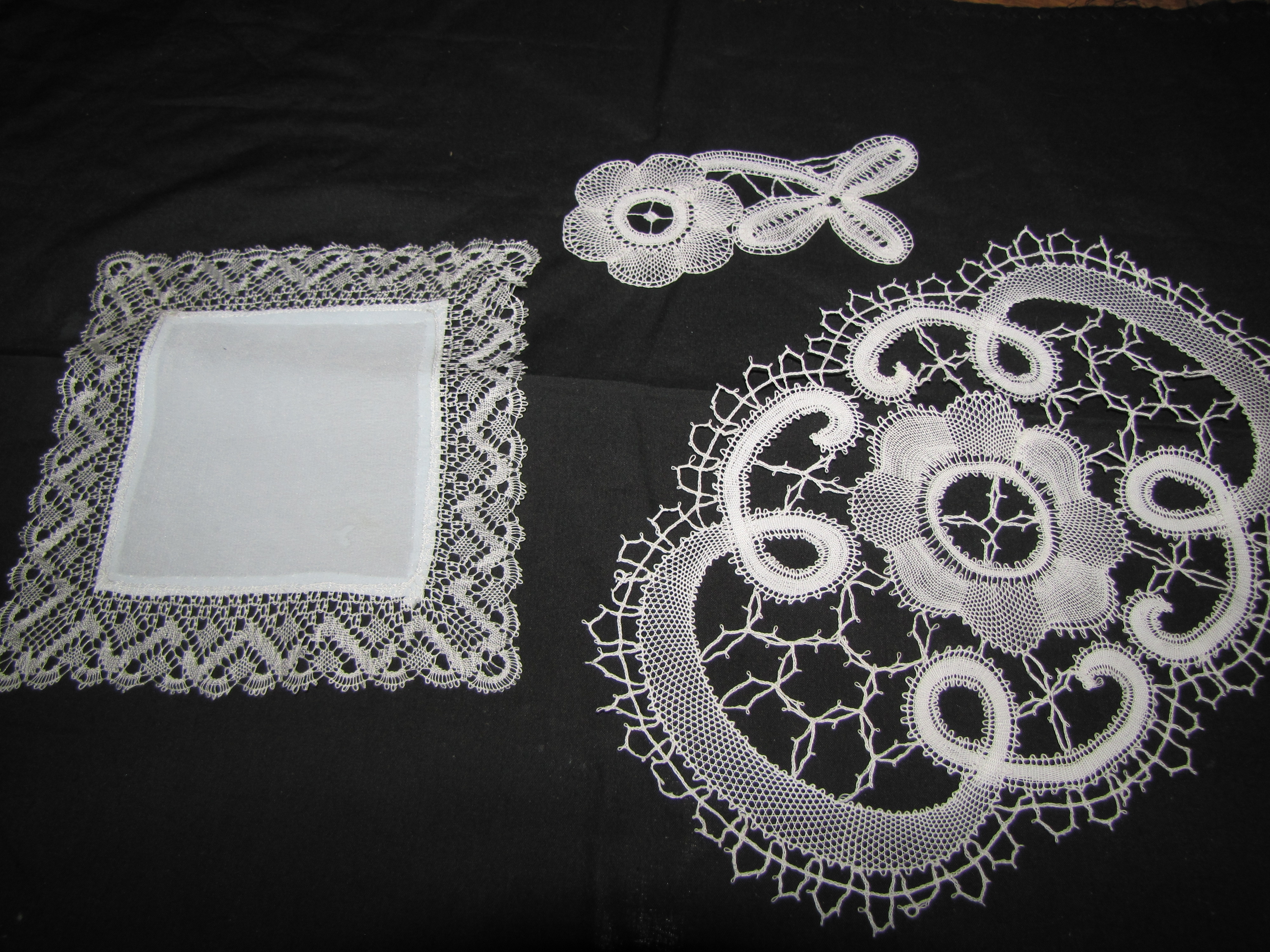
Rutherford House Provincial Historic Site in Edmonton is delighted to host a bobbin lace demonstration. Join Jamie Graham as she reveals the delicate and complicated nature of this historic craft.

Sunday Nov. 13, 12:30 – 4:30 pm

Bobbin lace is a lace textile made by weaving, braiding and twisting lengths of thread, which are wound on bobbins to manage them. As the work progresses, the weaving is held in place with pins set in a lace pillow. The placement of the pins is usually determined by a pattern or pricking pinned on the pillow.

Jamie will be at Rutherford House all afternoon. Feel free to drop by to see what this is all about. (Good highways permitting as Jamie is coming to Edmonton from Innisfail.)

Read about the significance of Rutherford House by visiting the Alberta Register of Historic Places.