Métis Week: November 13 – 18

riel-1
Excerpt from Chester Brown’s Louis Riel: A Comic Strip Biography (Drawn & Quarterly, Montreal, 2003)

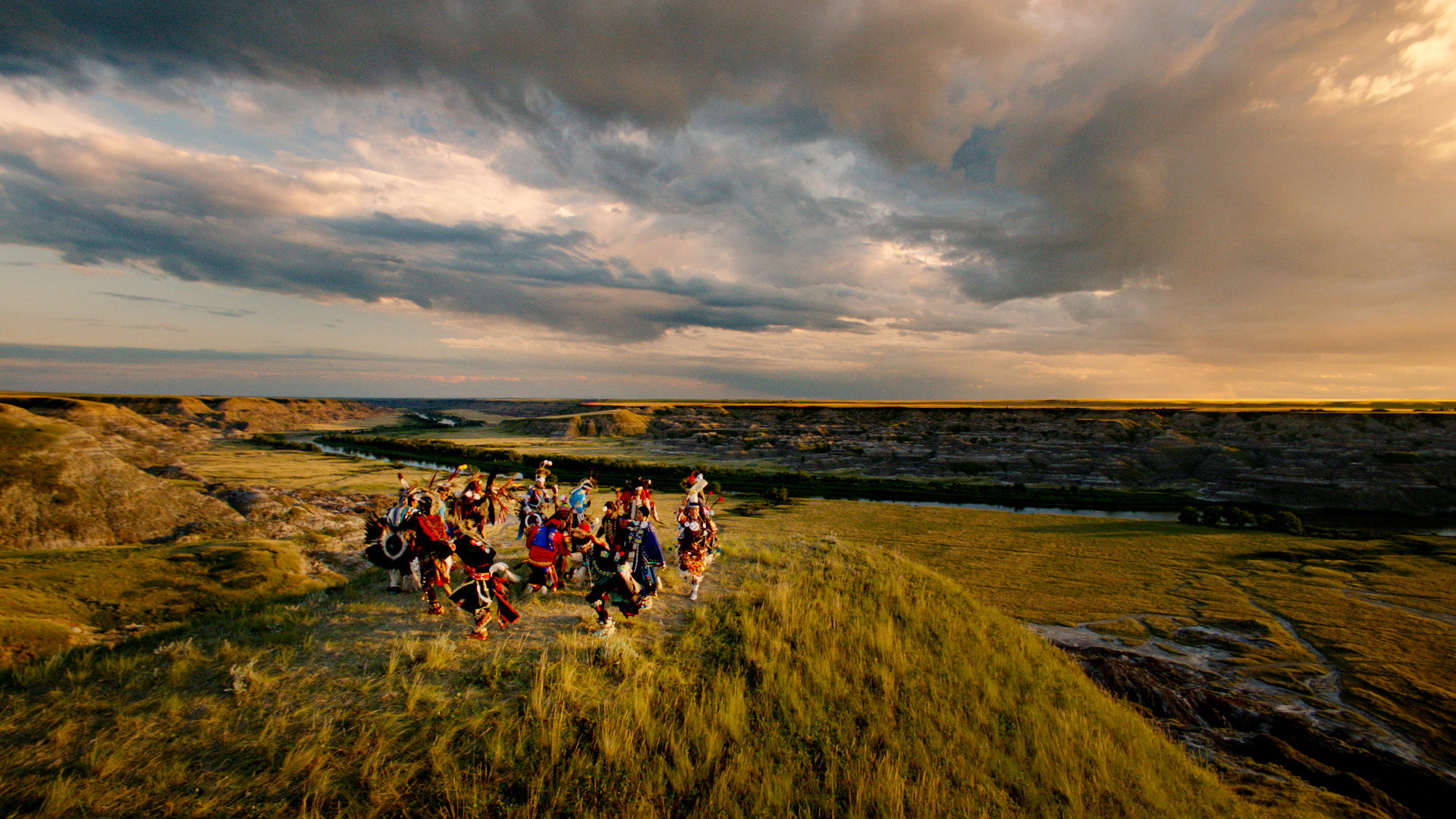
November 13 – 18 marks the annual Métis Week celebrations. Each year, the Métis Nation of Alberta hosts events around the province to commemorate not only Riel’s uniquely complicated and heroic legacy, but the outstanding contributions of Métis people to Canada. November 16, the date Riel was executed, will be an especially significant remembrance.

When it comes to defining legacies of the women and men who helped shape Canada into what it is today, few people are as complicated as Louis Riel. The Métis founder of Manitoba and twice-elected Member of Parliament is at the same time revered and scorned; the vanguard of Métis resistance against the federal government is a hero and a traitor, depending who you ask. To this day, over 130 years after he was hanged for treason in Regina, Saskatchewan, Riel is to some still a controversial and polarizing man. But for many, especially Canada’s Métis population, Riel is a man to celebrate and to honour. Read more
Hunting With a View: Excavations at the Hummingbird Creek Site (FaPx-1) in Alberta’s Central Rockies

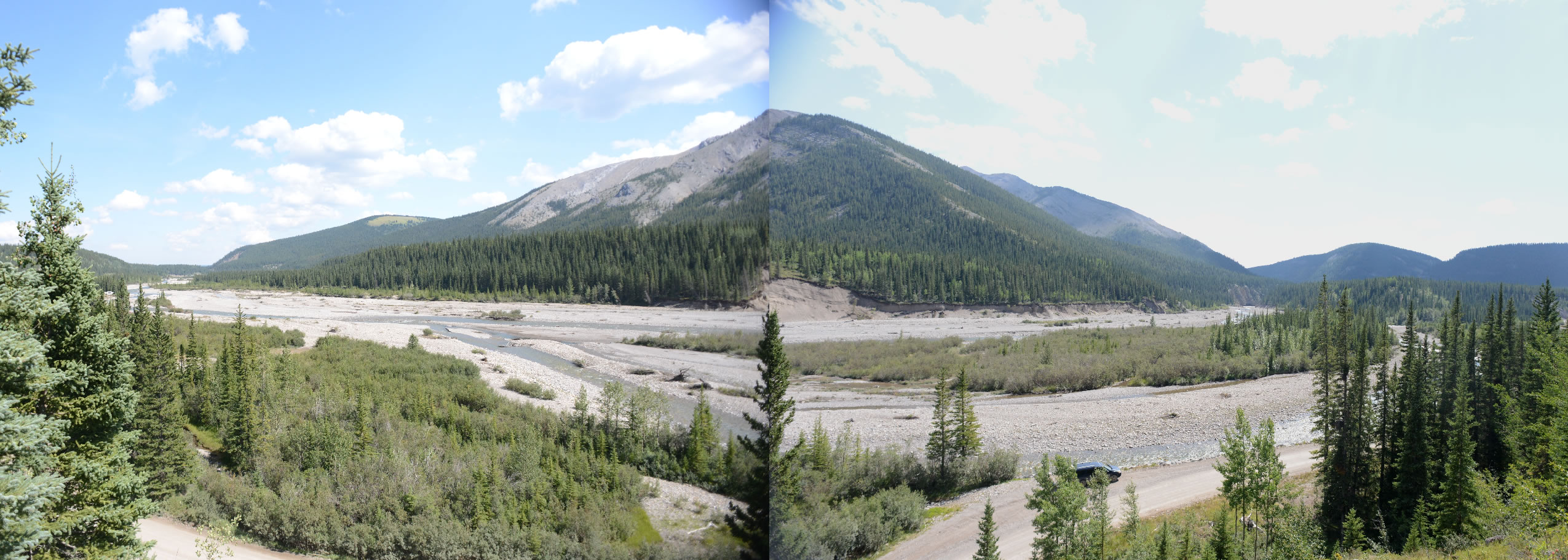
In 2009, the Archaeological Survey of Alberta discovered the Hummingbird Creek Site (FaPx-1), an archaeological site rich in stone artifacts, animal remains, and hearth features, in Alberta’s central Rockies. The site resided on a high terrace above Hummingbird Creek and the South Ram River, an ideal location for observing the valley below. Radiocarbon dates from the site’s lower levels indicated it was occupied from between 2,500 – 2,400 years ago, and upper levels dated from 1,000 – 700 years ago. This past August, Timothy Allan (MA student at the University of British Columbia), members of the Archaeological Survey of Alberta, and the Red Deer Archaeological Society returned to FaPx-1 to complete excavations at the site. The team found atlatl (or throwing spear) projectile points, hide scrapers, stone tool debris (flakes), and animal bone. Read more

The Alberta Historical Resources Foundation Looking for New Board Members

Do you want to be part of a vibrant heritage board or do you know someone who might be interested? The Alberta Historical Resources Foundation (AHRF), the primary source of the Government of Alberta funding for heritage projects, is currently accepting applications to fill in four board director positions.

Founded in 1973, AHRF has grown into a complex agency that serves a wide range of stakeholders. Board members are appointed for a term of up to three years. Board meetings are held four times a year for approximately 1.5 days. Board members are also occasionally asked to attend heritage events on behalf of the Foundation.

For details on the position profile and to apply online, please visit https://www.alberta.ca/public-agency-opportunity.cfm?appt=484 . The competition will close on September 24, 2017.

Help us continue to carry on the tradition of a vibrant and competent board. Help us ensure the preservation and promotion of Alberta’s heritage.

Alberta Historical Resources Foundation’s next grant application deadline: September 1st

If you happen to visit a restored heritage property; come across a heritage plaque or marker; or read a community history book, chances are the project was supported by the Alberta Historical Resources Foundation.

As the Government of Alberta’s primary window for heritage preservation funding, the Foundation’s Heritage Preservation Partnership Program provides matching grants and scholarships to support initiatives that preserve and interpret Alberta’s rich heritage. The next grant intake is just around the corner. Next application deadline is September 1st.

If you wish to know more about the program or access the guidelines and application forms, please visit www.culturetourism.alberta.ca/ahrf or contact the Program Coordinator at Carina.Naranjilla@gov.ab.ca or 780-431-2305 (toll-free by first dialling 310-0000).

Clovis Points and the Ice Free Corridor

Did you know that some of the earliest inhabitants of what is now Alberta were here over 12,000 years ago? Evidence of these people is found in the form of fluted projectile points, like the one shown in the image above. Fluted projectile points are lanceolate (no stem or notching) and have large flakes struck from the center of the base to form a flute or channel.

One style of fluted projectile point is attributed to a culture known as the Clovis people. Clovis spear points were first discovered in Clovis, New Mexico, but are found all across North America. These points were long thought to represent the earliest people in the Americas; however, more recent research has refuted this. Read more

THE LEAVINGS AT WILLOW CREEK (OXLEY RANCH SITE)

Note : This post was originally published on RETROactive July 12, 2011.

Log house at the Oxley Ranch Site.

When the Montana cattle industry began to thrive in the aftermath of the American civil war, and the extension of railways to the western states, many cattle barons began to extend their activity north of the 49th Parallel. Sensitive to the encroachment of American influence in western Canada, the Dominion government took several measures to ensure the “Canadianization” of this region. A Department of the Interior was formed to oversee developments on the central prairies, a North-west Mounted Police force was formed to establish law and order, and a Dominion Lands Act was passed to see to the orderly disposition of Crown lands to British subjects, or those who would agree to become British subjects. Plans were also put in place to extend a transcontinental railway through the region. Read more

Odd Birds, Good Eggs: Traditional Human Exploitation of Alberta’s Waterfowl

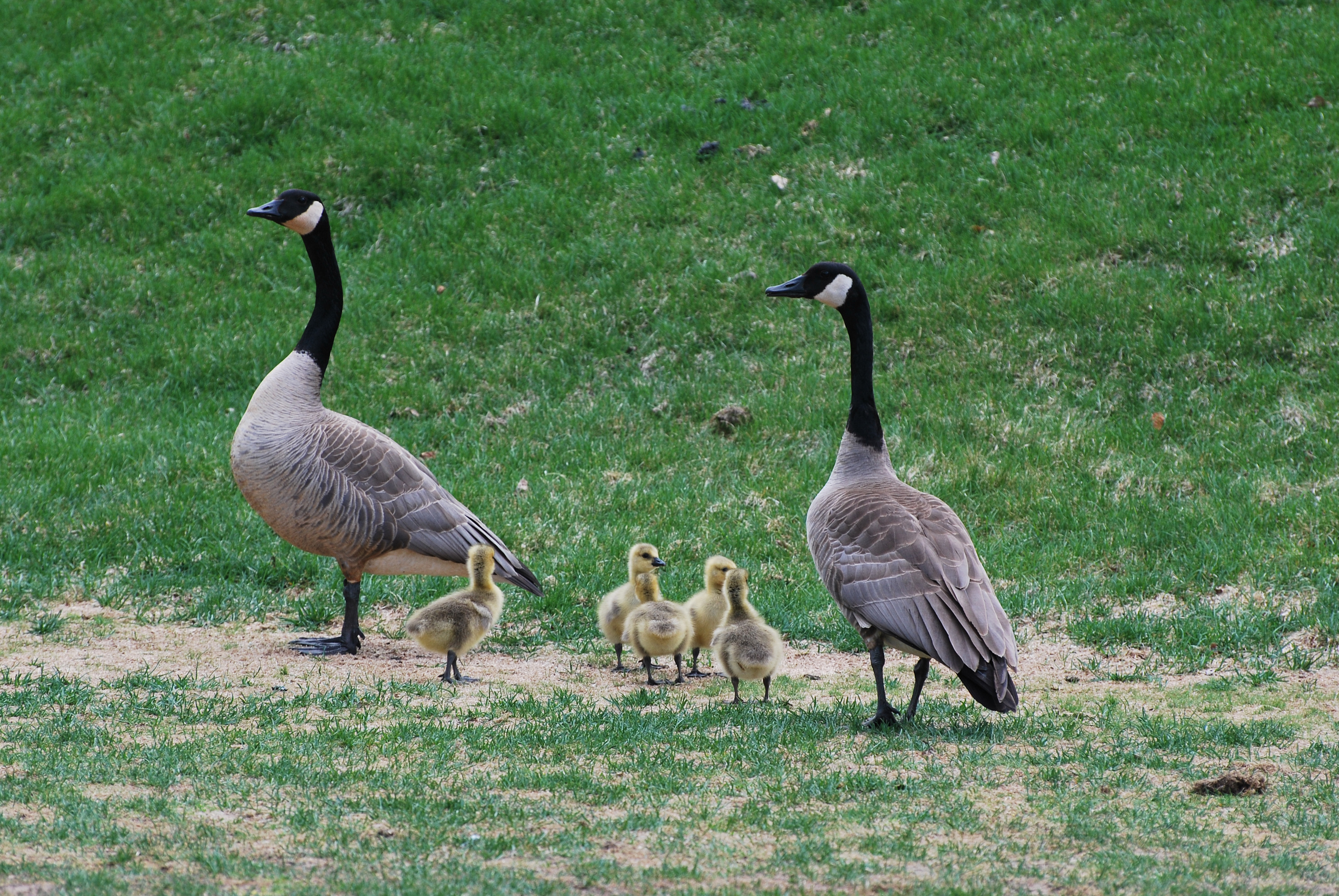
Each March, the vanguard of spring arrives in Alberta on thousands of pairs of wings. Tired, hungry, and honking, near-countless flocks of Canada geese (Branta canadensis) either stop over here or complete the northern leg of their annual migratory path – to rest, refuel, breed, nest, and brood – at or near the edge of Alberta’s many ponds, sloughs, lakes, creeks, and rivers. In the weeks that follow, these geese will be joined by many different bird species, particularly waterfowl, in one of the world’s most abundant migratory bird areas – the Mackenzie-Great Lakes-Mississippi Flyway that crosses western Canada.

Canada geese at Jasper National Park. Photo Credit: Tourism Jasper and Travel Alberta.

The seasonal comings and goings of different kinds of birds is particularly significant to Indigenous groups. According to war chief Fine-Day, the Nehiyawak (Cree) names for six different moons or months describe bird activities within those periods: “Mikiciwpi-cim, Bald Eagle Moon. That is when these birds are seen. Mis-kihpi-cim, Goose Moon … Pinawewipi-cim, Egg Laying Moon or paskawehowipi-cim, Egg Hatching Moon. Paskowipi-cim, Feather Moulting Moon. Ohpahowipi-cim, Starting to Fly Moon. No-tcihitopi-cim, Breeding Moon.”1 Many of these names relate to time periods when certain Read more

Early Plant Use in Alberta

Often when we talk about dietary evidence at archaeological sites in Alberta, we are referencing a multitude of game animals, such as bison, elk, moose, etc. What is often missing from these dialogues is the reliance First Nations had on native and traded plants. For the most part, organic material does not survive the test of time; this is especially the case in Alberta’s boreal regions where acidic soils rapidly decompose organics. However, missing data does not mean it was not there in the first place. A wide variety of plant species were utilized by Alberta’s First Nations for subsistence purposes. At archaeology sites, evidence of plant remains can be recovered from sediments, stone tools, and ceramics. Plant microfossil analysis is one method that can be used to identify what plants people were using in the past.

Residue on Sherd
Residue on a ceramic sherd, this can be extracted and processed to identify plants cooked in the vessel (Burchill 2014).

Read more

National Aboriginal Day 2017

Photo Credit: Travel Alberta/Sean Thonson

Happy National Aboriginal Day!

National Aboriginal Day was announced in 1996 by, then Governor General of Canada, Roméo LeBlanc on June 21st—the summer solstice. This week, and throughout the month of June, we recognize and celebrate the achievements and contributions of Indigenous Peoples in what is today known as Alberta and Canada. During this year of celebrating the 150th anniversary of Canadian confederation, it is particularly important to remember the First Peoples who came before, and the thriving, contemporary First Nation, Métis and Inuit communities that continue to shape our country today.

Edmontonians are invited for stew and bannock at the Bissell Centre from 10:00AM – 2:00PM, or enjoy the day-long Aboriginal Day Live festivities at Victoria Park.

Live in Calgary? The University of Calgary is hosting a campfire chat on St. Patrick’s Island, discussing Indigenous perspectives of the cosmos through traditional storytelling, or spend your Saturday at the Family Day Festival and Powwow at the Stampede grounds.

Events are taking place throughout the week and across the province. Join us in taking the time to connect with our community, learn from one another and reflect on what it means to be a Canadian and Treaty person during this summer of celebration.

Event Listings:

Indigenous Relations’ 2017 National Aboriginal Day Events in Alberta: http://indigenous.alberta.ca/documents/NAD-Events-Alberta-June-2017.pdf?0.1319647190237596

City of Edmonton’s National Aboriginal Day Community Events: https://www.edmonton.ca/attractions_events/schedule_festivals_events/national-aboriginal-day.aspx

Aboriginal Awareness Week Calgary: http://www.aawc.ca

Written By: Laura Golebiowski (Aboriginal Consultation Adviser)

Connecting the Continent: Stone Tools in Alberta

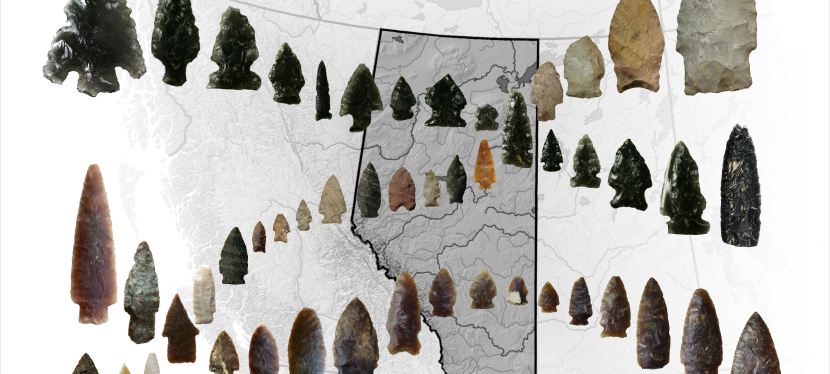
After a few thousand years, most of the archaeological record in Alberta has been winnowed down to pieces of rock used to make tools. Organic artifacts, structures, and other less durable things generally don’t survive thanks to erosion and decomposition. To maximize the information we can pull from those pieces of stone, the Alberta Lithic Reference Project (ALRP) was formed by a consortium of archaeological consultants, heritage managers, geologists, students, and university researchers. The goals are to accurately and consistently identify the types of raw materials that pre-contact people used to make stone tools. Why is this important? Specific types of rock were traded and moved widely across the continent and serve as valuable indicators of cultural relationships and/or human mobility patterns. Read more