What Happened to Old Fort Edmonton?

The afternoon of October 11th, 1915 saw removal operations commence. At the time, the buildings associated with Fort Edmonton V (the last incarnation of the fur-trading fort) were seen as an eye-sore next to the newly completed Legislature building and grounds. Newspapers of the day reported that the fort was taken down quickly as some citizens were outraged at its demolition. To quell the panic, the government assured the people that the old fort was being dismantled and would be moved to new quarters, repurposing the buildings as a museum. That never happened and the timbers associated with dismantled Fort Edmonton seemingly disappeared from the public eye. So, what really happened to the old fort? Stories about what happened to the timbers spread like local urban legends, most of them with no apparent basis in fact. There were rumours: that the timbers were reused in the construction of various structures and buildings in and around the Edmonton area; that the timbers sat for years in several piles both outside the Legislature and on the south side of the river; that beams were stored in the basement of the Legislature, before being used as firewood by an uninformed custodian; or that at least some of the historic timbers met their end in a nine-metre high Boy Scout bonfire lit May 12, 1937 to celebrate the coronation of King George VI. While some of these stories have some factual basis, others have not been fully confirmed or discounted.

Demolition of Fort Edmonton (1915), City of Edmonton Archives EA-10-79.

Read more

Before SAIT, ACAD and the AFA: A brief history of arts organizations in Alberta

“The strangeness will wear off and I think we will discover the deeper meanings in modern art.”

-Jackson Pollock

Modern art is unhappy with the current society; it’s a reflection of reality that’s unabashedly unrealistic. To anyone with a general knowledge and interest in art, you might not think Alberta owes a great deal of its early artistic development to modernist creation. But, modern art indeed played an early role in establishing the foundation for the funding and encouragement of artistic expression in our province. It would be two artists who, tired of the rigid hand of colonial Britain influencing what art “should” be in Alberta, would help other artists, painters and printmakers express themselves in whatever way they saw fit. Read more

Obadiah Place, Amber Valley: Commemorating African American Settlement in Alberta

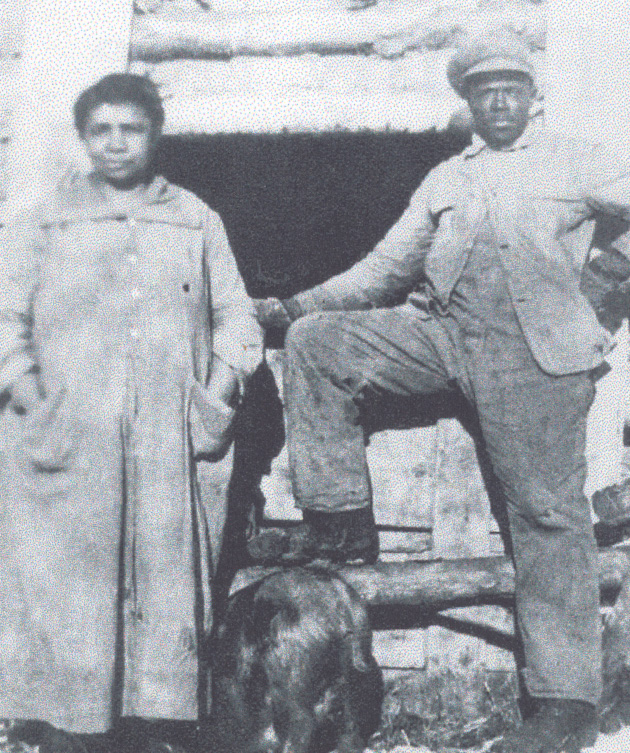
Willis and Jeanie Bowen at Amber Valley, courtesy of the Black Settlers of Alberta and Saskatchewan Historical Society.

In January of 2017 the Government of Alberta officially proclaimed February as Black History Month, recognizing the contributions people of African and Caribbean descent have made to the province. This year marks the 20th anniversary of Black History Month in Canada, a time to celebrate the history and achievements of black Canadians within Canada.

In the spirit of that announcement, RETROactive would like to feature one of Alberta’s historic places, which commemorates African American settlement. The Obadiah Place at Amber Valley was designated as a Provincial Historic Resource in 1990. The following information is adapted from the Alberta Register of Historic Places.

In 1911, a party of black Americans made their way from Oklahoma to seek a new life on lands north of Edmonton. Recent statehood for Oklahoma had brought with it restrictive ‘Jim Crow’ laws and many black Read more

“IT THREW A MUSHROOM CLOUD JUST LIKE AN ATOMIC BOMB”: THE LEDUC No.1 OIL DISCOVERY – 70 YEARS AGO

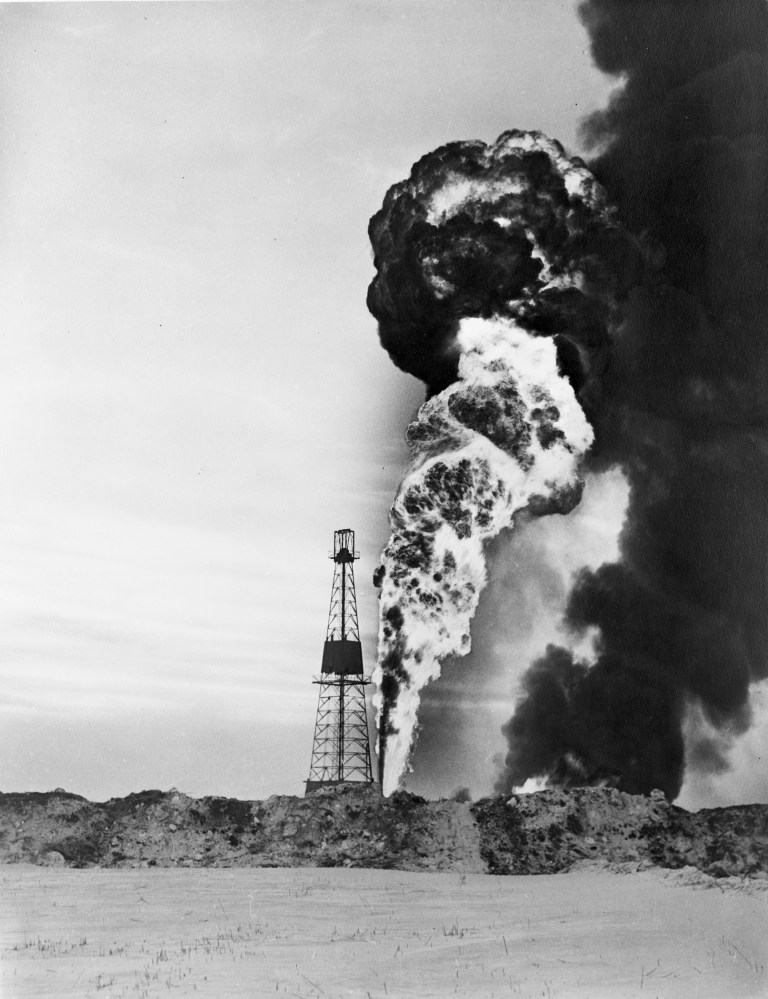
On a bitterly cold afternoon, at 3:55pm, Nathan E. Tanner, Minister of Lands and Mines turned a valve at the Leduc No. 1 oil well as a rig hand held out a burning rag, setting alight a massive column of smoke and flame that roared hundreds of feet skyward. That event took place on February 13, 1947, seventy years ago today and it heralded in a new era for Alberta. An era of rapid development and prosperity fed by the now discovered reserves of oil deep under the province.

p1342
“It flared hundreds of feet” is how tool push Vern Hunter described the lighting of the flare as the Leduc No. 1 oil well was brought in on February 13, 1947. Source, Provincial Archives of Alberta, P1342

Read more

Mountain Movement: How the Rockies Shape Alberta

Most of Alberta’s Rocky Mountains finished uplifting 50 million years ago – they’ve been pouring sediment across the province ever since. The Rockies shaped our water drainage network and, with the help of glaciers, erected the house of silt, sand, and stone that we all live in. The tilt that our mountains built is largely responsible for the development of our prairie soils and modern agriculture. Our mountains have also shaped how cultures interact and move, which has moulded much of our history.

At first glance, the Rockies are imposing – an impressive barrier rising from the foothills like a stony gate. But for thousands of years, people traveled across and within them to trade and acquire goods. Groups in southeastern British Columbia, like the Kootenai, often descended into Alberta’s valleys to hunt bison and other big game. The Kootenai engaged in trade and formalized sport (like the hoop and arrow game) with local Blackfoot, Cree, and other groups. Large caches of meat and hides were then transported back across Read more

Ask an Expert – What’s the most unusual archaeological find in Alberta to date?

Earlier this year, we launched our Ask an Expert initiative. We received our first question via our Facebook page “Alberta’s Historic Places.” The question is:

What’s the most unusual archaeological find in Alberta to date?

There are many correct answers to this question depending on people’s interests but this video shares some of our expert’s favourites! Enjoy!

Jade Celt

https://albertashistoricplaces.wordpress.com/2016/08/31/ancient-jade/

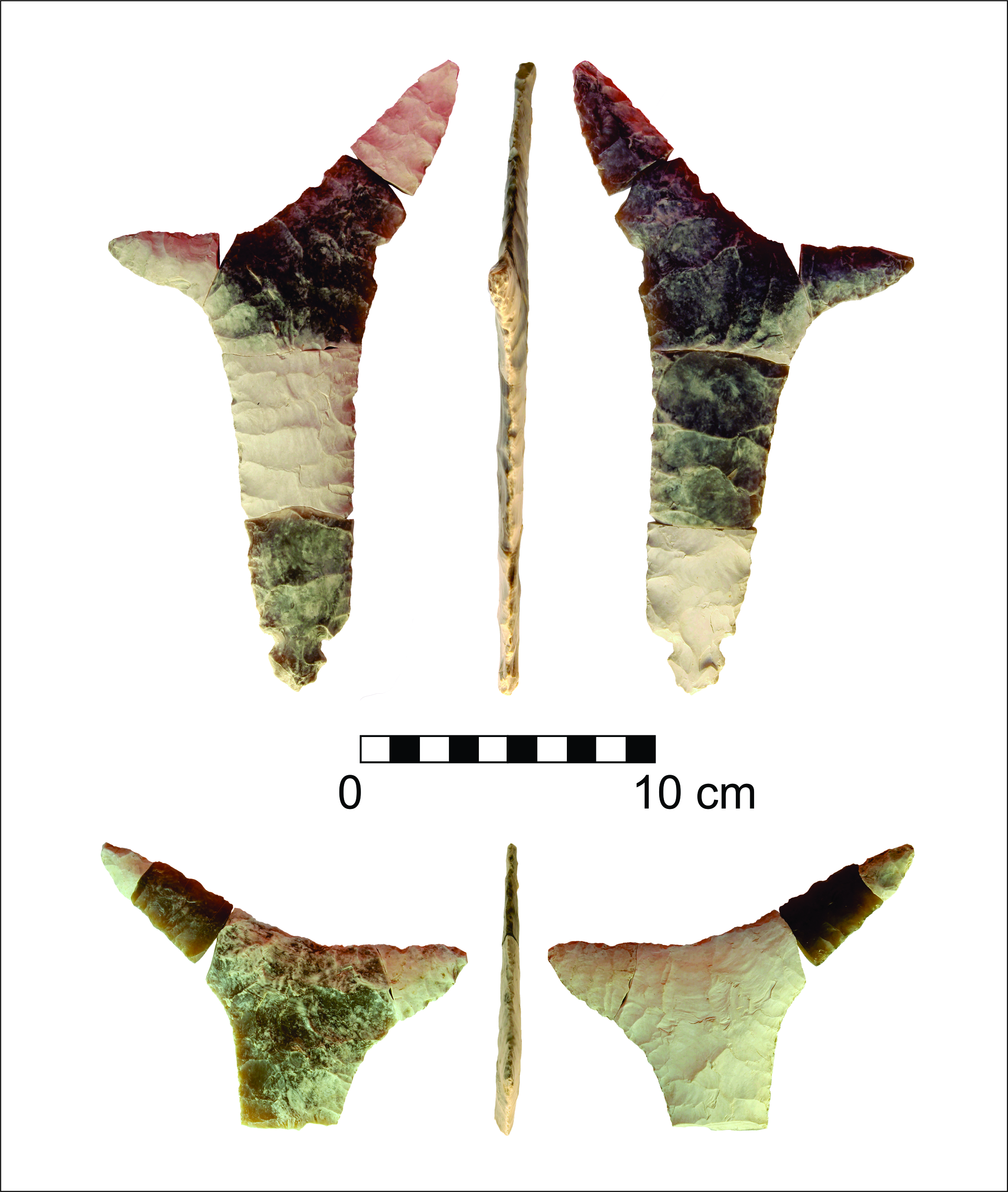
Knife River Flint Eccentrics

https://albertashistoricplaces.wordpress.com/2016/12/07/from-north-dakota-with-flair/

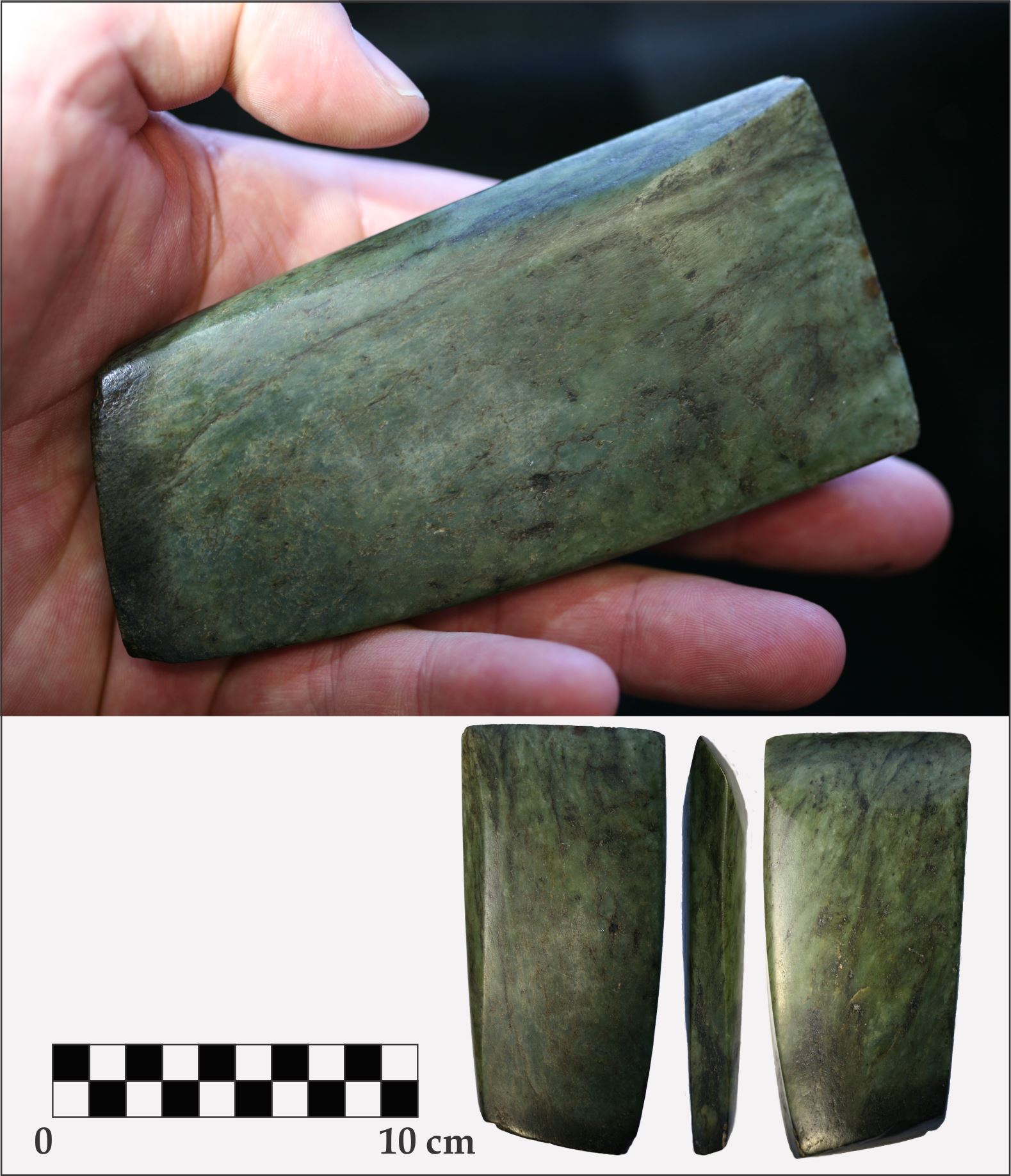
Nephrite celts are highly polished with a flat and slab-like shape. This specimen was found near Stony Plain outside of Edmonton.
Jade Celt


figure-1-eccentrics-colour
Knife River Flint Eccentrics

If you’d like to submit a question to one of our experts at the Historic Resources Management Branch comment below or find us on Facebook (Alberta’s Historic Places) or Twitter (@ABHistoricPlace).

Video and text by: Courtney Lakevold, Archaeological Information Coordinator

Christmas at the Ukrainian Cultural Heritage Village 2017

The Ukrainian Cultural Heritage Village is a major open-air museum with the network of provincial historic sites and museums operated by Alberta Culture and Tourism. Located 50 km east of Edmonton, the museum preserves more than 35 historic structures and interprets the lives of Ukrainian settlers in east central Alberta between the years of 1892 and 1930. Based on extensive contextual and site specific research, the museum is an important steward of the intangible cultural heritage of Alberta’s Ukrainian settlers. Read more

Ask an Expert and Happy New Year 2017

Happy New Year to everyone! We are excited for the New Year and look forward to sharing more of Alberta’s history with our readers. As many of you know, 2017 marks Canada’s 150th anniversary. We hope to touch on this theme throughout the year and highlight the role that Alberta has played in the country’s history. Another goal we have for this year is to connect with our readers more. We want to know what you would like to learn about! So, we are launching a new initiative called Ask an Expert.

Ask an Expert

logoaskanexpert2

The Historic Resources Management Branch of Alberta Culture and Tourism is responsible for the identification and conservation of historic resources in Alberta. Historic Resources include historic places and structures, archaeological sites and artifacts, and traditional use sites. We also deal with geographic place names in the province.

Do you have a question about any of the following topics (related to Alberta)?

  • Historic Places
  • Provincial Historic Resources
  • Heritage Conservation
  • Historic Structures
  • Geographic Place Names
  • Archaeology

If so, we’d love to hear from you! You can submit your question by commenting on any one of our blog posts (preferably related to the topic), or you can leave a comment on our Facebook page or tweet at us on Twitter.

Facebook: Alberta’s Historic Places

Twitter: @ABHistoricPlace

When we receive questions we will track down our resident experts to answer them for you. The answers will be in the form of blog posts or videos.

To get things started we will be giving away a one-time admission pass to one of Alberta’s historic sites or museums to the person whose question we choose for the first Ask An Expert feature! http://www.culture.alberta.ca/heritage-and-museums/museums-and-historic-sites/

Cheers to 2017! We look forward to your questions.

Happy Holidays 2016!

holiday-greeting-2016-01

The staff of the Historic Resources Management Branch wish you a safe and happy holiday season. If you missed it last week, our holiday post was about St. Nicholas Peak!

RETROactive hit a big milestone this year – 5 years of publication and over 250,000 views all time! Thanks to you, our amazing readers, for your support. We couldn’t have done it without you!

Our top 5 posts of 2016 were:

  1. Hollywood in the Canadian Rockies
  2. Changing Animals: Alberta’s Ice Age Megafauna and Wally’s Beach
  3. Blood Kettles and Buffalo Jumps: Communal Hunting on the Plains of Alberta
  4. Alberta on Fire: A History of Cultural Burning
  5. Power and Powder: Early Guns in Alberta

RETROactive will be taking a break over the holidays — we will resume publishing on January 4th, 2017. We look forward to seeing you all in the New Year!