Canada is in the midst of marking the centenary of the Great War of 1914-1918. The war which engulfed the Dominion of Canada was to have dramatic effects on the young, barely decade-old province of Alberta. By 1914 Alberta boasted a greatly expanded population of 470,000 of whom more than 49,000 served in Canada’s armed forces. Of that number over 6,000 died and another 20,000 suffered non-fatal casualties.
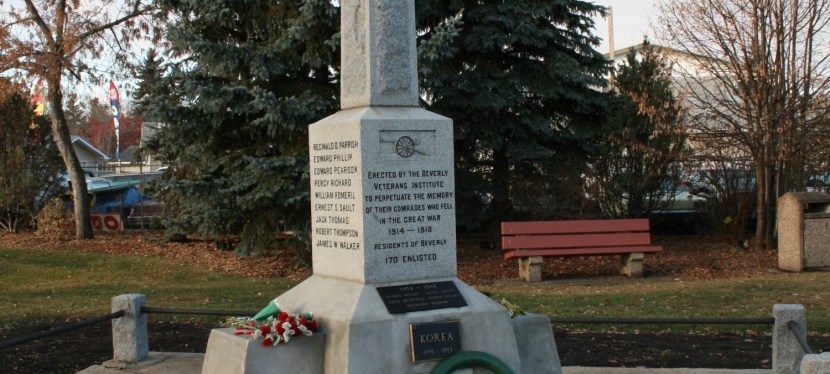
On the eastern boundary of Alberta’s capital City of Edmonton the coal mining community of Beverly was incorporated as a Village in 1913 and elevated to the status of Town in July of 1914. Just prior to Canada’s entry into the Great War, Beverly had a population of 1,200, attracting residents from across Read more →
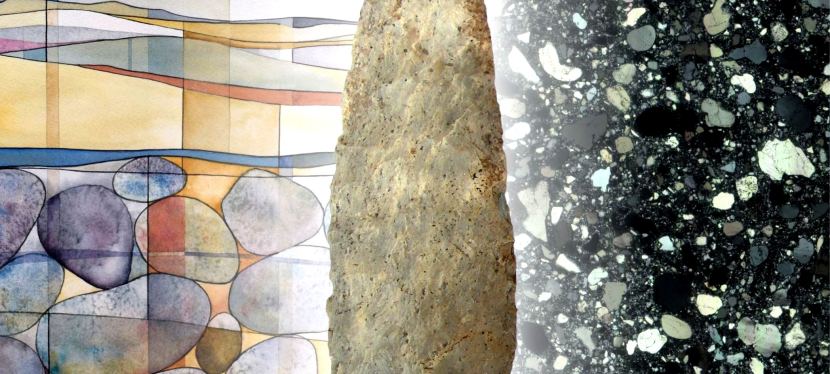
On a cold January day researchers from the University of Alberta and the province’s Archaeological Survey huddled on a frozen lake near Fort McMurray waiting to extract long cores of mud. Layered throughout the cores are environmental indicators, like pollen and microorganisms, that span thousands of years. Geologists have tried to map the boundaries of hydrocarbon reservoirs in the oil sands for over a century but they have only recently focused on the natural forces that exposed bitumen to human eyes. The mystery of this exposure event is what continues to draw researchers to remote frozen lakes in northeast Alberta. Read more →
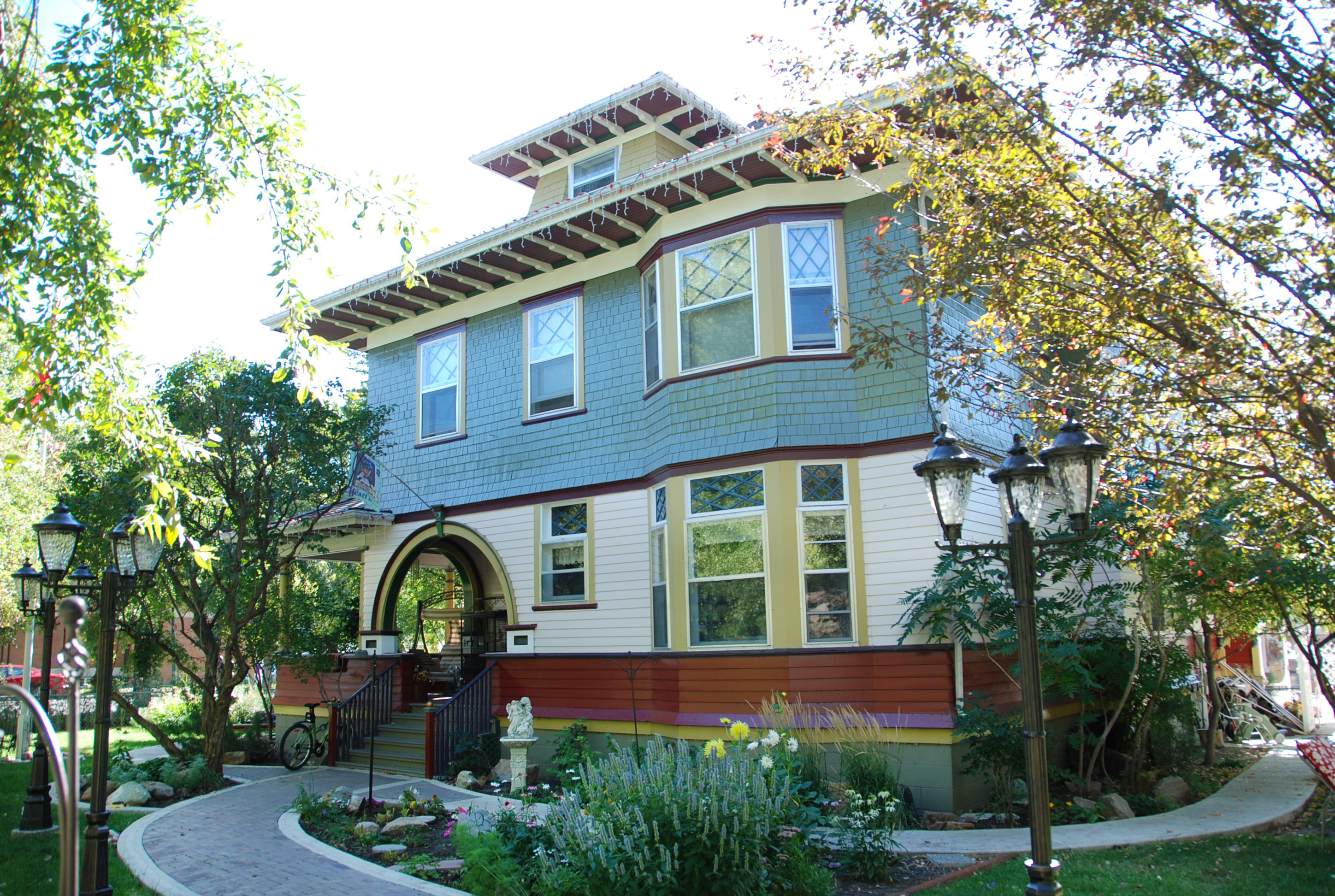
The residence known as Annandale, one of Lethbridge’s best known heritage homes, has been designated as a Provincial Historic Resource and is listed on the Alberta Register of Historic Places.
Exterior of Annandale in Lethbridge from the northwest, showing the entry porch with large arches, the wood shingle siding, bow windows and dormer window. September 2009. Alberta Culture and Tourism, Government of Alberta.
In an earlier post we showed a video of the fieldwork undertaken for the Rocky Mountain Alpine Project in August of 2015. This was a pilot project to determine the potential for finding organic archaeological artifacts in ice patches in the Jasper National Park area. One of our most exciting finds was a leather strip that had recently melted out from the edge of an ice patch. However, we also found and collected a significant number of other naturally occurring organic materials melting out from the ice. While most of these are not archaeological, they are valuable for understanding how this environment and the animals living in it have changed over time. The pilot project revealed that ice patches in Jasper and neighbouring Mount Robson Provincial Park have great potential for archaeological research but also for biological, environmental, and climate research. See below for some of our other finds and their potential to contribute to our knowledge of this landscape’s past.
Natural Organics
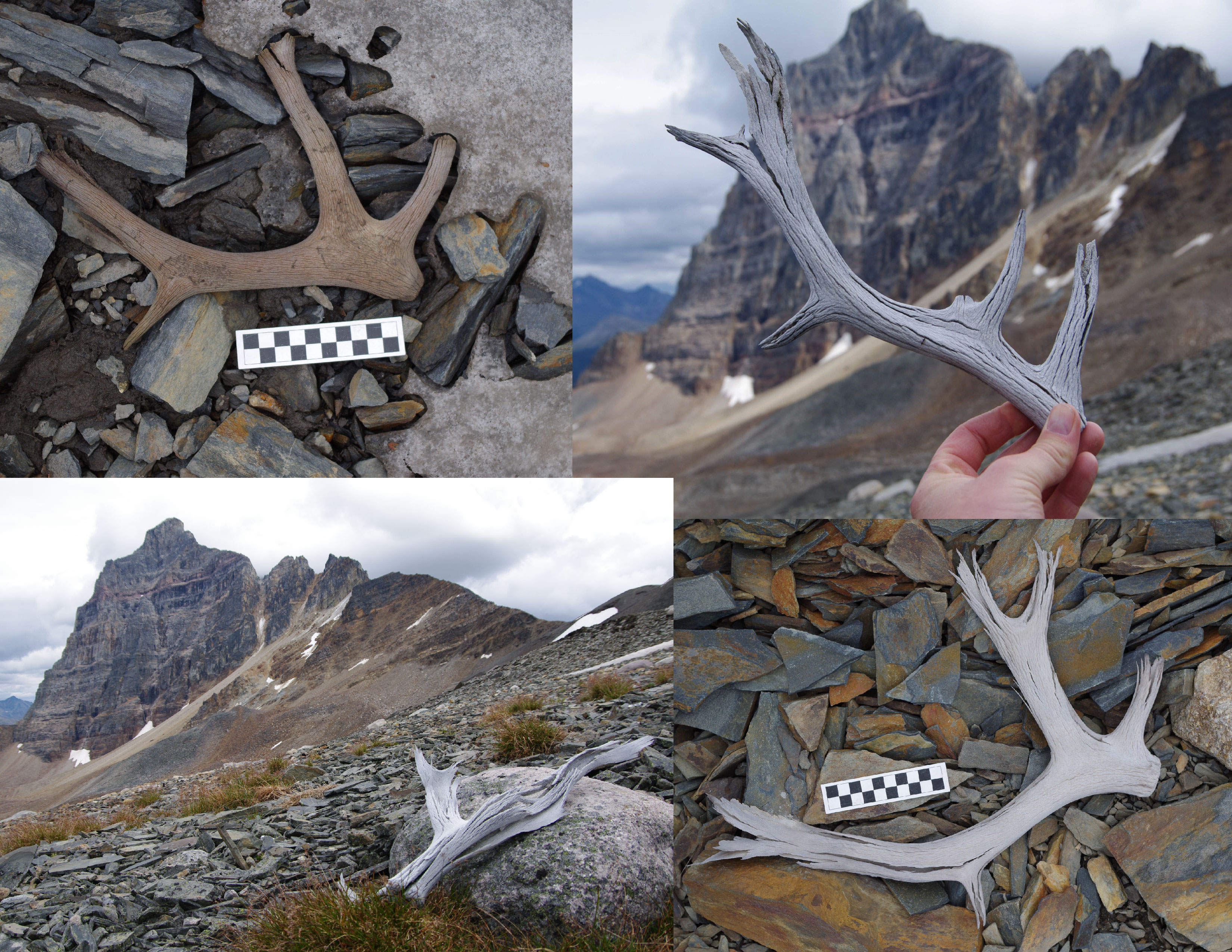
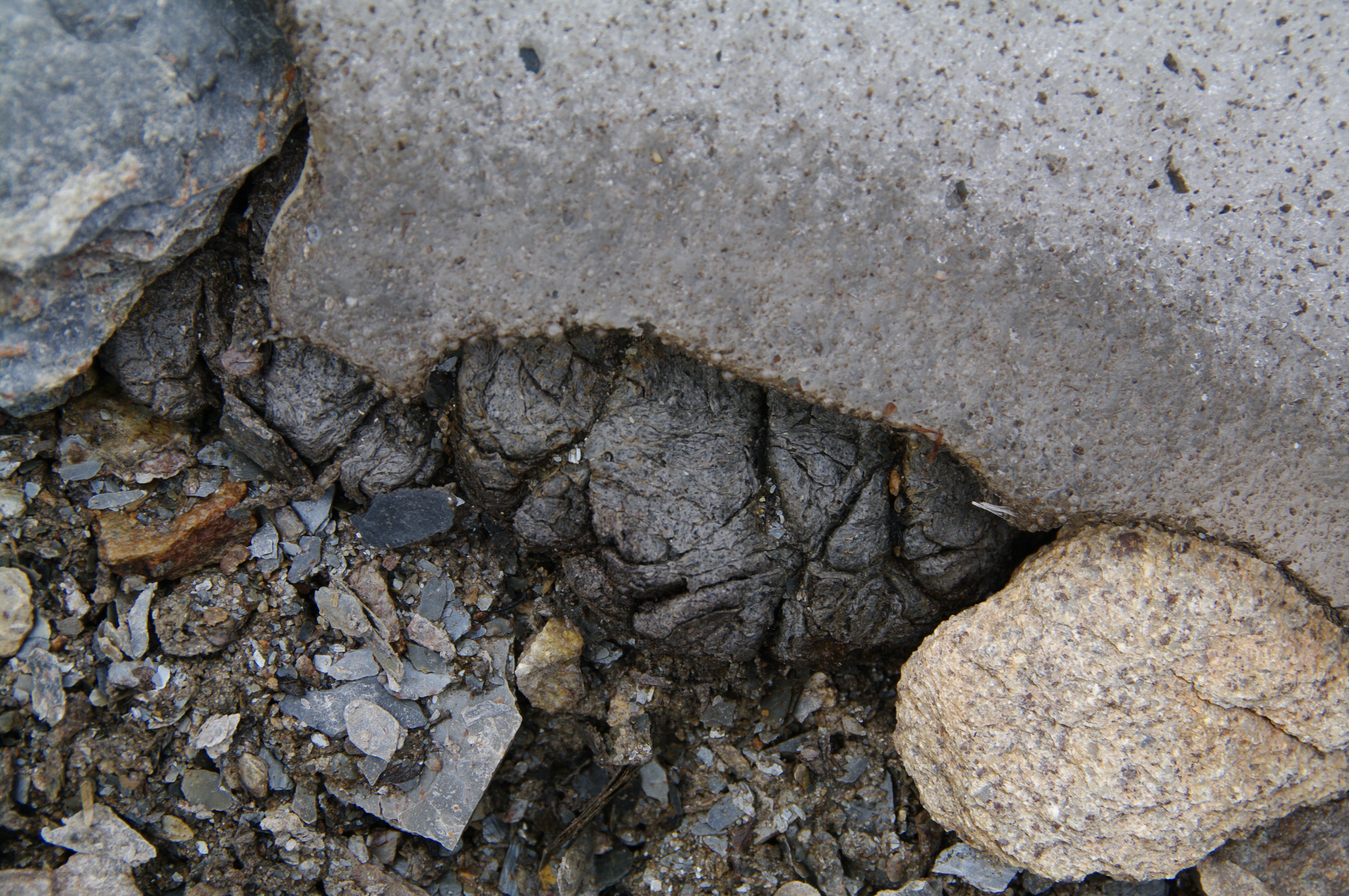
Caribou antlers were the most abundant organic materials found. Antlers can be used to reconstruct caribou populations in the past by recovering DNA from them and using genetics to track population growth and decline. It is important to understand how populations change naturally so that we can interpret what effect human activity might have on caribou. We may also be able to detect the impact of past ecological events (like volcanic eruptions) on caribou populations. Similarily, caribou dung present in the ice patches can also be used to track caribou populations and diet. Some researchers have also used finds like this to track the evolution of viruses.
A sample of some of the caribou antlers found at the edge of the ice patches.Caribou dung melting out of the ice.
Bone is another important archaeological and ecological find. Any bone that was encountered was examined for evidence of human modification such as breaking or fracturing of the bones from hunting and processing. Read more →
How did people kill animals before guns and the bow and arrow? One of the oldest weapons in Alberta is called an atlatl or dart thrower. The atlatl increased in popularity around 8000 years ago and was the trusted technology for roughly 300 consecutive generations of hunters. It was replaced by the bow and arrow around 2000 years ago.
What’s an Atlatl?
The atlatl is a carved wooden board, up to 1 m long, with a hook on one end that inserts into a divot at the end of a ‘dart’ shaft (about 1 m in length).
An atlatl throwing board (by Amanda Dow)
The hunter throws the dart in a motion similar to a baseball pitch. A flick of the wrist at the end of the throw increases the speed and power. Is the use of an atlatl better than just throwing a spear? The world record for a hand-thrown javelin is 104 m while the record for an atlatl thrown-dart is 258 m! Read more →
In August of 2015 members of the Archaeological Survey of Alberta undertook fieldwork in Jasper National Park and Mount Robson Provincial Park. This work had a focus on ice patch archaeology – that is, surveying melting alpine ice patches to recover ancient cultural and natural material revealed by retreating ice and snow. The video below showcases this fieldwork and explains its importance. A more detailed blog post will follow in the next few weeks to provide more information about this important initiative that was spearheaded by our Northern Archaeologist, Todd Kristensen. Enjoy!
Video footage, audio and photos by: Courtney Lakevold (Archaeological Information Coordinator), Todd Kristensen (Northern Archaeologist), Mike Donnelly (Archaeologist), and Travis Jones (Ph.D. Student, University of Georgia/Center for Applied Isotope Studies)
Video and summary by: Courtney Lakevold, Archaeological Information Coordinator
A recent Government of Alberta information bulletin announced a new Provincial Historic Resource. Check it out:
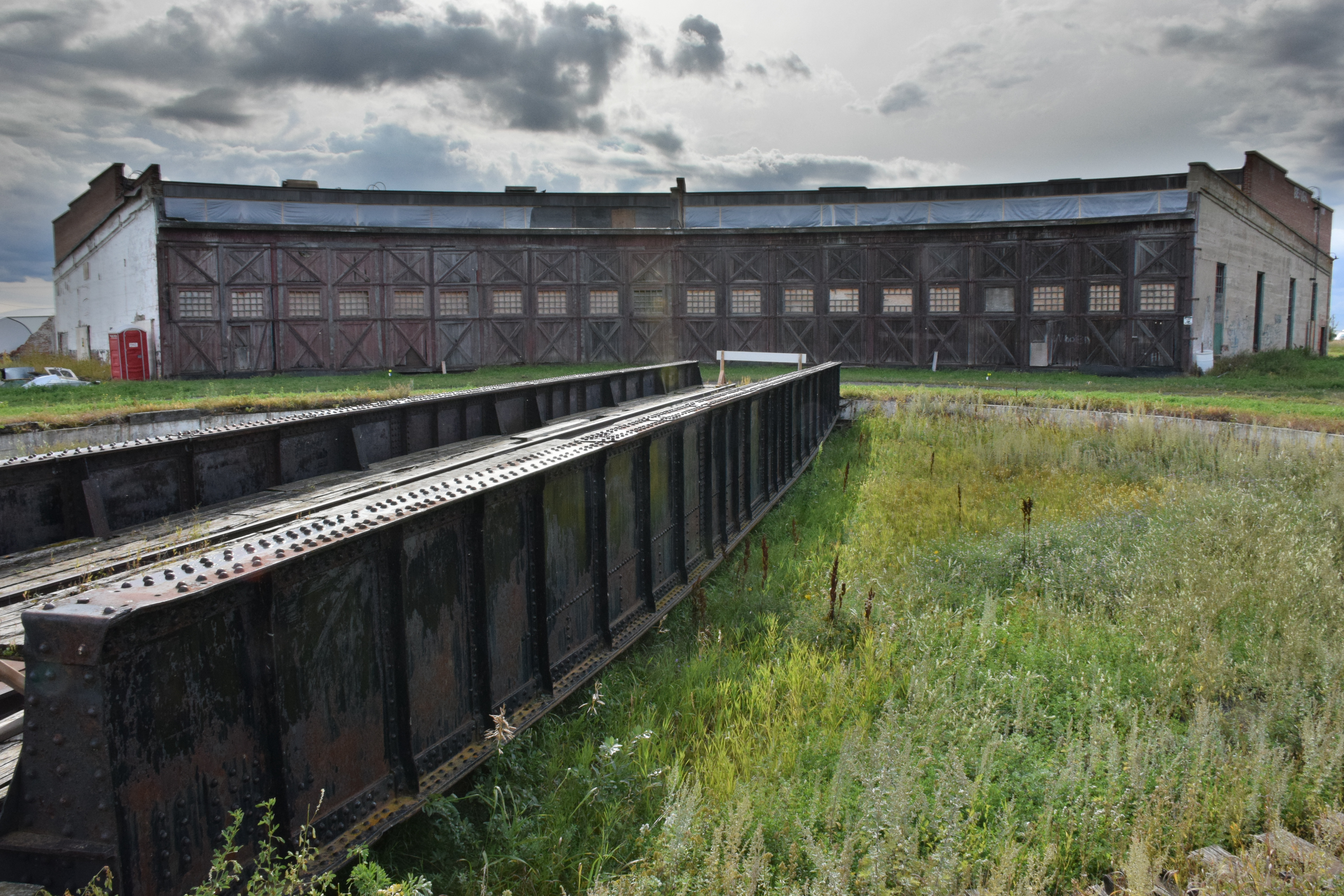
In August, 2015, a rare and important piece of Alberta’s railroading and transportation heritage has been designated as a provincial historic resource.
Exterior of the Canadian Northern Railway Roundhouse, showing the large, double doors, which provide access to the locomotive stalls. The turntable and bridge are in the foreground, September 2014. Alberta Culture and Tourism, Government of Alberta.
The first steps out onto the dome of the beehive kiln are a bit unnerving, with only a thin shell of tightly-fitted bricks supporting a small group of us above the void below. Domes structurally similar to this have been around since antiquity – many notable examples still survive – but it’s reassuring to know that scaffolding inside the kiln will prevent a painful and possibly career-ending collapse.
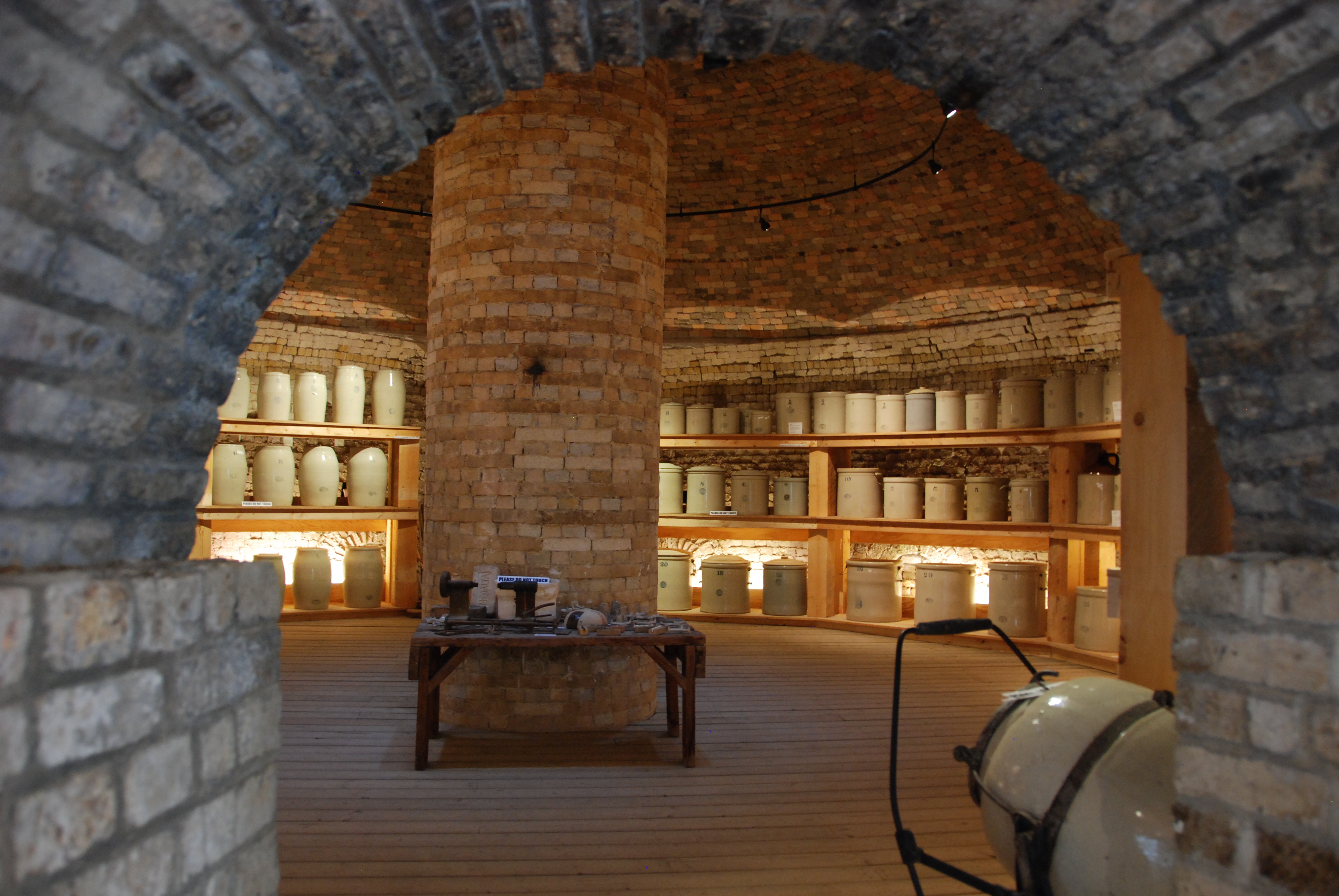
Kiln No. 2, one of four historic beehive downdraft kilns at Medalta Potteries, is a circular drum roughly ten metres in diameter with brick exterior walls surmounted by the dome and a tall central stack. Encircling the walls are wide adjustable bands of corroding steel which held the kiln together as it expanded and contracted and attest to the rigours of the firing process. Medalta’s beehive kilns historically fired a wide range of ceramic products and now serve as distinctive classroom and exhibit spaces.
This post was originally published on RETROactive on March 6th, 2012. Farmers across the province will soon be busy with harvest so we thought it appropriate to highlight a previous post associated with Alberta’s agricultural past. Please note that these statistics are from 2012.
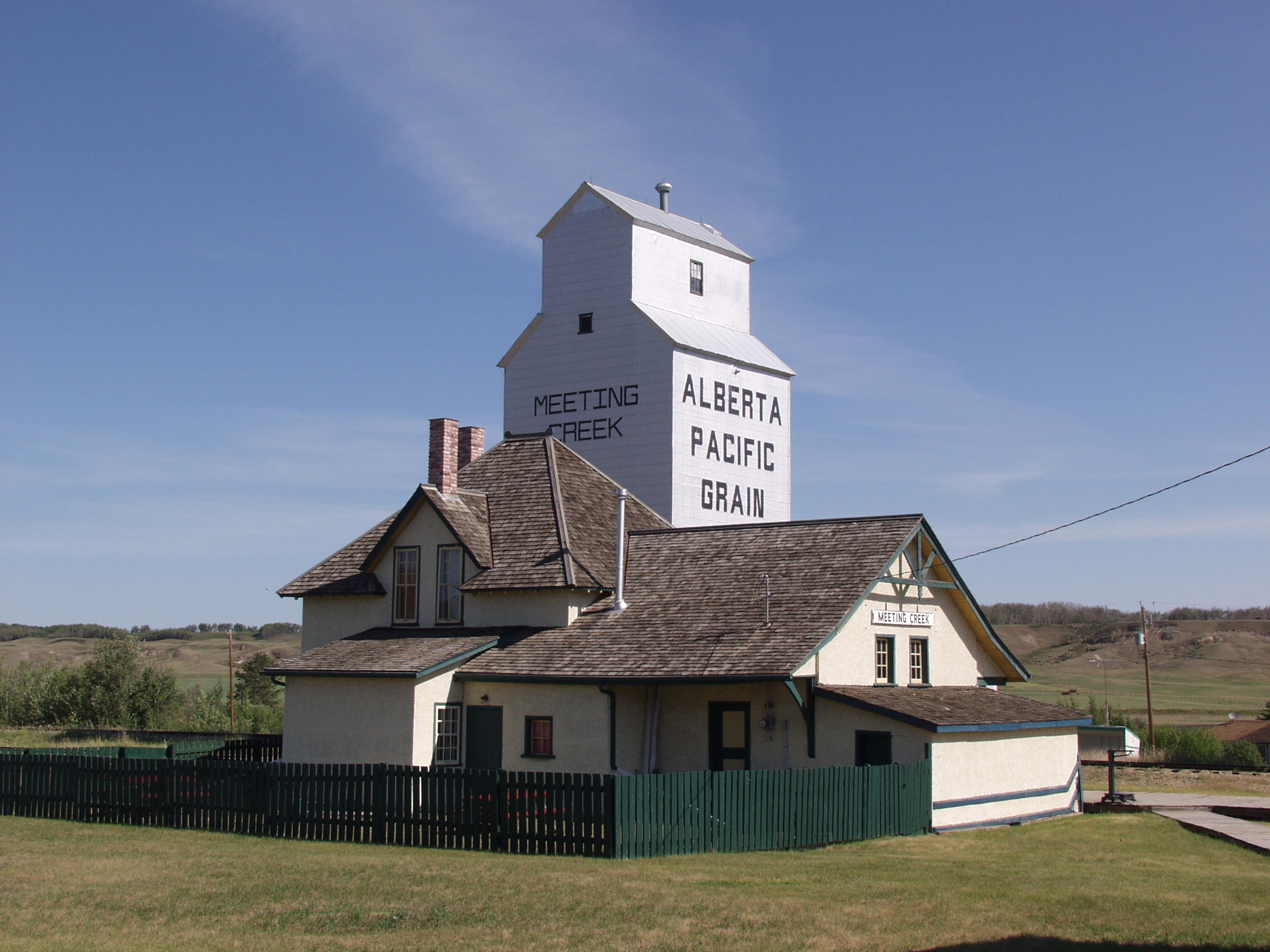
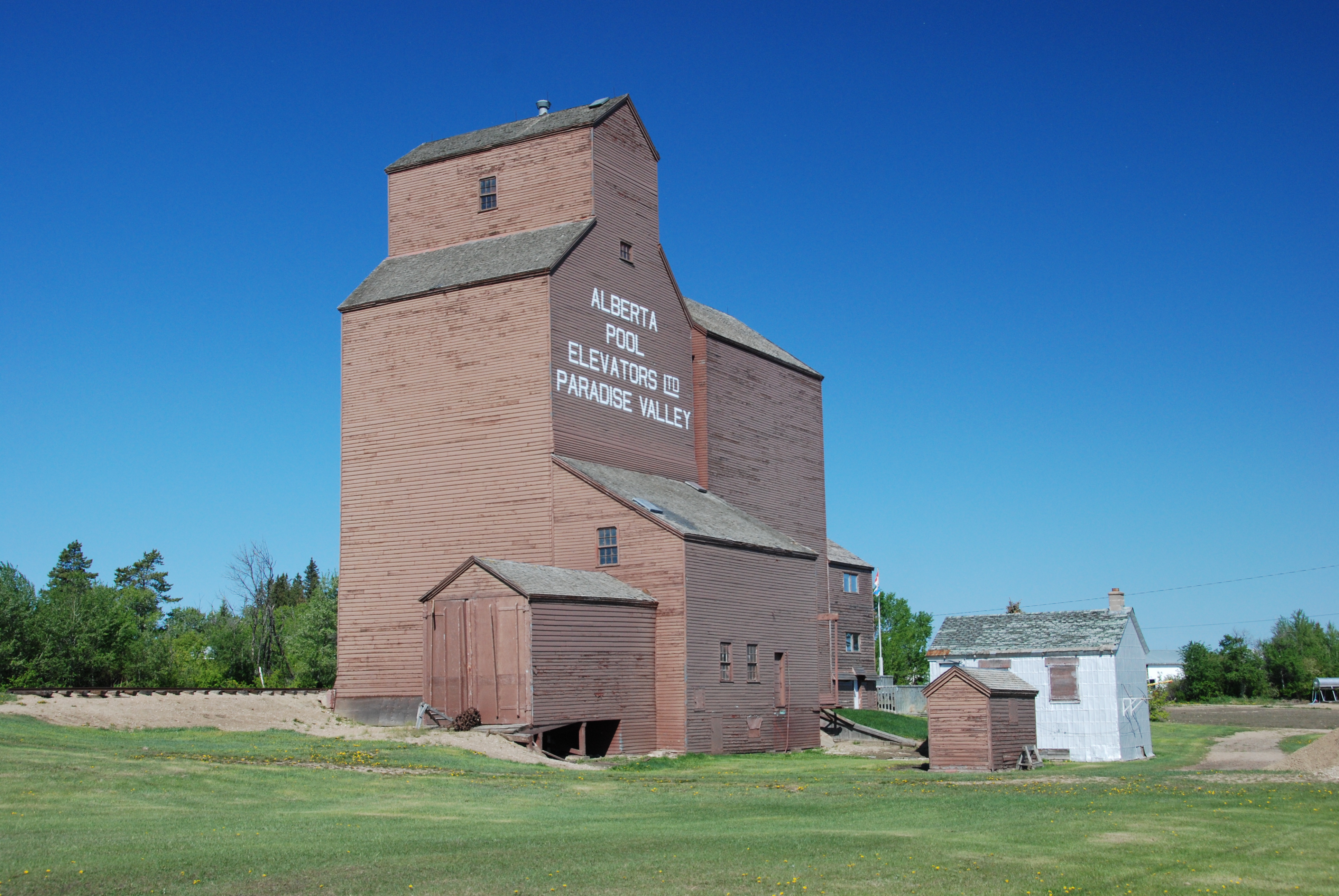
The twentieth century saw the rise and fall – literally – of the wooden country grain elevator in Alberta. As rail lines spread across the province, grain elevators sprouted like mushrooms after a spring rain. The high water mark for wooden country grain elevators was in 1934. New elevators were added in every decade, but this has been exceeded by the rate of demolition or closure ever since. Check out the following “index” of Alberta’s wooden country elevators, called “elevators” for short in this list.
This is the second of two blogs about some of the unique evidence of early boating in Alberta. The first blog explores First Nations boats and the second discusses the earliest Euro-Canadian vessels from the adoption of the birch back canoe to steamboats.
Boating in the Fur Trade
The first European fur traders adopted an eastern Algonkian-style of birch bark canoe. Every year, hundreds of men and women in Alberta gathered supplies and moulded lightweight ‘Express’ canoes at major fur trade boat building centres like Fort Chipewyan, Fort Edmonton, and Rocky Mountain House. While canoes and other physical traces of boat building at these forts have long since decayed, other lines of evidence of early boating are preserved. Trading posts needed Read more →




 RETROactive