A few weeks ago we featured ice patch archaeology in Willmore Wilderness Park as part of the Rocky Mountain Alpine Project. The trip to Willmore was one of two attempts this summer to find archaeological artifacts and other organics melting out of Alberta’s ice patches. The second attempt took place from August 22-26, this time in Jasper National Park and, as promised, here are the results! For a background on the Rocky Mountain Alpine Project, check out our video.
This year was our second visit to Jasper’s ice patches. The goal of last year’s trip to Jasper was to determine if there was potential for finding organics and archaeological artifacts in Alberta’s alpine ice features. The trip was very successful and we found that many organics, like antlers and wood, were preserved at high altitudes. We also found a cultural piece of leather, with two knots in it, melting out of one of the patches. It was radiocarbon dated to A.D. 1640. The exploratory trip proved to be successful and we were excited to return to Jasper this year, both to re-visit the ice patch that yielded the leather and to explore some new areas.
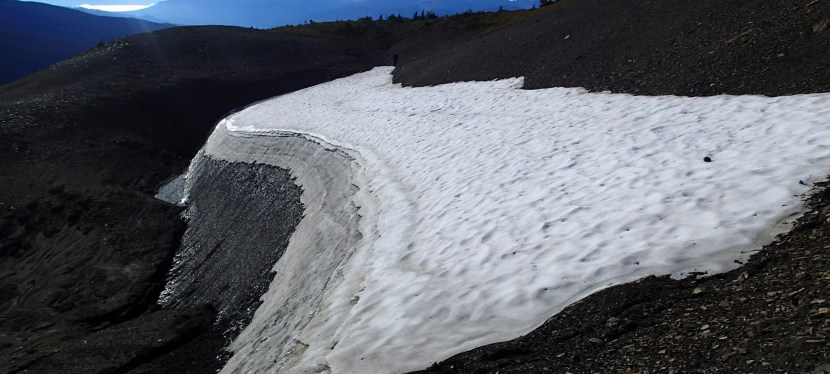
Ice patch in the Maligne Lake Area of Jasper National Park, archaeologists surveyed the patch in August 2016. (Photo Credit: Aaron Osicki)
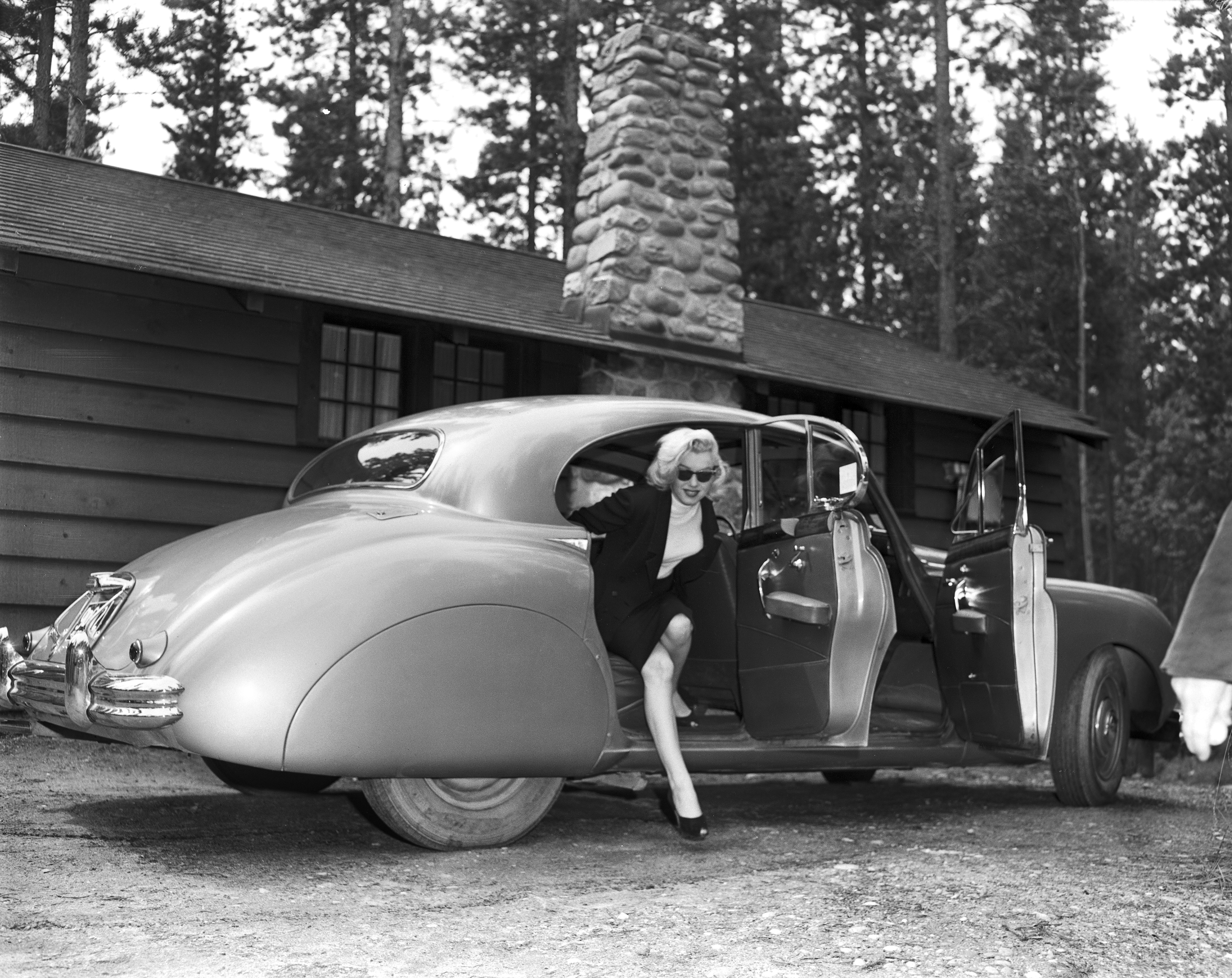
‘Marilyn Monroe Nearly Drowned,’ read the headline, tucked away in the entertainment pages of the Calgary Herald for August 14th, 1953. Monroe was on location in Jasper National Park for the filming of the 20th Century Fox blockbuster western, River of No Return, when she slipped and fell in the icy waters of the Maligne River. Although pulled to safety by her co-star Robert Mitchum – and a dozen other crew members who quickly rushed to her rescue – she suffered a badly sprained ankle.
The cast and crew had caused quite a stir when they first arrived in the tiny mountain town of Jasper on the 25th of July. Two thousand people, more than the population of the town itself, were on hand to greet the train when it arrived from Vancouver. Director Otto Preminger, when first arriving on location, made a complete circle, shook his head and said, “I guess it doesn’t really matter where I point the camera. We are absolutely surrounded by scenery.”
Marilyn Monroe in the Canadian Rockies for the filming of ‘River of No Return’, 1953. (Photo Credit: Provincial Archives of Alberta PA3057.7)
1953 wasn’t Hollywood’s first foray into using the Mountain Parks as a cinematic backdrop; filmmakers already had a long love affair with Banff and Jasper dating back to the 1920’s with one of the earliest movies being Cameron of the Royal Mounted, filmed in Banff and released in December of 1921. The film was produced by Canadian Ernest Shipman. A prolific filmmaker of his day, Shipman produced 12 movies between 1919 and 1922. It was at this time however that large Hollywood interests, supported by the U.S. State Department, began exerting control over foreign markets, vertically integrating the production, distribution and exhibition of films, effectively putting independent filmmakers out of business and ending a successful decade of domestic film making in Canada. Read more →
With no jade mines or known quarries in the province, you may be surprised to learn that people used jade in Alberta thousands of years ago. Jade is a common name that refers to two minerals, one of which, nephrite, is found in Canada.
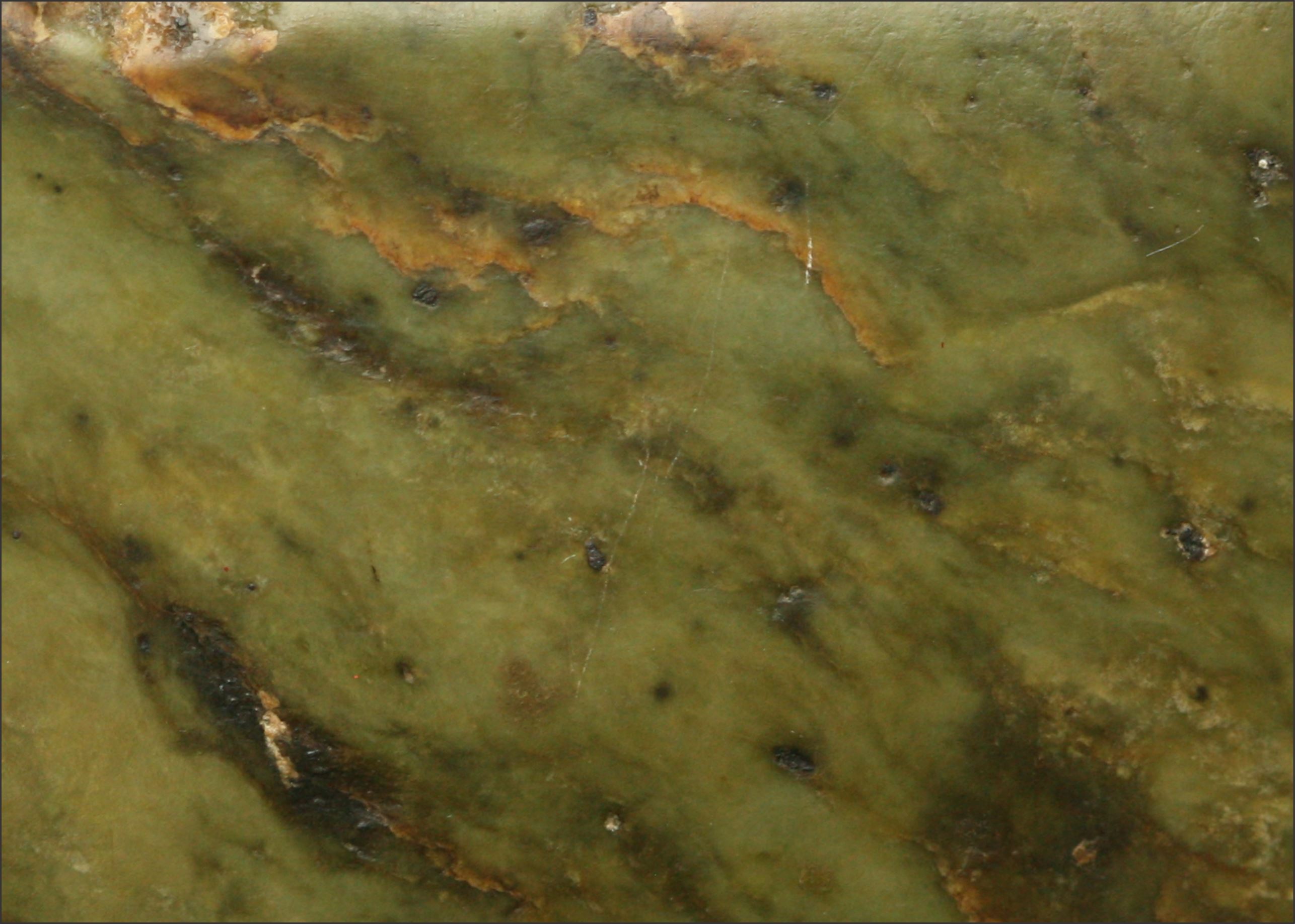
Close-up photograph of a jade (‘nephrite’) artifact from northwest Alberta (by Todd Kristensen).
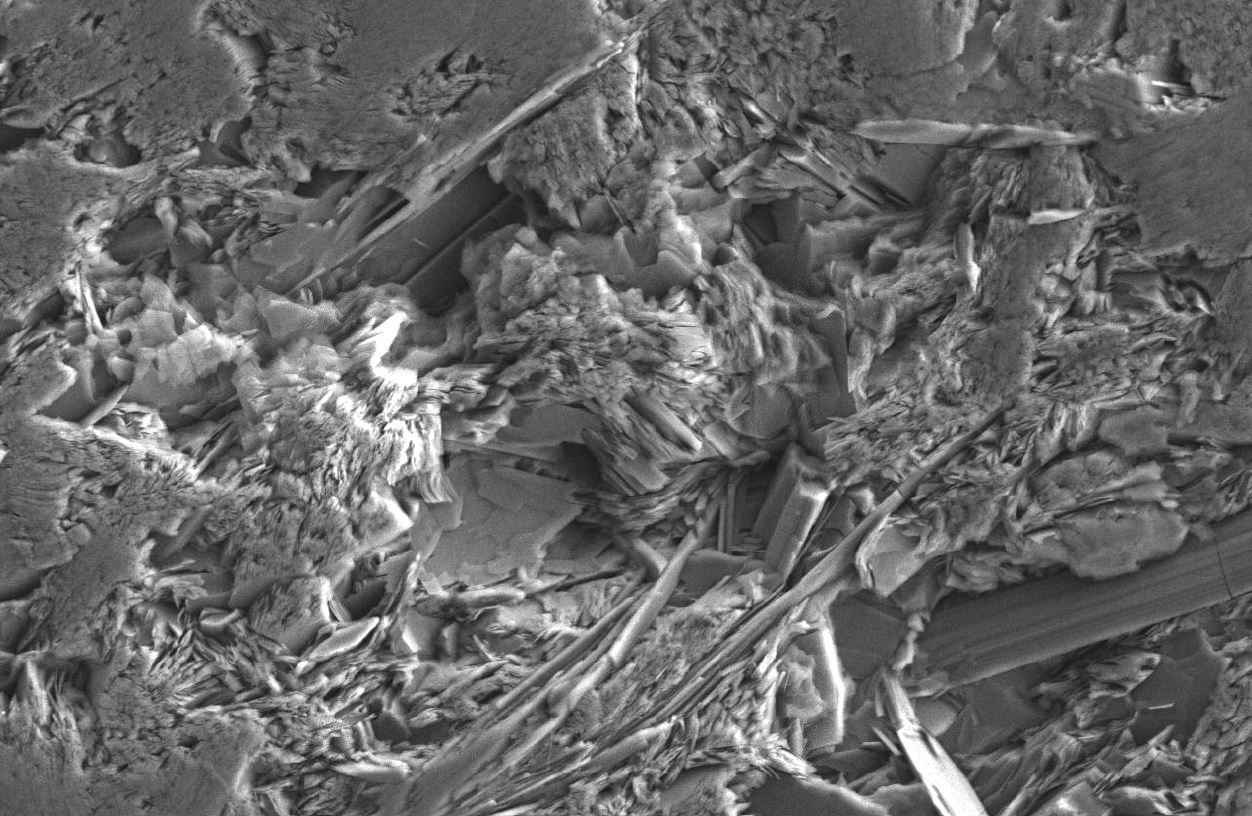
Nephrite is one of the toughest natural materials on earth and for this reason, ancient people used it to make tools called celts. Tightly interlocking bundles of amphibole crystals (actinolite/tremolite) make nephrite incredibly resistant to fracture so the celts retain their sharp edges despite hours of wood-working with them.
Tightly interlocking bundles visible in this Scanning Electron Microscope image give jade (‘nephrite’) its strength (courtesy of Jesse Morin).
How did people make jade or nephrite celts? Slowly! As in modern times, nephrite was too strong to chip with a chisel so it was patiently sawed and ground with materials like sandstone and quartz crystals and polished with a slurry of gritty water. Jade occurs in outcrops across British Columbia where some First Nations had specialized jade workers. Most of the evidence for Aboriginal nephrite working comes from the Fraser River of southern B.C. near Lytton, Lillooet, and Hope. While the celts manufactured by pre-contact people were certainly functional, the rarity of jade and the time it took to make celts would have resulted in a highly revered and prized type of tool.
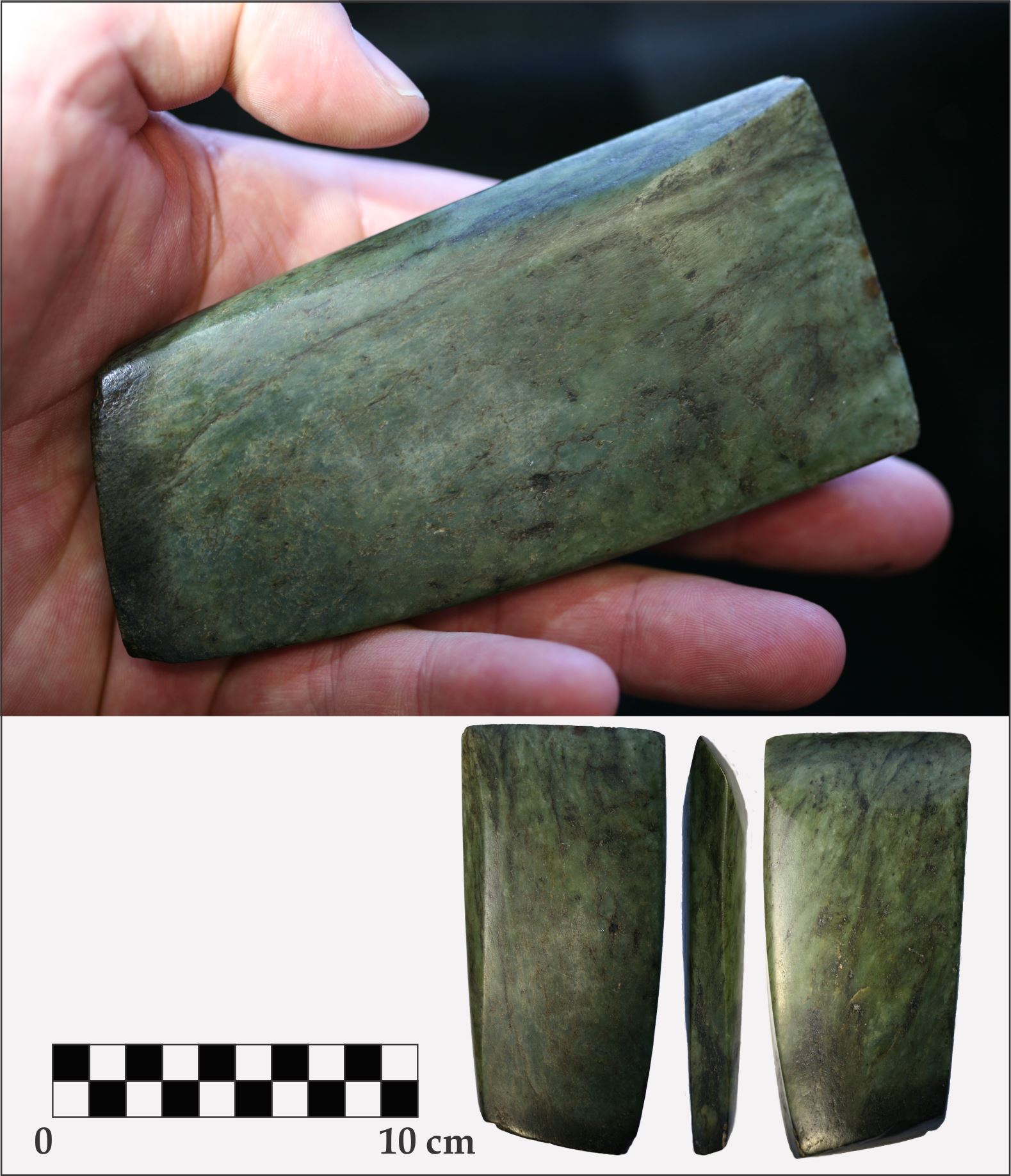
Nephrite celts are highly polished with a flat and slab-like shape. This specimen was found near Stony Plain outside of Edmonton (by Todd Kristensen).
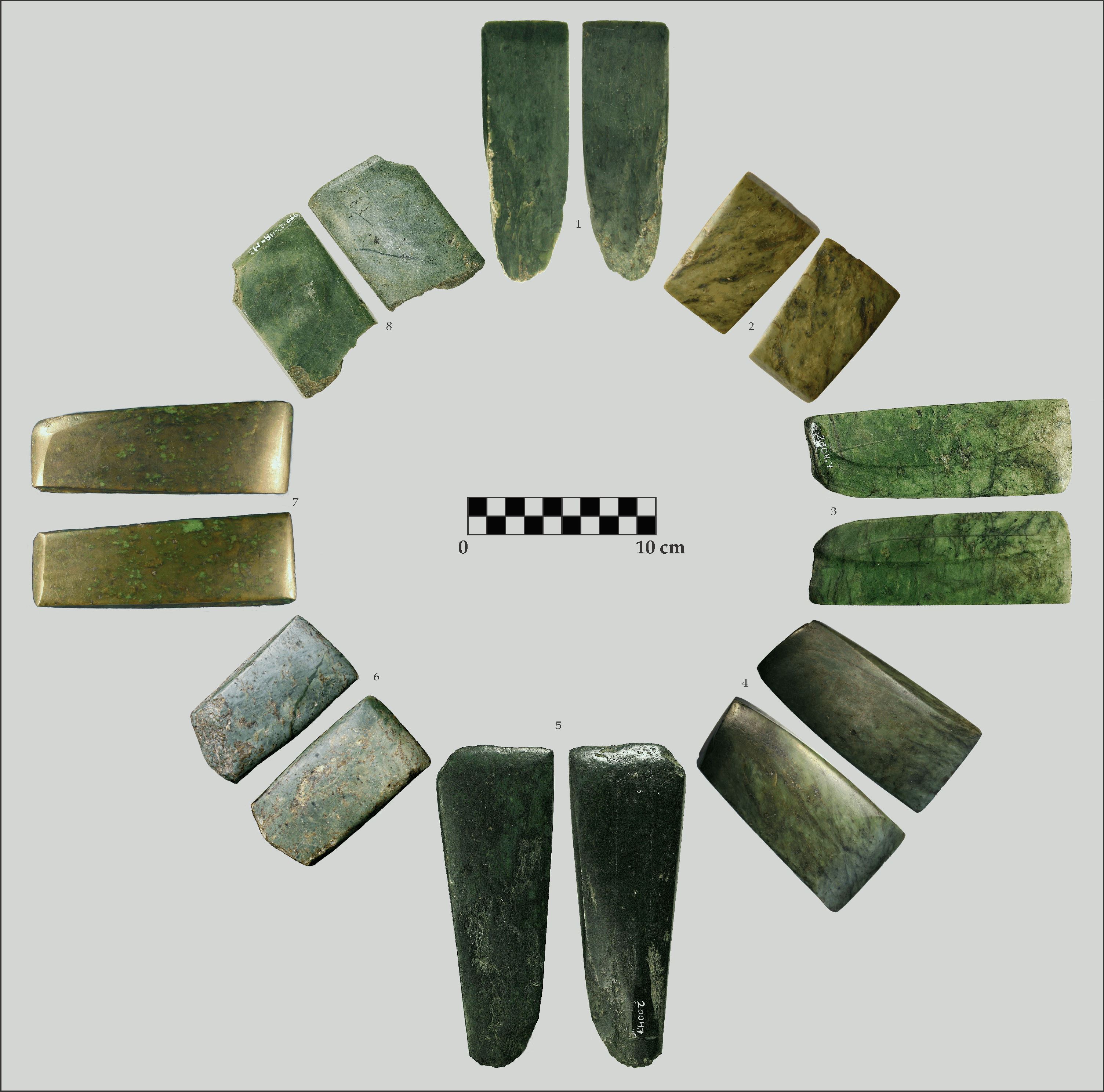
Nephrite celts have been recovered from several farmers’ fields across Alberta but have never been found during an archaeological excavation in the province. They are generally more common in northern Alberta where First Nations likely maintained stronger trading connections to people from B.C. than in the south.
Jade or nephrite celts found in Alberta. Specimens 1, 2, 3, 5, and 8 are from the Grande Prairie area. Specimens 4, 6, and 7 are from the Edmonton area.
Based on historic records and tools used by First Nations shortly after European contact, jade celts were most likely tied onto wood or antler handles to increase the force that people could apply to the tool. The Alberta celts are thought to have been either ceremonial, status-markers, and/or they were used to build boats or prepare wooden poles.
A large spur on the end of a wood or antler handle served as a platform on which to tie or ‘haft’ a flat celt (by Todd Kristensen).
Written By: Todd Kristensen (Regional Archaeologist, Archaeological Survey), Jesse Morin (Heritage Consultant), and Karen Giering (Curatorial Assistant, Royal Alberta Museum)
Acknowledgements
Staff from the Archaeological Survey, Royal Alberta Museum, and University of Alberta collaborated with museums and farmers across Alberta to analyse our rare jade artifacts. Jade expert Jesse Morin from B.C. analysed specimens and lent his knowledge to the project. Full results, including geochemistry, mineralogy, and archaeological significance of Alberta’s jade will appear in an Occasional Paper Series article that will be available to the public shortly. Thanks to all the researchers for their help and thanks to the museums and farmers for kindly loaning artifacts for this study!
The historic downtown of Fort Macleod, one of two Provincial Historic Areas in the province, is well known for its impressive commercial buildings of brick and sandstone masonry. Collectively, these Classical Revival buildings exemplify an Edwardian commercial streetscape just prior to the First World War.
One of the main street’s crown jewels is the Empress Theatre, an elegant brick building with decorative sandstone details built in 1912. Historically a hub of the town’s social life, the theatre hosted plays, vaudeville acts and performers from Alberta, across North America and even overseas, as graffiti preserved in the original basement dressing rooms attests to this day. The original façade was theatrical in its own right and featured a grand arched entrance and recessed box office. As tastes changed and motion pictures grew in popularity, the original entry was enclosed to provide a lobby and concession, the auditorium was renovated with plush upholstered seats in the Art Deco style and neon tulips mounted on the ceiling, and a bold new neon sign and marquee replaced the original blade sign on the front facade. These 1930s and 1950s renovations added layers of architectural history and significance to the building and contributed to its designation as a Provincial Historic Resource in 1982.
The Empress Theatre in April 2016 (top). Bottom from left: View west along 24 Street in 1953, Glenbow Archives photograph NA-5600-6653 (cropped slightly from original); detail of 1953 streetscape showing the Empress marquee in essentially its present form; historic colours exposed on a blade sign letter; a plywood mock-up to evaluate proposed blade sign colours.
The Town of Fort Macleod owns the theatre and has embarked on an extensive rehabilitation project that includes rehabilitation of the historic neon marquee. The marquee was refurbished in the late 1980s by Fort Macleod’s Main Street Project but a generation of exposure to the elements has taken its toll on the galvanized sheet metal, paint, and fragile neon tubing. Removal of the signs for other façade repairs was an ideal opportunity to re-examine and document the marquee’s colour history. Read more →
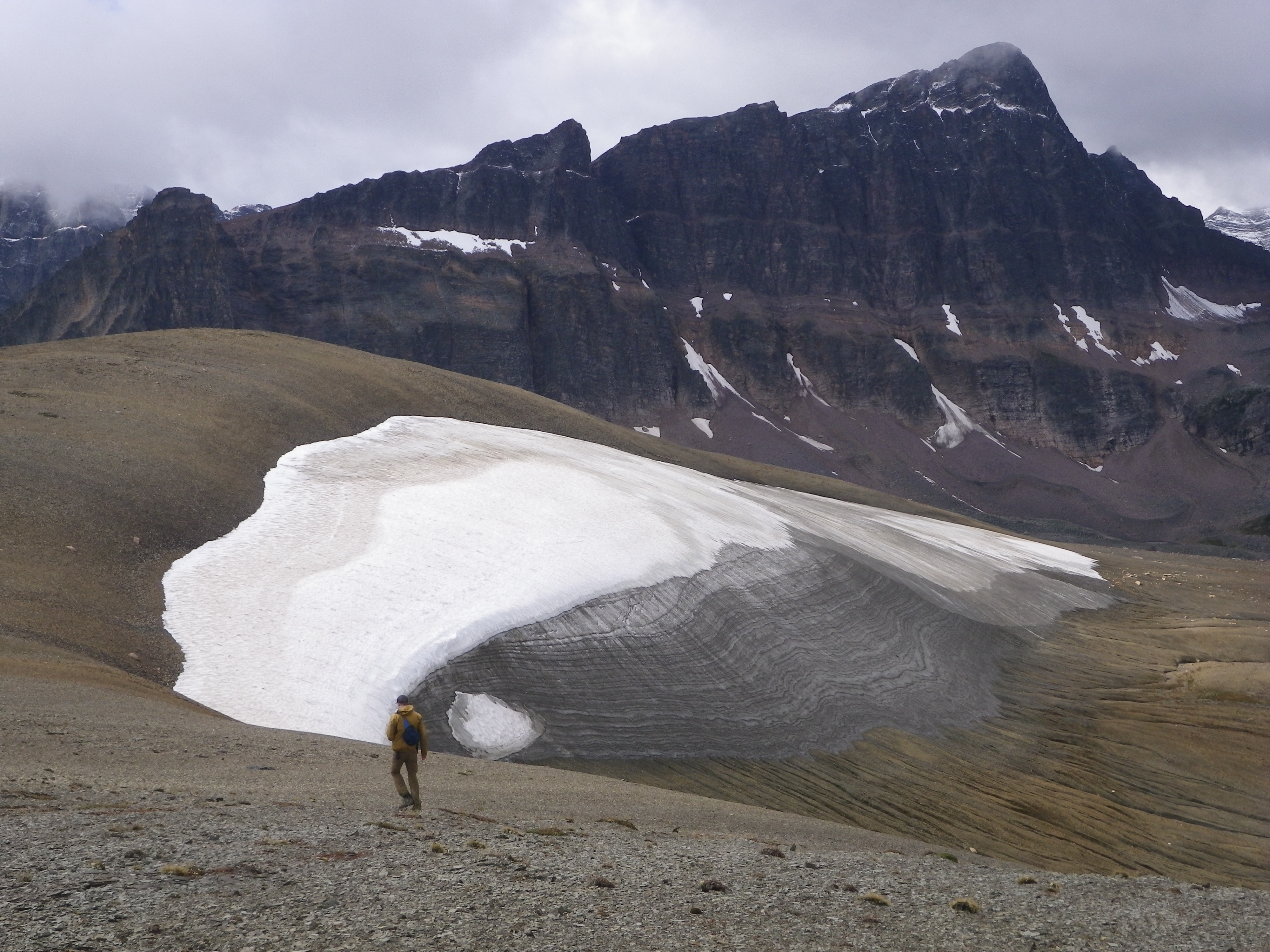
From August 8-12th, 2016, Todd Kristensen (Northern Archaeologist), Robin Woywitka (Cultural Land Use Analyst), Courtney Lakevold (Archaeological Information Coordinator) and graduate student Timothy Allan visited Willmore Wilderness Park as part of the Rocky Mountain Alpine Project (RMAP). RMAP is focused on the recovery of archaeological artifacts and other organic remains (e.g., feathers, bones, caribou antlers and dung) from melting ice patches. Amazing artifacts have been found melting out of ice patches in alpine areas in the Yukon, Northwest Territories, United States and Norway. These finds have been very important for understanding how people used alpine areas in the past.
Alberta has vast stretches of alpine environments, many of which are quite fragile. One element of those fragile alpine habitats are ice patches that are currently melting at a rapid pace. The goal of RMAP is to explore Alberta’s ice patches to see how people in the past used alpine environments and see how it compares to that of people in other parts of Canada and the world. Last summer, the first RMAP expedition took place in Jasper National Park where many organics were found, as well as a piece of leather that was radiocarbon dated to A.D. 1670. Read more →
When people think of archaeology in Alberta they might picture buffalo jumps, rock art, or medicine wheels. These are dramatic types of sites on the prairies but what about the north? Alberta’s boreal forest has a unique record and requires a unique breed of archaeologist to find it. This blog is a small window to archaeological work in the northern half of the province and some of the interesting archaeological sites hiding in our forests.
Boreal Breed
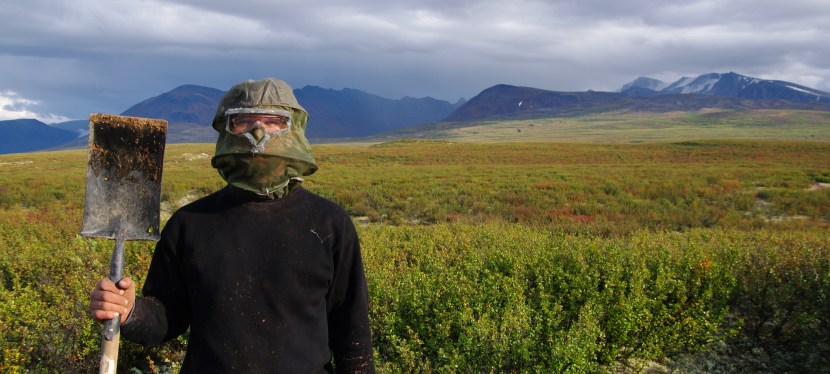
Archaeologists working in northern Alberta brave bugs, blowdown (piles of fallen trees stacked like a cruel game of KerPlunk) and a range of conditions from blistering hot to bitterly cold. Forests are quite good at concealing sites so archaeologists dig hundreds of small shovel tests to find them. Most archaeology in the ‘Green Zone’ (typically forested Crown Land) happens in advance of forestry, oil and gas activity, gravel operations, and construction of transmission or road corridors. The hard work and skill of consulting archaeologists has resulted in over 8000 archaeological sites in the Green Zone.
Roughly 8000 sites have been found in Alberta’s boreal forest (highlighted in green).
The Nature of Northern Sites
Most of the successful shovel tests yield small collections of stone debris from pre-contact human tool making. Sites in the north are typically smaller than on the plains. Why? Pre-contact people in the north were generally more mobile and lived in smaller groups; southern bison herds supported bigger groups that stayed in one spot for longer periods, which produced bigger collections of artifacts. Archaeological visibility is also a factor. Prairie landforms are often easier to locate and interpret while artifacts, bones, or stone features on the surface can help guide archaeologists to productive areas under the ground. Not so in the north. Hot spots for artifacts are often harder to access, are covered in vegetation and dense roots, and are challenging to interpret (e.g., ‘how has this terrace changed over thousands of years’). Read more →
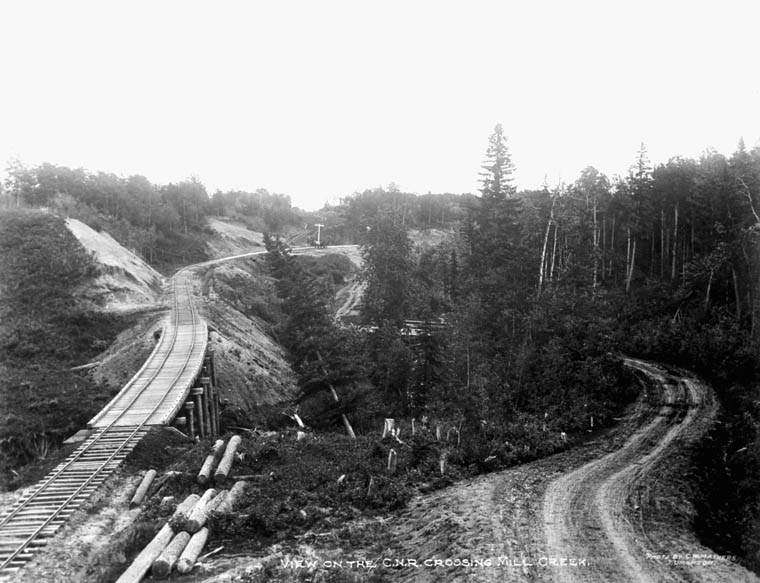
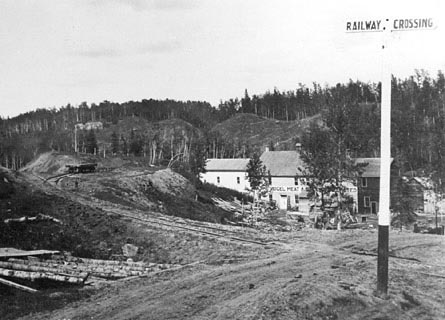
Have you ever wondered about archaeology in your own city? Have you ever wanted to be an archaeologist? This summer an archaeologist from the University of Chicago is leading an archaeological investigation in the Mill Creek Ravine! Haeden Stewart is looking for remains from historic settlements to learn more about daily life in the early 20th century, as the city was industrializing. In the early 1900’s, the Mill Creek Ravine was home to several mills, meat packing plants, a railway line, and homes of the ravine’s workers.
Early industrial Edmonton – View of the C.N.R. crossing Mill Creek, 1900-1925. Library and Archives Canada MIKAN 3335022
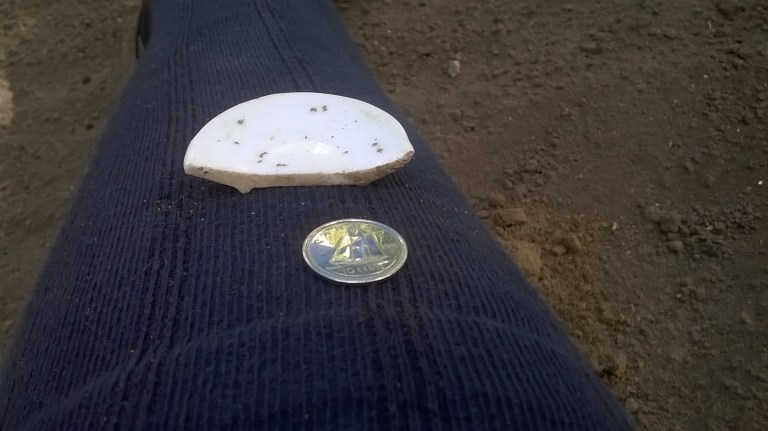
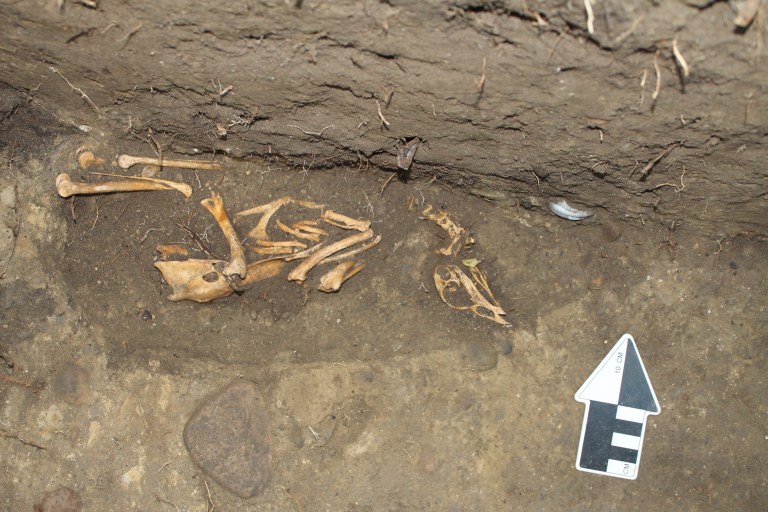
Haeden will be excavating two locations this summer. The first is a shanty town located at the north end of the Mill Creek Ravine. This town was one of many that settlers built in the first few decades of the 20th century. Some shanty towns were more temporary, but some, like the Ross Acreage in Mill Creek, were more substantial and housed settlers for many years. Haeden’s team has already been working at the shanty town for several weeks, where they have unearthed some great finds, including animal bones, glass bottles, and the remains of two chickens buried in a pit!
Glass bottles excavated at a historic shanty town in Mill Creek, Edmonton. Photo credit: Haeden StewartToy saucer from a historic shanty town in the Mill Creek Ravine, Edmonton. Photo Credit: Haeden Stewart.Chicken bones buried in a pit in a Shanty Town in Mill Creek Ravine, Edmonton. Photo credit: Haeden Stewart
Next, Haeden plans to excavate at Vogel’s meatpacking plant in the south end of the ravine. Vogel’s was one of three large meatpacking plants built by 1910 in the Mill Creek Ravine.
Haeden will be excavating every day of the week, from approximately 830am-530pm, except for Tuesday. If anyone is interested in volunteering to help out with the excavation please contact Haeden at haedenstewart@uchicago.edu, or call\text him at 773-827-4004 to make arrangements.
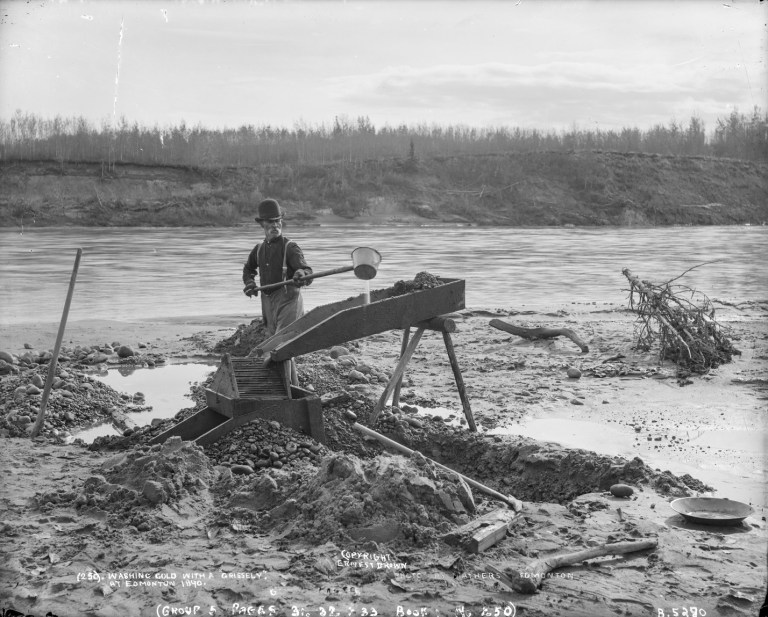
Every summer around this time of year, I look forward to checking out the sights and sounds of Edmonton’s local exhibition formerly known as Klondike Days. Its very name conjures childhood memories full of non-stop carnival rides, piping hot corn dogs and the sweet smell of freshly spun cotton candy. The name Klondike Days was originally brought in by exhibition organizers in the 1960’s and the Klondike gold rush theme was enthusiastically embraced by the public. I’ve always wondered what our local historical connection to the gold rush really was. Is there really gold to be found in the river valley?
Man washing gold at Edmonton, 1890. Source: Provincial Archives of Alberta, B5280
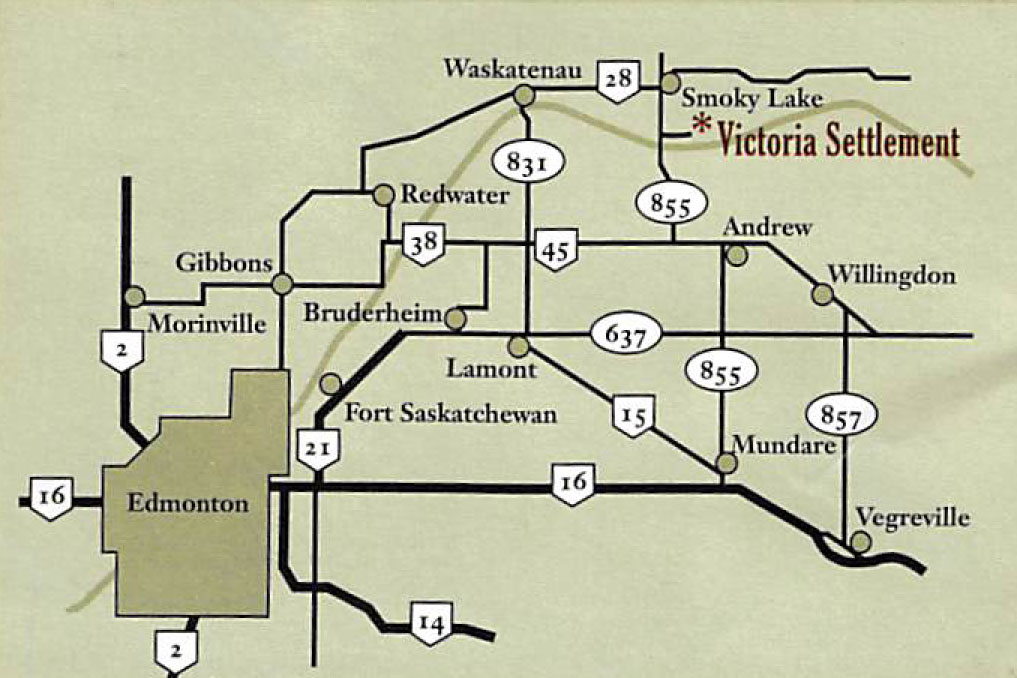
Students at Victoria School, circa 1910: Left to right Frank Whitford, Fred Kuzemsky, unidentified, Wasyl Kotyk, Wayne Kozub or Esopenko, teacher Mr. Rowbottom, Demetrius Ponich, Metro Starchuk, David Thompson, Elena Brusanowsky, Wasyl Brusanowsky [in doorway] and three unidentified at far right (Photo: Rev. D.M. Ponich Collection, Alberta Culture and Tourism).Descendants of settlers from Alberta’s historic Victoria Settlement district, and enthusiasts of Alberta’s history generally, are invited to take part in a special gathering and genealogical symposium on the 6th of August 2016 at the Victoria Settlement Provincial Historic Site.
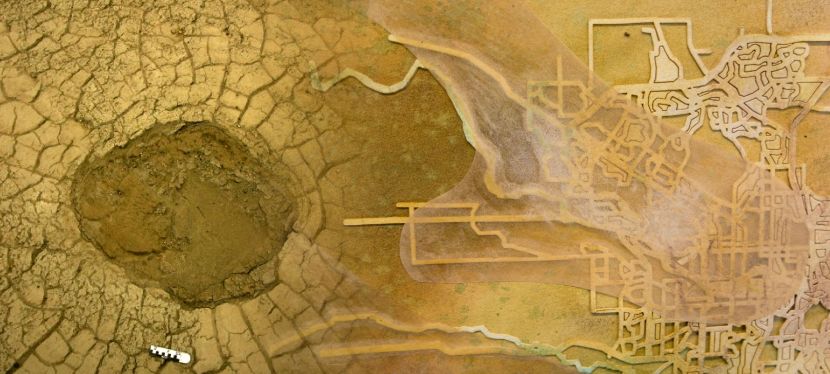
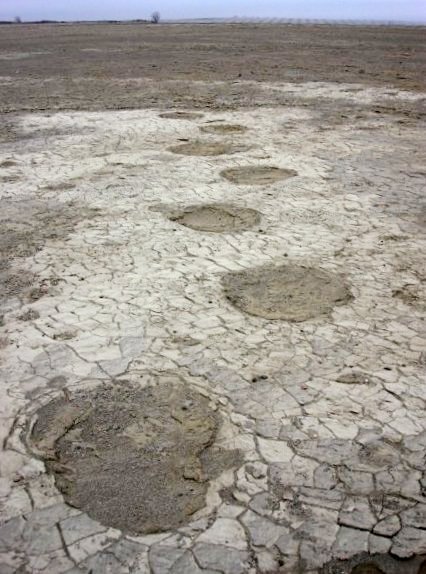
When St. Mary Reservoir in southern Alberta was filled in the 1950s, no one knew that it submerged an incredible record of life from 13,000 years ago. That record, including footprints of mammoth, camel, and horse, was recently exposed – the internationally significant site is now informing opinions about the role humans played in the extinction of Alberta’s ‘megafauna’.
Rare and information-rich trackways from lumbering mammoth were revealed by scouring winds at St. Mary Reservoir (courtesy of Shayne Tolman).
Wally’s Beach
Shayne Tolman, a teacher from Cardston, is responsible for drawing attention to St. Mary Reservoir and Wally’s Beach, a site complex on an ancient island in St. Mary River that is currently being investigated by Dr. Brian Kooyman and a team from the University of Calgary. Archaeologists have discovered that the menu of some of Alberta’s oldest humans included megafauna like camel, horse, and perhaps mammoth. Over six thousand artifacts indicate that people were hunting big game at a time when these animals were likely struggling to cope with climate change. Did human hunting lead to megafauna extinction or are warming temperatures to blame? Many researchers argue that pre-contact human populations were too small to impact big game while others suggest that targeted hunting patterns among small groups could have big consequences.
Megafauna of Alberta at the end of the last Ice Age (produced by Todd Kristensen)






![Students at Victoria School, circa 1910: Left to right Frank Whitford, Fred Kuzemsky, unidentified, Wasyl Kotyk, Wayne Kozub or Esepenko, teacher Mr. Rowbottom, Demetrius Ponich, Metro Starchuk, David Thompson, Elena Brucenorsky, Wasyl Brucenorsky [in doorway] and two unidentified at far right (Photo: Rev. D.M. Ponich Collection, Alberta Culture and Tourism).](https://albertashistoricplaces.com/wp-content/uploads/2016/07/vs371.jpg)

 RETROactive