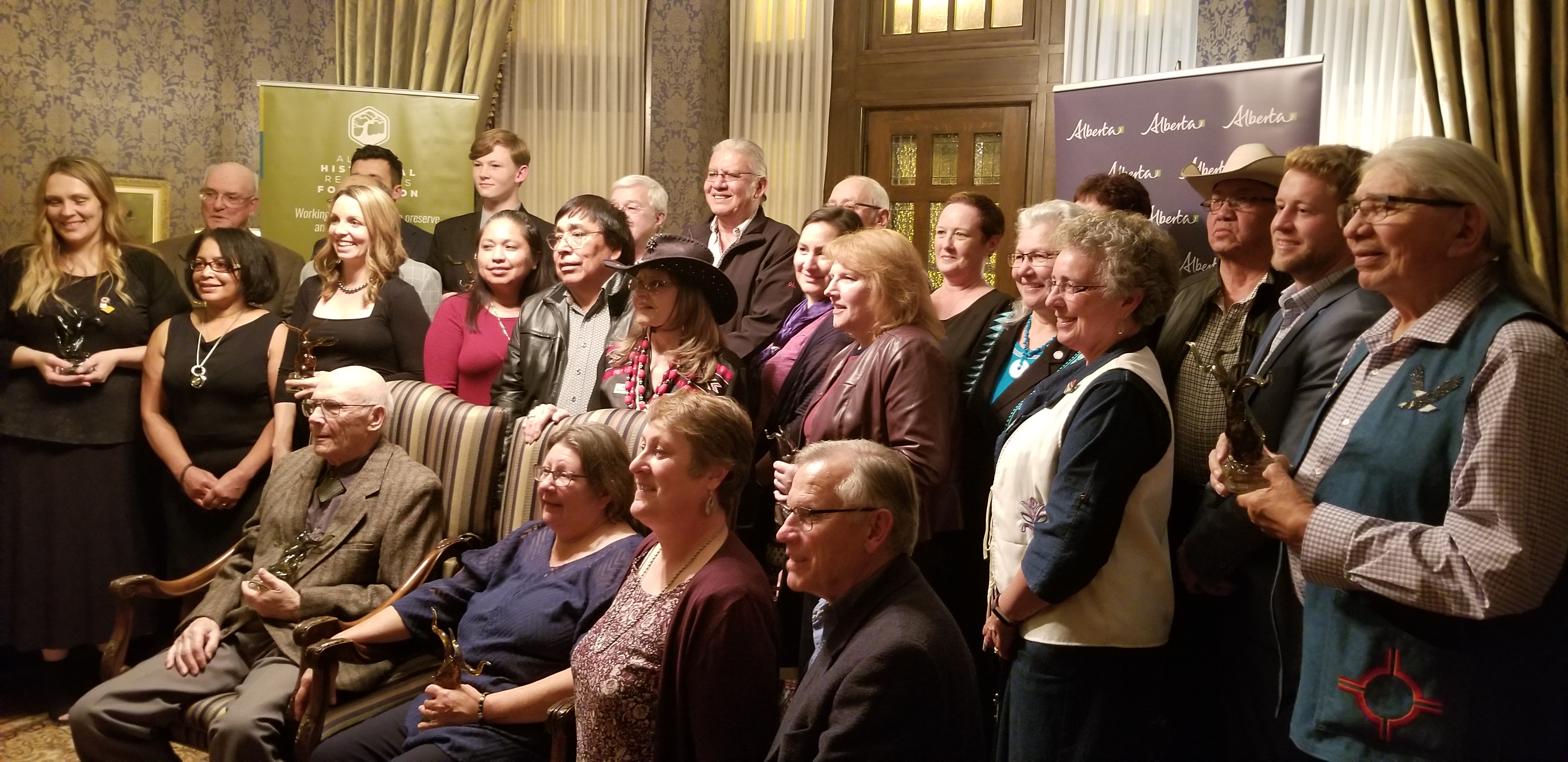
Alberta Historical Resources Foundation 2018 Heritage Award Recipients.
Held every two years, the Alberta Historical Resources Foundation Heritage Awards are presented to recognize groups and individuals’ efforts to research, promote or preserve Alberta’s diverse history and heritage.
Last night, 16 different winners received Heritage Awards at a ceremony held at the famed Government House in Edmonton. Read more →
This post was originally published on RETROactive on October 31, 2012. However, since we live in Alberta, this topic is almost ALWAYS relevant – what to do about frosty windows!
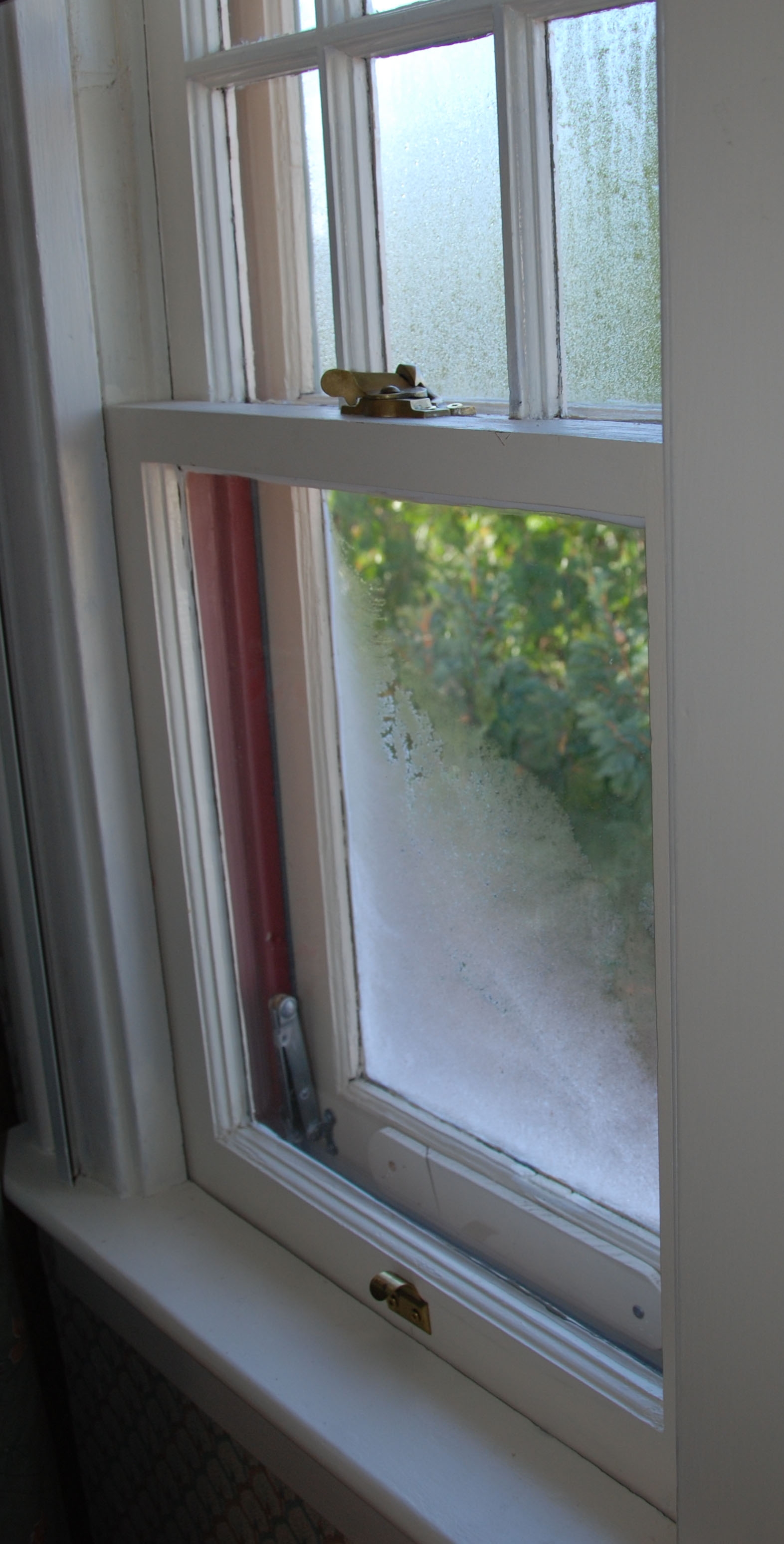
With winter coming, some owners of historic places might be witnessing the formation of frost on their single pane wood windows and storms, most notably on the second storey. The reasons for this will vary and subsequently so will the solutions. Generally speaking, a little frost now and again should not harm the window frame but a more persistent formation will saturate the surrounding material and, in the long run, potentially cause significant damage. Should this be the case, ignoring the situation is far from the recommended solution.
Frosty window. Note the closed storm window vent cover. During the winter it should be open.
So what is one to do? The first step, as with any intervention on a historic place, is to develop an understanding of the problem. What is causing frost to form on the window? The answer: warm moist air comes in contact with the cold glass and condenses, which then freezes on the surface. So how does one mitigate this? Should you let the house freeze so that the interior temperature matches the outside, or should you turn the house into an oven to eliminate any and all moisture in the air? Obviously, neither scenario is plausible.
So what is one to do – replace the windows? Speaking from a heritage conservation perspective, replacing authentic historic windows would be the equivalent to someone shaving their head bald because they found a grey hair. Historic windows have, in my experience, proven themselves to be longer lasting than any modern window and can continue to serve their function with proper care and maintenance, while modern windows wear out and routinely need to be replaced.
As air moisture is the general cause of frosted windows, controlling it would appear to be the most appropriate approach. However, there is more than one way to control moisture during the winter. One can control moisture levels with a dehumidifier, or by preventing it from reaching the cold glass with weather stripping techniques. As well, one could better manage the presence of moisture with exhaust fans and insulation. Any combination of these efforts will help to reduce the frost on windows but it should also be noted that there are pre-existing systems that should be taken advantage of in regards to this problem.
Storm windows traditionally have three holes at their bases with a flap cover. During the winter, these should be open to let moisture and condensation escape. When bugs arrive with spring, close the flap. Double hung windows generally have locks where the sashes meet – use them to tighten the window and reduce air leakage. Should you decide to proceed with a form of weather stripping, concentrate on the interior side of the window and allow the storm window to breathe. This will create a micro-climate (similar to the ventilation in one’s roof), which should help prevent frost and therefore better sustain and protect the window.
Hopefully, the preceding information will be useful for those who might be dealing with frosty windows. There are many articles on the Internet, which tackle this issue and propose similar, different and additional solutions ranging from “free to expensive”. As a Heritage Conservation Adviser, my advice, and that of the Standards and Guidelines for the Conservation of Historic Places in Canada, is to start with the minimal approach. With any luck, that is all that will be needed.
Written by: Carlo Laforge, Heritage Conservation Adviser.
The Book Publishers Association of Alberta (BPAA) held their annual Alberta Book Publishing Awards on September 14 in Calgary. These awards recognize and celebrate the best of the Alberta book publishing industry. Of special note for the Historic Resources Management Branch is that Alberta’s Lower Athabasca Basin: Archaeology and Palaeoenvironments was awarded the Scholarly and Academic Book of the Year. This book was a collaborative effort between current and former employees of the Historic Resources Management Branch and the Royal Alberta Museum, researchers at the University of Alberta, members of Alberta’s archaeological consulting community, and Athabasca University Press. Well done and congratulations to everyone involved!
This volume tells a fascinating story of the oil sands region of northeastern Alberta, including how a catastrophic flood at the end of the last ice age formed the landscape of the region. It also highlights the intensive use of resources in the area by precontact groups since ca. 11,000 years ago. When the flood went through, it scoured pre-existing glacial deposits, and made bedrock deposits such as bitumen and a lithic raw material called Beaver River Sandstone accessible from the surface. Beaver River Sandstone was used to make stone tools for millennia following the flood. This stone can be found at a site called Quarry of the Ancestors near Fort McMurray, and over two million artifacts made of this material has been recorded in Alberta’s archaeological record. The chapters in this volume are invaluable for understanding the ecological and human past in northeastern Alberta and are important for informing future management of historic resources in the region.
Alberta’s Lower Athabasca Basin: Archaeology and Palaeoenvironments can be purchased or downloaded for free through Athabasca University Press.
While he didn’t find out why John Lennon lit a former lover’s house on fire as the song strangely suggests, he did attend the 2018 International Course on Wood Conservation Technology (ICWCT). A biennial course that gathers academics, professors and scientists from around the world (including two from Canada) to deliver lectures, ICWCT also combines this with field work and theory centered on the practice of wood conservation.
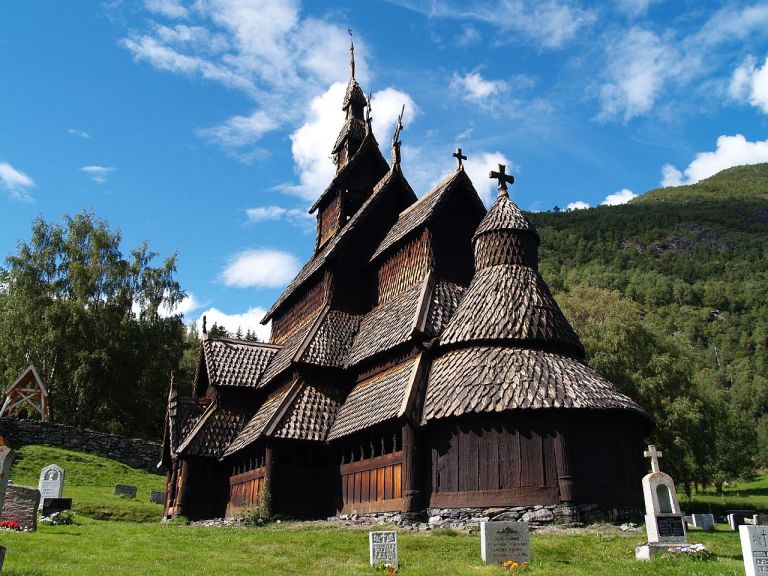
The Borgund Stave Church in Lærdalen, Norway was built just before 1150. From the Middle Ages up until the beginning of the twentieth century the use of pine tar was restricted to the protection of churches, since it was both time-consuming and expensive to produce. This goes a long way towards explaining why outdoor woodwork on the stave churches from the twelfth century which has been protected with pine tar is preserved in an excellent condition. Norwegian church accounts reveal that the local farmers and villagers were obliged to apply fresh tar to the external walls of the stave churches at ten yearly intervals*. Photo by: AzaToth
Heritage Conservation Technologist Evan Oxland went to Norway to learn more about technical and theoretical aspects of wood conservation, as well as what other contemporary international approaches there are out there. He was the only Read more →
Today, RETROactive is pleased to feature a community-created heritage project!
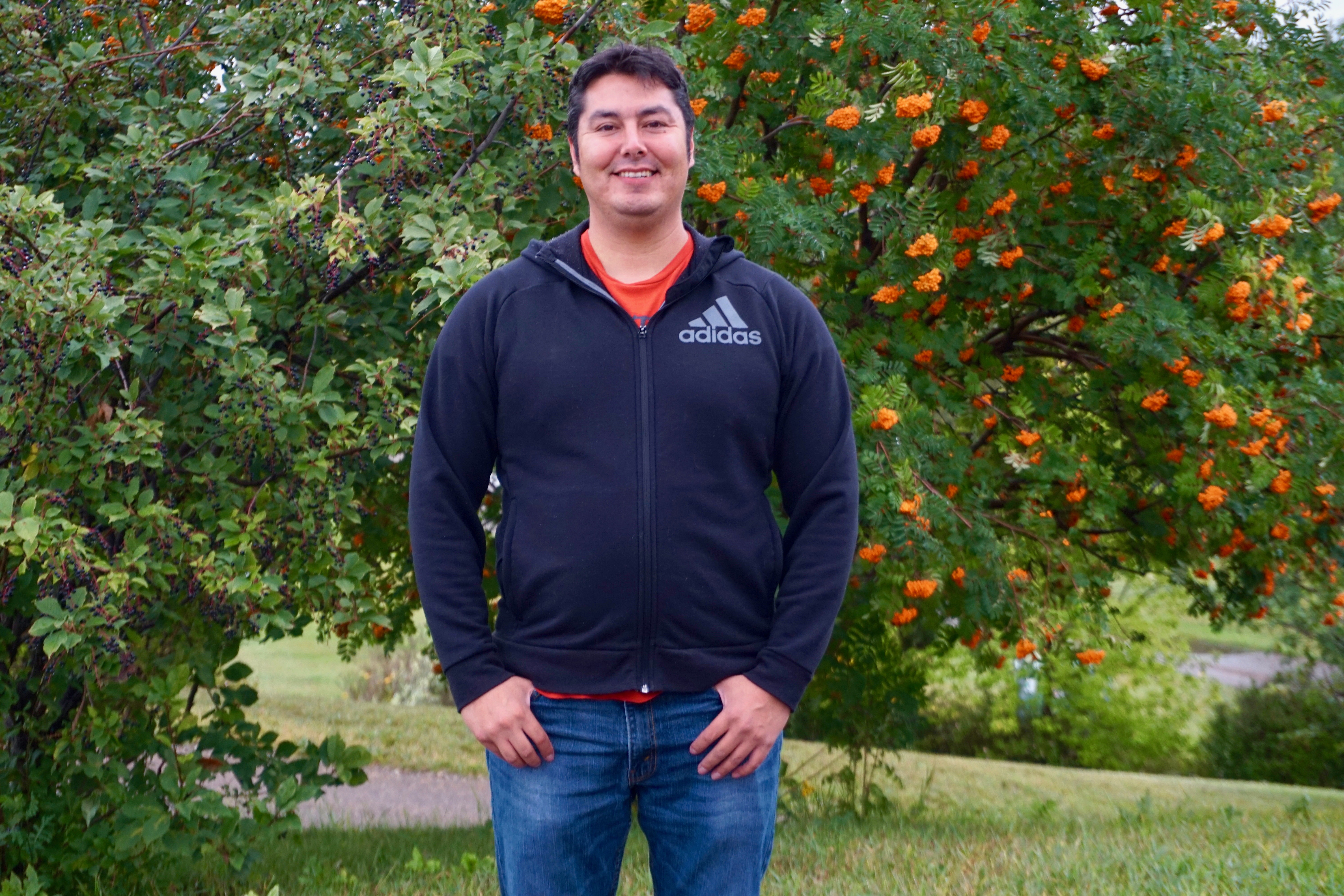
The Paul First Nation History website and Facebook page is the brainchild of Jaelin Rask. A Paul First Nation member who today lives on-reserve, Jaelin was raised primarily in Calgary, geographically and culturally-distanced from his Indigenous heritage. As an adult, Jaelin received a number of historical documents from his late paternal grandfather, David Bird (who served as Chief of Paul First Nation from 1952 to 1955), spurring his interest in genealogy and his father’s family history.
Jaelin Rask (Photo provided by: Jaelin Rask).
“Little by little” Jaelin’s document collection grew, aided by trips to the archives and conversations with community members. Word of his work travelled fast throughout the Nation, and Jaelin found his social media inboxes full of requests Read more →
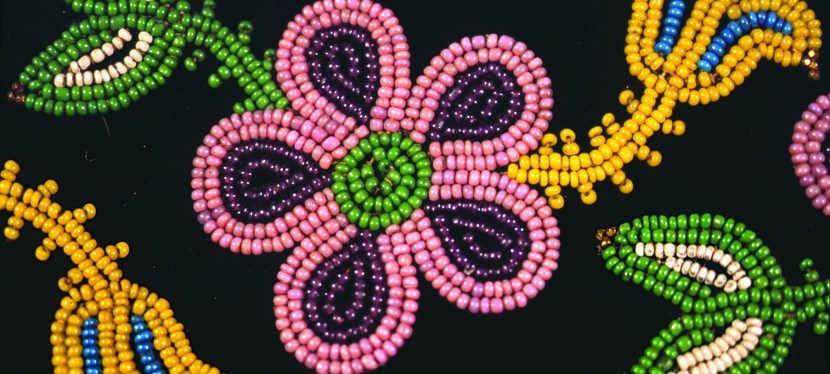
Adornment reflects a symbolic visual language that includes materials and designs that contain communally understood messages. That is, the clothing or items we wear convey information about us to other people. The expression of these messages through clothing, tattoos, jewelry, or body paint, conveys information about an individual, group, society, or religion. Beading, and other embroidery techniques, can be seen as one aspect of adornment for Indigenous groups, and one that played a central role in cultural preservation for many groups post-European contact.
Beads have been found in the archaeological record as early as 40,000 years ago, and are staples in decorative adornment. Beads can be fashioned from many different natural materials including plant seeds, stone, gems, shell, bone, or metal. While plant-based seeds are the easiest to manufacture due to their availability, beads made from bone, metal, gems, or semi-precious stone require more effort and technology to produce, and are therefore more highly valued.
Prior to European contact, Woodland and Plains cultures of North America decorated the skins of animals, tree bark, and their own bodies with locally available and traded materials. Materials such as seeds, berries, porcupine quills, moose hair, Read more →
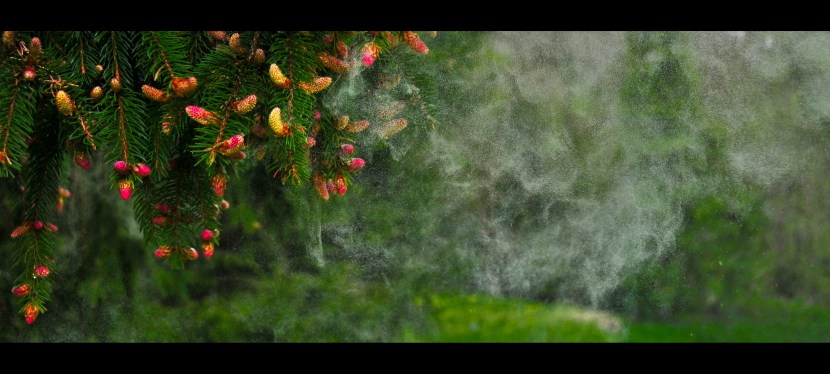
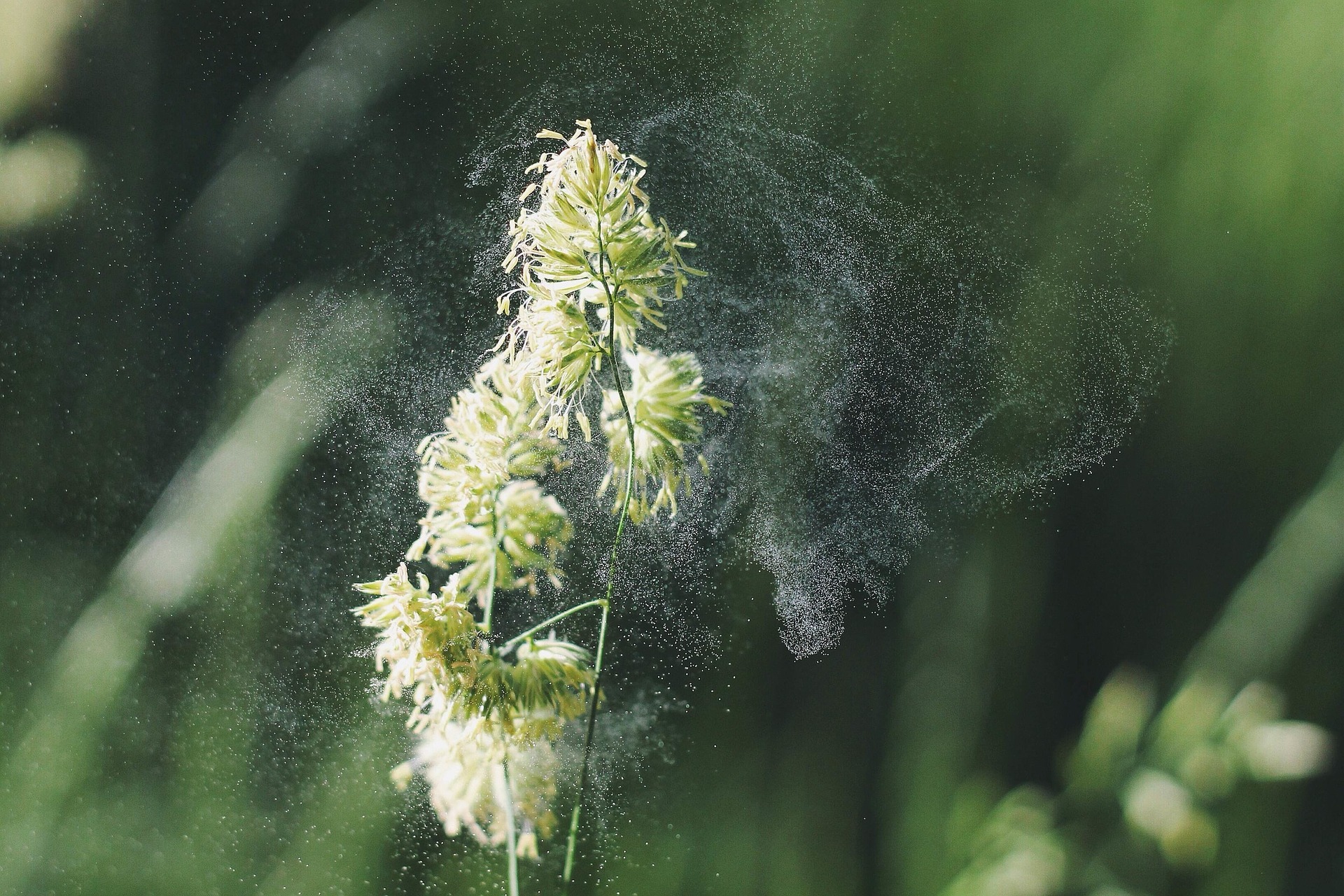
Anyone with allergies knows when spring begins, and plants start pollinating, the offensive ‘dust’ can wreak havoc. However, one of the great things with pollen, from an archaeological perspective, is the fact that it gets dispersed annually. This means that each year, the ‘signature’ of the pollen released tells us about the landscape at the time. Plants have evolved to reproduce with pollen in several ways, and one that is highly effective is pollinating via the wind.
Pollen being released from a flower which will be carried by the wind. Plant Pollen is available through the CC0 Public Domain.
When the wind transports pollen it gets dispersed across the landscape, sometimes even getting caught within puddles. Inevitably, many pollen grains get caught in lakes and accumulate in the sediments. When it settles on the bottom of a lake basin, it stays there and is preserved for researchers to find hundreds, and even thousands, of years later. All this Read more →
“The antelope possesses an unconquerable inquisitiveness, of which hunters often take advantage…The hunter, getting as near the animal as is practicable, conceals himself by lying down, then fixing a handkerchief or cap upon the end of his ramrod, continues to wave it, remaining concealed. The animal, after a long contest between curiosity and fear, at length approaches near enough to become a sacrifice to the former.” (James 1905, vol. 2, pp. 227)
On two different flights over southeastern Alberta, separated by about thirty years, unusual stone features were observed on the landscape. Upon further inspection by archaeologists, it was determined that these two sites are the remnants of drive lanes and traps that were used for the communal hunting of pronghorn (Antilocapra americana, also commonly referred to as antelope).
While it is commonly known that bison were one of the greatest resources for precontact North American Indigenous groups, it is important to note that before European arrival, it is thought that there were just as many pronghorn as bison in North America. They were an important resource as well, particularly for people living in the Great Basin region of the United States, as pronghorn were one of the largest game animals available in that region. For Plains groups, bison were preferred for meat (and there is abundant archaeological evidence of this in the many bison kill sites across the Plains), however, pronghorn were valued for their hides to make clothing and other items.
Pronghorn or Antilocapra Americana, also commonly referred to as antelope. Photo courtesy of Royal Alberta Museum.
Pronghorn or Antilocapra Americana, also commonly referred to as antelope. Photo courtesy of Royal Alberta Museum.
Communal antelope hunting is documented in many historical accounts both in the Great Basin and on the Plains. These accounts describe wood and brush drive lines that led to fenced enclosures and to pit traps excavated in the ground. Hunters disguised themselves as antelope, wolf or other animals to get close to the herds and then drove the animals into Read more →
Who are the heritage heroes in your community? Help us celebrate the outstanding contributions of Albertans to the promotion and preservation of Alberta’s heritage. Nominate an individual, organization or project for an Alberta Historical Resources Foundation heritage award. Complete your nominations now. Deadline for submission is July 15.
Awards will be presented in the Heritage Conservation, Heritage Awareness and Outstanding Achievement categories. In addition, the Foundation is proud to introduce the Indigenous Heritage and Youth Heritage Awards this year. Awards will be presented during an awards ceremony on October 25, 2018 at the Government House in Edmonton.
Aanii! Tânsi! Óki! Abawasded! Edlónat’e! Tawnshi! * Da Neh Chi?**
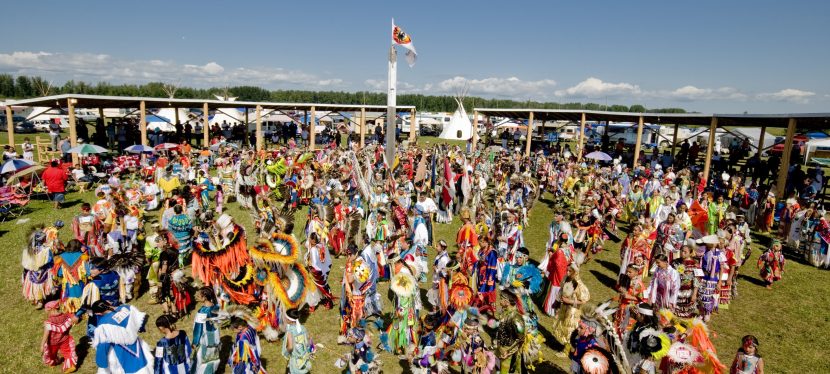
Tomorrow, the Historic Resources Management Branch is glad to celebrate National Indigenous Peoples Day. Held each year on June 21 and renamed last year from National Aboriginal Day, National Indigenous Peoples Day recognizes the historic and present-day contributions, success and cultures of First Nation, Inuit and Metis communities across Canada.
Edmonton is once again hosting the free-to-attend Indigenous Peoples Festival, this year in Victoria Park from 11:00 AM to 8:00 PM. The event includes a pow-wow, main stage concerts, artisan marketplace and food vendors. There are also events throughout the week at City Centre Mall, Edmonton International Airport and the Art Gallery of Alberta (free admission on June 21 for all visitors as well!).
In Calgary, there are performances, displays and workshops at both the National Music Centre’s Studio Bell and Arts Commons, or venture west to take in the parade in Canmore or an evening medicine walk at the Banff Centre with Metis guide Brenda Holder. In southern Alberta, Head Smashed In Buffalo Jump is offering special programming, with opportunities for guided tours, performances, food sampling, and story sharing with Blackfoot Elders.
There are celebrations in communities across the province: check this listing to find the gathering closest to you. Is your community hosting an event for National Indigenous Peoples Day? Leave a comment on this post with the details!
On this day, and all days, we express our gratitude to the Indigenous communities in Alberta that we have the privilege of learning from and working with. Your history, culture, stories, goals and perspectives make our understanding of Alberta’s heritage so much richer.
Written By: Laura Golebiowski, Aboriginal Consultation Adviser
* “Hello!” in Anishinaabemowin, Cree, Blackfoot, Nakoda, Dene and Michif
** “How are you” in Beaver
Title Image: Driftpile Cree Nation Pow Wow. Photo credit: Ron Ganzeveld, Government of Alberta.




 RETROactive