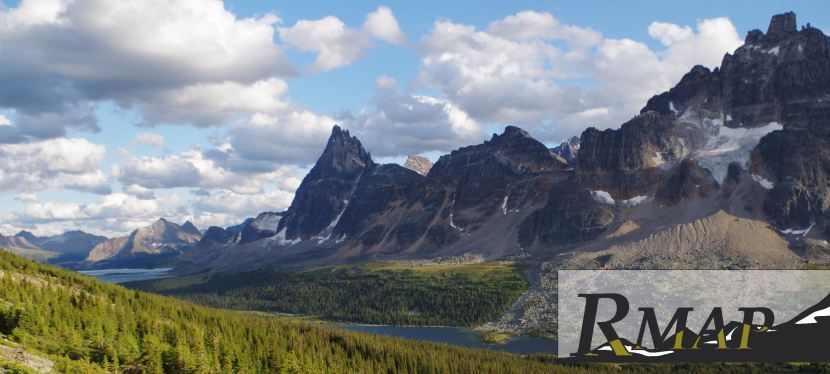
In an earlier post we showed a video of the fieldwork undertaken for the Rocky Mountain Alpine Project in August of 2015. This was a pilot project to determine the potential for finding organic archaeological artifacts in ice patches in the Jasper National Park area. One of our most exciting finds was a leather strip that had recently melted out from the edge of an ice patch. However, we also found and collected a significant number of other naturally occurring organic materials melting out from the ice. While most of these are not archaeological, they are valuable for understanding how this environment and the animals living in it have changed over time. The pilot project revealed that ice patches in Jasper and neighbouring Mount Robson Provincial Park have great potential for archaeological research but also for biological, environmental, and climate research. See below for some of our other finds and their potential to contribute to our knowledge of this landscape’s past.
Natural Organics
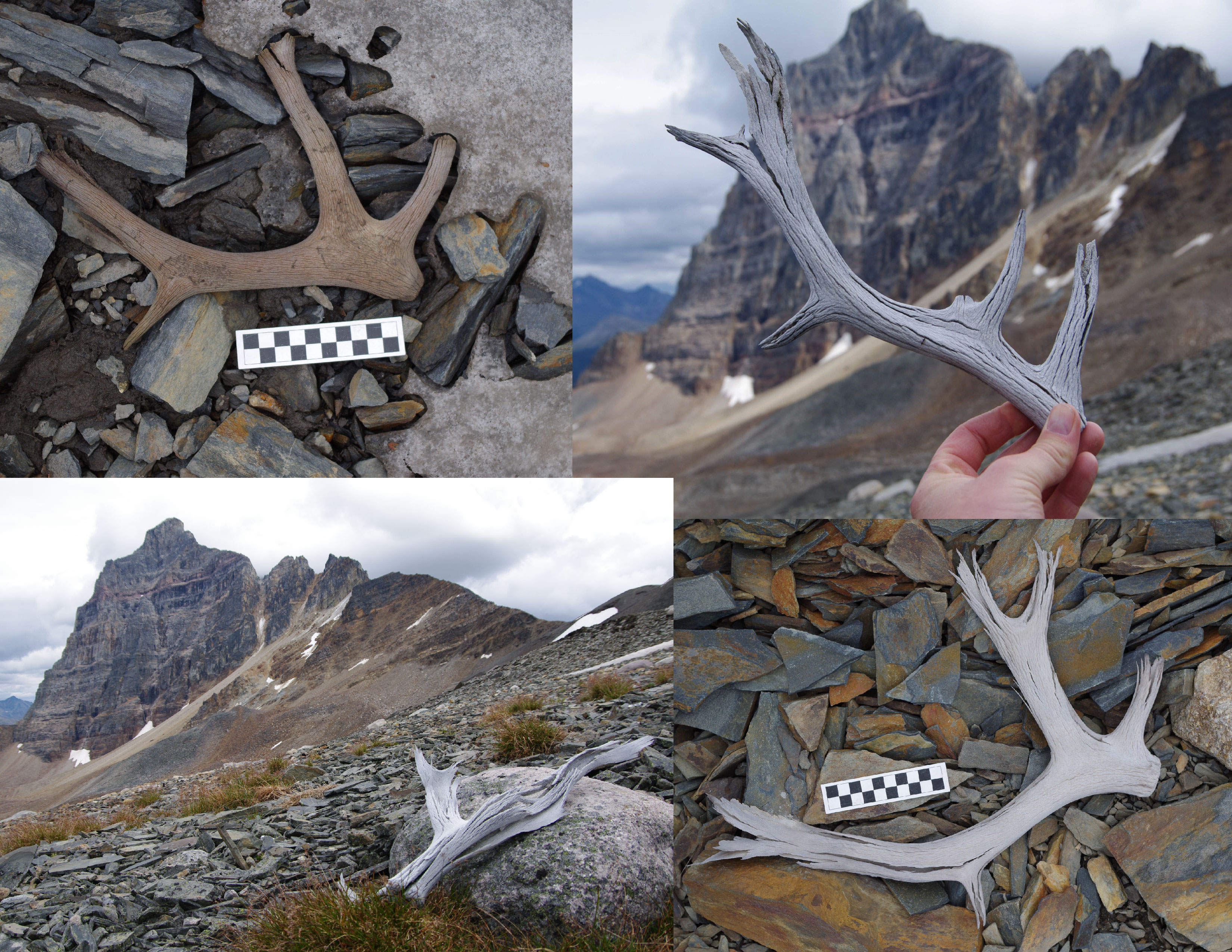
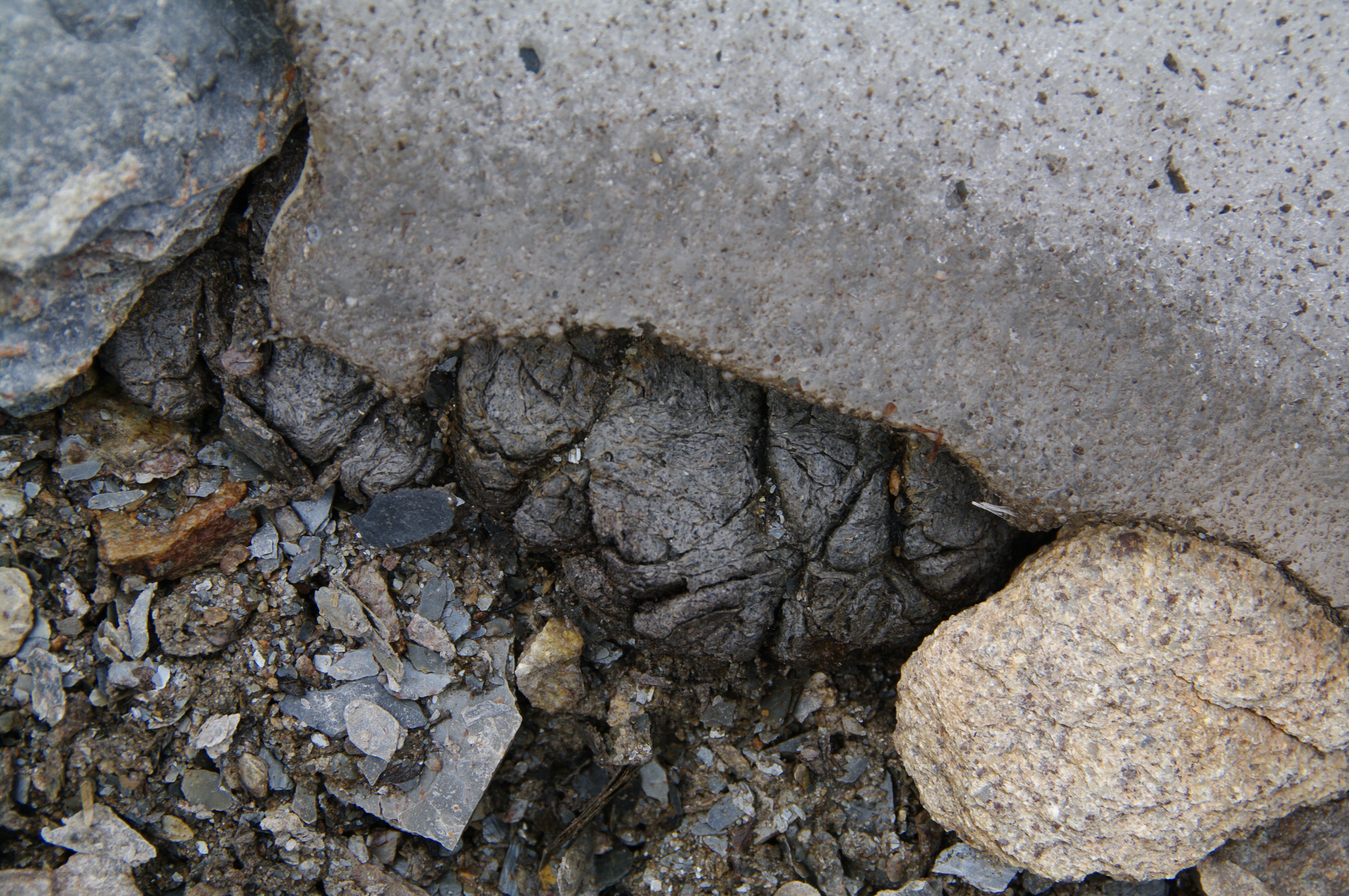
Caribou antlers were the most abundant organic materials found. Antlers can be used to reconstruct caribou populations in the past by recovering DNA from them and using genetics to track population growth and decline. It is important to understand how populations change naturally so that we can interpret what effect human activity might have on caribou. We may also be able to detect the impact of past ecological events (like volcanic eruptions) on caribou populations. Similarily, caribou dung present in the ice patches can also be used to track caribou populations and diet. Some researchers have also used finds like this to track the evolution of viruses.
A sample of some of the caribou antlers found at the edge of the ice patches.Caribou dung melting out of the ice.
Bone is another important archaeological and ecological find. Any bone that was encountered was examined for evidence of human modification such as breaking or fracturing of the bones from hunting and processing. Read more →
How did people kill animals before guns and the bow and arrow? One of the oldest weapons in Alberta is called an atlatl or dart thrower. The atlatl increased in popularity around 8000 years ago and was the trusted technology for roughly 300 consecutive generations of hunters. It was replaced by the bow and arrow around 2000 years ago.
What’s an Atlatl?
The atlatl is a carved wooden board, up to 1 m long, with a hook on one end that inserts into a divot at the end of a ‘dart’ shaft (about 1 m in length).
An atlatl throwing board (by Amanda Dow)
The hunter throws the dart in a motion similar to a baseball pitch. A flick of the wrist at the end of the throw increases the speed and power. Is the use of an atlatl better than just throwing a spear? The world record for a hand-thrown javelin is 104 m while the record for an atlatl thrown-dart is 258 m! Read more →
In August of 2015 members of the Archaeological Survey of Alberta undertook fieldwork in Jasper National Park and Mount Robson Provincial Park. This work had a focus on ice patch archaeology – that is, surveying melting alpine ice patches to recover ancient cultural and natural material revealed by retreating ice and snow. The video below showcases this fieldwork and explains its importance. A more detailed blog post will follow in the next few weeks to provide more information about this important initiative that was spearheaded by our Northern Archaeologist, Todd Kristensen. Enjoy!
Video footage, audio and photos by: Courtney Lakevold (Archaeological Information Coordinator), Todd Kristensen (Northern Archaeologist), Mike Donnelly (Archaeologist), and Travis Jones (Ph.D. Student, University of Georgia/Center for Applied Isotope Studies)
Video and summary by: Courtney Lakevold, Archaeological Information Coordinator
This is the second of two blogs about some of the unique evidence of early boating in Alberta. The first blog explores First Nations boats and the second discusses the earliest Euro-Canadian vessels from the adoption of the birch back canoe to steamboats.
Boating in the Fur Trade
The first European fur traders adopted an eastern Algonkian-style of birch bark canoe. Every year, hundreds of men and women in Alberta gathered supplies and moulded lightweight ‘Express’ canoes at major fur trade boat building centres like Fort Chipewyan, Fort Edmonton, and Rocky Mountain House. While canoes and other physical traces of boat building at these forts have long since decayed, other lines of evidence of early boating are preserved. Trading posts needed Read more →
It takes patience to fold steaming hot birch bark into a canoe and it takes power to hammer the planks of a lumbering sternwheeler. The products of Alberta’s early boat building were vessels that delivered families safe and sound to hunting grounds, glided fishermen over teaming shoals, and carried trade goods in an economic system that forged our province. This is the first of two blogs about some of the unique evidence of early boating in Alberta. The first blog explores First Nations boats and the second discusses early Euro-Canadian vessels from the adoption of the birch back canoe to steamboats.
Dug-outs and Bull Boats
First Nations’ boats on the plains were often made of buffalo hides stretched over willow or pine frames. This ‘bull boat’ was a small, circular craft quickly built from tipi hides and recycled shortly after. It enabled safe river crossings Read more →
Obsidian is a natural glassy rock that was produced by volcanoes and used by pre-contact people across North America for making stone tools. Obsidian is the sharpest naturally occurring substance on earth, which made it ideal for making tools such as arrowheads and knives that were designed to slice animal flesh. Many obsidian tools have been found in Alberta despite the fact that there are no natural sources of it in the province. This means that obsidian was traded or carried into Alberta from long distances away. Research on obsidian tools at archaeological sites in Alberta has been conducted on a small scale since the late 1980’s. The current Alberta Obsidian Project (AOP) is the first large-scale attempt to analyse our province’s obsidian; it began in 2014 when a research plan was developed by members of the Archaeological Survey of Alberta, the Royal Alberta Museum, and the Center of Applied Isotope Studies (CAIS) at the University of Georgia. Read more →
An important mandate of the Archaeological Survey section of the Historic Resources Management Branch is to undertake extra-regulatory public outreach projects and research initiatives. The staff at the Survey have been busy this last year pursuing this goal. Some of the projects and activities that have taken place, or are underway now, are highlighted below.
Part of this goal includes delivering programs that address Albertan’s desires to learn about their heritage and widen appreciation for Alberta’s archaeological resources. Youth outreach was done through the delivery of eight school programs to elementary and junior high school students. Darryl Bereziuk, Director of Archaeological Survey, and Blair First Rider, Aboriginal Consultation Adviser, presented to students at Leo Nickerson Elementary School in St. Albert; Todd Kristensen, Northern Archaeologist, presented to 6 classrooms as part of the U School Education Program at the University of Alberta; and Wendy Unfreed, Plains Archaeologist, participated in a youth apprenticeship field program for Dr. Swift Junior High School in Lac La Biche. Read more →
In March the Strathcona chapter of the ASA held a flint-knapping and tool-making workshop in Edmonton. The ASA workshop allowed members to get first-hand experience making the stone, or lithic, tools that are among the most common artifacts found in archaeological sites in Alberta. Prior to the arrival of metals with Europeans in North America, First Nations people created tools such as blades, knives, axes, and projectile points, by knapping stones. Knapping technology is not unique to Alberta, but was used by humans and our ancestors in all parts of the world beginning as early as 3.3 million years ago in Africa. Today many archaeologists practice knapping to better understand the material culture recovered from archaeological sites. Knapping is also a common hobby among archaeologists and non-archaeologists alike.
Creating Stone Tools
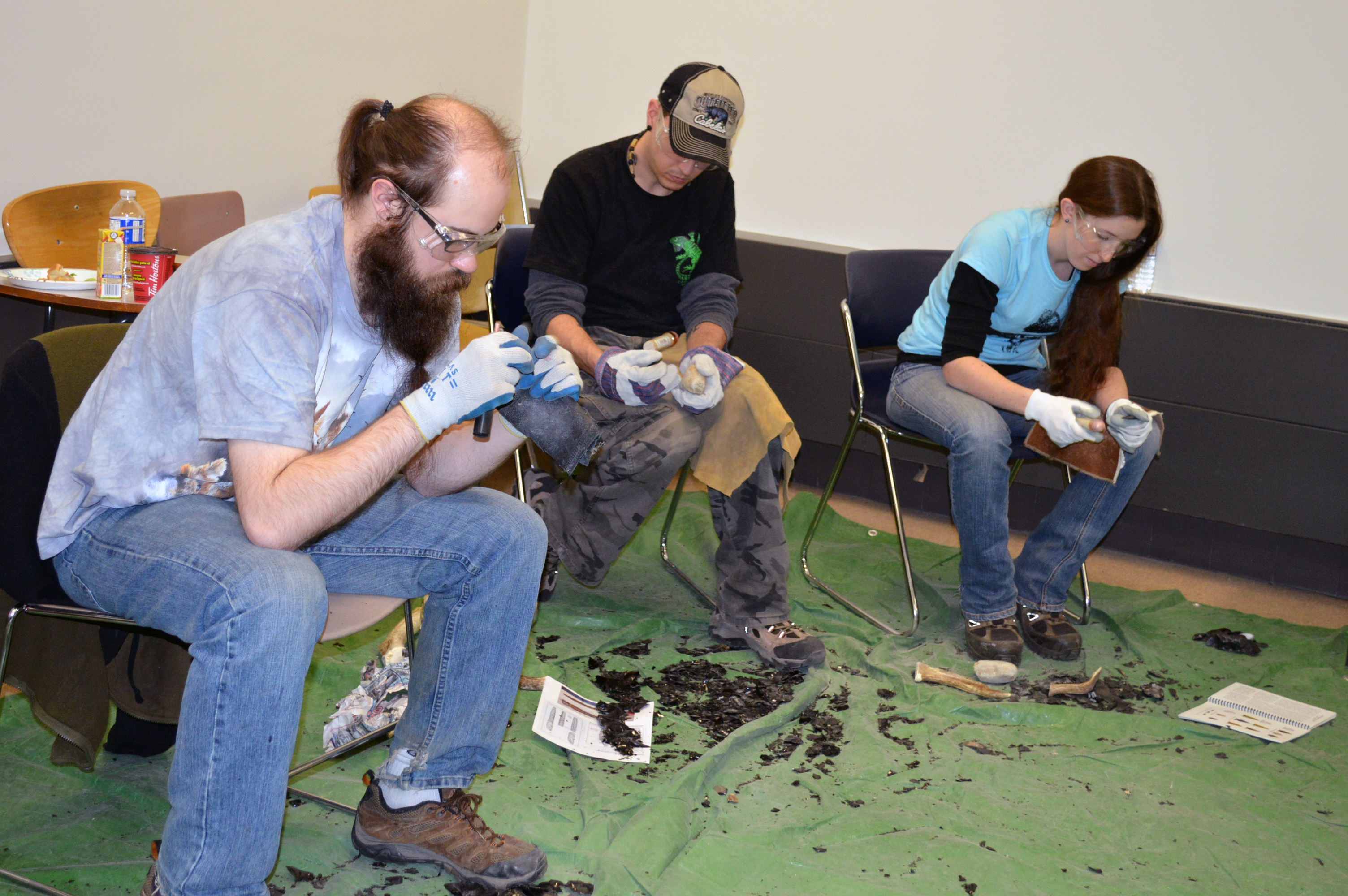
First, cores of lithic raw material are precisely broken using hammerstones (stones and antler) to produce large, flat flakes. At the workshop, participants knapped obsidian and dacite, two types of stone that are easy to use for beginners. When knapping, safety is always top priority. Striking stones such as obsidian produces tiny shards of the material, which tend to scatter and can easily cause injury. To prevent accidents, knappers use hand and eye protection, and always have plenty of bandages at the ready. The scattered waste flakes produced when knapping are called ‘debitage’ by archaeologists.
ASA participants using hammerstones to produce lithic (stone) flakes and debitage.
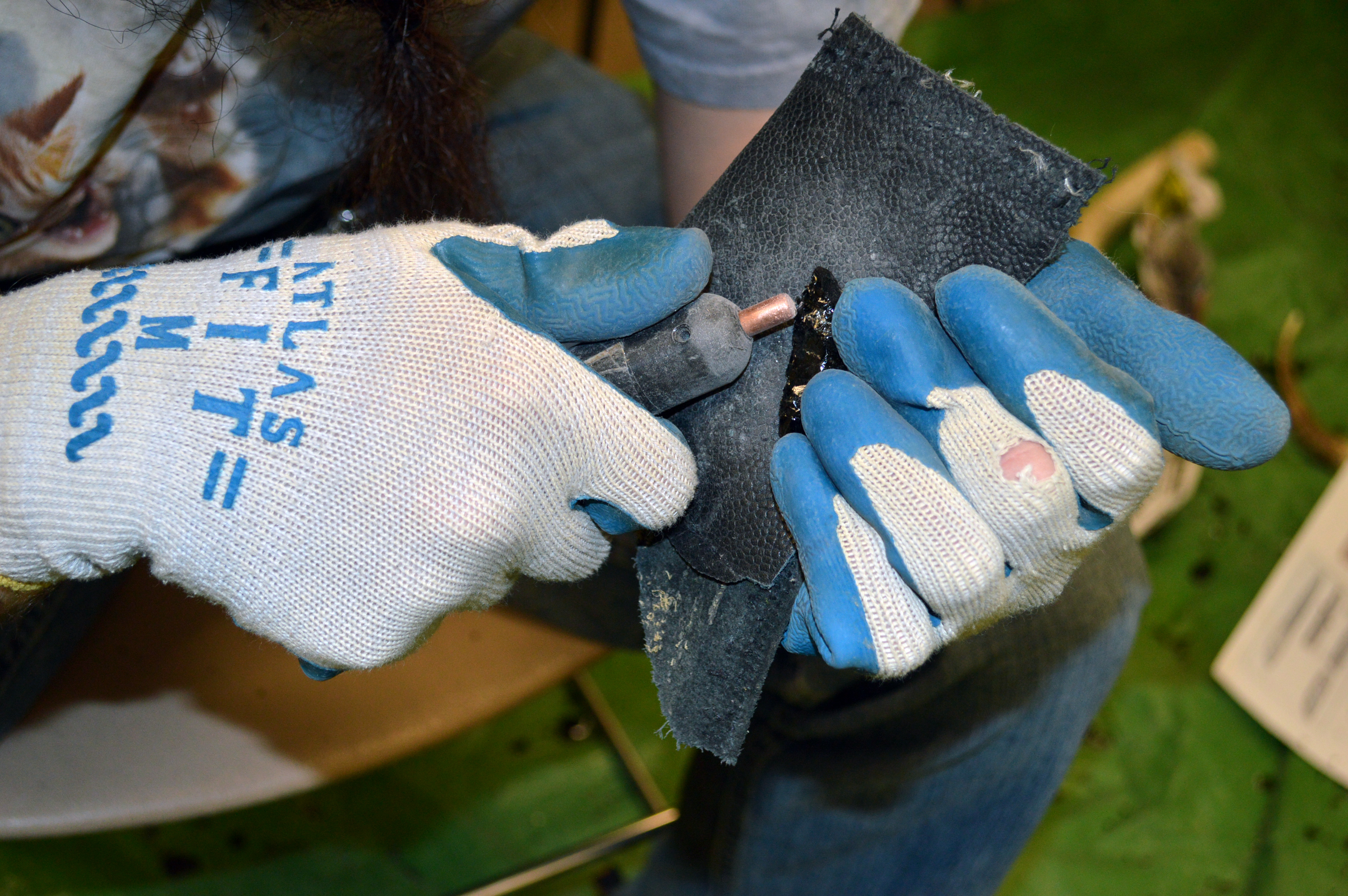
Next, smaller flakes of stone can be worked into tools. Instead of striking the stone, smaller flakes can be removed by applying consistent force in a process called pressure flaking. In the picture below, a knapper is using a copper pressure flaker to work the edge of a projectile point.
A knapper using a copper pressure flaker to work the edge of a projectile point.
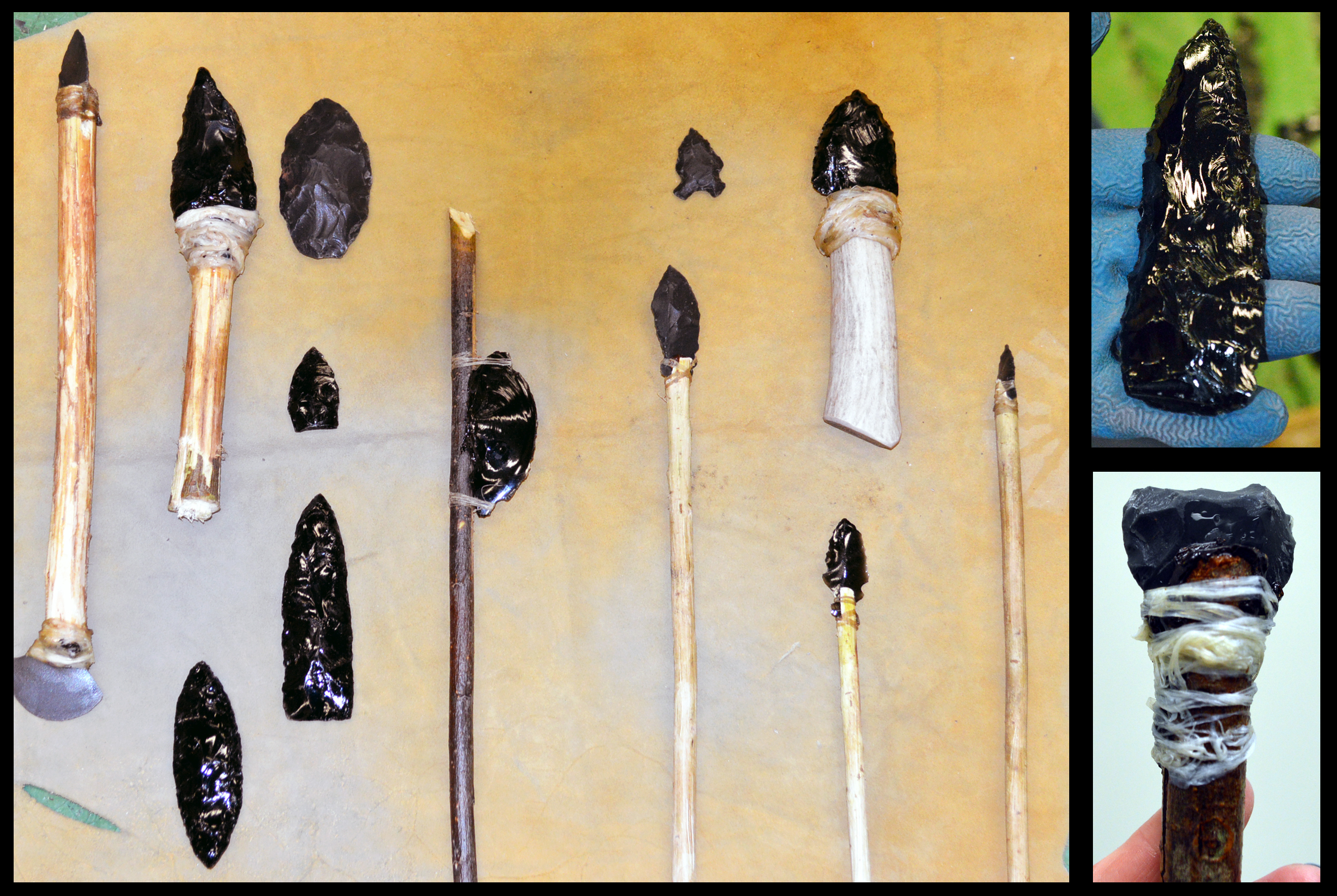
Finally, the knappers were able to haft their new tools onto wood or antler shafts and handles. The stone tools were affixed into the wooden handles using pine pitch, and then fastened using animal sinew and hide glue. In archaeological sites the organic shafts, handles, and fastening materials have usually decayed, leaving only the stone tools behind.
Some of the tools created at the ASA Flint Knapping workshop
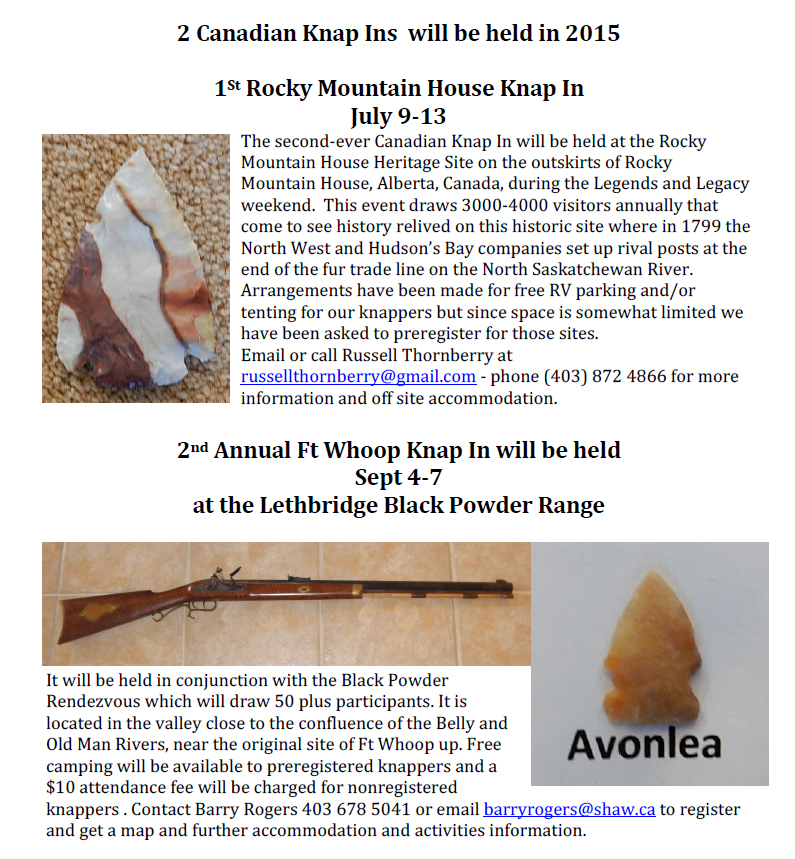
Becoming a good knapper takes a lot of patience and practice, and it helps to have a good teacher. If you are interested in learning how to knap stone tools, there will be two knapping events in Alberta this year in July and September.
Written by: Colleen Haukaas, Archaeological Permits & Digital Information Coordinator.
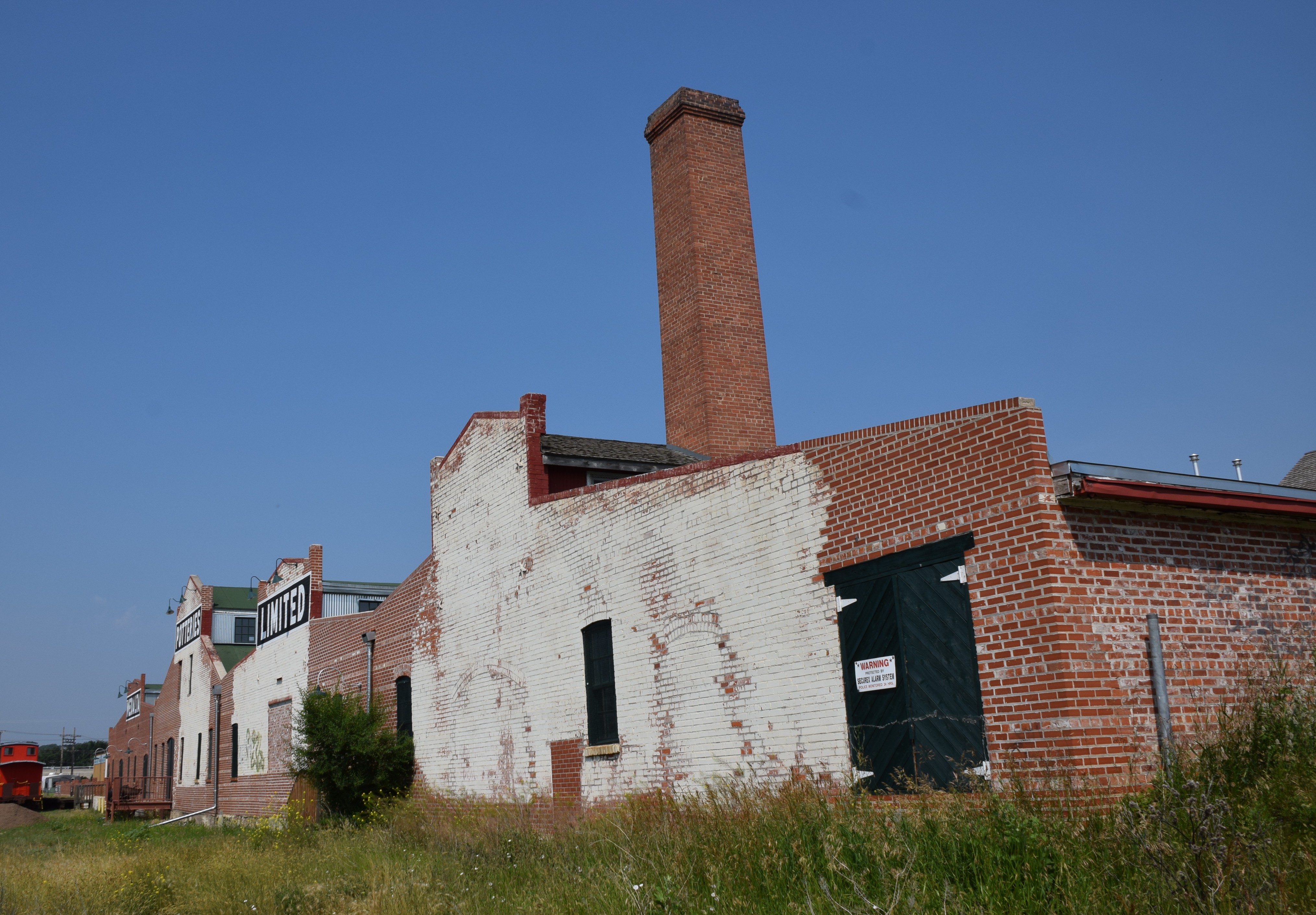
A massive brick chimney at Medalta Potteries towers six metres above the roof of “Building 10” and extends roughly the same distance from the roof to the dusty factory floor below. Two meters wide at its base, the chimney and accompanying boiler were vital in the production of clay products from the early decades of the twentieth century until the plant’s closure in the 1960s. Now a Provincial Historic Resource, Medalta Potteries in Medicine Hat has evolved into a vibrant community hub that includes the Medalta archives and interpretive centre, galleries and displays, a working pottery that reproduces classic Medalta ware, a contemporary ceramics centre for professional artists, and a venue for markets, weddings, concerts and other community events. The tall brick chimney and distinctive monitor roofs of the former factory buildings provide the iconic backdrop for these varied activities.
Medalta Potteries in 2014, looking west to Building 10 before rebuilding of the chimney.
Already leaning slightly to the south, the chimney developed a worrisome new tilt after the June 2013 southern Alberta floods, an event which inundated much of Medalta and the nearby residential neighborhoods. As soil conditions on site gradually normalized in early 2014, the chimney’s foundation shifted and subsided further into the clay-rich soil, raising concerns about its stability. The only practical long-term conservation option was to disassemble the chimney and rebuild it with the original, locally manufactured brick using traditional masonry materials and construction methods.
Conserving the chimney started with extensive photographs and measurements followed by disassembly by a contractor specializing in historic masonry conservation. Medalta’s staff archaeologist monitored and documented the process. As the chimney came down brick by brick, unexpected finds within the masonry included an old whisky bottle; fire bricks from Hebron, North Dakota; and a bizarre series of wasps’ nests occurring at roughly one metre intervals within the stack. This corresponds roughly with the work a team of masons would likely have completed in a typical day – a coincidence that begs further explanation. The chimney-dwelling wasps turned out to be quite blind and fortunately did not harass the masonry crew as dismantling proceeded.
The most intriguing relic, however, was a cluster of bricks inscribed with names and the inscription “IX 44”, presumed to represent a date. The names went unobserved until mortar dust from the disassembly process settled lightly onto the brick and highlighted the writing. Prisoners of war interned in Medicine Hat during the Second World War were recruited for work in local industries to offset the wartime labour shortage. Research now underway may reveal that some of these POWs, possibly even masons in their pre-war lives, helped repair the chimney at Building 10 in September of 1944.
Chimney rebuilding is nearing completion and will replicate its historic appearance — without the lean to the south. Glazed bricks set into the chimney mark the locations of the autographed bricks and, soon, visitors to Medalta will be treated to a new exhibit in Building 10 featuring the original bricks and an account of this chapter in the site’s remarkable history.
Written by: Fraser Shaw, Heritage Conservation Adviser
In 1973, the Government of Alberta assumed a central role in the management of archaeological research. In the 42 years since then, the Archaeological Survey at Alberta Culture and Tourism has been busy. More than 9,000 archaeological research permits have been issued and as a result, archaeologists have discovered over 40,000 archaeological sites in Alberta.
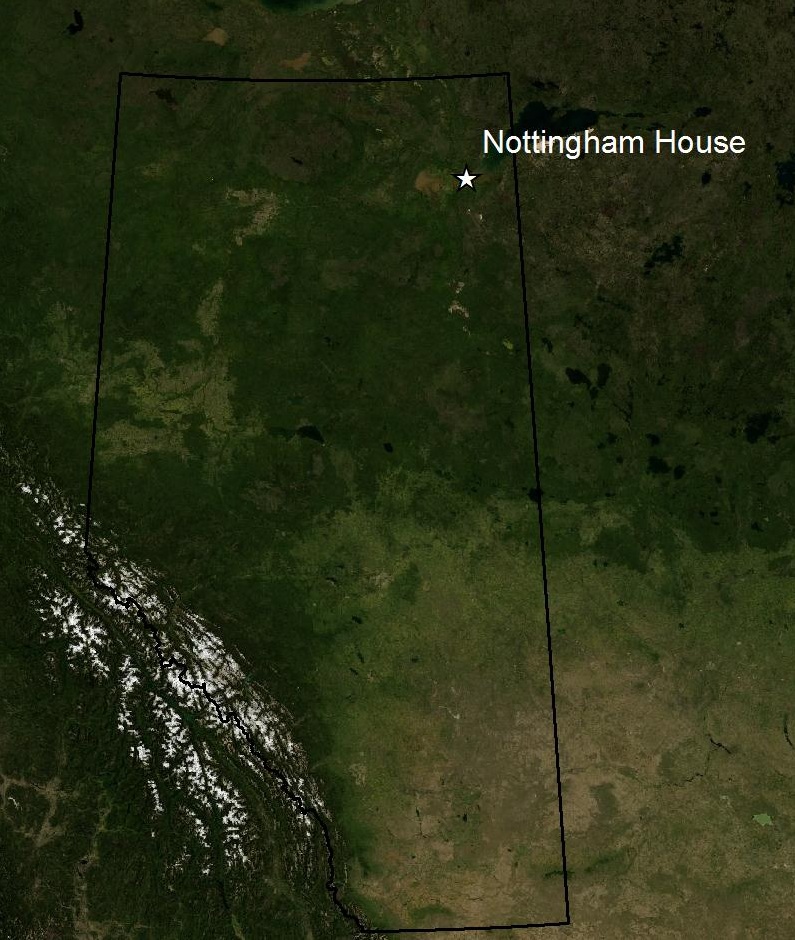
So where did it all begin? The first archaeological research permit in the province was issued to Karlis Karklins in 1973 by Alberta Culture, Youth, and Recreation. The permit was for his research at Nottingham House, a Hudson’s Bay Company trading post near Fort Chipewyan, as a part of the Western Fur Trade Research Programme. The programme was initiated by Parks Canada in 1968 to explore the history and archaeology of the fur trade in the Athabasca region. As part of that project, Karklins began researching Nottingham House in the early 1970s.
Historical Setting
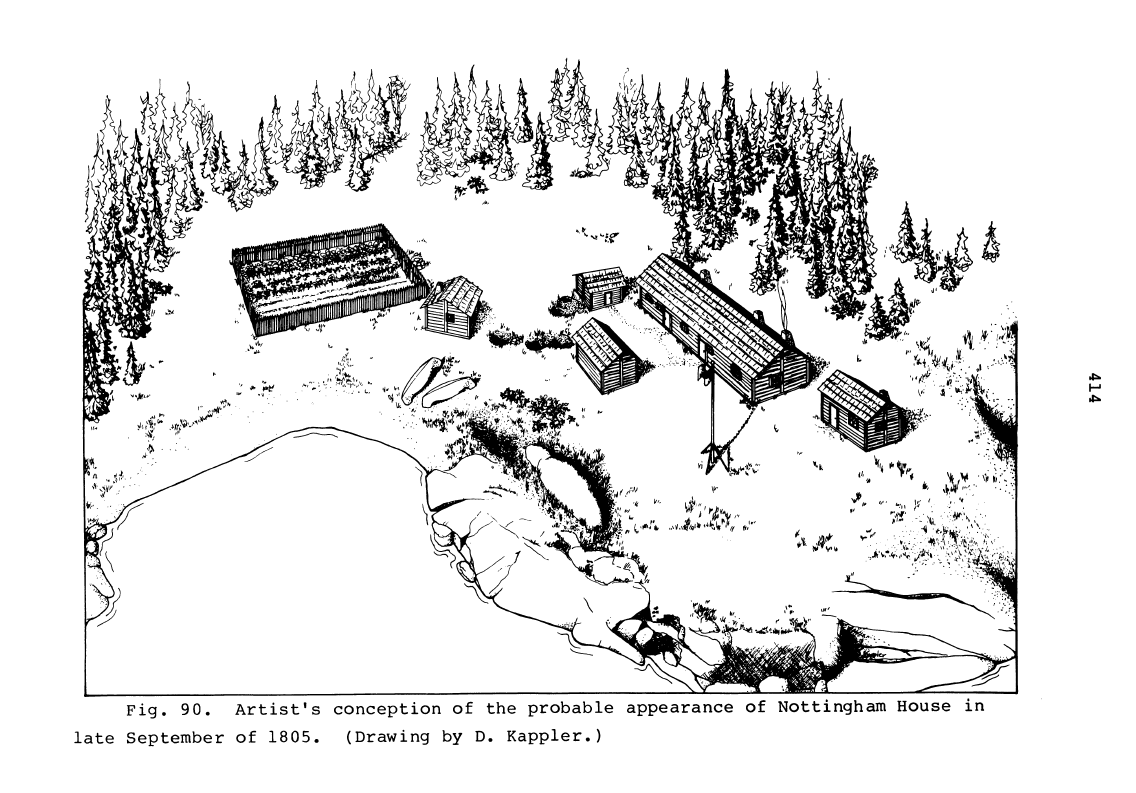
Nottingham House was a fur trade post established by the Hudson’s Bay Company (HBC) in 1802. The HBC hoped to compete with the North West Company (NWC), who held a 20 year monopoly on the famed fur-rich areas of the Athabasca region. Peter Fidler, an experienced HBC surveyor, along with his Swampy Cree wife, Mary, their children and 17 other explorers arrived at Fort Chipewyan in late 1802 to set up the new trading post, Nottingham House. In the style of competitive exploration that characterized the fur trade in western Canada, Nottingham House was erected less than a mile from Fort Chipewyan, a successful NWC trading post established in 1788.
Despite the best intentions of the HBC and Fidler’s crew, Nottingham House was not a successful trading post. The NWC at Fort Chipewyan took every chance to sabotage trade at Nottingham House, even going so far as to burn HBC canoes and to have individuals that were known to trade with the HBC beaten. In their first year, the HBC at Nottingham House generated a return of only six bundles of fur, which did not come close to covering the costs of their expedition. Fidler and his company remained at Nottingham House for four years, during which they struggled with dwindling trade, starvation and increasingly aggressive attacks from the NWC. On June 9, 1806, Nottingham House was abandoned and the HBC traders moved on to other posts.
Archaeological Research
The Nottingham House archaeological site was excavated by Karklins, an employee of the National Historic Parks and Sites Branch of Parks Canada during the 1970s. Karklins and seven others began their first 14-week excavation season in June 1972, returning for a lengthy field season each summer until 1977.
The archaeological crew unearthed just over 1,072 square meters of the site, revealing the remains of several buildings and work areas. The main house, measuring about 15 meters by 5 meters, was made up of four rooms with fireplaces, storage pits and a cellar. The site surrounding the main house included a storehouse, a provisions shed, a garden and several outdoor working areas, storage pits and trash pits. The structures were made from the locally-available wood, stones and clay. Most of the structures showed evidence of burning, which suggests that the NWC may have burned the camp after the HBC abandoned it in 1806.
The archaeology crew also uncovered 5,707 complete artifacts and a further 1,006 broken fragments of artifacts during their field seasons. The artifacts are typical of a fur trade post from that era. Most artifacts were personal items that would have been used by those living at the post or were kept as items for trading. These included beads, combs, mirrors, books and glass and ceramic containers.
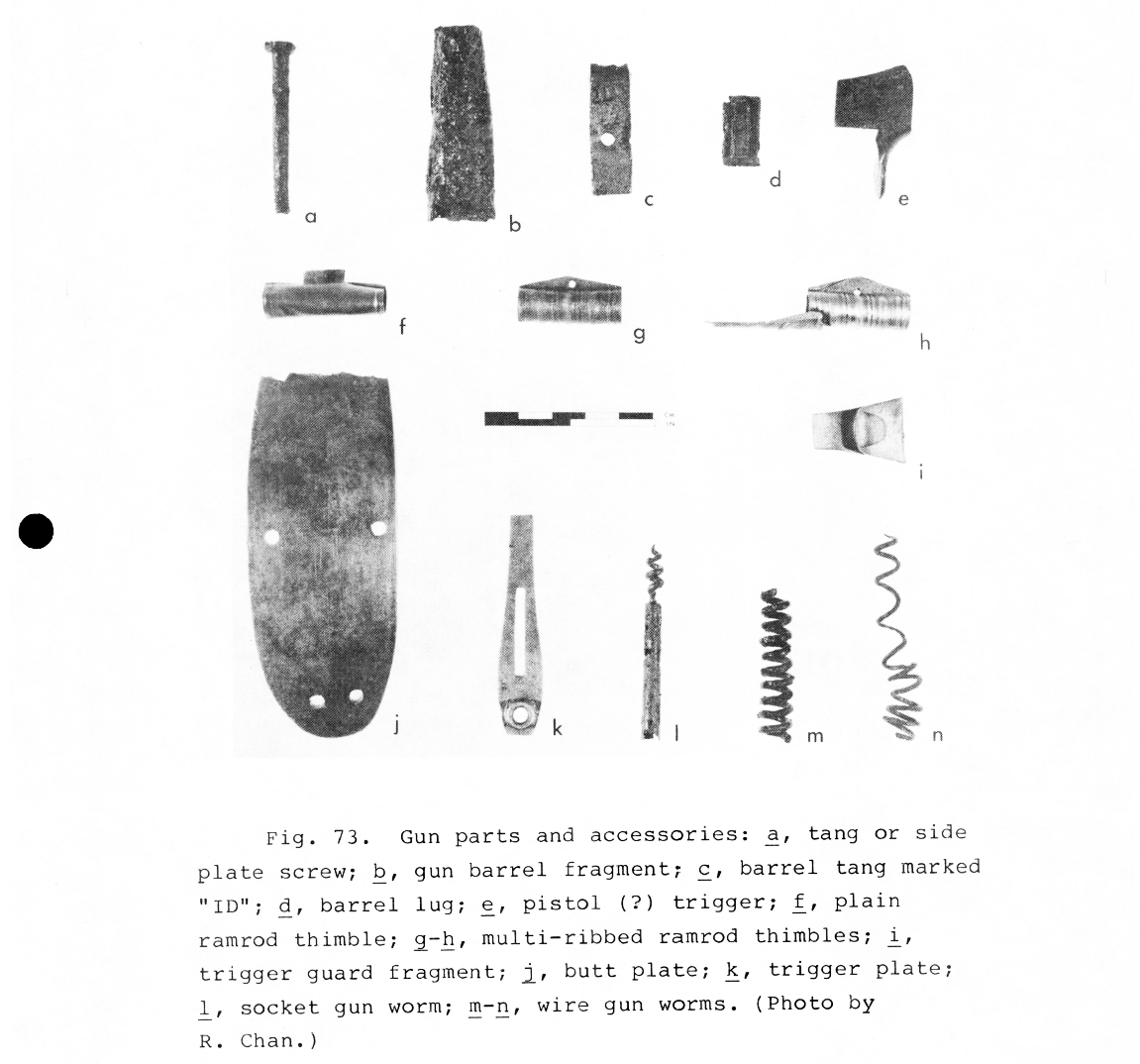
The other artifacts reflect what would be needed to construct and maintain a fur trade post in undeveloped territory in 19th century Boreal Forest Alberta, such as tools and hardware (axes, nails and saws), hunting and fishing gear (gun parts and ammunition) and household items (cookware, furniture and sewing supplies). The historical record suggests that the HBC crew relied on a protein-rich diet, consisting mostly of animals and birds such as moose, bison, caribou, dog/wolf, snowshoe hare, swans, ducks and cranes that were traded from the local Aboriginal population. Other animals identified from the faunal remains included Arctic fox, muskrat, marten, wolverine and lynx, all of which were hunted for their furs and may have been eaten as well. The crew was also able to fish in Lake Athabasca and grow potatoes and turnips in their gardens.
Examples of gun parts and accessories that were found by Karklins at the Nottingham House archaeological site.
Karklins’ research in the 1970s served to build a better understanding of the economy and material culture of the Nottingham House fur trade post. The site has not been excavated by archaeologists since the 1970s, but Karklins’ research has proved valuable for other archaeologists and historians studying the fur trade in western Canada, and especially in the Athabasca region of Alberta. The archaeological site of Nottingham House remains protected by the Historical Resources Act as an Alberta Significant Archaeological Site.
References and Figures: Karklins, K. (1979). Nottingham House: The Hudson’s Bay Company in Athabasca, 1802-1806 (Doctoral dissertation, University of Idaho).
Written by: Colleen Haukaas, Archaeological Permits & Digital Information Coordinator.






 RETROactive