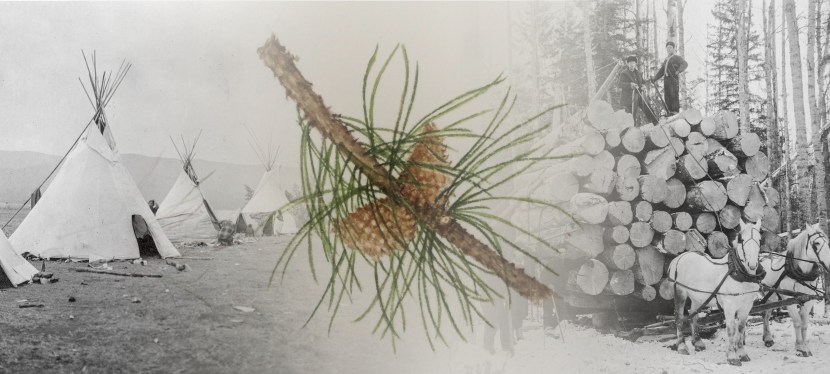
Pitch and Timber: A History of Human Relationships with Trees in Alberta (Part 1)

Editor’s note: This is part one of a two part series on the history of human relationships with trees in Alberta. Next week’s post will discuss the development of the forestry industry, modern research and the Heritage Art Series.

Written by: Todd Kristensen, Archaeological Survey of Alberta

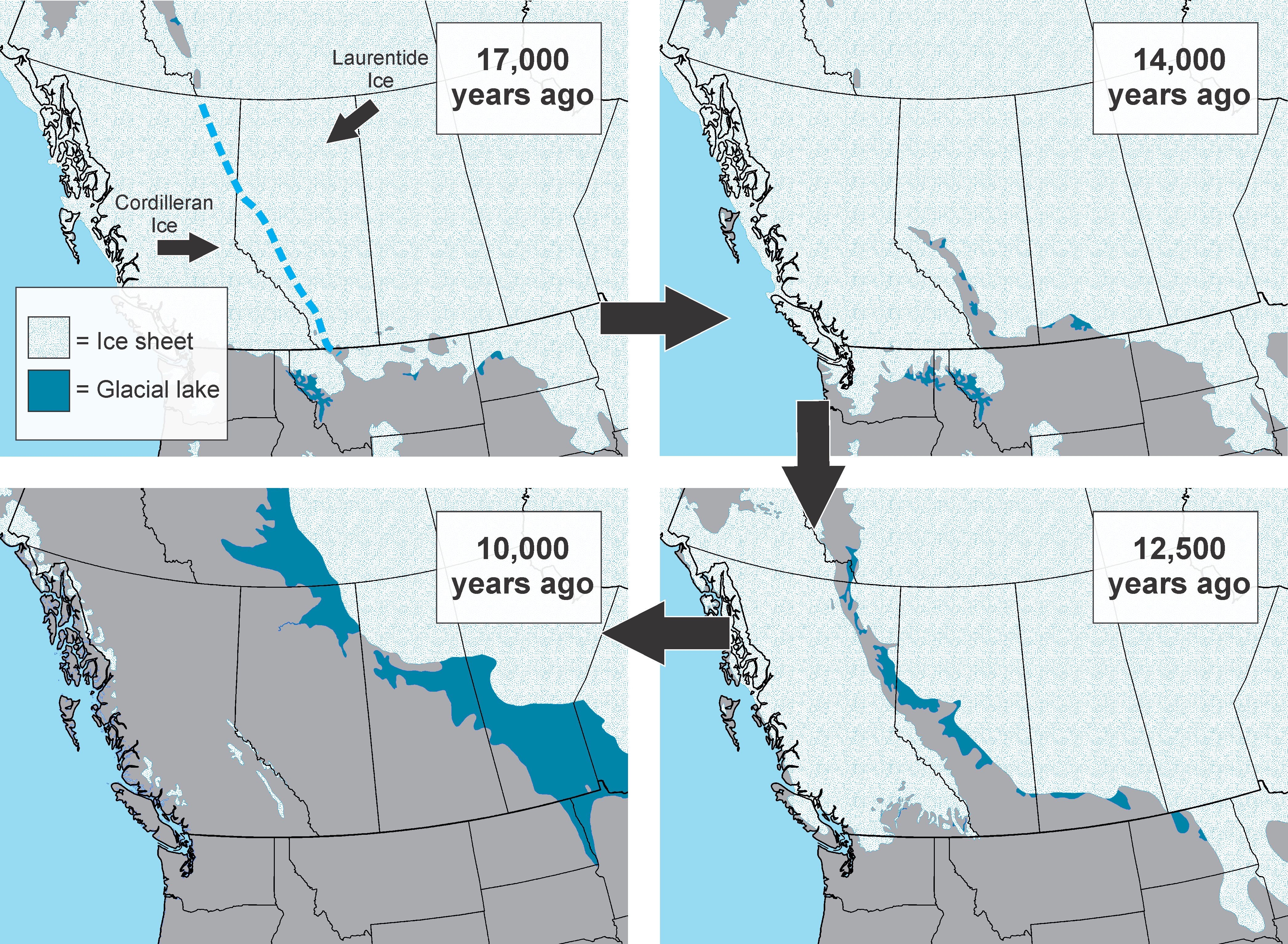
People in Alberta have relied on trees since these woody plants colonized our ice-scraped province around 11,000 years ago. Millions of collective hours were spent by people gathering and chopping wood for warmth and cooking, but our relationship with trees runs much deeper than heat. People in Alberta have relied on them to build tools, homes, and transportation networks, and our forestry industry continues to shape the province.
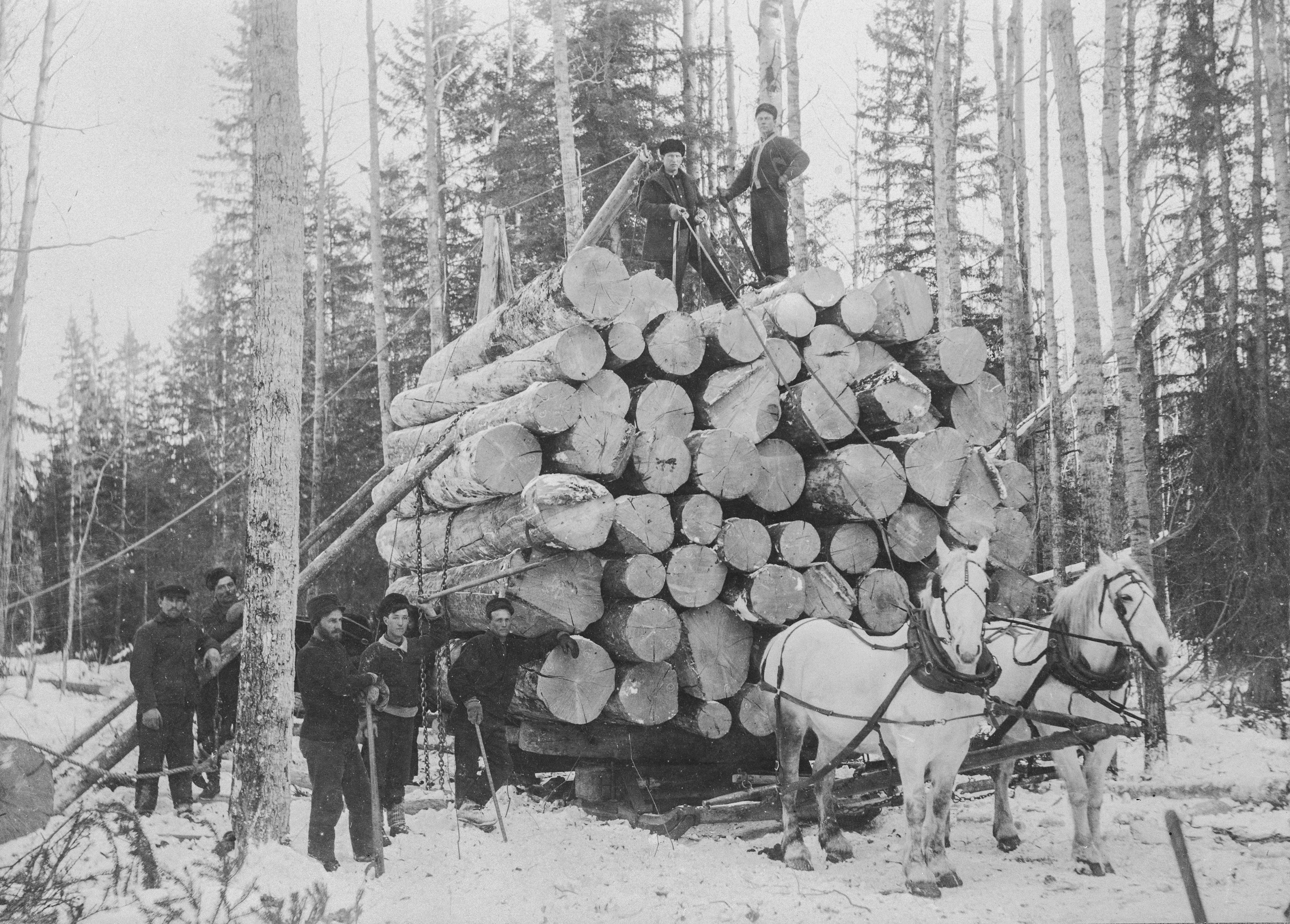
Logging at Poplar Creek, Alberta in the late 1800s. Image A5085 courtesy of the Provincial Archives of Alberta.

What Trees Grow Here and Why?

Much of the prairies are too hot and dry for forests, but most of central and northern Alberta have ideal temperatures and moisture levels for trees: over 60% of the province is covered by forests. While our precipitation helps trees grow, Alberta is dry enough (over long enough periods in the summers) to be fire-prone. Most natural forests here rarely exist for more than 100 years before a fire re-starts the growth of a series of plant communities (called ‘succession’). Our ‘pyrogenic’ forests are younger and typically smaller than neighbours to the west where heavier rains and different soils produce massive old growth forests that often exceed 600 years old.
Read more

Mile 58 Forestry Cabin: Heritage significance in a remote area

Written by: Ron Kelland, Historic Places Research Officer

Alberta’s newest Provincial Historic Resource is the Mile 58 Forestry Cabin in the Willmore Wilderness Park. Now the most remotely located designated resource in the province, the cabin tells an interesting and important story about the protection of Alberta’s forests and the forest rangers that sheltered in cabins like this while riding the trails in our province’s forests.

The Dominion Forestry Branch

The story of the Mile 58 Forestry Cabin begins in Ottawa, with the establishment of the Dominion Forestry Branch in 1899. The Dominion Forestry Branch, a sister service to the Dominion Parks Branch (now Parks Canada Agency), was established to manage forest resources on Crown lands. By 1911, a number of protected forest reserves had been created in Alberta, including the Athabasca Forest Reserve north of Jasper.

Alberta Agriculture and Forestry. Alberta Forest History Photographic Collection
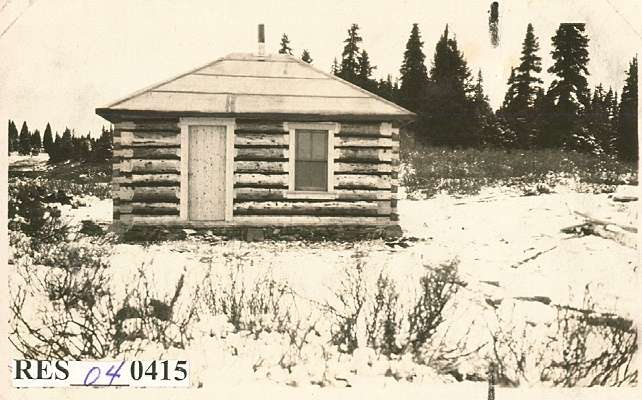
The Mile 58 Forestry Cabin was built by forest ranger Jack Glen with assistance from some of his fellow rangers. Glen was a former Royal North-West Mounted Police officer and had joined the Dominion Forestry Branch in 1920. In addition to the Mile 58 Forestry Cabin, Glenn also built the Eagle’s Nest and Big Grave Flats cabins, and was likely involved in others as well. Source: Alberta Agriculture and Forestry. Alberta Forest History Photographic Collection.

Read more

Birch bark basketry in Alberta

Written by: Elizabeth Goldberg, Archaeological Survey of Alberta

Alberta archaeology, and field archaeology in general, places a lot of emphasis on stone tools. We divvy up projectile points into groups based on time, place and form. We source quarries for flaked tools to hypothesize past trade relationships and seasonal migrations; and we admire projectile points for their beauty and the technical skill it took to make them.

birch-1
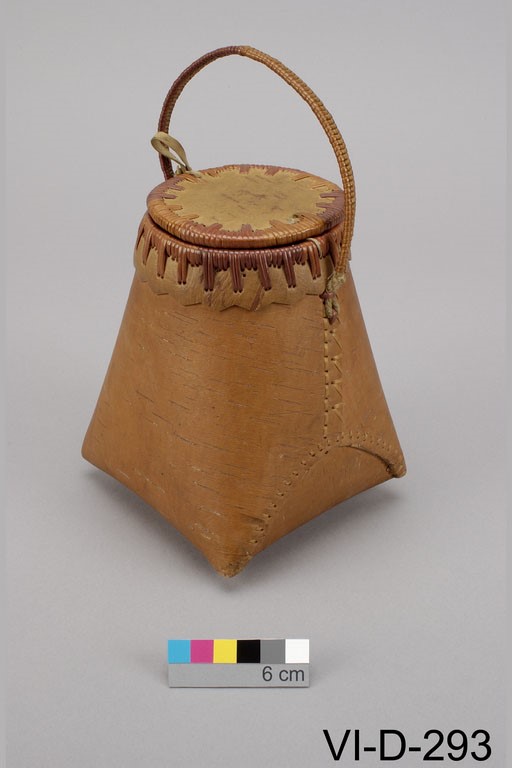
Birch bark basket sewn with split spruce roots, Dënesųłı̨ne (Chipewyan). Source: Canadian Museum of History.

However, stone tools are only a very small part of the archaeological record— at well-preserved sites, artifacts made of plant and animal fibers make up the majority. These items are called perishable artifacts because they decay quickly, often long before any archaeologist stumbles upon them. Alberta’s climate is not conducive to the preservation of perishable artifacts, but their presence can be inferred through other means. We can look to ethnographic collections of items made by First Nations that were traded or sold to settlers, and we can look to the technologies many Indigenous people use to this day. One such technology that was, and still is, widely important across the Canadian Subarctic is birch bark basketry.

Read more

“For Ever With The Lord”: In memory of common soldiers from the chapel at Old St Stephen’s College

Written by: Peter Melnycky, Historian

Stained glass at Old St. Stephen's College, on campus at the University of Alberta in Edmonton. Photo by: Peter Melnycky
Stained glass at Old St. Stephen’s College, on campus at the University of Alberta in Edmonton.

In 1935, the chapel unveiled within St. Steven’s College displayed plaques commemorating the war service and sacrifices of its brave associates. Dated to 1923, the first plaque honoured 19 Ministers and 61 Probationers who served during the Great War, as well as eight who “bravely fell”. A separate plaque commemorated “To the Glory of God and in Loving Memory” eight students of Robertson College “who fell on the field of Honour” during the war. One individual plaque was also dedicated in memory of Harold G. Riddle of Robertson College who died at St. Omer, France in 1916 and proclaimed Virtute Praeclarus (“Brilliance with Courage”) in his memory.

Read more

Stories from the Land: Indigenous Place Names in Canada

Written by: Ron Kelland, Historic Places Research Designation Officer

Place names, or toponyms, are an important aspect of language. At their most basic, place names serve an important role in wayfinding and navigation. They allow us to locate ourselves within the landscape, or, perhaps more importantly sometimes, they allow others to locate us.

Place names also have another often-overlooked role. They are cultural artifacts, containing within them the stories of previous generations. They reveal historical land uses and show the values of previous generations.  They connect people to both the present physical landscape and to their own culture, history and heritage.

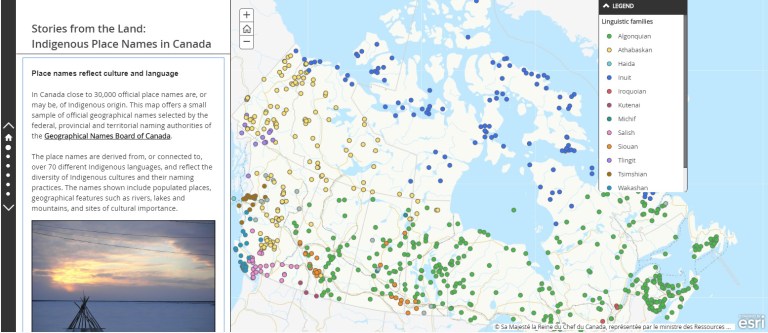
Stories from the Land: Indigenous Place Names in Canada Interactive map. Source: Natural Resources Canada.

2019 is the International Year of Indigenous Languages. The United Nations made the designation in 2016 in order to, “draw attention to the critical loss of indigenous languages and the urgent need to preserve, revitalize and promote indigenous languages.” The resolution was adopted by consensus, with no member nation requesting a vote. Member nations have been encouraged to use 2019 to develop and promote initiatives that further awareness of Indigenous languages.

Read more

Watch out, there’s a spider on your shoulder!

From all of us here at RETROactive, happy Halloween! If you’re in the mood for a historical fright, check out Allan Rowe’s post on how Albertans used to celebrate the occasion during the 19th century and beyond.

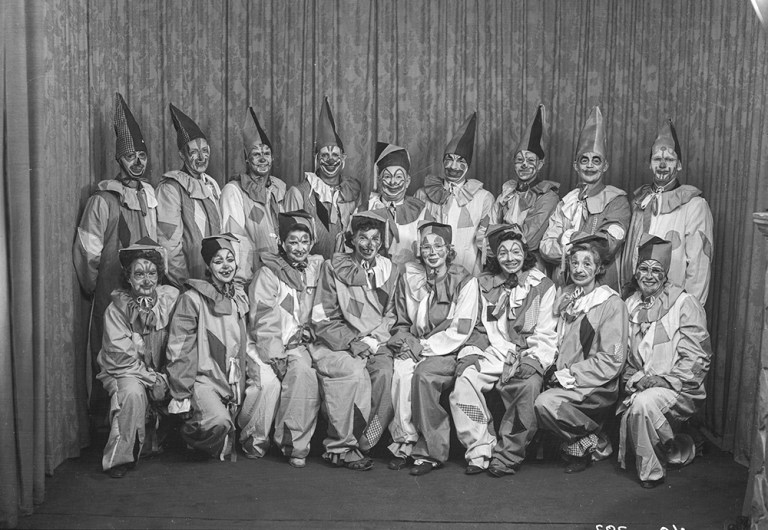
And now, here’s a photo of some creepy clowns, taken somewhere in Edmonton in 1952.

clowns
Image courtesy of the Provincial Archives of Alberta.


Quarry of the Ancestors

Editor’s note: All images in the post below were sourced from a report developed by the Archaeological Survey, Lifeways and Stantec.

Written by: Matthew Wangler, Executive Director, Historic Resources Management Branch

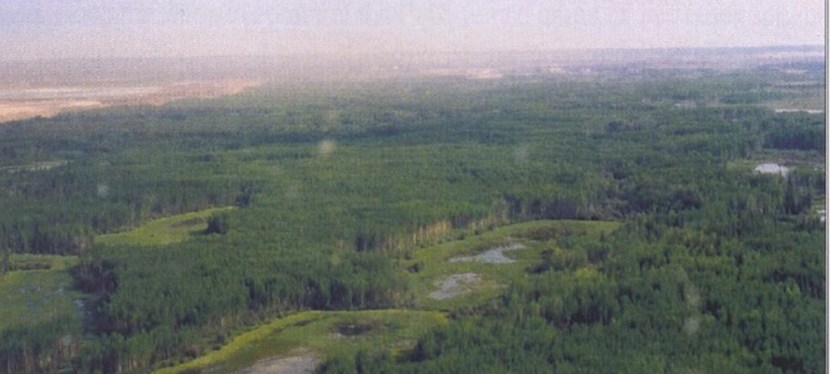
For decades, northeastern Alberta has been home to large-scale industrial activity in the region’s massive petroleum deposits. A remarkable discovery in the midst of the oil sands revealed that the same area of the province also accommodated another significant industry in ancient times; that historic and contemporary land use share a common origin in an epic event that profoundly shaped our province’s past.  This blog post will explore how historic resource management in Alberta helped reveal a lost chapter of our province’s history, how the discovery illuminated both the remarkable richness and depth of the Alberta story, and the surprising connections between past and present.

Read more

Advancing Archaeology: the Occasional Paper Series in 2019

Written by: Krista M. Gilliland, Western Heritage and Todd Kristensen, Archaeological Survey of Alberta

The Archaeological Survey of Alberta is proud to kick-off Occasional Paper Series No. 39 with its first two articles available for free. As with the previous volume, individual articles in the Occasional Paper Series are published online throughout the year, with the final, compiled volume released at the end of the year. We encourage submissions from archaeologists in cultural resource management (CRM), universities, and other heritage professions.

Submissions to Occasional Paper No. 39, edited by Krista M. Gilliland, are welcome.

Occasional Paper Series No. 39, “Advancing archaeology: Industry and practice in Alberta, 2019,” is dedicated to an influential member of the archaeological community in Western Canada, Terry Gibson, who passed away in 2018. The first article in the volume is a tribute to him.

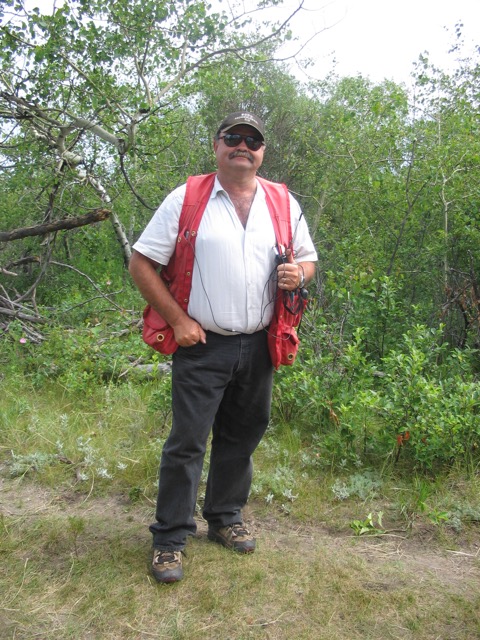
Terry Gibson (1954-2018) played an important role shaping the CRM community in Western Canada.

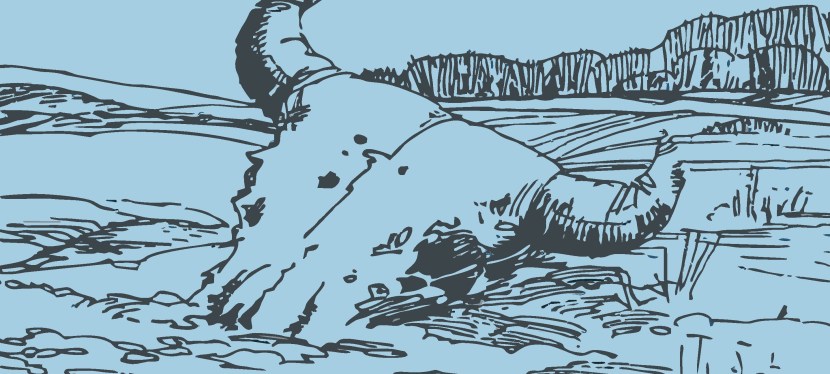
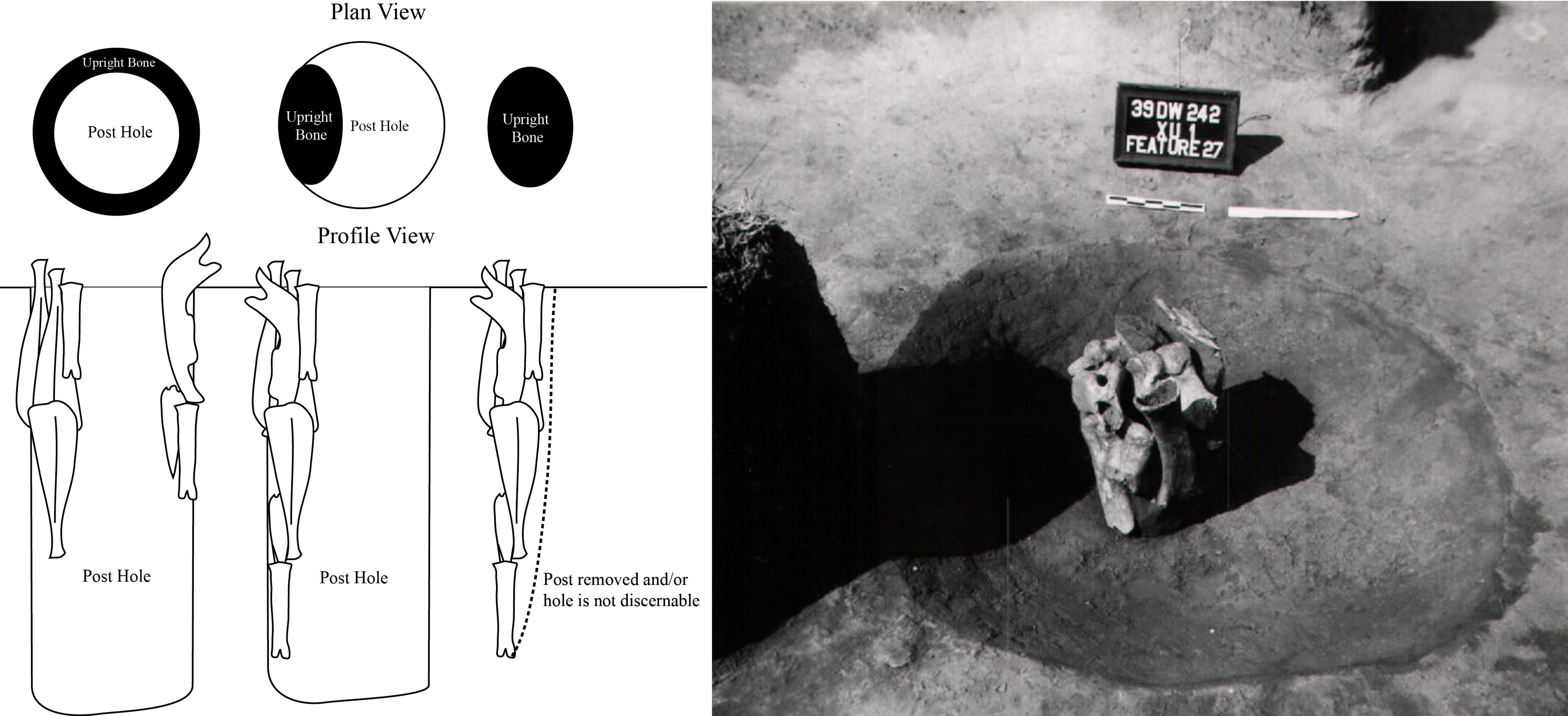
The second paper is a summary of archaeological features called bone uprights that appear in Alberta and across the Northern Plains. These features consist of animal bone (usually bison) that was vertically embedded in the ground. Archaeologists have come up with several ideas to explain these curious components of pre-contact sites.

A sample of bone upright images from Reid Graham and John W. Ives’ paper in the 2019 issue (reproduced with permission).

The title of the current volume – “Advancing archaeology: Industry and practice in Alberta, 2019,” refers to Terry Gibson’s legacy in the province and an important goal of the Occasional Paper Series. We hope the series provides a venue to CRM archaeologists, heritage managers and others to improve the discipline in Alberta. Interested authors can pitch a paper or idea to the editorial committee.

Also, you can download previous volumes of the Occasional Paper Series for free:

Back on the Horse: Recent Developments in Archaeological and Palaeontological Research in Alberta, Occasional Paper No. 36 (2016)

After the Flood: Investigations of Impacts to Archaeological Resources from the 2013 Flood in Southern Alberta, Occasional Paper No. 37 (2017)

The Swing of Things: Contributions to Archaeological Research in Alberta Occasional Paper No. 38 (2018)

Restoration of the Taber Courthouse

Editor’s note: If you’re interested in other restoration projects by the government’s Heritage Conservation Advisers, read about the conservation of Circle L Ranch.

Written by: Fraser Shaw, Heritage Conservation Adviser

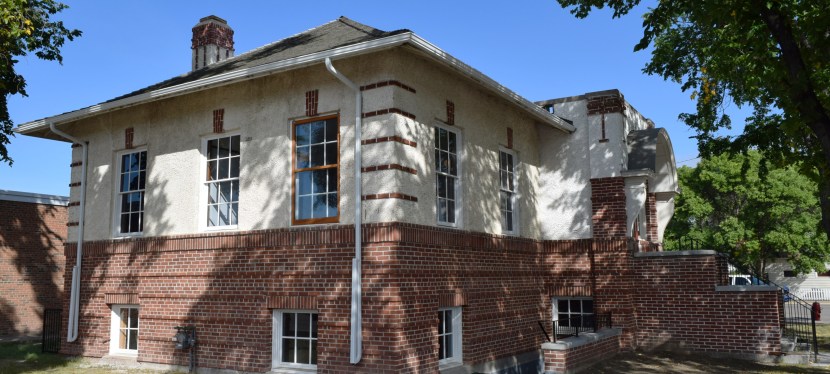
Designated a Provincial Historic Resource in 2013, the Taber Courthouse presides over a quiet park just off Taber’s main street. The building’s stately arched entryway speaks to its historic importance as one of Alberta’s first “sub-jurisdiction” courthouses, a system of provincial justice administration introduced at the time.

Built in 1918, Assistant Provincial Architect J.B. Allan developed the courthouse design and noted Provincial Architect Richard P. Blakey subsequently revised it. Blakey’s eclectic mix of Edwardian, Classical Revival and Spanish Colonial Revival elements eventually became an architectural prototype for other courthouses of the period. Examples of Blakey’s work that are still intact include the Blairmore Courthouse in the Crowsnest Pass and the Medicine Hat Courthouse. Both of these buildings are Provincial Historic Resources.

Read more

A rock ‘n roll weekend at the Speedway

Written by: Jared Majeski, Historic Resources Management Branch

Summer isn’t over just yet, which means its still appropriate to reminisce about the events and people taking part in what’s now a regular, annual tradition: the summer music festival.

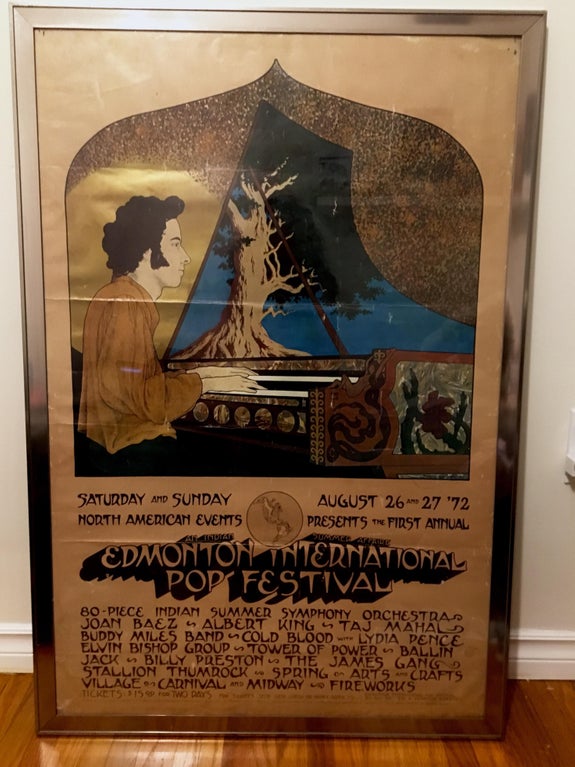
Original poster for the 1972 Edmonton International Pop Festival, by Phoenix & Arabeth. Apparently, glossy colour posters were plastered around the city only a couple weeks before the event. They were replaced almost as fast as they were stolen.

In what may have been one of Edmonton’s first outdoor weekend music events, the Edmonton International Pop Festival took place August 26 and 27, 1972. Held at the old Edmonton International Speedway in northwest Edmonton, the hastily-organized and promoted festival cost $15 to attend, which, if you’ve ever attended a Folk Fest or Interstellar Rodeo festival, is microscopically cheap in comparison.

Read more