Time to take a trip back to the future of the workplace of 1992, courtesy of the Public Affairs Bureau. Public promotional materials such as these often capture information aside from the original intent of the production. In this case, the video documents the early steps of the switch from the analogue to the digital in the office, the state of the economy after the recession in the early eighties, changing gender norms in employment, and the general sociopolitical atmosphere of the time. Some of the innovative trends featured, such as working from home, have persisted and become ubiquitous. However, the career change pivot from shoeing horses to being a clinical psychologist was likely as unusual then as it would be now.
Check out the rest of the Provincial Archives of Alberta video collection on YouTube, including a handful of oddly calming chess instructional videos from the early 70s.
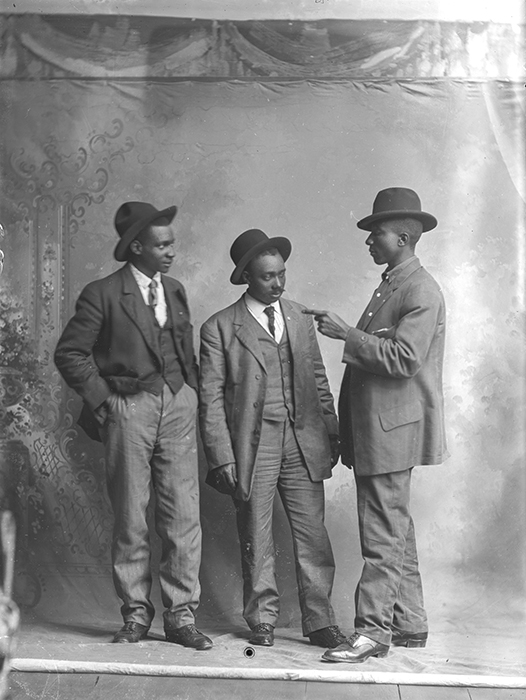
Editor’s note: In our continued recognition of Black History Month, the Provincial Archives of Alberta has shared a collection of portraits of Black Albertans from photographer Ernest Brown. The Ernest Brown fonds contain around 50,000 negatives and other materials, predominantly from the years 1880-1960.
One of the earliest professional photographers in Alberta, Ernest Brown moved to Edmonton from England in April 1904. In Edmonton, Brown went to work as an assistant to C.W. Mathers, the city’s first photographer. Three months later, Brown bought the rights to Mathers’ portrait studio and in 1905 the studio expanded into the Ernest Brown Company Ltd.
Little is known about the subjects in the photographs below. Likely, the only records kept from these photo sessions was the name of the person who booked and paid for the session.
Editor’s note: In our continuing recognition of Black History Month, RETROactive contributors from the Provincial Archives of Alberta highlight some of the resources available for researchers wanting to know more about the history of Alberta’s Black community.
Written by: Michael Gourlie, Government Records Archivist and Karen Simonson, Reference Archivist
Researching the history of Black communities in Alberta can be challenging. Sources can be limited and potentially scattered among many institutions within Alberta’s heritage communities. Much of the access is dependent on knowing a person’s name or having some additional background clues or information. But the history of Alberta’s Black communities can be teased out of the records preserved by the Provincial Archives of Alberta (PAA), and all the resources described below are available for researchers to see and consult for themselves during regular opening hours of the reading room.
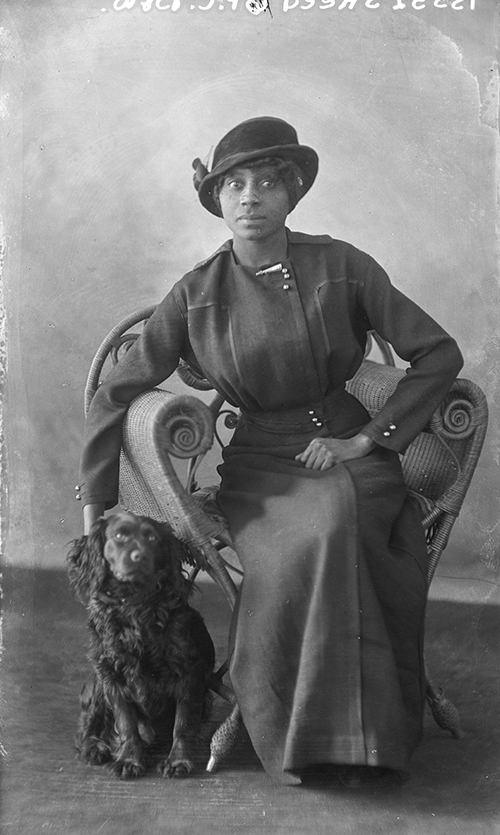
Unidentified woman with dog, ca. 1920 (Ernest Brown fonds, BP2-15552)
In addition to published books and newspapers providing context to the community, the PAA is fortunate to have received donations of records from private individuals such as Fil Fraser, Selwyn Jacob and Junetta Jamerson. While these records can only tell part of the story, looking more closely at some familiar holdings at the PAA reveals perhaps some unexplored and unexpected traces of Alberta’s Black history.
Editor’s note: With a couple weeks left in what felt like the longest year ever, this will be the last RETROactive post of 2020. Thank you to all our followers, visitors and everyone interested in Alberta’s diverse and unique history. Have a safe and happy holiday season, and we’ll see you all in 2021!
Written by: Sara King, Government Records Archivist, Provincial Archives of Alberta and Jared Majeski, Editor, RETROactive
Courtesy of the Provincial Archives of Alberta, let us start to settle in for Christmas break with some vintage video of folks hitting the slopes.
“Where Winter’s a Pleasure” was a promotional film produced by the Film and Photograph Branch of the Department of Industry and Development in 1962 for the Alberta Travel Bureau. It features footage and narration from Hans Gmoser (1932-2006), a mountain guide and founder of Rocky Mountain Guides Ltd. (later Canadian Mountain Holidays CMH) who would tour throughout North America giving lectures and showing promotional films. He was awarded the order of Canada in 1987, among other honours. Starting before dawn for a four hour hike up a glacier to ski might seem a bit daunting for some, but you can always catch the gondola at Lake Louise if you’re less ambitious, and a trip to the Tom Tom Lounge at the end of the day can’t go wrong. Just don’t forget your mountain mixture.
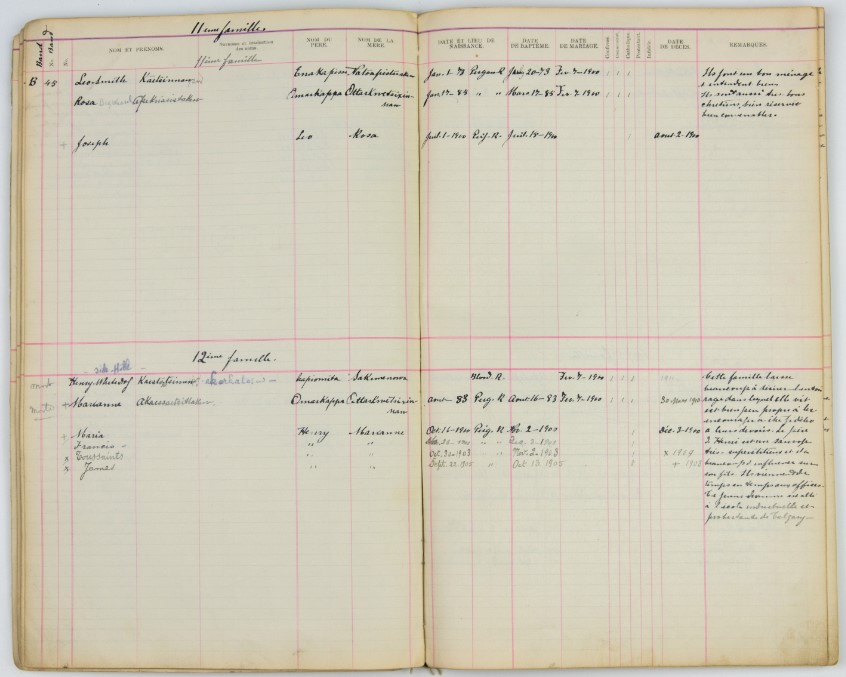
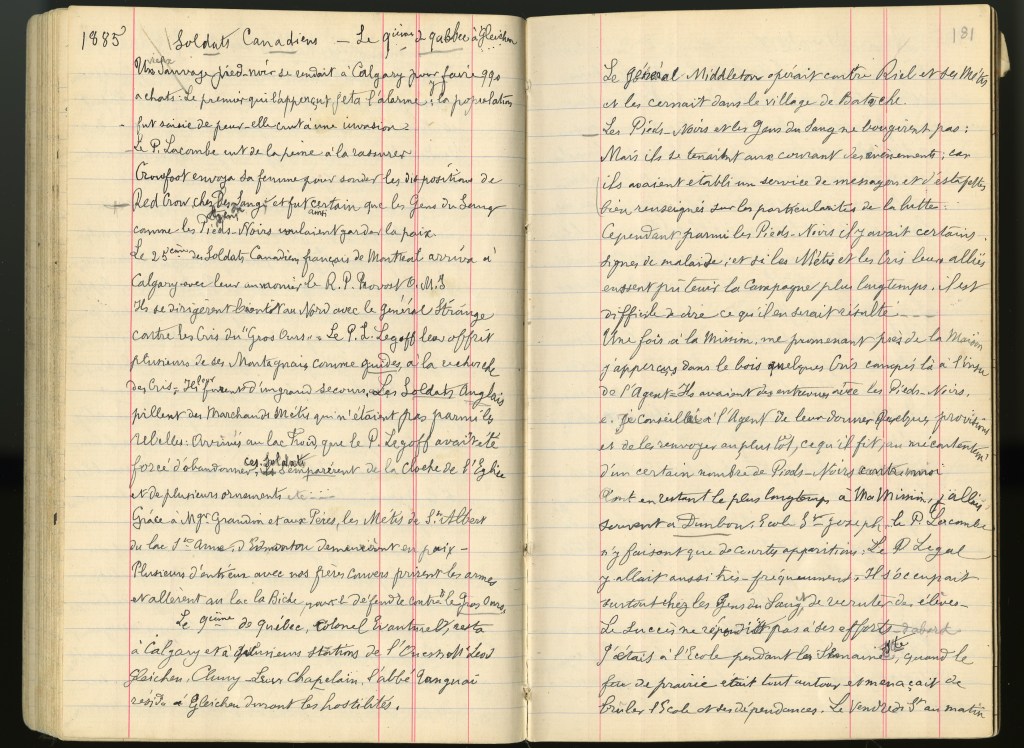
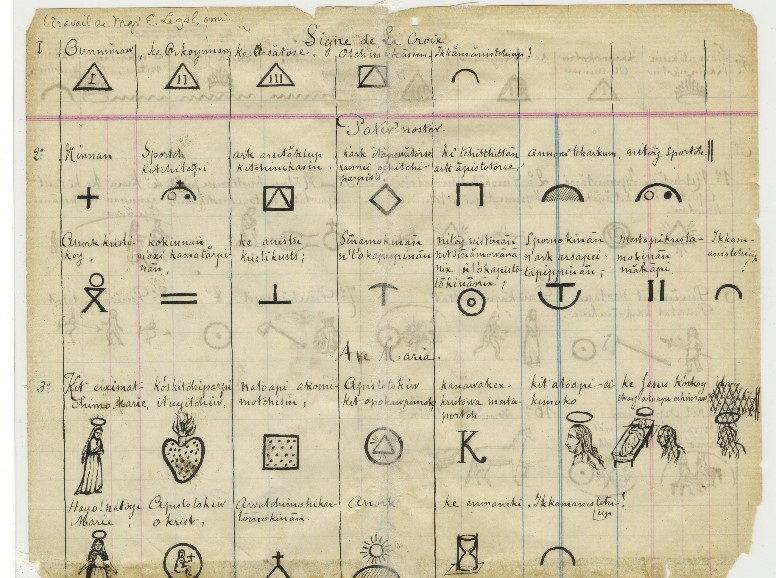
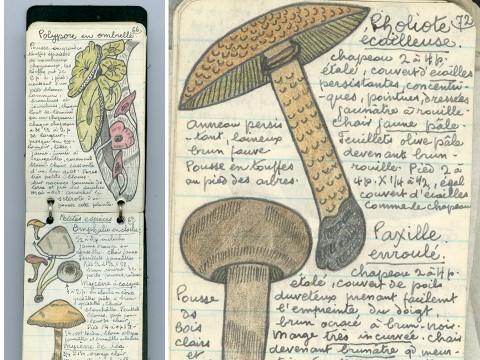
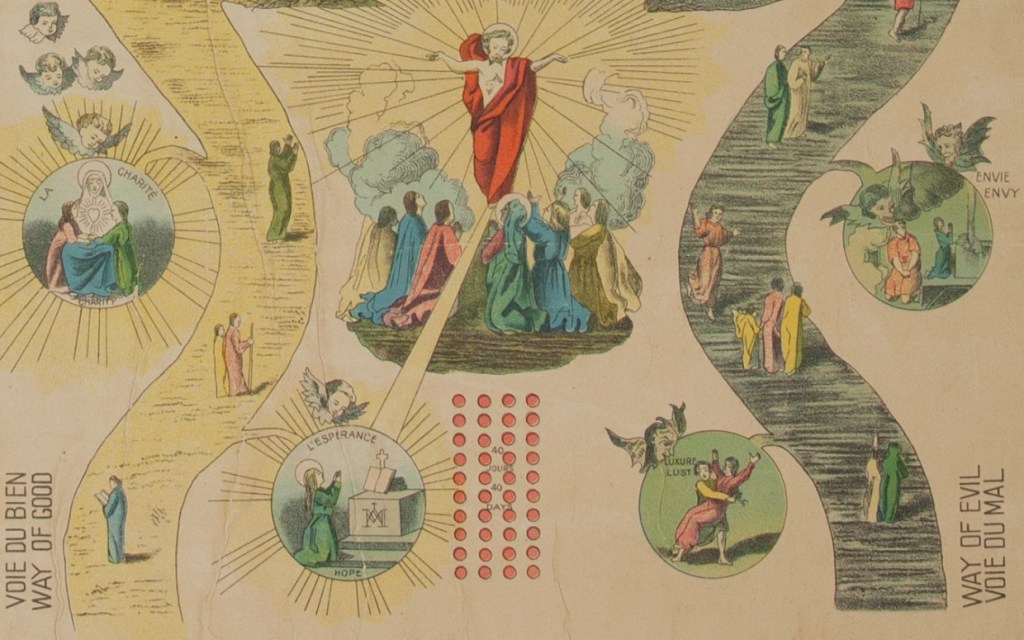
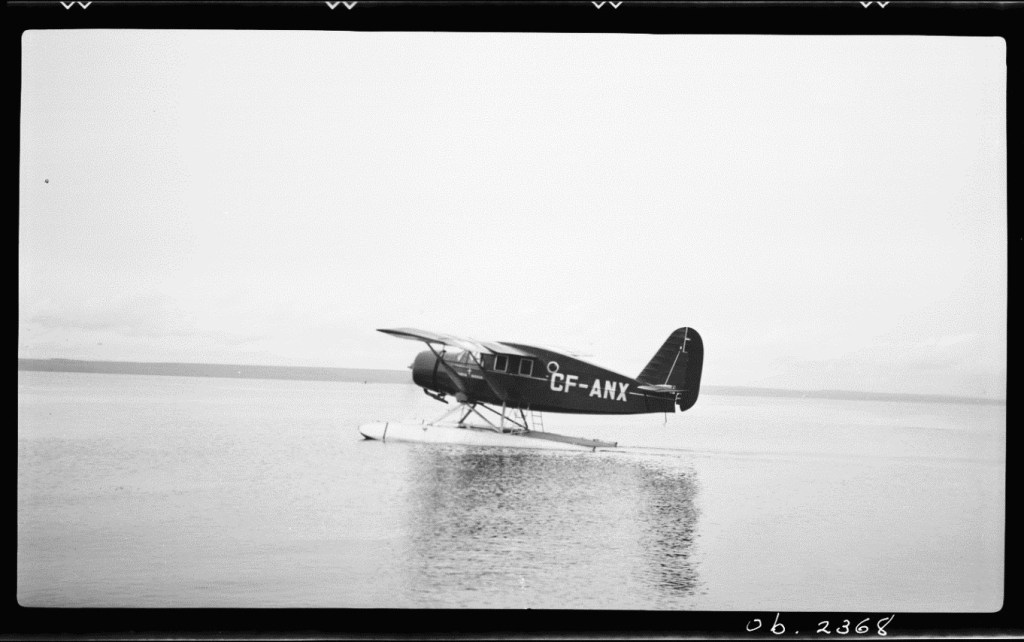
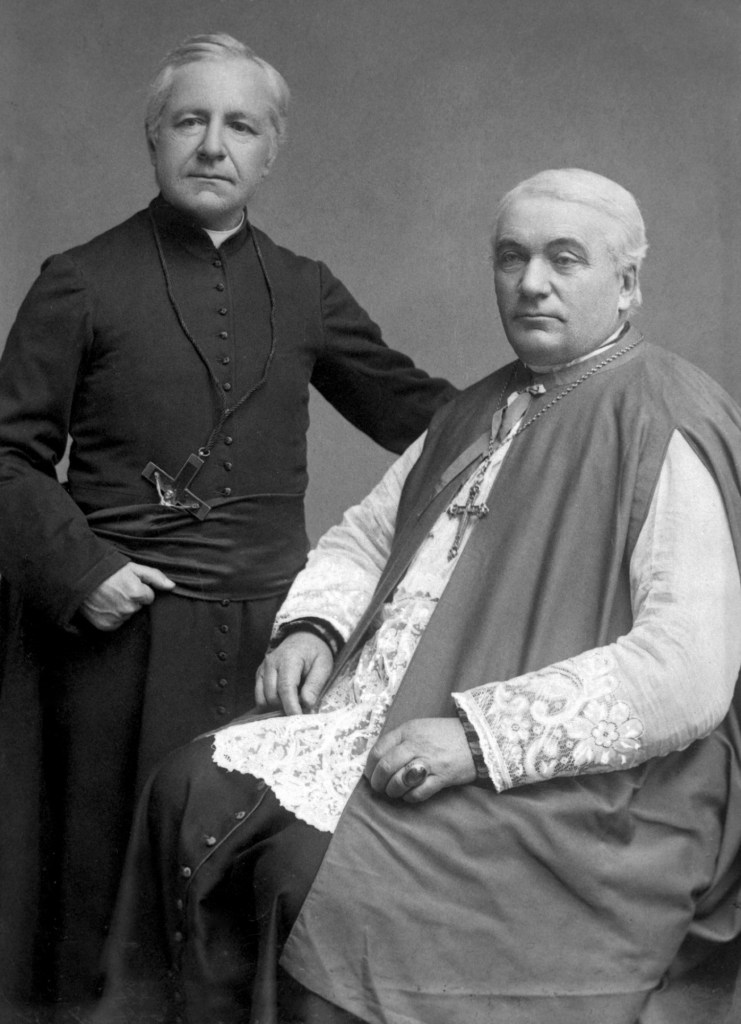
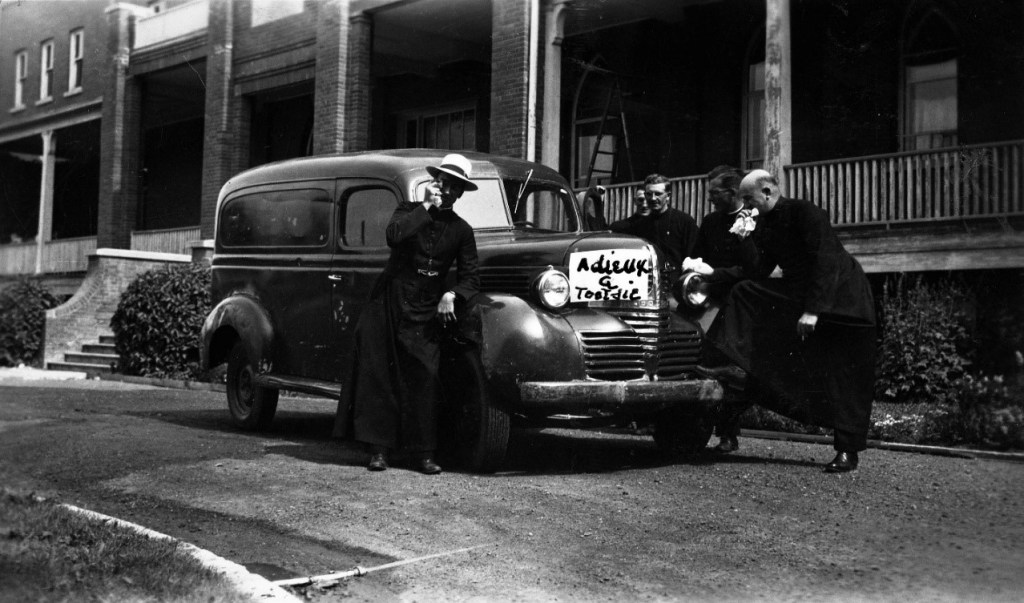
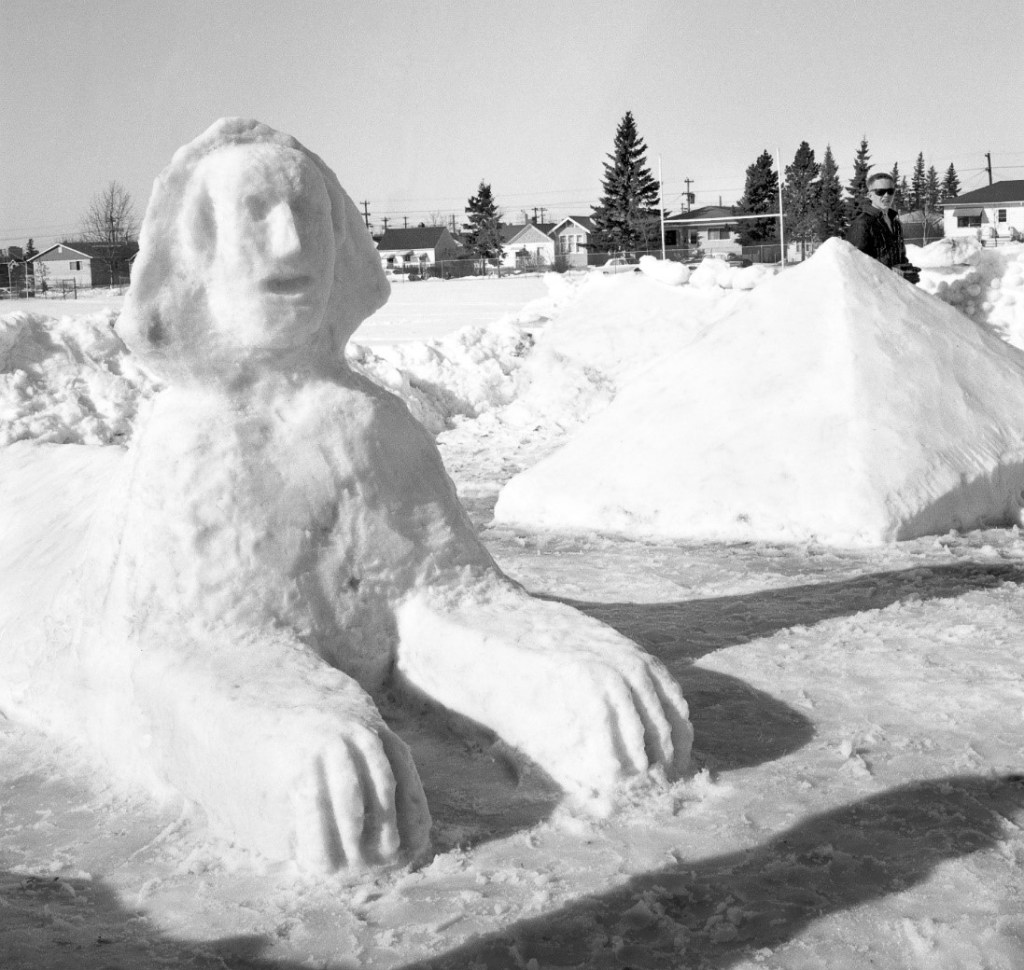
Did you know the Oblates of Mary Immaculate collection covers a wide array of subjects about Alberta’s history dating back to before Alberta was even a province?
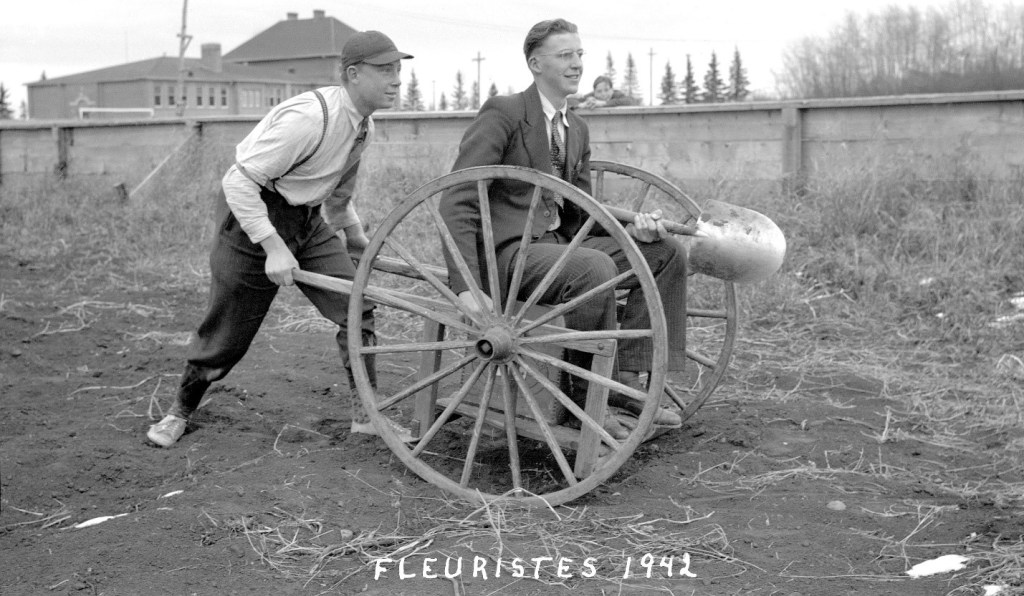
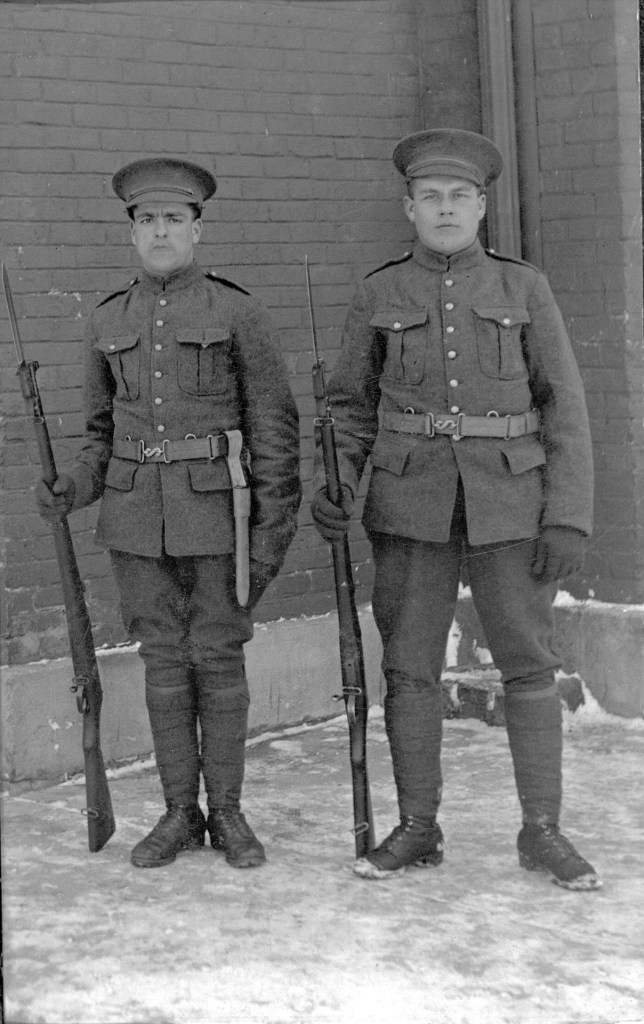
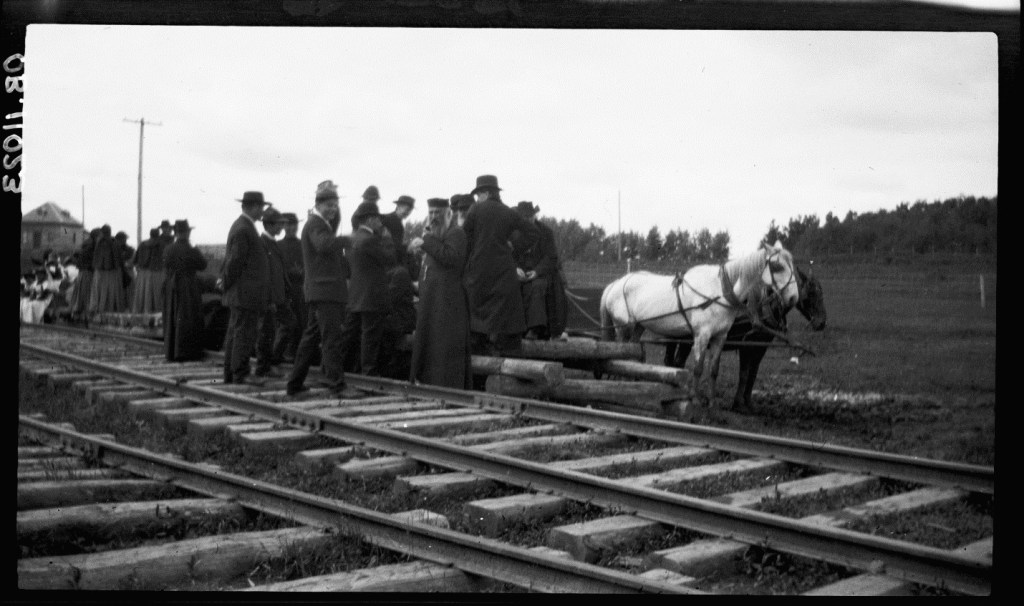
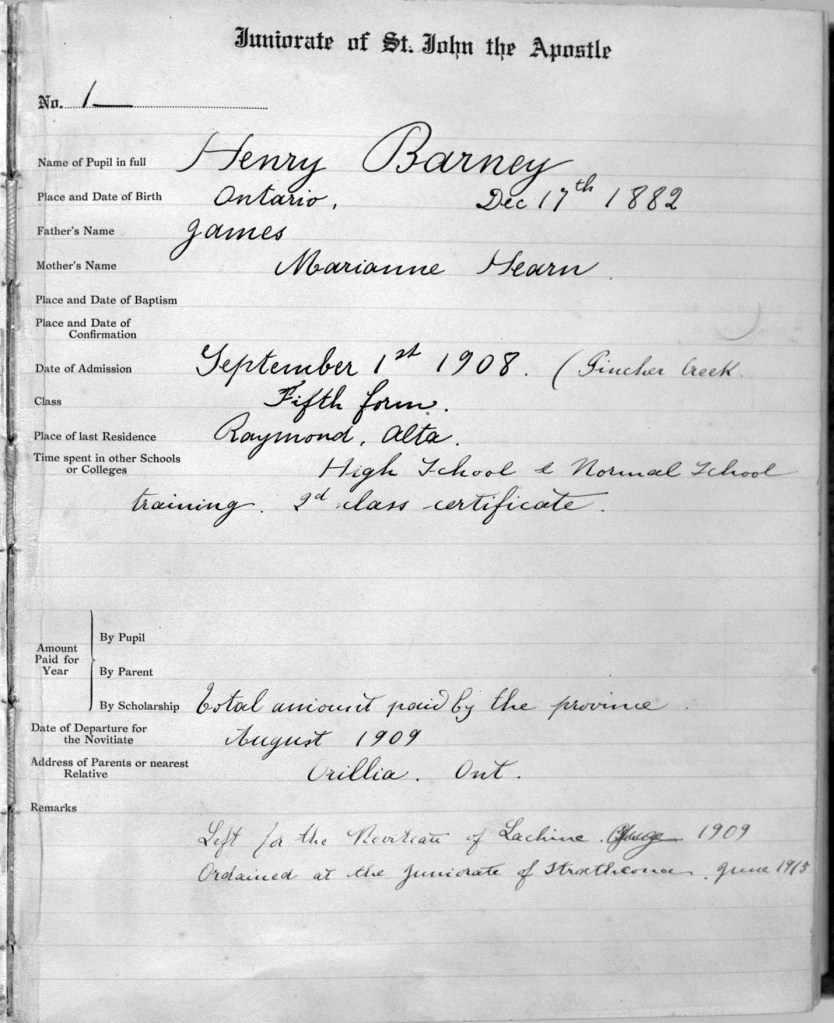
In August 2018, the Provincial Archives of Alberta (PAA) acquired the records of the Oblates of Mary Immaculate (OMI), following years of negotiations with OMI Lacombe Canada. Since their acquisition, the PAA and several volunteers have been arranging, describing and processing this extensive and historic collection of the religious missionary order. The collection consists of over 400 metres of textual records, thousands of audio records and film, more than 50,000 images and hundreds of maps and drawings.
The ultimate goal is to have the entire collection processed by 2023. At that time, we hope to see the publication of a two-volume finding aid consisting of Oblate administrative histories and a catalogue of the entire collection. This will help researchers understand and navigate this important resource.
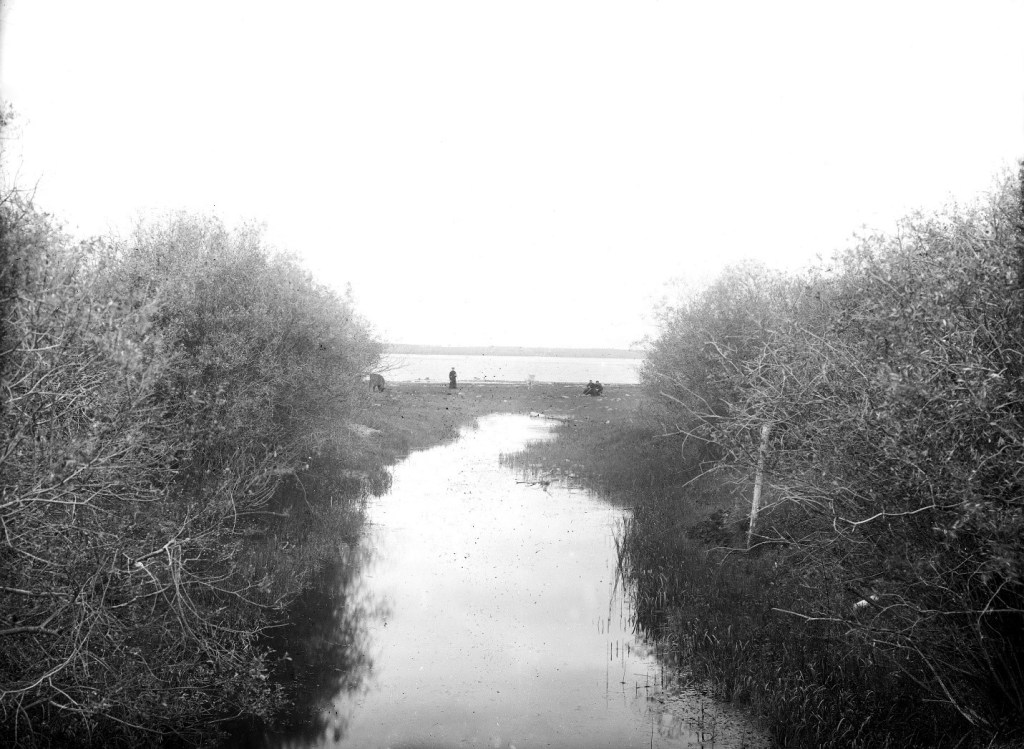
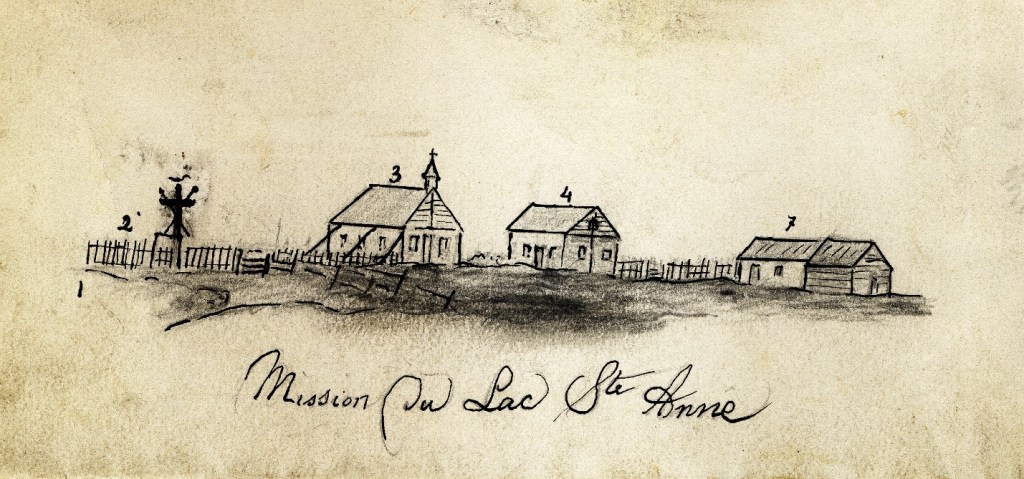
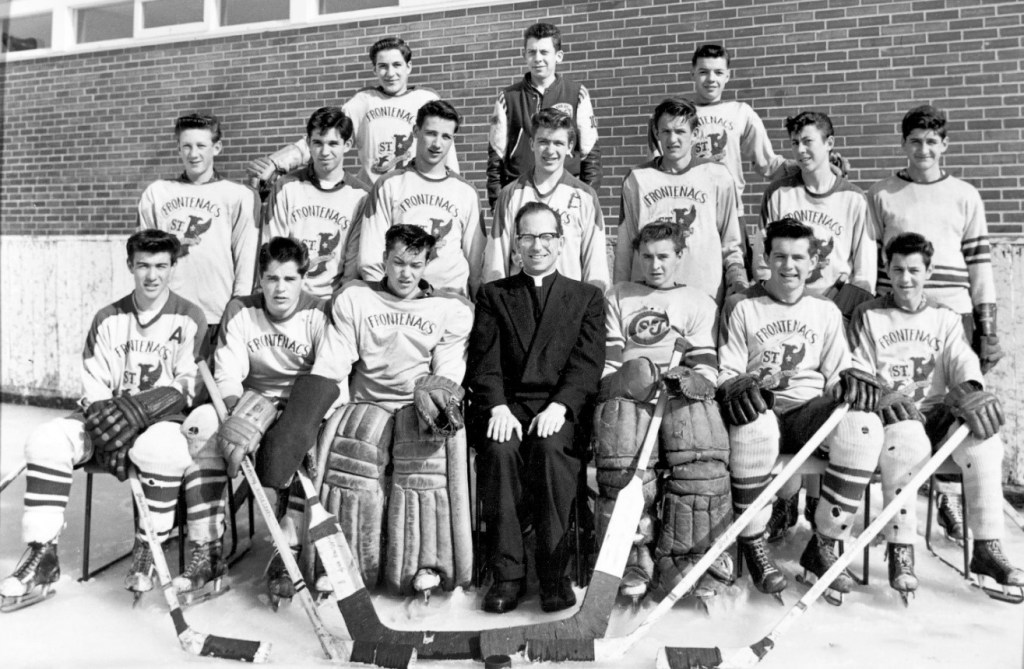
But for now, here’s a sneak peek at some of the objects from the OMI.
Written by: Michael Gourlie, Government Records Archivist
Editor’s note: The International Council of Archives has designated June 8-14, 2020 as International Archives Week. Its theme, Empowering Knowledge Societies, highlights the ways in which archival institutions contribute to sustainable knowledge, trust and evidence, and the challenge of emerging technologies.
When historians decades from now look back at society during the COVID-19 pandemic, what will they see? Artifacts, documents and various media will certainly tell the story of how we dealt with an historic event. With the pandemic at the forefront of everyone’s thoughts, it seems timely to examine the holdings at the Provincial Archives of Alberta (PAA) that document other public health crises. Alberta has experienced pandemics such as the worldwide 1918-1919 flu pandemic (often referred to as the Spanish grippe or Spanish flu epidemic) as well as a series of more localized poliomyelitis epidemics in Alberta that occurred in 1927 and 1953. While history books in the reference library tell one author’s version of events, what do the original archival records preserved at the PAA tell researchers about other widespread outbreaks of disease in the twentieth century, and can they inform our current circumstances?
1918-1919 pandemic resources at the PAA
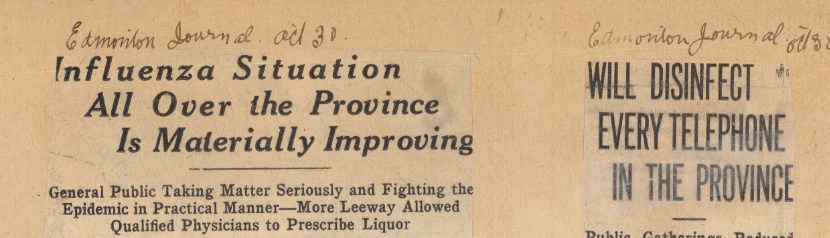
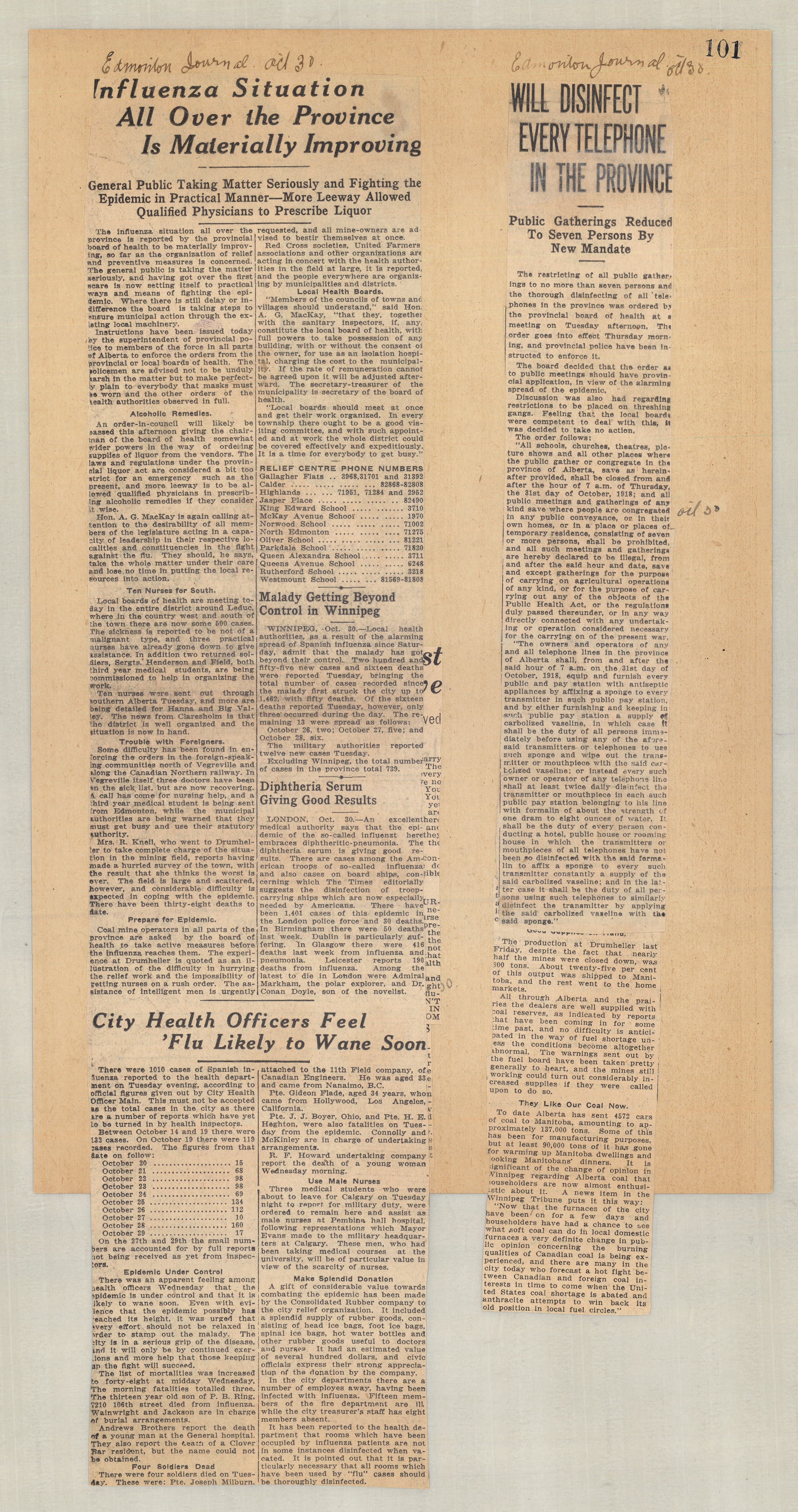
Starting in 1905, a branch of the Department of Agriculture managed the Government of Alberta’s public health programs until the province established a separate Department of Public Health in 1919. For reasons that are unclear, few records of the Department of Public Health appear to have survived prior to the 1940s. However, one incredible survivor of that era is a scrapbook created by Public Health that contains newspaper articles tracking the progress of the 1918 influenza pandemic across Canada, with a special focus on developments in Alberta. The articles detail the number of cases, the preventative measures (including the closures of schools and restrictions on public gatherings), announcements from medical officers of health and the death toll.
Excerpt from Public Health Scrapbook, 1918. GR1975.0454
While an overarching and comprehensive information resource, the scrapbook does not provide the entire story of the Government of Alberta’s response to the pandemic or the impact on the citizens of Alberta. So, without other records of the Department of Public Health, where can that story be found in the PAA?
Written by: Ron Kelland, Historic Places Research Officer
Back a few weeks ago, in the early days of COVID-19 pandemic response, I, like many Albertans, was closely watching news coverage. One news story that caught my attention was about the lines of traffic of returning Canadian travelers at the Coutts/Sweet Grass International Border Crossing. The story really jumped out at me because I had just read about novelist Charles Dickens’ involvement with the philanthropic work of Baroness Angela Burdett-Coutts. Being the geographical names guy, I was aware that the village of Coutts and the hamlet of Burdett were named for the Baroness Burdett-Coutts, so I started to think about how was it that these two communities ended up with names honouring and commemorating a Victorian-Age, aristocratic philanthropist and social reformer.
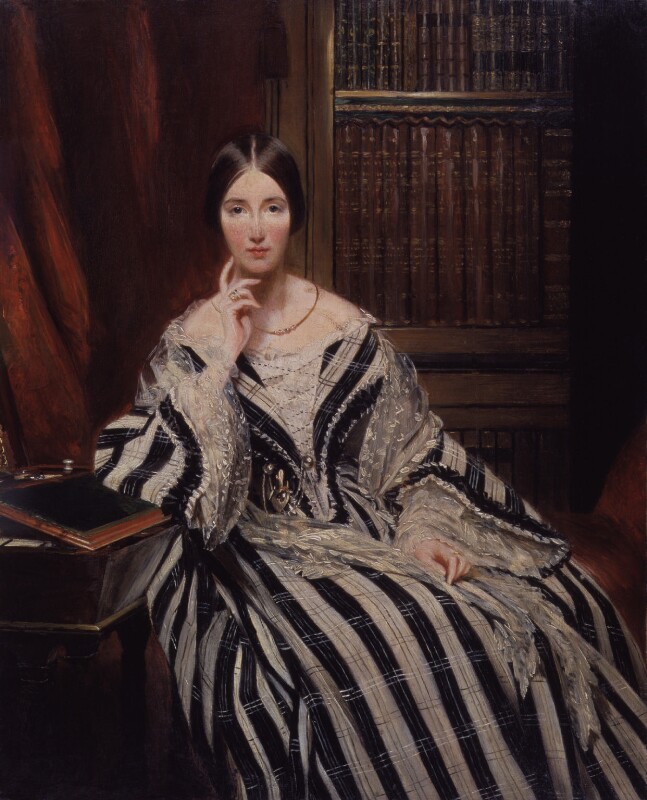
Baroness Burdett-Coutts, artist unknown, oil on panel, ca. 1840. Source: National Portrait Gallery, London, NPG 6181. Used under Creative Commons License (CC BY-NC-ND 3.0)
Angela Burdett-Coutts, the 1st Baroness Burdett-Coutts was born Angela Burdett in 1814, the daughter of radical reformist politician and anti-slavery advocate Sir Francis Burdett and Sophia Burdett (née Coutts). In 1837, upon the death of her step-grandmother, the actress Harriet Mellon, Angela inherited the entire Coutts estate of £1.8 million ($191 million in 2020 Canadian dollars) including a substantial interest in the Coutts Bank, making her the second-wealthiest woman in the United Kingdom after Queen Victoria. In accordance with the conditions of the will, Angela Burdett sought and received royal license to combine her ancestral names to become Angela Burdett-Coutts.
Well would you look at that, it’s Valentine’s Day! Whether you’re an adherent to the original feast honouring Valentinus, or just like getting flowers from a significant other, it’s the time of year to spend a greeting card-mandated night with your sweetheart.
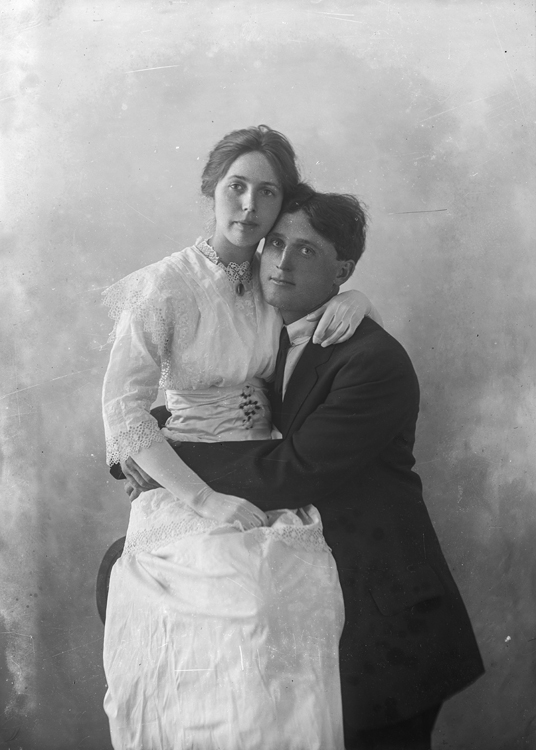
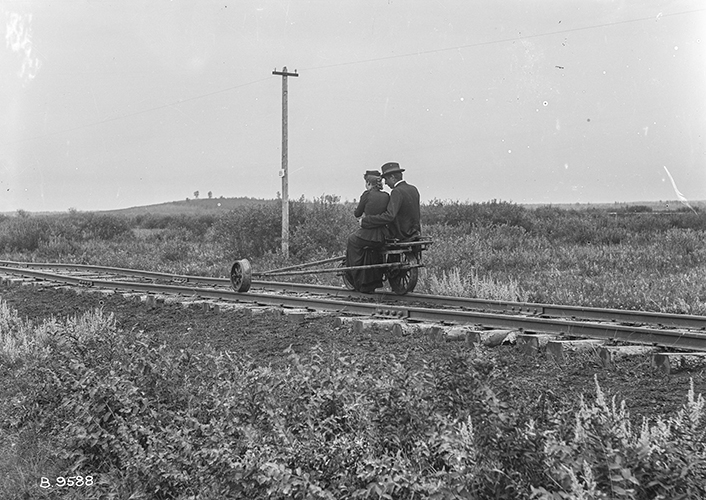
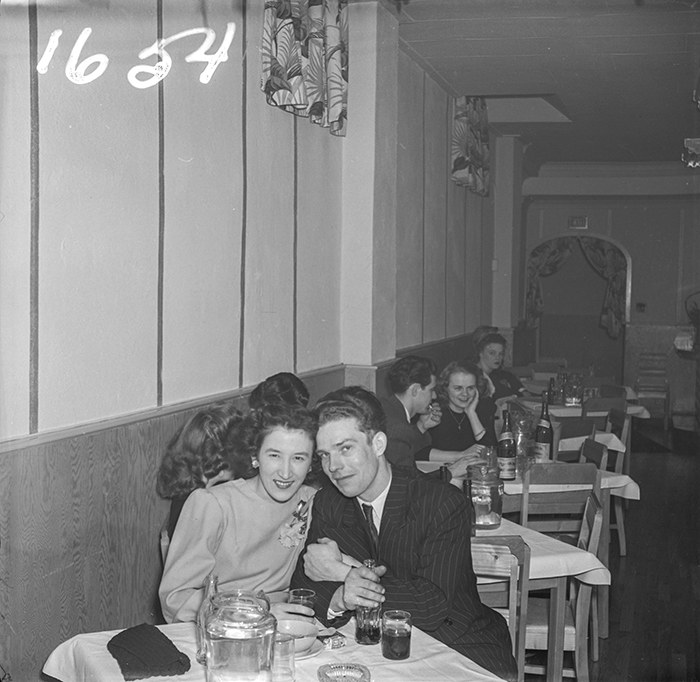
In celebration of this special day, here are a few Alberta couples, young and old, showing their love for one another.
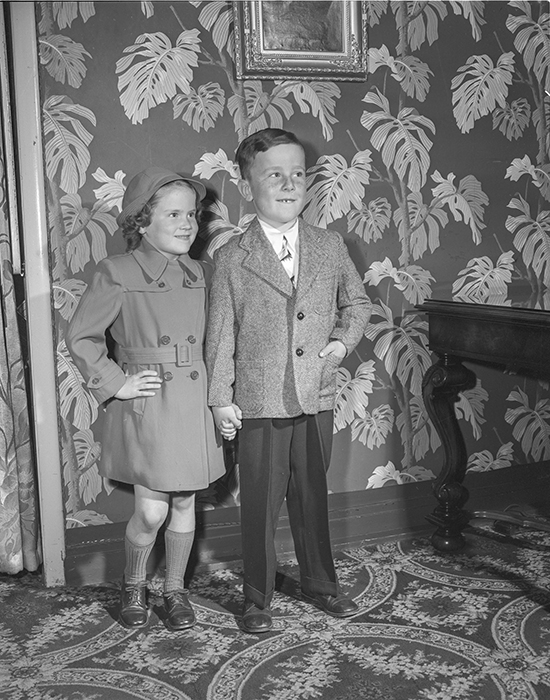
Fashion show for kids, taken in Edmonton’s McKernan neighbourhood on April 11, 1951. Source: Provincial Archives of Alberta.
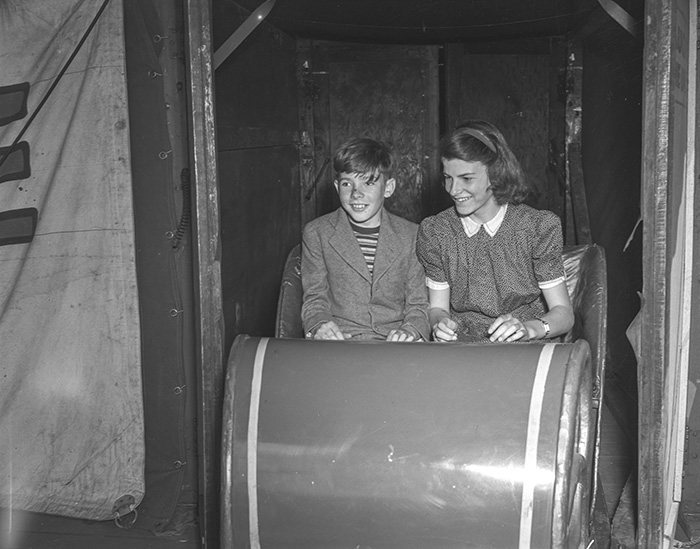
Children on rides at the Exhibition in Edmonton. Photo taken July 17, 1947. Source: Provincial Archives of Alberta.
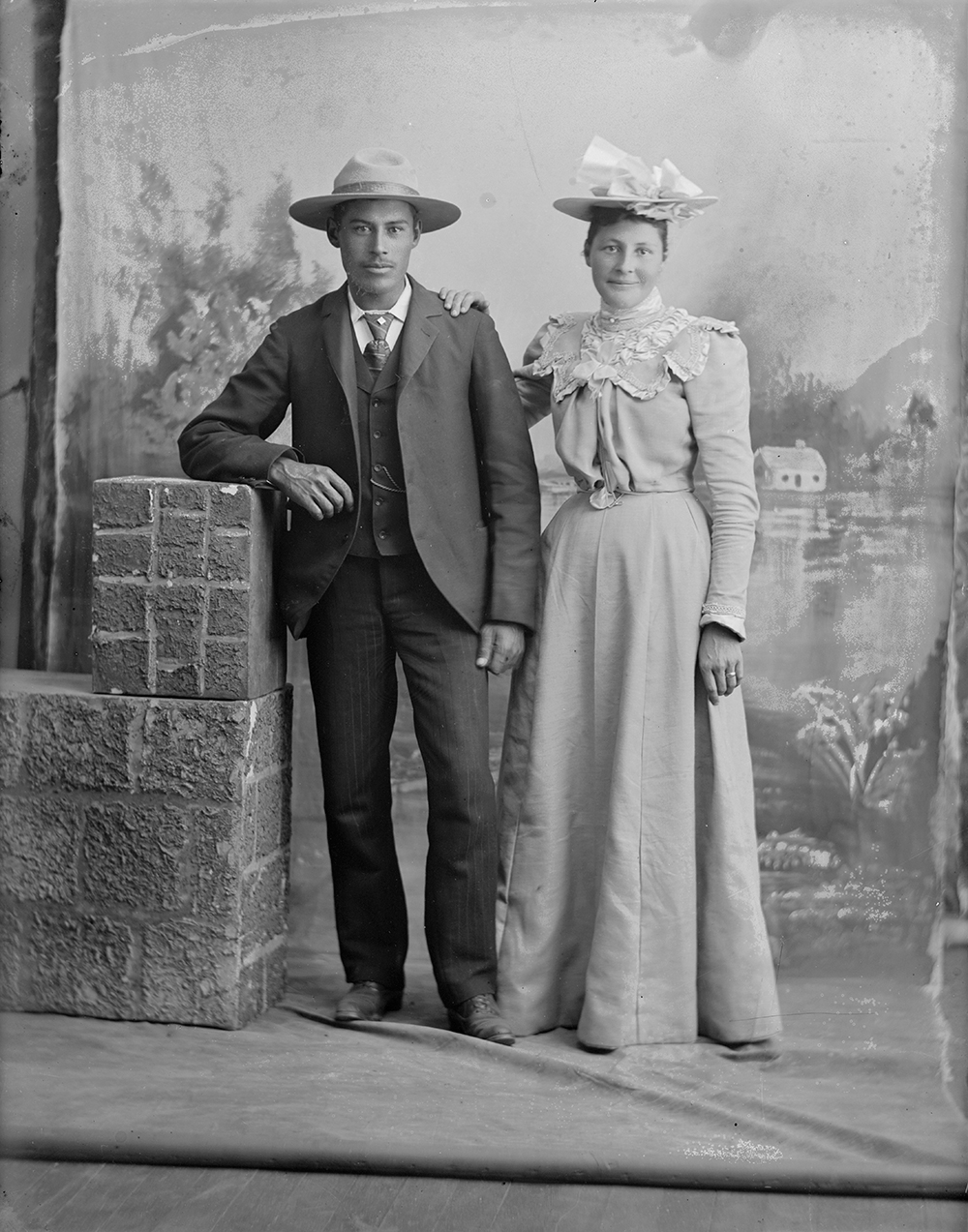
Photo of couple, last name Calihoo, by the Ernest Brown Studios. Date unknown. Source: Provincial Archives of Alberta.
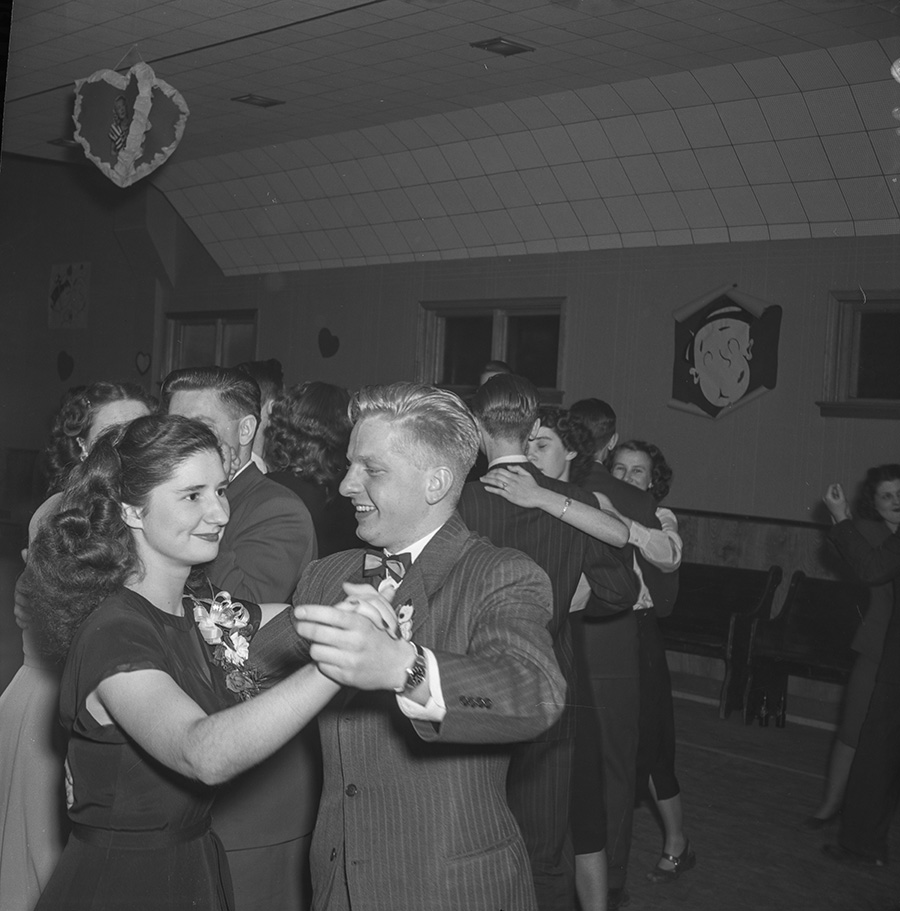
Valentine’s Dance by M.H. Charnetski Sr., taken in 1948. Source: Provincial Archives of Alberta.
Photo of couple, last name Ellefnon, by the Ernest Brown Studios. Date uknnown. Source: Provincial Archives of Alberta.
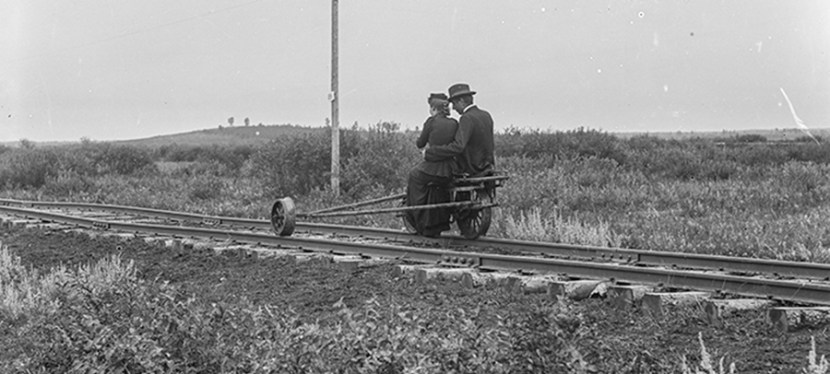
Rev. Gray and Miss Dixon on railroad scooter. Photo taken Aug. 10, 1894. Source: Provincial Archives of Alberta.
Nick Spivak with C. Anton, February 1948. Source: Provincial Archives of Alberta.
Written by: Michael Gourlie, Government Records Archivist, Provincial Archives of Alberta
Hey, remember a few weeks ago when the ENTIRE PROVINCE was under an extreme cold weather warning? Below 30, minus 40 weather for several days. Fun times, good stuff.
It was probably no surprise that folks wanted to hunker down and hibernate until temperatures become more seasonable (like a balmy -15C). But there are better options than hibernating! For example, visiting the Provincial Archives of Alberta’s new exhibit, BRReathtaking Images of a Winter City.
Featuring the work of award-winning Edmonton photographer Nick Ochotta, the exhibit highlights the beauty, fun and drudgery of living in a winter city. As largest, northernmost metropolis in the world, it is better to accept that snow, ice and chilly temperatures are a seasonable and inevitable part of Alberta’s winter wonderland. At least you can be warm inside looking at images of winters past. If they made it through, so can you!
The exhibit is on display until March 31, 2020, by which point the province may have thawed out. Maybe.
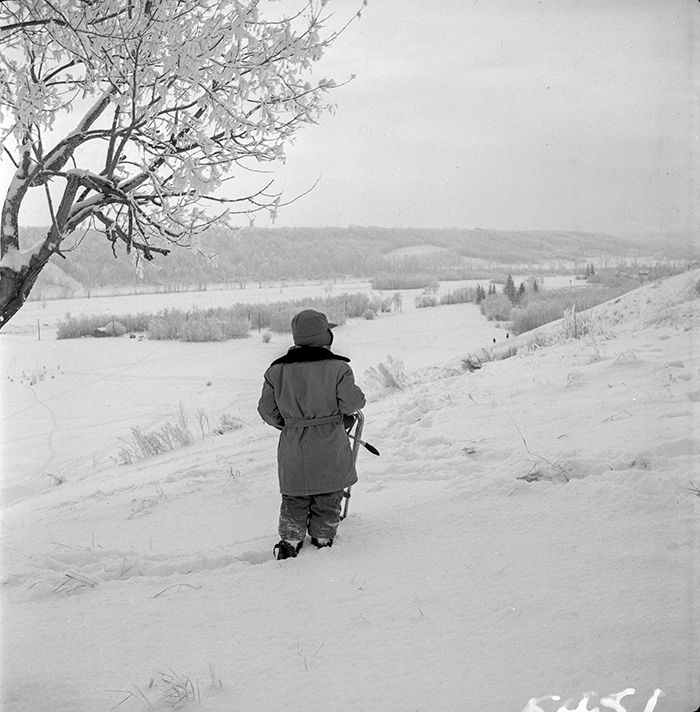
Surveying the land, sled in hand. Possibly near present-day Ezio Faraone Park in Grandin. Photo taken in 1953 by Nick Ochotta. Source: Provincial Archives of Alberta.
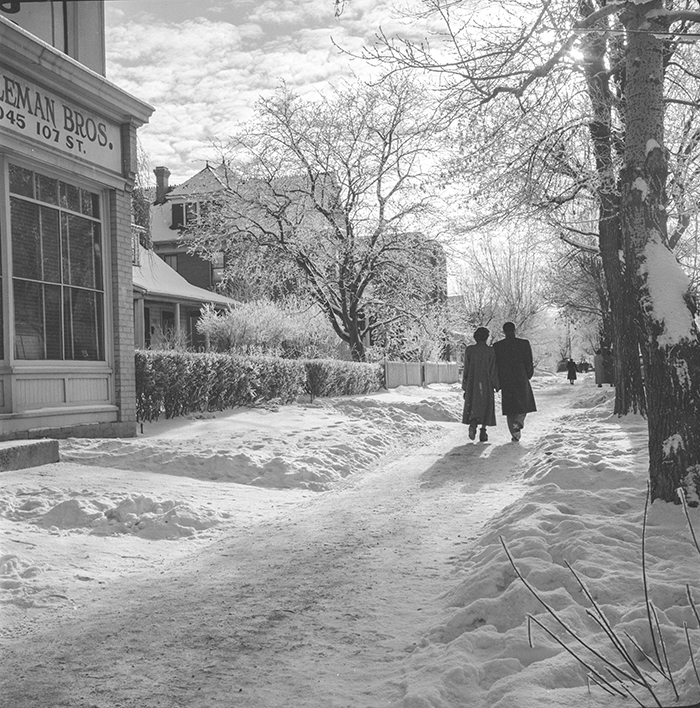
A familiar winter scene by Templeman Bros. on 107 St. Photo taken in 1953 by Nick Ochotta. Source: Provincial Archives of Alberta.
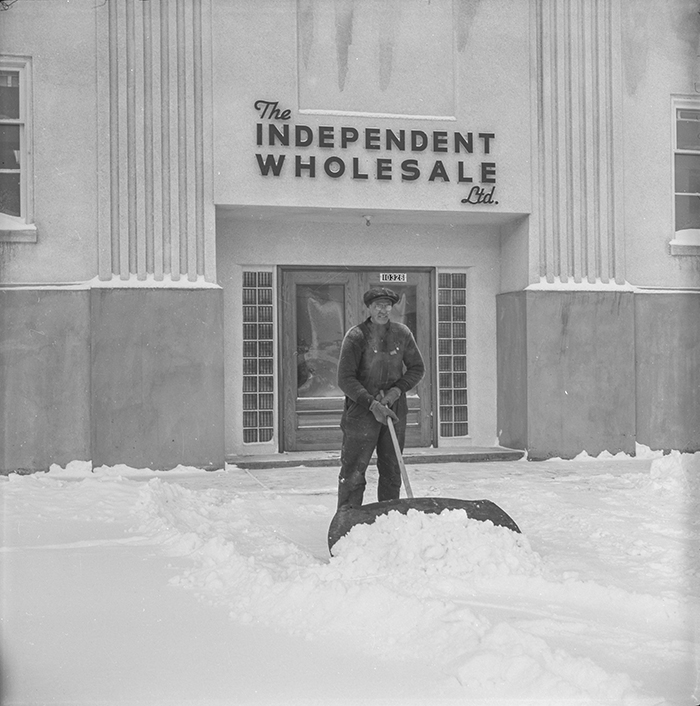
I’ll take the classic shovel over a leaf blower any day of the week. The hardworking man in the picture is also named Harry Snow. For real. Photo taken in 1948 by Nick Ochotta. Source: Provincial Archives of Alberta.
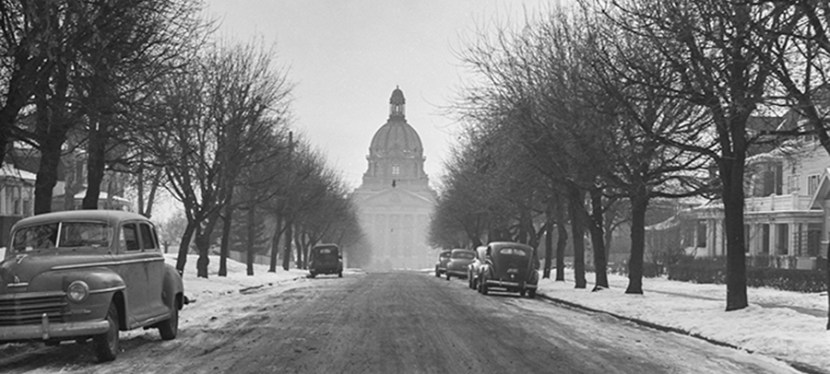
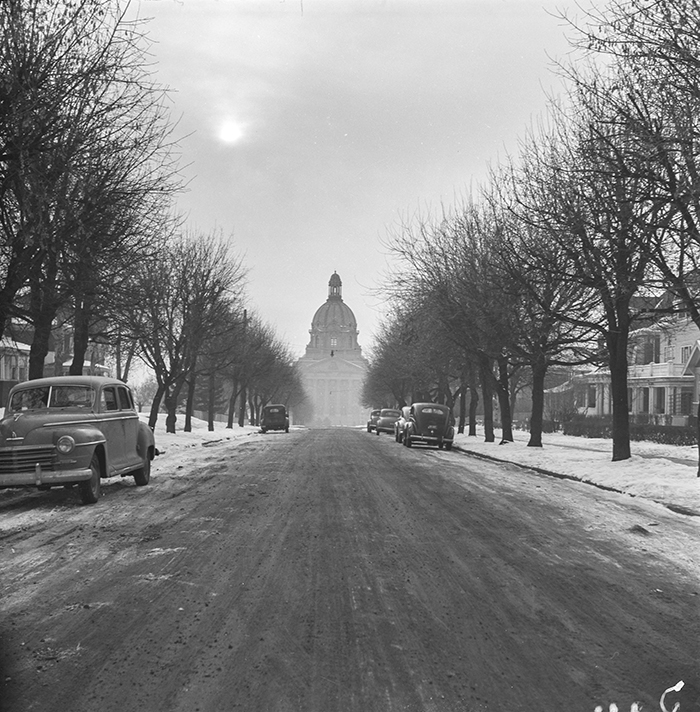
View from 108 St. just south of Jasper Ave. Photo taken in 1948 by Nick Ochotta. Source: Provincial Archives of Alberta.
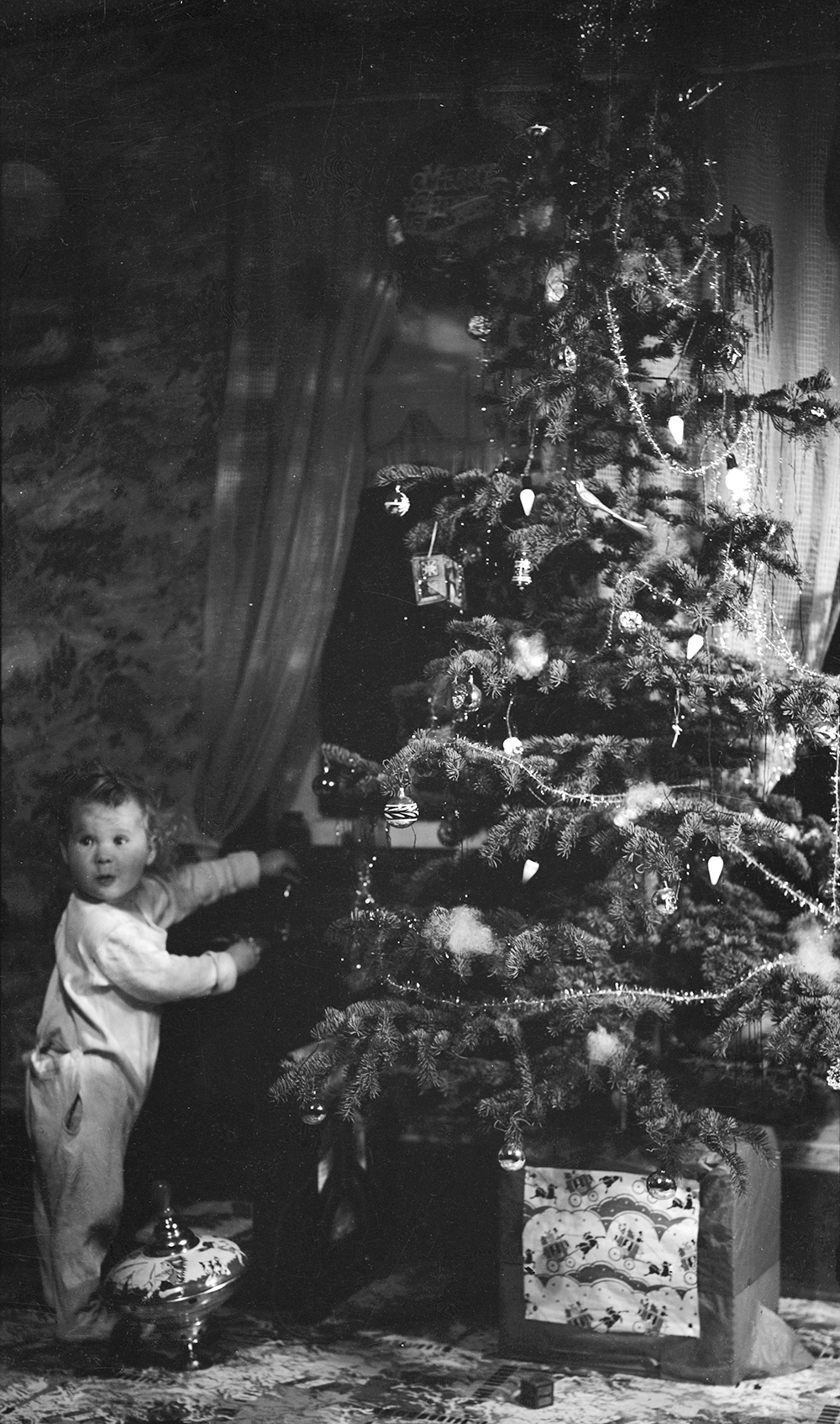
On behalf of RETROactive, happy holidays to everyone out there. Whether you’re a new subscriber or have been a follower for years, we want to thank you all for your continued support. We’ll be back in mid-January with even more blog posts about Alberta’s unique history!
Mary or Sandy Lee with Christmas Tree, Mountain Park Alberta, ca. 1938, CL130, From the Charles Lee Fonds. Source: Provincial Archives of Alberta