Alberta’s Early Public Libraries

October is Canadian Library Month – a time to raise awareness about the valuable role of libraries in our communities. Thank you to guest writer, Erin Hoar, for this post about some of Alberta’s first libraries.

The earliest libraries in Canada were generally private collections of books and documents brought over by European immigrants. Some religious orders, fur trade and military posts would also collect books, but these were generally not accessible to the wider public. Canada’s earliest public libraries were offered by subscription only and began to appear in the early nineteenth century. By 1900 the modern public library, similar to what we would think of as a library today, began to acquire, classify and organize books, periodicals and newspapers with the purpose of providing users with access to these collections.

The idea of libraries was becoming more recognized as a public need that enriched growing communities, as was the case in Alberta. Many of Alberta’s early libraries were established because there were dedicated people who were passionate about providing accessible learning and educational services. This post will trace Alberta’s earliest public libraries in Edmonton and Calgary, and look at the people who brought these spaces to life to become valued and trusted resources for their communities. Read on to find out more!
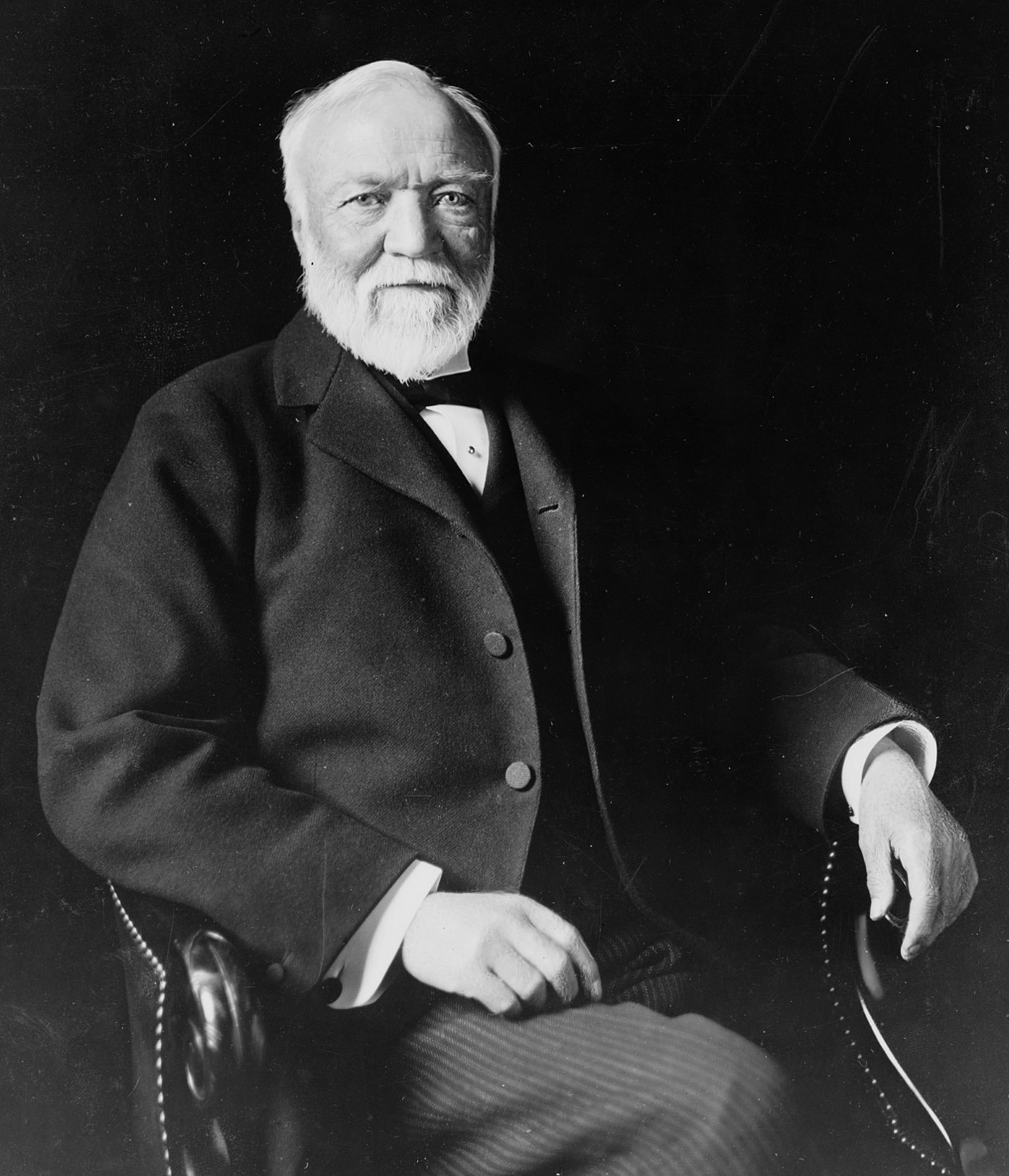
Andrew Carnegie, 1913 (Public domain).

It was 1906 when the Calgary Women’s Literary Club formed to discuss the readings of Shakespeare, world news and current events, and it was out of these gatherings that the need for a public library grew. The women did what many others who wanted a public library did during this time – they asked millionaire Andrew Carnegie to build them a library. Carnegie, who made a fortune in the steel industry, was a strong advocate for learning and had a reputation for library philanthropy. In Canada, the Carnegie Foundation funded over 100 libraries and thousands more across the world, including the United States, England, Ireland, South Africa, Australia and New Zealand. Read more
Congratulations to the Royal Alberta Museum

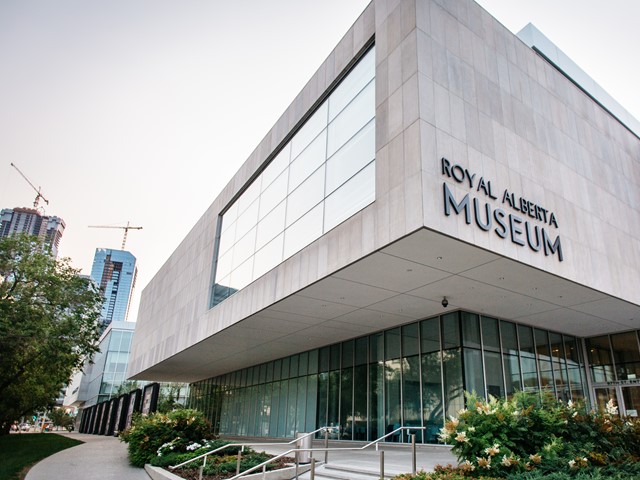
The new Royal Alberta Museum is opening today! Congratulations to everyone who has worked so hard to make this happen. We are very excited to explore the new building and galleries, and enjoy the museum for many years to come.

New Royal Alberta Museum in downtown Edmonton. Credit: Flickr/Government of Alberta.

In honour of the new museum building opening, our post today looks back at the beginning, and original opening, of the Provincial Museum of Alberta (later renamed Royal Alberta Museum) 51 years ago.

The former Royal Alberta Museum building was built as the Provincial Museum and Archives of Alberta in 1967. It was the culmination of a decades long effort to build a provincial museum in Edmonton. Funding came through the Government of Canada’s “Confederation Centennial Memorial Program”, which saw a substantial, jointly funded construction project in Read more

“Alberta’s Lower Athabasca Basin” Takes Home Award

The Book Publishers Association of Alberta (BPAA) held their annual Alberta Book Publishing Awards on September 14 in Calgary. These awards recognize and celebrate the best of the Alberta book publishing industry. Of special note for the Historic Resources Management Branch is that Alberta’s Lower Athabasca Basin: Archaeology and Palaeoenvironments was awarded the Scholarly and Academic Book of the Year. This book was a collaborative effort between current and former employees of the Historic Resources Management Branch and the Royal Alberta Museum, researchers at the University of Alberta, members of Alberta’s archaeological consulting community, and Athabasca University Press. Well done and congratulations to everyone involved!

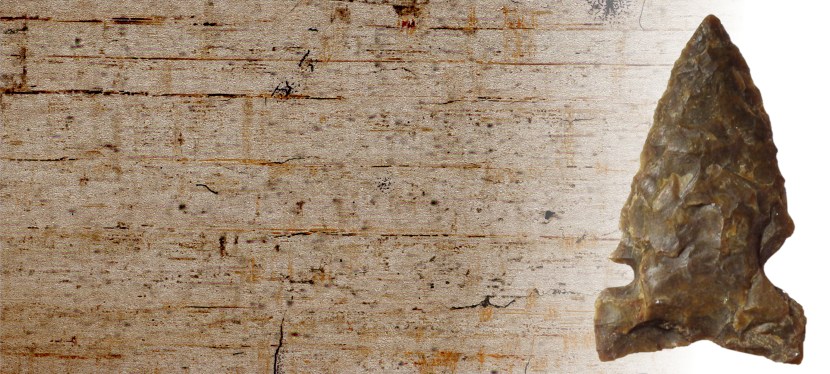
This volume tells a fascinating story of the oil sands region of northeastern Alberta, including how a catastrophic flood at the end of the last ice age formed the landscape of the region. It also highlights the intensive use of resources in the area by precontact groups since ca. 11,000 years ago. When the flood went through, it scoured pre-existing glacial deposits, and made bedrock deposits such as bitumen and a lithic raw material called Beaver River Sandstone accessible from the surface. Beaver River Sandstone was used to make stone tools for millennia following the flood. This stone can be found at a site called Quarry of the Ancestors near Fort McMurray, and over two million artifacts made of this material has been recorded in Alberta’s archaeological record. The chapters in this volume are invaluable for understanding the ecological and human past in northeastern Alberta and are important for informing future management of historic resources in the region.

Alberta’s Lower Athabasca Basin: Archaeology and Palaeoenvironments can be purchased or downloaded for free through Athabasca University Press.

Alberta Culture Days 2018

Mark your calendars for September 28-30 – Alberta Culture Days is almost here! This event provides an opportunity for Albertans to discover, experience and celebrate our arts, heritage, diversity and community spirit. There are nearly 80 organizations in Alberta that have been selected as official celebration sites, but anyone can organize and host an event. A list of events and sites, and resources to plan and submit your own event can be found here. If you’re not in Alberta, don’t worry, there are events happening all across Canada. September 28-30 is also National Culture Days! A listing of events by city or province can be found here.

If you are interested in hosting your own event, add it to the National Culture Days calendar. You can find event planning guides, ideas for schools, customizable posters and ads on the Alberta Culture Days website to help you with your event.

Take a look and start planning your visit to one (or more) of the many celebration sites across the province. With over 350 events listed, there is something for everyone – art walks, cinema, scavenger hunts, brewery tours, screen printing and much, much more!

Happy Culture Days!

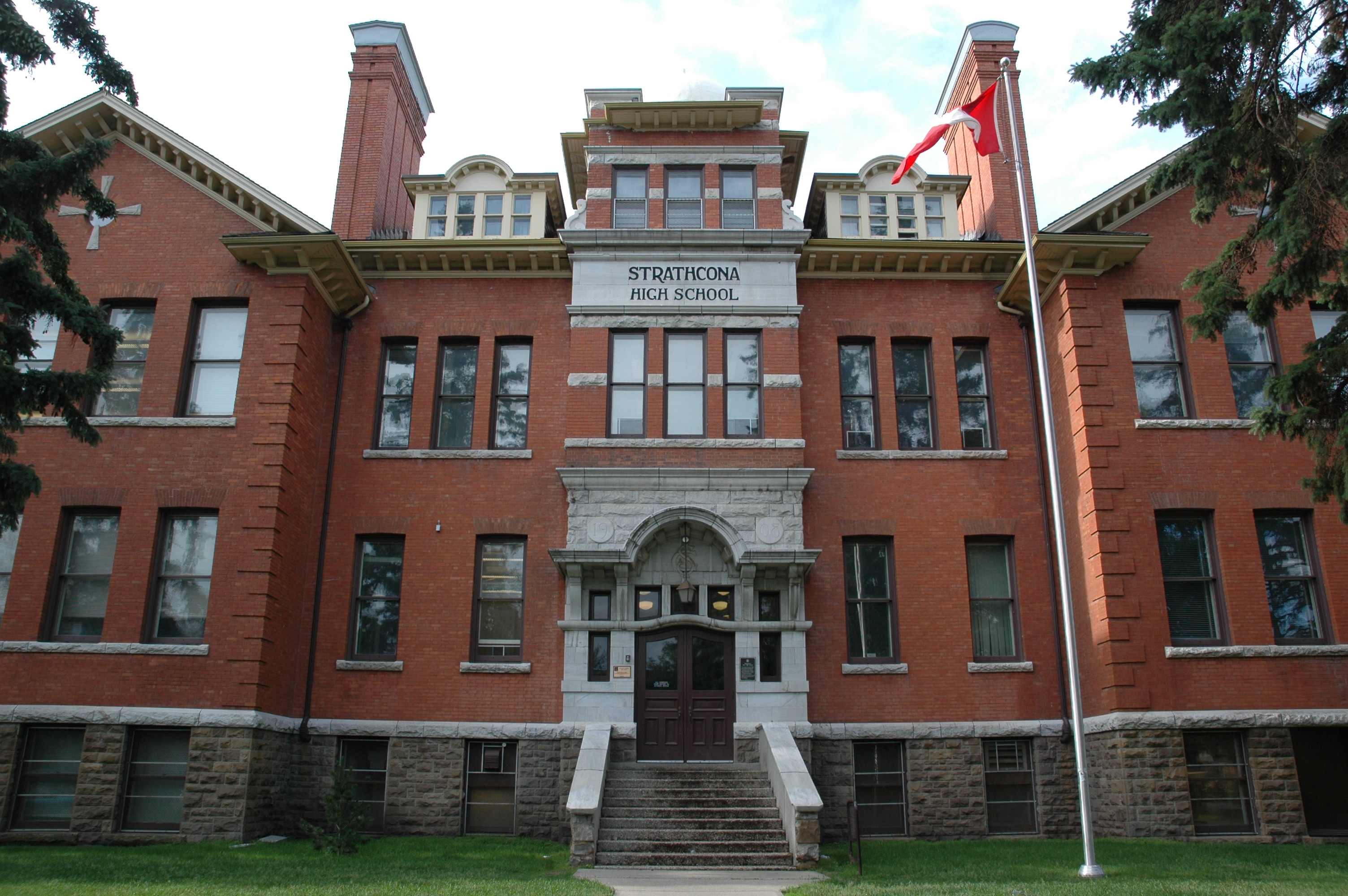
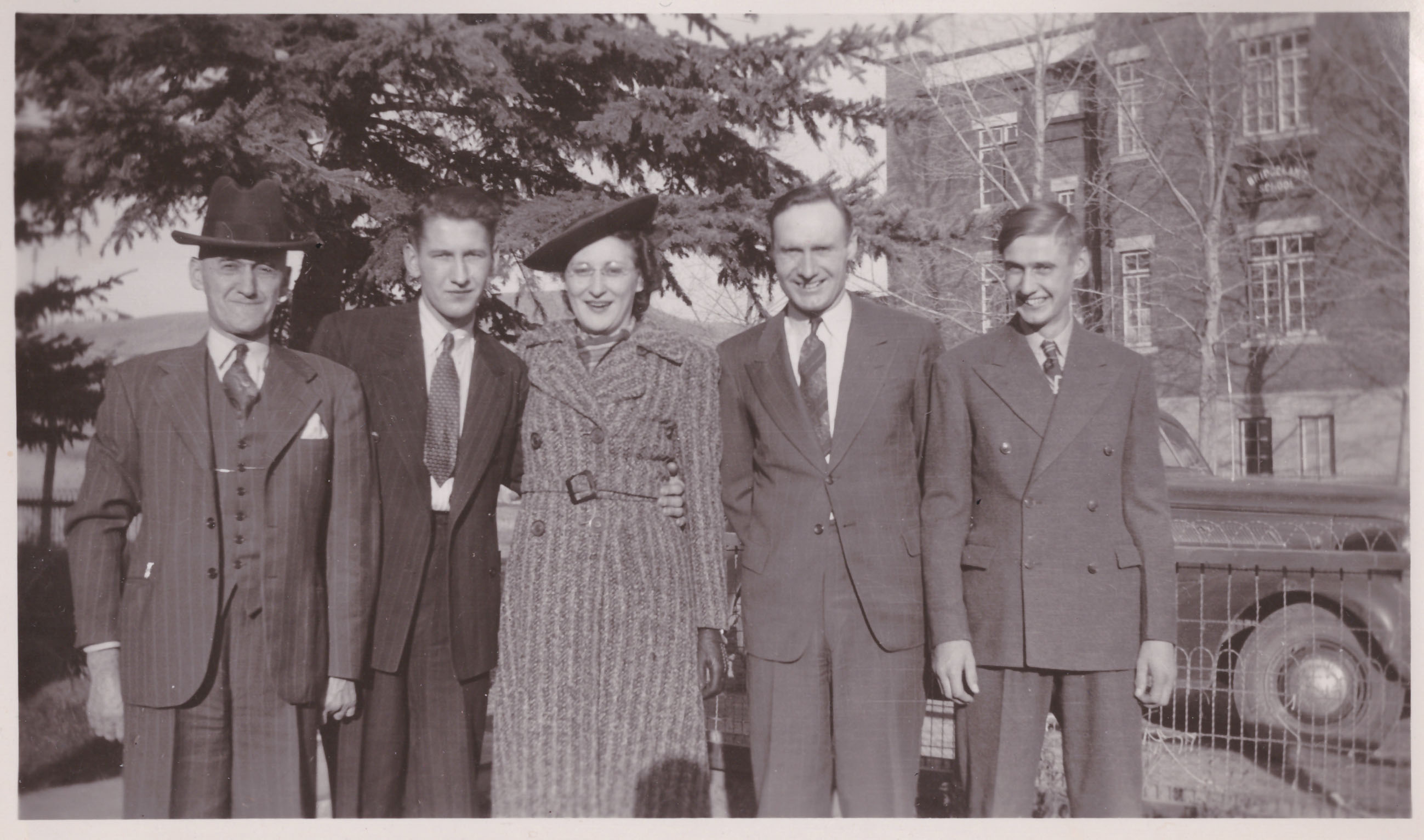
Strathcona Collegiate Institute, Edmonton

In the spirit of back to school season, here is a previous post highlighting the history of the Strathcona Collegiate Institute/Old Scona Academic High School. It was originally published on RETROactive on October 11, 2011. Enjoy!

Strathcona Collegiate Institute/Old Scona Academic High School, Edmonton

When the Calgary & Edmonton Railway arrived at the south bank of the North Saskatchewan River in 1891, the C & E immediately subdivided a townsite which it named South Edmonton. Being at the end of steel, the community steadily grew throughout the decade until, in 1899, it was incorporated as the Town of Strathcona with a population exceeding 1,000. As with Edmonton to the north, Strathcona grew rapidly in the wake of the Klondike gold rush, and, in 1907, it was incorporated as a city with an estimated population of 3,500. Edmonton, however, was destined to grow at an even greater Read more

Petrified Wood: Preserving Alberta’s Natural and Human History

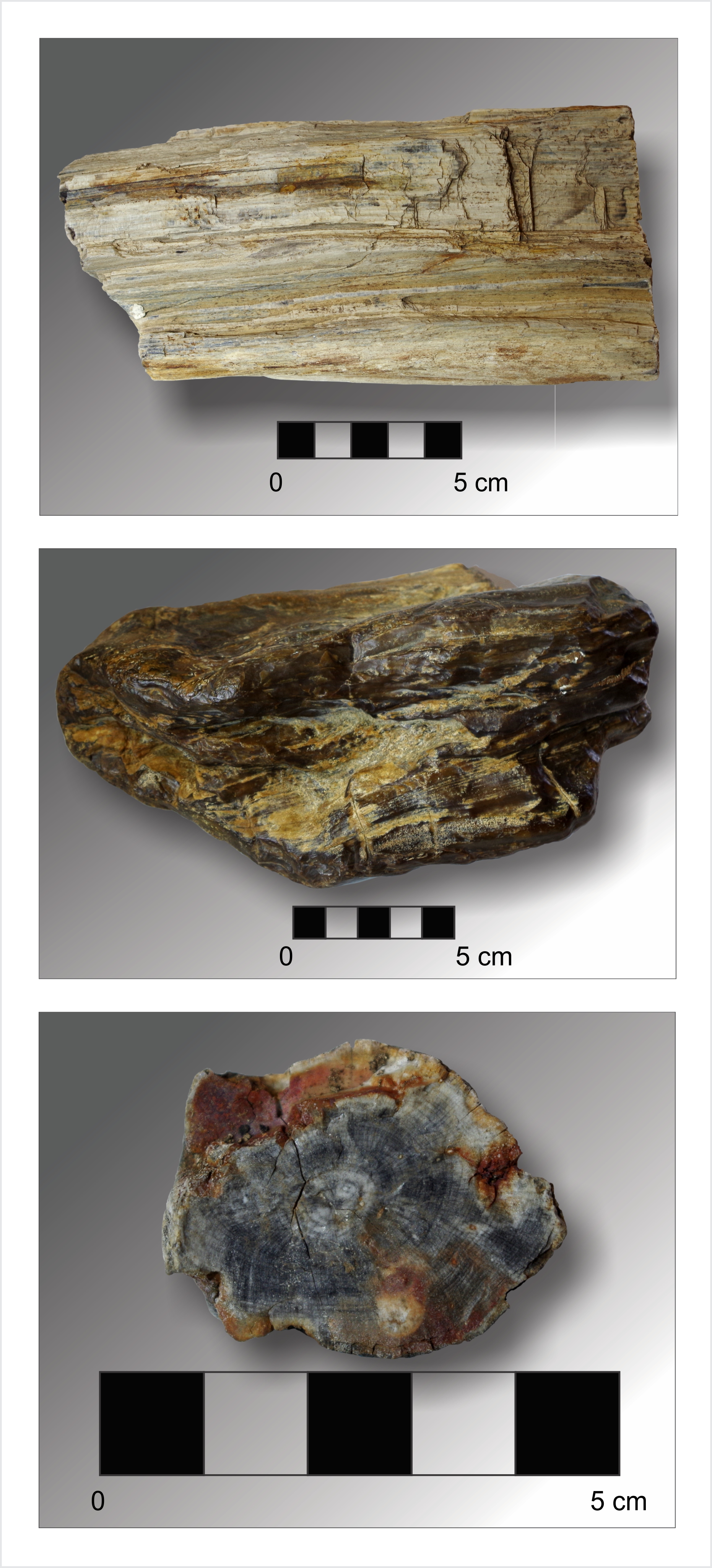
Designated as Alberta’s official stone in 1977, petrified wood is part of the geology, palaeontology and archaeology of the province. Petro (meaning ‘stone’ in Greek) is the root word of petrifaction, the process whereby an organism is mineralized or turned to stone. Petrified wood is a 3-D fossil that can appear like modern wood at first glance.

Figure 1. Examples of raw petrified wood cobbles and pebble from Alberta.


Petrifaction of wood involves two processes: permineralization and replacement. Both of these processes take place at the same time and involve the flow of groundwater, rich in dissolved minerals, through the wood. During permineralization, the internal and external features are surrounded and encased by minerals that have crystallized out of solution. During replacement, decomposing plant tissues are gradually substituted with minerals, which replicate the original structure in remarkable detail. Depending on the chemical composition of the groundwater, silica, calcite, pyrite and a number of other minerals can petrify wood. Quartz and other varieties of silica (SiO2) are the most common minerals: these fossils are said to be silicified. Read more

“Isn’t it good, Norwegian Wood?”

So, a colleague of mine here in the Historic Resources Management Branch recently returned from a course on wood conservation in Oslo, Norway.

While he didn’t find out why John Lennon lit a former lover’s house on fire as the song strangely suggests, he did attend the 2018 International Course on Wood Conservation Technology (ICWCT). A biennial course that gathers academics, professors and scientists from around the world (including two from Canada) to deliver lectures, ICWCT also combines this with field work and theory centered on the practice of wood conservation.

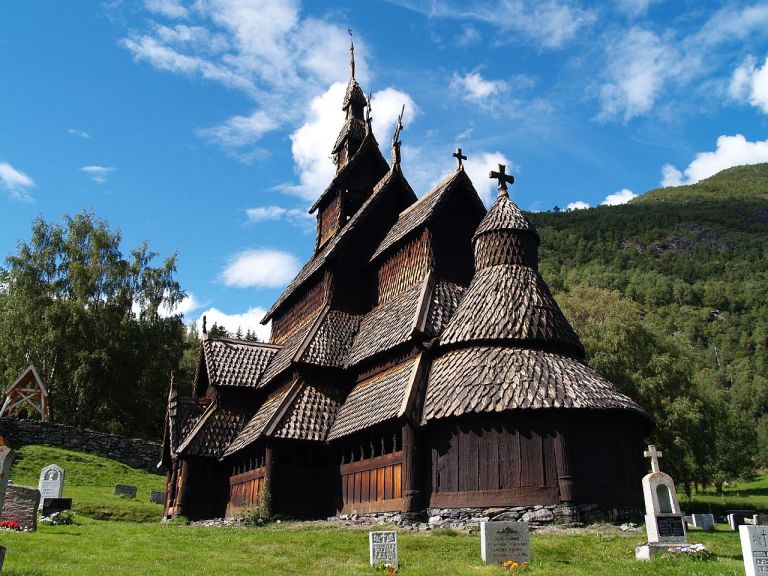
1280px-Borgund_Stavekirk,_Norway
The Borgund Stave Church in Lærdalen, Norway was built just before 1150. From the Middle Ages up until the beginning of the twentieth century the use of pine tar was restricted to the protection of churches, since it was both time-consuming  and expensive to produce. This goes a long way towards explaining why outdoor woodwork on the stave churches from the twelfth century which has been protected with pine tar is preserved in an excellent condition. Norwegian church accounts reveal that the local farmers and villagers were obliged to apply fresh tar to the external walls of the stave churches at ten yearly intervals*. Photo by: AzaToth

Heritage Conservation Technologist Evan Oxland went to Norway to learn more about technical and theoretical aspects of wood conservation, as well as what other contemporary international approaches there are out there. He was the only Read more

Calgary’s Gay History: The Life of Everett Klippert

This week on RETROactive, we are grateful to guest writer, Kevin Allen, for sharing the story of Everett Klippert.

Everett Klippert (far right), Calgary.

Everett George Klippert, a Calgary bus driver, was the last person in Canada to be arrested, charged, prosecuted, convicted, and imprisoned for homosexuality. The Canadian decriminalization of homosexuality was a direct result of the Klippert case.

In his court proceedings, Klippert stated that he had actively engaged in homosexual activity when he started work in a Calgary dairy at the age of 16 or 17; and had continued being active until he was found out and arrested by Calgary Police Read more

Creating Connections: Paul First Nation History

Today, RETROactive is pleased to feature a community-created heritage project!

The Paul First Nation History website and Facebook page is the brainchild of Jaelin Rask. A Paul First Nation member who today lives on-reserve, Jaelin was raised primarily in Calgary, geographically and culturally-distanced from his Indigenous heritage. As an adult, Jaelin received a number of historical documents from his late paternal grandfather, David Bird (who served as Chief of Paul First Nation from 1952 to 1955), spurring his interest in genealogy and his father’s family history.

Jaelin Rask (Photo provided by: Jaelin Rask).

“Little by little” Jaelin’s document collection grew, aided by trips to the archives and conversations with community members. Word of his work travelled fast throughout the Nation, and Jaelin found his social media inboxes full of requests Read more

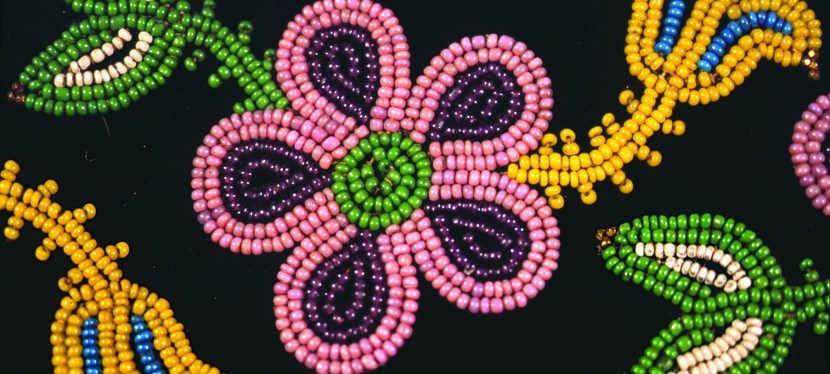
Beading the Way: Adornment and the Quest for Cultural Survival

Adornment reflects a symbolic visual language that includes materials and designs that contain communally understood messages. That is, the clothing or items we wear convey information about us to other people. The expression of these messages through clothing, tattoos, jewelry, or body paint, conveys information about an individual, group, society, or religion. Beading, and other embroidery techniques, can be seen as one aspect of adornment for Indigenous groups, and one that played a central role in cultural preservation for many groups post-European contact.

Beads have been found in the archaeological record as early as 40,000 years ago, and are staples in decorative adornment. Beads can be fashioned from many different natural materials including plant seeds, stone, gems, shell, bone, or metal. While plant-based seeds are the easiest to manufacture due to their availability, beads made from bone, metal, gems, or semi-precious stone require more effort and technology to produce, and are therefore more highly valued.

Prior to European contact, Woodland and Plains cultures of North America decorated the skins of animals, tree bark, and their own bodies with locally available and traded materials. Materials such as seeds, berries, porcupine quills, moose hair, Read more