A Futuristic Elevator that Lives on in Brazil

This post was originally published on RETROactive on July 31, 2014. 

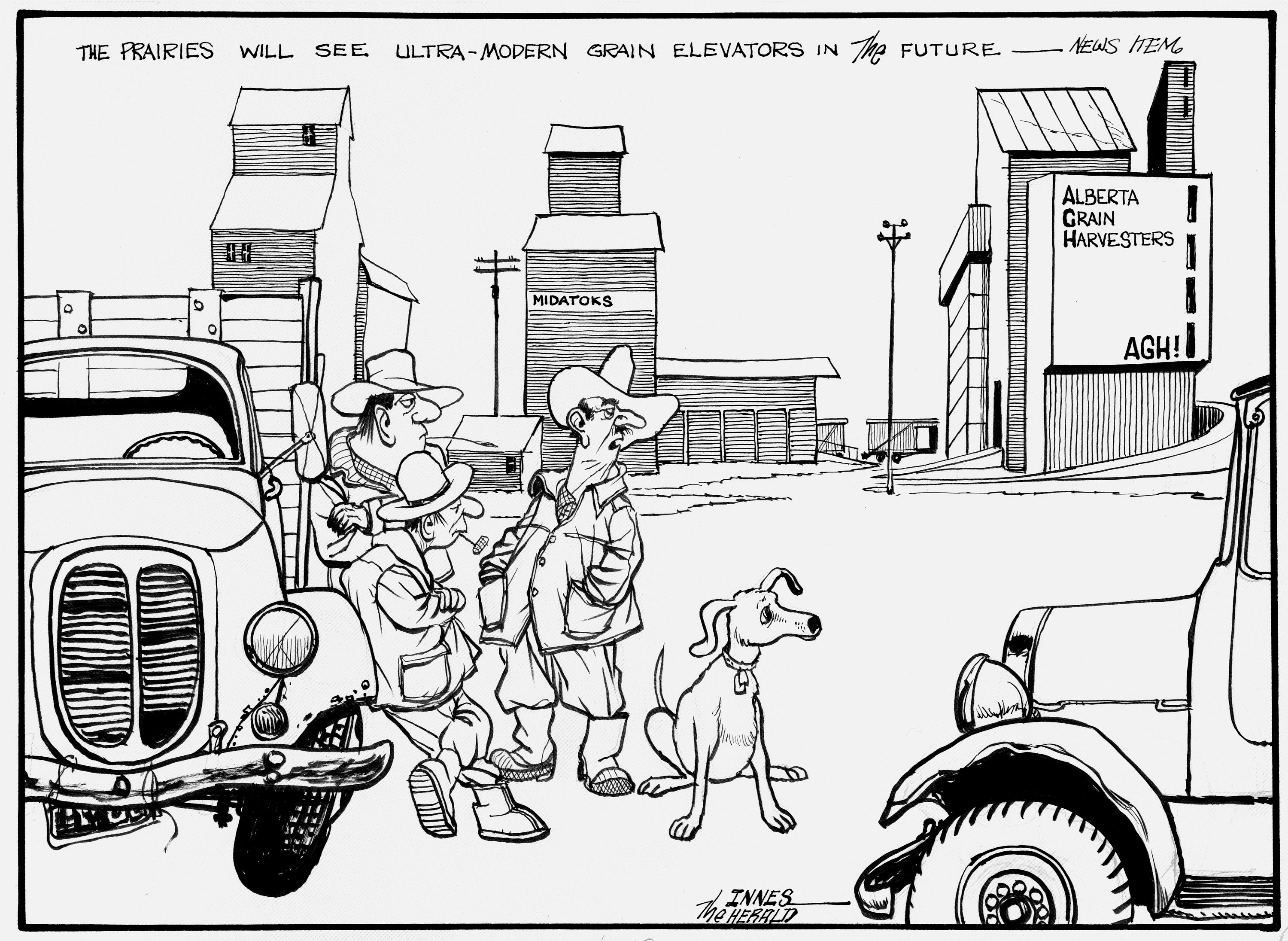
As this cartoon indicates some farmers were skeptical of the Buffalo design. (Courtesy of Glenbow Archives, M-800-344.)

Not long ago, Alberta had country grain elevators named for the bison that roamed the plains before grain was grown. The innovative Buffalo, as they were called, were designed in Alberta, and constructed in both Alberta and Brazil. In the late 1970s, times were good for Alberta’s farmers and their grain Company—the Alberta Wheat Pool. Bumper crops and high grain prices kept the grain elevators humming. As fires destroyed many wood elevators, and the railways were pushing for ever more streamlined grain handling, the Pool decided to use some of its profits to experiment with concrete elevator designs. It began working with Buffalo Engineering of Edmonton, headed by Klaus U. Drieger. This resulted in a design for an elevator that was radically different, and a second company, Buffalo Beton Ltd. of Calgary, constructed them. Read more

‘Pollen’ me back into history!: What Pollen can tell us about Archaeological Sites

Anyone with allergies knows when spring begins, and plants start pollinating, the offensive ‘dust’ can wreak havoc. However, one of the great things with pollen, from an archaeological perspective, is the fact that it gets dispersed annually. This means that each year, the ‘signature’ of the pollen released tells us about the landscape at the time. Plants have evolved to reproduce with pollen in several ways, and one that is highly effective is pollinating via the wind.

Pollen being released from a flower which will be carried by the wind. Plant Pollen is available through the CC0 Public Domain.

When the wind transports pollen it gets dispersed across the landscape, sometimes even getting caught within puddles. Inevitably, many pollen grains get caught in lakes and accumulate in the sediments. When it settles on the bottom of a lake basin, it stays there and is preserved for researchers to find hundreds, and even thousands, of years later. All this Read more

Pronghorn Traps on the Northern Plains of Alberta

“The antelope possesses an unconquerable inquisitiveness, of which hunters often take advantage…The hunter, getting as near the animal as is practicable, conceals himself by lying down, then fixing a handkerchief or cap upon the end of his ramrod, continues to wave it, remaining concealed. The animal, after a long contest between curiosity and fear, at length approaches near enough to become a sacrifice to the former.” (James 1905, vol. 2, pp. 227)

On two different flights over southeastern Alberta, separated by about thirty years, unusual stone features were observed on the landscape. Upon further inspection by archaeologists, it was determined that these two sites are the remnants of drive lanes and traps that were used for the communal hunting of pronghorn (Antilocapra americana, also commonly referred to as antelope).

While it is commonly known that bison were one of the greatest resources for precontact North American Indigenous groups, it is important to note that before European arrival, it is thought that there were just as many pronghorn as bison in North America. They were an important resource as well, particularly for people living in the Great Basin region of the United States, as pronghorn were one of the largest game animals available in that region. For Plains groups, bison were preferred for meat (and there is abundant archaeological evidence of this in the many bison kill sites across the Plains), however, pronghorn were valued for their hides to make clothing and other items.

Communal antelope hunting is documented in many historical accounts both in the Great Basin and on the Plains. These accounts describe wood and brush drive lines that led to fenced enclosures and to pit traps excavated in the ground. Hunters disguised themselves as antelope, wolf or other animals to get close to the herds and then drove the animals into Read more

The Big Four and Alberta Place Names

This post was originally published on July 10, 2012 in honour of the 100th anniversary of the Calgary Stampede. It highlights the place names and geographical features in Alberta named after The Big Four – the ranchers and businessmen that funded Guy Weadick’s 1912 wild west show and rodeo, which grew to become today’s Calgary Stampede. Six years later, the Stampede is once again in full swing – a good excuse to revisit the legacy of the Big Four.

On the west side of Stampede Park, rising from the seething mass of carnival rides, concession stands and humanity that is the Stampede midway is the Big Four Building. This building is named for the Big Four – the four Southern Alberta ranchers and businessmen who funded Guy Weadick’s proposed rodeo and wild west show in 1912. Intended to be a one-time event, the show and rodeo grew to become the Calgary Exhibition and Stampede. To say that the Big Four influenced Calgary’s popular culture would be a great understatement.

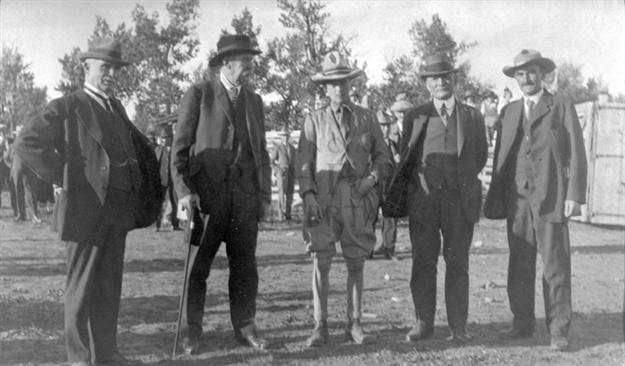
The Big Four with HRH Edward, Prince of Wales at the EP Ranch, 1923 LtoR: Pat Burns; George Lane; Edward, The Prince of Wales; Archie McLean; and A. E. Cross. (Provincial Archives of Alberta, A2658)

However, the legacy of the Big Four extends beyond the boundaries of Stampede Park. They left their mark not only in Calgary, but on the geography of the Province of Alberta. This blog post is the first of three that look at the Big Four – George Lane, A. E. Cross, Archie McLean and Pat Burns – and the places named for them. Read more

Every Place Has a Story

LC forfacebook 2
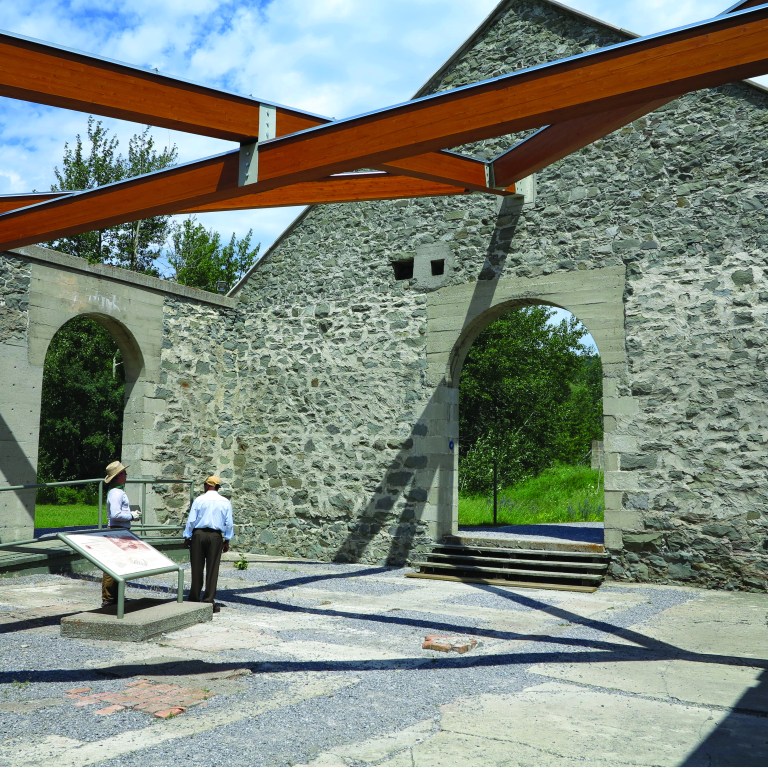
Strikes, war and untimely death are all part of the story of the ambitious mining venture at Leitch Collieries in the Municipality of Crowsnest Pass.

Saturday, July 7 is Canada Historic Places Day. Here in Alberta, you might be picturing a museum, an old Ukrainian farm house or that retrofitted old warehouse in downtown Calgary or Edmonton.

In reality, historic “places” can be much more than urban buildings or interpretive centres. They’re vast swaths of land where First Nations hunted or geological landmarks tens of thousands of years in the making.

Everyone across the province is invited to head out this weekend to learn about the stories, people and places that have shaped our province. We have more than 700 historic places designated under the province’s Historical Resources Act…maybe one of those is right in your neighbourhood!

When you’re out exploring Alberta’s historic places, share your stories on social media using the hashtag #HistoricPlacesDay. And head over to historicplacesday.ca to find out how a selfie could land you a chance to win $1,000.

Summer at Alberta’s Provincial Historic Sites and Museums

The official visitor season for Alberta’s provincial historic sites and museums is in full swing! Explore Alberta’s heritage and interact with the past. If you’re looking for things to do over the summer season, or want to make a pit stop on your road trip, check out some of Alberta’s provincial historic sites and museums, listed below. With plenty of history to choose from, there’s something for everyone on this list!

In addition to the provincial historic sites and museums, there are many other museums and interpretive centres across the province that are fantastic. For a list of those, check out the Alberta Museum Association’s website. Several places are also participating in Historic Places Day on July 7th. This is a day to recognize places that tell Canada’s story, and bring history to life in a way that can’t be done through books and classrooms. For a listing of places and events related to Historic Places Day click here.

Alberta’s Provincial Historic Sites and Museums

Read more

Did You Ever Hear the Blues? The Music, Film and Influence of Big Miller

JC-1980-Cover
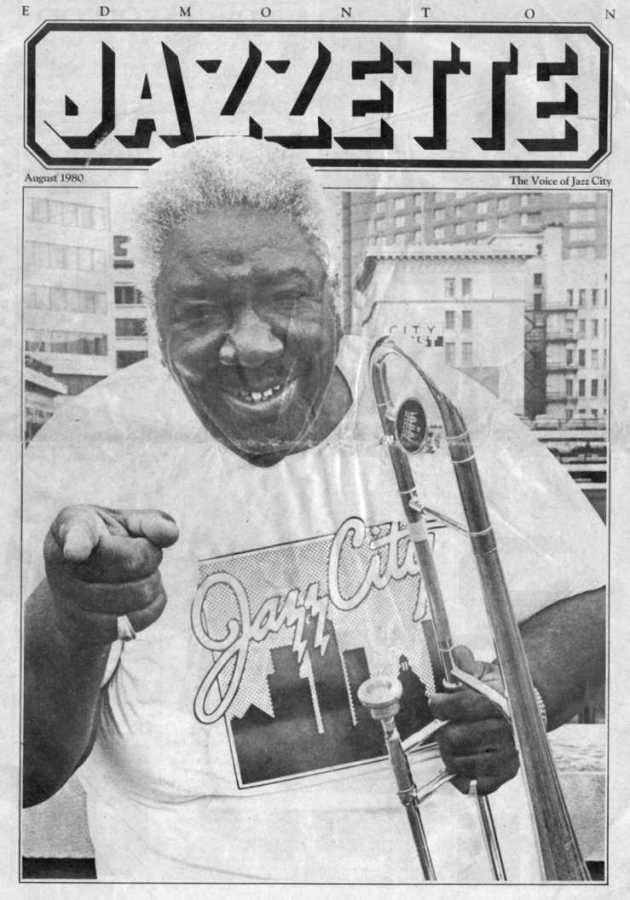
Big Miller on the cover of the August 1980 edition of the Edmonton Jazzette. That shirt is due for a comeback. Photo provided by the Yardbird Suite.

Generally speaking, the ol’ City of Champs hasn’t been known as an international hub of art and culture as say, Montreal, New York City or Los Angeles. Artists of all stripes – musicians, dancers, visual artists – tend to get their feet wet in Edmonton then head off for the greener pastures of large international centres of creativity. So to hear stories of popular artists choosing to do the opposite and actually move to Edmonton to pursue creative endeavours (in the 1970s no less!), well, that’s something worth exploring.

Jazz music has a long history in Edmonton; incredible venues like the Yardbird Suite are recognized as important institutions in the city and former events, like the Jazz City Festival are recognized for their historical role in promoting the genre in the city and province. This week is the 2018 Edmonton International Jazz Festival. Since 2006 this festival has brought some of the world’s finest jazz musicians and acts to Alberta and has promoted local musicians at an internationally recognized venue. This week’s blog post is about one of those unique Edmonton transplants, one that may not be as well-known as jazz contemporaries Tommy Banks and PJ Perry, but one who certainly deserves to be recognized in the same ranks – the great trombonist and Kansas City Blues singer Clarence Horatius “Big” Miller. Read more

HONOURING ALBERTA’S HERITAGE HEROES

Who are the heritage heroes in your community? Help us celebrate the outstanding contributions of Albertans to the promotion and preservation of Alberta’s heritage. Nominate an individual, organization or project for an Alberta Historical Resources Foundation heritage award. Complete your nominations now.  Deadline for submission is July 15.

Awards will be presented in the Heritage Conservation, Heritage Awareness and Outstanding Achievement categories. In addition, the Foundation is proud to introduce the Indigenous Heritage and Youth Heritage Awards this year. Awards will be presented during an awards ceremony on October 25, 2018 at the Government House in Edmonton.

For a copy of the guidelines and nomination form, visit https://alberta.ca/heritage-awards.aspx or contact the Program Coordinator at 780-431-2305 (toll-free by first dialing 310-000) or Carina.Naranjilla@gov.ab.ca.

National Indigenous Peoples Day 2018

Aanii! Tânsi! Óki! Abawasded! Edlónat’e! Tawnshi! * Da Neh Chi?**

Tomorrow, the Historic Resources Management Branch is glad to celebrate National Indigenous Peoples Day. Held each year on June 21 and renamed last year from National Aboriginal Day, National Indigenous Peoples Day recognizes the historic and present-day contributions, success and cultures of First Nation, Inuit and Metis communities across Canada.

Edmonton is once again hosting the free-to-attend Indigenous Peoples Festival, this year in Victoria Park from 11:00 AM to 8:00 PM. The event includes a pow-wow, main stage concerts, artisan marketplace and food vendors. There are also events throughout the week at City Centre Mall, Edmonton International Airport and the Art Gallery of Alberta (free admission on June 21 for all visitors as well!).

In Calgary, there are performances, displays and workshops at both the National Music Centre’s Studio Bell and Arts Commons, or venture west to take in the parade in Canmore or an evening medicine walk at the Banff Centre with Metis guide Brenda Holder. In southern Alberta, Head Smashed In Buffalo Jump is offering special programming, with opportunities for guided tours, performances, food sampling, and story sharing with Blackfoot Elders.

There are celebrations in communities across the province: check this listing to find the gathering closest to you. Is your community hosting an event for National Indigenous Peoples Day? Leave a comment on this post with the details!

On this day, and all days, we express our gratitude to the Indigenous communities in Alberta that we have the privilege of learning from and working with. Your history, culture, stories, goals and perspectives make our understanding of Alberta’s heritage so much richer.

Written By: Laura Golebiowski, Aboriginal Consultation Adviser

* “Hello!” in Anishinaabemowin, Cree, Blackfoot, Nakoda, Dene and Michif

** “How are you” in Beaver

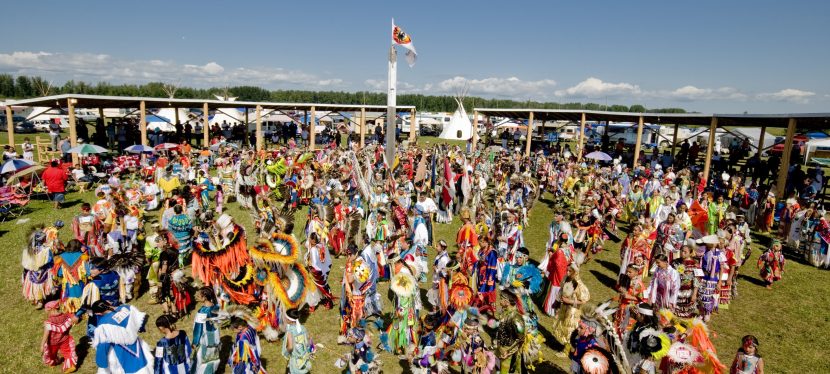
Title Image: Driftpile Cree Nation Pow Wow. Photo credit: Ron Ganzeveld, Government of Alberta.

The Arrival of the Hutterites in Alberta

Thank you to guest writers Simon Evans and Peter Peller for this interesting and informative post about Hutterite arrival in Alberta. This blog was drawn from an article originally published in Alberta History Magazine titled “The Hutterites Come to Alberta” (Alberta History, Vol. 63, No. 4, (Autumn 2015), 11-19).

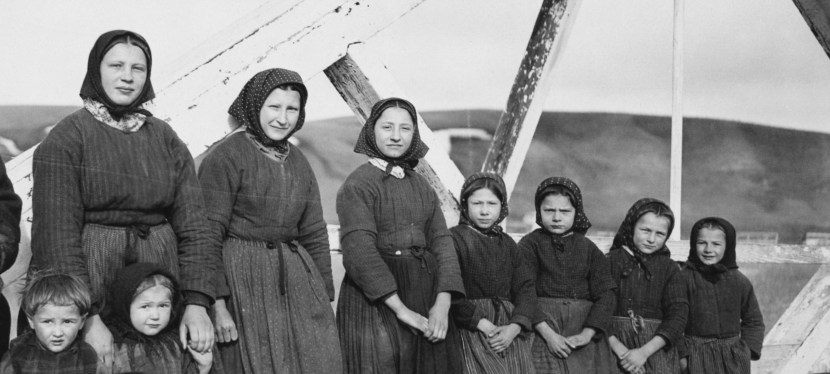
One hundred years ago, during the early spring of 1918, Paul Stahl and a small group of Hutterite leaders were scouring the country north of Calgary looking for land. After several disappointments, they found a splendid parcel of land along the tiny Rosebud River and purchased nearly 4000 acres from the Calgary Colonization Company. Some men stayed to build barns and residences for the rest of the community. Later, the main group left South Dakota on a special train to join them. There were almost 100 people of all ages, scores of horses, wagons, milk cows, 40 sows, and all kinds of farm machinery and household items onboard. They crossed into the Dominion of Canada at the Emerson Port of Entry and proceeded on the Canadian Pacific Railway to Strathmore. Here, they unpacked their belongings, hitched up the horses and moved by wagon to the new colony site along the Rosebud River, a trek of about 25 miles. After a week of traveling, the refugees finally reached their new home.

The Hutterites are a German speaking religious group with 400 years of history. They are Anabaptists and originated in the Austrian Tyrol during the Reformation in the 16th century. The characteristic that separates them from similar groups like the Amish and the Mennonites is that they live communally. Each family has its own apartment, but meals are prepared in a central kitchen and eaten together. They hold “all things common,” as did the early Christian church described in the Acts of the Apostles. Hutterites own few personal possessions and are not paid wages for their hard work. In exchange, the colony looks after them from birth to death. Read more